
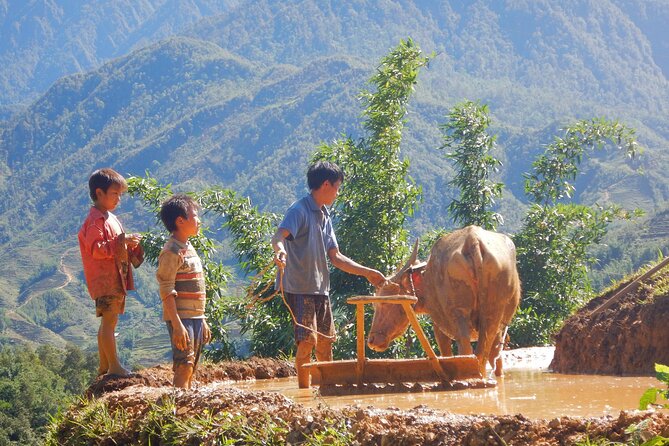
Reviewed · HIKING & TREKKING
2D1N Buffalo trek by Hmong Sister House and Trekking
Two days, one close look at Hmong life. This 2D1N Buffalo trek in Sapa follows Hmong families through forest and rice terraces, then puts you in a family home tied to the buffalo house at night. The day-to-day rhythm feels grounded, not staged.
I like two things most: the trek route that actually threads through ethnic villages and farmland (not just photo stops), and the human layer your local English-speaking guide brings. In feedback, a guide named Li is praised for sharing personal stories about childhood and how life has changed from then to now.
One possible drawback: it’s weather-dependent, and the hiking is for people with at least moderate physical fitness. If you’re hoping for easy strolling, this won’t match that.
In This Review
- Key things to know before you go
- Buffalo trek value in Sapa: what you’re really paying for
- Starting point and pickup: the day begins at Hmong Sister House
- Day 1: Hau Thao village life, lunch on the route, and the hike up
- Day 1 watch-outs
- Night in Zizi’s family Hmong house: the buffalo-house connection
- What to expect practically
- Day 2: sunrise rhythm, rice fields at work, and a Red Dao village stop
- Day 2 watch-outs
- The guide is the real engine: why Li’s storytelling matters
- What to pack and how to pace yourself on a moderate trek
- Price, pickup, and included meals: does it add up?
- Who this buffalo trek is for (and who might not love it)
- Should you book the 2D1N Buffalo trek by Hmong Sister House?
- FAQ
- Is this tour a private experience?
- Where does the trek start and end?
- What time does the pickup usually happen?
- How long is the trek?
- Is the guide English-speaking?
- What’s included for meals and lodging?
- What will I see on the trek?
- What fitness level do I need?
- What happens if the weather is bad?
- How flexible is the cancellation policy?
Key things to know before you go
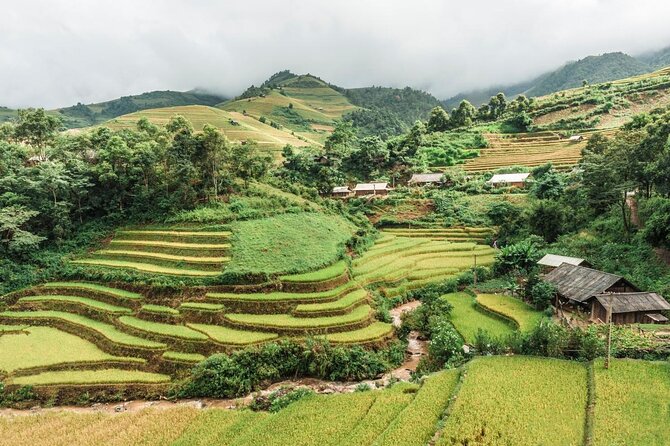
- Family-run homestay: You stay in an authentic Hmong house tied to the buffalo-livestock way of life.
- Village-to-village trekking: The route passes through ethnic communities and working agricultural areas.
- English-speaking Hmong guide: You’re not just moving from point A to B. You get context.
- Rice paddies at work: Early morning views include farmers working the fields.
- Waterfall finish on Day 2: The second day includes a trek down toward a waterfall.
- Private group experience: It’s organized so only your group participates.
Buffalo trek value in Sapa: what you’re really paying for
At $110 per person for about 2 days, this trek is priced like a small, guided “experience package,” not like a long-haul adventure. The value is in the mix: pickup, meals included during the trek day, an overnight in a family home, and a local guide to connect the hiking route to daily life.
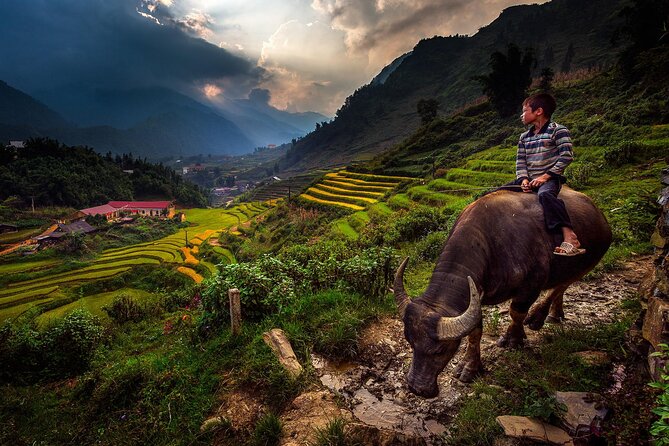
You’re also paying for time with people who live here. The trek’s concept is simple: follow Hmong steps, walk up through forest and along terraced areas, then come down through other villages on Day 2. That “created by Zizi” feel matters because the goal isn’t just distance—it’s continuity, seeing how communities live across the mountains and valleys.
And because it’s private (only your group), the experience tends to feel less rushed and more tailored to your pace. If you want a quieter way to see Sapa than the typical “bus + viewpoint” routine, this is built for that.
Worth a glance beside this Sapa pick:
Starting point and pickup: the day begins at Hmong Sister House
Your trek meets at Hmong Sister House and Trekking in Ta Van, Mường Hoa, Sa Pa, Lào Cai, Vietnam. The activity runs within opening hours from 6:00 AM to 2:00 PM, with the pickup process described as around 7:00 AM from the bus station.
That pickup detail is practical. Sapa traffic can be slow, and it’s annoying to add extra logistics on day one. Here, you’re collected early, transported to Zizi’s homestay, and you can leave luggage before you start walking.
It’s a small thing, but it changes your morning. Instead of juggling bags and trying to get settled while everyone’s waiting on the trail, you start the trek with your basics already handled.
Day 1: Hau Thao village life, lunch on the route, and the hike up
Day 1 begins at the homestay base. After pickup, you can drop luggage, then get a hot shower and breakfast cooked by Zizi. That matters more than you might think. Two days of mountain trekking can feel tiring fast, so having a real start helps you stay steady on your feet.
Then the walking starts from Hau Thao village. This isn’t framed as a one-time viewpoint pass. You’re exploring villages and witnessing how Hmong minorities live in a mountainous area—especially the way people and animals share daily space.
You’ll likely see animals co-existing with inhabitants, and the idea isn’t animal spectacle. It’s the everyday logic of a farming life where livestock aren’t separate from the household; they’re part of the routine and responsibilities.
Lunch is included and is prepared by the guide on the trek day. In practice, that keeps the route smoother because you’re not trying to find food mid-hike. It also supports the family-based approach, since the day’s rhythm is tied to local meal timing.
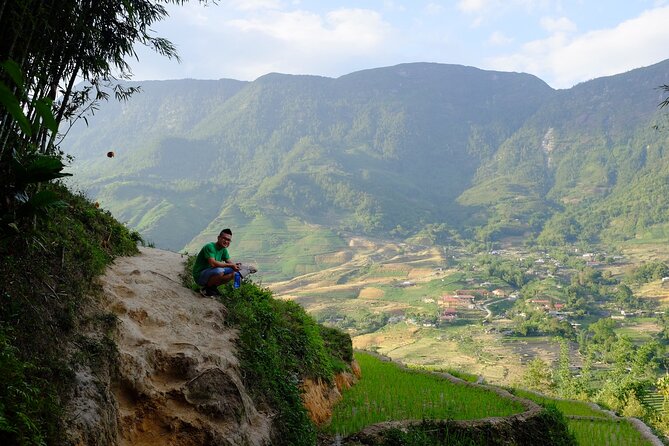
From the overview, Day 1 also follows a path that goes through forest and includes terraced rice areas. The hike ends with you staying at the authentic family Hmong house for the night, connected to the buffalo house where Zizi’s mother lives.
Day 1 watch-outs
- Trail time can feel longer than you expect because it’s village-to-village, not straight line hiking.
- If you’re sensitive to uneven ground, take it slow right at the start.
Night in Zizi’s family Hmong house: the buffalo-house connection
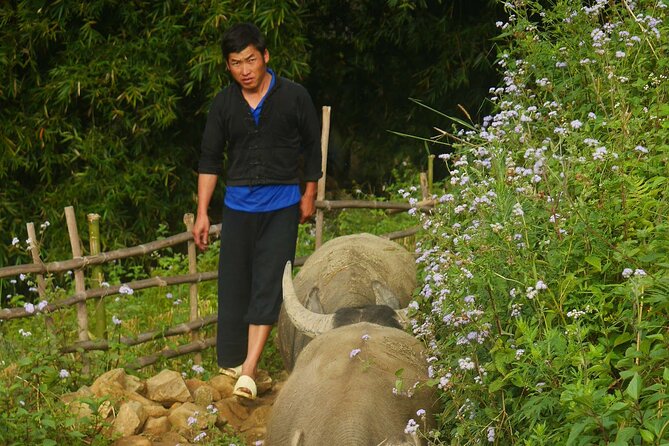
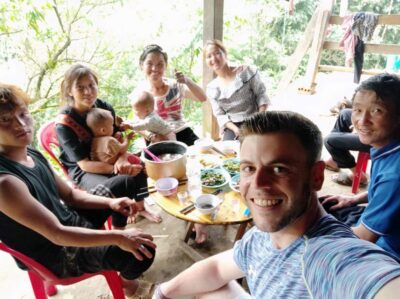
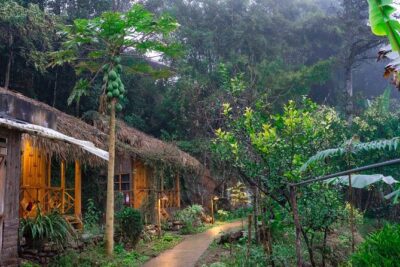
The overnight is one of the core reasons to choose this trek. You’re not just “passing through a village.” You’re staying in an authentic family Hmong house tied to a buffalo-house life, with Zizi’s mother living there as part of the routine.
That buffalo-house connection makes the trek more than scenery. It’s about responsibility, livestock care, and the kind of work that keeps a household functioning in the mountains. You may notice how the family structure shapes daily decisions—when people rise, how they organize tasks, and how farming and animals fit into the same spaces.
This is also where the guide’s role becomes more than translation. A local English-speaking H’mong guide can explain what you’re seeing in context, instead of leaving you to guess.
In feedback, this human element is repeatedly praised. A guide named Li is called out for sharing personal stories about childhood and how life looks different now compared to earlier days. That kind of conversation turns a homestay from “just sleeping” into a meaningful cultural stop.
Worth a glance beside this Sapa pick:
- Sapa : 2-Day Trek & Heartwarming Homestay with an Ethnic Family★ 5.0 · 143 reviews
- Rice Terraced Fields & Homestay Experience– 2D 1N★ 5.0 · 118 reviews
- 2 Days Fansipan Trekking★ 5.0 · 84 reviews
What to expect practically
- This is a family home setting, so don’t expect hotel-style uniformity.
- The pace is gentle enough to keep you present, but the overall experience is still built around trekking days.
Day 2: sunrise rhythm, rice fields at work, and a Red Dao village stop
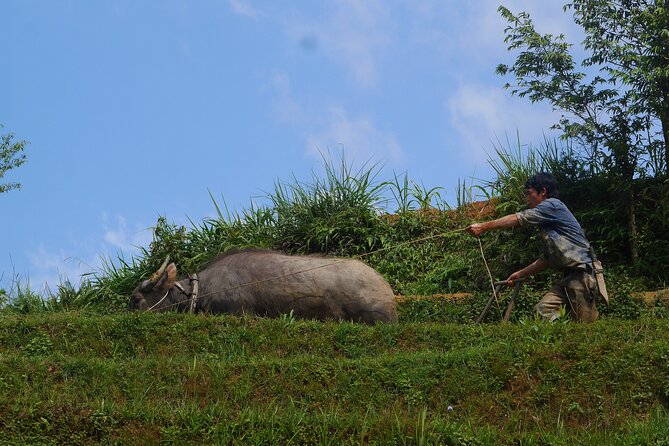
Day 2 starts slowly with sunrise. You’ll have breakfast, then you say goodbye to the family before trekking down.
A standout part of the second day is the early morning agricultural scene. You’ll see farmers working early on the rice fields—exactly the kind of “how life happens” moment that you miss when you arrive late for sightseeing. It’s not just a view; it’s action, and it helps you understand how the villages earn their living across the terraces.
Then you reach a Red Dao village, described as the second village community in the route. Like Day 1, the point is seeing how different ethnic groups live in the same mountain region, not treating each stop like a checkbox.
From the overview, Day 2 continues trekking down to new villages and a waterfall. That downhill rhythm usually feels easier than going up, but don’t underestimate it—downhills can be tough on knees and calves.
Once you finish the trek, the experience returns you back to the meeting point at Hmong Sister House and Trekking.
Day 2 watch-outs
- Downhill walking can be surprisingly taxing even when it feels “shorter” in effort.
- Start the day with the mindset of moving carefully, not fast.
The guide is the real engine: why Li’s storytelling matters
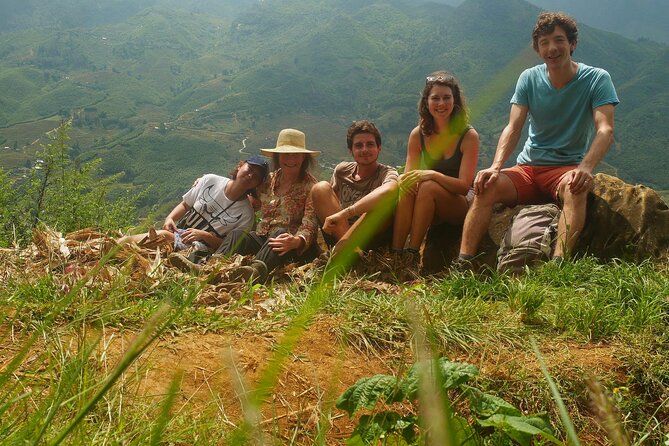
The trek’s structure is strong: pickup, homestay night, village walks, meals, and a waterfall finish. But the biggest difference-maker is the guide.
In the strongest feedback, a guide named Li is specifically praised for being phenomenal and for taking people through her own lands. The key detail isn’t just that she knows the route. It’s that she shared stories about childhood and described how people—including herself—live in the past and present day.
That’s what you’re buying when you choose a guided ethnic village trek. Without that, you’d be left with views and a few facts. With it, you get meaning: why certain patterns exist, how daily life runs, and what’s changed over time.
If you want to get the most out of your guide, ask questions that connect to what you’re doing right then:
- what a household task is for
- how livestock care fits the day
- what daily life looks like season to season
Those questions fit perfectly with this route’s focus.
What to pack and how to pace yourself on a moderate trek
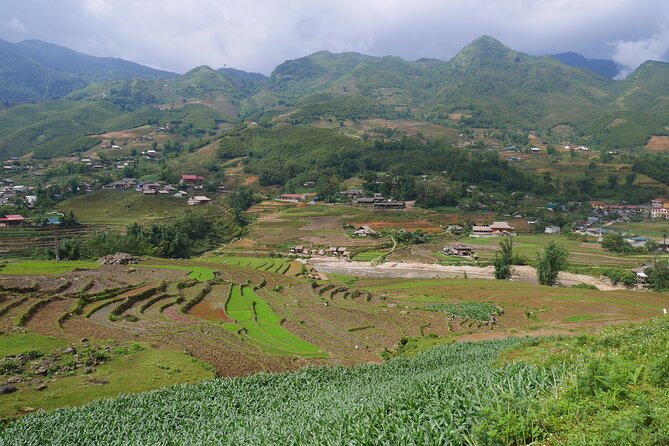
The tour is listed as needing moderate physical fitness, so you should plan for hiking on mountain paths. You don’t need to be an athlete, but you do need comfort walking for sustained stretches and handling uneven ground.
Pack like you’re hiking in Sapa mountains:
- a rain layer or light waterproof jacket (weather can shift quickly)
- comfortable hiking shoes with decent grip
- sun protection for clear mornings
- a small daypack for water and essentials
Also, because it’s weather-dependent, think in terms of layers. Cool mornings plus warmer midday is a common combo in mountain regions, and it can keep you from feeling miserable.
Pacing tip: start Day 1 a bit slower than you think you need. Your body warms up later than your enthusiasm does.
Price, pickup, and included meals: does it add up?
Let’s make the math feel real. You’re paying $110 per person for:
- pickup from the bus station around 7 AM
- transport to the homestay base and luggage drop
- hot shower and breakfast cooked by Zizi
- lunch prepared during the Day 1 trekking segment
- the overnight stay in a family Hmong house
- breakfast on Day 2 before trekking down
- guided trekking through ethnic villages, rice fields, and a waterfall route
- a local English-speaking guide
- a private format (your group participates)
That’s a lot of “operational stuff” built into one fee. Even if you were to DIY in Sapa—driver, guide, meals, and homestay—you’d likely end up piecing together multiple services and paying more in time and hassle.
You also get practical tech elements like mobile ticket delivery, plus group discounts if applicable. And since confirmation happens at booking time, you avoid the awkward wait some trips create.
Who this buffalo trek is for (and who might not love it)
Book this if you want:
- an experience rooted in family life and local culture
- a trek that goes through Hmong and Red Dao villages, plus rice fields
- an overnight homestay feel without turning it into a survival project
- a guided route with an English-speaking local who can explain what you’re seeing
You might rethink it if:
- you want mostly flat walks or a low-effort experience
- you’re sensitive to weather changes (the trek needs good weather)
- your group expects hotel-level consistency rather than a family homestay setting
Also, it’s a private tour/activity, and service animals are allowed, which can be useful depending on your needs.
Should you book the 2D1N Buffalo trek by Hmong Sister House?
If your goal is authentic mountain life in Sapa—villages, farming routines, and a real family overnight—this trek is an easy yes.
It’s not just about photos. The buffalo-house connection, the village route, and the guide storytelling (including the praised personal sharing by a guide named Li) are what make the experience feel human. And the $110 price is more reasonable when you factor in pickup, meals, overnight stay, and a guided trek for two full days.
Book it if you’re comfortable with moderate hiking and you can go with the weather flow. Then bring a curious mindset and slow down just enough to notice details on the path.
FAQ
Is this tour a private experience?
Yes. It’s listed as a private tour/activity, so only your group participates.
Where does the trek start and end?
It starts at Hmong Sister House and Trekking (Ta Van, Mường Hoa, Sa Pa, Lào Cai, Vietnam) and ends back at the same meeting point.
What time does the pickup usually happen?
The car pickup is described as around 7:00 AM from the bus station.
How long is the trek?
The duration is 2 days (approx.), with an overnight homestay and a downhill trek on Day 2.
Is the guide English-speaking?
Yes. The trek includes a local English-speaking H’mong guide.
What’s included for meals and lodging?
You get breakfast cooked by Zizi at the homestay, lunch prepared by the guide during Day 1, and breakfast again on Day 2. You also stay at an authentic family Hmong house for the night.
What will I see on the trek?
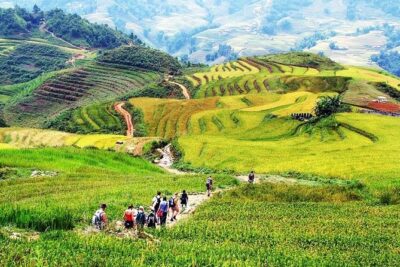
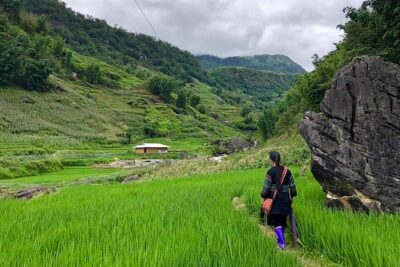
The route includes ethnic villages, terraced rice paddies and forest areas, rice fields with early farmers at work, a Red Dao village, and a waterfall on Day 2.
What fitness level do I need?
The tour lists moderate physical fitness as the requirement.
What happens if the weather is bad?
This experience requires good weather. If it’s canceled due to poor weather, you’ll be offered a different date or a full refund.
How flexible is the cancellation policy?
You can cancel for a full refund up to 24 hours in advance of the experience start time. If you cancel less than 24 hours before, the amount paid is not refunded.
More 2-Day Experiences in Sapa
More Hiking & Trekking in Sapa
More Tour Reviews in Sapa
Latest Sapa write-ups from our team


Hiking & Trekking, compared.
 ★ 5.0Halong Bay Full Day with Kayaking, Hiking viewpoint, Cave – Deluxe To LuxuryFrom $38884 reviews
 ★ 4.8From Hanoi: 2-Day Sapa Trekking Trip with Homestay & MealsFrom $71704 reviews
 ★ 5.0Sapa 3 Days 2 Nights Trekking Tour (1 Night In Ta Van Village, 1 Night In Hotel)From $139699 reviews
 ★ 5.03-Day Trekking Adventure of Sapa from Hanoi – Stay Ta Van VillageFrom $109611 reviews
 ★ 5.0Number one top rated ethical cultural trekking and homestay by ETHOSFrom $93456 reviews
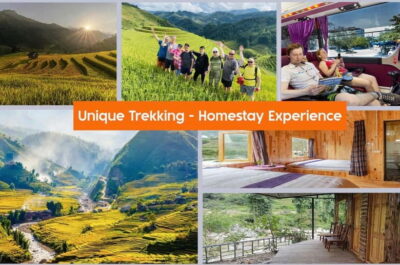 ★ 4.82-Day Sa Pa Ethnic Homestay Tour & Trek with Limousine Bus440 reviews
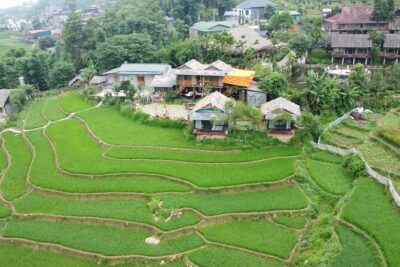 ★ 5.0Sa Pa Full Day Trekking TourFrom $25414 reviews
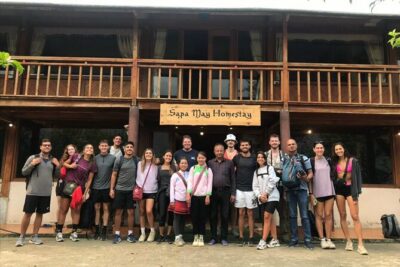 ★ 5.0Hanoi – Sapa 3 Day 2 Night Trekking With Hotel & HomestayFrom $125389 reviews
Browse the lists this tour appears in