
Reviewed · SAPA TREKKING TOURS
Trekking SaPa 2-Day Local Adventure with Homestay & Guide
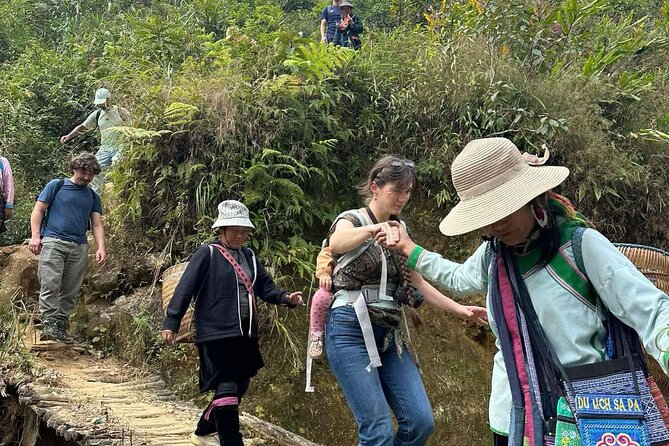
Sapa gets real fast when your guide actually lives here. This 2-day local adventure focuses on ethnic villages you can’t really reach by wandering, with Ms. Chu guiding the route and explaining what matters along the way. I love the community-based feel—homestay and local food instead of a bus stop tour—and I love how the walking is paced for real people, not just hardcore hikers.
The biggest plus is the human touch: you’re not just shown scenery, you’re met with customs and local know-how, including tips for visiting Giang Ta Chai and navigating the area with confidence. One thing to consider: this is trekking, so you’ll want decent shoes and an honest look at your stamina—especially with valley trails and bamboo-forest sections.
In This Review
- Key Things That Make This Trek Worth Your Time
- A Two-Day Trek That Feels Like You Have a Local in Your Pocket
- Day 1: From Sapa Down Toward Muong Hoa Valley Views
- Ta Van Homestay Night: Where the Trip Becomes About Real Life
- Day 2 Morning Walk: Bamboo Forest to Giang Ta Chai
- How Hard Is It, Really? (And Who This Fits Best)
- Guide Power: Why Ms. Chu’s Style Matters
- Price and Value: Does $75 Make Sense for a 2-Day Trek?
- Pickup, Tickets, and How the Day Starts
- What to Pack and How to Get the Most Out of It
- Should You Book This Sapa 2-Day Local Adventure?
- FAQ
- Is this tour private or shared?
- What time does the Day 1 start in Sapa?
- What’s included with the homestay experience?
- Is there an admission fee for Giang Ta Chai Village?
- Can I get picked up from my hotel?
- What is the cancellation policy for a full refund?
Key Things That Make This Trek Worth Your Time
- Ms. Chu’s local roots: born and raised in the region, with a feel for timing and the weather patterns.
- A homestay night with home-cooked meals: you get the day-to-day side of village life, not just photos.
- Day 1 village route with big valley views: Y Linh Ho down toward Lao Chai and Ta Van.
- Red Dao cultural stop at Giang Ta Chai: a specific ethnic village, visited after breakfast on Day 2.
- Free admission for the Giang Ta Chai leg: the village visit includes no ticket fee.
- Private group experience: only your group participates, with group discounts available.
A Two-Day Trek That Feels Like You Have a Local in Your Pocket
Sapa’s famous for dramatic views, but the real value of this trip is what happens between the viewpoints. You start with a guide who knows where paths go, when to move, and how to read the day—so the walk feels smoother and the villages feel more connected.
I like that the trip is built around community-based tourism: you’re staying in a traditional homestay and sharing home-cooked meals, which changes the vibe immediately. It’s not a “drop you off, take your photo, leave” situation.
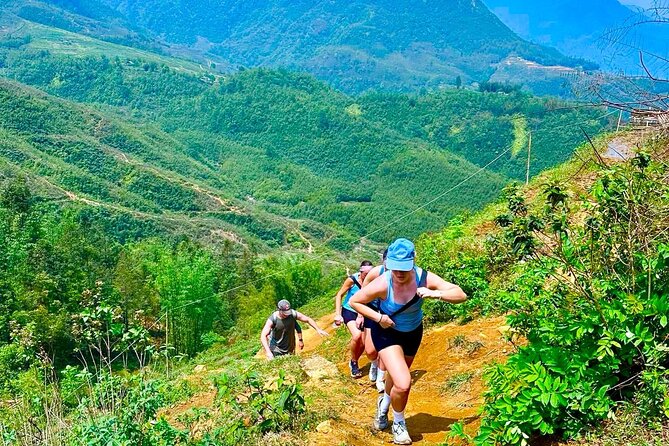
The other big win is pacing. One of the strongest themes from the guide style here is flexibility—adjusting the walking amount to your fitness level—so you’re not stuck forcing yourself through every step just to keep up.
More trails through the Sapa valleys



Day 1: From Sapa Down Toward Muong Hoa Valley Views
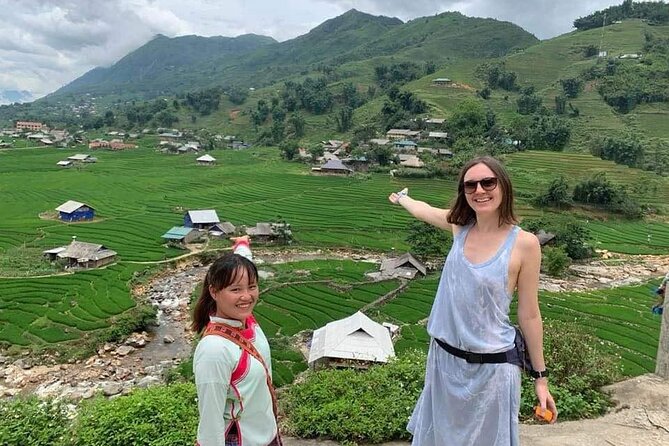
You begin in Sapa at 9:00 AM, heading out on narrow roads toward the Muong Hoa valley area. The early start matters here. It gives you daylight for the valley scenery and helps keep the day from feeling rushed.
Your first big treat is the panoramic outlook. The route begins with town-and-valley views from the trail, which is a good payoff for day-one effort. Even if you’ve seen photos of Sapa, the valley perspective looks different when you’re actually walking the edges of it.
From there, you move through the village chain that covers the Y Linh Ho – Lao Chai – Ta Van direction. This is the part of the trip that’s most about rhythm: short changes in elevation, village life you can see up close, and the sense that you’re traveling through inhabited places—not just passing through them.
What to watch for: valley and village paths can be uneven. If you’re prone to ankle issues, bring shoes with grip and take your time on downhill sections.
Ta Van Homestay Night: Where the Trip Becomes About Real Life
The homestay isn’t just a place to sleep—it’s what makes the whole 2 days feel local. You’re staying in a traditional-style setting and eating home-cooked meals, which is exactly the kind of “small” detail that ends up being the most memorable part of a trek.
This is also where your guide’s role grows. A local guide like Ms. Chu doesn’t just point at things. She’s there to help you understand customs and context as you go, which turns everyday village moments into something you can actually interpret.
If you care about cultural contact (rather than checking boxes), this night is the reason to book. In a typical quick sightseeing plan, you’d barely scratch the surface. Here, you slow down.
Day 2 Morning Walk: Bamboo Forest to Giang Ta Chai
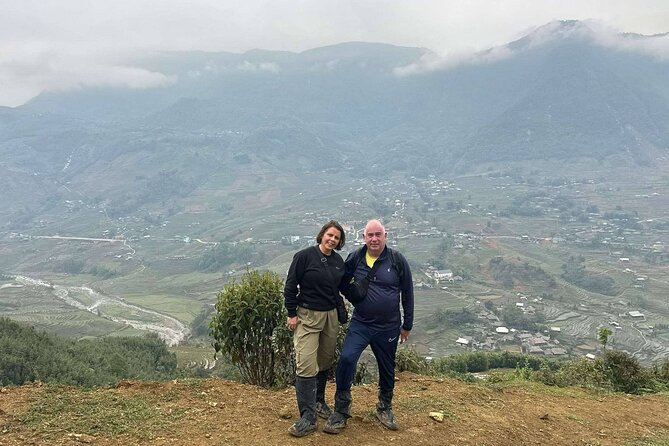
After breakfast at the homestay, you continue trekking toward Giang Ta Chai Village. The route goes through bamboo forests, which adds a totally different feel from Day 1—less open valley and more shaded path time. It’s a nice reset, especially after the first day’s views and walking.
Giang Ta Chai is home to the Red Dao ethnic minority, and this part of the trip is structured to let you experience the village as a place where people live, not a stage set. You’ll have time on the ground, not just a quick look-and-go.
For many visitors, the most helpful part here is that the visit ties back to your guide’s explanations. This is where you’ll understand why certain traditions look the way they do, and how village life connects to the surrounding terrain.
Timing note: this Giang Ta Chai leg is listed at about 3 hours, and the admission ticket is free for this stop.
How Hard Is It, Really? (And Who This Fits Best)
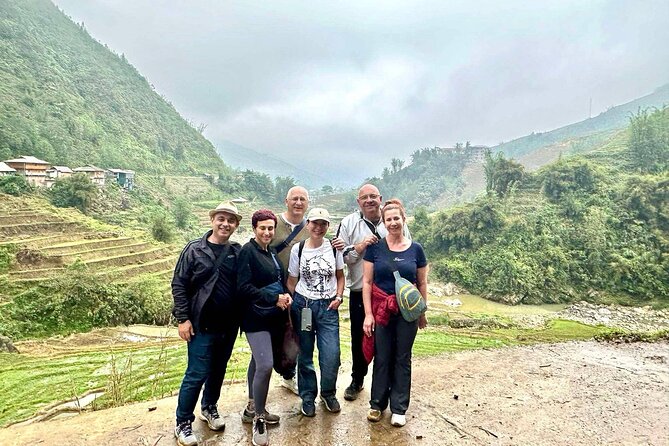
“Most travelers can participate,” which is a fair starting point—but you still need to think about trekking reality. This is not the same as a flat city stroll. Expect walking on uneven village paths and changing elevations, especially in valley terrain.
This experience is best for you if:
- you want culture that’s tied to daily life (homestay + meals)
- you’re happy walking for hours with breaks
- you like asking questions and learning from someone who lives there
- you prefer a private-group feel instead of big-bus chaos
It may not be the best fit if you:
- need fully flat, wheelchair-level routes
- can’t handle uneven ground for a multi-hour trek
- want a “sit most of the time” tour
Worth a glance beside this Sapa pick:
- Half Day Cat Cat Village Tour Guided from Sapa★ 5.0 · 39 reviews
- 2 Day Trekking Experience: Explore with knowledgeable local guide★ 5.0 · 34 reviews
- From Sapa: 3 Day Ha Giang Loop Guided Motorbike Tour With Rider★ 5.0 · 33 reviews
Guide Power: Why Ms. Chu’s Style Matters
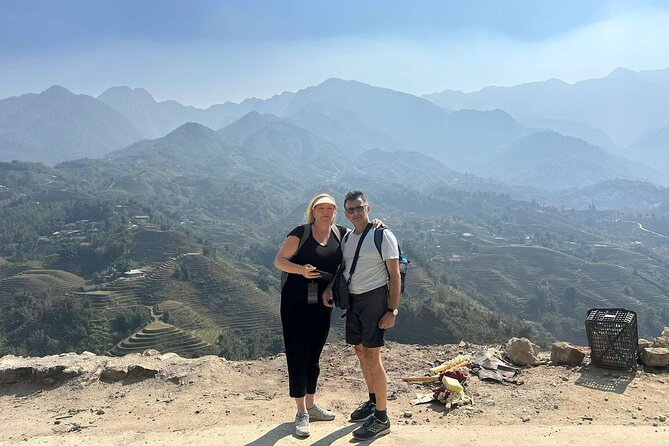
In Sapa, the guide isn’t just logistics. With the right person, your day feels smoother—and your understanding goes way deeper. Ms. Chu stands out for a few practical reasons that show up again and again in the way people describe the experience.
First, she speaks great English, which means you don’t have to rely on guesswork when customs, names, or village details come up. Second, she’s described as warm, friendly, and patient, which matters when you’re tired, slow, or curious.
Third, she’s known for timing and route order that feel both efficient and authentic—so you’re not constantly stuck waiting around. One of the more useful bits people highlight is her understanding of weather patterns, which is big in a mountain region where conditions can shift.
And yes, she can also help with shopping choices—especially indigo fabric. If you’ve ever wanted a real local explanation of what you’re buying and where the best selection is, this is the kind of detail a local guide can make simple.
Price and Value: Does $75 Make Sense for a 2-Day Trek?
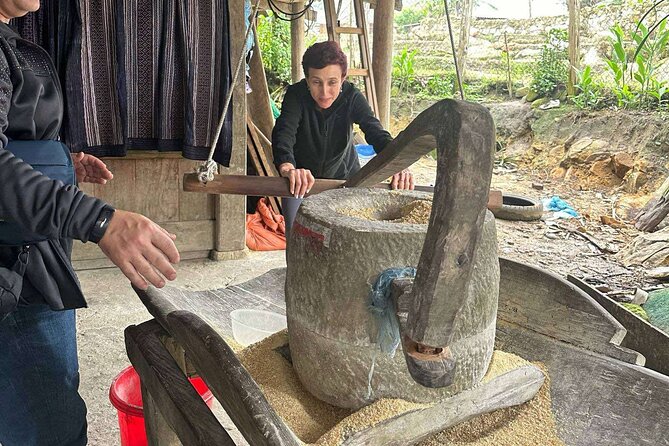
At $75 per person for about 2 days, the value comes from what’s actually included in the experience’s rhythm. You’re paying for more than walking. You’re paying for:
- a local born-and-raised guide
- a homestay night
- home-cooked meals
- time in specific villages rather than a quick sightseeing circuit
- a private setup (only your group participates), which can feel more personal than a large-group trek
Also, the Day 2 village stop includes free admission for Giang Ta Chai, which is one less extra cost to worry about.
Where the price can feel better (or worse) depends on your travel style. If you were already planning a homestay and a real guided trek, this price can be quite reasonable. If you only want a short photo walk, it’s more effort than you need. But for the people who came to Sapa for the villages and the walking, this is a solid deal.
Pickup, Tickets, and How the Day Starts
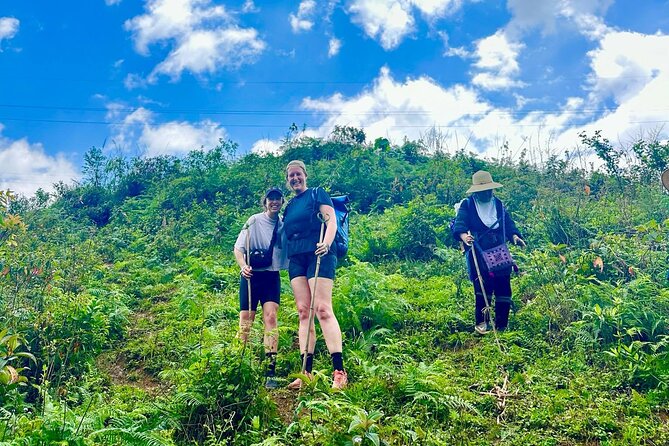
Pickup is offered, and the tour is set up for a private group experience, with confirmation received at the time of booking. You’ll also get a mobile ticket, which can make life easier once you’re in town and coordinating meeting points.
That sounds small, but in Sapa it helps reduce the usual stress. When you’re already dealing with mountain timing and trail logistics, simple communication beats last-minute confusion.
What to Pack and How to Get the Most Out of It
The tour data doesn’t list packing gear, so I’ll keep this practical and general. For a 2-day trek with valley paths and bamboo forest sections, you’ll want:
- good grip shoes (valley trails can be slick)
- a light rain layer (mountain weather can change)
- a small day bag for water and snacks
- sun protection (Sapa days can still be bright)
If you’re interested in the indigo fabric angle, bring cash or make sure you’re ready to shop responsibly. Your guide can help you figure out where best to buy and what to look for.
Should You Book This Sapa 2-Day Local Adventure?
Book it if you want Sapa that goes past the postcard. This trek works for you if you care about homestay life, local meals, and getting explanations from a guide with real roots in the area. The emphasis on villages like Lao Chai, Ta Van, and Red Dao’s Giang Ta Chai gives the trip structure and meaning.
Skip it (or think twice) if you prefer minimal walking or you can’t handle uneven trail footing. Also, if you only want quick views and don’t care much about culture and customs, a shorter and more sightseeing-style plan may suit you better.
If you’re in the sweet spot—walking, learning, and staying overnight—this is a strong choice.
FAQ
Is this tour private or shared?
This is a private tour/activity, so only your group participates.
What time does the Day 1 start in Sapa?
Day 1 starts at 9:00 AM in Sapa.
What’s included with the homestay experience?
You can expect a traditional homestay night and home-cooked meals, guided by a local guide.
Is there an admission fee for Giang Ta Chai Village?
The Day 2 Giang Ta Chai stop lists admission ticket free.
Can I get picked up from my hotel?
Pickup is offered.
What is the cancellation policy for a full refund?
You can cancel up to 3 days in advance for a full refund. If you cancel less than 3 days before the start time, the amount paid is not refunded.
More Guided in Sapa




More Tour Reviews in Sapa

More Sapa Treks We Walked
Latest Sapa write-ups from our team



Sapa Trekking Tours, compared.
 ★ 5.0Sapa 2 Days 1 Night From Hanoi – Overnight in Ta Van VillageFrom $592,669 reviews
 ★ 5.0Hanoi – Sapa 2 Days 1 Night Overnight At HomestayFrom $89899 reviews
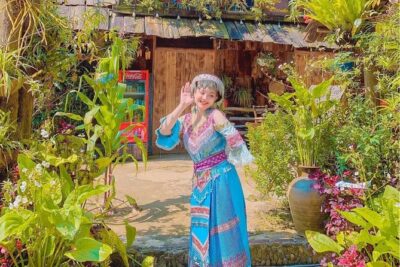 ★ 5.0Sapa: Fansipan Cable, Cat Cat Village & Moana Instagram TourFrom $30777 reviews
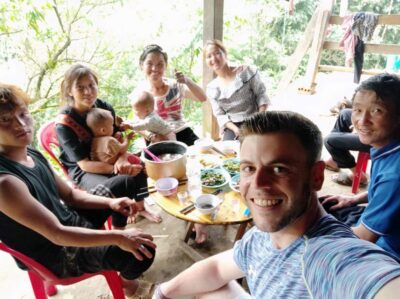 ★ 4.8From Hanoi: 2-Day Sapa Trekking Trip with Homestay & MealsFrom $71704 reviews
 ★ 5.0Sapa 3 Days 2 Nights Trekking Tour (1 Night In Ta Van Village, 1 Night In Hotel)From $139699 reviews
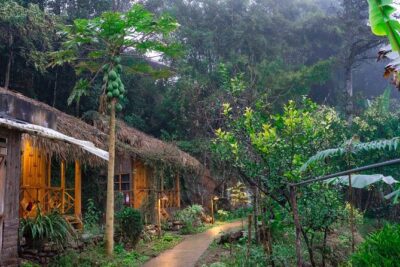 ★ 5.03-Day Trekking Adventure of Sapa from Hanoi – Stay Ta Van VillageFrom $109611 reviews
 ★ 4.82-Day Sa Pa Ethnic Homestay Tour & Trek with Limousine Bus440 reviews
 ★ 5.0Sapa 2 Days 1 Night From Hanoi – Overnight in HotelFrom $89440 reviews
Browse the lists this tour appears in