
Reviewed · HIKING & TREKKING
Number one top rated ethical cultural trekking and homestay by ETHOS
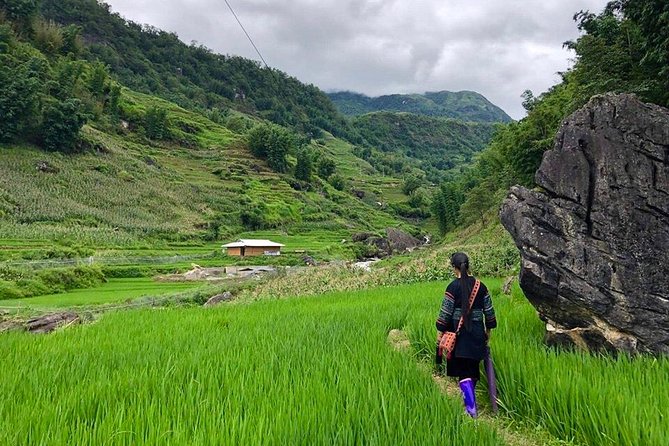
Sapa looks different after a homestay trek. This private 2-day cultural walk through the Sapa Valley mixes village paths, rice terraces, and bamboo forest scenery with one night staying with a host family. You also get a guide-led, community-focused approach that ETHOS is known for, not just a check-the-box hike.
I love the private setup and the way it keeps your group small and flexible with the plan. I also love the homestay part: sharing time with a family in their village makes the culture feel real in a way that bus trips rarely do. Guides like Cha, Hoa, Ha, My, and Ker are mentioned in guest feedback for their clear explanations of local life and customs.
One consideration: the trek needs moderate physical fitness, and Day 1 includes a steep climb after the first easy stretch. Plus, the experience requires good weather, so you’ll want to build in some patience if conditions are off.
In This Review
- Key highlights worth planning around
- A Private Sapa Valley Trek That Focuses on People, Not Just Photos
- What makes the ETHOS approach feel different
- Price and Value: What $93.34 Gets You in the Real World
- Starting at ETHOS (8:30 AM): The Day Begins with Orientation
- Day 1 in the Sapa Valley: Easy Sections, Then a Real Climb
- What you’re walking past (and why it matters)
- The lunch stop and host-family connection
- Homestay Night: The Village Stay That Changes the Whole Trip
- Who you’ll likely connect with
- Day 2: Morning Flexibility and a Taxi Back to Sapa
- How to think about Day 2 flexibility
- Meals and What’s Included (So You Can Travel Lighter)
- Transportation and Group Setup: Private, Minimum Two
- Physical Fitness and Weather: The Two Real Variables
- Packing Tips That Fit This Trek Style
- Who Should Book This Sapa Homestay Trek
- Should You Book? My Practical Take
- FAQ
- How long is the trek?
- What time does the experience start?
- Where do I meet for the trek?
- What’s included with meals and accommodation?
- Is transportation included?
- Do I need to be very fit?
- What happens if the weather is bad?
Key highlights worth planning around
- Private 2-day trek through the Sapa Valley with only your group participating
- Village homestay night with host-family meals and shared time
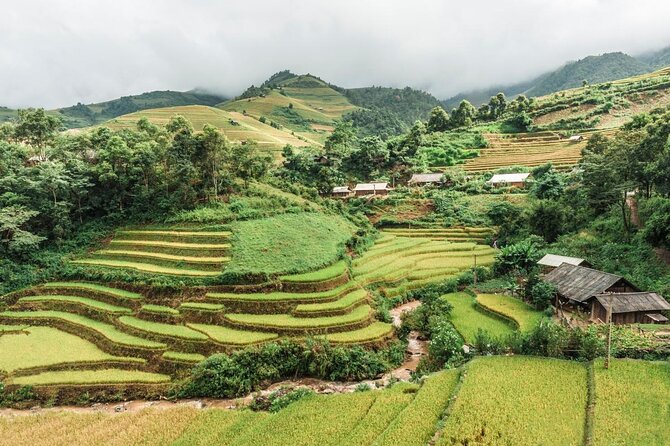
- Rice terraces + bamboo forest paths for big scenery without a marathon pace
- Day 2 flexibility in distance and challenge before taxi back to Sapa
- Meals included: 1 dinner, 1 breakfast, and 2 lunches
- Moderate fitness needed, including a steep climb on Day 1
A Private Sapa Valley Trek That Focuses on People, Not Just Photos
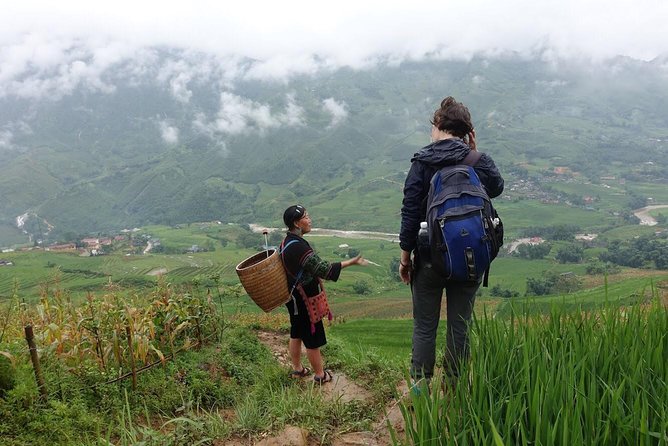
Sapa can be dramatic on its own, but the real value here is the human scale. This is a private 2-day trek where you’re walking through local terrain and then sleeping in a village setting as part of daily life, not as a stopover for a quick handshake.
ETHOS positions this as ethical cultural trekking, and you can feel that in the structure. You’re not only moving through scenic areas; you’re also stopping to cook and share lunch with your host family. That changes the rhythm of the trip. Instead of rushing from viewpoint to viewpoint, you slow down enough to understand what you’re seeing and who’s living there.
For me, the big win is the combination: hiking in the Sapa Valley plus a genuine village overnight. The scenery matters, but the social side is what makes it stick.
Worth a glance beside this Sapa pick:
What makes the ETHOS approach feel different
From guest feedback patterns, the guiding style is practical and grounded. Names like Cha, Hoa, Ha, My, Ker, and Kae show up alongside comments about being taught about local life and the everyday meaning behind what you’re walking past. You’re less likely to feel like you’re just tagging along and more likely to know what you’re looking at—plants, paths, and village routines.
Also, you’re not navigating everything yourself. The plan includes private transportation, a clear start time, meals, and the taxi return from Day 2. That matters in Sapa, where weather and trail conditions can shift quickly.
Price and Value: What $93.34 Gets You in the Real World
The price is $93.34 per person for about 2 days. At first glance, that can look “reasonable” or “cheap,” depending on what you compare it to. But in a trek-with-homestay format, the value usually comes from three things you get here:
- Homestay accommodation for one night
- Meals: dinner + breakfast + 2 lunches
- Private transportation plus the logistics that make the trail workable
If you tried to recreate this on your own, you’d still have to solve transport, meals, and a safe, respectful way to connect with a host family. Even when you find an “ethical” option, you may end up paying extra for guides and coordination.
Another small value signal: this tour is booked about 59 days in advance on average. That’s not a guarantee, but it suggests it’s popular enough that you shouldn’t wait until the last minute—especially if you’re traveling in a busy season.
Starting at ETHOS (8:30 AM): The Day Begins with Orientation
You’ll meet at ETHOS – Spirit of the Community, address Số 79 đường Nguyễn Chí Thanh, TT. Sa Pa, Sa Pa, Lào Cai 333311, Vietnam, starting at 8:30 am. It’s also described as near public transportation, which helps if you’re using buses or shared rides in Sapa.
The morning meeting point matters because it sets expectations. This kind of trekking depends on getting the basics right early: what pace to hold, how to prepare your day for altitude and slopes, and what kind of trail conditions you might face.
You’re getting a mobile ticket, and confirmation happens at booking time. That reduces stress when you’re trying to line up plans around dinner reservations, hotel check-outs, and transport.
Day 1 in the Sapa Valley: Easy Sections, Then a Real Climb
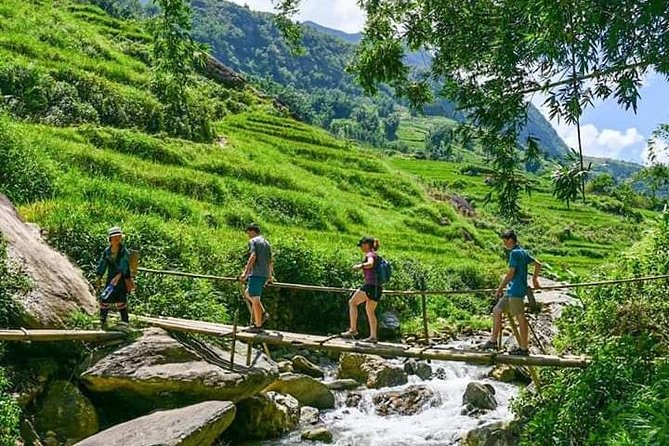
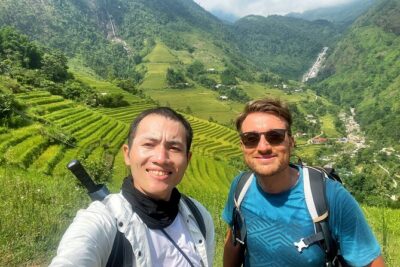
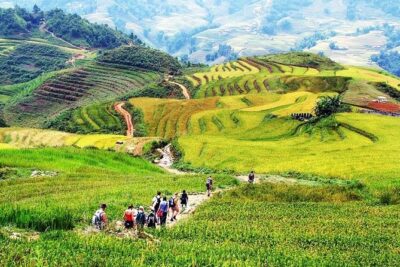
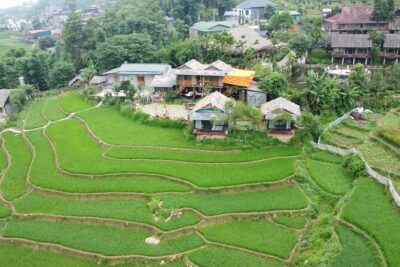
Day 1 is about 14 km (roughly nine miles). The terrain is not uniformly hard. The first chunk is described as relatively easy but undulating, including around six kilometers of rolling trail through rice terraces and traditional villages.
Then comes the part you’ll want to respect: a steep climb of around 2 km before you stop. In other words, this is not a “never stop moving” slog, but it’s also not a casual stroll. You’ll likely feel it in your legs and breathing.
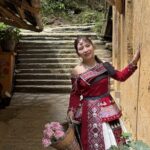
- Number one top rated ethical cultural trekking and homestay by ETHOS★ 5.0 · 456 reviews
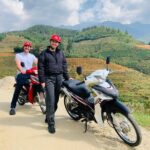
- Motorbike 1 Day Off The Beaten Track, Hidden Villages, rice field★ 5.0 · 203 reviews
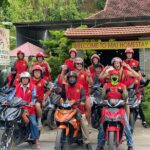
- 1-day Authentik trek & Panorama valley views★ 5.0 · 189 reviews
What you’re walking past (and why it matters)
You’re moving through:
- Rice terraces
- Traditional villages
- And later, bamboo-forest areas as the broader trek continues
The point isn’t to admire scenery from a distance. It’s to walk through the places where agriculture and village life overlap. Rice terraces aren’t just pretty; they’re practical systems shaped by local knowledge and seasons. When you have a guide who explains what you’re seeing, the views become more than decoration.
The lunch stop and host-family connection
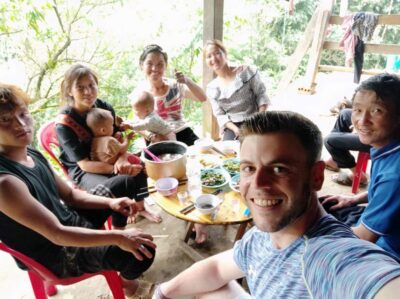
Day 1 includes a moment to cook and share lunch with your host family. That’s a meaningful time window. It’s not just “you eat, then move on.” It’s a chance to ask questions naturally and see daily routines in action.
For many people, this is where the trek stops feeling like a tour and starts feeling like an exchange.
Homestay Night: The Village Stay That Changes the Whole Trip
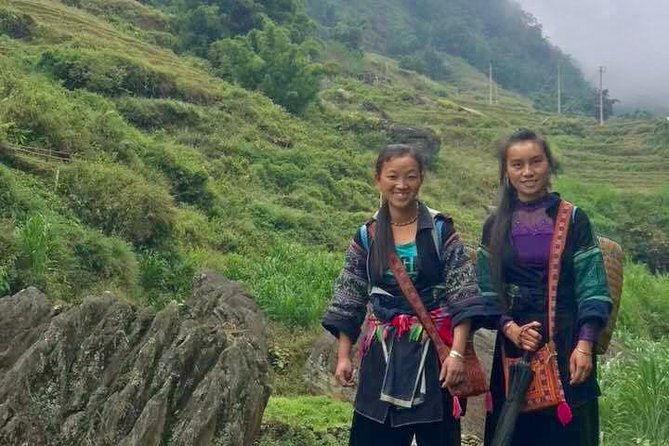
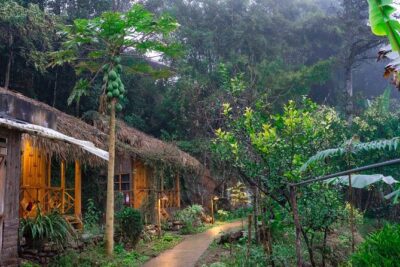
Spending the night with a host family is the heart of this experience. You’re getting homestay accommodation included, and you also get dinner as part of the package.
What makes a homestay valuable is not comfort alone. It’s the timing and closeness. After hours on the trail, you’re not just collapsing in a hotel bed. You’re entering the village rhythm—eating with the people who live there and sharing a space that reflects local life.
And because this is framed by ETHOS as ethical cultural trekking, the expectation is that your presence supports the community rather than extracting a “performance” of culture for tourists.
Who you’ll likely connect with
Guest feedback frequently mentions guides connected to local knowledge and community life. Names like Cha, Hoa, Ha, and My show up in the stories guests tell about what they learned. One response also references insight related to Hmong and Dao peoples, which hints at the cultural context your guide may bring into the conversation while you’re on the paths.
You should still keep expectations grounded: you’re visiting a real village. That means less control over schedules and more flexibility on your part.
Day 2: Morning Flexibility and a Taxi Back to Sapa
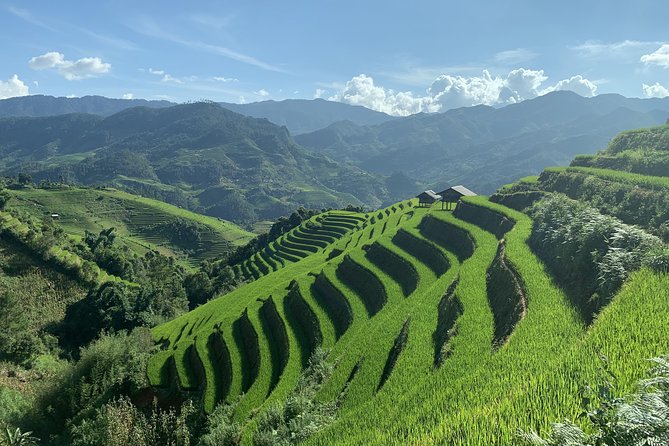
Day 2 starts with more trekking and lots of flexibility. The format is built around a choice of distance and challenge—so you can match the hike to your energy level and comfort.
In the afternoon, you take a taxi back to Sapa. That timing is important because it means you’re not gambling on an exhausting walk back down after two days of moving through slopes and terraces.
How to think about Day 2 flexibility
Flexibility can be a gift, but only if you use it wisely. If you’re feeling fresh, you can choose a longer or more challenging route. If Day 1 left your knees talking to you, you can keep Day 2 more moderate.
Either way, your goal should be finishing Day 2 strong enough to enjoy Sapa afterward instead of dragging yourself back into city life.
Meals and What’s Included (So You Can Travel Lighter)
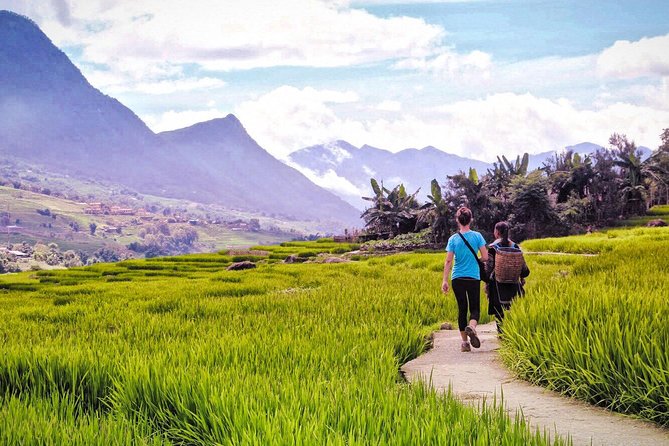
Food is handled, which is a big deal on trek days. You get:
- Dinner (Day 1)
- Breakfast (Day 2)
- Lunch (2) total across the trek
- Water and refreshments included
This means you don’t need to pack as much food as you would on a self-guided hike. It also helps keep the experience cohesive—meals sync with the host-family and trail schedule.
If you have specific dietary needs, double-check with the provider when you book. The data here doesn’t spell out dietary accommodations, so it’s better to confirm in advance.
Transportation and Group Setup: Private, Minimum Two
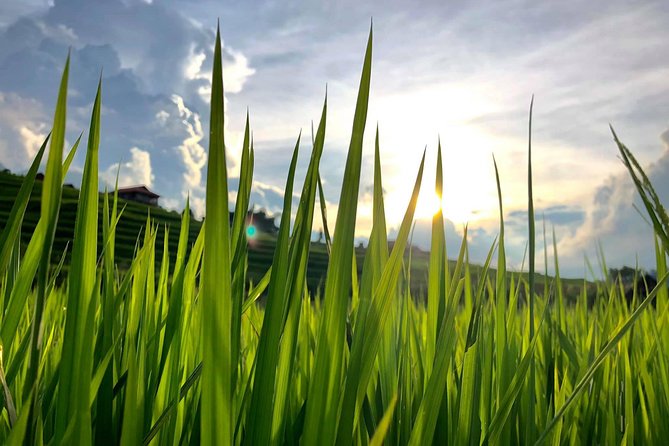
This is a private tour/activity with only your group participating. The minimum group size is two, so if you’re traveling solo you’d need to pair with another person or ensure the booking meets the requirement.
Private transportation is included, and Day 2 ends with a taxi back to Sapa. This reduces the stress of coordinating buses and makes it easier to focus on the walking and the homestay night.
Also note the duration is listed as about 2 days (approx.). In practice, that means you should treat it as a short block of time with a full day of walking on Day 1 and a morning/early afternoon trek on Day 2.
Physical Fitness and Weather: The Two Real Variables
The tour calls for moderate physical fitness. That “moderate” label makes sense given Day 1’s mix of undulating trail and a steep climb of about 2 km.
The other variable is weather. The experience requires good weather, and if it’s canceled due to poor weather, you’ll be offered a different date or a full refund.
So the planning approach is simple:
- Start early and hydrate
- Wear footwear you can trust on slopes
- If Sapa weather is questionable, be ready to shift dates rather than force it
Packing Tips That Fit This Trek Style
The info you have doesn’t specify a gear list, so I’ll keep this practical and common-sense. For Sapa valley trekking with village time and a homestay night, you’ll want:
- Comfortable walking shoes with grip for steep, uneven trail sections
- Layers for cool mornings and warmer afternoon conditions
- A small day bag for water/essentials during hikes
- Something clean enough for the homestay dinner and sharing time
Also, bring a respectful mindset. You’re visiting a village, and the experience works best when you act like a guest, not a spectator.
Who Should Book This Sapa Homestay Trek
This tour makes the most sense if you:
- Want a cultural homestay tied to real walking routes in the Sapa Valley
- Prefer a private experience over crowded group tours
- Are comfortable with a moderate trekking day and one steep climb
- Like learning from guides who explain how village life works day to day
It’s less ideal if you’re looking for a purely relaxed, no-slope walking itinerary. Day 1 includes a climb that will matter.
Should You Book? My Practical Take
If your travel goal is Sapa with more meaning than scenery, I’d book this. The structure is strong: private trek, village night, and meals all handled, plus guided context that people highlight when they talk about their time.
If you’re the type who needs a perfectly cushy day with zero effort, this won’t be the best fit. But if you can handle moderate hiking and you want the homestay part to be the main event—not an add-on—this is a solid choice.
Before you book, match your expectations to the basics: good weather helps a lot, Day 1 has a real climb, and Day 2 gives you choices based on your energy.
FAQ
How long is the trek?
It runs for about 2 days (approx.).
What time does the experience start?
The start time is 8:30 am.
Where do I meet for the trek?
You meet at ETHOS – Spirit of the Community, Số 79 đường Nguyễn Chí Thanh, TT. Sa Pa, Sa Pa, Lào Cai 333311, Vietnam. The activity ends back at the same meeting point.
What’s included with meals and accommodation?
It includes homestay accommodation, 1 dinner, 1 breakfast, and 2 lunches. Water and refreshments are also included.
Is transportation included?
Yes. The package includes private transportation, and on Day 2 a taxi pickup in the afternoon returns you to Sapa.
Do I need to be very fit?
The trek is best for travelers with moderate physical fitness. Day 1 includes a steep climb after an easier first stretch.
What happens if the weather is bad?
The experience requires good weather. If it’s canceled due to poor weather, you’ll be offered a different date or a full refund.
More Hiking & Trekking in Sapa
More Tour Reviews in Sapa
Latest Sapa write-ups from our team

Hiking & Trekking, compared.
 ★ 5.0Halong Bay Full Day with Kayaking, Hiking viewpoint, Cave – Deluxe To LuxuryFrom $38884 reviews
 ★ 4.8From Hanoi: 2-Day Sapa Trekking Trip with Homestay & MealsFrom $71704 reviews
 ★ 5.0Sapa 3 Days 2 Nights Trekking Tour (1 Night In Ta Van Village, 1 Night In Hotel)From $139699 reviews
 ★ 5.03-Day Trekking Adventure of Sapa from Hanoi – Stay Ta Van VillageFrom $109611 reviews
 ★ 4.82-Day Sa Pa Ethnic Homestay Tour & Trek with Limousine Bus440 reviews
 ★ 5.0Sa Pa Full Day Trekking TourFrom $25414 reviews
 ★ 5.0Hanoi – Sapa 3 Day 2 Night Trekking With Hotel & HomestayFrom $125389 reviews
 ★ 4.4Ninh Binh: Cuc Phuong Jungle Hike & Wildlife Day TripFrom $26327 reviews
Browse the lists this tour appears in