
Reviewed · SAPA TREKKING TOURS
2 days authentic trekking tour in Sapa ( Homestay – Less touristy )
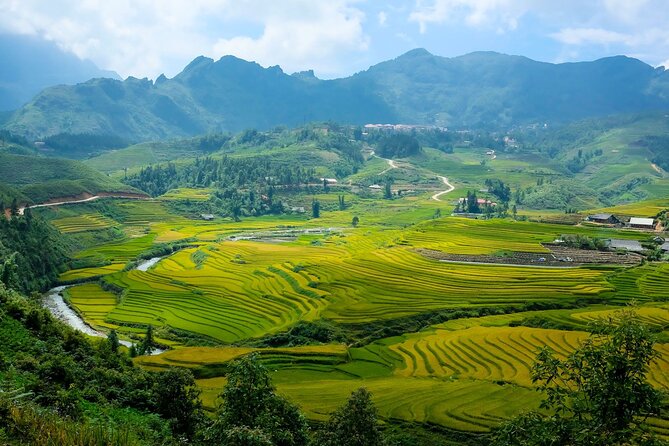
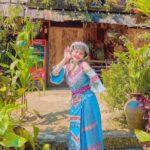
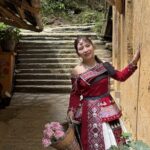
The rice terraces feel close up here. This 2-day Sapa trek is built around village homestays and less-touristy paths, with guided walks through misty valleys, terraced fields, and pine-forest trails. You’ll spend time with Hmong and Dzao communities, eat local meals, and do more than just pass through scenery.
I especially like that the route is guided in a way that helps you actually find the smaller paths. In real life, that means fewer “we’re just walking in the same direction” moments, and more chances to understand how people live on the slopes—plus you get help with village stops and cultural context.
One drawback to plan for: this is not a flat stroll. Even when you can choose a medium or heavy level, the walking gets steep in places, and you’ll want to come ready for real effort.
In This Review
- Key things I’d bank on before you go
- What you’re really buying with a Sapa homestay trek
- Day 1: Ta Phin Village and the pine-forest descent
- Day 2: Ngũ Chỉ Sơn, rice paddies, and village connections
- The homestay: rustic comfort, real village life
- Meals, water, and what’s included (and what isn’t)
- Your guide can make or break the trek
- Pace, steepness, and how to prepare without overthinking it
- Price and value: does $89 deliver what you want?
- Who should book this Sapa trek (and who should skip it)
- Should you book this trek? My decision rule
- FAQ
- FAQ
- How long is this Sapa trek?
- Where does the tour start?
- Is pickup offered?
- What does the price include?
- Does the tour include rice terrace and forest walking?
- Which ethnic villages do you visit?
- Is it a private tour?
- What level of walking should I expect?
- What’s not included in the tour price?
- What’s the cancellation window?
Key things I’d bank on before you go
- A homestay night in a traditional wooden house in a local community, not a staged lodge
- Ethnic village visits (Hmong and Dzao) paired with meals and hands-on village activities
- Guide help that gets you onto paths you likely won’t find alone
- Terraced rice, pine forests, and misty valley views across two trekking days
- About 9 hours of trekking total, with steep sections and some heat-weather sweat
What you’re really buying with a Sapa homestay trek
This tour is simple on paper: two days, guided trekking, a night with a local community, and meals included. But what makes it feel valuable is the shape of the experience. You’re not rushing through viewpoints. You’re moving slowly enough to notice details—how fields step down the mountains, how villages sit along trails, and how everyday life fits into the terrain.
At $89 per person, it’s not a budget “just transportation and a ticket” deal. The value comes from what’s folded in: a local English guide, homestay, entrance fees, transport, meals (including dinner and breakfast), and water (1.5 liters per day). For Sapa, that matters because the area is spread out, and local costs add up fast when you’re doing things day-by-day on your own.
The trip also has a clear cultural emphasis. You’ll visit ethnic villages and join meals and workshops, which is a more grounded way to learn than only photographing people from the road. When the weather turns foggy, the company can adapt the route too, so the day doesn’t instantly fall apart if visibility drops.
More trails through the Sapa valleys
Day 1: Ta Phin Village and the pine-forest descent
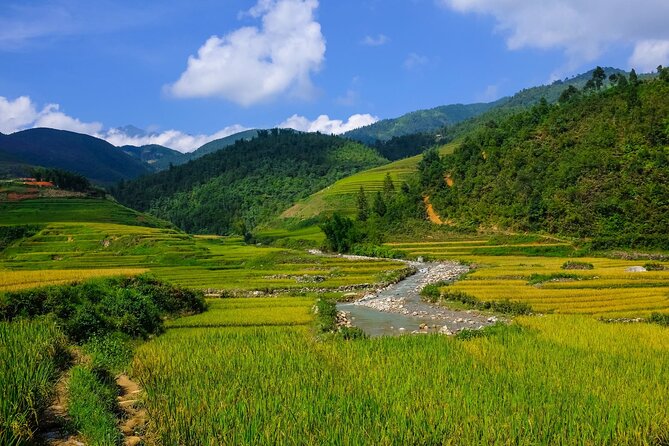
You start at 9:00am, and the first day sets your rhythm. The trek goes downhill through mountainous terrain, following a dirt trail that runs through a pine forest. This is the kind of start that feels quiet and natural—less like sightseeing, more like walking in a real working landscape.
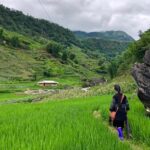
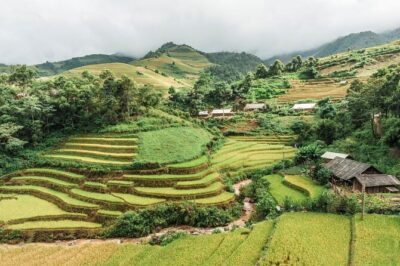
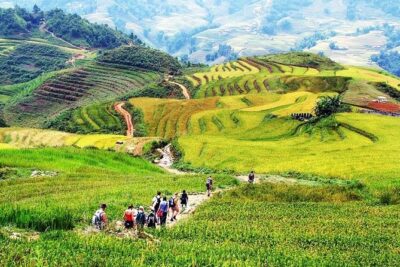
The big reason Ta Phin works is the way the trail opens into views. You’ll get looks over rice paddy terraces and cornfields, then back into the narrow paths between slopes and village edges. Even if you’re not chasing a “big view every 30 minutes” tour, you’ll still see enough to keep your attention, especially when clouds hang low.
You’ll spend about 5 hours trekking today, and this is where you should pay attention to your body. One guide-led approach described for this tour is that you can sometimes choose a level like medium or heavy, but steep sections are still part of the deal. If it’s hot, plan on slower pacing and extra water use within the limit provided.
Culturally, your first day matters because it’s the moment you transition from landscape to community. Village time isn’t tacked on at the end—it’s built into the flow of the trek.
Day 2: Ngũ Chỉ Sơn, rice paddies, and village connections
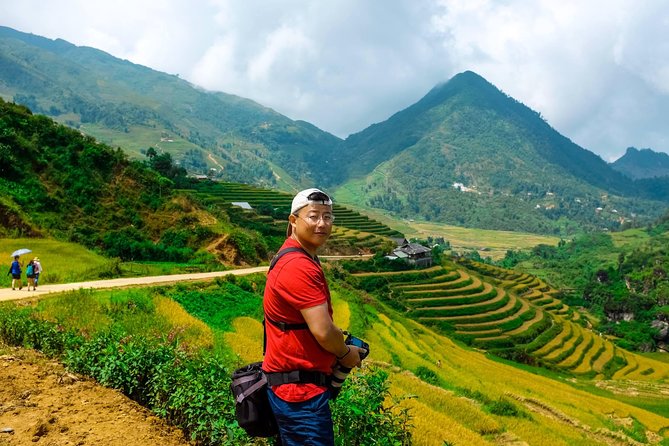
Day 2 starts with breakfast at the homestay, which is practical in two ways. First, it reduces morning stress. Second, it keeps you tied to the community routine rather than turning the homestay into an afterthought.
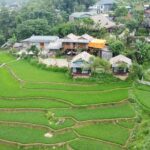
Then you move toward Suối Thau village, passing through several minority villages along the way. This is one of the day’s strengths: the walk isn’t only about reaching a single point. It’s about meeting the in-between—paths that connect villages, small clusters of homes, and field systems that show how communities manage the slope.
The day’s trekking time is about 4 hours, and the walk includes another rice-paddy stretch. You’ll climb toward a mountain-top area where the views land at the finish of the walk. If the weather is clear, it’s satisfying. If it’s foggy, you’ll still get the sense of scale because the trail gives you changing layers of depth.
A small but important practical note: this tour is guided, and the experience is designed to keep moving even when conditions shift. One person noted the team adjusted when fog was heavy, which tells me the guide isn’t just following a rigid checklist.
The homestay: rustic comfort, real village life
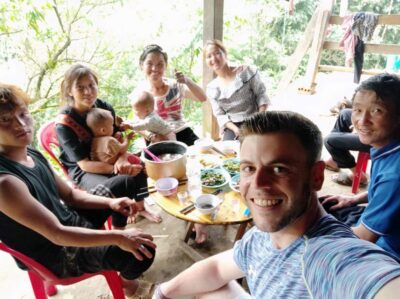
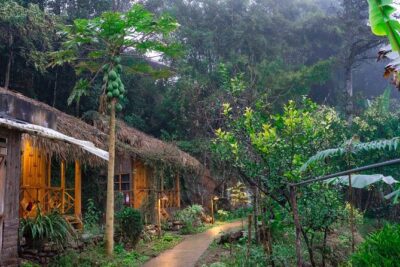
The overnight stay is in a traditional wooden house within a local community. That “traditional” part matters. You should expect basic and rustic, not hotel polish. The upside is that it feels like a night you can’t easily replicate by hiring a car and doing a self-guided route.
The homestay setup is also described as organized, and the food was called delicious by multiple people. For me, that’s a sign the company isn’t dumping you into a family home with no coordination. There’s a guide presence and the schedule is handled, which reduces the usual awkward moments when you’re unsure what happens next.
Comfort-wise, you’ll be tired from trekking—so you don’t need luxury to have a good night. What you do need is a mindset: this is a village stay where you fit in with the rhythm of the home. If you come expecting quiet, clean-room standards, you’ll likely feel disappointed. If you come ready to treat it as part of the experience, you’ll probably feel grateful you got the chance.
Meals, water, and what’s included (and what isn’t)
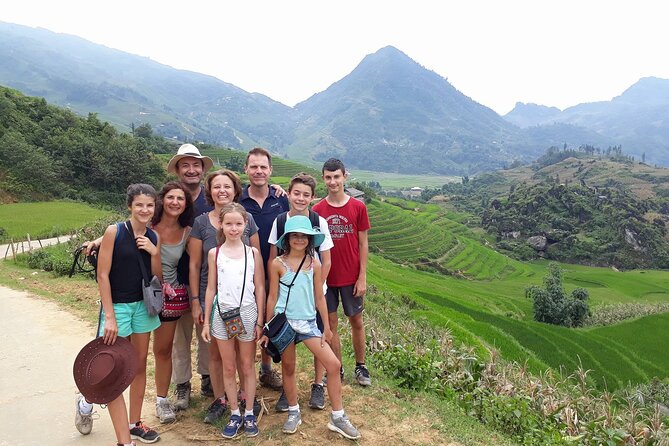
Food and hydration are covered, which makes day-to-day decisions easier.
Included:
- Dinner
- Two lunches (the tour includes 2 lunches)
- Breakfast (Day 2 includes breakfast at the homestay)
- Water: 1.5 liters per day
- Entrance fees and transport
- English guide
Not included:
- tip
- insurance
- personal expenses
- herbal bath
- soft drinks
That list matters because “soft drink” and “herbal bath” are exactly the kinds of optional adds people sometimes assume are included. If you want them, you’ll have to pay extra. On the other hand, you won’t be worrying about meals or entrance fees, and you’ll know you have a water supply for the day. Still, steep walking can make you want more—so I’d pay attention to how quickly you drink.
Worth a glance beside this Sapa pick:
- Number one top rated ethical cultural trekking and homestay by ETHOS★ 5.0 · 456 reviews
- 1-day Authentik trek & Panorama valley views★ 5.0 · 189 reviews
- 1 day Fansipan Trekking★ 5.0 · 180 reviews
Your guide can make or break the trek
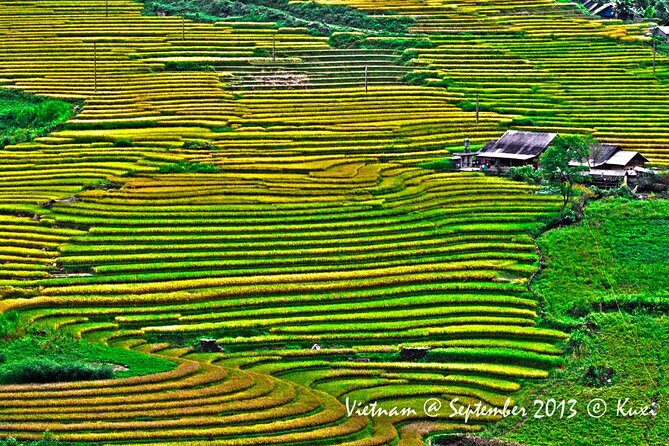
In this area, the guide isn’t just pointing directions. A good guide helps you understand what you’re seeing and, more importantly, gets you onto paths that are hard to replicate alone.
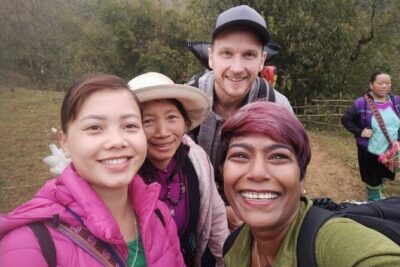
One guide named Mai stood out for leading people through paths they couldn’t find on their own and for explaining local culture clearly. Another host mentioned is Mr. Tinh, described as making arrival smooth prior to the homestay. There was also mention of Maykeiun taking care of the group during the trek.
Even if you don’t meet those exact people, the pattern is useful: this tour seems to use guides who focus on wayfinding and explanation. That’s exactly what you want for ethnic village trekking, where the “why” of what you pass matters as much as the “what.”
Pace, steepness, and how to prepare without overthinking it
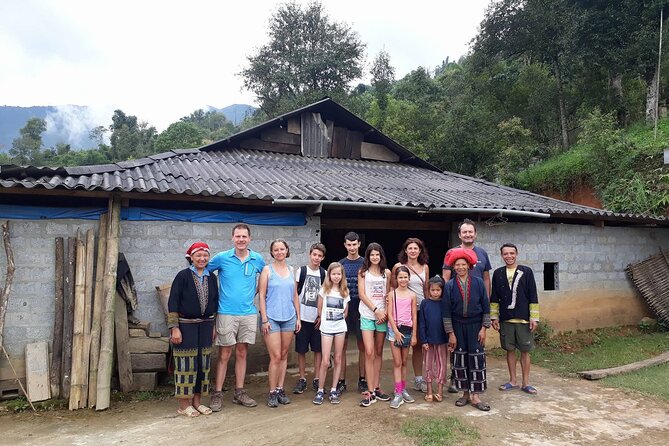
This is a challenging walking itinerary disguised as a gentle cultural trek. Reviews point out that it’s quite steep in many places, and not gentle when it’s hot. That doesn’t mean it’s impossible for most people, but it does mean you should treat it like real hiking, not a casual stroll.
A few practical expectations based on the way the trek is described:
- You’ll trek about 9 hours across two days.
- The trail includes downhill on dirt paths (Day 1) and a paddy-and-mountain walk (Day 2).
- You can sometimes choose a level (medium/heavy), but steep terrain is still part of the landscape.
So how do you prepare? Don’t overbuy gear. Instead, focus on basics: shoes you trust on uneven ground, a pack you can keep stable while walking, and a pace that stays comfortable on climbs and after steps down. If you’re prone to shin or knee pain on slopes, take your time early, because your body will pay for rushing.
Also, weather is real in Sapa. Fog can change what you see, but the tour can pivot, so don’t assume a cloudy day makes everything worthless.
Price and value: does $89 deliver what you want?
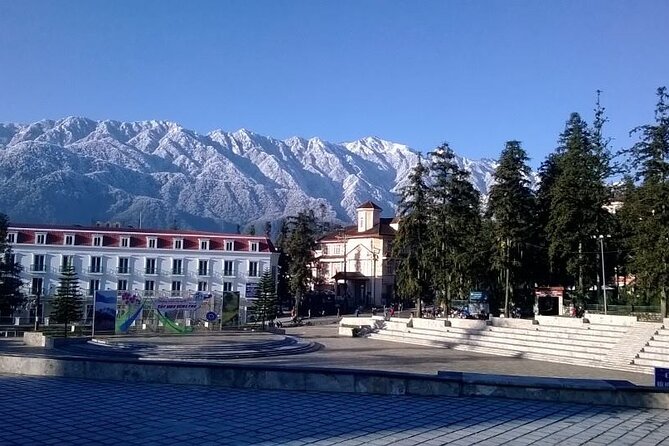
For many short Sapa tours, the real cost isn’t just money—it’s the hassle of planning, arranging local transport, and figuring out village logistics. This itinerary answers those problems for you.
At $89 per person, you’re paying for:
- a 2-day guided trek with set timing
- homestay and meals
- entrance fees
- transport
- water during the trekking days
- an English guide
If you tried to reproduce it solo, the hardest parts would likely be coordinating the homestay night and aligning village access with a route that actually makes sense on foot. That’s why the price can feel fair. It’s not just “a guide walking with you.” It’s also the organization around village stays, fees, and timing.
The value is best if you want the full shape of the experience: trekking + local meals + one night in the community, not just a day hike.
Who should book this Sapa trek (and who should skip it)
This tour fits best if you want:
- cultural contact with Hmong and Dzao communities
- a homestay experience that’s rustic but coordinated
- to trade crowds for quieter village routes and local life details
- to be guided through rice terraces, forests, and valley trails without guessing
You might want to skip or choose a lighter alternative if:
- you dislike steep walking and don’t want any “not gentle” trekking moments
- you’re expecting hotel-style comfort
- you want lots of downtime with minimal exertion
If you’re a first-time Sapa visitor who wants more than the standard photo stops, this is a strong pick.
Should you book this trek? My decision rule
Book it if you can say yes to all three:
- You’re okay with steep sections and about 9 hours of trekking across two days.
- You want a real homestay night where meals and village activities are part of the package.
- You like the idea of being guided to small paths and villages, not just driven between viewpoints.
Skip it if steep walking is a hard no, or if you need smooth comfort above all else. This isn’t a “sit back and cruise” kind of Sapa trip.
If you do book, go in with the right expectations: the reward isn’t a perfect itinerary photo. The reward is walking the terraces, meeting people along the trail, and spending a night that feels woven into the highland rhythm.
FAQ
FAQ
How long is this Sapa trek?
It’s a 2-day tour, with trekking time listed as about 5 hours on Day 1 and 4 hours on Day 2.
Where does the tour start?
The tour starts at 9:00am. It ends back at the meeting point.
Is pickup offered?
Yes, pickup is offered.
What does the price include?
The price includes homestay, meals (dinner and breakfast plus lunches), water (1.5 liters/day), entrance fees, transport, and an English guide.
Does the tour include rice terrace and forest walking?
Yes. You’ll walk through terraced rice paddies, lush valleys, misty forests, and areas like pine forest on Day 1.
Which ethnic villages do you visit?
The tour includes visits to Hmong and Dzao ethnic villages, plus specific stops such as Ta Phin Village and Ngũ Chỉ Sơn.
Is it a private tour?
Yes. It’s described as private, meaning only your group participates.
What level of walking should I expect?
It’s described as quite steep in many places. Some routes may allow you to choose medium or heavy while trekking.
What’s not included in the tour price?
Not included are tip, insurance, personal expenses, herbal bath, and soft drinks.
What’s the cancellation window?
You can cancel for a full refund up to 24 hours in advance. Within 24 hours, there’s no refund.
More Tours in Sapa
More Tour Reviews in Sapa
More Sapa Treks We Walked
Latest Sapa write-ups from our team

Sapa Trekking Tours, compared.
 ★ 5.0Sapa 2 Days 1 Night From Hanoi – Overnight in Ta Van VillageFrom $592,669 reviews
 ★ 5.0Hanoi – Sapa 2 Days 1 Night Overnight At HomestayFrom $89899 reviews
 ★ 5.0Sapa: Fansipan Cable, Cat Cat Village & Moana Instagram TourFrom $30777 reviews
 ★ 4.8From Hanoi: 2-Day Sapa Trekking Trip with Homestay & MealsFrom $71704 reviews
 ★ 5.0Sapa 3 Days 2 Nights Trekking Tour (1 Night In Ta Van Village, 1 Night In Hotel)From $139699 reviews
 ★ 5.03-Day Trekking Adventure of Sapa from Hanoi – Stay Ta Van VillageFrom $109611 reviews
 ★ 4.82-Day Sa Pa Ethnic Homestay Tour & Trek with Limousine Bus440 reviews
 ★ 5.0Sapa 2 Days 1 Night From Hanoi – Overnight in HotelFrom $89440 reviews
Browse the lists this tour appears in