
Reviewed · SAPA TREKKING TOURS
Sapa : 2-Day Trek & Heartwarming Homestay with an Ethnic Family
Walking in Sapa feels personal here. I like the hotel pickup and drop-off that keeps your morning simple, and I also love the hands-on homestay dinner side of this trek where you see daily life up close. One thing to plan for: the hikes require moderate fitness, and Sa Pa nights can be chilly (especially October–March), so you’ll want real warm layers.
This is a small-group experience, capped at a low number, so the guide can pace the route and answer questions without rushing you. Guides such as Nhu, Thao Nhu, Chai, Khu, and Sai show up in people’s stories, and they’re often described as friendly, upbeat, and good at explaining what you’re seeing. The route can include village time, waterfall moments, and bamboo-forest walking, but the exact mix depends on the day and conditions.
The big trade-off is comfort level: a homestay is not a hotel, and “basic” is part of the deal. If you’re good with that, you’ll get two days instead of one, which means you spend less time rushing and more time actually understanding Sapa beyond the viewpoint photo.
In This Review
- Key highlights you’ll feel on the trail
- Why this 2-day trek beats a day-trip
- Meeting in Sapa at Nomadtrails Boutique Hotel (and what that means for your morning)
- Day 1 in Muong Hoa: rice terraces, village life, and cooking with a family
- Day 2 villages and nature time: what you can expect after a homestay night
- Homestay meals: dinner, lunch, breakfast, and the real flavor of the trip
- Guides and group size: why “small” makes a real difference in Sapa
- Price and value: does $59 make sense here?
- What to pack for Sa Pa weather, mud, and night-time comfort
- Respecting local culture without making it awkward
- Who should book this trek (and who might not love it)
- Should you book this Sapa 2-day trek with homestay?
- FAQ
- How long is the Sapa trek and homestay?
- What does the price include?
- Where does the tour start and what time does it depart?
- What should I bring?
- What fitness level is required?
- What about dietary restrictions?
- Is pickup included?
- Are beverages included?
- What is the cancellation policy?
Key highlights you’ll feel on the trail
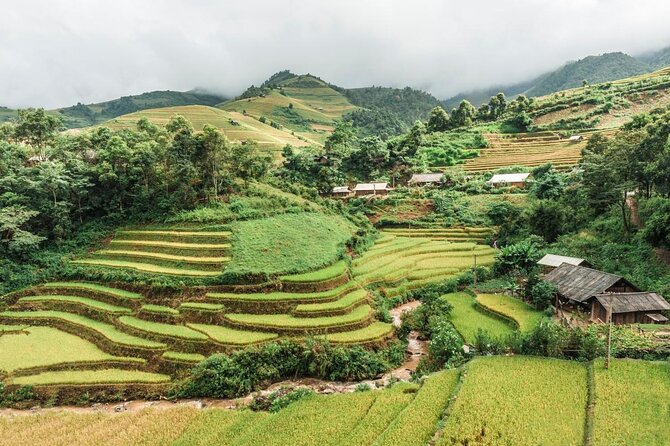
- Muong Hoa valley rice terraces: a slower, steadier way to take in the mountain farming scene
- A family-led cooking class: learn, taste, and ask questions in a real kitchen setting
- Homestay with an ethnic family for 1 night: dinner and a next-morning breakfast at the house
- Small group (max 10): more chat with your guide and easier pacing
- Guides like Nhu and Chai: often praised for energy, English skills, and lively explanations
- Flexible nature moments: bamboo paths, village stops, and even waterfall time on the right day
Why this 2-day trek beats a day-trip
Sapa day trips are fine if you want quick scenery. This two-day version is better if you want time to settle in—to watch a valley change as the light shifts and to learn how people plan their days around farming, weather, and community. You’re not trying to cram every photo spot into a tight schedule.
You also get fewer “logistics headaches.” The tour includes pickup and ends back at the same meeting point, which matters in a place where streets and drop-offs can feel confusing if you’re tired or traveling with limited planning time.
More trails through the Sapa valleys

Meeting in Sapa at Nomadtrails Boutique Hotel (and what that means for your morning)
Your day starts at Nomadtrails Boutique Hotel (015 Tue Tinh, Sapa), with a 9:00 am departure. The key practical point: you’re asked to arrive about 15 minutes early, which gives you a buffer for check-in and getting your shoes sorted before you head out.
From there, you travel by air-conditioned vehicle (you also get bus transfer back to the Sapa center after the trekking portion). That transport mix is helpful because Sapa’s roads can be bumpy and wet, and you’ll likely be wearing layers and carrying a small bag of essentials.
Day 1 in Muong Hoa: rice terraces, village life, and cooking with a family
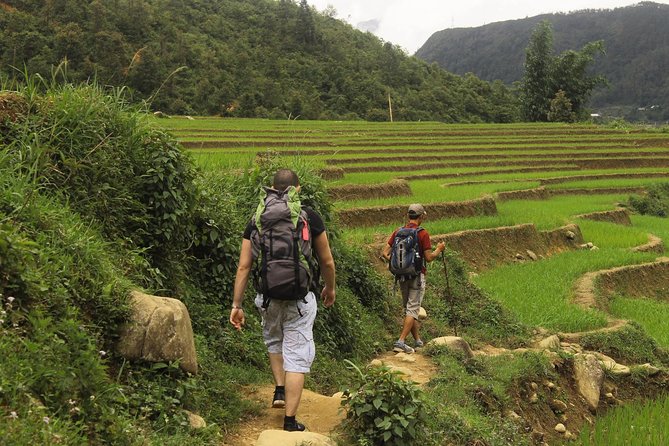
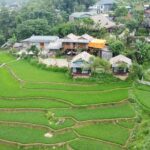
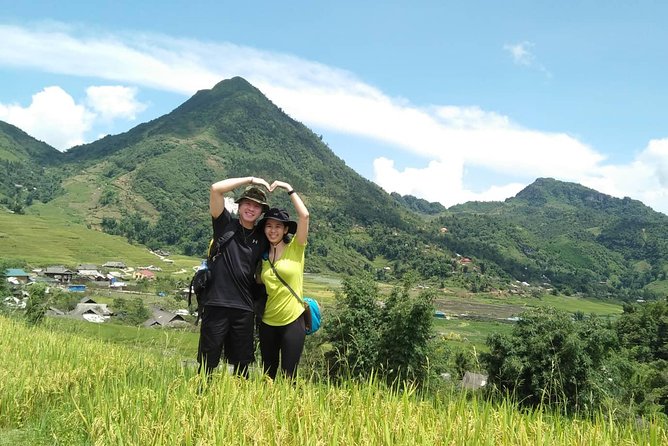
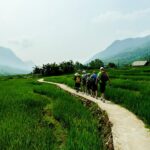
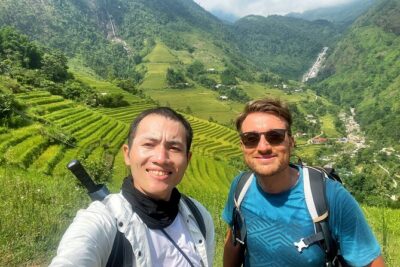
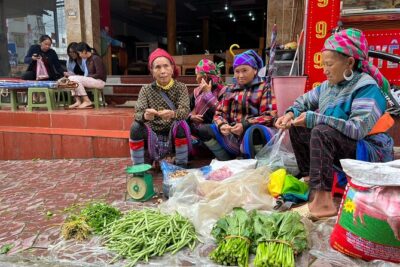
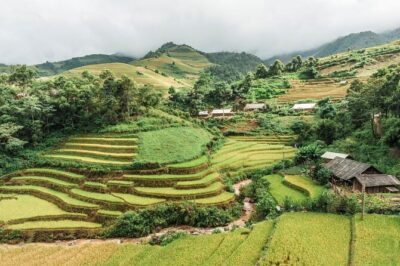
Day 1 is built around the Muong Hoa valley area and its famous mountain rice terraces. Instead of being herded through a single viewpoint, you hike at a pace where you can slow down and actually look at how the fields step down the slopes. On the trail, you may also catch glimpses of daily village life—animals like water buffalo and ducks show up in the stories people share from this route, along with small farm scenes and paths through local areas.
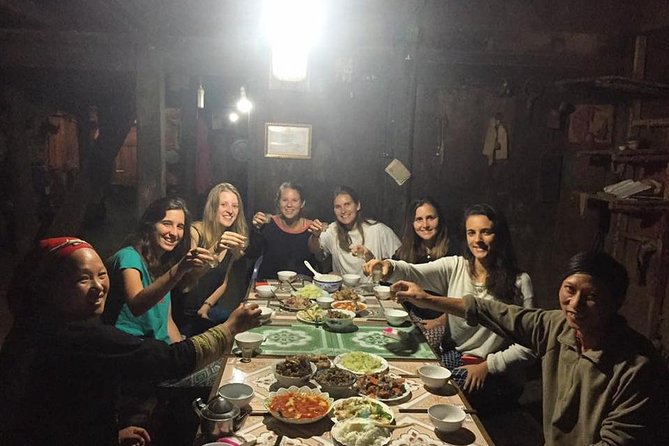
Then comes the part that makes this tour feel more like a shared weekend than a sightseeing circuit: a hands-on cooking class led by a local family. You’re not just watching. You’re learning and eating as part of the same day. That matters because food is one of the fastest ways to understand culture—ingredients, timing, and flavor choices all reflect what’s available locally and what’s meaningful to the family.
After the cooking, you’ll have dinner with the local family and then sleep in their traditional home for 1 night. Expect that “traditional home” likely means a simpler setup than a modern hotel. The upside is the connection: you’re in the household routine, not behind a closed door.
Day 2 villages and nature time: what you can expect after a homestay night
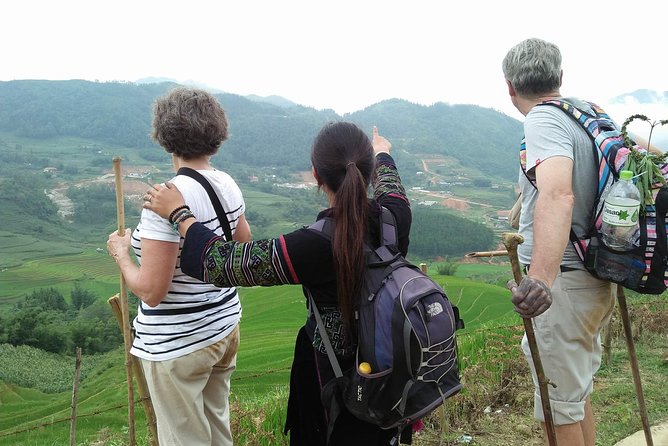
Day 2 starts after your breakfast at the homestay. This is one of those mornings where you tend to walk with less of the “tour mode” feeling, because you’ve already had dinner and talked with the family the night before.
The tour is described as a relaxed follow-up day compared to a single-day trek, and that shows in how you’re able to keep moving without constantly worrying about timing. You may see village clusters, farming areas, and natural features like bamboo forest sections and waterfall areas depending on the day’s route.
Some people specifically mention stretches that include Ta Ta Phin and Lao Chai as part of the two-day experience. You should think of this as a route within the Sapa region that can shift, rather than a single fixed walking script.
Homestay meals: dinner, lunch, breakfast, and the real flavor of the trip
Meals are a big value driver here. The included plan covers:
- 2 lunches in local restaurants
- 1 dinner with the local family
- 1 breakfast at the homestay
There’s also a small daily supply of mineral water per person. Beverages beyond that are not included, so bring cash or plan to purchase what you need.
One practical note: you should advise dietary requirements at booking. That’s not a “nice to have” here—because you’ll be eating within a family setting, it’s best if the team knows your needs early.
Worth a glance beside this Sapa pick:
- Number one top rated ethical cultural trekking and homestay by ETHOS★ 5.0 · 456 reviews
- 1-day Authentik trek & Panorama valley views★ 5.0 · 189 reviews
- 1 day Fansipan Trekking★ 5.0 · 180 reviews
Guides and group size: why “small” makes a real difference in Sapa
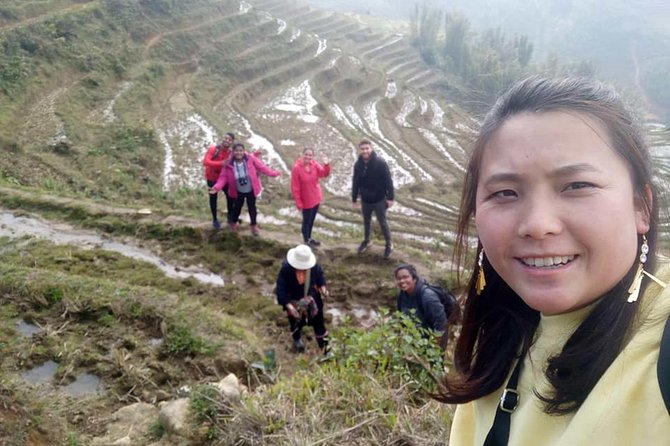
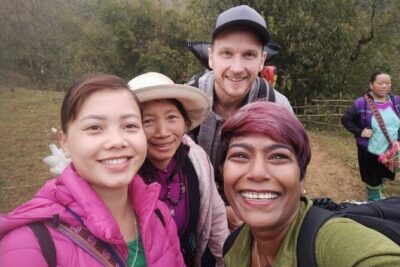
This trek is limited to a small group (max 10), which changes the vibe fast. In a larger group, you get stuck following the slowest pace and you spend most of your time listening to instructions. In a smaller group, the guide can adjust how often you stop and how much time you spend at each village or viewpoint.
The guide factor matters, too. People highlight guides such as:
- Nhu and Thao Nhu for English skills and helpful explanations
- Chai for competence and a fun teaching style
- Khu for energy and managing slower walks when needed
- Sai for patient, attentive conversation about ethnic communities
Even when you’re not talking constantly, you’ll feel the difference when the guide can point out what to look for and explain how everyday life ties to what you see on the trail.
Price and value: does $59 make sense here?
At $59 per person, this isn’t a “budget food tour” or a “cheap hike with hidden costs” kind of deal. You’re paying for several real cost pieces at once:
- guided trekking time across 2 days
- homestay accommodation (1 night)
- a full meal plan (two lunches, dinner, breakfast)
- transport via bus/vehicle, plus pickup and drop-off
- bottled mineral water daily
The parts not included are also clear: beverages, travel insurance, VAT, and personal expenses. If you plan to buy drinks daily, expect that to add up. But if you’re okay with water provided and you keep spending mostly to souvenirs or a few snacks, the package pricing feels straightforward.
One more value angle: doing it as a two-day experience reduces the pressure you get from day-trip tours. You’re not paying extra just for “more hours.” You’re paying for the chance to connect with the homestay and spread the hiking effort across two days.
What to pack for Sa Pa weather, mud, and night-time comfort
The tour recommends warm clothes for Sa Pa from October to March, plus a few trekking essentials:
- trekking shoes (this is not optional if you want stable footing)
- sunglasses
- sun cream
- insect repellent
- clothes for the night
You should also consider bringing a light layer you can manage during climbs and a warmer layer for the evening. Even when the day feels mild, mountain weather can shift quickly.
In the real world, Sapa paths can get slippery, especially after rain. Wear shoes you trust on uneven ground, and keep your day pack light enough that you’re not fighting your bag while walking.
Respecting local culture without making it awkward
The tour asks you to respect local culture in Sapa, and that’s the right mindset. A homestay is about more than sleeping somewhere. It’s about living in someone’s space for a night, so keep your behavior calm, be polite, and follow the guide’s cues about when to ask questions and when to just observe.
Also, if you have dietary needs, mention them early. It’s the easiest way to make the cooking and meals part actually work for you, without putting the family in a stressful situation.
Who should book this trek (and who might not love it)
This is a good match if you want:
- a first-time-friendly introduction to Sapa beyond one big viewpoint
- a guided route where you don’t have to worry about getting lost
- time for village life and a real family meal
- a moderate level of hiking across two days
It may not be ideal if you:
- need fully hotel-level comfort for the night (this is a homestay)
- want to skip physical activity altogether
- get easily frustrated by uneven or slippery walking paths
If you’re comfortable with “simple but meaningful,” this tour style fits well.
Should you book this Sapa 2-day trek with homestay?
I’d book it if you care about people and place more than ticking off landmarks. The best part isn’t only the hiking—it’s the combination of guided walking through Muong Hoa, a family-led cooking class, and sleeping where you can wake up and see Sapa as a community, not a postcard.
Skip it if you’re chasing pure comfort or you want a super-easy stroll with no uneven footing. Also, if beverages matter a lot to your budget, remember the tour includes meals and water, but not extra drinks.
If you’re ready for a small-group experience with a real homestay night, this one looks like strong value at $59, with a high approval rate and guides who clearly know how to make the day feel personal.
FAQ
How long is the Sapa trek and homestay?
The tour runs for 2 days (approx.).
What does the price include?
It includes 2 lunches at local restaurants, 1 dinner with a local family, 1 breakfast at the homestay, mineral water per person each day, and transport (bus back to Sapa center, plus air-conditioned vehicle). You also get pickup and drop-off linked to the meeting point, and 1 night homestay accommodation.
Where does the tour start and what time does it depart?
The meeting point is Nomadtrails Boutique Hotel (015 Tue Tinh, Sapa). Start time is 9:00 am.
What should I bring?
Bring trekking shoes, sunglasses, sun cream, insect repellent, and clothes for the night. If you’re traveling October–March, warm clothes are recommended.
What fitness level is required?
You should have moderate physical fitness. The tour involves trekking, and paths can be slippery.
What about dietary restrictions?
You should advise any specific dietary requirements at the time of booking.
Is pickup included?
Yes. Hotel pickup and drop-off are included, and the activity ends back at the meeting point.
Are beverages included?
No. Beverages are not included.
What is the cancellation policy?
There is free cancellation. You can cancel up to 24 hours in advance for a full refund. If you cancel less than 24 hours before the start time, the amount paid is not refunded.
More Hiking & Trekking in Sapa
More Tour Reviews in Sapa
More Sapa Treks We Walked
Latest Sapa write-ups from our team



Sapa Trekking Tours, compared.
 ★ 5.0Sapa 2 Days 1 Night From Hanoi – Overnight in Ta Van VillageFrom $592,669 reviews
 ★ 5.0Hanoi – Sapa 2 Days 1 Night Overnight At HomestayFrom $89899 reviews
 ★ 5.0Sapa: Fansipan Cable, Cat Cat Village & Moana Instagram TourFrom $30777 reviews
 ★ 4.8From Hanoi: 2-Day Sapa Trekking Trip with Homestay & MealsFrom $71704 reviews
 ★ 5.0Sapa 3 Days 2 Nights Trekking Tour (1 Night In Ta Van Village, 1 Night In Hotel)From $139699 reviews
 ★ 5.03-Day Trekking Adventure of Sapa from Hanoi – Stay Ta Van VillageFrom $109611 reviews
 ★ 4.82-Day Sa Pa Ethnic Homestay Tour & Trek with Limousine Bus440 reviews
 ★ 5.0Sapa 2 Days 1 Night From Hanoi – Overnight in HotelFrom $89440 reviews
Browse the lists this tour appears in