
Reviewed · HIKING & TREKKING
Mountain views & Rice Terraced Fields Hiking – 2D 1N
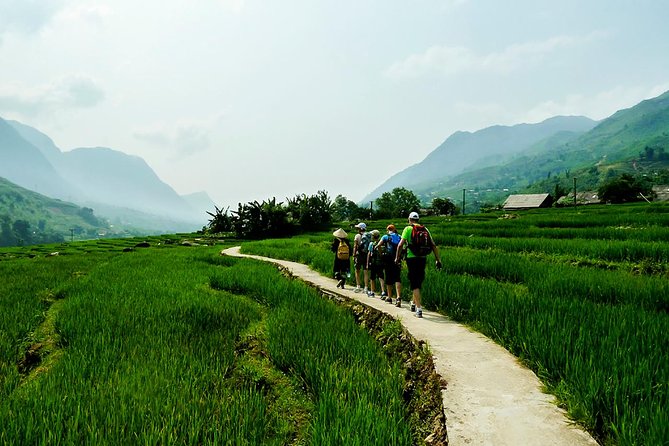
Sapa trekking beats the bus-tour stampede. This 2-day trek from Sapa Church puts you in the hills fast, with mountain viewpoints, a look at the big river valley, and the rice terrace scenery people come for in the first place. I also like that it’s not only photos, it’s village life and culture with stories from the trails.
The second thing I really appreciate is the small group feel (max 10). When San leads, you can tell he’s focused on explaining what you’re seeing, not just moving you along.
One consideration: it’s rated for moderate physical fitness. There are uphill sections (including an early climb to views), so comfortable walking shoes matter.
In This Review
- Key highlights worth knowing
- Setting Off From Sapa Church: 9am Start and a Smooth Small-Group Day
- Hang Da Village: The Early 1km Uphill to Mountain Views
- After Lunch in Hau Thao: Black Hmong Daily Life Close Up
- Day 2 Morning Homestay Fuel: Breakfast and a New Trek Rhythm
- Giang Ta Chai Village: Trek Down Toward Waterfall Views
- Ta Van Village: Where Giay and Black Hmong Culture Show Up Together
- Price and Value: Is $90 Fair for This Two-Day Bundle?
- What the Tour Teaches You (Beyond the Views)
- Who This Trek Suits Best (and Who Might Want Another Option)
- Practical Notes for Planning Your Day
- Should You Book Mountain Views and Rice Terrace Fields Hiking (2D 1N)?
- FAQ
- Where does the tour start?
- What time does the tour begin?
- Is pickup offered?
- What’s included in the price?
- How fit do I need to be?
- What happens if the weather is bad or I need to cancel?
Key highlights worth knowing
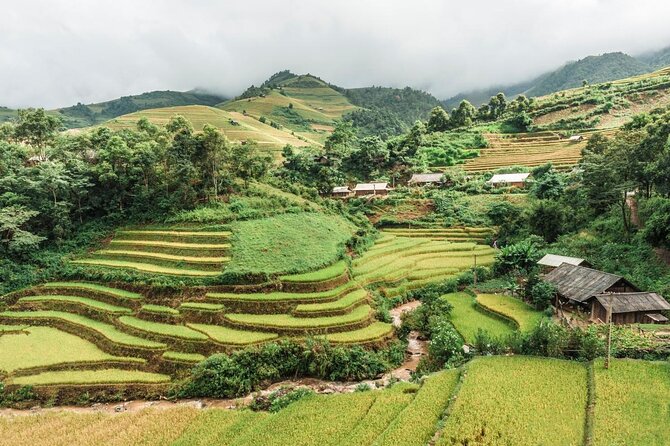
- Hang Da Village viewpoint hike with a short uphill on a trail before the real scenery hits
- Black Hmong daily life in Hau Thao after lunch, when the day’s rhythm feels real
- Homestay experience for one night plus dinner and breakfast included
- Giang Ta Chai + a waterfall stop built into the next day’s trek
- Ta Van Village access to Giay and Black Hmong culture as the route moves downhill
- What you get for $90: guide, meals, village entry fees, water, and transport back to Sapa
Setting Off From Sapa Church: 9am Start and a Smooth Small-Group Day
The trip starts at 9:00am at Sapa Church, right on P. Hàm Rồng. If you’re staying in town, this is usually an easy day to plan around: you’ll meet your guide first, then start hiking while it’s still reasonable temperature-wise.
A big practical plus here is the group size. With a maximum of 10 travelers, you’re less likely to feel like you’re in a conga line through villages. That matters in places where families actually live their normal day. It also tends to make it easier to stop, ask questions, and adjust the pace if someone is slower on the slopes.
You can also request pickup, so check what’s offered with your booking. Either way, plan to arrive a bit early so you can get your gear sorted and feel calm before you climb.
Worth a glance beside this Sapa pick:
Hang Da Village: The Early 1km Uphill to Mountain Views
The first stop is Hang Da Village. You’ll meet your guide in the morning, get a quick introduction, then walk about 1km uphill on a small trail. That climb is short, but it’s a real warm-up. Think of it as the moment the trek turns from city to hillside.
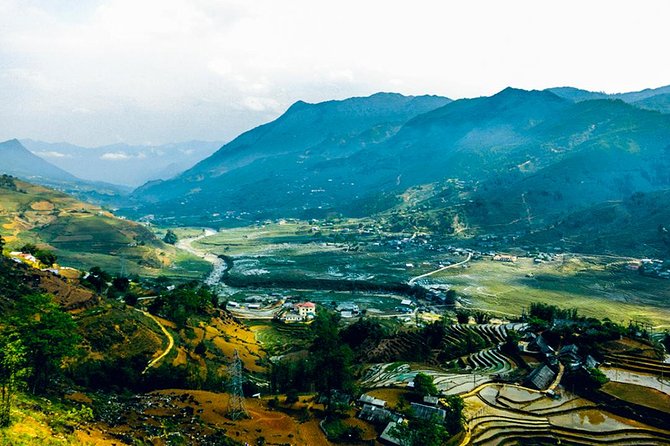
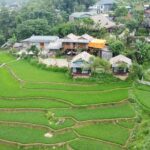
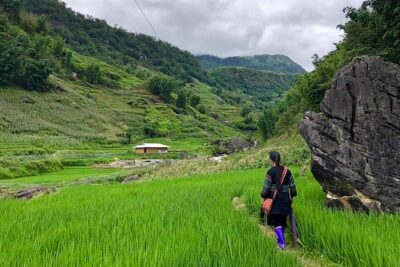
At the top, you’re rewarded with mountain views, and you’ll have that classic Sapa feeling: layers of ridgelines and valleys where weather and clouds can change the scene quickly. This is also where the tour’s promise starts to make sense. Sapa isn’t just about one postcard view. It’s about how the terrain shapes everything—where villages sit, where water flows, and why people grow rice on terrace slopes.
What I like about this section is that it’s not a brutal first hour. It gives you time to settle in. If you pace yourself, you’ll arrive at the viewpoints without feeling like you just did the whole trek already.
Tip for your comfort: wear shoes with decent grip and bring a light layer even if it’s sunny in town. Heights can feel cooler fast.
After Lunch in Hau Thao: Black Hmong Daily Life Close Up
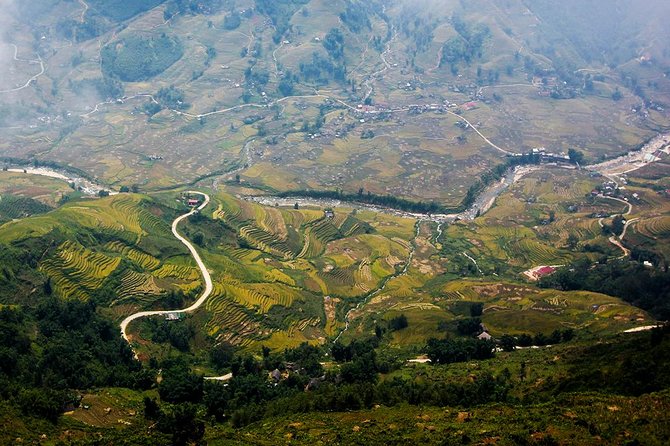
After the morning hike, you’ll head for lunch, then move down to Hau Thao, a village of the Black Hmong ethnic minority. This part of the schedule matters. Morning climbing gives you legs, and the downhill walk helps you shift from effort-mode to observe-mode.
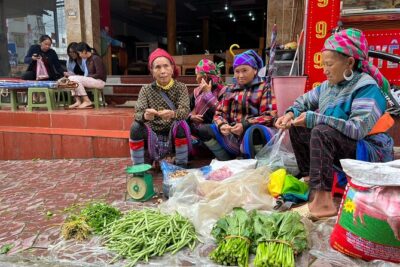
In Hau Thao, the goal is seeing daily life. If timing is right, you may catch local activities—work around the village, household routines, and the everyday interactions that don’t happen in a bus-stop market setting. The tour is built to give you context, too. Your local guide can connect what you’re seeing to how people live and build in the area.
One thing to keep expectations realistic: this is still a village visit. You’re not touring a museum with labeled exhibits. The value comes from respectful attention and a willingness to look beyond the most obvious photo angles.
Respect note: keep your voice low in homes or near work areas, and ask before taking close-up photos.
Day 2 Morning Homestay Fuel: Breakfast and a New Trek Rhythm

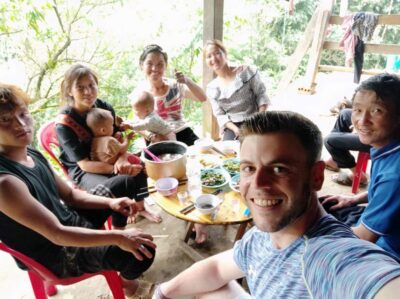
Overnight is in a homestay for one night, which usually means you’re not just passing through the region—you’re living the schedule for a bit. Dinner and breakfast are included, so you don’t have to figure out food logistics the night you’re in the villages.
The morning start tends to feel different from Day 1. After breakfast, you’re in a mindset of walking with the day rather than rushing through it. The trek also becomes more about what unfolds along the route: water, slopes, and the way different villages sit in relation to each other.
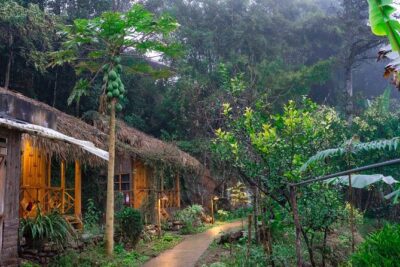
If you’re worried about comfort, remember: homestays are part of how these communities host visitors, but they vary in basic amenities. The one thing you can count on from the tour info is that meals are handled—dinner and breakfast come with the package.
What to bring inside your daypack: any small personal items you’ll want on the trail (like tissues, a light rain layer, and basic meds). You’ll want what you need within easy reach.
Giang Ta Chai Village: Trek Down Toward Waterfall Views
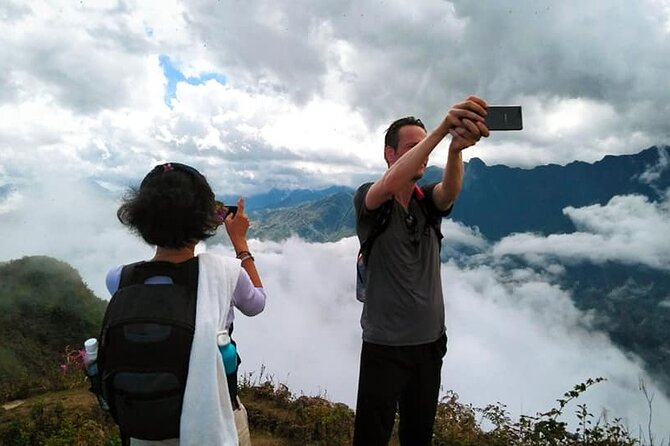
Next up is Giang Ta Chai Village. After Hau Thao, you’ll walk down toward Giang Ta Chai, and the route includes a chance to see a waterfall. This is one of those Sapa moments where the landscape changes from “hillside fields” to “moving water and misty air.”
Why that matters: waterfalls are often a natural reference point. They make it easier to understand the geography of the valley—where water gathers, how it shapes settlement, and why certain areas are ideal for growing and maintaining terraces.
This portion also fits the tour’s cultural focus. The overview highlights learning about customs and traditions of the major ethnic groups in Sapa, and the villages along the route are where those topics feel grounded rather than abstract.
If you’re someone who likes photos, this is a strong segment. If you’re more into the human side of travel, it’s equally useful because you’ll be walking through real paths between communities, not only between scenic overlooks.
Worth a glance beside this Sapa pick:
- Sapa : 2-Day Trek & Heartwarming Homestay with an Ethnic Family★ 5.0 · 143 reviews
- Rice Terraced Fields & Homestay Experience– 2D 1N★ 5.0 · 118 reviews
- 2 Days Fansipan Trekking★ 5.0 · 84 reviews
Ta Van Village: Where Giay and Black Hmong Culture Show Up Together
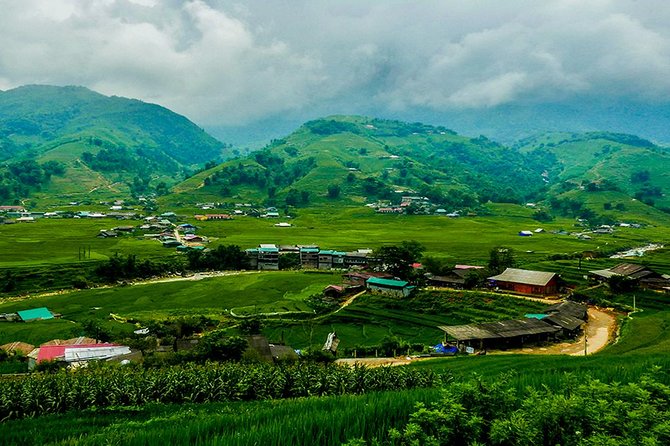
After enjoying the waterfall and the surrounding views, you head downhill to Ta Van Village. Here, you get to see both Giay and Black Hmong minorities. This is a good reminder that Sapa’s identity isn’t locked to one group. It’s a set of communities interacting across the valley.
Ta Van is also a place where you’ll likely spot a blend of how people adapt to the terrain—how houses relate to pathways, how daily chores connect to nearby fields, and how residents manage village life through changing seasons.
The tour structure makes Ta Van feel like a landing point. You’ll finish the day there and then you’ll be transported back to Sapa when the tour ends.
Small practical win: by the time you reach Ta Van, you’re usually past the hardest part of the walking day. That makes it easier to slow down, talk with your guide, and enjoy the final village atmosphere without rushing.
Price and Value: Is $90 Fair for This Two-Day Bundle?
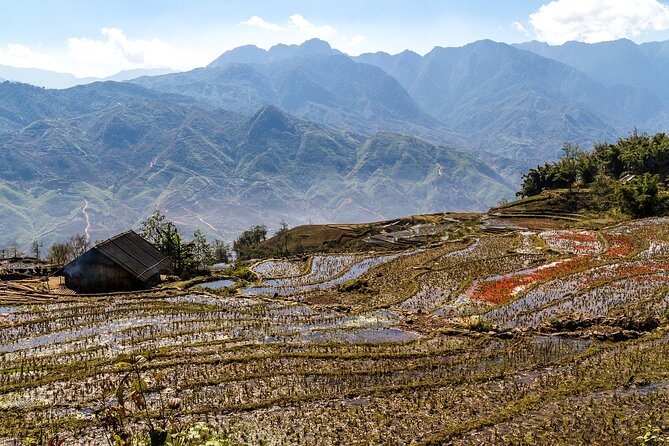
At $90 per person, this trek isn’t a “budget-only” option, but it also isn’t priced like a luxury private guide day. The value comes from what’s actually included.
Here’s what the tour package covers:
- Homestay accommodation for 1 night
- Dinner + breakfast, plus lunch (2 meals)
- Local guide
- Village entry fees
- Transport back to Sapa after the tour ends
- 1 big bottle of water per person
When you add it up, $90 starts to look like you’re paying for a full operating system: guide time, village access, food on both days, and the overnight stay. If you tried to piece this together yourself, you’d spend time coordinating and you’d still likely pay similar costs for guide + homestay + meals.
The “real” value shows in the structure. You’re not only buying a walk; you’re buying cultural context and scheduled village visits over two days, with the practical basics handled.
If you prefer to travel with zero planning, small groups, and a clear day-by-day flow, this price makes sense.
What the Tour Teaches You (Beyond the Views)
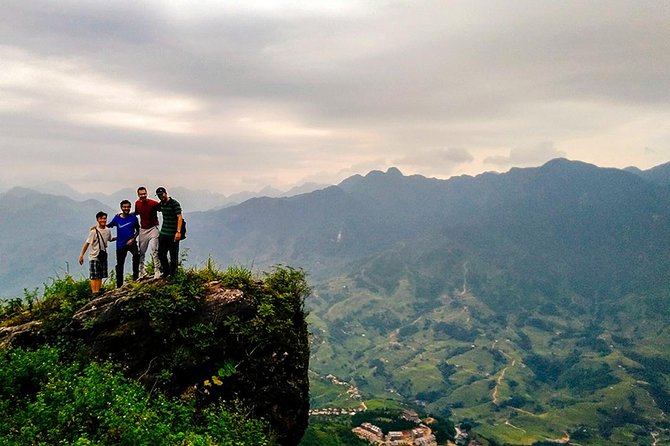
This trek is built around ethnic minority culture in Sapa—specifically Hmong, Giay, and Red Dao in the tour overview. And it’s not limited to generic introductions. The tour description highlights topics like Hmong marriage traditions, rice fields, and work and house-building techniques.
Here’s the useful way to think about that: knowledge sticks when you’re standing somewhere that makes it real. When someone explains how rice terrace work fits into the year, you can look at the slopes and understand why the terrain matters. When you hear about household building techniques, you can observe how homes relate to pathways and weather.
You’ll also benefit from the guide’s ability to translate what daily life looks like into something you can grasp fast. The review mentions San as a standout guide who explained a lot, and that kind of active narration is exactly what turns village visits from sightseeing into learning.
Who This Trek Suits Best (and Who Might Want Another Option)
This is a great match for you if you want:
- A two-day trek with village time, not just a single viewpoint hike
- A small-group experience
- Included meals and homestay lodging
- A guide who tells you what you’re seeing, not only where to walk next
It’s also a good choice if you like the “daily life” side of travel. The stops in Hau Thao and Ta Van are designed to show you how people live, not only how the scenery looks.
You might want to think twice if:
- You’re very sensitive to uphill walking. The tour includes an uphill start to views and additional trekking across both days.
- You want a completely hands-off, minimal walking schedule. The experience does involve movement, and it’s rated for moderate fitness.
Practical Notes for Planning Your Day
A few details can make your experience smoother:
- Start time is 9:00am, so set your morning routine accordingly.
- Village visits often work best when you dress for comfort. Use sturdy shoes for uneven trails.
- Homestay dinners and breakfasts are included, but extra drinks aren’t (so budget a bit if you want beer or bottled water beyond what’s provided).
- Tips aren’t included, and it’s normal to plan a little for your guide if you feel they did a great job.
- Weather matters. The experience notes that it needs good weather and can be rescheduled if conditions are poor.
Also, if you’re booking during busy season, note that this tour is commonly booked about 5 days in advance on average. That’s a hint that popular time slots can fill.
Should You Book Mountain Views and Rice Terrace Fields Hiking (2D 1N)?
Book it if you want a balanced blend of mountain views, rice terrace country, and real village visits—with food and a homestay handled for you. The small group size and the emphasis on ethnic minority culture make it feel more human than a checklist tour. And with a guide like San highlighted in feedback, you’re likely to get more explanation than just walking.
Skip it (or choose a different style) if you dislike moderate hiking or want a totally relaxed itinerary with no uphill stretches. This trek is not hard-core, but it does require a willing attitude toward walking.
If your goal is to see Sapa as more than a viewpoint—fields, valleys, villages, and daily routines—this is a solid pick.
FAQ
Where does the tour start?
The meeting point is Sapa Church, P. Hàm Rồng, TT. Sa Pa, Sa Pa, Lào Cai 333100, Vietnam.
What time does the tour begin?
It starts at 9:00am.
Is pickup offered?
Yes, pickup is offered.
What’s included in the price?
Dinner, breakfast, two lunches, a 1-night homestay, village entry fees, a local guide, transport back to Sapa after the tour ends, and 1 big bottle of water per person.
How fit do I need to be?
You should have a moderate physical fitness level.
What happens if the weather is bad or I need to cancel?
It requires good weather, and if it’s canceled due to poor weather you’ll be offered a different date or a full refund. You can also cancel up to 24 hours in advance for a full refund.
More 2-Day Experiences in Sapa


More Hiking & Trekking in Sapa
More Tour Reviews in Sapa
Latest Sapa write-ups from our team



Hiking & Trekking, compared.
 ★ 5.0Halong Bay Full Day with Kayaking, Hiking viewpoint, Cave – Deluxe To LuxuryFrom $38884 reviews
 ★ 4.8From Hanoi: 2-Day Sapa Trekking Trip with Homestay & MealsFrom $71704 reviews
 ★ 5.0Sapa 3 Days 2 Nights Trekking Tour (1 Night In Ta Van Village, 1 Night In Hotel)From $139699 reviews
 ★ 5.03-Day Trekking Adventure of Sapa from Hanoi – Stay Ta Van VillageFrom $109611 reviews
 ★ 5.0Number one top rated ethical cultural trekking and homestay by ETHOSFrom $93456 reviews
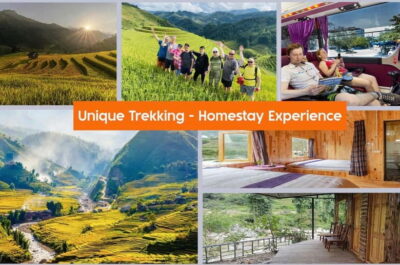 ★ 4.82-Day Sa Pa Ethnic Homestay Tour & Trek with Limousine Bus440 reviews
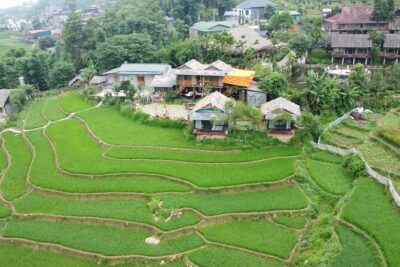 ★ 5.0Sa Pa Full Day Trekking TourFrom $25414 reviews
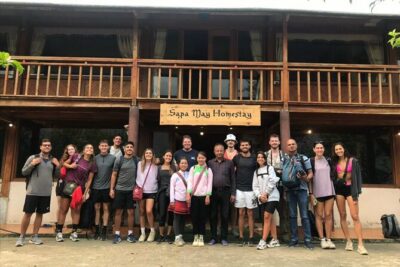 ★ 5.0Hanoi – Sapa 3 Day 2 Night Trekking With Hotel & HomestayFrom $125389 reviews
Browse the lists this tour appears in