
Reviewed · HIKING & TREKKING
1-day Authentik trek & Panorama valley views
Rice terraces and Hmong craft, all in one walk.
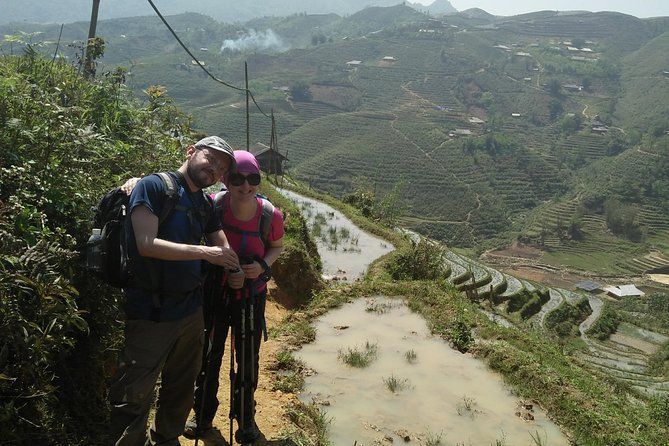
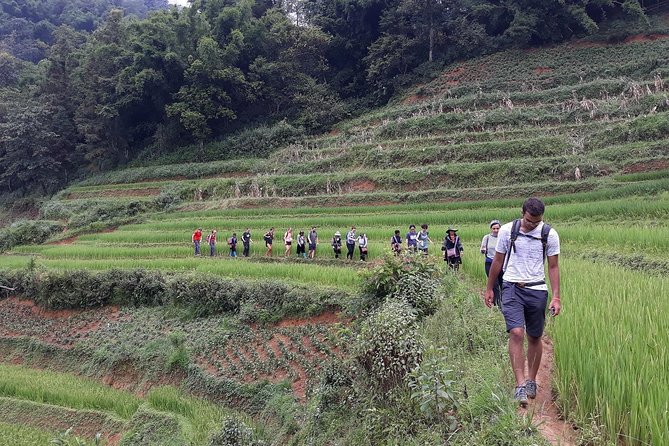
What makes this trip interesting is the mix of panoramic valley viewpoints and real Hmong village time, where you’re not just looking at the scenery—you’re learning how people live, work, and make textiles. I like that the hike is built around changing scenery as you climb up for wide views, then work your way down through paths that feel quieter than the usual Sapa routes.
My favorite part is the human side: meeting families, enjoying green tea at a local home, and hearing stories from guides such as Su or Chai (both named in past guidance) as you walk between villages. Just be aware the day is still a trek—so moderate physical fitness matters, and you’ll want good shoes, because you’re climbing and descending for hours even though the schedule keeps breaks in.
In This Review
- Key highlights you’ll care about
- Sapa’s Muong Hoa Valley trek: what makes it feel local
- Getting started in Sapa: meeting point, mobile ticket, and timing
- The first climb: viewpoint time and what to expect at the top
- Muong Hoa Valley villages: textile-making stories you can follow
- Lunch plus the descent: where rice fields and waterfalls show up
- How demanding is a 6-hour trek in Sapa?
- Private group perks: why it’s more than a cheaper way to “get a guide”
- Value check: is $56.42 worth it?
- Practical tips to make the day easier
- Who should book this trek, and who might skip it?
- Should you book the 1-day Authentik trek and panorama valley views?
- FAQ
- How long is the trek?
- Where is the meeting point in Sapa?
- What’s included in the price?
- What should I pay for separately?
- Is this a private tour?
- What happens if weather is poor?
- What is the cancellation window?
Key highlights you’ll care about
- Mount Fansipan and Muong Hoa Valley views from a hilltop viewpoint in the morning light
- Hmong village visits focused on traditional textile-making and daily life
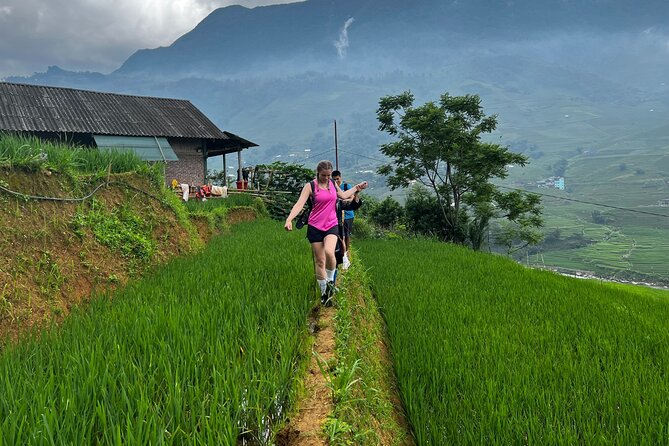
- Quiet paths through rice fields, with chances to spot waterfalls along the descent
- A private setup for your group, which makes questions and pacing easier
- Lunch plus bottled water included, so you can stay focused on the walk and not logistics
- Guides like Su, Chai, and Nhu bring a clear, friendly style and real explanations about plants and community life
Sapa’s Muong Hoa Valley trek: what makes it feel local
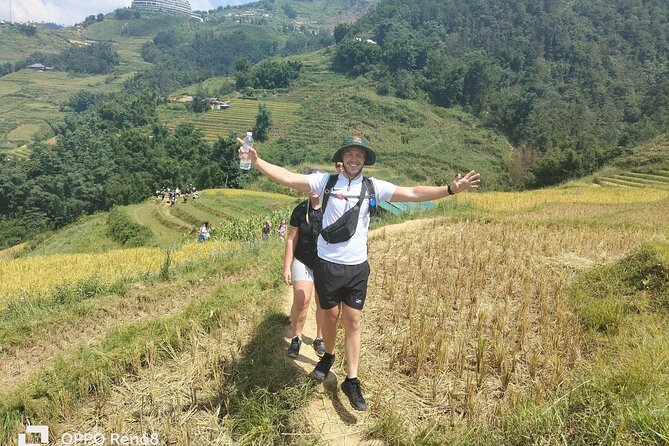
Sapa’s easy to overdo if you chase only the postcard stops. This trek keeps you in Muong Hoa Valley where the scenery changes as you move, from misty valley angles to wide views over emerald rice terraces. It also gives you time with the people behind the look—especially the Hmong communities known for textile traditions.
You’re not expected to be an expert on culture before you go. The experience is structured so you can ask basic questions, watch how things are made, and understand why certain patterns and materials matter. That’s what turns a hike into a story you’ll remember.
And yes, the viewpoint portion is a big deal. Seeing Mount Fansipan framed by terraces makes the walking feel worth it fast.
Worth a glance beside this Sapa pick:
Getting started in Sapa: meeting point, mobile ticket, and timing
Your day begins back near 15 Tuệ Tĩnh, Sa Pa, Lào Cai, Vietnam. You’ll meet your group there, and the trek ends back at the same place, which is helpful in a town where hopping between points can eat time.
It’s a private tour/activity, meaning it’s just your group. That matters more than it sounds—private pacing means you can slow down for questions in villages or speed up when the trail is clear.
Timing is listed as a 6-hour trek, and the start time shown is around 9:30 a.m., while the walk description also references a start closer to 8:45 a.m. The practical move: check your confirmation message so you show up at the exact pickup/start time for your date.
The ticket is mobile, so you’ll want your phone charged and ready. Bring it even if you think you’ll remember everything—being able to show the ticket quickly saves small stress.
The first climb: viewpoint time and what to expect at the top
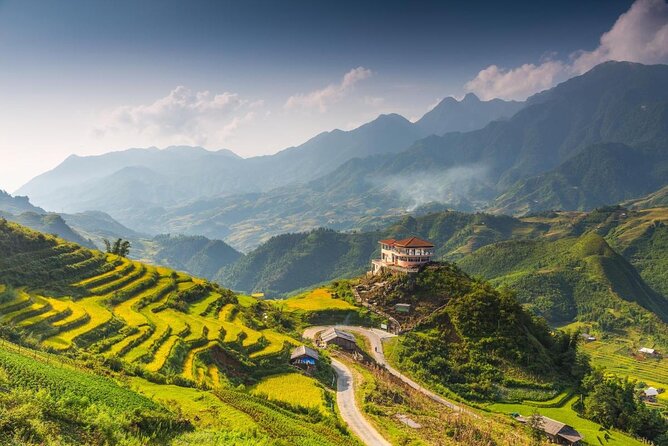
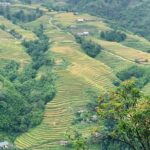
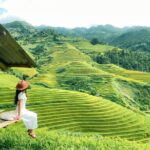
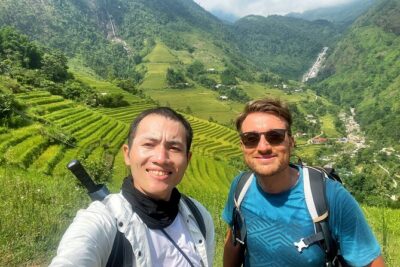
The morning section leads you up toward a hilltop viewpoint with sweeping panoramas over Muong Hoa Valley. This is the moment most people picture when they imagine Sapa: tiered rice fields, rolling folds of green, and mountain forms in the distance.
You’ll also get context for what you’re seeing while you’re walking. Guides named in past experiences—like Su and Chai—are described as friendly and informative, and that kind of explanation helps the view stick in your mind instead of fading after a photo.
One thing I like about this structure is the balance. You get a solid view early, so you don’t feel like the day is only waiting to be good later. After that, you shift from broad scenery to footpath-level details—village life, craft processes, and the rhythm of farms.
Practical note: viewpoints usually mean steps, uneven ground, or a steady climb. If you’re on the edge of “moderate fitness,” plan for slow and steady rather than power-walking.
Muong Hoa Valley villages: textile-making stories you can follow
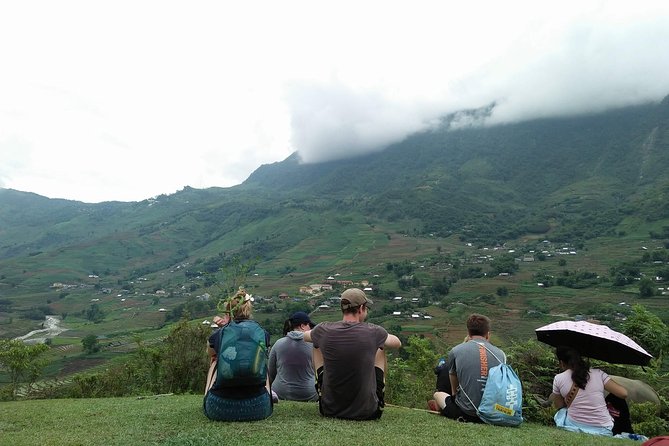
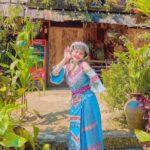
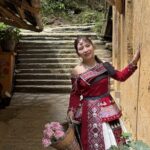
After the climb, the trek steers you into Hmong village areas where you meet local families and learn about traditions—especially traditional textile-making. This is the part that separates the trip from a generic nature walk.
What makes it work is the way the time is paced. You don’t just pass through. You pause to talk, look closely at materials, and learn how daily life links to weaving and clothing. Past guests specifically highlighted a hands-on feeling of craft materials—being able to touch and explore is a big reason this section lands well.
You’ll also likely get a break at a local home with green tea. It’s small, but it changes the vibe from hike-to-see to human exchange. Drinking tea while someone explains what you’re seeing is the kind of moment that feels like you’re borrowing a slice of someone’s normal day.
Guides like Nhu have been praised for keeping things clear and caring, with information that includes not only culture but also the natural environment around you. If you like explanations—plants, community practices, and what daily work looks like—that’s a strong match.
Lunch plus the descent: where rice fields and waterfalls show up
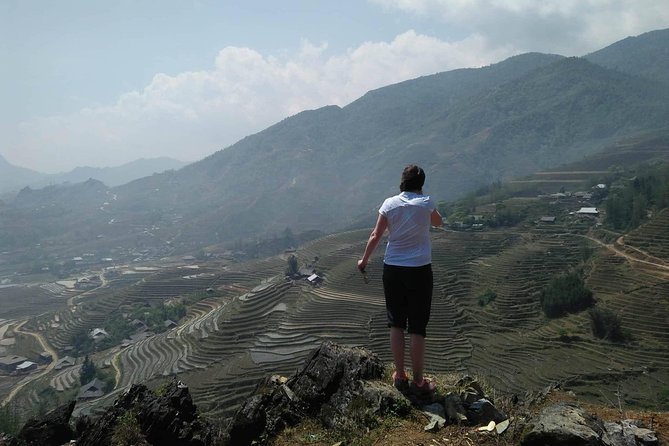
After morning village time, you’ll stop for lunch at a local restaurant. Lunch and bottled water are included, which helps keep the day simple. People also called out the fried spring rolls as a standout, so if you’re hungry, plan to enjoy the meal instead of rushing.
Then comes the fun part: the descent. The route follows paths down toward Hau Thao Village, described as a place associated with Black Hmong communities. This isn’t just another village stop. It’s where the trek shifts from viewpoint drama into field-level detail.
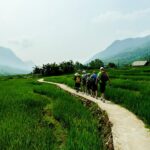
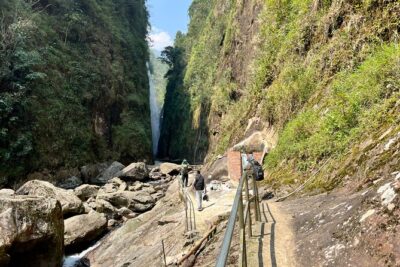
You’ll walk through rice fields and follow winding trails that can reveal waterfalls along the way. Hidden-waterfall moments are never guaranteed, because weather and water levels vary, but the route is designed around that possibility. Even when you don’t hit a perfect waterfall view, the trail still feels like you’re moving through working farmland.
This is also where your earlier tea stop and textile lessons pay off. By the time you’re looking at fields and farm rhythms, the cultural context feels more grounded instead of abstract.
Worth a glance beside this Sapa pick:
- Sapa Motorbike Tour With Local Guide 1 Day – Waterfalls, Villages★ 5.0 · 254 reviews
- Motorbike 1 Day Off The Beaten Track, Hidden Villages, rice field★ 5.0 · 203 reviews
- Sapa 1 day trek with local guide to the village by Comlam★ 5.0 · 148 reviews
How demanding is a 6-hour trek in Sapa?
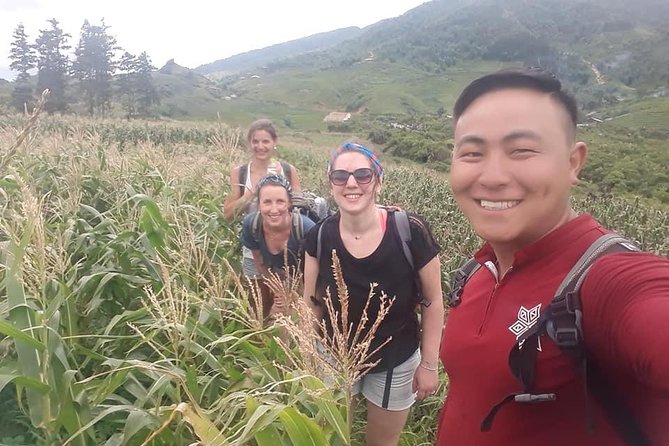
This is listed for moderate physical fitness, and that’s honestly the right expectation. You’re not talking about a short, gentle stroll, but it’s also not described as a hardcore expedition. You’ll be walking for about 6 hours, split across climbs, villages, and time off your feet.
The biggest factor is not just distance—it’s the terrain. Sapa’s paths can be uneven, and descents can feel longer than the climb if your legs aren’t used to hiking on slopes. If you carry any knee discomfort, take it slow on downhill sections.
A good way to plan mentally: think of it as a steady hiking day with breaks, not a race. Private pacing helps here, because you’re not stuck with a fast group who wants to move on even when you’re still reading the trail.
Also remember: the experience requires good weather. If the weather turns, the operator may offer a different date or a refund.
Private group perks: why it’s more than a cheaper way to “get a guide”
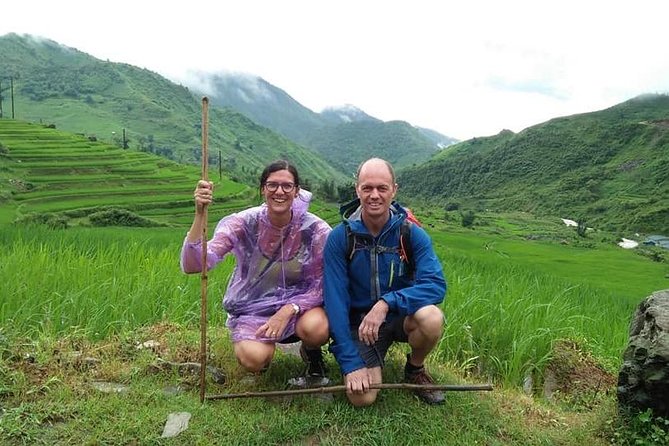
It’s easy to think a private trek is just for families or big groups. In reality, private can be the best fit for solo travelers too. Since it’s only your group, you can ask questions without needing to shout over a crowd.
This also matters at village stops. Textile-making, daily routines, and community life don’t compress into a 30-second photo moment. When you’re not sharing the space with strangers, you can stay longer for the parts you care about—craft details, daily tasks, or even how plants fit into the local world.
Guides mentioned in past experiences—such as Su, Chai, and Nhu—are repeatedly described as friendly, informative, and attentive to safety. That combination is exactly what you want when you’re walking through rural paths where you don’t want to guess the route.
Value check: is $56.42 worth it?
At $56.42 per person, the price sits in the “more than a casual tour” category, but it includes some of the stuff that often costs extra elsewhere. You get lunch, bottled water, and an admission ticket included (as listed). That means you’re not spending the day constantly shopping for food or paying separate entry fees.
You’re also getting a guided trek with cultural context. A guide who can explain textile-making and answer questions about village life is part of what you’re paying for, not just the walking. When a day combines panoramic viewpoints, multiple village stops, and food included, the math starts to feel reasonable.
What you should budget for:
- Personal expenses (souvenirs, snacks outside lunch, etc.)
- Travel insurance (not included)
- VAT is listed as not included
A small but smart tip: because the experience is often booked about 11 days in advance on average, booking earlier can increase your chances of the slot you want—especially in busier travel weeks.
Practical tips to make the day easier
You don’t need special gear, but you do need to show up prepared for trail conditions and rural walking.
A few practical pointers:
- Wear closed-toe shoes with grip for slopes and uneven ground
- Bring a light layer: mornings in Sapa can feel cool, especially in misty areas
- Have a rain plan since the trek depends on good weather
- Keep some cash for personal extras since those are not included
- Keep your phone ready for the mobile ticket
If you’re the type who loves asking questions, this tour is built for that. Come with a curious mindset, and you’ll get far more out of the textile and village time than you would by just watching from a distance.
Who should book this trek, and who might skip it?
This trek is ideal for you if you want a day that mixes Sapa views with real cultural contact—especially Hmong villages and textile-making explanations. It’s also a good fit if you like guides who provide clear stories while walking, not just background facts at the end.
You might want to skip it (or choose a gentler option) if:
- You don’t do well with walking climbs and descents for about 6 hours
- You’re traveling when weather is unreliable and you can’t be flexible with dates
- You want lots of time in big-name attractions rather than village paths and farms
Should you book the 1-day Authentik trek and panorama valley views?
I’d book it if your idea of a great Sapa day is a mix of Muong Hoa Valley panoramas and purposeful village time. The included lunch, bottled water, and guided explanation of Hmong traditions make it feel like more than sightseeing for the price.
It’s also one of the better formats when you care about going beyond the main look of rice terraces. The textile focus, the tea stop, and the village conversations are where the day turns memorable.
If you’re comfortable with moderate walking and you can handle the weather factor, this is a strong value way to see the valley and learn how community life connects to what you’re photographing.
FAQ
How long is the trek?
The experience lasts about 6 hours (approximately).
Where is the meeting point in Sapa?
The meeting point is at 15 Tuệ Tĩnh, Việt Nam, Sa Pa, Lào Cai, Vietnam. The tour ends back at the same meeting point.
What’s included in the price?
Lunch and bottled water are included. An admission ticket is also included.
What should I pay for separately?
Travel insurance, VAT, and personal expenses are not included.
Is this a private tour?
Yes. It’s listed as a private tour/activity, so only your group participates.
What happens if weather is poor?
This experience requires good weather. If it’s canceled due to poor weather, you’ll be offered a different date or a full refund.
What is the cancellation window?
You can cancel for a full refund up to 24 hours before the experience’s start time. Within 24 hours, the amount paid is not refunded.
More 1-Day Tours in Sapa

More Hiking & Trekking in Sapa
More Tour Reviews in Sapa
Latest Sapa write-ups from our team


Hiking & Trekking, compared.
 ★ 5.0Halong Bay Full Day with Kayaking, Hiking viewpoint, Cave – Deluxe To LuxuryFrom $38884 reviews
 ★ 4.8From Hanoi: 2-Day Sapa Trekking Trip with Homestay & MealsFrom $71704 reviews
 ★ 5.0Sapa 3 Days 2 Nights Trekking Tour (1 Night In Ta Van Village, 1 Night In Hotel)From $139699 reviews
 ★ 5.03-Day Trekking Adventure of Sapa from Hanoi – Stay Ta Van VillageFrom $109611 reviews
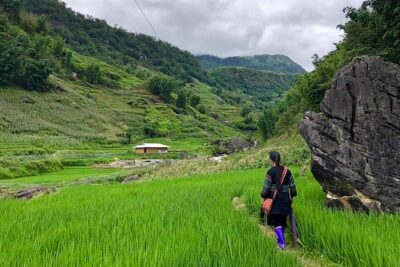 ★ 5.0Number one top rated ethical cultural trekking and homestay by ETHOSFrom $93456 reviews
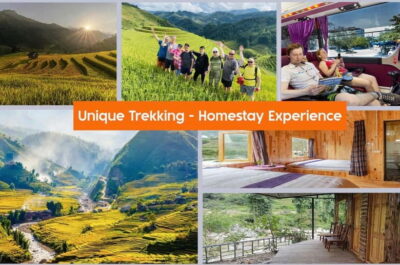 ★ 4.82-Day Sa Pa Ethnic Homestay Tour & Trek with Limousine Bus440 reviews
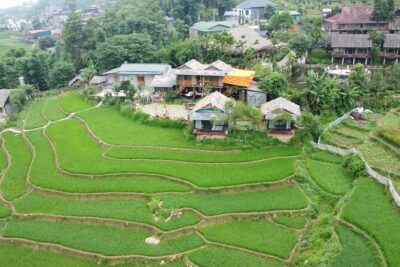 ★ 5.0Sa Pa Full Day Trekking TourFrom $25414 reviews
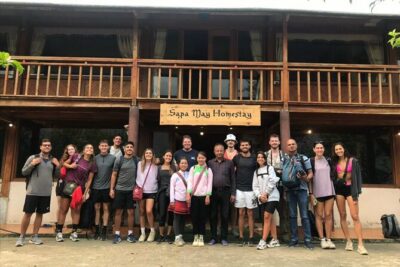 ★ 5.0Hanoi – Sapa 3 Day 2 Night Trekking With Hotel & HomestayFrom $125389 reviews
Browse the lists this tour appears in