
Reviewed · SAPA TREKKING TOURS
2-Day Sa Pa Ethnic Homestay Tour & Trek with Limousine Bus
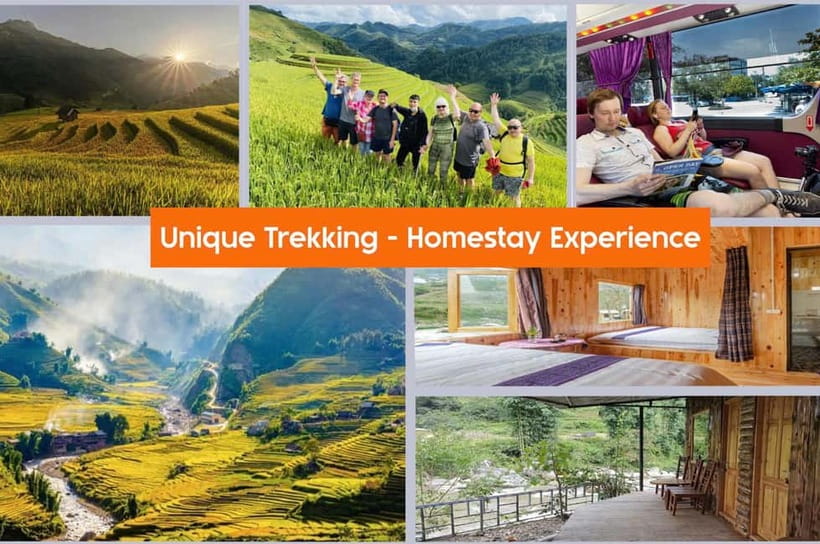
Two days in Sa Pa still feels like a week. You’ll ride a limousine bus up the new highway from Hanoi, then trade city pace for rice terraces, villages, and a Ta Van homestay run in the mountains. I especially love the way the route connects the Black Hmong and Ta Van areas with a guide who can explain daily life, not just points on a map. The homestay night is also a big win for value and for getting a real sense of mountain routines. The main drawback to plan around is trekking on muddy, slippery paths when weather turns foggy or rainy.
If you want Sa Pa to feel human-scale, this tour fits. You do real walking each day, you eat mountain food twice in the homestay and again in Sa Pa town, and you sleep close to the villages you visit. Just know it’s basic in the homestay, and the fitness demands can be sneaky once it gets wet.
In This Review
- Key highlights worth your attention
- From Hanoi to Sa Pa by limousine bus
- Day 1: lunch in town, then trekking toward Lao Chai and Ta Van
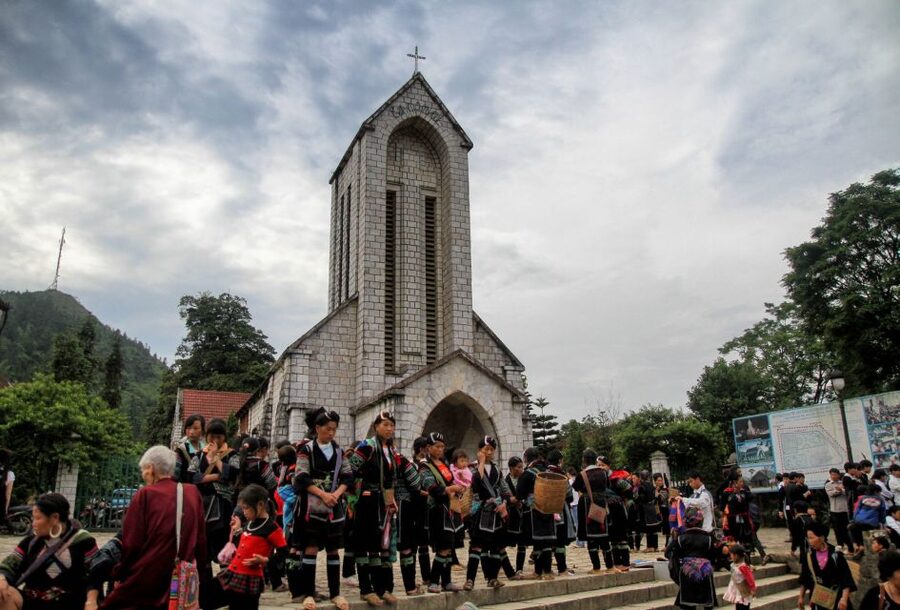
- The costume-and-village feel in Sa Pa area
- Muong Hoa Stream and rice terraces on foot
- Black Hmong Lao Chai, then Ta Van homestay check-in
- Day 2: breakfast with the family, plus bamboo forest and Giang Ta Chai
- Morning views and Giang Ta Chai village outlook
- Crossing Giang Ta Chai Bridge, then the ride back to Sapa
- How hard is day two, really?
- The homestay in Ta Van: basic, but it can be excellent value
- What you get (and what you shouldn’t over-expect)
- Night in the village
- Your guide can make or break the experience
- Trekking reality: mud, mist, and the right gear
- Price and logistics: what makes this feel like good value
- Who should book this Sa Pa homestay trek
- The bottom line: should you book?
- FAQ
- What’s included in the tour?
- What meals do I get?
- Where do I stay overnight?
- How hard is the trekking?
- What should I bring?
- Is this tour suitable for people with mobility issues or young children?
Key highlights worth your attention
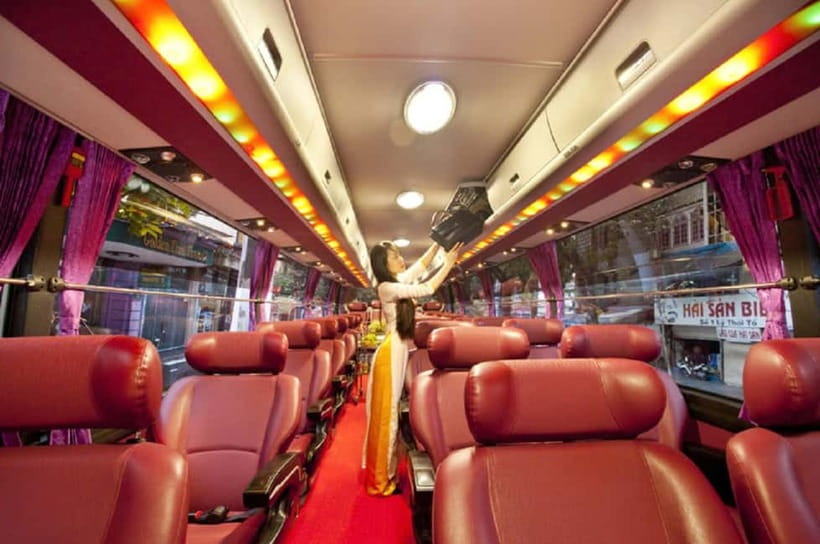
- Limousine bus comfort: a smoother Hanoi-to-Sa Pa ride than the usual options, plus optional sleeper-bus upgrades.
- Local Hmong/English-speaking guidance: you get cultural context as you walk, from costumes to village routines.
- Rice terraces plus Muong Hoa Stream: you’re not only driving to viewpoints; you’re moving through working landscapes.
- Lao Chai to Ta Van village time: you’ll see Black Hmong village life and then settle in Ta Van.
- Giang Ta Chai bamboo forest area: day two adds variety with forest paths and a second trek rhythm.
- Homestay meals and family time: breakfast, lunch, and dinner are included, with host-prepared food.
From Hanoi to Sa Pa by limousine bus
The big advantage here is the ride. You’re leaving Hanoi in the morning on a limousine bus that goes via Lao Cai, taking the “new highway to Sa Pa” route. That matters because Sa Pa is far enough from Hanoi that bad transport can turn the trip exhausting before the hiking even starts.
Once you reach Sa Pa, you’re not stuck trying to figure things out. A representative meets you at the bus stop and takes care of the jump to your hotel for a reset. Then you eat lunch in Sa Pa town before you start walking the same day.
A few practical tips from how this tour runs:
- Keep an eye on timing. Your day one feels full, because you combine transport, lunch, trekking, and village arrival.
- Bring cash. Sa Pa’s banking can be unreliable, and the tour notes that you’ll want local currency for small purchases.
- Pack light for the trek. The operator says you can store luggage in the bus trunk, drop it at the Sapa lunch hotel, and retrieve it later on day two.
More trails through the Sapa valleys



Day 1: lunch in town, then trekking toward Lao Chai and Ta Van
Day one is where Sa Pa starts to feel real. You’re not just seeing costumes from a distance; you’re trekking through the same areas where daily life happens.
The costume-and-village feel in Sa Pa area
On the way, you’ll get a look at traditional costumes tied to different ethnic groups, including Hmong, Dzao, and Tay. Even if you’ve seen photos before, being around people in their everyday clothing changes the experience. It’s easier to understand the social meaning of colors and patterns when you’re meeting the guide and moving through the area instead of only stopping for pictures.
Muong Hoa Stream and rice terraces on foot
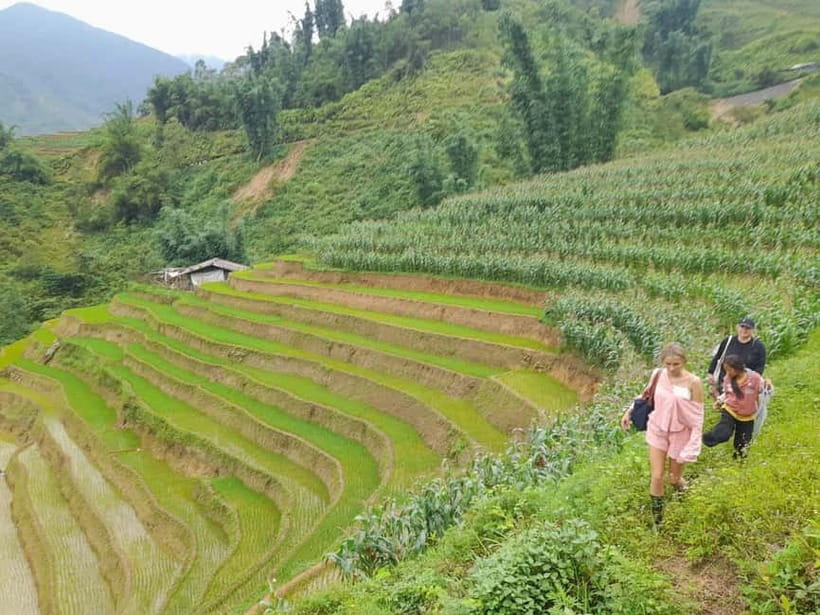
After lunch, the walking begins through rice terraces and along the Muong Hoa Stream. This is a key part of why the trek works for a short 2-day schedule. Terraces are beautiful, but the bigger value is how they show a way of adapting to steep mountain terrain.
Expect a mix of downhill and uneven paths. One helpful detail from the way the trip typically feels: day one is often around 8 km and mostly downhill. That sounds easy on paper, but downhill can still be rough on knees—especially when it’s muddy.
Black Hmong Lao Chai, then Ta Van homestay check-in
You’ll arrive in the Black Hmong village of Lao Chai, set with Hoang Lien Son in the background. Then you continue on to Ta Van to check into the homestay.
This is the part I think you’ll remember most. You’re not staying “near” the villages. You’re actually in the village network, which changes your sense of scale. At night, you hear the village pace instead of only city noise.
About the homestay:
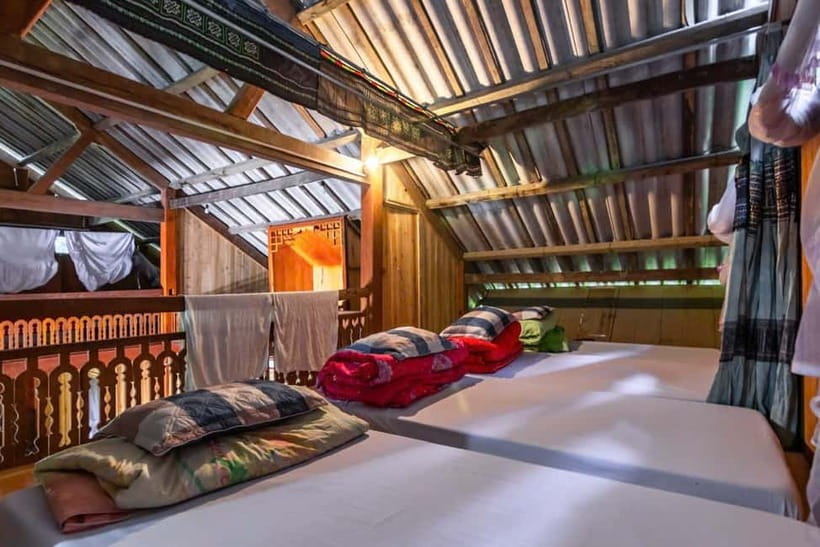
- It’s basic, but the tour notes it has clean water and fresh food.
- You’re sleeping on a single mattress by default (and private room upgrades may be available if you contact the operator when booking).
- Reviews often describe it as clean and comfortable, with great dinner and breakfast. Some people also mention the location by the river.
Two things to plan for:
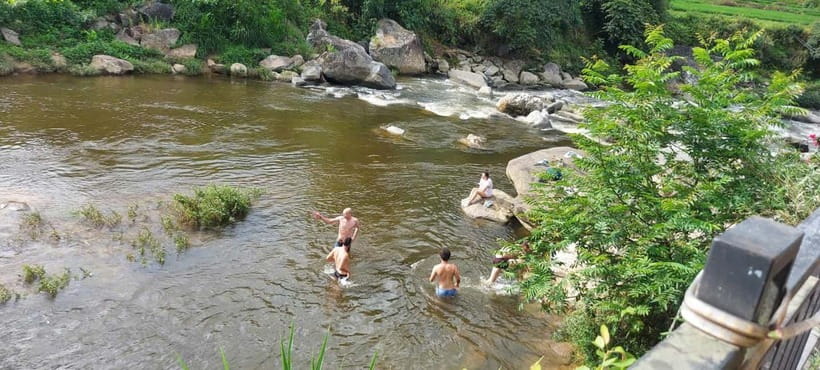
- Night can be active. If you’re a light sleeper, earplugs can help. You might hear village sounds late into the evening.
- Mid-trek, craft-selling can happen. This is part of the local economy in some areas. If you don’t want to buy, keep it simple and don’t negotiate too much. If you do want to buy, bring cash so you can support directly.
Worth a glance beside this Hanoi pick:
- Halong Bay Full Day with Kayaking, Hiking viewpoint, Cave – Deluxe To Luxury★ 5.0 · 884 reviews
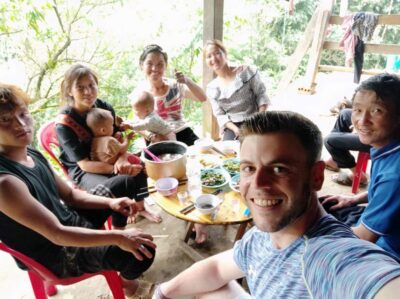
- From Hanoi: 2-Day Sapa Trekking Trip with Homestay & Meals★ 4.8 · 704 reviews
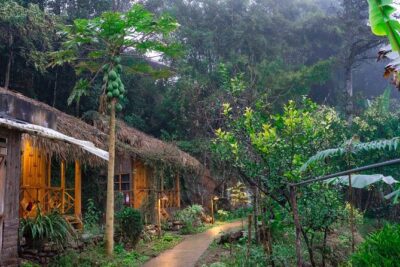
- Sapa 3 Days 2 Nights Trekking Tour (1 Night In Ta Van Village, 1 Night In Hotel)★ 5.0 · 699 reviews
Day 2: breakfast with the family, plus bamboo forest and Giang Ta Chai
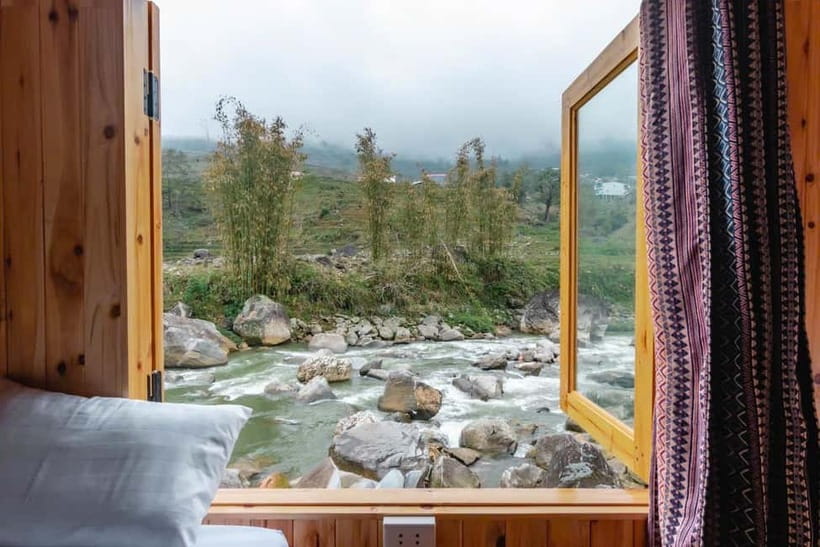
Day two starts with breakfast prepared by the family. That small detail matters. You’re waking up in a mountain home setting, eating at the homestay, and then heading out while the air is still fresh.
Morning views and Giang Ta Chai village outlook
You’ll trek through rice paddies and a bamboo forest area, then you get a panoramic view over Giang Ta Chai village. Fog and rain can reduce visibility, so don’t be surprised if the views aren’t as sharp on every day. The good news is the walk itself still feels satisfying even with lower visibility, because you’re moving through the terrain, not just staring at a lookout.
Crossing Giang Ta Chai Bridge, then the ride back to Sapa
You’ll cross Giang Ta Chai Bridge, then a bus/car takes you back to Sa Pa for lunch and a shower. After that, you board the return limousine bus to Hanoi.
One detail that helps: on day two, you’re delivered back to the meeting point area, and then you handle the final step to your Sapa hotel by yourself. It’s not complicated, but you should plan for it so you don’t arrive back thinking you’ll be met at your exact door.
How hard is day two, really?
Day two is often shorter in distance—around 4 km and more undulating—but it can still be tough because the surfaces are uneven. Reviews point out that trekking shoes matter, especially when it’s wet. If you show up in sneakers, you may slip more than you’d like.
My practical take:
- Wear shoes with real grip.
- Bring extra clothes. Mud happens fast.
- Move steadily on downhill sections. Your guide and local women helpers often walk near you, but good footing is the best protection.
The homestay in Ta Van: basic, but it can be excellent value
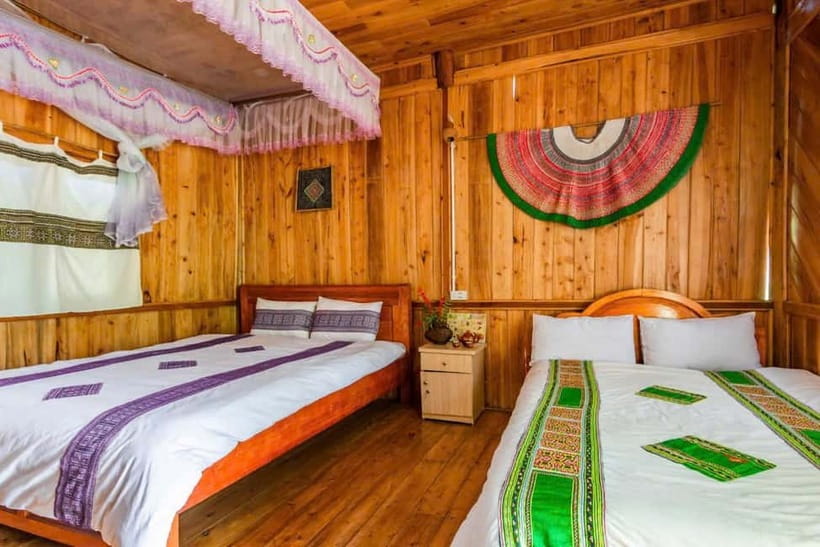
The homestay is the heart of this tour, and the best part is how it changes the story of Sa Pa.
What you get (and what you shouldn’t over-expect)
You’ll get a genuine overnight in Ta Van, with the included meals: breakfast at the homestay, plus lunch and dinner during the tour. The operator also states you’ll have clean water and fresh food.
What to expect in terms of comfort:
- Basic sleeping setup: single mattress by default.
- Optional upgrades: you can upgrade to a private room in Sapa homestay if you contact the operator when booking.
- The homestay is described as more than a bare-bones stop by many guests, including river-side settings and good food.
The caution:
- This is not a hotel. It’s a cultural experience with simple infrastructure.
- If you need a modern, predictable hotel setup, you might feel the difference.
Night in the village
If you’re expecting silence, plan otherwise. One traveler tip that’s worth listening to: bring earplugs if you’re sensitive to sound. It’s safe, but the village can be active in the evening and early morning.
Your guide can make or break the experience
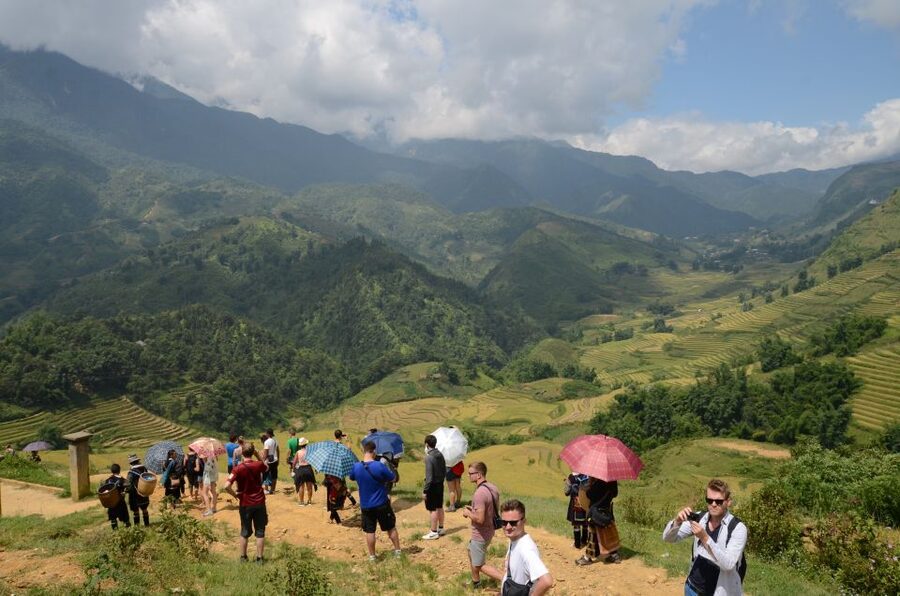
This tour runs with local Hmong/English-speaking guides, and the names you might see include Sha, Sua, Soso, Tung, Wan, and others. The consistent theme is not just translation. A good guide helps you understand what you’re seeing: costumes, village life, how terraces work, and how people navigate the hills.
What I like about how the tour is set up:
- You get cultural context while you walk, so the trek feels like learning instead of just exercise.
- The guide keeps you moving at an appropriate pace for the group.
- You often get extra help from women living along the trails, especially when paths are slippery.
A small heads-up: there can be times when other sellers follow along with the group. Your guide may help with the overall flow, but you should personally feel ready to politely decline if you don’t want to buy.
Trekking reality: mud, mist, and the right gear
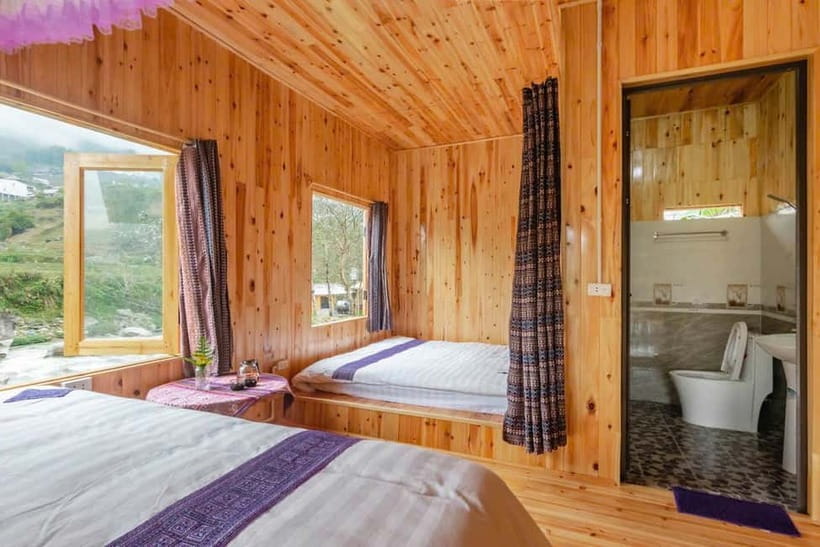
Sa Pa weather can shift fast. You might hit fog on day one and clearer skies on day two, or you might be mostly cloudy/rainy the whole time. Either way, you’ll get a mountain experience because you’re walking the terrain, not only visiting viewpoints.
Here’s what you should bring based on the tour info:
- Hiking shoes (this is non-negotiable if it’s wet)
- Sunglasses
- Sunscreen
- Insect repellent
- Cash
And here’s what I’d add from what the experience often looks like:
- Pack an extra layer. You’re in the mountains and conditions change.
- If you hate wet clothes, accept that your clothes may get dirty. People mention muddy sections and slipping risks when it rains.
Trekking difficulty: medium. Distances sound short, but the terrain is steep and uneven in places. If you’re fit enough to hike a couple hours with breaks, you’re probably okay.
Price and logistics: what makes this feel like good value
Even without a full price breakdown here, you can judge value by what’s included:
- Round-trip Hanoi to Sa Pa on limousine bus
- Hmong/English-speaking local guide
- Homestay accommodation in Ta Van (single mattress default)
- Village entrance ticket for Lao Chai and Ta Van
- Meals: 2 lunches, 1 dinner, 1 breakfast
- Car back to the Sapa hotel area on day two
That package matters because Sa Pa trekking costs add up fast when you try to build it yourself: transport, guiding, permits/tickets, and meal planning. Having the transport and guide handled is especially useful when you’re only doing 2 days.
Also, the limousine bus upgrade option can be a real quality-of-life improvement. Some guests describe the sleeper-bus version as a more comfortable way to handle the long ride, even if you’re a little surprised by the setup at first.
Who should book this Sa Pa homestay trek
I think this tour is a strong match if you:
- Want a short trip that still includes walking and an overnight in the villages
- Like cultural context and learning from local guides
- Don’t mind basic accommodations in exchange for a more authentic feel
- Have sturdy shoes and you’re comfortable with rain-or-mud conditions
It’s less of a match if you:
- Need step-free access or mobility support (the tour says it’s not suitable for people with mobility impairments or wheelchair users)
- Are traveling with kids under 6 (not suitable)
- Want a quiet hotel-like stay with predictable comfort
The bottom line: should you book?
Yes, if your goal is to experience Sa Pa beyond the city view. The combination of local guide knowledge, rice-terrace trekking to Lao Chai and then Ta Van homestay, and the convenience of limousine transport makes it a smart use of limited time.
Book it with a couple mindset changes:
- Bring trekking shoes and expect mud.
- Plan for basic homestay comfort, not luxury.
- Decide in advance how you’ll handle craft-selling. A polite no is easier when you’re not caught off guard.
If those points fit you, this is the kind of 2-day trip that gives you stories you can’t download from a website.
FAQ
What’s included in the tour?
The tour includes round-trip Hanoi to Sa Pa limousine bus, a local guide (Hmong/English-speaking), homestay accommodation in Ta Van, village entrance tickets for Lao Chai and Ta Van, and meals (2 lunches, 1 dinner, 1 breakfast). On day two, there’s also car transport back to the hotel area in Sa Pa.
What meals do I get?
You get lunch and dinner on day one, and breakfast and lunch on day two.
Where do I stay overnight?
You stay overnight in a homestay in the Ta Van village area. The standard setup is a single mattress, and the tour notes that you can upgrade to a private room in the Sapa homestay by contacting the operator when booking.
How hard is the trekking?
The trekking is described as a medium-level hike. Distances are often around 8 km on day one and about 4 km on day two, but the paths can be steep, uneven, and slippery in muddy or rainy conditions.
What should I bring?
Bring hiking shoes, sunglasses, sunscreen, insect repellent, and cash. The tour also recommends extra clothes since trekking can get muddy.
Is this tour suitable for people with mobility issues or young children?
No. The tour states it is not suitable for wheelchair users or people with mobility impairments, and children under 6 years old should not take part.
More Tours in Hanoi
- Ninh Binh Full-Day Tour from Hanoi to Hoa Lu, Tam Coc & Mua Cave Via Boat & Bike
★ 5.0 · 4,384 reviews





More Tour Reviews in Hanoi


More Sapa Treks We Walked

Latest Hanoi write-ups from our team






Sapa Trekking Tours, compared.
 ★ 5.0Sapa 2 Days 1 Night From Hanoi – Overnight in Ta Van VillageFrom $592,669 reviews
 ★ 5.0Hanoi – Sapa 2 Days 1 Night Overnight At HomestayFrom $89899 reviews
 ★ 5.0Sapa: Fansipan Cable, Cat Cat Village & Moana Instagram TourFrom $30777 reviews
 ★ 4.8From Hanoi: 2-Day Sapa Trekking Trip with Homestay & MealsFrom $71704 reviews
 ★ 5.0Sapa 3 Days 2 Nights Trekking Tour (1 Night In Ta Van Village, 1 Night In Hotel)From $139699 reviews
 ★ 5.03-Day Trekking Adventure of Sapa from Hanoi – Stay Ta Van VillageFrom $109611 reviews
 ★ 5.0Sapa 2 Days 1 Night From Hanoi – Overnight in HotelFrom $89440 reviews
 ★ 5.0Cat Cat Village, Moana, Fansipan Cable Car, Alpine Coaster – SapaFrom $30420 reviews
Browse the lists this tour appears in