
Reviewed · HIKING & TREKKING
1 day Fansipan Trekking
Fansipan is a hard win worth planning for. This one-day climb takes you from the Tram Ton pass (about 2,000m) to the top of Indochina’s highest peak at 3,143m, with proper guiding and a clear fallback plan for the descent.
I especially like how this trip removes friction: you get round-trip hotel transfers, so you are not negotiating taxis at 5:30am. I also like the practical support built in, like free bottled water, a picnic lunch, and entry fees included with a medal and certificate.
The one real consideration: this is not a casual walk. You are looking at about 12km each way and roughly 1,600m–1,700m of elevation gain, so you should come in with strong hiking legs and cold-weather layers ready.
In This Review
- Key things to know before you go
- Fansipan in One Day: What You’re Really Signing Up For
- The 6:00am Start and the Ride to Tram Ton Pass
- The Climb Itself: Forest Trails, 12km One-Way, and Real Elevation Gain
- Lunch at 2,800m: Fuel for the Top-Hour Push
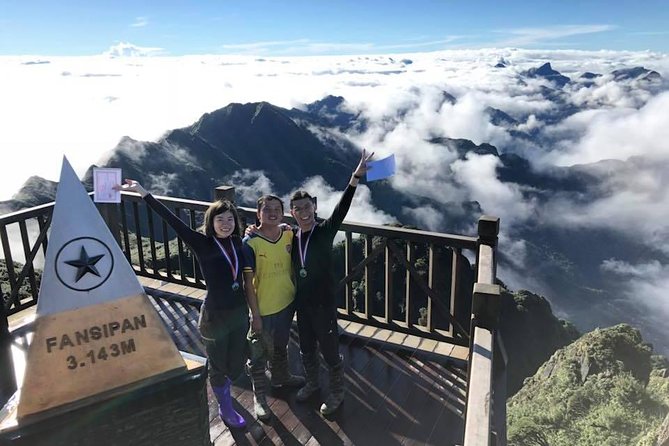
- Summit at 3,143m: Medal, Certificate, and Views Over Sapa
- Getting Down: Cable Car Ticket or Retrace Your Steps
- Guides, Safety, and the Small Things That Make It Feel Worth It
- Price and Value: Why $80 Often Feels Fair for This Climb
- Who Should Book This Fansipan Day Trek
- Should You Book This Fansipan Trek?
- FAQ
- How long is the Fansipan 1-day trek?
- What time does the trek start?
- Is hotel pickup and drop-off included?
- Do I get an English-speaking guide?
- What’s included in the $80 price?
- Is the cable car included?
Key things to know before you go
- English-speaking guide who keeps you moving at the right pace and prioritizes safety on steep, slippery sections
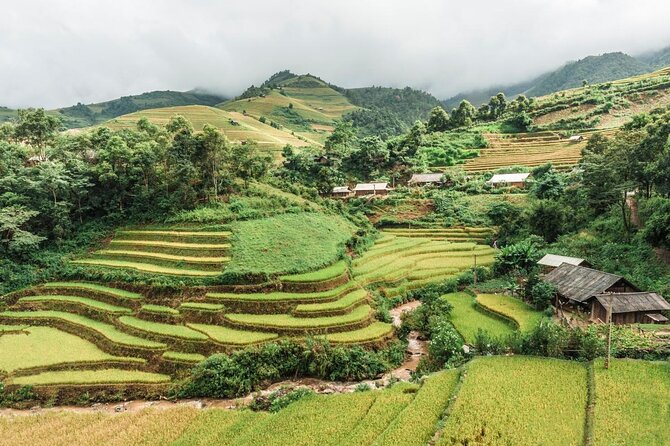
- Tram Ton pass start at ~2,000m with forest trails, streams, and bamboo early in the day
- Lunch and hydration included, with 1.5 liters of water and a picnic at around 2,800m
- Summit reward system with entry included plus a medal and certificate (not just photos)
- Flexible descent: cable car is available for an extra fee, or you can hike down the same route
Fansipan in One Day: What You’re Really Signing Up For
Fansipan is the highest peak in the Indochina peninsula, at 3,143m. A one-day trek here is a serious day in the mountains, even if the trail is well-trodden. Expect long effort more than technical scrambling.
What makes this plan work is the structure. You start early, hike up with a guide who can manage pace, and finish with a descent choice. That matters because your legs will decide how the last hours feel.
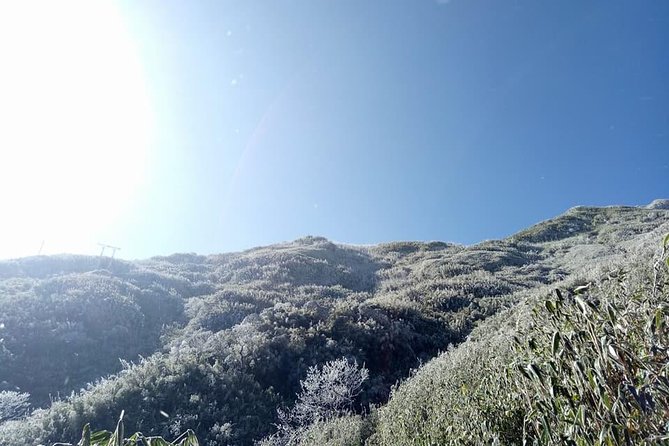
This trek suits you best if you already hike comfortably on inclines. If you get winded on moderate hills or you rarely walk long distances, you might find the elevation gain tough even with breaks. Cold, cloud, or mist can also make footing and timing feel more demanding.
More ways up Fansipan, on foot or by cable car

The 6:00am Start and the Ride to Tram Ton Pass
Your day begins around 6:00am, with pickup from your hotel area in Sapa. The trip uses transport by car, and if it’s just one person, you may go by scooter instead. Either way, the point is simple: you skip the hassle and get to the trailhead fast.
You head to the Tram Ton pass around 2,000m above sea level. That elevation is enough to feel cooler and a bit thinner than Sapa town, so take the first portion slow. Early trails run through bamboo, older trees, and forest paths with colorful flowers and small streams, which helps break up the grind mentally.
One more benefit of the morning timing: you give yourself the best shot at clearer summit views. Even if the top is cloudy, you still get a sense of reaching a real milestone, not just walking in a fog bank.
The Climb Itself: Forest Trails, 12km One-Way, and Real Elevation Gain
The hiking distance is about 12.5km each way for roughly 10–13 hours total from start to finish, depending on your pace and breaks. You also gain around 1,600m–1,700m on the way up, which is why this is best for people who are used to long climbs.
The route is not described as technical, but it does get steep—especially later. Many hikers talk about the last stretch being the moment where you feel the grade change and need more frequent pauses. Your guide’s job is to keep you steady, safe, and not rushed.
Plan on a rhythm. Start with short goals—reach the next stream, the next viewpoint, the next flatter patch—then reassess. This helps your breathing and keeps morale up, especially if rain or mist shows up.
Lunch at 2,800m: Fuel for the Top-Hour Push
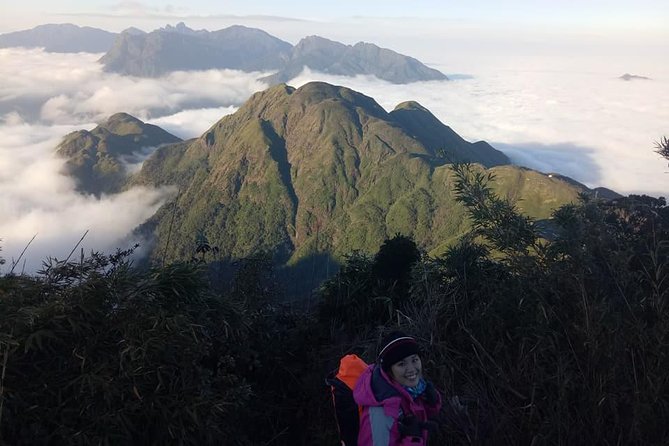
Midday is built into the day with a stop for lunch around the camping site at 2,800m. You’ll eat as you go, which matters because you are climbing high enough that you can feel the drop in appetite if you wait too long.
The lunch is included as a picnic, and the day also includes 1.5 liters of water. That may sound like a lot or not enough, depending on the weather, but it’s still a huge advantage over tours where you guess your own supplies. Bring your own small snacks only if you know you need them—some hikers prefer a little extra for the final push.
One practical note: at altitude, temperatures can feel sharper than in town. If you plan to hike down the same route, you will still be cold later in the day, so wear layers you can handle.
Summit at 3,143m: Medal, Certificate, and Views Over Sapa
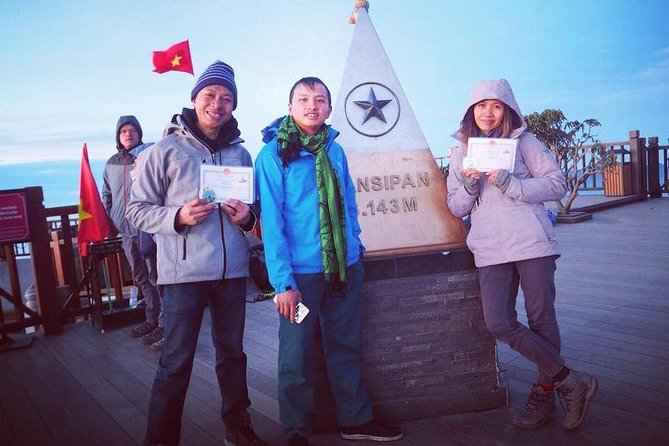
Reaching the top happens around 12 hours to 13 hours for many hikers, though faster and slower days are both possible. The key is that you do not just arrive at a viewpoint—you get the formal entry included with a medal and certificate. That turns the summit from a moment into a managed experience.
From the top, you can get amazing views of Sapa town and the mountain ridges around it. Weather can change what you see, and cloud or fog can hide distance, but the feeling of altitude and achievement still lands.
Also, this is where a good guide pays off. Guides described as patient and calm tend to help you pace your final minutes and avoid panic if visibility drops. If you have ever had trouble keeping cool on steep descents, this kind of steady support is valuable.
Worth a glance beside this Sapa pick:
- Number one top rated ethical cultural trekking and homestay by ETHOS★ 5.0 · 456 reviews
- 1-day Authentik trek & Panorama valley views★ 5.0 · 189 reviews
- 1 day Fansipan Trekking★ 5.0 · 180 reviews
Getting Down: Cable Car Ticket or Retrace Your Steps
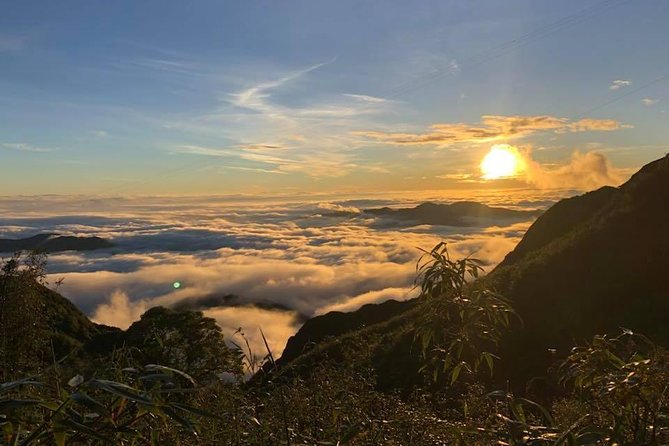
Coming back is where your day becomes a decision.
You can take the cable car down for a fee, or you can descend via the same route you used to get up. The cable car option is ideal if you want to protect your knees and still finish the day feeling human. The downside is that it costs extra because cable car tickets are not included.
If you choose to hike down the same way, you get a full sense of the trail and a chance to enjoy the forest sections you might have rushed past while climbing. The tradeoff is obvious: your legs will be working on fatigue mode, and slippery spots can feel more risky when you are tired.
Whichever you choose, the overall trip ends with return back to your meeting point, so you do not need to solve transport on your own.
Guides, Safety, and the Small Things That Make It Feel Worth It
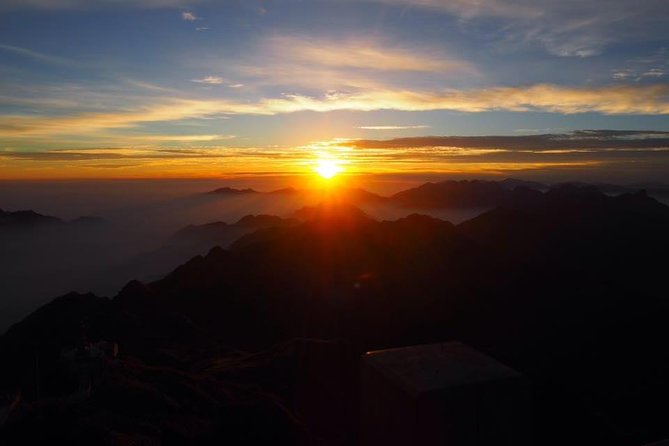
This tour is private for your group, not a crowded join-and-hope setup. That usually means your pace is respected, especially for hikers who take longer on steep sections.
An English-speaking guide leads the trek, and the coordination is handled by the provider with point people known for quick responses. Names like Mr Tinh show up as the kind of organizer who checks in so you feel ready. On the trail, guides such as Mr Choo, Mr Chay, Sinh, Ser, and Ms Ho are repeatedly mentioned for being friendly, patient, and good at pacing.
Safety is part of the plan. Guides are described as careful about where to step, especially to avoid slippery or muddy ground. They also help you keep a steady tempo, which is one of the biggest reasons hikers finish without feeling like the day turned into a scramble.
Included touches you should care about:
- Free bottled water (1.5 liters included)
- Picnic lunch around 2,800m
- Insurance included in the price
- Entry fees included, plus medal and certificate
- Some hikers reported raincoats provided to keep, which is a great bonus if you get wet early
Price and Value: Why $80 Often Feels Fair for This Climb
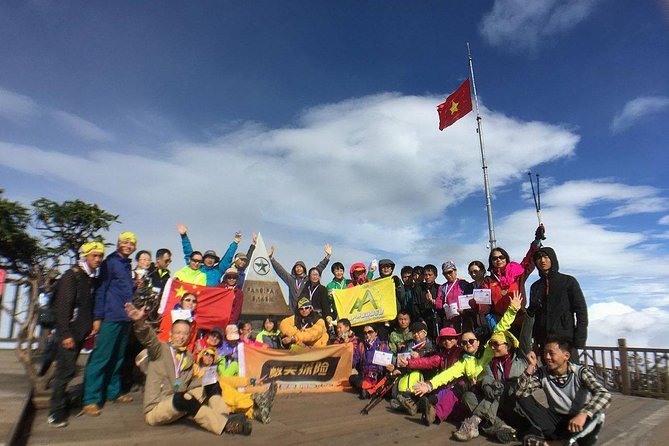
The price is $80 per person for a 10–13 hour, high-altitude guided hike. On paper, that can look like a chunk of money for a day trip. In practice, you’re paying for less hassle and more risk control.
Here’s what’s included that usually costs extra if you piece things together:
- Round-trip hotel transfers (so no taxi stress)
- English-speaking guide
- Picnic lunch
- 1.5 liters of water
- Entrance fees plus medal and certificate
- Insurance
- Transport to the trailhead (car, or scooter if one person)
Not included is mainly about your choices and personal needs: tips for the guide and cable car tickets if you take that option. That means you can decide how you want to manage your descent without feeling locked in.
Group discounts are mentioned too, so if you’re traveling with friends, it can become even better value. And the mobile ticket system helps keep everything straightforward.
Who Should Book This Fansipan Day Trek
I’d book this if you want a guided, organized climb to a meaningful summit milestone. You’ll like it if you value English-speaking guidance, clear inclusions, and a day plan that covers both uphill effort and a realistic descent choice.
You’ll also get along well with this format if you’re comfortable with early mornings and you know how to pace yourself on steep inclines. The trek is described as very challenging, and the best outcomes come when you show up ready to hike, not ready to recover from hiking.
If you want a relaxed, short, low-effort experience, this is not your match. This is for people who want the work part of hiking, then the reward part at the top.
Should You Book This Fansipan Trek?
If you can handle a long, steep day, this is a strong choice. The combination of hotel pickup, English-speaking guides, water and lunch included, and entry fees with a medal/certificate makes it feel more complete than many cheaper-sounding alternatives.
I’d book it when you want structure and safety on a mountain day. I’d skip it or reconsider if you’re unsure about your fitness level for about 12.5km each way and 1,600m–1,700m of elevation gain.
FAQ
How long is the Fansipan 1-day trek?
It typically runs about 10 to 13 hours, depending on your pace and conditions.
What time does the trek start?
Pickup is arranged for a 6:00am start at the trailhead area (with transport to Tram Ton pass).
Is hotel pickup and drop-off included?
Yes. Round-trip transfers from your hotel are included, so you do not need to book a taxi.
Do I get an English-speaking guide?
Yes. The trek is led by an English-speaking guide.
What’s included in the $80 price?
The price includes an English-speaking guide, picnic lunch, 1.5 liters of water, transport to the trailhead, entrance fees with medal and certificate, and insurance.
Is the cable car included?
No. The cable car down is optional and costs extra if you choose it. You can also hike down the same route instead.
More Hiking & Trekking in Sapa

More Tour Reviews in Sapa
To the Roof of Indochina: More Fansipan
Latest Sapa write-ups from our team


Hiking & Trekking, compared.
 ★ 5.0Halong Bay Full Day with Kayaking, Hiking viewpoint, Cave – Deluxe To LuxuryFrom $38884 reviews
 ★ 4.8From Hanoi: 2-Day Sapa Trekking Trip with Homestay & MealsFrom $71704 reviews
 ★ 5.0Sapa 3 Days 2 Nights Trekking Tour (1 Night In Ta Van Village, 1 Night In Hotel)From $139699 reviews
 ★ 5.03-Day Trekking Adventure of Sapa from Hanoi – Stay Ta Van VillageFrom $109611 reviews
 ★ 5.0Number one top rated ethical cultural trekking and homestay by ETHOSFrom $93456 reviews
 ★ 4.82-Day Sa Pa Ethnic Homestay Tour & Trek with Limousine Bus440 reviews
 ★ 5.0Sa Pa Full Day Trekking TourFrom $25414 reviews
 ★ 5.0Hanoi – Sapa 3 Day 2 Night Trekking With Hotel & HomestayFrom $125389 reviews
Browse the lists this tour appears in