
Reviewed · SAPA TREKKING TOURS
1-Day Private Trekking in Sapa through Terraces Rice Fields
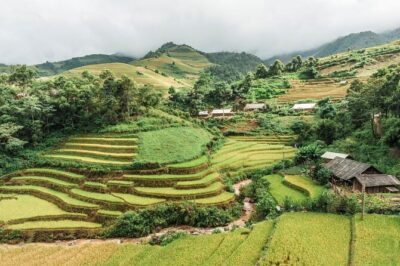
Rice terraces meet quiet village life. This private Sapa trek takes you off the usual path with terraced rice hills and ethnic-minority villages in the Muong Hoa area. You’ll spend about 6 to 7 hours walking through viewpoints, village footpaths, and mountain scenery that feels a lot more like real life than a quick sightseeing stop.
I love the route choice: it doesn’t just bounce around Sapa town. Y Linh Ho feels slow and peaceful, with stilt houses, mountain air, and the kind of H’mong brocade details you notice up close. I also like the human touch—guides such as Giang are described as patient and willing to slow down for photos, not just hurry everyone along.
One consideration: this is still a real trek. If you’re not used to uneven dirt paths and steep hillside segments, you may feel it by the end, especially if the weather turns cool and slick.
In This Review
- Key moments that make this trek worth it
- Terraces and villages: what you’re really buying for $49
- Why this Sapa trek route feels different from the usual ones
- Stop 1: Y Linh Ho village and the quiet stilt-house world
- Stop 2: Lao Chai trail for terrace views that look like ribbons
- Stop 3: Ta Van village for H’mong, Red Dao, and Giay culture
- The day’s pacing: 6–7 hours, photo time, and the guide vibe
- Lunch and small comforts: what’s included (and what to bring)
- Price and logistics: how to judge the value for Sapa
- Who this trek is best for (and who should consider another option)
- Should you book this 1-day private Sapa trekking?
- FAQ
- How long is the trekking day?
- What time does the tour start?
- Where does the tour meet?
- Is this a private tour?
- What’s included in the price?
- Is pickup included?
- Can I request vegetarian food?
- Do I get a mobile ticket?
- Are service animals allowed?
- What’s the cancellation policy?
Key moments that make this trek worth it
- Off-road routing through trails that go beyond the main paths you see on standard maps
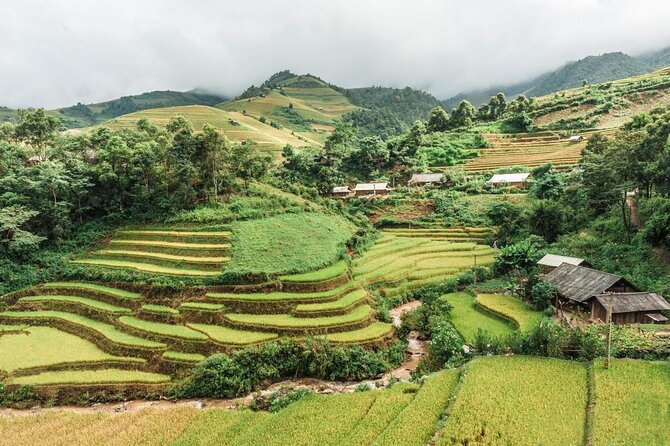
- Stop 1 at Y Linh Ho for a quiet view of rice terraces, stilt houses, and daily life
- Lao Chai trail walks with long terrace “ribbon” views and rice-and-grass scents
- Ta Van village variety, including H’mong plus Red Dao and Giay communities
- Lunch and bottled water included, so you’re not scrambling mid-trek
- Vegetarian lunch available on request
Terraces and villages: what you’re really buying for $49
At $49 per person, you’re not paying for a big-city bus tour. You’re paying for a private trekking day that includes pickup via private transportation, lunch, and the tour fees/taxes. That matters in Sapa, where getting decent access to the countryside can otherwise mean extra logistics and extra stops.
This is also booked far in advance on average (about 272 days). That’s usually a sign that the route and timing are in demand—often because the countryside looks best when you plan ahead. If you’re traveling during peak season, I’d treat this as something to lock in early rather than hoping for last-minute openings.
The big value here is context. Instead of just walking through scenery, the day is built around ethnic-minority villages on the hillside and a mountain-to-valley viewpoint chain toward Muong Hoa. You get to see how the terraces shape everyday routines, not just how they look from a photo spot.
More trails through the Sapa valleys


Why this Sapa trek route feels different from the usual ones
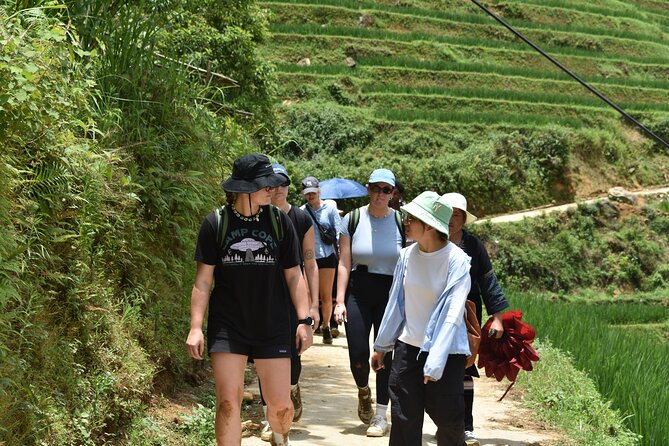
A lot of Sapa hikes follow the same postcard loops. This one is designed to go different from the main road tracks shown on maps. That difference isn’t just for novelty—it changes how the day feels.
When you’re on quieter paths, you get more of the sounds that belong in the mountains: footsteps on dirt, wind moving through corn and bamboo areas, and voices drifting between houses. You also tend to spend less time dealing with the stop-and-go rhythm of crowded viewpoints.
The tour also has multiple village stops, which helps your brain understand what you’re seeing. Rice terraces aren’t just a view; they’re the infrastructure of farming life, built on slopes and maintained season after season. When you hear stories about the landscape while you walk it, the scenery turns into something you can explain to a friend later.
Stop 1: Y Linh Ho village and the quiet stilt-house world
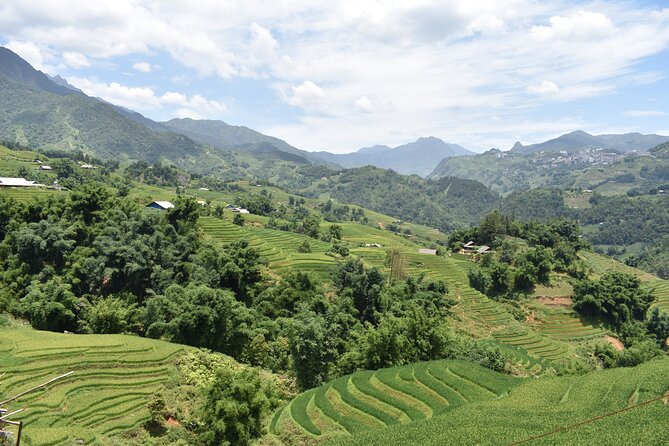
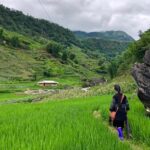
Y Linh Ho is the kind of place where the first thing you feel is how calm it is. Compared with the busier center of Sapa, the village atmosphere is described as quiet, with rice terraces spreading across hillsides and cornfields adding green texture.
You’ll get mountain backdrop too. The Hoang Lien Son range shows up like a wall filled with terraces, and you can also spot the Muong Hoa stream area as part of the scenery. It’s a strong first “orientation moment” because it gives you a sense of where the valleys and slope systems are.
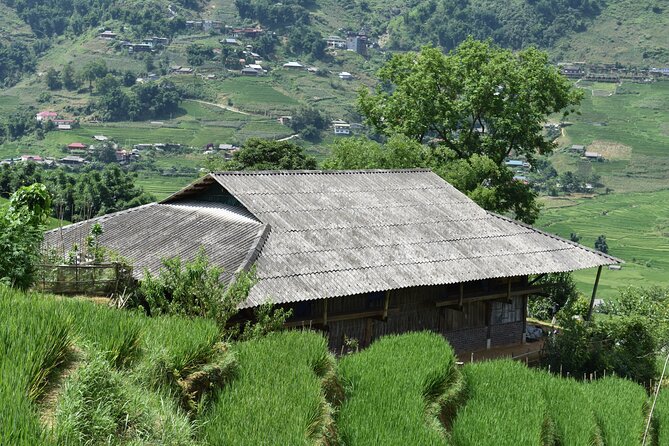
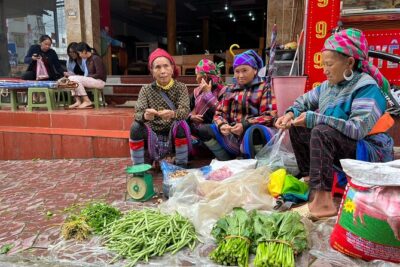
In the village, pay attention to small details. The stilt houses are a key part of the built environment for mountainous ethnic communities, and the clothing cues can be eye-catching—H’mong girls in distinctive brocade costumes and the everyday sight of children around the homes. This is also where the tour’s culture focus starts to pay off: you’re not just passing through; you’re seeing people at a human scale.
Time on the ground: about 3 hours at Y Linh Ho, with admission included. That extra time helps avoid the common problem of trekking days where you barely catch your breath before moving on.
Possible drawback here: because the village is described as quiet, you may need to be ready for a more “slow” feel. If your idea of hiking is mostly moving and barely stopping, you might want to go in with that expectation.
Stop 2: Lao Chai trail for terrace views that look like ribbons
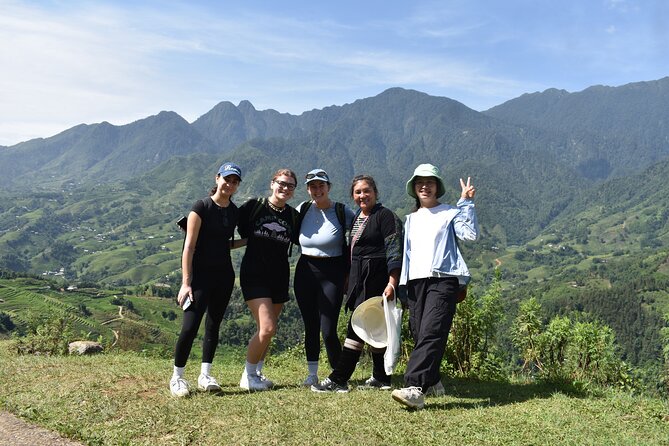
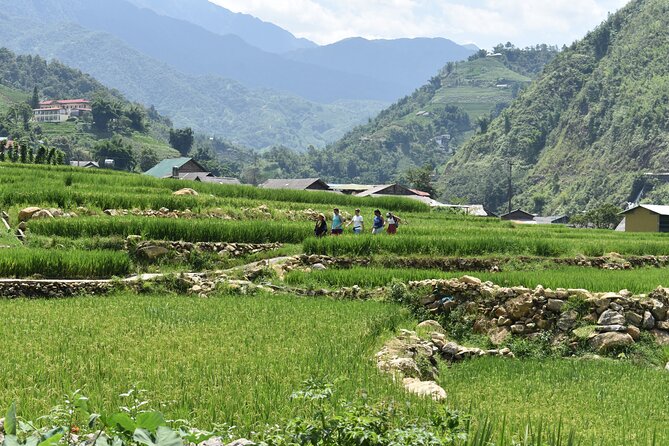
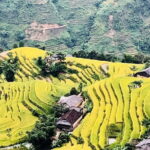
From Lao Chai, the setting is all valley geometry—mountains framing terraced fields that stretch across slopes. The descriptions here are specific: Lao Chai sits deep in the valley, and the terraced plots can look like silk ribbons laid down the hills.
As you walk, you’re meant to notice more than the view. The trail is paced so you can take in the scent of rice and grass while you head along the rice-field sections. That sounds small, but it changes your experience: you’re not just collecting angles for photos; you’re absorbing the environment.
One practical reason to like this stop: it gives long sightlines. From Lao Chai, you can look out toward the Hoang Lien Son range while walking through terraces. Those repeated “glance back” moments help the whole trek feel coherent, because you keep seeing the bigger mountain frame.
The cultural angle is also part of this segment. The H’mong community here is described as sharing local foods with visitors, framed as sincerity after the trekking. If you’re the type who likes to taste your way through a place, this kind of meal break is one of the best parts of Sapa countryside days.
Time on the ground: about 2 hours on the Lao Chai trail, with admission included.
Possible drawback here: trails can be uneven, and valley paths can feel a bit longer than you expect. If you’re sensitive to walking time, plan to wear shoes with grip and bring a light layer for the temperature swings.
Stop 3: Ta Van village for H’mong, Red Dao, and Giay culture
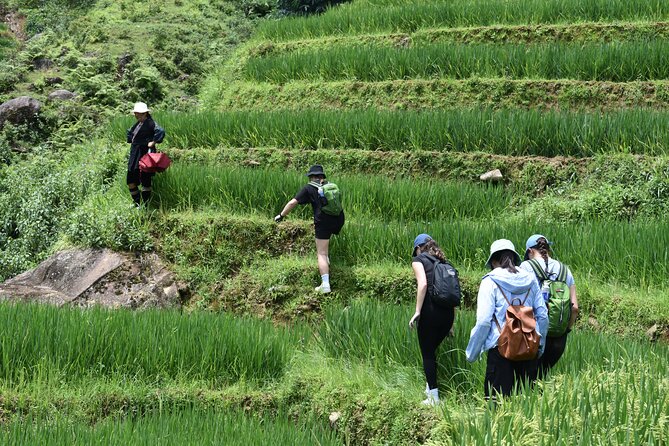
Ta Van is the most “busy” of the three stops, with multiple ethnic communities living in the area long term. It’s home to the H’mong, and you’ll also see Red Dao and Giay communities.
Compared with the calmer feel of Y Linh Ho, Ta Van has more visible village infrastructure. The area is described as having sidewalks on the streets and homestays, so you can experience a slightly more developed village vibe while still staying in the mountain countryside.
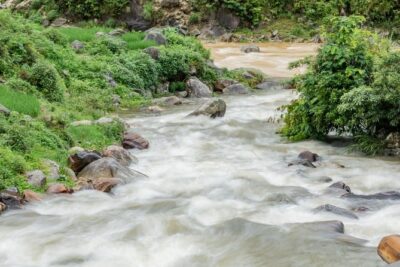
The terraces and corn hills matter here too. Ta Van sits near rice terraces by the Muong Hoa stream, and you’ll see the wider farming mosaic that makes this area tick.
The Giay details are some of the most concrete cultural notes in the whole day:
- The Giay population is described as about 38,000 people in Northwest Vietnam.
- Many old customs have been lost due to development, but clothing traditions remain important.
- Many Giay women still wear traditional shirts in purple, blue, or green.
- Giay houses are built of wood and bamboo with a clay floor.
That level of specificity helps you see beyond “different costumes.” It shows you how people live with local materials and how traditions survive even when the village changes.
Time on the ground: about 1.5 hours at Ta Van, with admission included.
Possible drawback here: because Ta Van is busier, it can feel more like a place where people trade goods and interact with visitors. If you want maximum quiet, you’ll likely enjoy Y Linh Ho and the terrace trail more.
More private, just-your-group bookings
- Private Transfers Hanoi <=> Sapa One Way (Free Hotel Pickup)★ 4.5 · 122 reviews
- Private Full Day Tour in Sapa by Car★ 5.0 · 96 reviews
- Sapa Private Car Rental–Half & Full Day & English Speaking Driver★ 5.0 · 37 reviews
The day’s pacing: 6–7 hours, photo time, and the guide vibe
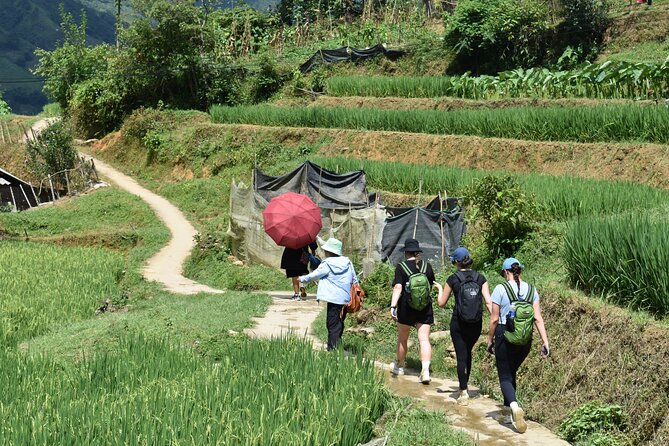
The trek runs about 6 to 7 hours total, starting at 9:00 am. That’s a solid time block. You’ll want to think of this as a walking day, not a quick culture walk.
One of the strongest themes from guides in the feedback is patience. Guides such as Giang are noted for being friendly, not rushing, and making sure you have ample time to take photos. That doesn’t sound like a big deal until you’re actually on the trail—because when you’re moving through hillside terrain, a rushed pace makes you miss both details and views.
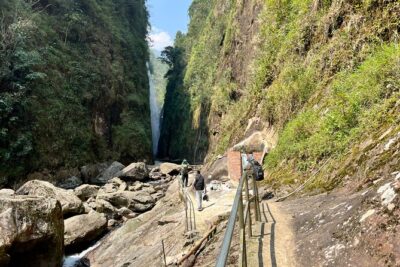
Another helpful note: there’s an off-road element. The tour is built around trails beyond the main road, and the experience can include bamboo sections along the way. If you like variety—terraces, footpaths, and different textures—you’ll feel it here.
If you’re a slow walker, this is where the private format helps. Since it’s private and only your group participates, you can keep the rhythm that fits your comfort level. With a group tour, one fast walker can drag everyone into a sprint. Here, it’s easier to match pace.
Lunch and small comforts: what’s included (and what to bring)
This tour includes lunch and bottled water, plus all fees and taxes. That’s one of those practical inclusions that improves the experience. You don’t have to hunt for food while your legs are already asking questions.
Vegetarian lunch is available on request. That’s a big deal for trekking days because many local menus are built around meat, and it’s easy to end up with a bland compromise if you don’t have a heads-up.
What you’ll still want to bring:
- Basic walking comfort items (good grip shoes matter)
- A light layer for mountain cool
- Any personal snacks or expenses, since personal expense isn’t included
Also, the tour offers pickup. You’re not stuck organizing a taxi to the trailhead, and that saves time and stress.
Price and logistics: how to judge the value for Sapa
Let’s talk value, not just cost. At $49 per person, you’re paying for:
- Private transportation
- Pickup
- Lunch
- Bottled water
- All fees and taxes
- A private trekking experience with admission included at the stops
- Mobile ticket support
If you’ve tried to arrange a similar countryside day on your own, you know how quickly costs and time add up: finding the right guide, aligning transport, and paying for entrances or village-related costs. Even if you manage transport, the cultural guidance and timing still take effort to piece together.
One more detail: this is “private tour/activity,” meaning only your group participates. That matters for comfort and pace, especially when you’re walking for hours and want to actually enjoy the views rather than fight for space.
Coordination can also be smooth. In the feedback, an agent named Ha is singled out for being helpful and responsive. If communication matters to you—especially if you’re booking around travel days—that’s a reassuring sign.
Who this trek is best for (and who should consider another option)
This experience fits best if you want:
- Ethnic-minority village time rather than only viewpoint stops
- A route that includes rice terraces and quieter paths
- A guide-led day where culture and landscape are explained while you walk
- A private pace with time to take photos
It’s also a good choice for couples and small groups who want to experience Sapa countryside without turning it into a hectic schedule.
If you’re someone who prefers flat walking, very short stops, or an almost no-effort outing, then the 6–7 hour trek time might be more than you want. Also, if you hate any chance of rough terrain, you might want a shorter or less steep route.
Should you book this 1-day private Sapa trekking?
Yes—if you’re aiming for the real Sapa countryside feel, this is a strong booking. The combination of quiet villages (like Y Linh Ho), valley terrace walks (Lao Chai), and the multi-ethnic Ta Van experience makes the day feel complete rather than repetitive.
I’d especially consider it if you:
- Want a private day with time for photos
- Care about understanding village life, not just collecting images
- Appreciate included meals and practical comforts like bottled water
Book it earlier than later if you can, since it’s commonly reserved well ahead on average. And when you pack, treat it like a real hike day: supportive shoes and layers will pay off.
FAQ
How long is the trekking day?
It runs about 6 to 7 hours.
What time does the tour start?
The start time is 9:00 am.
Where does the tour meet?
The meeting point is 534 Đường Điện Biên Phủ, TT. Sa Pa, Sa Pa, Lào Cai 31000, Vietnam.
Is this a private tour?
Yes. It’s private, so only your group participates.
What’s included in the price?
Lunch, bottled water, all fees and taxes, private transportation, and admission ticket components at the stops are included.
Is pickup included?
Pickup is offered, and the tour includes private transportation.
Can I request vegetarian food?
Yes. Vegetarian food is available on request.
Do I get a mobile ticket?
Yes. Mobile ticket is listed as a feature.
Are service animals allowed?
Yes, service animals are allowed.
What’s the cancellation policy?
Free cancellation is offered. You can cancel up to 24 hours in advance for a full refund; less than 24 hours before start time isn’t refunded.
Book It Just for Your Group



More Tour Reviews in Sapa
More Sapa Treks We Walked
Latest Sapa write-ups from our team


Sapa Trekking Tours, compared.
 ★ 5.0Sapa 2 Days 1 Night From Hanoi – Overnight in Ta Van VillageFrom $592,669 reviews
 ★ 5.0Hanoi – Sapa 2 Days 1 Night Overnight At HomestayFrom $89899 reviews
 ★ 5.0Sapa: Fansipan Cable, Cat Cat Village & Moana Instagram TourFrom $30777 reviews
 ★ 4.8From Hanoi: 2-Day Sapa Trekking Trip with Homestay & MealsFrom $71704 reviews
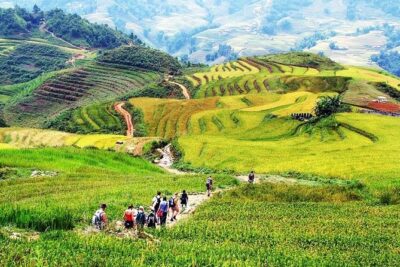 ★ 5.0Sapa 3 Days 2 Nights Trekking Tour (1 Night In Ta Van Village, 1 Night In Hotel)From $139699 reviews
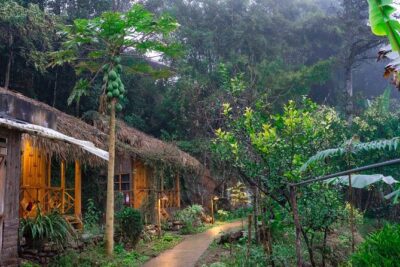 ★ 5.03-Day Trekking Adventure of Sapa from Hanoi – Stay Ta Van VillageFrom $109611 reviews
 ★ 4.82-Day Sa Pa Ethnic Homestay Tour & Trek with Limousine Bus440 reviews
 ★ 5.0Sapa 2 Days 1 Night From Hanoi – Overnight in HotelFrom $89440 reviews
Browse the lists this tour appears in