
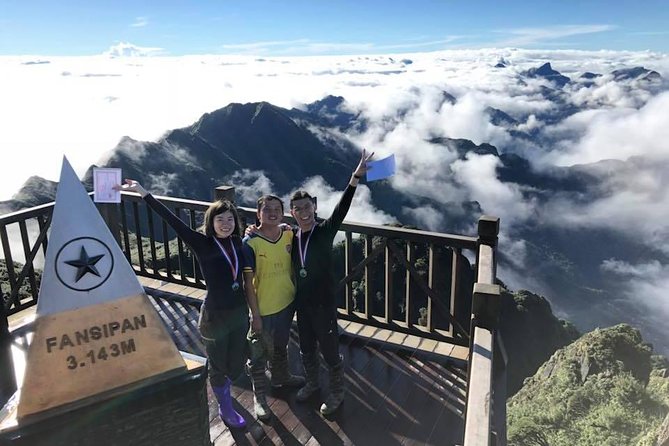
Reviewed · HIKING & TREKKING
2 Days Fansipan Trekking
Fansipan has a way of changing your pace fast. This two-day trek from Sapa pairs a local Black H’Mong guide with the kind of real mountain rhythm you can feel in every steep step, then rewards you with big top-of-Vietnam views. I especially like the cultural context from guides such as Sing and Tinh, and the practical comfort touches like hot showers before and after the hike; one thing to plan for is the physical effort and thin-air feeling that comes with a serious mountain climb.
You’ll spend the night at base camp, with an optional push toward the summit for sunrise, then work your way back down via Tram Ton Pass. It’s built for people who want more than a checklist photo stop, and it’s also organized enough that you can focus on your feet and your breath instead of logistics.
In This Review
- Key things to know before you go
- Fansipan Sunrise Views: The Real Reason This 2-Day Climb Works
- Meet Your Black H’Mong Guide and Your Support Team
- Day 1 From Sapa to Tram Ton Pass: The Start That Sets the Pace
- Day 1 Trek to Fansipan Peak: Forests, Streams, and Ridge Work
- Overnight at Base Camp: Camping With Hot Shower Comfort
- Day 2 Sunrise Option, 4:00/6:00 AM Breakfast, and the Long Descent
- Food, Water, and the Included Hot Shower Reset
- Price and Value: Why $136 Can Be a Good Deal Here
- Who This Fansipan Trek Suits Best (and Who Might Struggle)
- Packing Tips: Layers, Shoes, and Weather Reality
- Should You Book Sapa Original Trek’s 2-Day Fansipan Trek?
- FAQ
- FAQ
- How long is the 2 Days Fansipan Trekking experience?
- What time does the trek start and where does it end?
- Is this a private tour or do I join a larger group?
- What’s included in the tour price?
- What costs are not included?
- Do I get the option to reach the summit for sunrise?
- What are the cancellation rules?
Key things to know before you go
- Black H’Mong guidance that adds culture, not just directions
- Base camp overnight with sleeping bag and mattress included
- Trail timing that’s realistic: long trekking days with clear elevation work
- Hot shower at the Sapa office both before and after the trek
- Cable car is optional only if you want it, but tickets aren’t included
- Strong fitness requirement for 2-day trekking and big altitude effort
Fansipan Sunrise Views: The Real Reason This 2-Day Climb Works
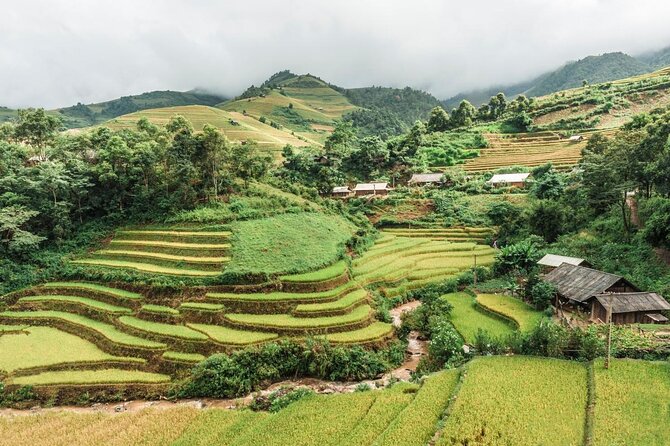
Mount Fansipan is famous for one reason: it’s the highest peak in Indochina, and the views from up there make northern Vietnam feel vast and close at the same time. On this 2-day plan, you’re not stuck in a bus loop or doing a token viewpoint walk. You’re actually climbing through forests and ridges, then turning the experience into an overnight story—sleeping at base camp and planning your day around visibility and energy.
What makes this format especially satisfying is that it gives you two kinds of payoff. Day 1 sets you up with a challenging ascent and time for lunch on the mountain route. Day 2 is where the summit effort can happen early—breakfast at 4:00 or 6:00 AM, then you continue onward depending on your sunrise plan. If you’re the type who likes earning the view instead of buying it, you’ll probably enjoy this structure.
That said, this isn’t a casual hike. The schedule includes long trekking hours and meaningful climbs and descents. The tour notes call for strong physical fitness, and the reviews match that reality: you’ll want good layers, steady shoes, and enough stamina for sustained uphill work.
More ways up Fansipan, on foot or by cable car
Meet Your Black H’Mong Guide and Your Support Team
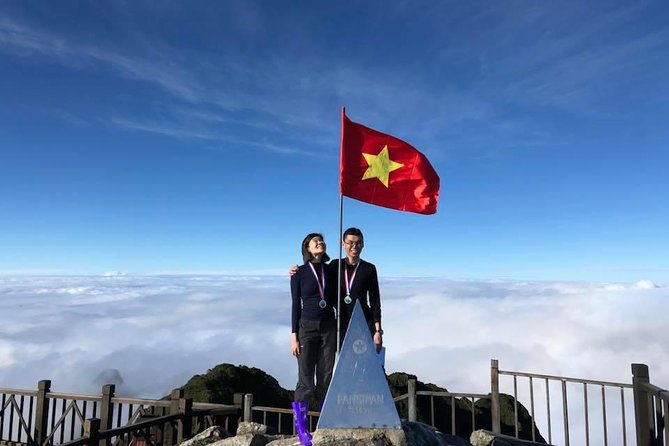
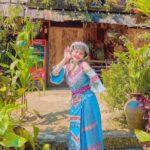
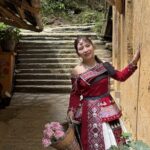
One of the best parts of this trek is the human layer. You don’t just get an English-speaking guide who points out trail markers—you get cultural insight from a local Black H’Mong guide, which changes how you experience the mountain. Guides like Sing and Tinh are specifically mentioned for being patient, engaging, and able to explain not only what you’re seeing but how people understand the area.
There’s also practical support behind the scenes. In the reviews, you’ll see references to a porter working alongside the guide, which matters because carrying weight changes how your body handles steep ground. The goal here is for you to focus on walking, not managing everything else.
Safety and trust are quietly important on a trek like this, and the feedback includes notes about feeling safe—especially for young women—because the team is organized and attentive. That kind of calm support is hard to measure in a brochure, but you feel it when the pace or weather shifts.
Finally, the tour includes sustainable tourism initiatives that support the local community. Even if you can’t audit sustainability on the trail, it’s a worthwhile signal: the experience is designed to connect you to local people rather than treat the mountain like a factory line.
Day 1 From Sapa to Tram Ton Pass: The Start That Sets the Pace
Your day kicks off around 8:30 AM with a meeting in Sapa and then transport toward the trailhead area. If you’re traveling as a single person, the tour may use a scooter for transportation, with the guide riding ahead while you follow. It’s a small detail, but it helps explain how the tour keeps things moving for different group sizes.
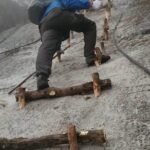
The first major trekking block is Tram Ton Pass. You’ll cover about 10 km with a schedule of 5–6 hours of trekking and roughly 1,200 meters of elevation gain. This is where your legs learn the day’s lesson: consistent climbing on uneven ground. You’ll pass through forest sections that feel cooler and shaded, and it’s a good time to settle into your rhythm—slow steps, steady breathing, and no hero moves.
There’s an admission ticket included here, so you’re not dealing with an extra payment moment while your body is already working. The bigger takeaway is pacing: day 1 is long and vertical, but it’s structured enough that you’re not thrown into a sprint. If you’ve ever started too fast on a mountain hike and paid for it later, you’ll appreciate how this itinerary gives you time to warm up your endurance.
A possible drawback: at this early stage, weather can change how your footing feels. If it rains, you’ll want grippy shoes and a plan for warm, dry layers. The trek can still be enjoyable in bad weather—just don’t show up in thin footwear and one hoodie.
Day 1 Trek to Fansipan Peak: Forests, Streams, and Ridge Work
After Tram Ton Pass, the route transitions into the main climb toward Fansipan. This portion is listed at about 5 hours, and you’ll be moving through a mix of pine and bamboo forests, crossing past streams, and hiking on varied terrain. It’s the kind of trail where the scenery keeps switching, which helps your mind stay on the next step instead of counting minutes.
You’ll also have picnic lunch somewhere along the way, which is a welcome change from the usual hike pattern of snack-only survival. After lunch, the trail continues with a ridge section toward the summit area. Ridges can feel exposed compared with forest trails, and the ridge work is where you’ll notice wind and temperature changes more quickly.
This is also where the option of sunrise becomes relevant. Even if you don’t push for the top right away, the day 1 effort sets your altitude and stamina baseline for day 2. Many people underestimate how much a strong first day affects the next morning. If you go out hard and then sleep poorly at base camp, sunrise plans can feel harder than expected.
The tour includes camping and the key comfort items: a sleeping bag and mattress. That helps a lot because trail fatigue is real, and bad sleep can wreck day 2. Still, pack with the expectation that base camp nights can be cold. The reviews explicitly stress bringing warm clothing and layering, and that’s good advice here.
Overnight at Base Camp: Camping With Hot Shower Comfort
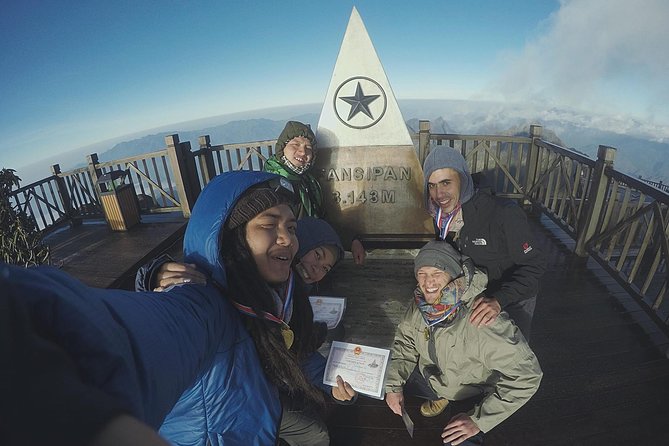
The overnight stop is one of the reasons this trek feels more balanced than a pure day-hike. You’ll stay one night at base camp, then continue the next day. Camping can sound rough if you picture bare earth and cold air—but the included sleeping bag and mattress are there to make it workable.
What really elevates the experience, though, is the ability to reset your body before and after the hike. The tour includes hot showers before and after the trek in the Sapa office. That’s not a small perk. After two days of trekking, warm water and a clean reset can turn “we survived” into “we actually enjoyed this.”
Meals are also included across the trip: breakfast, dinner, and two lunches plus water. You’ll get 1.5 liters of water per person per day, which helps you avoid the stress of rationing during steep sections. You still should plan to bring your own snacks if you like, but the core nutrition and hydration are covered.
You’ll also receive a medal and certificate, which might feel cheesy until you’re standing at the finish and you want proof you did it. It’s the kind of small touch that matches the whole tone of the trek: earn the moment, then celebrate it properly.
One more practical note: the tour is described as private for your group, meaning you won’t be mixed into a huge crowd mid-hike. That can help with pacing, especially when you’re climbing and descending over changing terrain.
Worth a glance beside this Sapa pick:
- Number one top rated ethical cultural trekking and homestay by ETHOS★ 5.0 · 456 reviews
- 1-day Authentik trek & Panorama valley views★ 5.0 · 189 reviews
- 1 day Fansipan Trekking★ 5.0 · 180 reviews
Day 2 Sunrise Option, 4:00/6:00 AM Breakfast, and the Long Descent
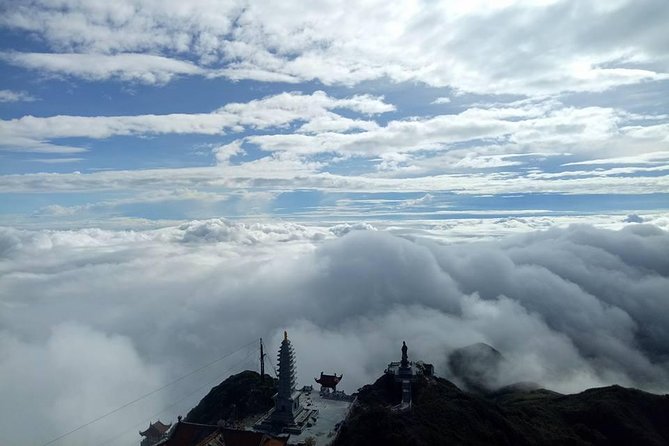
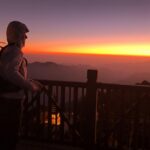
Day 2 starts early on purpose. You’ll have breakfast at 4:00 or 6:00 AM, then continue trekking with an option to reach the summit for sunrise. That choice is a big deal because you’re not only deciding how early you move—you’re deciding what kind of physical load you’ll put on your body when it’s cold and still waking up.
From there, the Fansipan segment on day 2 is listed as 14 km with 6–7 hours of trekking. The elevation detail matters: about 300–400 meters uphill and 1,100–1,200 meters downhill. Translation: you’ll likely feel the steepness more as you descend. Descents punish knees and ankles, especially after day 1. If you’ve had knee issues before, consider using trekking poles (if you have them) and take downhill slowly.
You’ll then head to Tram Ton Pass to trek down or adjust your route. The day includes about 6 hours for the return segment, depending on how you proceed. At the end, you have an option: you can take the cable car on your own to the station near Sapa town if you prefer, but cable car tickets aren’t included.
If you do take the cable car, plan your schedule so you’re not rushing. The tour notes say you’ll arrive back around 13:00 in Sapa. That’s helpful because it gives you time to eat, wash up (you’ll likely appreciate it), and decompress without feeling like you’re stuck in limbo.
The main consideration for day 2 is managing fatigue. The experience is doable, but you have to respect that the mountain doesn’t care about your calendar.
Food, Water, and the Included Hot Shower Reset
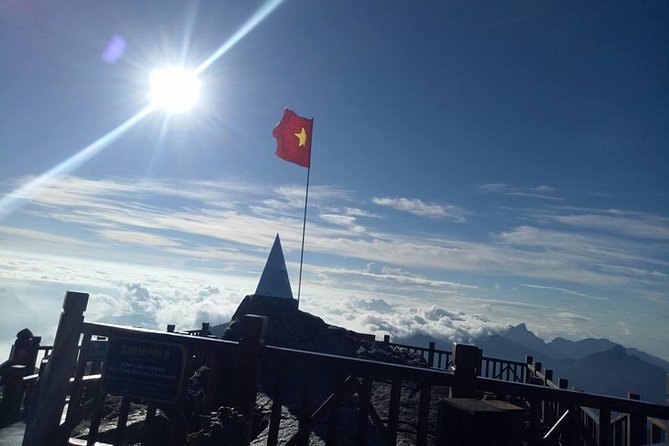
This trek scores points because it doesn’t force you to solve big problems on the trail. You get meals (two lunches, a dinner, and a breakfast), plus water—1.5 liters per person per day. That’s a real advantage because steep trekking makes you drink even when you’re not thirsty in the moment.
You’ll also get a structure that reduces decision fatigue. Instead of wondering where you’ll eat or when you’ll find water, you can plan your effort around the trail timing. The schedule includes picnic lunch on day 1, and then breakfast at dawn on day 2, which makes the entire climb feel like a guided process rather than a scavenger hunt.
Then there’s the hot shower in the Sapa office before and after. In humid or rainy mountain conditions, washing up and changing into dry clothes can make a huge difference in how you feel the next morning. It’s one of the most praised practical parts of the experience, and I agree it’s a big reason this tour works for more than just hardcore hikers.
A small thing that matters: the included gear for sleeping (sleeping bag and mattress) helps you get actual rest. If you’ve done cold camping before, you know how much a bad night can ruin your attitude. Here, you’re set up to do better.
Price and Value: Why $136 Can Be a Good Deal Here
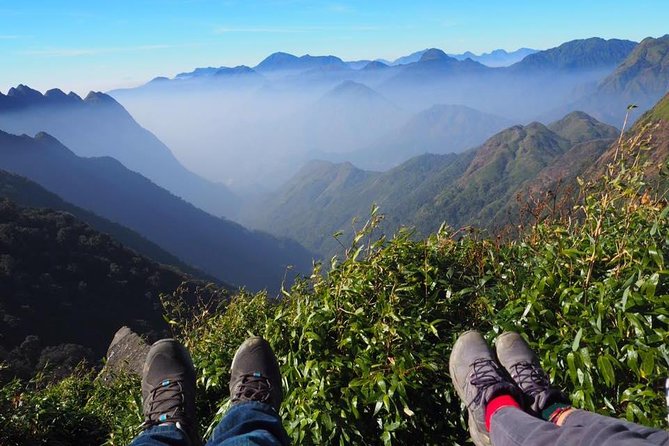
At $136 per person for about two days, this trek sits in the “serious but not outrageous” category. The value comes from what’s included: an English-speaking guide, transport, entrance fees, camping essentials, meals, insurance, a medal and certificate, plus the important hot showers at the office.
Some treks charge low on paper and then hit you with surprise add-ons—like paying for entry fees, food, or basic gear. This one covers several of those basics up front. It also includes 1.5 liters of water per day, which you’d otherwise have to buy, especially since climbing increases your water needs.
Could the price still feel high if you only care about views and don’t want guided anything? Sure. If that’s your style, you might choose a more minimal hike plan. But if you want a guide who can explain the area through a Black H’Mong lens, plus a team that supports you logistically, $136 becomes easier to justify.
Also, it’s worth noting the tour mentions group discounts and mobile tickets. That suggests smoother booking and group handling, which helps keep the experience organized for the people using it.
What’s not included is also straightforward: tips, insurance adjustments if you bring your own, personal expenses, and cable car tickets if you choose that option. So budget a bit for optional comfort choices and you’ll avoid last-minute surprises.
Who This Fansipan Trek Suits Best (and Who Might Struggle)
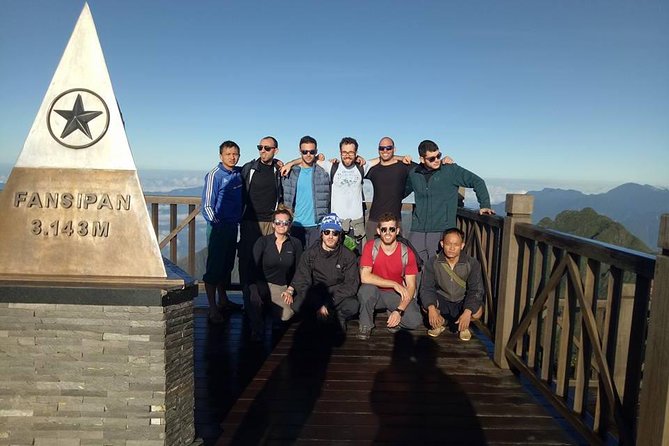
You’ll probably love this tour if you:
- want a structured 2-day climb with meals and sleeping gear handled
- like learning from a local guide and not just collecting summit photos
- can handle long hours on uneven ground and steep inclines
- value comfort after hiking, especially hot showers
The tour also clearly signals it needs strong fitness. The itinerary includes long trekking days (5–6 hours on day 1’s first segment, plus additional time toward Fansipan, then 6–7 hours on day 2). Even if you choose the sunrise option carefully, you’re still committing to meaningful time on your feet.
You might want to think twice if:
- you have knee or ankle problems for steep downhill days
- you’re sensitive to altitude and know it hits you hard
- you expect a casual walk in the woods with minimal effort
The good news is that organization and guidance matter here. Reviews highlight guides who are patient and able to pace the group through hard stretches. If you’re willing to move steadily, not fast, you give yourself the best shot at feeling strong by day 2.
Packing Tips: Layers, Shoes, and Weather Reality
Fansipan doesn’t read your packing list. If the weather turns, you’ll feel it quickly on exposed ridges and in colder dawn hours.
Based on the practical advice from the experience feedback, focus on:
- warm clothes and layering (thin base layer + warmer mid layer + outer shell)
- strong, grippy shoes designed for uneven, possibly wet trail conditions
- a way to keep your hands warm during early-morning efforts
You’ll also appreciate bringing something for sun and rain. Even when it feels mild at Sapa, mountain weather can change fast with elevation.
Also remember: you’re camping overnight. Even with a sleeping bag provided, you’ll still benefit from dressing for cold night temperatures rather than assuming the gear will compensate for unprepared clothing.
If you’re traveling with one goal—finish feeling okay—don’t overload your bag. The best packing approach is simple: bring warmth, traction, and essentials you’ll actually use.
Should You Book Sapa Original Trek’s 2-Day Fansipan Trek?
Book this trek if you want a real mountain experience with local cultural guidance, solid organization, and real comfort support afterward. The standout wins are the Black H’Mong guide experience (with English support), the included meals and gear, and the hot shower reset at the Sapa office. For many people, that combination turns a tough climb into a satisfying trip instead of a survival test.
Skip it if you’re looking for a light hike, or if you know you struggle with sustained steep walking and steep downhill recovery. This itinerary expects stamina.
One more practical point: you can cancel for a full refund up to 24 hours before the experience start time. That’s useful if you’re weighing weather or your fitness readiness.
If you’re the type who enjoys earning views, learning from locals, and then relaxing with a hot shower instead of scrambling for basic needs, this is a smart choice for your Sapa adventure.
FAQ
FAQ
How long is the 2 Days Fansipan Trekking experience?
It’s approximately 2 days.
What time does the trek start and where does it end?
The start time is 8:30 AM, and the activity ends back at the meeting point.
Is this a private tour or do I join a larger group?
It’s described as private, with only your group participating.
What’s included in the tour price?
The included items list covers breakfast, dinner, two lunches, hot shower access before and after at the Sapa office, transport, entrance fees, camping (with sleeping bag and mattress), 1.5 liters of water per person per day, insurance, a medal and certificate, and an English-speaking guide.
What costs are not included?
Tips, personal expenses, and cable car tickets are not included. Insurance is also listed as something not included in the provided exclusions (depending on your situation).
Do I get the option to reach the summit for sunrise?
Yes. The plan includes an option to reach the summit for sunrise, with early breakfast at 4:00 or 6:00 AM.
What are the cancellation rules?
You can cancel up to 24 hours in advance for a full refund. Canceling less than 24 hours before the start time won’t be refunded.
More Hiking & Trekking in Sapa
More Tour Reviews in Sapa
To the Roof of Indochina: More Fansipan
Latest Sapa write-ups from our team
Hiking & Trekking, compared.
 ★ 5.0Halong Bay Full Day with Kayaking, Hiking viewpoint, Cave – Deluxe To LuxuryFrom $38884 reviews
 ★ 4.8From Hanoi: 2-Day Sapa Trekking Trip with Homestay & MealsFrom $71704 reviews
 ★ 5.0Sapa 3 Days 2 Nights Trekking Tour (1 Night In Ta Van Village, 1 Night In Hotel)From $139699 reviews
 ★ 5.03-Day Trekking Adventure of Sapa from Hanoi – Stay Ta Van VillageFrom $109611 reviews
 ★ 5.0Number one top rated ethical cultural trekking and homestay by ETHOSFrom $93456 reviews
 ★ 4.82-Day Sa Pa Ethnic Homestay Tour & Trek with Limousine Bus440 reviews
 ★ 5.0Sa Pa Full Day Trekking TourFrom $25414 reviews
 ★ 5.0Hanoi – Sapa 3 Day 2 Night Trekking With Hotel & HomestayFrom $125389 reviews
Browse the lists this tour appears in