
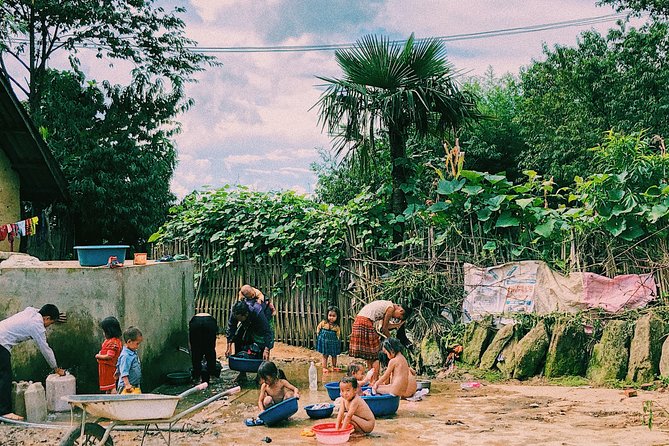
Reviewed · SAPA TREKKING TOURS
Sapa 2-Day Trek & Homestay in Ta Van Village – Be a Local
Two days, and you taste village life. This Sapa trek is about more than scenery: you’ll walk through rice-terrace villages and sleep in a Ta Van private bungalow at Giay’s Local House, then learn H’mong indigo dyeing and dye your own blue cloth to take home. One thing to watch is the frequent seller attention along the route, which can feel a bit pushy if you’re not in the mood to shop.
I especially like how the trip keeps things human and practical, not staged. Guides such as Sue (English-speaking, friendly, and quick to explain village life) help the walking feel like learning, not just exercise. And the homestay in Giay’s Local House is described as comfortable, with views that make it easier to exhale after a day on the trail.
This tour is best if you want a small-group overnight and a hands-on cultural moment, not a fast checklist of stops. With a maximum of 15 people, you should get a more personal rhythm, but you’ll want good weather because the experience is weather-dependent.
In This Review
- Key things to know before you go
- Walking From Sapa Town Into Rice-Terrace Villages (Y Linh Ho and Lao Chai)
- Ta Van Village Overnight: Giay’s Local House and the Private-Room Comfort
- Vegetable Garden, Village Market, and Dinner With Your Host Family
- Indigo Dye Workshop: Natural Indigo, H’mong Craft, and Your Own Fabric
- Day Two Trek Through Giang Ta Chai, Bamboo Forest, and Su Pan
- Price, Group Size, and What You Actually Get for $45
- How to Have a Smoother Trek (and Handle Seller Pushback Gracefully)
- Should You Book the Sapa 2-Day Trek & Homestay in Ta Van Village?
- FAQ
- How long is the Sapa 2-day trek and homestay?
- Where will I stay overnight during the tour?
- What meals are included?
- What is included in the indigo dyeing workshop?
- Is pickup and return transportation included?
- How many people are in the group?
- Is bottled water included?
- What is not included in the tour price?
- What happens if weather is poor?
Key things to know before you go
- Small group size (max 15) for a more relaxed trek pace and better guide attention
- Private room at Giay’s Local House in Ta Van Village, so you get real downtime
- Cooking with your host after picking vegetables and shopping for ingredients
- Indigo dye workshop with natural dyes, plus a piece of fabric you dye yourself
- Two-day loop with village stops including Lao Chai and Su Pan, then back to Sapa Town
Walking From Sapa Town Into Rice-Terrace Villages (Y Linh Ho and Lao Chai)
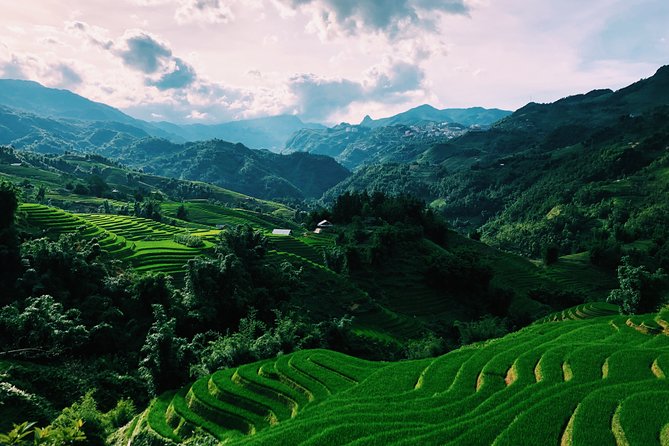
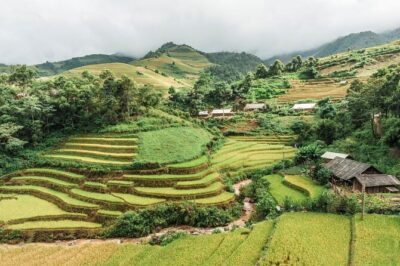
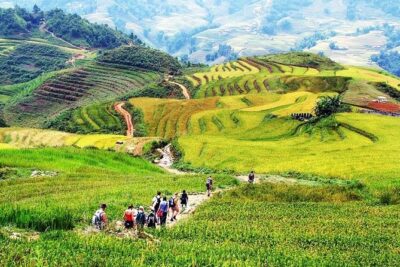
The trek starts in Sapa Town and moves you gradually from town life into the mountain village world. You’ll pass through Y Linh Ho and Lao Chai, walking among fields and homes that feel closely tied to the land. Expect a route that mixes downhill and uphill sections—enough to get your heart rate up, but not presented as a hardcore endurance mission.
What I like most here is the way the trail supports conversation. When you’re moving through ethnic village areas, it’s easier to ask real questions: what you’re seeing, how people live, and why certain crops matter in the mountains. A guide like Sue tends to keep the explanations grounded and clear, so you’re not just staring at terraces—you’re understanding them.
A note on pacing: you’re on foot for two days with an overnight, so plan for a steady rhythm rather than sprinting to “hit” every photo angle. I also recommend wearing shoes that have grip. In Sapa, trail surfaces can shift, and you’ll appreciate stable footing.
One practical consideration: seller contact can be common along trekking routes in this region. If you prefer a quiet walk, go in mentally prepared. You can be polite and keep moving; you don’t need to buy anything to be respectful.
More trails through the Sapa valleys
Ta Van Village Overnight: Giay’s Local House and the Private-Room Comfort
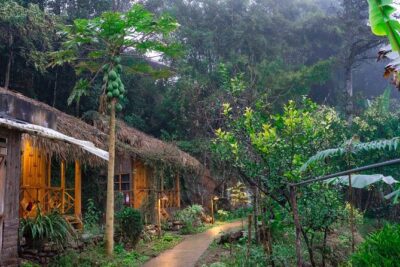
Ta Van Village is where the tour stops feeling like a day trip and starts feeling like an actual stay. After you arrive, you’ll check in and settle into a private room at Giay’s Local House. This matters. In most “trek + sleep” tours, the overnight is basic. Here, the homestay is described as comfortable, with a place where you can rest without constantly watching your surroundings.
Once you’ve unpacked, the evening setup makes sense: the homestay is your base, and the activities run from there. That means you’re not burning energy on logistics right after the trek. You get time to slow down, enjoy the mountain air, and connect with your host family in a way that doesn’t feel rushed.
If you care about views, Ta Van is the kind of place where you notice them from inside the property too. The difference between a window view and a “stand in the rain for photos” view is huge after a full walking day.
Food also fits the rhythm. Dinner isn’t treated like a show; it’s part of what the family does. That’s where this tour earns its title: Be a local isn’t just branding. You’ll be in the home routine instead of passing through on a tight schedule.
Vegetable Garden, Village Market, and Dinner With Your Host Family
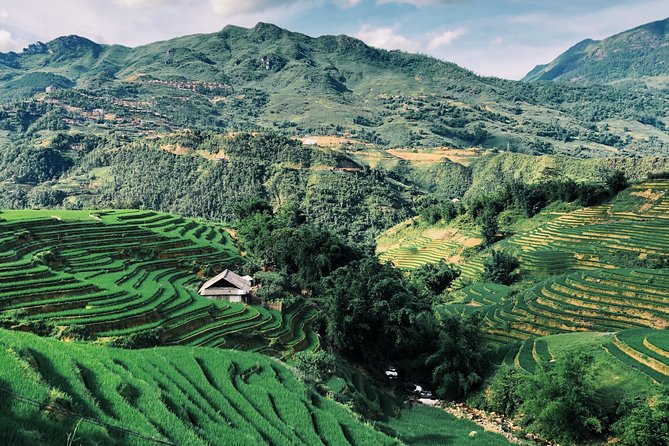
One of the best parts of this tour is the time spent doing normal everyday tasks—because it gives you context fast. Before dinner, you can join your host to pick fresh vegetables from the garden and/or visit the local market to buy ingredients for your meal.
Why is this valuable? Because you get the story behind dinner. It’s not just tasting food. You’re seeing how ingredients reach the table in a place where farming is closely connected to daily life. And when you’re helping with the basics—washing, selecting, preparing—it’s easier to ask questions without feeling like an outsider hovering.
Afterward, you’ll cook together with the local family and share the meal. The dinner is specifically described as dining with the local family, and breakfast and lunch are included too. That means you’re not scrambling for food during the walking day, and you’re not stuck with only whatever you can find near a tourist stop.
The practical trade-off is that the schedule is active. You’ll be doing real tasks with real people, so keep your energy for the kitchen and conversation. If you’re the kind of person who likes to jump from one viewpoint to another with no pause, you might find the family time slower than you expected—in a good way, but still slower.
Indigo Dye Workshop: Natural Indigo, H’mong Craft, and Your Own Fabric
The indigo dyeing workshop is the most memorable “you can take this with you” moment on the trip. In the evening, your host shows you how to dye fabric using natural indigo—a traditional H’mong craft used for making clothing. The key detail is that you don’t just watch. You receive a piece of fabric and dye it yourself.
That’s why this workshop feels different from souvenir workshops. You’re creating something that reflects the process: the handling, the dye behavior, and the final result that comes from natural materials. It’s not mass-produced. It’s personal.
If you’re wondering what to expect hands-on, plan for a slightly messy, tactile session. Natural dyes can stain, and indigo work often involves repeated steps. Bring a mindset that this is a craft activity, not a clean demonstration.
Also, pay attention to the explanations during the session. Guides often connect the craft to local life—clothing traditions, dyeing practices, and why indigo matters in the community. Even if you don’t speak the language fluently, a good guide can make the concepts land.
When you leave with your dyed fabric, it works as a memory you can touch. It’s one thing to have photos of terraces. It’s another to carry a piece of cloth you made while learning how people here keep traditions alive.
Day Two Trek Through Giang Ta Chai, Bamboo Forest, and Su Pan
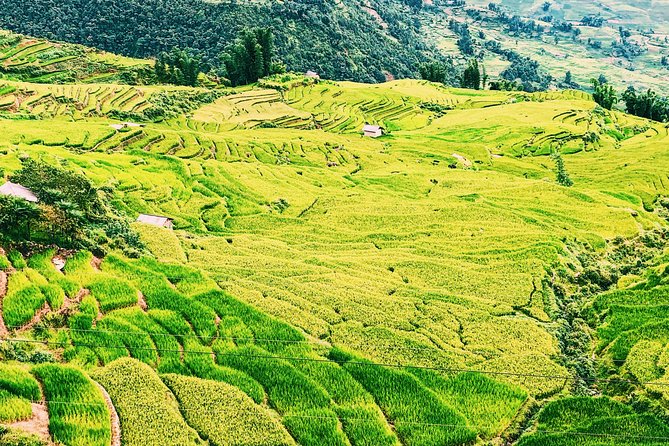
After breakfast, you’ll check out and continue trekking on Day 2. The trail takes you through Giang Ta Chai Village, then the bamboo forest, and onward to Su Pan Village.
This second day is where the trek transitions from “village hopping” into “nature plus village life” again. The bamboo forest segment is a different feel from the open terrace areas—more shaded, more atmospheric, and often a welcome change for your legs. It also tends to slow the pace in a good way, because you’ll be taking in a different kind of scenery.
At the end of the trail, a car is waiting to take you back to Sapa Town. That return transport is included, which is important on an overnight trek. It keeps the trip from turning into a stress scramble at the finish line.
A possible highlight on some routes is access to a waterfall stop for a swim if conditions and timing allow. I’d treat that as a bonus rather than a guarantee, but it fits the overall vibe: you’re walking through a living landscape, not just following a formal line on a map.
Worth a glance beside this Sapa pick:
- Number one top rated ethical cultural trekking and homestay by ETHOS★ 5.0 · 456 reviews
- 1-day Authentik trek & Panorama valley views★ 5.0 · 189 reviews
- 1 day Fansipan Trekking★ 5.0 · 180 reviews
Price, Group Size, and What You Actually Get for $45
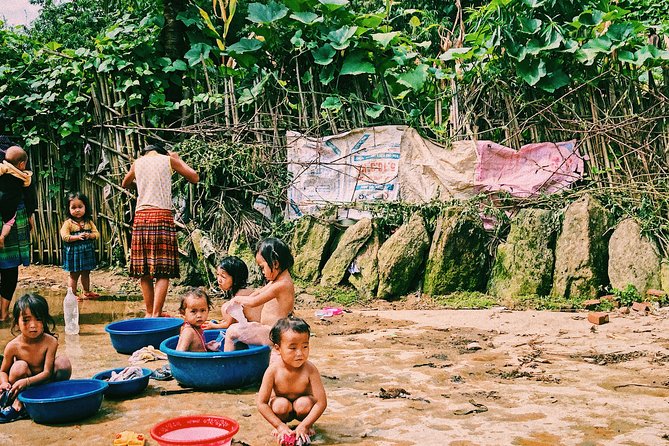
At $45 per person for about two days, this tour competes well on value because a lot is folded in. You get:
- Breakfast, lunch, and dinner with the local family
- Overnight at Giay’s Local House (private room)
- Bottled water
- Transportation back to Sapa Town
- An activity built around indigo dyeing, with fabric to dye yourself
You’ll also see features like pickup offered and group discounts, plus mobile ticketing. The group size cap of 15 matters here, because it reduces the chance your experience becomes a conveyor belt.
What’s not included is also clear: tips and travel insurance. I’d plan for those so nothing surprises you at the end.
Booking timing helps too. If you’re aiming for a specific date, I’d book around a week in advance since it’s commonly reserved about five days ahead on average. And because the experience depends on good weather, flexibility gives you the best odds.
How to Have a Smoother Trek (and Handle Seller Pushback Gracefully)
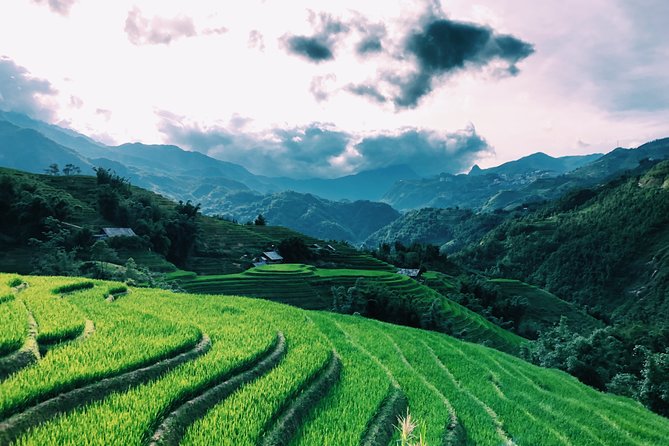
This is a cultural trek, which means you’ll interact with people who sell crafts and daily goods. That can be part of the experience—or it can feel like a distraction when you’re trying to focus on the trail.
Here’s what helps:
- Decide your approach before you start walking: buy nothing, or buy intentionally
- Be polite, short, and consistent when you pass sellers
- Keep your eyes on the trail and your group, especially if the attention increases along certain parts
If you’re hoping for a quiet, purely nature-focused hike, this tour may not match your expectations fully because village life and commerce come with the route. But if you treat it as part of meeting locals, it can be manageable.
Clothing and comfort matter too. You’re walking in mountain terrain and then cooking/working in the evening. Wear layers and bring something you don’t mind getting slightly stained if you join the dyeing activity.
Finally, match your expectations to the pace. This is a two-day trek with homestay and craft time. If you want a nonstop speed-run itinerary, you’ll feel rushed. If you like a day-by-day rhythm with a personal dinner and a workshop at night, you’ll probably love it.
Should You Book the Sapa 2-Day Trek & Homestay in Ta Van Village?
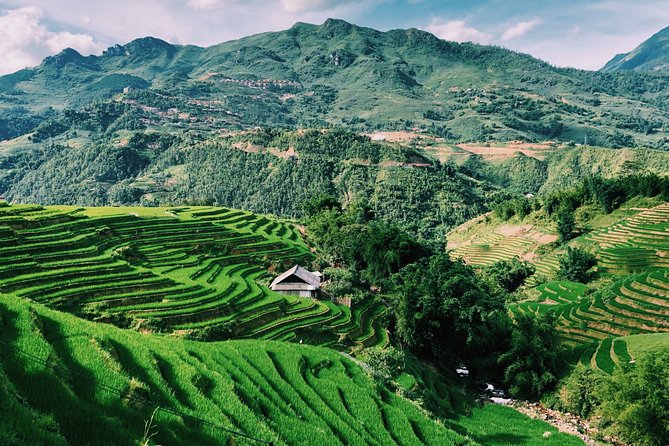
I think you should book if you want real village time: a private-room overnight in Ta Van, hands-on help with food, and a genuine skill you learn with your hands through the natural indigo dye process.
Skip it (or adjust expectations) if you’re the type who hates any seller interaction on hikes. The route can include noticeable sales attention, so you’ll want mental armor.
If you’re traveling solo, this tour often feels social without being chaotic because group size stays small. If you’re traveling as a couple or friends, it’s still a good fit because you’ll have enough time to settle into the homestay and do the activities without feeling herded.
Bottom line: for the price, you’re not paying just for trekking views—you’re paying for a full local-style day: walking, eating, learning, and making something you can bring home.
FAQ
How long is the Sapa 2-day trek and homestay?
The tour runs for approximately 2 days.
Where will I stay overnight during the tour?
You’ll stay overnight in Ta Van Village at Giay’s Local House, in a private room.
What meals are included?
Breakfast, lunch, and dinner dining with the local family are included.
What is included in the indigo dyeing workshop?
You’ll learn the H’mong indigo dyeing tradition using natural dye and receive fabric to dye yourself to take home.
Is pickup and return transportation included?
Pickup is offered, and transportation back to Sapa Town is included.
How many people are in the group?
The maximum group size is 15 travelers.
Is bottled water included?
Yes, bottled water is included.
What is not included in the tour price?
Tips and travel insurance are not included.
What happens if weather is poor?
This experience requires good weather. If it’s canceled due to poor weather, you’ll be offered a different date or a full refund. It can also be canceled if the minimum number of travelers isn’t met, with a different date or refund offered.
More Hiking & Trekking in Sapa
More Tour Reviews in Sapa
More Sapa Treks We Walked
Latest Sapa write-ups from our team



Sapa Trekking Tours, compared.
 ★ 5.0Sapa 2 Days 1 Night From Hanoi – Overnight in Ta Van VillageFrom $592,669 reviews
 ★ 5.0Hanoi – Sapa 2 Days 1 Night Overnight At HomestayFrom $89899 reviews
 ★ 5.0Sapa: Fansipan Cable, Cat Cat Village & Moana Instagram TourFrom $30777 reviews
 ★ 4.8From Hanoi: 2-Day Sapa Trekking Trip with Homestay & MealsFrom $71704 reviews
 ★ 5.0Sapa 3 Days 2 Nights Trekking Tour (1 Night In Ta Van Village, 1 Night In Hotel)From $139699 reviews
 ★ 5.03-Day Trekking Adventure of Sapa from Hanoi – Stay Ta Van VillageFrom $109611 reviews
 ★ 4.82-Day Sa Pa Ethnic Homestay Tour & Trek with Limousine Bus440 reviews
 ★ 5.0Sapa 2 Days 1 Night From Hanoi – Overnight in HotelFrom $89440 reviews
Browse the lists this tour appears in