
Reviewed · SAPA TREKKING TOURS
From Sapa: 2 Days 1 Night Trek Over Night At Homestay
Sapa is best seen on foot. This 2 days 1 night trek links Muong Hoa Valley village walks with an overnight homestay in Ta Van, plus a hands-on cooking moment (fried spring rolls) and time with Hmong and Zay families. I also love the practical pace: you move through multiple villages without needing a long, techy planning headache, and the included local English guide keeps the culture clear as you go. The one thing to keep in mind is the road transfer can feel bumpy, so if you’re sensitive to motion, it may be worth preparing for that.
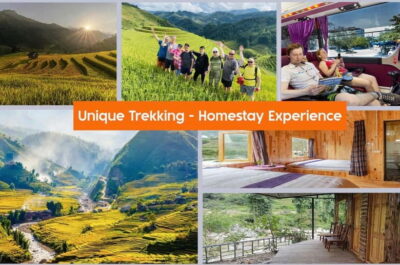
What makes this experience feel real is the mix of scenery and people. You start in Sapa town, then spend your days walking past terraced fields, streams, and ethnic villages like Y Linh Ho and Lao Chai, ending the first day in Ta Van village. By evening, you’re not just watching from a distance—you’re part of the homestay routine, including dinner and trying local rice wine.
At a group size capped at 15, you’ll still get small-group attention without the tour feeling like a private expedition. This fits best if you want guided trekking with genuine village contact, not a rushed checklist. If you hate hiking days that start early, or you’re looking for luxury comforts, you’ll want to adjust expectations.
In This Review
- Key highlights worth your time
- From pickup in Sapa to the first village morning
- Y Linh Ho: terraces, streams, and a slow start that pays off
- Lao Chai: ethnic villages and a longer stretch of village time
- The Ta Van homestay in the Hmong and Zay community
- Day two: Giang Ta Chai and the walk to Red Dao villages
- Supan lunch and heading back to Sapa
- Price and value: what $55 covers in real travel terms
- What to bring so the trek feels easy
- Who should book this trek, and who might skip it
- Should you book this 2 days 1 night Sapa homestay trek?
- FAQ
- What time does the pickup start?
- Where is the tour meeting point?
- What villages do you visit during the trek?
- Do you stay overnight in a homestay?
- Is there a cooking class?
- What meals are included?
- Is the homestay room private?
- How many people are in the group?
Key highlights worth your time
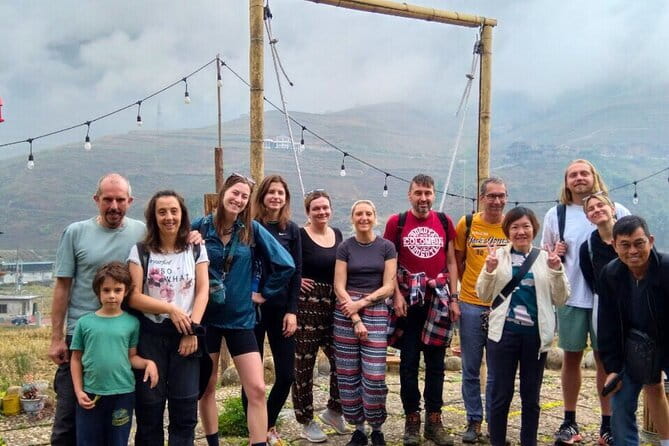
- Local English guide focus: Guides such as Mae Cô (also noted as Mao Cô) get praised for clear English and thoughtful village explanations.
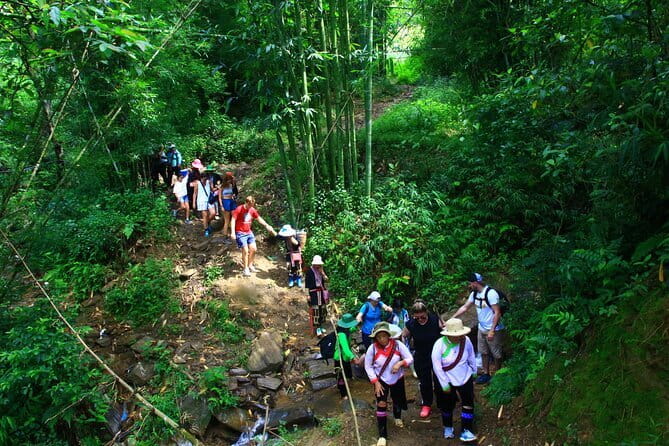
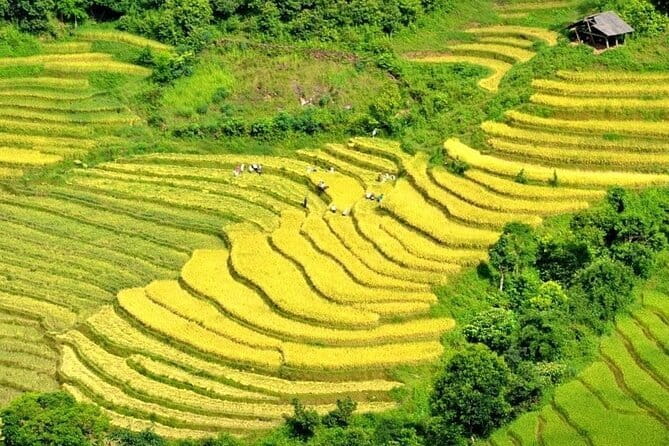
- Muong Hoa Valley + terraced views: Y Linh Ho and Lao Chai set you up with classic Sapa scenery and simple, scenic walking.
- Ta Van homestay experience: Overnight in a Hmong and Zay community, with dinner and a chance to try local rice wine.
- Spring-roll cooking class: You learn to make fried spring rolls right at the homestay.
- Two-day village route: Day two continues with Giang Ta Chai plus walking to smaller Red Dao villages, then a final stop for lunch at Supan.
From pickup in Sapa to the first village morning
You start early, with pickup around 8:00–8:30 a.m. from your hotel area in Sapa town or the pre-arranged meeting point. The day begins in “get your bearings fast” mode: you meet your local English guide, then head out to the first village area along the Hoang Lien Son mountain range and Muong Hoa Valley.
This is one of those treks where the logistics matter more than you’d think. When the group leaves on schedule and the guide is on hand, you spend less time waiting and more time walking through the places that make Sapa special. Also, with a maximum of 15 travelers, it’s easier for the group to stay together and for the guide to answer questions as you go.
One practical note: the tour includes entrance tickets, and the day’s stops are presented as free-admission segments in the program. That means fewer surprises about what you need to pay once you’re out in the hills.
More trails through the Sapa valleys


Y Linh Ho: terraces, streams, and a slow start that pays off
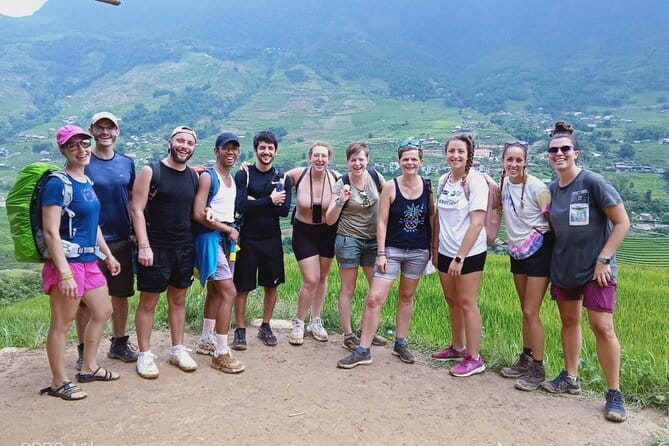
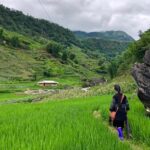
The first real village stop is Y Linh Ho, starting around 8:30 a.m. for about 2 hours. This is a strong opener because the village sits along Muong Hoa Valley, with the Hoang Lien Son mountain range in the background and terraced fields and streams all around. You get the classic view angle early, before the day gets crowded and before tired legs start negotiating.
What I like about starting with Y Linh Ho is that it sets the tone. You’re not thrown straight into a hard grind; you ease into the walking with scenery that makes the effort feel worth it. And since you’re with a guide who speaks English and explains what you’re seeing, it’s easier to connect the dots: terraces aren’t just pretty steps—they’re part of how people farm the slopes.
If you’re hoping for quiet, off-the-beaten-path atmosphere, don’t expect that to be guaranteed in Sapa. Still, the way this trek structures the morning helps you experience the area in a calmer, more natural flow than tours that only stop for photos.
Lao Chai: ethnic villages and a longer stretch of village time
After Y Linh Ho, you move on to Lao Chai around 10:30 a.m. and spend about 3 hours there. Lao Chai is described as home to multiple ethnic minorities, including Black Hmong, Red Dao, and Giay people, and it’s positioned between the Hoang Lien Son range and the valley area.
This part of the trek matters because it’s where the cultural learning shifts from general scenery to specific village life. You’re walking through lived-in areas where your guide can explain daily rhythms and how different communities fit the geography. If you love understanding place rather than just seeing it, this is the sweet spot.
One potential drawback: 3 hours is a solid chunk of time in the hills. Even if the pace feels manageable, you’ll want to have your energy and water mindset ready. Wear footwear you trust on uneven ground, because this route is about walking, not hopping between viewpoints.
The Ta Van homestay in the Hmong and Zay community

By late day, you’re heading to Ta Van village, about 8 km from Sapa town, backed by Hoang Lien Son and bordering the Muong Hoa stream. You arrive and settle in, and around 5:30 p.m. you get ready for the cooking class.
Here’s the part that really sells the experience: the tour builds in time for you to participate at the homestay, not just sleep there. You can make fried spring rolls directly as a cooking activity. Then you have dinner at the homestay and get a chance to try local rice wine.
What I like about this setup is that it turns the homestay into a shared evening, not a random overnight stop. You get a warm, human connection to the area, and the food activity gives you a simple, practical way to learn through doing. If you enjoy food moments while traveling, this is one of the best parts of the whole 2D1N format.
One consideration: rice wine is included as a trial, and you should decide based on your comfort level. If you don’t drink, you can still enjoy the meal and cooking without treating it like a must-accept situation.
Day two: Giang Ta Chai and the walk to Red Dao villages
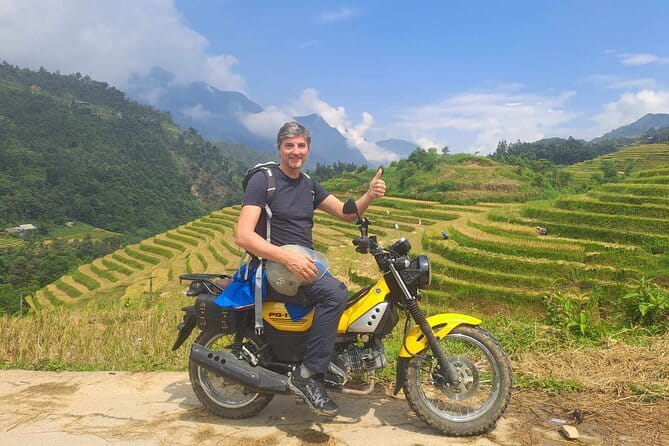
After breakfast, you start the second day around 8:00–9:00 a.m., with check-out timing handled before you head out again. The next key stop is Giang Ta Chai Village around 9:15–9:30 a.m..
The route includes a 6 km walk to visit two villages of the Red Dao community. This is the longest “active” piece of the trek described for the second day, and it’s also where you’ll likely feel the rhythm of trekking in your legs. Still, the reward is straightforward: more village time, more variation in what you see, and more of that Sapa sense of being on a footpath that connects communities.
This is also where the guide’s role becomes extra important. A good English-speaking guide helps you understand what you’re passing—why the paths look a certain way, what the village connections mean, and how the communities relate to the terrain. Guides such as Mae Cô (named in the provided feedback) are specifically praised for explanation and friendliness, and that kind of communication can make a long walk feel lighter.
Worth a glance beside this Sapa pick:
- From Sapa: 2 Days 1 Night Trek Over Night At Homestay★ 5.0 · 68 reviews
- Sapa Motorbike Tour 2 Days 1 Night Off The Beaten Track★ 5.0 · 30 reviews
- Sapa vacation 3 days 2 night★ 5.0 · 28 reviews
Supan lunch and heading back to Sapa
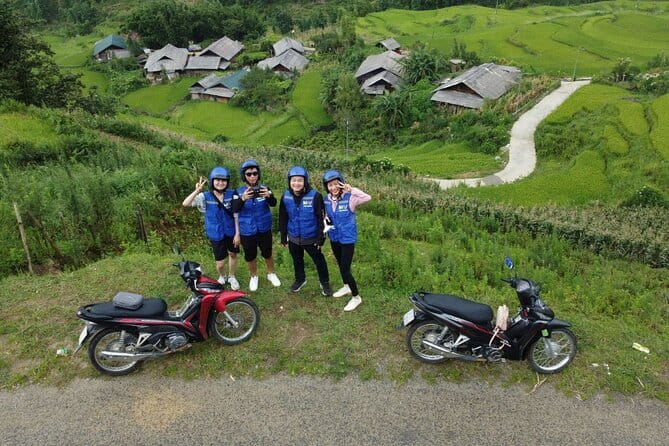
Around 12:00 p.m., the final destination is Supan village, where you have lunch at a local restaurant. Lunch is included, and this part of the day is less about walking and more about letting your body reset before the return.
Then at 1:00 p.m., a bus picks you up from the local restaurant back toward Sapa town, and you arrive about 1:30–2:00 p.m., ending the tour back at the meeting point area. This timing is useful if you like having a full afternoon in Sapa for shopping, a café break, or just catching up on rest.
If you’re sensitive to transport, keep your expectations realistic. The ride is noted as a bit bumpy in the feedback, which is pretty common in mountainous areas. Pack your patience, and consider sitting where you feel the least motion impact.
Price and value: what $55 covers in real travel terms
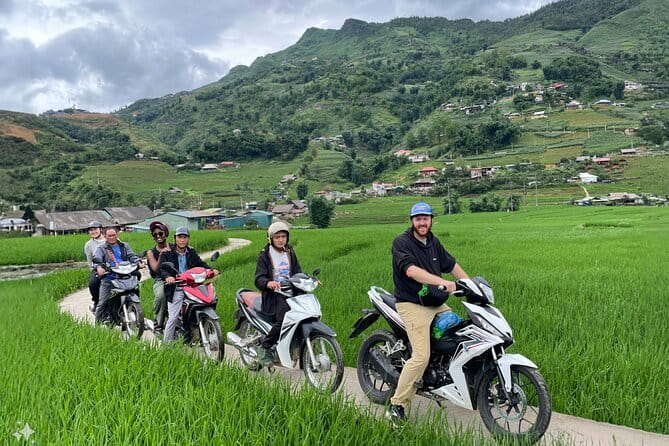
At $55 per person for roughly 2 days, this trek can feel like good value if you want the whole package done for you: guide, village route, homestay, and key meals. The included items cover dinner, breakfast, lunch, and a private room at the homestay in Ta Van village.
The “value” part here isn’t just the price tag. It’s that you don’t have to line up multiple pieces separately: a local English guide handles the flow, entrance tickets are included, and you get the homestay experience with a structured evening (cooking + dinner). For many people, that’s exactly what makes a budget trek worth it.
And with a group size max of 15, you’re not stuck in a massive crowd where questions get ignored. Instead, the guide can keep pace with the group and help you connect what you see to how people live.
For best value, treat this tour as a chance to learn and eat as much as you walk. If your plan is only to chase Instagram photos, you may feel like it’s overpriced. If you like walking with meaning and sharing a family-style meal, it usually lands right.
What to bring so the trek feels easy
The tour data doesn’t list a detailed packing list, so I’ll stick to practical basics that match the route type: walking days, uneven ground, and an overnight homestay.
Bring:
- Comfortable walking shoes with good grip
- A light rain layer if weather shifts (Sapa can change fast)
- A small day bag for water and snacks
- Sun protection (hat, sunglasses)
- Cash or a small buffer in case you want extra drinks beyond what’s included
Also, since drinks during meals aren’t included, plan to handle water and any extras on your own. If you’re trying to keep costs low, you can buy simple items in Sapa town before the trek starts.
Who should book this trek, and who might skip it
You’ll probably love this if:
- You want a guided village trek with a homestay night
- You care about ethnic village context, not just scenery
- You enjoy a hands-on food moment like spring-roll cooking
- You like smaller groups (this one tops out at 15)
You might want to choose another option if:
- You want a fully luxury overnight setup
- You dislike any bumpy ride segments
- You don’t want to walk for multiple hours across two days
This is a good fit for couples, friends, and solo travelers who want a structured day plan without losing the human side of travel.
Should you book this 2 days 1 night Sapa homestay trek?
If your goal is a real Sapa experience—walking through Y Linh Ho, Lao Chai, and onward to Giang Ta Chai, then sharing an evening in Ta Van—this is a solid booking. The included homestay activities (especially the fried spring roll cooking class and the chance to try local rice wine) give you more than just views. And the guide quality stands out in the provided feedback, with Mae Cô (also noted as Mao Cô) praised for English and clear cultural explanations.
My honest advice: book it if you’re comfortable with a moderate trekking rhythm and you can enjoy local meals without demanding a Western-style dinner routine. Skip it if you want comfort-first travel or if you’re truly motion-sensitive and can’t handle a bumpy bus ride.
FAQ
What time does the pickup start?
Pickup is listed for 8:00 a.m. (with pickup likely around 8:00–8:30 a.m. from Sapa town hotels or the meeting point).
Where is the tour meeting point?
The start meeting point is Sa Pa Retreat Condotel, 03 Hoàng Liên, TT. Sa Pa, Sa Pa, Lào Cai 333100, Vietnam.
What villages do you visit during the trek?
You visit Y Linh Ho, Lao Chai, Ta Van (for the homestay), Giang Ta Chai, and you also stop at Supan for lunch.
Do you stay overnight in a homestay?
Yes. You sleep at a homestay in Ta Van village, in a community with Hmong and Zay people.
Is there a cooking class?
Yes. At the homestay you prepare fried spring rolls as part of the evening program.
What meals are included?
The tour includes dinner, breakfast, and lunch.
Is the homestay room private?
Yes. The included stay is described as a private room at the homestay in Ta Van village.
How many people are in the group?
The tour has a maximum of 15 travelers.
More Evening Experiences in Sapa



More Tour Reviews in Sapa
More Sapa Treks We Walked
Latest Sapa write-ups from our team



Sapa Trekking Tours, compared.
 ★ 5.0Sapa 2 Days 1 Night From Hanoi – Overnight in Ta Van VillageFrom $592,669 reviews
 ★ 5.0Hanoi – Sapa 2 Days 1 Night Overnight At HomestayFrom $89899 reviews
 ★ 5.0Sapa: Fansipan Cable, Cat Cat Village & Moana Instagram TourFrom $30777 reviews
 ★ 4.8From Hanoi: 2-Day Sapa Trekking Trip with Homestay & MealsFrom $71704 reviews
 ★ 5.0Sapa 3 Days 2 Nights Trekking Tour (1 Night In Ta Van Village, 1 Night In Hotel)From $139699 reviews
 ★ 5.03-Day Trekking Adventure of Sapa from Hanoi – Stay Ta Van VillageFrom $109611 reviews
 ★ 4.82-Day Sa Pa Ethnic Homestay Tour & Trek with Limousine Bus440 reviews
 ★ 5.0Sapa 2 Days 1 Night From Hanoi – Overnight in HotelFrom $89440 reviews
Browse the lists this tour appears in