
Reviewed · SAPA TREKKING TOURS
Muong Hoa Valley Trek & Homestay Experience – 4D3N
Five villages, one valley, and plenty of steps. This Muong Hoa Valley trek from Sapa is built around local interaction, with a real local guide mindset and a small group size (max 15). You start at 9:00 am at Sapa Church, then spend four days moving between villages, viewpoints, and cultural stops.
What I like most is the way the walk puts you right up close to Sapa’s signature scenery. You get major rice terrace views around Ta Van, and you also follow the Muong Hoa River on the final day when the route shifts into an easier, unwind pace.
One consideration: this is for travelers with moderate physical fitness, and the valley walking can feel warm, especially in the wet season. You’ll want good footwear, a rain-ready mindset, and to hydrate early and often.
In This Review
- Key highlights at a glance
- Entering Sapa Village Life: Y Linh Ho and Ta Van’s Terrace Views
- Day 2’s Giang Ta Chai Waterfalls and the Red Dao Learning Stops
- Ban Ho Village, Nam Tùng, and How Daily Life Becomes the Point
- Day 4’s Thanh Phu to Ban Ho: The Muong Hoa River Wind-Down
- The Homestay Night and Meals: What’s Included, What You Should Plan
- Pace, Weather, and the Physical Reality of Sapa in Wet Months
- Pickup, Small-Group Logistics, and Why They Matter
- Price and Value: Is $190 a Fair Deal for 4D3N?
- Who Should Book This Trek, and Who Might Prefer Something Else
- Should You Book the Muong Hoa Valley Trek & Homestay (4D3N)?
- FAQ
- How long is the Muong Hoa Valley Trek & Homestay Experience?
- Where does the tour start and what time does it begin?
- What areas and villages does this trek visit?
- Is homestay accommodation included?
- What meals are included in the price?
- Is transportation back to Sapa included?
- Is a local guide included?
- What is included besides guiding and homestay?
- Is pickup offered?
- What is the booking and cancellation rule if weather is bad?
Key highlights at a glance
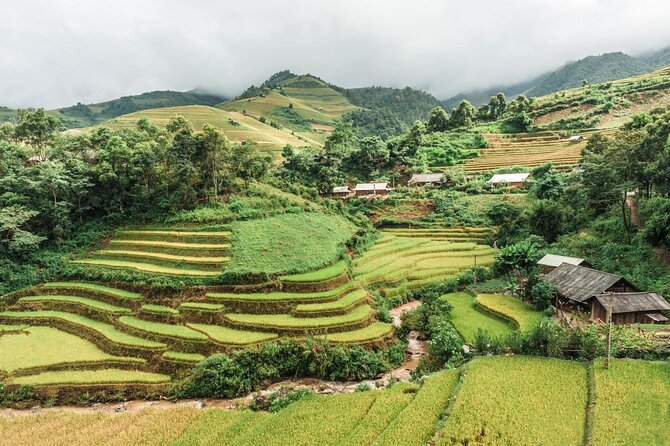
- 5 villages across Hmong, Giay, and Red Dao areas with cultural guidance along the way
- Ta Van rice terraces plus big mountain views toward Hoàng Liên Sơn
- Giang Ta Chai waterfalls and the Red Dao learning portion on Day 2
- Ban Ho and Nam Tùng for daily-life context and Red Dao village exposure
- Muong Hoa River walk on Day 4, described as easy but scenic
- One night in a homestay plus meals and village entry fees included
Entering Sapa Village Life: Y Linh Ho and Ta Van’s Terrace Views
Your day starts at 9:00 am at Sapa Church (the tour notes pickup near Sapa Town or by the church area, so plan to arrive a few minutes early). After a short welcome and intro, you head out on foot. One of the first route details I appreciate is the early downhill stretch—your guide takes you about 2 km down to the Cat Cat road area before continuing on to the village part of the route. That sets a steady rhythm: get moving, get oriented, and start seeing how Sapa’s valley communities connect to the main paths.
The first village stop listed is Y Linh Ho. Even if you’re not yet deep into trekking mode, this is where the trip becomes more than a viewpoint tour. You’re in village terrain from the start, and you’re guided through what you’re seeing—how daily work fits into the landscape of paths, fields, and houses.
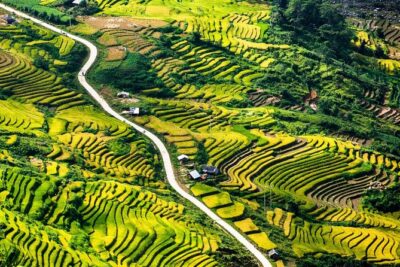
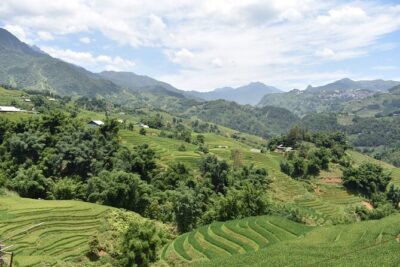
Then comes Ta Van Village, where the tour leans hard into what most people actually came for: big rice terrace scenes and wide mountain outlooks. The route description calls out the Hoàng Liên mountain view, and that matters because Sapa’s beauty can look different depending on where you stand. Up in terrace country, the steps of rice paddies read like geometry; from the right angle, you get both human-made agriculture and the mountain mass behind it.
Practical tip: Ta Van is a great time to slow down for photos, but don’t treat it like a stop-and-stare only moment. Ask your guide questions about how terrace farming works in the season you’re there. The tour is explicitly about culture and customs, and your questions are the fastest way to turn scenery into understanding.
More trails through the Sapa valleys
Day 2’s Giang Ta Chai Waterfalls and the Red Dao Learning Stops
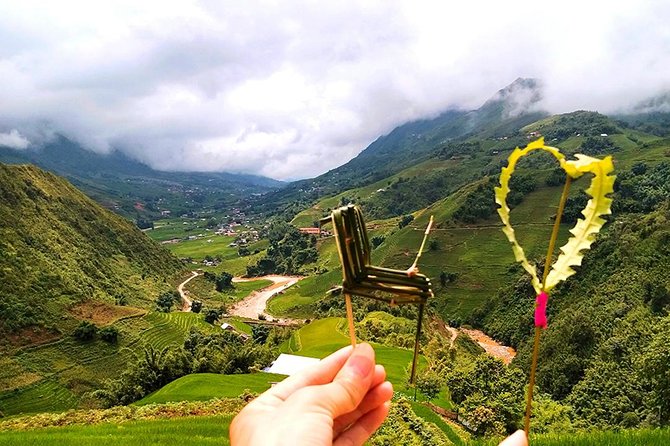
After breakfast, the Day 2 plan is to head uphill into the mountains toward the waterfalls of Giang Ta Chai. This is the day where your legs may feel the climb more than the scenery. It’s also the day that shifts the tour from “see the villages” into “learn what makes them work.”
Once you reach the waterfalls area, the tour description brings you into Red Dao areas with more detailed cultural education. The focus isn’t vague. The tour notes that you’ll learn about culture, customs, and traditions of Hmong, Giay, and Red Dao groups—plus specific examples like rice field work and house building techniques. On a trek like this, that’s valuable because you’re not just watching people live; you’re understanding why certain choices make sense in a mountain setting.
Giang Ta Chai also adds a natural pacing reset. Waterfalls create a natural pause point: you get that short visual break from relentless steps, and then you keep going with renewed energy. Even if you’re not a “waterfall person,” this stop gives you a sense of how water shapes the valley—streams, irrigation needs, and the way paths follow contours.
Possible drawback: waterfall-and-mountain days can be slippery in wet conditions. If you’re traveling in humid months, assume mud and wet stone. Bring shoes that handle traction and keep your pace controlled on steep sections.
Ban Ho Village, Nam Tùng, and How Daily Life Becomes the Point
On Day 3, you start with breakfast in Ban Ho Village, then continue walking about 3 km to Nam Tùng. That distance is useful to know because it’s short enough to stay comfortable for most travelers—especially after two days of acclimating to the terrain.
Ban Ho is where the tour turns into a deeper cultural exchange. The itinerary description is clear: you can learn about the Red Dao minority living in Nam Tùng. This is one reason I rate treks like this higher than simple scenic walks. Village visits work best when the guide connects what you’re seeing to real routines—how people build and maintain homes, how they work fields, and how community life is structured around the seasons.
The tour overview also calls out learning topics like:
- Hmong marriage traditions
- rice fields and work routines
- work and house building techniques
Even though those topics are mentioned as part of the overall cultural program, you’ll usually feel them in the way your guide talks through village scenes. When you see houses and work areas, it’s easier to understand traditions because the explanations have a physical setting.
How to get more out of Ban Ho and Nam Tùng: be curious but keep it respectful. If you want photos, ask first. If a family shares something, don’t rush to a new question every 10 seconds. Let your guide finish the story, then follow with one thoughtful question about daily practice.
Also, remember the tour includes a homestay night (only one night is listed). That means the Day 3 portion is the last major push before your overnight village experience, so bring a calm, flexible attitude. The homestay can feel more memorable when you’re not exhausted in a bad way—pace yourself.
Day 4’s Thanh Phu to Ban Ho: The Muong Hoa River Wind-Down
Day 4 starts with a filling breakfast, then you walk from Thanh Phú back to Ban Ho on a different route that follows the Muong Hoa River. The tour description explicitly calls this an easy but beautiful route for winding down from the last day.
This is a smart design element. By day four, your body has a rhythm and you’re probably more confident on the terrain. A river route also changes the visuals: instead of constantly scanning steep field slopes, you can track water, trees, and the valley’s wide line. Even when the walk is easy, it still feels like you’re moving through the real Muong Hoa valley rather than just doing repeats of earlier paths.
And because you return by transport to Sapa after the trek ends, this day is also your final chance to slow down and absorb the valley as a whole. Think of it as the trek’s closing chapter: you’ve learned how people live, you’ve seen terrace agriculture, you’ve reached waterfalls, and now you get the gentle payoff of the river corridor.
The Homestay Night and Meals: What’s Included, What You Should Plan
This package includes homestay accommodation for 1 night, and it also includes village entry fees, a local guide, and a set of meals. The meal counts are listed as:
- Breakfast: 3
- Lunch: 4
- Dinner: 3
It’s a good mix for a trekking schedule because you’re not guessing where your next meal will be mid-walk. Lunch included on all four days is especially helpful when trekking days run longer than you expect; you can keep your energy stable and avoid the end-of-day scramble.
The tour also includes one big bottle of water per person, which is helpful, but don’t treat it as unlimited. During warm weather, you’ll still want to drink frequently and top up if you can. The tour notes extra drinks at the homestay are not included, so it’s smart to bring your own hydration habits.
What to bring for a comfortable homestay night (based on the trek style):
- a light layer for evening (valley nights can feel cooler than midday)
- quick-dry clothes, because trekking days can leave you damp
- a small headlamp or flashlight if there’s limited lighting
- basic toiletries and hand sanitizer (not listed, so assume you’ll need your own)
Also, if you’re hoping to use a phone during the night: plan for inconsistent charging options. The itinerary includes a mobile ticket and modern logistics, but homestay setups can vary.
Worth a glance beside this Sapa pick:
- Number one top rated ethical cultural trekking and homestay by ETHOS★ 5.0 · 456 reviews
- Sa Pa Full Day Trekking Tour★ 5.0 · 414 reviews
- 1-day Authentik trek & Panorama valley views★ 5.0 · 189 reviews
Pace, Weather, and the Physical Reality of Sapa in Wet Months
This trek is labeled for travelers with moderate physical fitness, and the walking is real, not a gentle stroll. Your route includes downhill and uphill sections plus a 3 km stretch on Day 3. That’s not extreme mountaineering, but it is enough to make proper footwear a must.
Weather planning is non-negotiable here. The tour notes it requires good weather, and the cancellation terms say you’ll get a different date or a full refund if it’s canceled due to poor weather. That tells you the company treats conditions as part of the safety plan.
Temperature can surprise you. In the summer wet season, Sapa can feel around the low 20s Celsius while valley walking can feel closer to the low 30s. That means you can dress for cool mornings, then get warm quickly once you’re in the valley. My advice: layer up for start time, then be ready to shed a layer once you’re moving.
Bring:
- rain protection even if forecasts look decent
- sunscreen and a hat (valley heat is no joke)
- blister care if you’re prone to foot issues
- a small daypack for water and your rain shell
Pickup, Small-Group Logistics, and Why They Matter
The tour lists pickup offered and a mobile ticket, and it starts at Sapa Church. It also says the tour has a maximum of 15 travelers, which matters more than it sounds.
On a multi-village trek, bigger groups slow you down and increase waiting. A smaller group means you spend less time standing in lines and more time actually walking with your guide’s explanation pace. It also tends to make cultural moments easier—people can ask questions without feeling rushed, and the group can regroup smoothly after uneven sections.
Transport back to Sapa after the trek ends is included, so you’re not stuck figuring out the last leg after a full day. The end point is back at the meeting point, so you get a clear finish line.
Price and Value: Is $190 a Fair Deal for 4D3N?
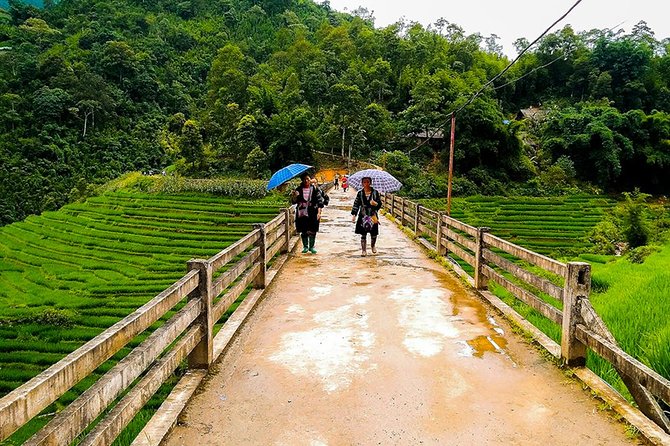
At $190 per person for 4 days / 3 nights, this trek is priced for what it includes: guided walking, cultural village access, meal support, one homestay night, and transport back to Sapa.
Here’s what pushes the value up:
- Village entry fees are included, so you’re not paying add-ons at each stop.
- Meals are largely covered (3 breakfasts, 4 lunches, 3 dinners).
- Accommodation includes a homestay night, which is a real cost driver in rural areas.
- A local guide is included, and the tour’s learning goals depend on that.
- Water is included (one big bottle per person).
Here’s what could be worth budgeting beyond the price:
- personal travel insurance is not included
- tips aren’t included
- extra drinks at the homestay aren’t included
So I’d call this a fair-value trek if you want structured cultural access plus an overnight village experience, and you’re not trying to DIY everything. If you only care about viewpoints and want to keep costs ultra-low, you might find cheaper options. But if you want the cultural learning portion without the stress of transport, bookings, and meal planning, $190 looks reasonable.
One more detail: the tour is typically booked about 97 days in advance on average. That’s a hint to plan early, especially if you’re traveling during peak seasons.
Who Should Book This Trek, and Who Might Prefer Something Else
I think this trek fits best if you:
- want a guided cultural experience in the Hmong, Giay, and Red Dao village areas
- enjoy walking with a plan (not a random wander)
- like Sapa’s rice terrace views and want them as part of a route, not just a single photo stop
- are curious about practical topics like house building techniques, rice field work, and cultural traditions such as Hmong marriage traditions
- prefer a small group trekking style
You might want a different option if you:
- have very limited mobility and can’t handle moderate uphill sections
- hate heat and wet conditions without the ability to layer and manage hydration
- expect a long homestay experience (this includes 1 night in a homestay, not multiple nights)
Also, the tour notes confirmation happens at booking time and you’ll receive details then. If you like clear communication, that’s a plus.
Should You Book the Muong Hoa Valley Trek & Homestay (4D3N)?
Book it if you want a balanced Sapa experience: terraces, waterfalls, village life, and a river walk—with meals and village entry fees handled. This tour’s structure makes it easy to spend your energy on walking and learning instead of logistics.
Skip it if you’re looking for a light, low-effort day trip. This is a trek with uphill and valley heat realities, and it expects moderate physical fitness.
If you do book, go in with the right mindset: ask your guide questions, dress for changing temperatures, and treat the homestay night as part of the culture you came to understand—not just a place to sleep.
FAQ
How long is the Muong Hoa Valley Trek & Homestay Experience?
The tour runs for 4 days (4D3N).
Where does the tour start and what time does it begin?
It starts back at Sapa Church and begins at 9:00 am.
What areas and villages does this trek visit?
The route includes visits connected to Y Linh Ho, Ta Van Village, Giang Ta Chai Village, and Ban Ho Village with a walk to Nam Tùng. The overall plan covers 5 different villages across Hmong, Giay, and Red Dao ethnic minority areas.
Is homestay accommodation included?
Yes. The tour includes homestay accommodation for 1 night.
What meals are included in the price?
Meals included are 3 breakfasts, 4 lunches, and 3 dinners.
Is transportation back to Sapa included?
Yes. Transport back to Sapa is included after the tour ends in the village areas.
Is a local guide included?
Yes. A local guide is included.
What is included besides guiding and homestay?
Included items list village entry fees, one big bottle of water per person, and admission tickets at the listed stops.
Is pickup offered?
Pickup is offered, with meeting linked to Sapa Town or Sapa Church area.
What is the booking and cancellation rule if weather is bad?
The tour requires good weather. If it’s canceled due to poor weather, you’ll be offered a different date or a full refund. You can cancel up to 24 hours in advance for a full refund.
More Hiking & Trekking in Sapa
More Tour Reviews in Sapa
More Sapa Treks We Walked
Latest Sapa write-ups from our team

Sapa Trekking Tours, compared.
 ★ 5.0Sapa 2 Days 1 Night From Hanoi – Overnight in Ta Van VillageFrom $592,669 reviews
 ★ 5.0Hanoi – Sapa 2 Days 1 Night Overnight At HomestayFrom $89899 reviews
 ★ 5.0Sapa: Fansipan Cable, Cat Cat Village & Moana Instagram TourFrom $30777 reviews
 ★ 4.8From Hanoi: 2-Day Sapa Trekking Trip with Homestay & MealsFrom $71704 reviews
 ★ 5.0Sapa 3 Days 2 Nights Trekking Tour (1 Night In Ta Van Village, 1 Night In Hotel)From $139699 reviews
 ★ 5.03-Day Trekking Adventure of Sapa from Hanoi – Stay Ta Van VillageFrom $109611 reviews
 ★ 4.82-Day Sa Pa Ethnic Homestay Tour & Trek with Limousine Bus440 reviews
 ★ 5.0Sapa 2 Days 1 Night From Hanoi – Overnight in HotelFrom $89440 reviews
Browse the lists this tour appears in