
Reviewed · SAPA TREKKING TOURS
Sapa 2 Days 1 Night From Hanoi – Overnight in Ta Van Village
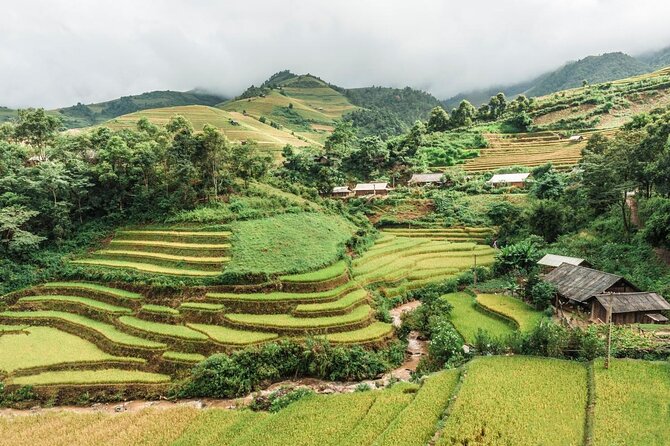
Sapa starts early, and it pays off. This 2-day hike around Ta Van turns a long Hanoi-to-mountains ride into an easy, guided route with standout rice-terrace views and village life. You don’t need maps or coordination—your guide handles the turns and the timing while you focus on the scenery and the people.
I like that the trip stacks the essentials together: meals and an overnight stay are included, with dinner after your first trek and breakfast prepared by the family in Ta Van. I also love the small-group format (up to 15) because you get real attention on the trail, especially when paths get slippery.
One consideration: the transportation is a big chunk of the experience. Plan for an early start and a long day in transit—some people feel the bus time is heavy, especially if you’re tired or don’t want a sleeper-bus style ride.
In This Review
- Key highlights at a glance
- A real Hanoi-to-Sapa transfer, not a DIY headache
- Day 1 hiking: Y Linh Ho, rice terraces, and Muong Hoa Stream
- The lunch plan in Sapa Town (and why it’s actually useful)
- Ta Van Village overnight: stilt bungalows, family breakfast, and real village time
- Day 2 trek: Giang Ta Chai, rice paddies photos, and bamboo forest views
- Sapa Town time on day 2: a short window to wander
- Price and logistics: why $59 can feel like a win
- Guides make or break the experience, and the names show it
- Who should book this Sapa 2D1N with Ta Van?
- Should you book? My take on the trade-offs
- FAQ
- How long is the Sapa 2 days 1 night tour?
- Where is pickup in Hanoi?
- What’s included in the price?
- What kind of accommodation is Ta Van Village?
- Do I need to be an experienced hiker?
- What should I bring for Sapa’s weather?
- Is there WiFi or an English-speaking guide?
Key highlights at a glance
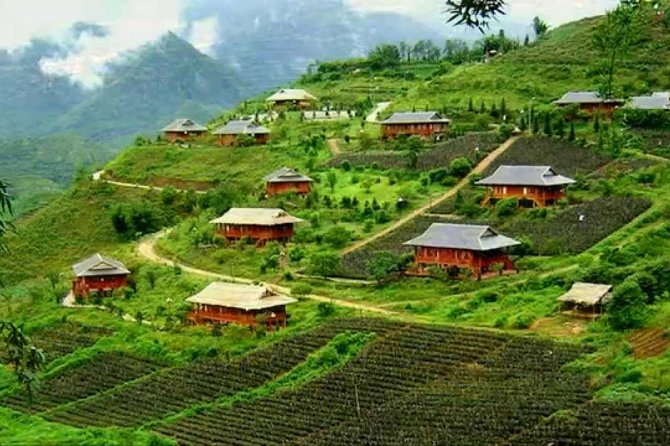
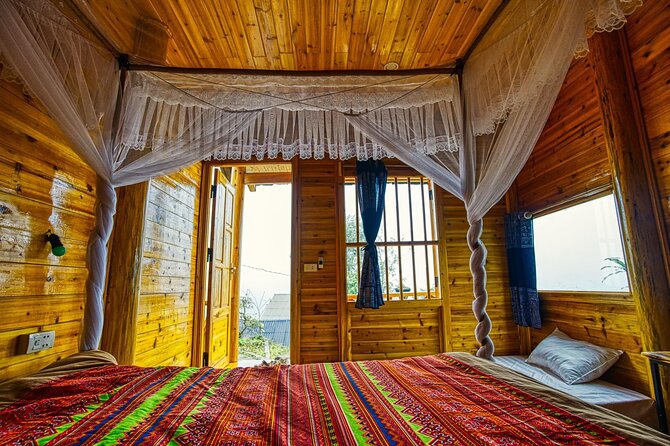
- Ta Van overnight in a bungalow/stilt house with simple, village-style lodging (dorm setup, 2–3 people)
- Guided trekking without getting lost, led by an English-speaking local guide
- Two full hiking mornings/afternoons with village-to-village routes through rice fields, streams, and bamboo
- Meals built into the schedule, including lunch stops and breakfast prepared by the family
- Smart luggage handling, with options to leave luggage on the bus and have it transferred during trekking
- Excellent value for $59, since you’re paying for transport + guide + meals + overnight, not just walking time
A real Hanoi-to-Sapa transfer, not a DIY headache
This tour begins the way most first-timers want: you’re picked up in Hanoi (hotel pickup is offered, especially around the Old Quarter/Hoan Kiem area) and moved onto comfortable transport. The ride is described as an air-conditioned bus, with WiFi on board and water provided on the bus for both directions, so you’re not stuck improvising snacks or drinks right away.
Timing matters here. You’ll depart early (there’s a morning pick-up window around 6:00–6:20 in the Old Quarter option), and you’ll likely hit Lao Cai with comfort breaks along the way. If your pickup isn’t exactly at your door, the operator says you’ll receive your pickup time/itinerary 1–2 days before—so check your email/message and don’t rely on last-minute guesses.
Practical tip: bring a small day kit for the ride and the first hike—warm layers, a rain layer, and any basics like water-resistant footwear socks. Sapa weather can shift fast, and the itinerary expects you to be ready when trekking starts.
More trails through the Sapa valleys




Day 1 hiking: Y Linh Ho, rice terraces, and Muong Hoa Stream
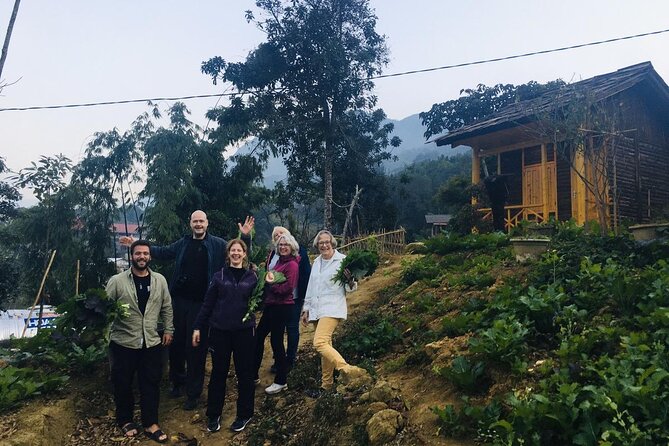
On the first day, you get into Sapa’s hiking zone right after lunch. You arrive in Sapa Town around 13:00, eat lunch at a local restaurant, and then start trekking around 14:30. The route is guided and designed to be scenic without you needing to think about directions.
You’ll hike through Y Linh Ho, then continue along rice terraces and beside the Muong Hoa Stream. The walk finishes at or near the path into Lao Chai, described as a Black Hmong village area with big views toward Hoang Lien Son Mountain. Even when you’re not making long speeches to the hills, this kind of guided day works because the trail has a story: terraces, streams, and village clusters are connected in a way you can actually follow.
What to watch for: the trail can get muddy. Sapa’s altitude and weather can mean fog or rain, and at least some guides respond by offering practical options like rain gear or route adjustments. If it’s wet, expect slippery footing, steep bits, and “slow down, step carefully” moments—even with a guide who knows the best way through.
The lunch plan in Sapa Town (and why it’s actually useful)
Lunch is included once you reach Sapa Town, and it’s not just a random stop. The schedule has you arriving mid-afternoon on day 1, then eating at a local restaurant with your guide before you start the hike.
That matters for value and energy. A lot of “budget” tours undercut this with food you don’t trust or timing that leaves you starving. Here, lunch is built in so you can move on with enough fuel for the first long stretch and still make it to your village overnight.
If you’re sensitive to food needs, tell the operator in advance. The info explicitly says to advise them if you’re vegetarian or have special requirements, which is something you’ll be glad you did when you’re tired and don’t want to negotiate meals on the go.
Ta Van Village overnight: stilt bungalows, family breakfast, and real village time
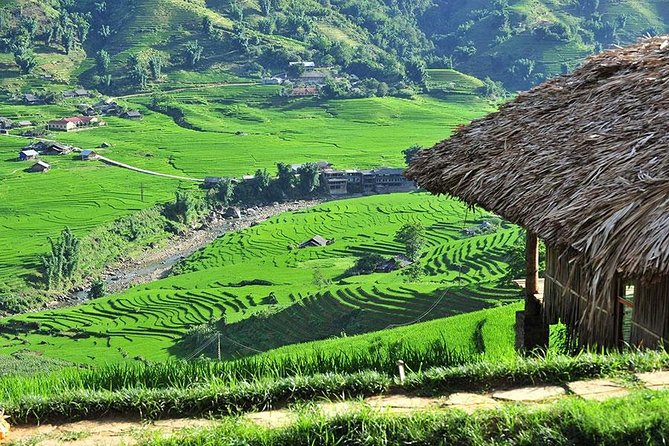
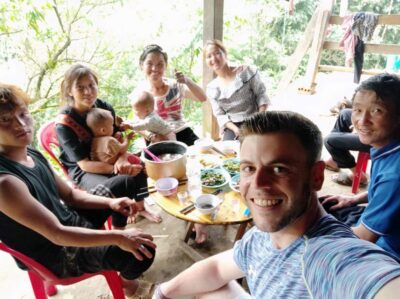
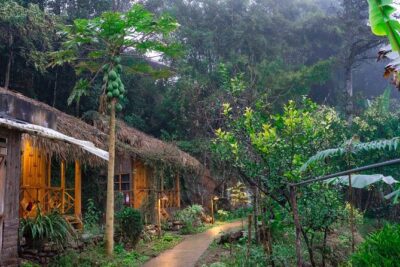
Ta Van is the reason many people book this exact format: you get an overnight in a hill-tribe village style bungalow/stilt house. Lodging is described as dorm-style, with a room policy of 2–3 people per room. Don’t expect a modern hotel setup, but do expect a more grounded sense of daily life in the Sapa countryside.
Dinner is included on day 1, and the next morning you’ll start with breakfast prepared by the family at around 08:00. That family-cooked start is more than a box to tick. It sets the tone for the second trek because you’re already part of the village rhythm—eat locally, then head back out on foot.
A few reality checks that help you calibrate:
- Some groups mention electric blankets, which is comforting because the provided info warns Sapa can be cold (especially several months in the cooler season).
- Showers may or may not be like what you’re used to in big cities. The important thing is that the overnight experience is simple and focused on the village setting.
- Lodging quality can vary by what’s available. One common downside in the feedback is that “higher” accommodation descriptions don’t always match what people imagined. If you’re picky about comfort, keep your expectations aligned with rural stays.
Packing advice isn’t optional here. The tour info stresses warm clothes, a scarf, hat/cap, and good trekking shoes. It also mentions fog and unpredictable weather at altitude in cooler months—so a warm layer is your best “insurance.”
Day 2 trek: Giang Ta Chai, rice paddies photos, and bamboo forest views

Day 2 starts with a shorter reset, then gets you back on the trail. After breakfast, you’ll hike again around 08:45 toward Giang Ta Chai Village.
You’ll walk through rice paddies, and the schedule includes a photo session with wide views of the surrounding mountains and fields. Then the route continues through a bamboo forest, with a stop for a panorama view. This is where the second day often feels different from day 1: day 1 leans into terraced pathways and stream-side hiking, while day 2 adds more forest shade and “turn and look” moments.
If the weather changes, your guide should be able to adjust pacing. Some guides offer options when conditions are muddy or wet, and you’ll be grateful for that if your group includes slower walkers. The tour is described as “most travelers can participate,” but in real life, steep paths and slippery sections are still part of the experience.
Worth a glance beside this Hanoi pick:
- Hanoi Motorbike Tours Led By Women: Hanoi By Night Foodie Motorbike Tours★ 5.0 · 1,734 reviews
- From Hanoi: Ha Long – Bai Tu Long Bay 2-Day 1-Night Cruise★ 4.6 · 1,113 reviews
- Halong Bay Cruise 2 days 1 night from Hanoi included transfer★ 5.0 · 1,061 reviews
Sapa Town time on day 2: a short window to wander
After the second trek, you head back toward Sapa Town. Around 13:30, a van or car meets you and brings you to the bus station area where you’ll get your bus ticket. There’s then free time from about 14:00 to 15:00 to walk around Sapa Town or do some shopping.
It’s a small window, so focus on what’s practical:
- Buy water or quick snacks if you need them for the ride.
- If you want souvenirs, this is your slot.
- Bring cash. The info notes banking systems in Sapa sometimes don’t function well, and it also says US dollars and euros are accepted (along with Vietnam dong in the market sense).
Then you meet the group again around 15:00–15:30, and you’re set for the return timing as scheduled.
Price and logistics: why $59 can feel like a win

At $59 per person, the big question is what you’re really paying for. This isn’t just a hiking day. The included list covers:
- Round-trip transport between Hanoi and Sapa (including bus details and water)
- English-speaking local guide while you’re hiking in the Sapa area
- Meals (breakfast, dinner, plus lunches)
- Overnight lodging in a bungalow/stilt house (dorm setup)
- Insurance during the time using the bus
- WiFi on board
That’s a strong value bundle if you were planning these pieces separately. Many DIY trips end up more expensive once you add a guide, transport, and the overnight. Here, the “hard parts” are handled for you: route coordination, meal timing, and getting you to Ta Van for the night.
Where value can feel weaker is what’s not included. Drinks and personal expenses are separate, and travel insurance is not included in the base. If you’re the type who plans to buy drinks constantly or you expect hotel-level comfort, that’s where your total may creep up.
Also remember: this tour has a maximum of 15 travelers, and group size tends to be the hidden reason the trek feels smooth. Smaller groups often mean you’re not waiting for a crowd at each turn.
Guides make or break the experience, and the names show it
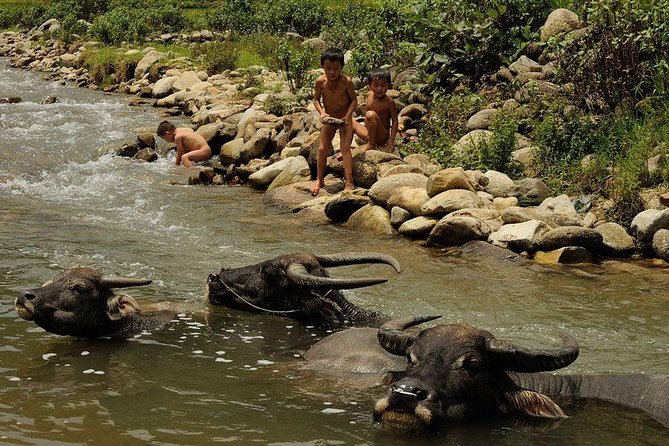
The tour’s biggest success factor isn’t the bus or the bungalow—it’s the people walking with you. The feedback includes several English-speaking guides (names you might be assigned include Pam, Cat, Su, Dao, Chang, Pang, Khu, Mu, May, and Zizi). Across those names, a consistent theme comes through: guides explain what you’re seeing and keep the group safe on real trail conditions.
In day-to-day terms, that means you’re not just moving from point A to point B. You’re learning the why behind the villages, and you’re getting help when paths turn muddy or steep. Some guides are also described as offering practical fixes like rain boots or ponchos when the weather makes things messy.
If you care about culture (not just photos), this is where the tour can feel especially worthwhile.
Who should book this Sapa 2D1N with Ta Van?
This is a great match if you want:
- A guided trek you can do without navigation stress
- A real overnight in a village, not just a day trip
- Meals included so you’re not hunting food after hiking
- A small-group format for easier pacing and questions
You might want to think twice if:
- You hate long transport days. Even at the “cheap but comfy” end, this includes meaningful Hanoi-to-Sapa time and early starts.
- You need flatter paths. The schedule includes hiking through terraced areas and village routes, which can mean steep or slippery sections.
- You’re expecting luxury lodging. The overnight is rural and simple by design, even when some descriptions sound more comfortable than what’s on the ground.
If you’re traveling solo, this kind of group format can be a solid way to meet other people while still having a guide keep the pace.
Should you book? My take on the trade-offs
I’d book this if you’re trying to see more than a quick Sapa stop. The Ta Van overnight plus two guided trekking blocks is where the value lives, and you get practical support from an English-speaking guide without needing to plan anything day-to-day.
I’d skip it if you only want a light stroll or if bus time will drain you. In that case, you’ll likely be happier with a shorter or more local option that reduces transit stress.
If you do book, pack for cold and mud: warm layers, a scarf, a hat/cap, trekking shoes, and insect repellent. Then show up with flexible expectations about village lodging and you’ll get a trip that feels grounded, guided, and genuinely worth the effort.
FAQ
How long is the Sapa 2 days 1 night tour?
The tour is listed as 2 days (approx.) with trekking on day 1 and day 2 plus travel time between Hanoi and Sapa.
Where is pickup in Hanoi?
Pickup is offered, and the info says you should provide your hotel name and address in the Hoan Kiem district for pickup arrangements. A morning bus option is also described from the Hanoi Old Quarter.
What’s included in the price?
Included items are listed as breakfast and dinner, lunch (2), 2 bottles of water per person on the bus, the air-conditioned transport, an English-speaking local guide in Sapa, buses with experienced drivers, WiFi on board, and a bungalow/stilt house for the night.
What kind of accommodation is Ta Van Village?
You’ll stay in a bungalow/stilt house (dorm). The room policy says standard 2–3 people per room.
Do I need to be an experienced hiker?
The info says most travelers can participate. The route involves trekking through village areas, rice terraces, and bamboo forest, so bring trekking shoes and be ready for uneven, possibly muddy paths.
What should I bring for Sapa’s weather?
Bring warm clothes, a scarf, hat/cap, trekking shoes, plus items like sun glasses, sun cream, and insect repellent. The tour info also notes fog can happen in cooler months.
Is there WiFi or an English-speaking guide?
Yes. The tour includes WiFi on board, and you’ll have an English-speaking local guide escorted in Sapa.
More Evening Experiences in Hanoi





More Tour Reviews in Hanoi





More Sapa Treks We Walked


Latest Hanoi write-ups from our team






Sapa Trekking Tours, compared.
 ★ 5.0Hanoi – Sapa 2 Days 1 Night Overnight At HomestayFrom $89899 reviews
 ★ 5.0Sapa: Fansipan Cable, Cat Cat Village & Moana Instagram TourFrom $30777 reviews
 ★ 4.8From Hanoi: 2-Day Sapa Trekking Trip with Homestay & MealsFrom $71704 reviews
 ★ 5.0Sapa 3 Days 2 Nights Trekking Tour (1 Night In Ta Van Village, 1 Night In Hotel)From $139699 reviews
 ★ 5.03-Day Trekking Adventure of Sapa from Hanoi – Stay Ta Van VillageFrom $109611 reviews
 ★ 5.0Sapa 2 Days 1 Night From Hanoi – Overnight in HotelFrom $89440 reviews
 ★ 4.82-Day Sa Pa Ethnic Homestay Tour & Trek with Limousine Bus440 reviews
 ★ 5.0Cat Cat Village, Moana, Fansipan Cable Car, Alpine Coaster – SapaFrom $30420 reviews
Browse the lists this tour appears in