
Sapa views are easier when you swap heavy trekking for a jeep. This off-the-beaten-path Sapa tour mixes major valley viewpoints with quieter village stops, so you see the Sapa magic without spending half a day on steep trails. I especially like two things: the chance to ride through backroads toward the Y Linh Ho viewpoint and the way the route leads you into everyday life at Lao Chai and Ta Van. One thing to consider: it runs on dirt roads and depends on good weather, so it’s not the right pick if you hate bumpy rides or changeable mountain conditions.
The pacing also feels smart for people short on time. Instead of just chasing one viewpoint, you get stretches of scenic driving plus longer village moments, guided by an English-speaking host who can explain what you’re seeing. In a small group (up to 12), you’re more likely to get real conversation than a rushed photo line.
If you’re coming to Sapa for rice terraces and ethnic culture, this is a strong value at $79 per person—because entrance fees and a few practical items are included. Still, you’ll want to budget for drinks and plan for personal expenses, since those aren’t part of the price.
In This Review
- Key things I’d watch for
- Off the Main Trekking Route: why this jeep tour works in Sapa
- Getting picked up in Sapa city and meeting your guide
- Muong Hoa Valley roads: the ride itself is part of the show
- Y Linh Ho viewpoint: where the mountain drama peaks
- Lao Chai: terraces you can actually walk beside
- Ta Phin and Hang Da: seeing daily work, not just sights
- Ta Van Village: ethnic culture context with Hmong, Day, and Dao
- What’s included (and what you’ll still need to pay for)
- Comfort, safety, and packing smart for 4.5 hours in the mountains
- Group size, pacing, and the value of the $79 price
- Should you book this Sapa jeep tour?
- FAQ
- How long is the A Glimpse Of Sapa Jeep Tour Off the Beaten Path?
- What is the price per person?
- Is pickup included?
- Is there an English-speaking guide?
- What’s included for rain and safety?
- Are village entrance fees included?
- Is the group size limited?
Key things I’d watch for
- Y Linh Ho mountain viewpoint time for big valley panoramas without a long hike
- Muong Hoa Valley driving that gets you past the usual tourist lanes
- Lao Chai and Ta Van village visits tied to how people actually live and farm
- Ethnic culture context in Ta Van (Hmong, Day, Dao) from your guide
- Small group size (max 12) for a calmer feel
- Rain gear included with a poncho and helmet if conditions turn
Off the Main Trekking Route: why this jeep tour works in Sapa
Sapa’s famous for rice terraces and ethnic villages, but the experience can fall into a pattern: one crowded trail, one big viewpoint, then back out. This jeep tour is built to break that rhythm. You still get the big sights, but you also spend time on quieter backroads and in villages that don’t always land on every standard itinerary.
The main idea is comfort with access. A 4.5-hour window (approx.) is long enough to see a full slice of the region, but short enough that you’re not forced into an all-day hike. That matters if you’re traveling with limited time, you want a day where your legs can recover, or you’d rather put your energy into photos and village conversations.
Also, the open-air feeling can help you read the terrain. In at least some departures, people describe riding in an open-top jeep at slower speed so you can see clearly and feel the fresh mountain air. Even if your specific vehicle differs, the goal is the same: you’re meant to actually look out, not just sit.
More trails through the Sapa valleys

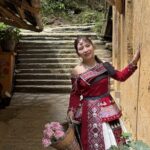
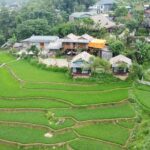
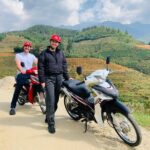
Getting picked up in Sapa city and meeting your guide
You start with pickup from Sapa City—either from your hotel or your meeting point—then meet your guide for a short briefing. That first touch matters more than it sounds. In Sapa, weather and visibility can change fast, and a good guide helps you understand what you’re walking into (literal and cultural), what to watch for, and how the day will flow.
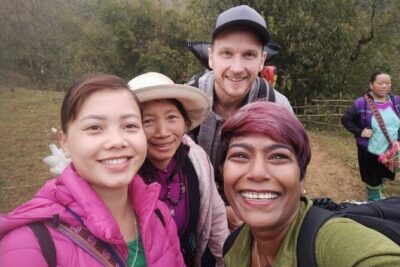
This tour is designed around English-speaking guidance, and you’ll get a guide who can connect what you see to daily life in the valleys. Some departures have featured guides with names like Tamay, May, LyLy, and Mr Vang, and their focus in the reviews is consistent: explaining local life and culture, not just reciting dates.
Group size stays small, with a maximum of 12 travelers. In practice, that tends to make the ride feel more personal: you can ask questions, and you’re less likely to feel like you’re stuck inside a marching line.
Muong Hoa Valley roads: the ride itself is part of the show
One of the best parts is that the scenery isn’t saved for later. After pickup and briefing, your jeep heads toward the Muong Hoa Valley and starts collecting viewpoints along the way. There’s time on the road—about two hours for the valley segment (approx.)—so you get both the movement and the pauses.
You’ll pass around the French colonial-style architecture area of Sapa before dropping into valley country. That shift is useful: it gives you an easy mental timeline of how Sapa looks different as you move from town to highland villages.
Then the route turns more rugged. The tour is specifically described as taking backroads and dirt roads, which is exactly what most people mean when they say they want off-the-beaten-path. The trade-off is that it can feel bumpy on uneven surfaces. If you’re sensitive to motion or you’re traveling with someone who needs a very smooth ride, it’s worth keeping expectations realistic.
Still, this is also why the views feel close. When you’re not blocked behind crowds or stuck on one main road, you tend to catch the valley in slices—mountain ridgelines, misty dips, and terrace edges that look different from one bend to the next.
Y Linh Ho viewpoint: where the mountain drama peaks
A big selling point here is the stop at the Y Linh Ho viewpoint, described as offering some of the most spectacular mountain views in the area. This is the moment people usually remember because it’s the widest view of the day: a chance to see how the valley folds and where the terraces fit into the bigger geography.
I like this kind of stop because it’s not just about standing somewhere scenic. It helps you understand scale. When you later visit terrace and village areas, you’re not looking blind—you know what direction you came from, what valley you’re in, and why certain paths connect the way they do.
For photos, aim for patience. In Sapa, mist can roll in and out. If the sky is clear, you’ll get crisp panoramas. If clouds sit low, you may still get a moody view—just don’t expect every picture to look like a postcard at the same moment.
Lao Chai: terraces you can actually walk beside
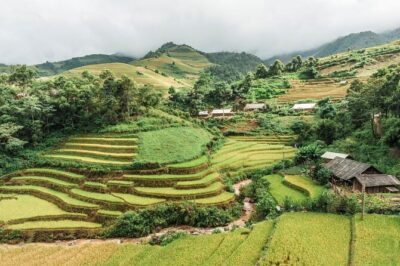
After the main valley driving, the day moves into village time, and Lao Chai is one of the key stops linked to Muong Hoa’s rice terraces. This is where you get the farming landscape up close, including terrace fields that many visitors come to Sapa for in the first place.
The value of Lao Chai in a jeep tour is simple: you arrive without burning your day on steep trekking. You can spend more time looking, asking questions, and taking in how terraces sit on the slopes rather than just seeing them from a distance.
If you’re hoping for a calm, guided walk, this is the segment to pay attention to. Reviews highlight enjoying a walk through rice fields and meeting people and farmland life rather than just rushing past houses. That’s also where a good guide earns their keep, because you’ll get more meaning from what you see—how terrace farming fits into local routines, and what matters to families living there.
Potential drawback: village routes can shift based on conditions and season. So even if you plan around expectations, keep a flexible mindset about exact walking paths and what’s happening day-to-day.
More seats in an open-top army jeep
- Full Day Sapa Jeep Open Air Jeep Off The Beaten Track★ 5.0 · 47 reviews
Ta Phin and Hang Da: seeing daily work, not just sights
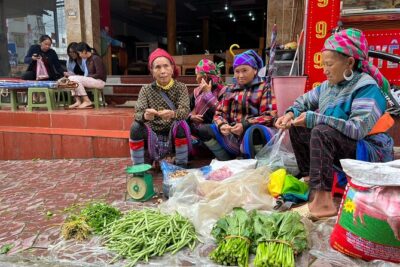
On the way toward the next villages, there’s a stop around Ta Phin and Hang Da. What makes this part interesting is that it’s not framed only as a photo stop. You may get to visit a school, watch people working in the fields, or—depending on the season—see a local family.
That flexibility is a plus for anyone who wants something more human than scenery. When you’re sitting with a guide who explains what you’re seeing, these small stops can turn into real insight: how children’s schooling fits into the rhythm of the valley, how field work shapes the day, and why certain areas look the way they do.
It also keeps the experience balanced. You’re not only in the big-territory, viewpoint mode. You’re also seeing the routine that happens when the visitors are gone.
Because this portion depends on what’s going on when you arrive, you shouldn’t expect the same exact experience every day. Still, if you like the idea of seeing daily life, this is the right kind of “in-between” segment.
Ta Van Village: ethnic culture context with Hmong, Day, and Dao
The final major village stop is Ta Van, where the tour highlights the presence of three ethnic minority groups: Hmong, Day, and Dao. This is one of the core cultural reasons to book this type of jeep tour rather than a viewpoint-only outing.
What you’re really buying is a guided context. The driver and guide can point out cultural differences you might not notice on your own—how families organize their space, what’s linked to farming and community, and how each group maintains its own identity within the broader Sapa region.
Reviews also underline the warmth of interactions when the day includes conversations with ethnic minority women and local residents, including Red Dao community members. Names that appear in positive feedback for guiding in this area include Tamay, May, and LyLy, and the consistent theme is that the guide talks about local life in a way that feels respectful and practical.
One practical note: cultural interactions can vary depending on timing and the flow of local life. If you’re hoping for a guaranteed, extended chat with specific community members, plan to be flexible. You’re there to observe and learn, not to control the day.
What’s included (and what you’ll still need to pay for)
This tour keeps the basics covered. Included items:
- Professional English-speaking tour guide
- Driver/easy riders and comfortable transport through the region
- Bottled water
- Rain poncho if it rains
- Helmet
- Entrance fees/tickets for visiting villages
Not included:
- Drinks
- Tips
- Personal expenses
I like this inclusion setup because Sapa weather can surprise you. Having a rain poncho and helmet on hand means you’re not scrambling. And entrance fees being handled helps you avoid the “what’s paid, what’s not” confusion in village areas.
If you’re someone who likes cold drinks on the road, bring extra cash. And if you’re the type who tips for good guidance, set aside a bit of budget. The ride is short enough that your money goes to experiences, not to expensive extras, but those small add-ons still matter.
Comfort, safety, and packing smart for 4.5 hours in the mountains
A jeep tour is easier than a long trek, but you’re still in a mountain environment. Expect cooler air, possible mist, and at least some dirt-road time. That’s why the included rain poncho is a real win.
Pack like you’re doing a half-day in the highlands:
- A light layer for cool air and wind
- A small day bag you can keep close while the jeep moves
- Closed-toe shoes if there’s any walking on uneven ground near terraces or village paths
- A phone with enough battery for viewpoint photos (power can be inconsistent if you’re away from outlets)
If you’re prone to motion sickness, consider motion-friendly habits (sitting toward the front and focusing ahead can help). The roads described as backroads and dirt tracks suggest there may be bumps.
Also, helmets being provided is a good sign for safety. You may not think about it until you feel the road under the tires, and then you’ll be glad it’s included.
Group size, pacing, and the value of the $79 price
Let’s talk value honestly. At $79 per person, you’re paying for:
- Transport that gets you beyond the main tourist loops
- A guide in English
- Entrance fees for village visits
- Water, poncho, and helmet
The price looks fair for Sapa because entrance fees and guided interpretation add up quickly if you try to DIY. And the small group size (max 12) helps you get more than “watch-and-go.” You’re not just being delivered to a few spots; you’re being guided through a sequence that makes the views and culture land together.
Is it the cheapest option? Probably not. But if you’re comparing it to a private tour, or to several separate paid stops, this feels like a practical mid-range choice.
The pacing also fits people who want to see more than one village without losing an entire day. You get the main valley driving, one or two key viewpoints, and village time—all within about 4 hours 30 minutes.
Should you book this Sapa jeep tour?
Book it if you want:
- Big mountain views like Y Linh Ho without committing to an all-day trek
- A guided day that mixes terraces with village culture
- A calmer group experience (up to 12)
- Included extras that matter in Sapa weather, like ponchos and helmets
Skip it (or think twice) if:
- You strongly prefer flat, smooth roads
- You’re okay with viewpoints only and don’t care about village life
- You’re traveling with someone who gets uncomfortable with rough dirt-road motion
If you’re trying to build a “Sapa highlights but still authentic” day, this jeep route is a smart pick. It’s not a long hike, and it’s not a fast photo drive either. You’ll get a full slice of Muong Hoa Valley and the people living around it—plus the kind of guide interaction that turns scenery into something you remember.
FAQ
How long is the A Glimpse Of Sapa Jeep Tour Off the Beaten Path?
The tour duration is about 4 hours 30 minutes.
What is the price per person?
The price is $79.00 per person.
Is pickup included?
Yes. Pickup is offered from your hotel or meeting point in Sapa City.
Is there an English-speaking guide?
Yes. The tour includes a professional English-speaking guide.
What’s included for rain and safety?
The tour provides a rain poncho if needed and a helmet.
Are village entrance fees included?
Yes. Entrance fees/tickets for visiting villages are included.
Is the group size limited?
Yes. The maximum group size is 12 travelers.
More Tour Reviews in Sapa
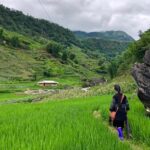
More Jeep Tours of Hanoi
More Sapa Treks We Walked
Latest Sapa write-ups from our team

Sapa Trekking Tours, compared.
 ★ 5.0Sapa 2 Days 1 Night From Hanoi – Overnight in Ta Van VillageFrom $592,669 reviews
 ★ 5.0Hanoi – Sapa 2 Days 1 Night Overnight At HomestayFrom $89899 reviews
 ★ 5.0Sapa: Fansipan Cable, Cat Cat Village & Moana Instagram TourFrom $30777 reviews
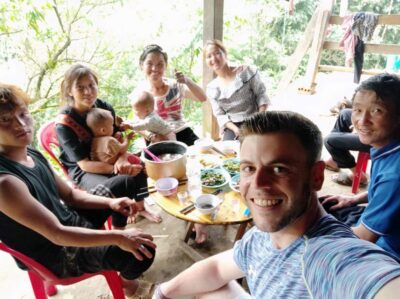 ★ 4.8From Hanoi: 2-Day Sapa Trekking Trip with Homestay & MealsFrom $71704 reviews
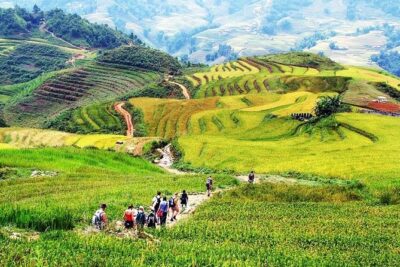 ★ 5.0Sapa 3 Days 2 Nights Trekking Tour (1 Night In Ta Van Village, 1 Night In Hotel)From $139699 reviews
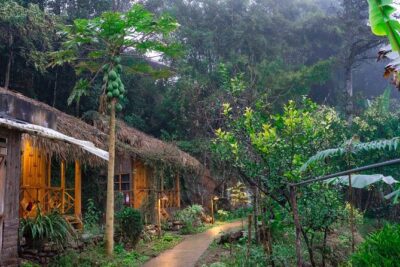 ★ 5.03-Day Trekking Adventure of Sapa from Hanoi – Stay Ta Van VillageFrom $109611 reviews
 ★ 4.82-Day Sa Pa Ethnic Homestay Tour & Trek with Limousine Bus440 reviews
 ★ 5.0Sapa 2 Days 1 Night From Hanoi – Overnight in HotelFrom $89440 reviews
Browse the lists this tour appears in