
Reviewed · SAPA TREKKING TOURS
1 Day Sapa Authentic Trekking ( off beaten track )
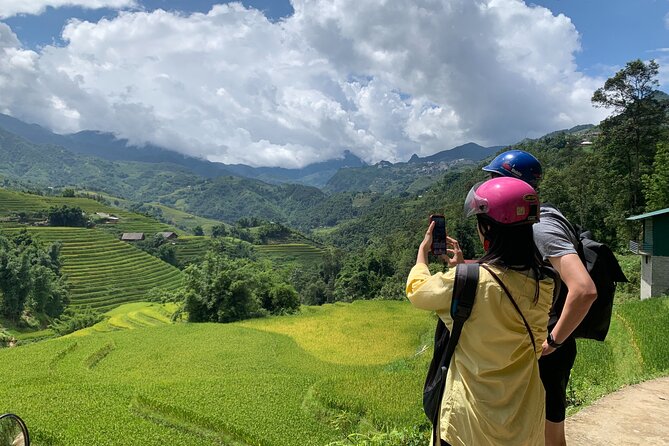
Rice terraces and quiet villages, on your own pace. I love this 1-day Sapa hike because it targets off-the-radar trails where the countryside still feels lived-in, not staged. You start at 9:00 am, walk through pine forest and terrace scenery, and end back at the meeting point in time for a proper Sapa dinner.
I also like that the price includes lunch at a local restaurant plus a guide and 0.5 liter of water per person. It’s the kind of plan that keeps you moving instead of hunting for food halfway through. One consideration: the trek can feel intense depending on the route you choose, so wear good shoes and be honest about your comfort level.
In This Review
- Why this 1-Day Sapa trek feels authentic instead of touristy
- Starting at 9:00 am: pine forest first, then village valleys
- Suoi Ho village: Hmong life, traditional houses, and terrace walking
- Giang Cha: valley panoramas before lunch restores your energy
- After lunch: corn fields, black limestone tones, and down-valley views
- Small-group feel and village time: what private really means here
- Guide style in Sapa: Mr Sinh and Ms Mu keep it friendly and useful
- Price and logistics: why $39 is good value when lunch is included
- Timing and comfort: a realistic look at 5 to 6 hours
- Should you book this Sapa authentic trek?
- FAQ
- How long does the Sapa authentic trekking last?
- What time does the tour start?
- Is lunch included, and is there water provided?
- What’s included in the $39 price?
- Is this tour private?
- Can you choose between easier and more difficult routes?
- What is the cancellation policy for a full refund?
Why this 1-Day Sapa trek feels authentic instead of touristy
This is the kind of day trip that’s built around walking to real village areas, not just taking photos and calling it a day. The route is designed for people who enjoy the outdoors and photography, with rolling hills, forest paths, rice terraces, and viewpoints that don’t feel crowded.
What makes it work is the mix of scenery and people. You’re not only looking at Sapa from above—you’re also getting time to meet locals in the hilltop areas and share a meal in a village-style setting. If you like travel that feels practical and grounded, this is the sweet spot.
The trek also stays focused on one day. That matters in Sapa, where weather changes fast and it’s easy to waste a half-day on the wrong plan. Here, you get a clear start time and a full walking loop that ends back where you began.
Starting at 9:00 am: pine forest first, then village valleys
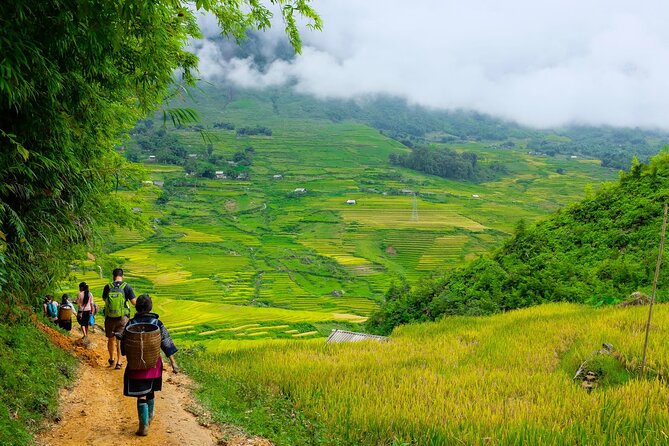
The day kicks off at 9:00 am, and that early start helps you get moving before the busiest hours. The first leg drops you down into a pine tree forest and toward the Suoi Ho valley area. Even if you’re not a hardcore hiker, the change in terrain is a big part of the experience—cooler forest air first, then open views as you work your way into the terraces.
Expect your guide to set the rhythm. On this kind of route, pace is everything because you’re switching between walking sections and short moments to look, ask questions, and take photos. A good guide also helps you notice what you’d otherwise miss: how the landscape is shaped for farming, and how villages sit in the hills.
If you’re prone to arriving “tour-ready” but not “shoe-ready,” take the day seriously. You’ll be on foot for roughly 5 to 6 hours, and the route can include steeper stretches. Bring water-focused habits too, because what’s provided is limited to 0.5 liter per person.
More trails through the Sapa valleys
Suoi Ho village: Hmong life, traditional houses, and terrace walking
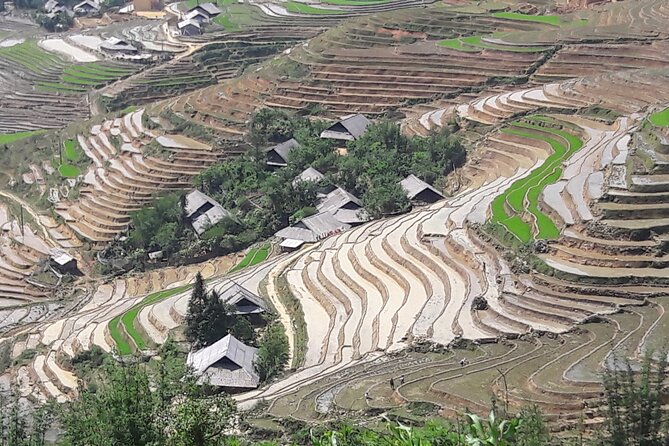
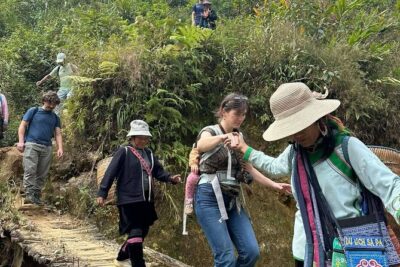
Suoi Ho is where the trek turns personal. You walk into the area of Hmong ethnic people and pass through a small valley ringed by rice terrace fields. This is one of the most interesting parts because it’s not only scenery—you get a chance to slow down and explore how daily life fits the land.
A key moment here is visiting a traditional wooden house. You don’t need a history degree to enjoy it. What makes it memorable is the chance to connect the house, the terrain, and the farming lifestyle in the same viewpoint. If you like photography, this is the time for patient shots—soft light, village textures, and terrace patterns all in one area.
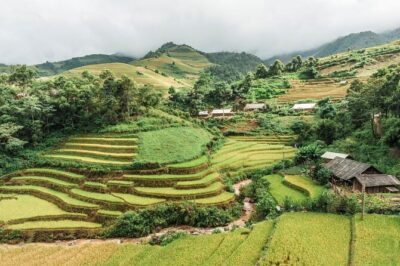
Then you cross through rice paddy scenery. Terrace paths give you constant visual variety: narrow footpaths, small bends in the fields, and layered views that change as you move. It’s the sort of walking that keeps your attention, so the hours don’t drag.
Giang Cha: valley panoramas before lunch restores your energy
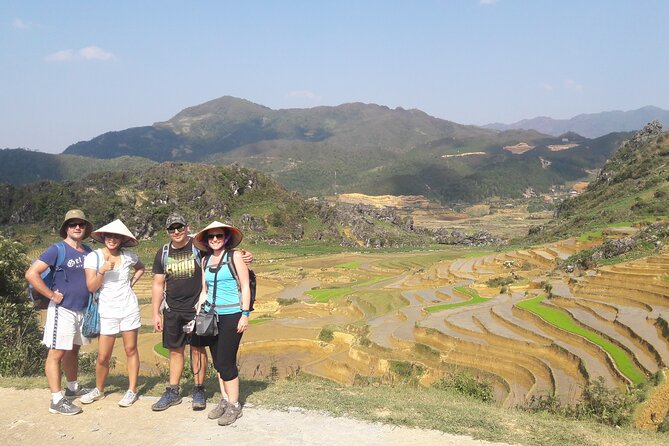
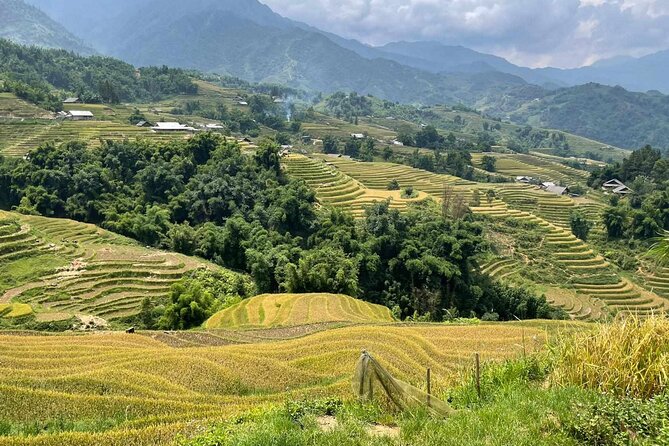
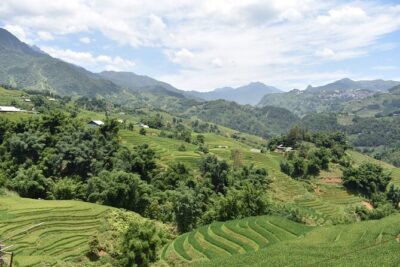
After Suoi Ho, the route continues toward Giang Cha, where the views open up. The area is known for a panorama of a small valley, and you’ll feel the difference right away as the landscape expands around you. This is a great spot for photos that show the “shape” of Sapa, not just one pretty frame.
You also get that classic trek timing: you’ve walked, you’ve looked, and then you settle into lunch before you go further downhill toward the next farmland areas. The lunch matters because it’s included, and it’s served at a local restaurant. That means you’re not stuck eating something random while everyone else waits.
One practical benefit: a village lunch breaks up the day emotionally. Walking through terraces can feel repetitive if you don’t get a reset, but a real meal at the right moment keeps the whole day feeling like one flow instead of a grind.
After lunch: corn fields, black limestone tones, and down-valley views
Post-lunch, the trek heads into corn fields and a striking area with black limestone in the background. This is one of those Sapa details that’s hard to describe until you see it. The dark stone contrasts with the bright crop colors, and the result is a more dramatic look than you’d expect from a “simple countryside walk.”
You’ll also keep moving down through farmland sections rather than only walking flat. That helps you feel like you actually traveled through the region instead of staying on the same kind of trail all day.
The route also includes stops through additional villages in the Ta Phin area, such as Lu Khau and Saxeng. The point isn’t a checklist of names. It’s that you’re passing through smaller communities that reflect how people live across the hills, with views and paths that match the way farming and settlement work.
Small-group feel and village time: what private really means here
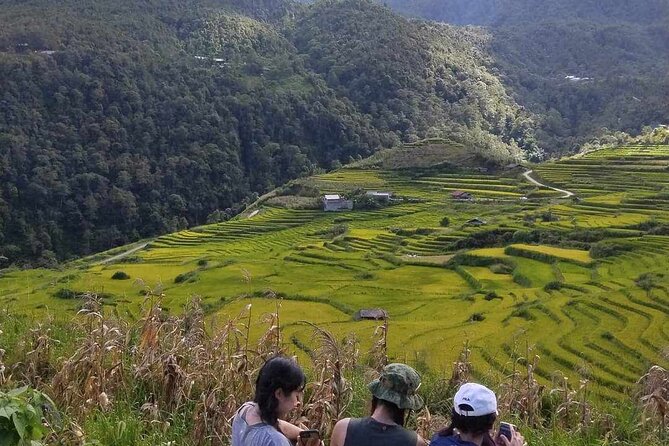
This is a private tour, meaning only your group participates. That changes the whole experience, especially on a trek. When you’re not constantly waiting for other people, you can pause when you want to—whether that’s to photograph something specific or to ask your guide a question without rushing.
It also means the guide can adjust pace. The route can be described as intense, and you may have the option of choosing between an easier and more difficult route. That’s a big deal because it lets you match the hike to your comfort, rather than forcing everyone into one trail style.
If you care about cultural interaction, private also helps. You spend more time with the people and less time “passing through” to meet a schedule. On a day like this, that makes the village visits feel less like a stop and more like a conversation.
Worth a glance beside this Sapa pick:
- Number one top rated ethical cultural trekking and homestay by ETHOS★ 5.0 · 456 reviews
- Sa Pa Full Day Trekking Tour★ 5.0 · 414 reviews
- 1-day Authentik trek & Panorama valley views★ 5.0 · 189 reviews
Guide style in Sapa: Mr Sinh and Ms Mu keep it friendly and useful
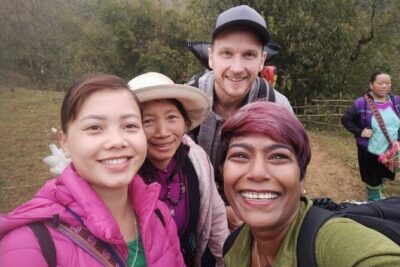
An English-speaking guide is included, and the guide’s personality matters a lot on a trek. The route has a reputation for guides who are friendly and direct—people like Mr Sinh, who’s praised for being welcoming and for sharing helpful context about Sapa and minority groups, and Ms Mu, who’s noted for not talking too much while still answering questions.
That balance is what you want on a walking tour. If a guide lectures constantly, you’ll miss the quiet details and lose photo time. If a guide is silent all day, you’ll feel disconnected. This setup tends to hit the sweet spot: explanations when they help, then walking and looking.
If you want to get extra value from the guide, bring questions about daily life, farming, and how people adapt to the terrain. You’ll get more out of the stops when you treat them like learning moments, not just sightseeing.
Price and logistics: why $39 is good value when lunch is included
At $39 per person, this day trek is priced to feel reasonable—especially because several “hidden costs” are handled for you. Lunch is included, as is a 0.5 liter bottle of water per person, plus the English-speaking guide time and the entrance fee. Transport by car from the village back to Sapa is also included, so you’re not stuck figuring out the last leg.
Also note that group discounts are part of the deal, and the booking uses a mobile ticket. Those details won’t change the scenery, but they can make the whole experience smoother—less time spent sorting logistics and more time spent outside.
What’s not included is also worth noting: tips, insurance, personal expenses, and soft drinks. In practice, that means you should plan on a little extra cash for extras like drinks beyond what’s provided. It also means you’ll want to think about your own comfort items—like sunscreen or any gear you prefer to bring yourself.
In terms of value, the big win is that you’re paying for a guided day in the countryside where the meal and the return transport are part of the package. For a one-day trip, that’s a practical way to avoid “paying twice” for basic necessities.
Timing and comfort: a realistic look at 5 to 6 hours
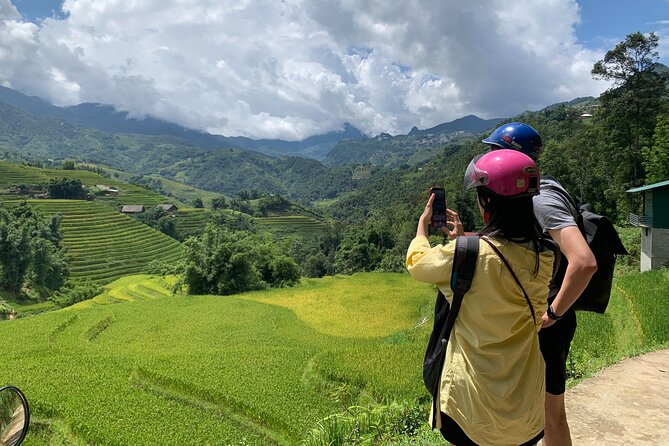
This trek runs about 5 to 6 hours, starting at 9:00 am. That’s a full day’s worth of activity without turning into an all-day endurance test, but it still counts as real walking. The route is described as intense by some people, so treat it as a hike, not a stroll.
Your best comfort strategy is simple:
- Wear shoes with grip and keep socks you trust.
- Dress in layers so you can adjust as forest shade gives way to open terrace light.
- Plan for the water you get (0.5 liter is included), and consider bringing extra if you know you drink a lot.
The good news is that private pacing helps. When you’re not negotiating a large group schedule, you can take short breaks and move with a rhythm that feels right for your body.
Finally, you end back at the meeting point. That keeps things clean. You’re not wondering how to get back after the walking is done, which matters when you’re tired and your phone battery is living dangerously.
Should you book this Sapa authentic trek?
Book it if you want a one-day hike focused on rice terraces, forests, and village areas that feel off the main tourist loop. It’s a strong fit for outdoor lovers and people who like photography that includes real textures—houses, paths, terraces, and hilltop life. I’d also lean toward booking if you prefer a private experience where the guide can answer questions without rushing.
Pass or adjust your expectations if you know walking intensity is an issue for you. The route can be intense, and while there may be easier vs. more difficult options, you’ll still be on your feet for 5 to 6 hours. If you’re unsure, ask your guide about the route difficulty you’ll take before you commit.
If you want a practical takeaway: this is not just a view day. It’s a walking day with lunch and local interaction built in. For $39, that’s a solid value plan—as long as you show up ready to hike.
FAQ
How long does the Sapa authentic trekking last?
The trek lasts about 5 to 6 hours.
What time does the tour start?
The start time is 9:00 am.
Is lunch included, and is there water provided?
Yes. Lunch is included, and you also get 0.5 liter of water per person.
What’s included in the $39 price?
The package includes an English-speaking guide, lunch, 0.5 liter of water per person, transport by car from the village back to Sapa, and an entrance fee.
Is this tour private?
Yes. It’s private, so only your group will participate.
Can you choose between easier and more difficult routes?
There is an option to choose between an easier or a more difficult route.
What is the cancellation policy for a full refund?
You can cancel up to 24 hours in advance for a full refund. If you cancel less than 24 hours before the start time, the amount paid is not refunded.
More Hiking & Trekking in Sapa
More Tour Reviews in Sapa
More Sapa Treks We Walked
Latest Sapa write-ups from our team

Sapa Trekking Tours, compared.
 ★ 5.0Sapa 2 Days 1 Night From Hanoi – Overnight in Ta Van VillageFrom $592,669 reviews
 ★ 5.0Hanoi – Sapa 2 Days 1 Night Overnight At HomestayFrom $89899 reviews
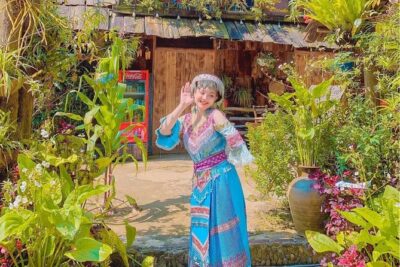 ★ 5.0Sapa: Fansipan Cable, Cat Cat Village & Moana Instagram TourFrom $30777 reviews
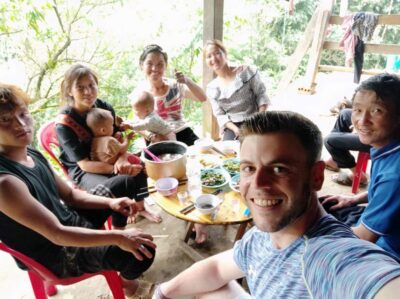 ★ 4.8From Hanoi: 2-Day Sapa Trekking Trip with Homestay & MealsFrom $71704 reviews
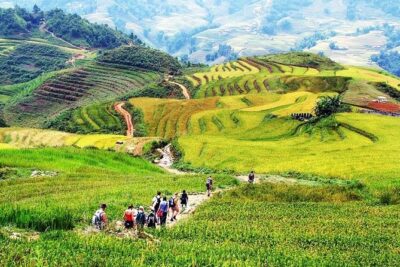 ★ 5.0Sapa 3 Days 2 Nights Trekking Tour (1 Night In Ta Van Village, 1 Night In Hotel)From $139699 reviews
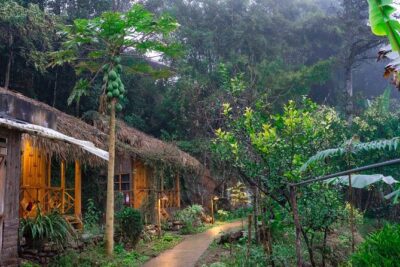 ★ 5.03-Day Trekking Adventure of Sapa from Hanoi – Stay Ta Van VillageFrom $109611 reviews
 ★ 5.0Sapa 2 Days 1 Night From Hanoi – Overnight in HotelFrom $89440 reviews
 ★ 4.82-Day Sa Pa Ethnic Homestay Tour & Trek with Limousine Bus440 reviews
Browse the lists this tour appears in