
Reviewed · SAPA TREKKING TOURS
Sapa: Fansipan Trek with Overnight Option (1 to 2 Days)
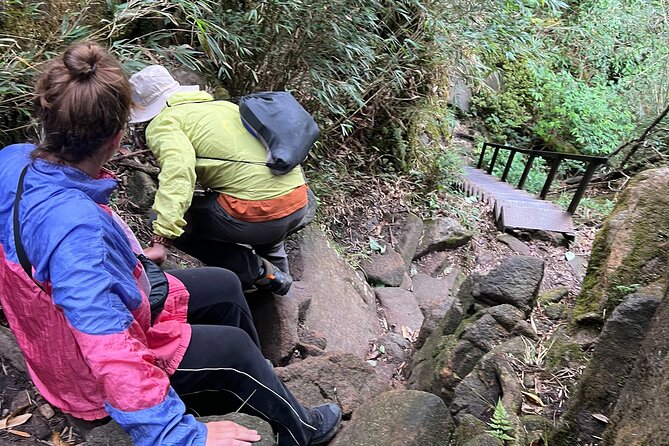
Fansipan is a serious hike with serious views. What I like most is that you get English-speaking local guidance with cultural context, and you can choose a one-day push or a calmer overnight option near 2800 meters with sunrise at the top. The summit itself sits at 3143 meters, so the main consideration is altitude plus the chance of weather changes.
If you’re worried about logistics, this trek is built to reduce stress: pickup in Sapa is offered, and the day is paced with clear hiking blocks (ascent and descent) rather than vague promises. Guides such as Tay and Pé are known for making the trail day feel organized, including handling key meal moments while you’re high on the mountain. On a long day, you’ll still want to be realistic about your legs and breathing—this is a trek, not a stroll.
In This Review
- Key points to know before you go
- Fansipan Summit and Sapa Scenery: What Makes This Trek Special
- One-Day Day Hike vs Two-Day Overnight: How the Rhythm Changes
- The 1-day option: long, focused hiking
- The 2-day option: easier altitude and sunrise at the top
- Tay and Pé Leading the Way: English Support and Cultural Context
- Price and Value: Why About $71.14 Can Still Feel Fair
- Your Day on the Trail: Timing, Summit Time, and Descent Realities
- The summit stop you can actually use
- Descent is often harder than you expect
- Lunch and drinks keep you steady
- How Fit Do You Need to Be for 2800–3143 Meters
- Transportation, Pickup, and Small Stress-Busters in Sapa
- Weather, Sunrise Timing, and Practical Expectations
- Who This Trek Really Suits (And Who Should Rethink It)
- Should You Book This Fansipan Trek with an Overnight Option?
- FAQ
- How long is the Fansipan trek?
- What altitude do we reach on this trek?
- Is there a one-day option and a two-day option?
- What meals and drinks are included?
- Do the guides speak English?
- Is pickup included in Sapa?
- How many people are in the group?
- What happens if weather is bad or I need to cancel?
Key points to know before you go
- One-day or two-day format: same goal (Fansipan), but the rhythm changes a lot between day hike and overnight.
- High-altitude payoff: summit elevation reaches 3143 meters with panoramic views over Sapa’s mountains.
- Meals are handled: lunch plus drinks on the one-day option; all meals and drinks included on the two-day option.
- Small group size: maximum of 20 travelers, which usually makes the hike feel more manageable.
- Summit access included: entrance fee and admission ticket are part of the trek time at the top.
- Weather matters: the experience requires good weather, with alternate date or refund if poor conditions cancel it.
Fansipan Summit and Sapa Scenery: What Makes This Trek Special
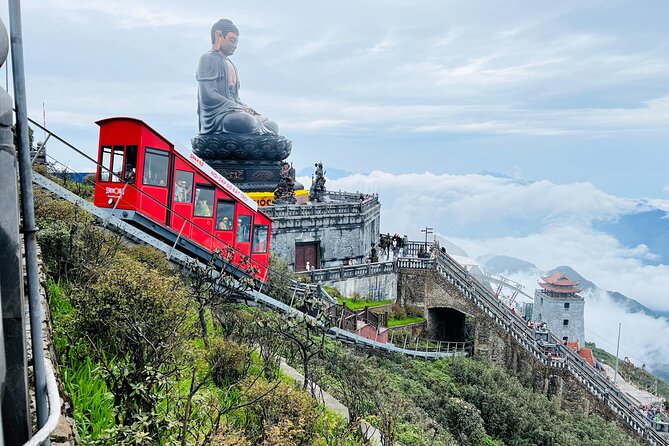
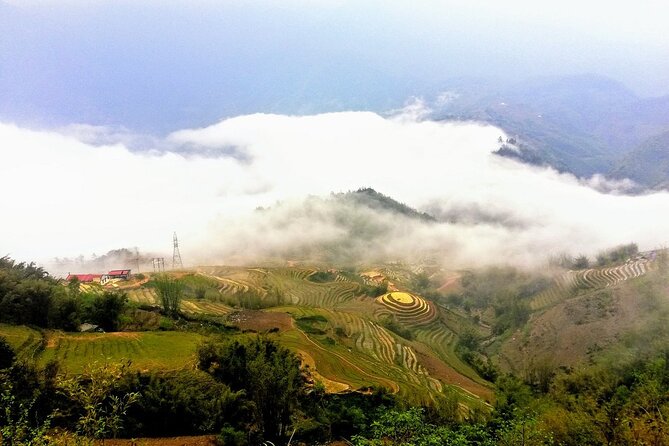
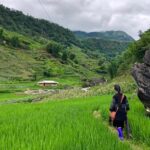
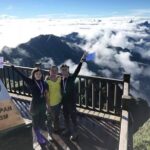
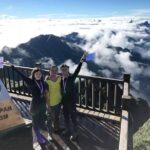
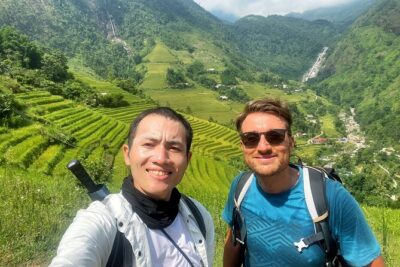
Fansipan is Vietnam’s highest peak, topping out at 3143 meters, and that number isn’t just trivia. It shapes everything: the air feels thinner as you go higher, the weather can shift faster than you expect, and the views become the whole point. On a clear day, you’re looking out over steep green mountains, bamboo groves, and classic Sapa-style rice terraces far below.
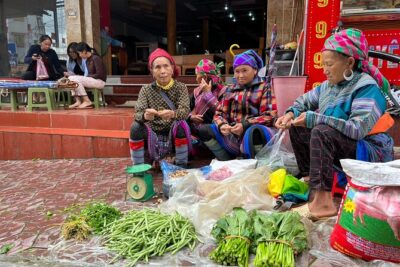
I also like that the tour frames the hike as both scenery and people. Your guide is there to explain what you’re seeing and how life works around Sapa, including Black Hmong culture. That matters because it turns the day from just walking uphill into something you can actually understand while you’re doing it.
One more detail I pay attention to: the pace is flexible. The one-day route is described as about 6 hours up and 6 hours down, but it can shorten or lengthen depending on the group and fitness levels. So if you’re not a fast hiker, you’re not forced into a rigid “run the whole mountain” schedule.
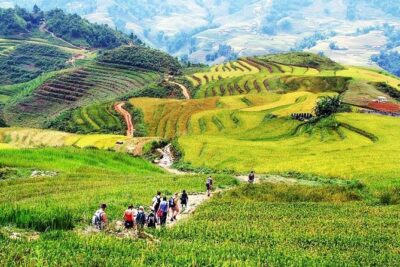
More trails through the Sapa valleys
One-Day Day Hike vs Two-Day Overnight: How the Rhythm Changes
You’ll choose between a 1-day summit attempt or a 2-day trek that sleeps high enough to catch sunrise.
The 1-day option: long, focused hiking
The one-day trek is built around two big blocks: around 6 hours for the ascent and around 6 hours for the descent. Lunch and drinks are included, so you’re not hunting for food at altitude. The practical benefit of this format is clarity: you know what you’re buying—one full day to get up and back down.
The trade-off is simple: you’ll be moving for most of the day. Even if the views are worth it (they are), your legs need to be ready for the full schedule. If you’re the kind of person who gets cranky after a long climb, consider the overnight.
At the summit, you get time to explore—about 30 minutes—and the entrance fee/admission is included.
The 2-day option: easier altitude and sunrise at the top
The two-day trek changes the experience in a smart way. You hike up to lodgings at about 2800 meters, then start again early the next day for sunrise at the summit before descending. Because you’re sleeping closer to the top, you’re less likely to feel like you got hit all at once by the altitude on day one.
This option also removes the pressure of racing against the clock. All meals and drinks are included, so your energy stays steady without you doing the math of what you’ll need to carry. And sunrise at Fansipan is the kind of payoff that makes the two-day format feel like more than just “same hike, later.”
Tay and Pé Leading the Way: English Support and Cultural Context
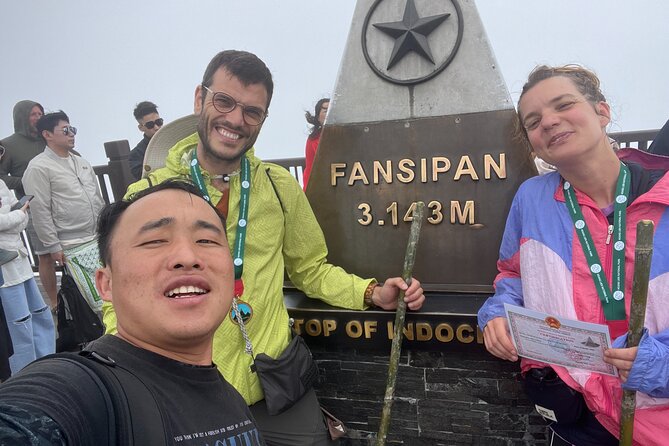
A great guide can make or break a mountain day. Here, you’re getting local guidance who speak English and explain what you’re seeing along the route, including aspects of Black Hmong life.
From the names that show up in the guide stories—Tay and Pé—there’s a clear pattern: they’re not just pointing and shrugging. People highlight that the guides take care of the small but crucial stuff: getting picked up on time, keeping the day organized, and managing key food moments during the hike.
For example, one of the guide notes mentions lunch being handled while up on the mountain. You may not think about this ahead of time, but it’s a big deal. The higher you go, the more annoying it becomes to deal with logistics. When your lunch is already planned, you can focus on steady steps and not on timing everything yourself.
More ways up Fansipan, on foot or by cable car
- 1 day Fansipan Trekking★ 5.0 · 180 reviews
- 2 Days Fansipan Trekking★ 5.0 · 84 reviews
- Mount Fansipan Hike 1 Day The Roof Of Indochina★ 5.0 · 28 reviews
Price and Value: Why About $71.14 Can Still Feel Fair
At $71.14 per person, this trek sits in the category of “budget-friendly for a summit experience,” but the best way to judge value is what’s included.
Here’s what you’re typically getting:
- Entrance fee and admission for the summit time
- Bottled water
- Lunch (and drinks) on the one-day option
- All meals and drinks on the two-day option
- Private transportation with pickup and drop-off within Sapa
- A mobile ticket for smoother access
Add those together and you start to see why the price can work. Many hikes look cheap until you factor in transportation, entrance fees, and food. This one builds those into the package.
The one thing to keep in mind is that you’re paying for a guided, organized trek, not a casual experience. If you want “easy,” you may find this physically demanding. If you want “high reward, organized day,” it can feel like good value.
Your Day on the Trail: Timing, Summit Time, and Descent Realities
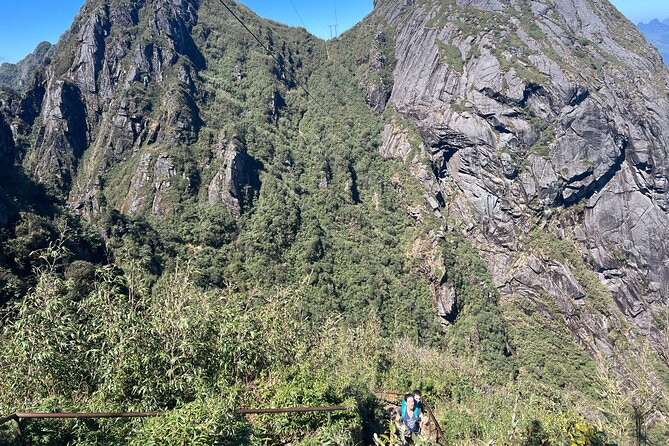
Even without fancy extras, the structure is what helps you succeed.
The summit stop you can actually use
The plan includes around 30 minutes at Fansipan. That’s short enough to keep the schedule moving, but long enough to do the two things that matter: pause for photos and take in the view before the descent begins. Once you start going down, your body will quickly switch from sightseeing mode to footing mode.
Descent is often harder than you expect
The route descriptions give you ascent and descent totals, but the real-world feeling of going down is different. Descending can be tough on knees and shins. So if you want to make the trek easier on yourself, think about pacing on the way up. You don’t want to sprint the first half and then pay for it on the way down.
Lunch and drinks keep you steady
Because lunch and drinks are included (one day) or all meals and drinks are included (two days), you’re not stuck guessing when you’ll eat. That helps a lot in a place where the hike can stretch depending on fitness levels.
How Fit Do You Need to Be for 2800–3143 Meters
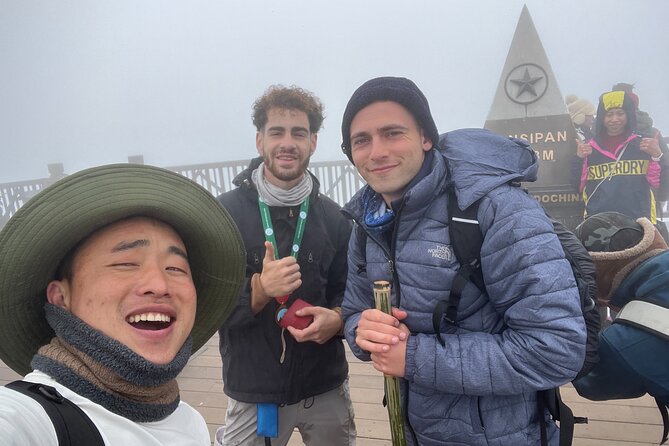
This trek is described as suitable for anyone aged 12 and above, and it says it caters to all fitness levels. Still, you should aim for moderate physical fitness, because “moderate” is not the same as “no problem.”
What moderate usually means on a hike like this:
- You can walk for hours with a steady pace
- You’re comfortable with uphill effort
- You can handle fatigue without needing to stop constantly
Altitude adds a twist. Even fit hikers can feel slower when the air thins. The overnight option helps, because you’re closer to the top when you start the sunrise morning.
Also note: service animals are allowed. If you’re traveling with an assistance animal, this matters because not every active mountain tour supports it.
Transportation, Pickup, and Small Stress-Busters in Sapa
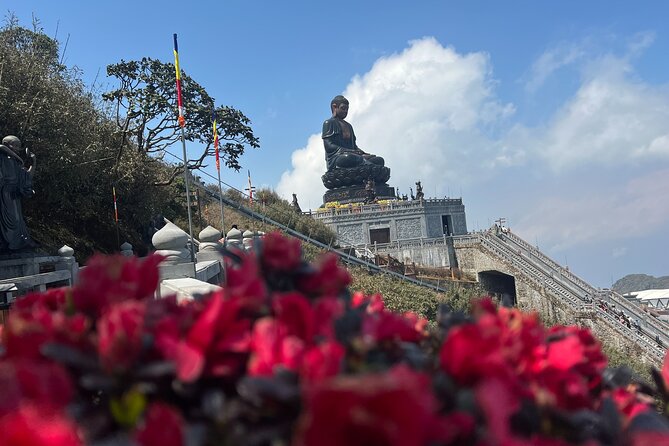
One thing I appreciate about this trek is that it doesn’t pretend you’ll manage everything alone. Pickup is offered, and the tour includes private transportation for pickup and drop-off to locations within Sapa. That matters because getting to the trail start on time can be the difference between a calm day and a rushed one.
You’ll also receive a mobile ticket, which is handy when you’re juggling a mountain timetable and don’t want to hunt for paper.
And with a maximum of 20 travelers, the group size stays small enough that the day feels more personal than like a factory line.
Weather, Sunrise Timing, and Practical Expectations
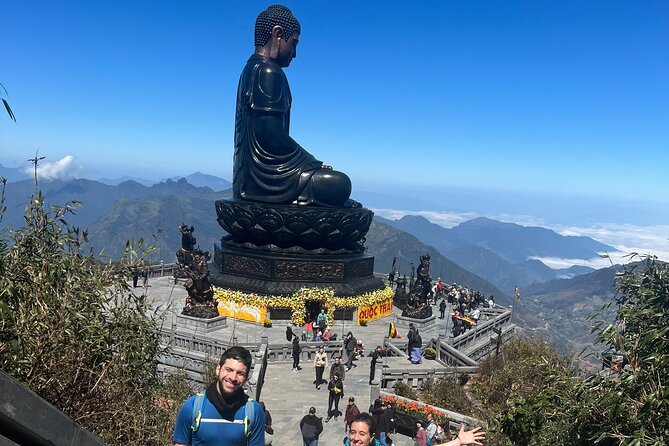
This experience requires good weather. That’s not filler. At this altitude, cloud cover, mist, and rain can affect visibility and comfort. If weather cancels the trek, you’ll be offered a different date or a full refund.
For your planning, treat the day like this: you’re buying time outdoors in a mountain environment, and Mother Nature gets the final say. Even on the best itinerary, you should be ready for a schedule shift.
If you want the best chance of clear views, prioritize the most flexible dates you can. It’s not about guessing the weather a week ahead—it’s about giving yourself options if the mountain has other ideas.
Who This Trek Really Suits (And Who Should Rethink It)
This is a great fit if you:
- Want Fansipan specifically, not just a generic Sapa trek
- Prefer guided hiking with English-speaking support
- Like the idea of learning about Black Hmong life while you walk
- Want a small-group experience (up to 20 people)
- Are deciding between one big day or a less punishing overnight plan
It might be a tougher match if you:
- Want a casual walk with minimal climbing
- Have a very low tolerance for long descents (your knees will feel it)
- Can’t handle weather uncertainty, even with alternate dates available
If you’re unsure, the two-day option often feels kinder because you’re not forcing the entire altitude jump in a single go.
Should You Book This Fansipan Trek with an Overnight Option?
My take: book it if you want a guided summit hike with food included and a plan that respects how altitude actually feels. The price becomes more reasonable when you account for entrance fees, transportation within Sapa, and meals—especially on the two-day schedule where all meals and drinks are covered.
Choose the one-day trek if you’re confident in long hiking hours and you want a single decisive day on the mountain. Choose the two-day overnight if you want sunrise, you’d rather sleep at 2800 meters than tackle everything from scratch, and you’d like the trek to feel less like a forced grind.
If your dates are flexible and you’re ready for a real hike, this is one of the more straightforward ways to do Fansipan without getting stuck on logistics.
FAQ
How long is the Fansipan trek?
The trek runs about 10 to 12 hours for the experience overall. The one-day version is described as roughly 6 hours up and 6 hours down, and timing can vary with fitness.
What altitude do we reach on this trek?
Fansipan’s summit is 3143 meters above sea level. On the two-day option, you hike to lodgings at about 2800 meters before the sunrise morning.
Is there a one-day option and a two-day option?
Yes. There’s a one-day trek and a two-day trek with an overnight stay near 2800 meters and sunrise at the summit the next morning.
What meals and drinks are included?
For the one-day option, lunch and drinks are included. For the two-day option, all meals and drinks are included.
Do the guides speak English?
Yes. The trek is guided by local guides who speak English.
Is pickup included in Sapa?
Pickup is offered, and the trek includes private transportation with pickup and drop-off to locations within Sapa.
How many people are in the group?
The trek has a maximum group size of 20 travelers.
What happens if weather is bad or I need to cancel?
The experience requires good weather. If it’s canceled due to poor weather, you’ll be offered a different date or a full refund. Cancellation is free up to 24 hours in advance of the experience start time.
More Tour Reviews in Sapa
To the Roof of Indochina: More Fansipan
More Sapa Treks We Walked
Latest Sapa write-ups from our team
Sapa Trekking Tours, compared.
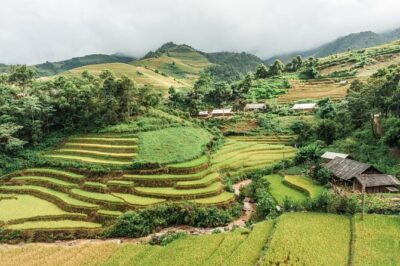 ★ 5.0Sapa 2 Days 1 Night From Hanoi – Overnight in Ta Van VillageFrom $592,669 reviews
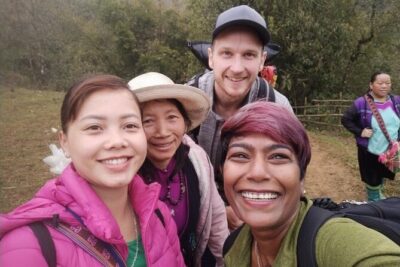 ★ 5.0Hanoi – Sapa 2 Days 1 Night Overnight At HomestayFrom $89899 reviews
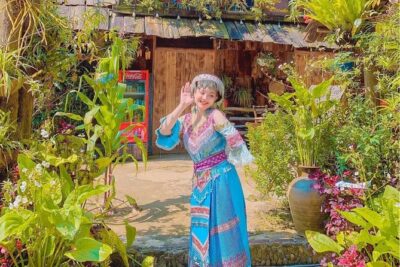 ★ 5.0Sapa: Fansipan Cable, Cat Cat Village & Moana Instagram TourFrom $30777 reviews
 ★ 4.8From Hanoi: 2-Day Sapa Trekking Trip with Homestay & MealsFrom $71704 reviews
 ★ 5.0Sapa 3 Days 2 Nights Trekking Tour (1 Night In Ta Van Village, 1 Night In Hotel)From $139699 reviews
 ★ 5.03-Day Trekking Adventure of Sapa from Hanoi – Stay Ta Van VillageFrom $109611 reviews
 ★ 4.82-Day Sa Pa Ethnic Homestay Tour & Trek with Limousine Bus440 reviews
 ★ 5.0Sapa 2 Days 1 Night From Hanoi – Overnight in HotelFrom $89440 reviews
Browse the lists this tour appears in