
Reviewed · HIKING & TREKKING
Mount Fansipan Hike 1 Day The Roof Of Indochina
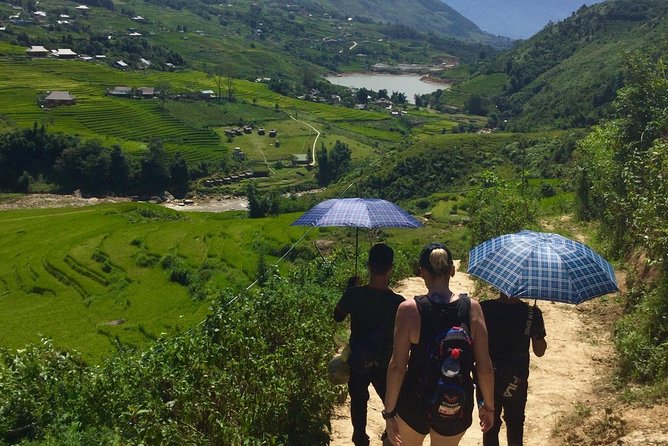
Start early, breathe cold air, and climb toward the highest peak in Indochina. This one-day Mount Fansipan trek is a real workout, but the payoff is huge: you’re going up to 3,143 meters and (when weather cooperates) you get views above the clouds. What I like most is the structure of the day, with lunch at 12:00 PM and a descent that’s timed to get you back by late afternoon, and the fact that it’s built for hikers who want a straightforward, guided route.
The main drawback to plan for is pace. One past experience noted a guide who felt rushed and didn’t explain much, so you may want to proactively ask for photo stops and clearer info if that matters to you.
In This Review
- Key Highlights You’ll Actually Feel
- Early-Morning Pickup: Getting From Sapa to Tram Ton Pass
- The 24-Kilometer Climb to 3,143 m: What the Trek Really Demands
- Pace and communication: ask early if you care about explanations
- Where You’ll Spend Your Time: Rolling Hills to Cloud Views
- Lunch at 12:00 PM: The Midday Reset You’ll Be Thankful For
- The Descent by 4:00 PM: Legs, Shoes, and Terrain Control
- What You Pay for at $185: Value, Not Just Price
- Packing for Fansipan: The Non-Negotiables for This Altitude Day
- Weather Matters More Than You Think
- Who This 1-Day Fansipan Hike Suits Best
- Book It or Skip It: My Decision Rule
- FAQ
- What time does the Mount Fansipan hike start?
- How long is the hike?
- How long is the trek?
- What altitude do you reach?
- What’s included in the price?
- What should I bring since snacks aren’t included?
- What happens if weather is poor?
Key Highlights You’ll Actually Feel
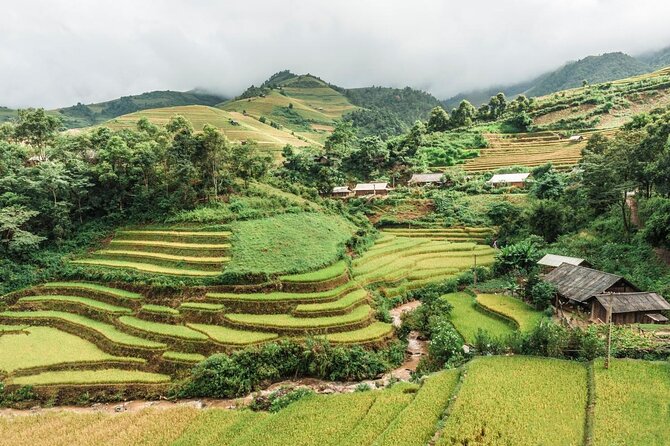
- 24 kilometers of hiking with higher-altitude terrain that makes this more than a casual walk
- Pickup from anywhere in Sapa and a return drop-off back at your starting point
- Summit altitude of 3,143 m, where the air turns crisp and conditions can change fast
- Lunch included at 12:00 PM, which helps you avoid the mid-hike hunger spiral
- Group size capped at 20, so you’re less likely to get swallowed by a huge crowd
Early-Morning Pickup: Getting From Sapa to Tram Ton Pass
Your day starts before the town fully wakes up. Expect pickup from anywhere in Sapa around 5:30 AM, with the hike beginning at Tram Ton Pass (the program indicates a 6:00 AM start time). This early head start matters because Fansipan conditions can flip quickly, and you want to be moving while the weather is still stable.
I like that the tour handles the big “logistics headache” for you: transport to the trailhead and then back again afterward. Even if you know Sapa well, getting to the start point on time is one less stress, especially on a day where you’re walking roughly 10 hours total.
You’ll also get a mobile ticket, and that’s a small detail that can save you time. Less time hunting paperwork, more time prepping your kit and getting suited up for altitude.
More ways up Fansipan, on foot or by cable car

The 24-Kilometer Climb to 3,143 m: What the Trek Really Demands
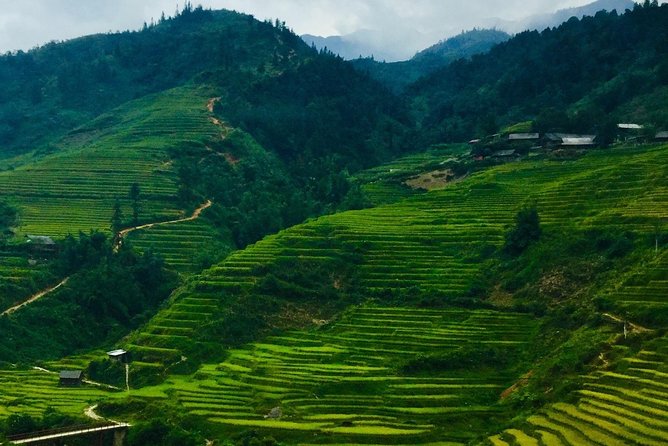
This is a one-day effort at real elevation. The route is about 24 km, and it’s described as changing terrain, especially as you climb higher. On a hike like this, the difference between doing well and feeling awful is rarely “motivation.” It’s pacing, footwear, and having enough to drink and eat.
The climb takes you through rolling hills before you reach the altitude where the air feels noticeably thinner. Once you get up around 3,143 meters, the views are the point. This is the highest mountain in Indochina, in the Hoang Lien Son range, and that matters because you’re not just getting a scenic lookout. You’re getting that sense of open sky above a cloud layer, where visibility can be dramatic on clear days.
Here’s my practical take: even if you’re fit, don’t treat this like a “see how fast I can go” day. You want steady effort. Higher altitudes punish rushing, and a rushed pace also increases the odds you miss the best stretches for photos and atmosphere.
Pace and communication: ask early if you care about explanations
One of the few weaknesses mentioned in feedback is that the guide can feel rushed and may not explain much. You can’t control weather, but you can control your own experience. If you want more context—how the terrain changes, what to watch for, where the best photo moments usually happen—ask within the first hour. That’s the time when you’ll get the most useful answers.
Where You’ll Spend Your Time: Rolling Hills to Cloud Views
Even without a formal “stop list,” you’ll recognize the day’s rhythm. It starts with movement across lower rolling terrain, then gradually shifts into steeper, more demanding sections as you gain altitude. This is exactly the kind of hike where your legs may feel fine early, then start asking questions later, so it helps to start conservatively.
As you climb, you’ll feel the temperature shift. The trek description calls out the crisp air above the clouds, and that’s the reality check: what felt like a light morning can turn into “add a layer” quickly. If you run hot, you still want something light you can pull on when wind and altitude kick in.
What makes this route special is that it’s not just about reaching a number on a map. You’re moving through changing terrain all day, and then the final high point gives you that wide-region perspective—forests and waterfalls are mentioned as part of what you can see from higher up. When you’re at altitude, details get big fast, and everything feels farther away.
Lunch at 12:00 PM: The Midday Reset You’ll Be Thankful For
Lunch is included, and it’s scheduled for 12:00 PM. I like this because it’s predictable. On a long hike, having a real break you can count on keeps your energy from dropping off a cliff.
Also, lunch timing is smart with altitude in mind. By late morning you’ll likely start feeling the climb. A midday meal helps you keep going without having to guess what you’ll eat later.
The catch is what’s not included: snacks aren’t part of the deal, and coffee or tea aren’t included either. That means lunch is your anchor, but you’ll still benefit from extra calories and water strategy. If you tend to get lightheaded when you’re active, don’t wait until lunch.
Worth a glance beside this Sapa pick:
- Number one top rated ethical cultural trekking and homestay by ETHOS★ 5.0 · 456 reviews
- 1-day Authentik trek & Panorama valley views★ 5.0 · 189 reviews
- 1 day Fansipan Trekking★ 5.0 · 180 reviews
The Descent by 4:00 PM: Legs, Shoes, and Terrain Control
After lunch, you head back down, finishing the descent by 4:00 PM and getting dropped off back near where you started. A timed descent is a blessing, because one-day hikes can stretch—especially if weather slows the group or you stop often for photos.
Still, descending is where people get tripped up. Your calves and knees work overtime. Even if you nailed your pace up, you’ll want to watch your footing on the way down and keep steps controlled. Good boots and traction matter more on descent than most people expect.
If weather is misty or rainy, the trail can feel slick and slow. Since the trek requires good weather, this is also one reason the operator builds in a return window.
What You Pay for at $185: Value, Not Just Price
At $185 for a one-day hike, you’re paying for a guided, high-effort experience with real structure. The money isn’t only for “a guide holding your hand.” It covers transport (pickup and return), bottled water, and lunch. That package matters when you’re hiking at altitude, because food and hydration add up quickly if you’re trying to manage it yourself.
The included items help you avoid the most common mistake on long hikes: showing up underprepared and then losing time scrambling for basics mid-route. Bottled water reduces the risk of running short early, and lunch at the scheduled time keeps your energy steadier.
What you still have to budget for or pack yourself:
- Snacks (not included)
- Coffee/tea (not included)
- Soda/pop (not included)
- Alcoholic beverages (not included)
So if you look at the price, think: you’re paying for reduced planning stress and fewer things to carry. But you’re still responsible for the gear that makes altitude walking possible—especially shoes/boots and weather protection.
Packing for Fansipan: The Non-Negotiables for This Altitude Day
The trek’s description is blunt about what you’ll need: proper clothing, boots/shoes, snacks, water supplies, rain gear, and sun protection like hats. That’s not marketing fluff. On Fansipan, altitude plus weather changes mean you can get both sun and mist in the same day.
Here’s what I’d prioritize in your bag:
- Footwear with grip. The route is uneven and challenging at higher altitudes, and descent is tough on the legs.
- Rain protection. Even if it looks fine at pickup, mountain weather shifts.
- Sun gear. Hat and sun protection help when the sky clears and wind dries you out.
- Extra snacks beyond lunch. Lunch is included, but you need energy for a long 24 km day.
- A water plan. Bottled water is included, but you may still want your own supplies depending on how you personally hike.
Also plan for layers. Crisp air is part of the deal near the top, and temperature change is one of the easiest ways to wreck your comfort.
Weather Matters More Than You Think
This experience is specifically described as requiring good weather. If it’s canceled due to poor conditions, you’ll be offered a different date or a full refund. That’s important because on a mountain like Fansipan, bad weather doesn’t just reduce views—it can make the hike less safe and less enjoyable.
The practical takeaway: don’t book anything tight right afterward. Even when you’re not canceled, weather can influence how you pace, how often you stop, and how clear the summit views end up being.
Who This 1-Day Fansipan Hike Suits Best
This hike is a fit for you if:
- You have moderate to high physical fitness and you want a real challenge
- You prefer a guided route with transport handled
- You want a one-day shot at the Roof of Indochina without committing to a multi-day itinerary
It may not be your best choice if:
- You’re looking for a relaxed stroll with long photo stops and lots of explanation
- You’re sensitive to altitude and long walking days
- Your schedule can’t flex if weather forces a change
One more note: group size is capped at 20. That keeps things friendlier and more manageable than very large hikes, and it helps if you want to speak up to your guide about pacing and stops early.
Book It or Skip It: My Decision Rule
Book this trek if you want the highest peak in Indochina in a single day, and you’re ready to work for it. The included bottled water and lunch, plus pickup/return from Sapa, make it a strong value for an organized altitude day. You’re also likely to feel satisfaction quickly because the day is built around a clear summit goal at 3,143 m.
Skip or reconsider if you need lots of interpretive guidance or a slow, flexible pace. One feedback point suggests the guide can be rushed and may not explain enough, so if that’s a big part of what you want from a tour, you may want to communicate your expectations early—or choose a different trek format.
If you go, go prepared. Bring your layers, plan your snacks, and treat descent like part of the challenge, not the end of it.
FAQ
What time does the Mount Fansipan hike start?
Pickup is scheduled around 5:30 AM, and the start time is listed as 6:00 AM.
How long is the hike?
The total duration is about 10 hours.
How long is the trek?
The trek length is about 24 kilometers.
What altitude do you reach?
You reach an altitude of about 3,143 meters.
What’s included in the price?
Bottled water and lunch are included.
What should I bring since snacks aren’t included?
Snacks are not included, so you’ll want to bring snacks and also plan your own water supplies. Rain gear and sun protection are important too.
What happens if weather is poor?
If the experience is canceled due to poor weather, you’ll be offered a different date or a full refund.
More Hiking & Trekking in Sapa
More Tour Reviews in Sapa
To the Roof of Indochina: More Fansipan
Latest Sapa write-ups from our team
Hiking & Trekking, compared.
 ★ 5.0Halong Bay Full Day with Kayaking, Hiking viewpoint, Cave – Deluxe To LuxuryFrom $38884 reviews
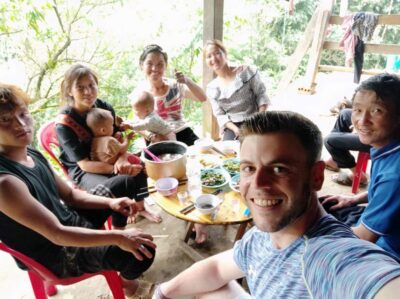 ★ 4.8From Hanoi: 2-Day Sapa Trekking Trip with Homestay & MealsFrom $71704 reviews
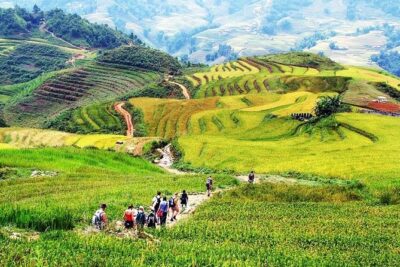 ★ 5.0Sapa 3 Days 2 Nights Trekking Tour (1 Night In Ta Van Village, 1 Night In Hotel)From $139699 reviews
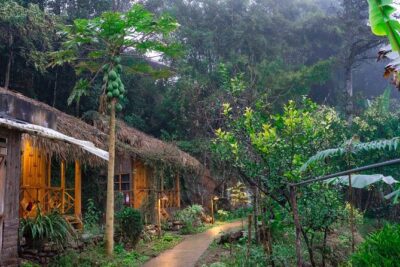 ★ 5.03-Day Trekking Adventure of Sapa from Hanoi – Stay Ta Van VillageFrom $109611 reviews
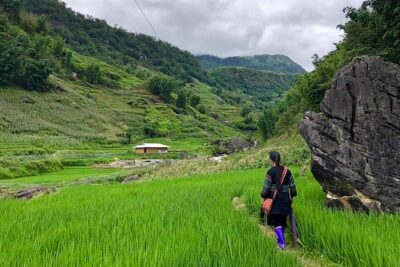 ★ 5.0Number one top rated ethical cultural trekking and homestay by ETHOSFrom $93456 reviews
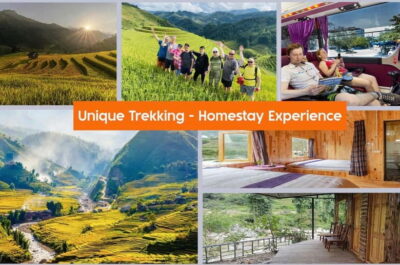 ★ 4.82-Day Sa Pa Ethnic Homestay Tour & Trek with Limousine Bus440 reviews
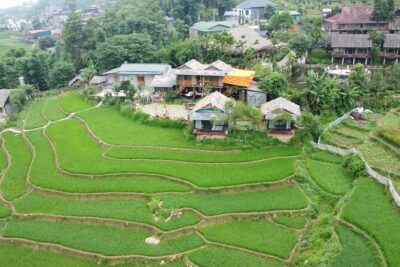 ★ 5.0Sa Pa Full Day Trekking TourFrom $25414 reviews
 ★ 5.0Hanoi – Sapa 3 Day 2 Night Trekking With Hotel & HomestayFrom $125389 reviews
Browse the lists this tour appears in