
Reviewed · SAPA TREKKING TOURS
Sapa Tour: 2-Day Fansipan Trekking
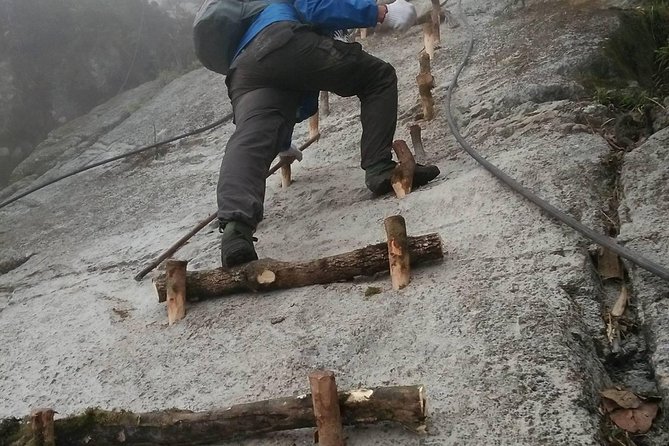
Clouds change fast on Fansipan. This 2-day trek out of Sapa uses a guided route up from Tram Ton, so you spend less time second-guessing and more time watching the mountain shift. I especially like the English-speaking guide setup and the fact the group stays together for the summit push.
What I like even more is the practical stuff that saves energy before you’re climbing: you’ll get breakfast, then transfers to the trail start, and a porter so you don’t end up hauling extra weight yourself. The plan also builds in time for a low-stress look at Sa Pa Town before you head up.
One thing to consider is the reality check: this is a high-altitude hike and it can feel cold and tiring, even when the itinerary is well organized. If you’re hoping for an easy alternative later, note that some people look at the cable car, but access can be limited by maintenance.
In This Review
- Key things to know before you hike Fansipan in 2 days
- Fansipan from Tram Ton: day one’s rhythm and what to expect
- Sa Pa Town time: why it’s worth having before you climb
- Overnight on the mountain: sleeping bags, hut life, and real comfort
- Summit push and the descent to Tram Ton: views, fog, and staying on track
- Guide style on Fansipan: English help, plus how to use it
- Price and value: is $136.65 fair for a 2-day guided Fansipan trek?
- Who should book this Fansipan 2-day trek (and who should skip it)
- Practical tips that make the trek easier on you
- Should you book this Sapa Fansipan 2-day trekking tour?
- FAQ
- What’s included in the 2-day Fansipan trekking package?
- Where does the trek start in Sapa?
- How long is the trek?
- What’s the group size limit?
- Do I need a passport?
- Is there a porter on this trek?
- Is hotel-style accommodation provided?
- What should I do about cable car plans?
- Can I cancel for a full refund?
Key things to know before you hike Fansipan in 2 days
- Guided summit navigation: an English-speaking guide keeps the route simple and reduces stress on a long day.
- Porter support: the trek is designed so you’re not stuck carrying everything yourself.
- Overnight mountain lodging: sleeping bags plus a hut/tent stay on the mountain help you avoid last-minute scrambling.
- Meals that actually matter: breakfast, dinner, two lunches, and 1.5L of water per person per day.
- Tram Ton start and return: the route is built around a clear up-and-down plan.
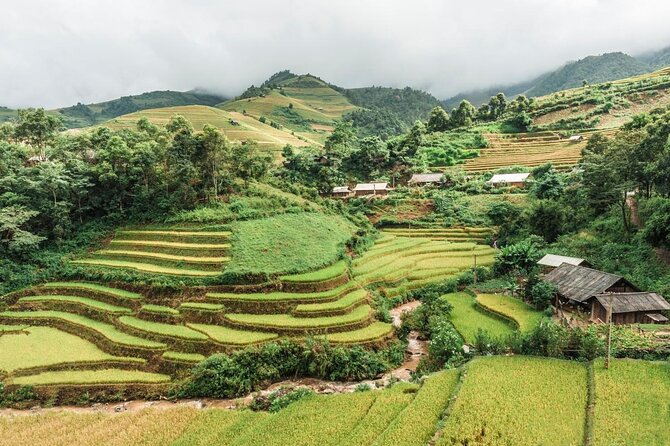
- Culture and nature stop included: you learn about the environment and the Indigenous tribes living on the mountain.
Fansipan from Tram Ton: day one’s rhythm and what to expect
Day one starts early in a way that makes sense for a mountain trek. You’re picked up either at Lao Cai station or your hotel in Sapa, you eat breakfast, and then you’re transported toward Tram Ton, the main jumping-off point for hiking.
Once you’re at the trail, the pacing is set up for “keep moving, don’t panic.” You’re not expected to problem-solve logistics. The guide keeps you on track, and because you’re in a small group (capped at 20), you get that middle ground: not lonely, not crowded.
The trek itself is also where the trip earns its name beyond exercise. You’ll get time to learn about the mountain environment and the Indigenous communities who live on it. That can be a refreshing change from tours that only show views and ignore the human side.
What can catch people off guard: altitude on a steep hike is not the same as a flat walk. Even if you’re fit, you may feel winded on the ascent. That’s normal. Take it steady and focus on breathing rather than speed.
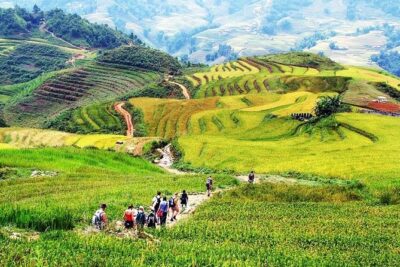
More trails through the Sapa valleys


Sa Pa Town time: why it’s worth having before you climb
Before the hiking day fully kicks in, the tour gives you a window to explore Sa Pa Town at your own pace. This matters more than it sounds.
When you arrive in Sapa, you’re often hit with sensory overload—fog, motorbikes, markets, and quick conversations in a language you don’t fully catch. A few hours to wander on your own means you can settle your brain first. You can also grab small essentials like warm layers or snacks so you don’t feel rushed on the trail.
Also, this isn’t just a “drop you off and go” situation. The tour structure is designed so town time feels like part of the trip, not wasted time waiting around.
Overnight on the mountain: sleeping bags, hut life, and real comfort
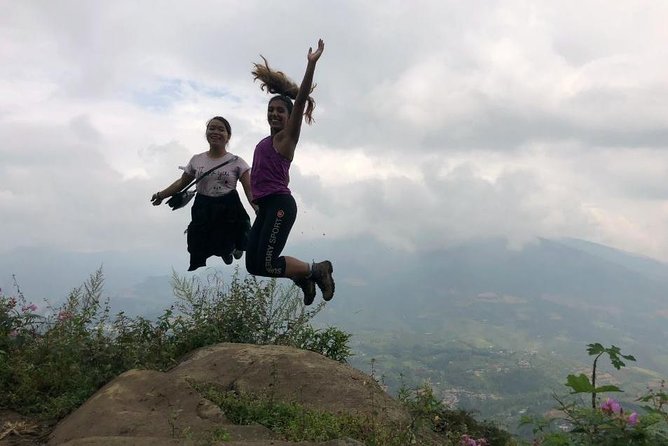
The overnight stay is one of the practical advantages of joining a guided trek like this. You don’t have to figure out where to sleep, how to access it, or how to coordinate gear at the last minute.
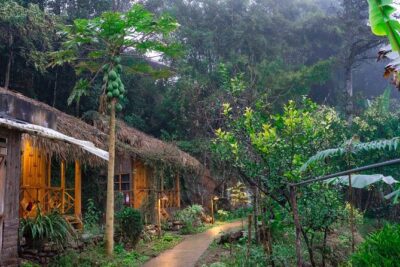
Included in your package is accommodation on the mountain, along with sleeping bags. The lodging is described as a hut or tent setup depending on conditions, and at least one visitor specifically described a shared wooden cabin with separate rooms. Either way, the goal is the same: get you onto the mountain and into rest mode without you hunting for a solution yourself.
Why it matters: after a long hiking day, sleep quality becomes part of your safety plan. If you can rest, you’re more likely to enjoy the summit day instead of just surviving it.
Comfort reality check: mountain nights can be cold. Bring layers you can sleep in, and don’t count on a warm “hotel blanket” feeling. The included sleeping bag helps, but you’ll still want to manage warmth with clothing.
Summit push and the descent to Tram Ton: views, fog, and staying on track
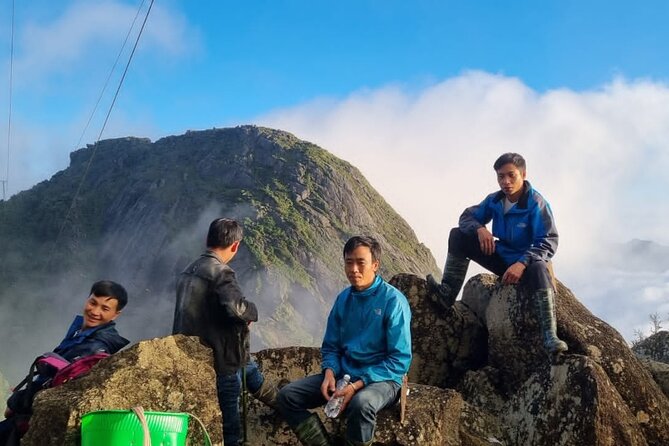
Day two is built around the main moment: you go up to the top, then return down to Tram Ton. That’s a simple promise, which is exactly what you want when you’re dealing with weather and fatigue.
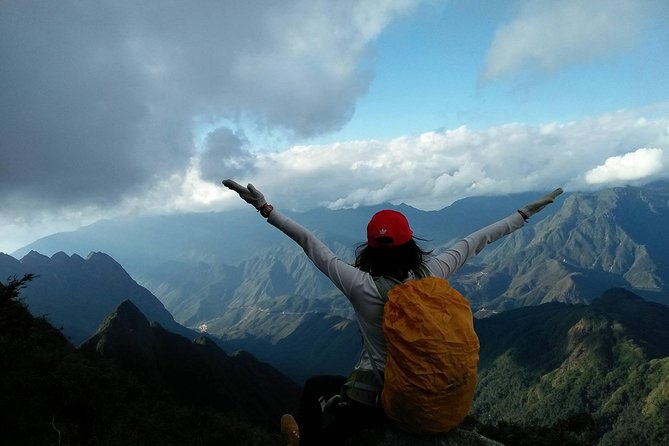
Fansipan is listed as one of the highest peaks in South-East Asia, and the tour summary notes it’s over 10,000 feet. At that altitude, the experience isn’t just about distance. It’s about exposure: wind, temperature changes, and cloud cover can turn the summit into something mystical.
One highlight from actual experiences with this trek is the fog at the summit. That can be disappointing if you think you’re guaranteed a clear panorama. But if you go in expecting changing weather, fog becomes part of the atmosphere instead of the enemy.
The descent is also handled for you. Since the tour returns you to Tram Ton, you’re not stuck figuring out trails or negotiating time limits. That guided structure is what keeps this feeling like an organized adventure rather than a DIY endurance test.
Small warning that saves frustration: some people hope to use the cable car on the way down, but cable car availability can be affected by maintenance. Since this trek already includes the return by hiking, I’d treat cable car as optional, not as your plan B.
Guide style on Fansipan: English help, plus how to use it
An English-speaking guide is included, and one named example is Mr Zi. One person noted his English was correct but that he wasn’t very talkative—so if you love a guide who tells stories every five minutes, you might want to set your expectations. That said, he also helped a lot, which is what matters when you need practical guidance on a mountain.
Here’s how to get the most out of any guide on a trek like this:
- Ask basic route questions early. Know what you’re aiming for each day.
- If you’re unsure about pace, say something before you fall behind.
- Use the guide as a weather translator: where conditions are changing and how that might affect you.
Also, learning about the environment and Indigenous tribes isn’t just “extra talk.” When the guide frames what you’re walking through, the trek stops being only a physical challenge. It becomes a sense-making walk through place.
More ways up Fansipan, on foot or by cable car
- 1 day Fansipan Trekking★ 5.0 · 180 reviews
- 2 Days Fansipan Trekking★ 5.0 · 84 reviews
- Mount Fansipan Hike 1 Day The Roof Of Indochina★ 5.0 · 28 reviews
Price and value: is $136.65 fair for a 2-day guided Fansipan trek?
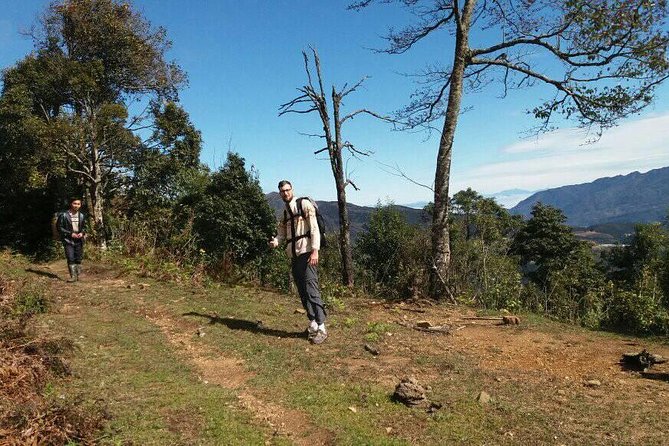
At $136.65 per person for about two days, this is priced like a mid-range guided mountain experience. The real question isn’t the number—it’s what you’re not paying for yourself.
This price covers a lot of built-in costs and effort:
- Round-trip transfers tied to Sapa train and bus stations
- Pickup options from Lao Cai station or your Sapa hotel
- National park permission and entrance fees
- An English-speaking guide
- All meals listed (breakfast, dinner, and two lunches) plus water
- Mountain accommodation with sleeping bags
- Transport to and from the trekking point
If you try to assemble a Fansipan trek solo, these pieces add up fast. Even if you find a cheaper guide, you often end up paying extra for permits, meals, and the overnight setup. Here, the package keeps the cost bundled and predictable.
One more value point: group size. With a max of 20, you’re not dealing with a massive herd. That matters on narrow trails and on summit timing, where crowding can affect your pace and comfort.
The main reason you’ll feel happy with the price is the reduction in decision-making. You show up, eat, hike, sleep, summit, and return—without a second set of logistics tasks hanging over you.
Who should book this Fansipan 2-day trek (and who should skip it)
This tour fits best if you want:
- A guided plan for a high peak without getting lost
- Porter support, so you don’t carry more than you should
- A structured pace with meals handled
- A chance to see the real mountain setting plus cultural learning
You might also like it if you’re traveling with a friend and want the safety of a group but still prefer a smaller tour feel.
Who should be cautious:
- If you’re extremely sensitive to cold, this may be harder than a warmer-season hike. The cold shows up in real experiences of this trek.
- If you’re looking for a gentle stroll, this is not it. It’s a real hike to and from the top, with a summit day that’s physically demanding.
That doesn’t mean it’s for experts only. It does mean you should train a bit and pack like you’re hiking, not sightseeing.
Practical tips that make the trek easier on you
You’re dealing with cold, altitude, and long effort. Here’s how I’d prepare based on what’s built into the trip:
Bring layers. Even if you think you’ll be warm while climbing, you can feel cold once you slow down or while waiting at viewpoints. Use a system: base layer, insulating layer, and a wind layer.
Plan for a tiring day. The summit push is demanding. Set your personal pace, not the pace you see others doing.
Use the porter, but travel light. Porter support is part of the design, yet you’ll feel better if you keep your own essentials minimal.
Stay hydrated. The tour includes 1.5L of water per person per day, which is helpful, but it still helps to sip steadily rather than chug only when you feel thirsty.
Bring a passport. The tour states a current valid passport is required on the day of travel, so don’t leave it for a later memory test.
Finally, if you hate mornings, consider that the start is 8:30 am at Nomadtrails Boutique Sapa (15 Tuệ Tĩnh). I’d treat that as part of the adventure plan and prepare your body and mind the night before.
Should you book this Sapa Fansipan 2-day trekking tour?
I’d book if you want a guided Fansipan hike that handles the heavy lifting: permits, guide, meals, transfers, and mountain overnight logistics. The best reason is the value bundle—your cost buys you both organization and real support, including porter help and a clear route up from Tram Ton and back down.
I’d skip or reconsider if you know you’re not comfortable with cold conditions or you’re hoping for an easy, flexible pace. This is a summit trek, and the mountain will set the tempo.
If you go, you’ll likely remember two things: the big mountain views, and the way weather can change the whole mood—fog included. And you’ll come away feeling you did it right, not just that you made it to the top.
FAQ
What’s included in the 2-day Fansipan trekking package?
The tour includes breakfast, dinner, two lunches, and water (1.5L per person per day). It also includes an English-speaking guide, national park permission and entrance fees, accommodation on the mountain with sleeping bags, and transport to the trekking point and back.
Where does the trek start in Sapa?
You’ll start from Tram Ton for the hike to Fansipan. Pickup is offered from Lao Cai station or from your hotel in Sapa, then you’re transferred to the trekking start.
How long is the trek?
The experience runs for about 2 days.
What’s the group size limit?
The maximum group size is 20 travelers.
Do I need a passport?
Yes. A current valid passport is required on the day of travel.
Is there a porter on this trek?
Yes. The trip is set up so there are no unexpected loads to carry, and porter convenience is part of the experience.
Is hotel-style accommodation provided?
You’ll sleep on the mountain in a hut or tent setup, and sleeping bags are included.
What should I do about cable car plans?
This tour returns down to Tram Ton by hiking. If you’re counting on a cable car option, keep in mind access may be affected by maintenance.
Can I cancel for a full refund?
Yes. You can cancel up to 24 hours in advance for a full refund, and changes within 24 hours of the start time aren’t accepted.
More Tour Reviews in Sapa
To the Roof of Indochina: More Fansipan
More Sapa Treks We Walked
Latest Sapa write-ups from our team




Sapa Trekking Tours, compared.
 ★ 5.0Sapa 2 Days 1 Night From Hanoi – Overnight in Ta Van VillageFrom $592,669 reviews
 ★ 5.0Hanoi – Sapa 2 Days 1 Night Overnight At HomestayFrom $89899 reviews
 ★ 5.0Sapa: Fansipan Cable, Cat Cat Village & Moana Instagram TourFrom $30777 reviews
 ★ 4.8From Hanoi: 2-Day Sapa Trekking Trip with Homestay & MealsFrom $71704 reviews
 ★ 5.0Sapa 3 Days 2 Nights Trekking Tour (1 Night In Ta Van Village, 1 Night In Hotel)From $139699 reviews
 ★ 5.03-Day Trekking Adventure of Sapa from Hanoi – Stay Ta Van VillageFrom $109611 reviews
 ★ 4.82-Day Sa Pa Ethnic Homestay Tour & Trek with Limousine Bus440 reviews
 ★ 5.0Sapa 2 Days 1 Night From Hanoi – Overnight in HotelFrom $89440 reviews
Browse the lists this tour appears in