
Reviewed · HIKING & TREKKING
Exploring Fansipan: A 2-Day, 1-Night Trekking Adventure
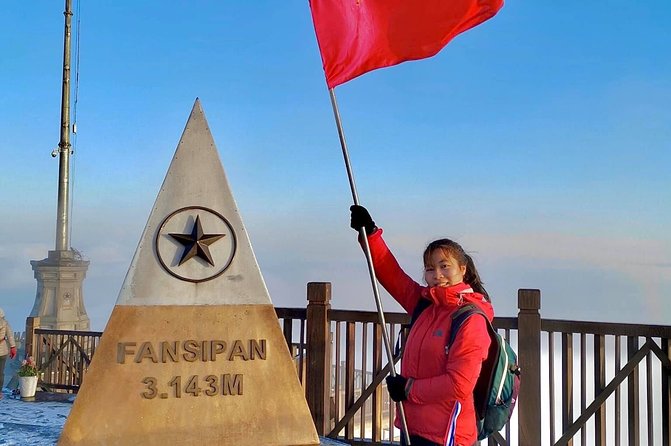
A sunrise high on Fansipan is worth it. This 2-day overnight trek from Sapa brings you to the Roof of Indochina (3,143 meters), with a sunrise summit hike and big views across northern Vietnam and southern China, plus a small group capped at 10 travelers for more personal attention. I also like that the plan is straightforward: you get dinner, breakfast, lunch, bottled water, and round-trip transfers built into the price.
One thing to consider before you say yes: you need a strong fitness level. The walk can feel manageable at first, then gets harder as you go, and the whole trip is weather dependent—so you should be ready to adjust if conditions aren’t good.
In This Review
- Key things you’ll notice about this Fansipan trek
- Fansipan at 3,143 meters: what sunrise really means here
- Price and what you really get for $120
- Day 1 from Sapa: pickup, transfer, and starting the trail
- Overnight on the mountain: dinner, rest, and base-camp reality
- Day 2 summit push: early wake-up and the sunrise payoff
- Cable car on the descent: saving legs vs. staying in the mountain mood
- Best seasons for Fansipan: timing your photo chances
- Who should book this overnight trek (and who should think twice)
- Practical tips that make the trek easier
- Booking with SAIGONESE TREKKING HOUSE: what to expect administratively
- Should you book this Fansipan overnight trek?
- FAQ
- How long is the Fansipan trekking experience?
- What time does the trek start?
- What group size is this tour limited to?
- Does the price include meals?
- Is pickup from Sapa included?
- Is the cable car included?
- Can the tour accommodate dietary restrictions?
- What’s the cancellation policy?
- What’s required from a fitness standpoint?
Key things you’ll notice about this Fansipan trek
- Overnight on the mountain so sunrise doesn’t require an early scramble from town
- Sunrise summit hike with sweeping views across the region
- Meals included (dinner, breakfast, lunch) plus bottled water and all fees/taxes
- Small-group size (max 10) for a more supportive pace with your guide
- Sapa-to-trail transfers included, with pickup available
- Cable car is optional for your return, at your own expense
Fansipan at 3,143 meters: what sunrise really means here
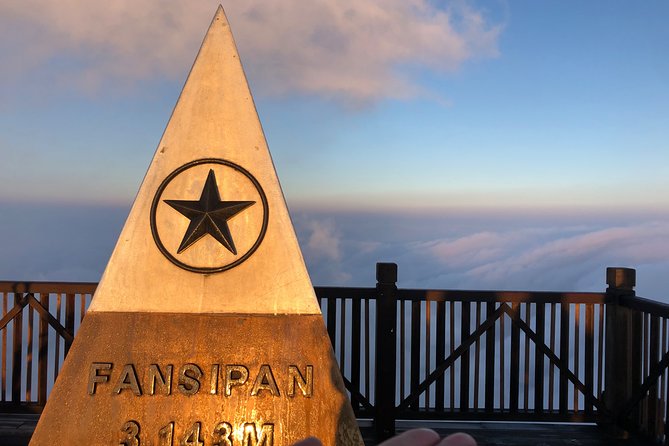
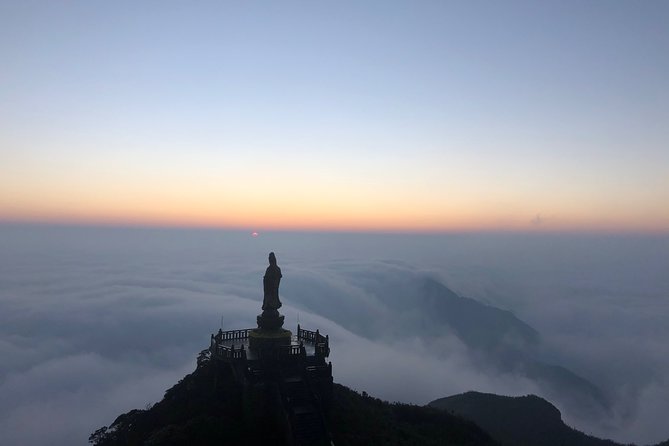
Mt. Fansipan is the highest peak in the region, at 3,143 meters, and it’s often called the Roof of Indochina. That height matters because the climb is about more than exercise—you’re chasing a very specific payoff: early light from the summit, with long-distance views that stretch across northern Vietnam and into the southern China side of the horizon.
The best part of an overnight trek (instead of a same-day push) is timing. You’re not fighting exhaustion plus an aggressive morning start. You’re already up on the mountain when sunrise arrives, which makes the day feel more like an experience than a grind.
And yes, weather is the wildcard. This tour requires good weather, so if visibility is poor, plans can change. If you’re the type who hates uncertainty, it helps to schedule this kind of activity with a flexible mindset.
More ways up Fansipan, on foot or by cable car
Price and what you really get for $120
At $120 per person for a 2-day, 1-night trek, this is priced like an all-in guided mountain day, not just a trail walk. The value comes from what’s bundled:
- Dinner, breakfast, and lunch
- Bottled water
- All fees and taxes
- Transport from Sapa to the trail and return
- Pickup offered (so you’re not piecing together your own logistics)
The other value booster is group size. A maximum of 10 travelers means your guide can help with pacing, route choices, and questions without herding everyone like a school trip.
The only clearly extra cost mentioned is the optional cable car return, plus tips. Everything else you need for the trek rhythm is included.
Day 1 from Sapa: pickup, transfer, and starting the trail
The trek starts at 9:00 am, and you’ll get picked up in Sapa. The tour also notes transportation from Sapa to the trail and back, so your day doesn’t vanish into figuring out buses or negotiating rides.
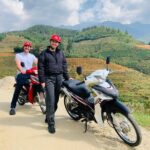
In practice, pickup can be more than just a standard hotel meeting. One helpful example from past experiences is motorbike pickup from a hostel location in Sapa to reach the start of the trek. That kind of detail matters when you’re tired, carrying a day bag, or trying to avoid wasting time before the climb begins.
From there, the day is about building rhythm: walking with your guide, moving up from the lower areas toward the overnight stop. The effort can start feeling doable, which is exactly when good pacing counts. If you go too fast early, the last portion tends to feel harder.
Overnight on the mountain: dinner, rest, and base-camp reality
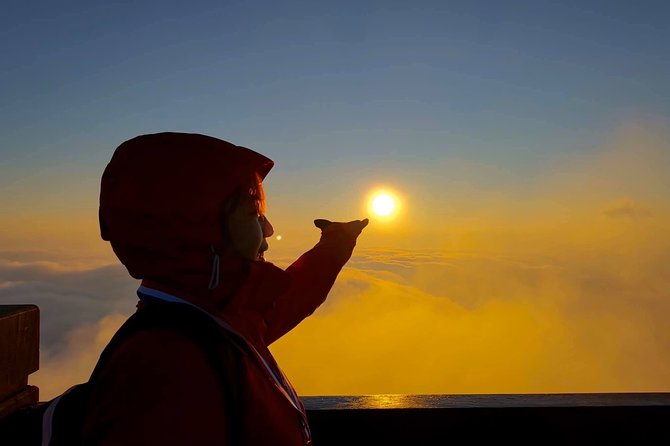
The defining feature here is simple: you spend the night on the mountain. That changes how the trek feels. You’re not watching the clock until an end point; you’re settling in for an early summit push.
Dinner and breakfast are included, and bottled water is provided. Food on a hike is never fancy, but this one is designed to keep you fueled. Past experiences also point to a base-camp meal where a local guide prepares something satisfying enough to reset your energy before the sunrise wake-up.
There’s also a practical social element. One experience notes that at base camp you can buy drinks like beer and hang out with other hikers from around the world. That’s not the reason to book the trek, but it makes the evening more human and less like waiting alone in the dark.
A quick consideration: sleeping on the mountain isn’t the same as a hotel bed. If you know you’re a light sleeper, pack earplugs and plan for a less-than-perfect night.
Day 2 summit push: early wake-up and the sunrise payoff
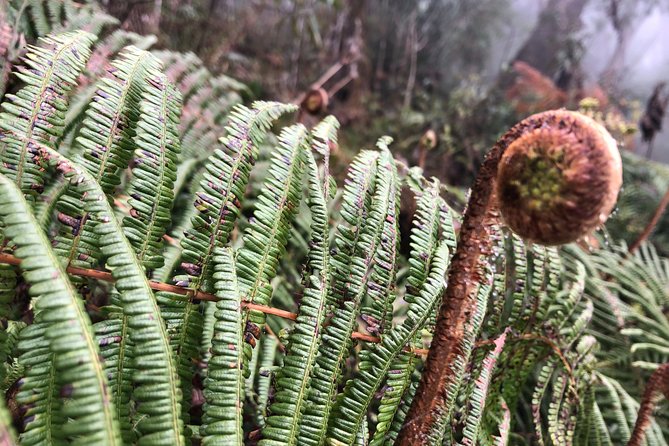
Day two is built around the summit. You wake up early, hike to the top, and aim for sunrise. The reason this format works is that it turns the hardest hours into the most memorable ones.
When the weather cooperates, you get sweeping views—north Vietnam stretching out below you, with southern China visible in the right conditions. Even if you don’t get a perfectly clear horizon every time, being high up at first light tends to deliver that classic mountain feeling: everything looks different, and the climb suddenly feels worth every step.
After the sunrise moment, you’ll choose what happens next: hike back down, or take the cable car down for your own expense. Either way, your day is less about “just finishing” and more about deciding how you want to recover.
Worth a glance beside this Sapa pick:
- From Sapa: 2 Days 1 Night Trek Over Night At Homestay★ 5.0 · 68 reviews
- Sapa Motorbike Tour 2 Days 1 Night Off The Beaten Track★ 5.0 · 30 reviews
- Sapa vacation 3 days 2 night★ 5.0 · 28 reviews
Cable car on the descent: saving legs vs. staying in the mountain mood
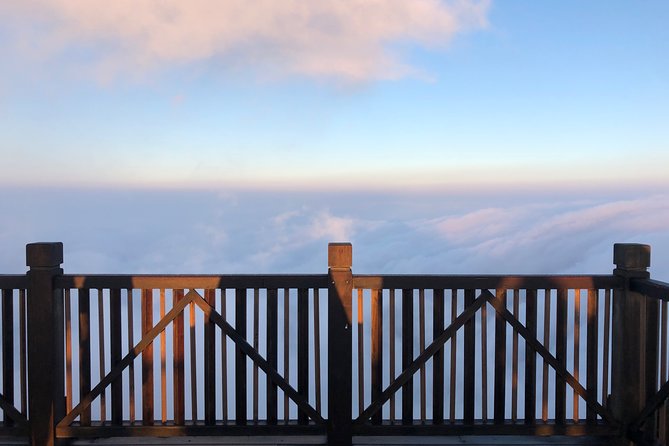
The cable car is optional for the return. That’s useful because the descent can be tougher than people expect. If your knees or stamina are feeling it, the cable car can turn a painful finish into a more comfortable end to the trek.
On the other hand, hiking down keeps you close to the mountain experience. You’re still surrounded by the trail and views, but you’ll be spending more time moving.
If you’re unsure, I’d treat the choice like this: go up hungry for the summit, then decide on the way down based on how your body feels, not based on some pride checklist.
Best seasons for Fansipan: timing your photo chances
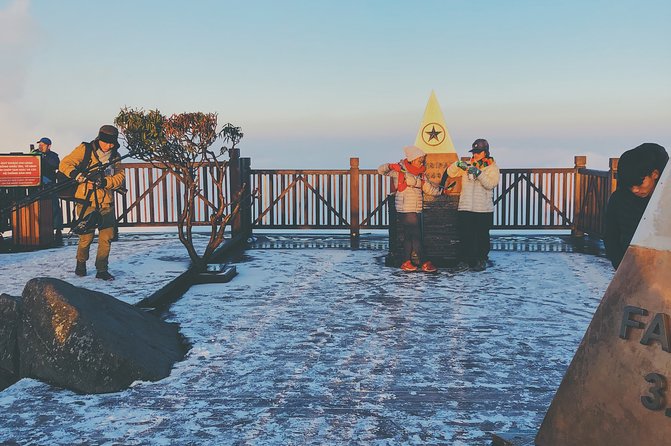
Fansipan changes with the seasons, and the tour timing can influence what you see on the trail.
- February to April (spring): blossoms in the region can add color and scent to the hike
- May to July (summer): flowers and thick vegetation can make the trail feel alive
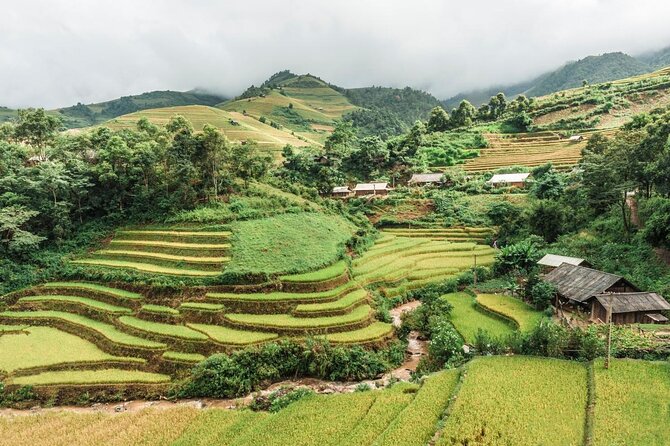
- August to October (autumn): rice terraces around Fansipan turn golden
- November to January (winter): clouds can roll in and wrap the peak at times
Because the tour depends on weather, even the best season doesn’t guarantee clear skies. But your odds often improve when you travel during a time with stable conditions and cooler air.
Who should book this overnight trek (and who should think twice)
This trip is for people who want a real mountain experience without designing it themselves. It suits you if you like:
- A structured guided hike with meals handled
- A small group (max 10) and more hands-on support
- A sunrise goal that’s worth waking up early for
It’s also a good fit if you’re traveling with a partner or going solo, but prefer not to manage logistics alone. One experience described a couple being allowed to move at their own pace with a patient guide.
You might think twice if you know you struggle with sustained uphill effort. The trek can feel easy at first, then gets harder as you continue. The tour explicitly says you should have a strong physical fitness level, so don’t treat that as a casual suggestion.
Practical tips that make the trek easier
Here are a few things I’d plan for, based on how this trek is set up:
- Tell them dietary needs when booking. The tour states they can accommodate vegetarian, vegan, gluten-free, and similar restrictions.
- Expect a full, guided schedule. Meals are included, and the transfers are included, so you’re mostly managing your own comfort and pace.
- Pack smart for cool mountain air. Even without exact temperature details, Fansipan is at elevation and can feel brisk early or late in the day.
- Don’t forget the return decision. Cable car is optional and at your own expense, so decide when you’re tired—not only when you’re fresh.
- If you need luggage support, ask early. One experience notes luggage storage assistance, which can help if you’re arriving in Sapa early or staying in town before departure.
Also, a small but important detail: you’ll receive confirmation at booking time, and you’ll have a mobile ticket. Bring your phone and power bank just in case.
Booking with SAIGONESE TREKKING HOUSE: what to expect administratively
The provider is SAIGONESE TREKKING HOUSE, and the tour experience is tied to their on-the-ground operation in Sapa. If you also need a homestay or extra help in town, one past experience specifically called out Saigonese Homestay and thanked Nina and Huang for assistance before the trip, including logging and transportation help, plus food and massage recommendations after the hike.
That kind of support is valuable because it smooths the in-between parts: where to go, how to get there on time, and what to do after you’re sore.
This tour is also designed around good conditions. It requires good weather, so it can be offered on a different date or refunded if it’s canceled due to poor weather. There’s also a minimum number of travelers; if that minimum isn’t met, you’ll be offered a different date/experience or a full refund.
Should you book this Fansipan overnight trek?
I’d book this trek if you want a guided, small-group way to reach Fansipan for sunrise without turning your trip into logistics homework. The main reason it’s a good value is that it includes the “hard parts” of the experience—overnight mountain time, meals, bottled water, and Sapa transfers—while keeping group size small.
Skip it or reconsider if you’re unsure about sustained uphill effort, since the trip is clearly geared toward people with strong fitness. Also, if you’re traveling at a time when you can’t tolerate schedule changes due to weather, plan extra buffer days in Sapa.
In the end, this trek works best when you treat it like a mountain experience—steady effort up, sunrise payoff, then an honest recovery on the way down.
FAQ
How long is the Fansipan trekking experience?
It runs for 2 days (about 2 days) with 1 night on the mountain.
What time does the trek start?
The start time is 9:00 am.
What group size is this tour limited to?
This tour has a maximum of 10 travelers.
Does the price include meals?
Yes. Dinner, breakfast, and lunch are included, along with bottled water.
Is pickup from Sapa included?
Pickup is offered, and the tour includes transport from Sapa to the trail and return.
Is the cable car included?
No. The cable car return is optional and not included. It’s at your own expense.
Can the tour accommodate dietary restrictions?
Yes. You can request accommodations such as vegetarian, vegan, gluten-free, etc. when booking.
What’s the cancellation policy?
You can cancel for a full refund up to 24 hours before the experience’s start time. The tour also requires good weather, and if it’s canceled due to poor weather you’ll be offered a different date or a full refund.
What’s required from a fitness standpoint?
The tour notes that travelers should have a strong physical fitness level.
More Evening Experiences in Sapa
More Tour Reviews in Sapa
To the Roof of Indochina: More Fansipan
Latest Sapa write-ups from our team
Hiking & Trekking, compared.
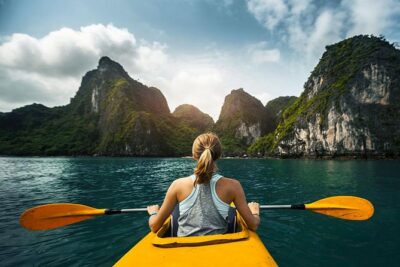 ★ 5.0Halong Bay Full Day with Kayaking, Hiking viewpoint, Cave – Deluxe To LuxuryFrom $38884 reviews
 ★ 4.8From Hanoi: 2-Day Sapa Trekking Trip with Homestay & MealsFrom $71704 reviews
 ★ 5.0Sapa 3 Days 2 Nights Trekking Tour (1 Night In Ta Van Village, 1 Night In Hotel)From $139699 reviews
 ★ 5.03-Day Trekking Adventure of Sapa from Hanoi – Stay Ta Van VillageFrom $109611 reviews
 ★ 5.0Number one top rated ethical cultural trekking and homestay by ETHOSFrom $93456 reviews
 ★ 4.82-Day Sa Pa Ethnic Homestay Tour & Trek with Limousine Bus440 reviews
 ★ 5.0Sa Pa Full Day Trekking TourFrom $25414 reviews
 ★ 5.0Hanoi – Sapa 3 Day 2 Night Trekking With Hotel & HomestayFrom $125389 reviews
Browse the lists this tour appears in