
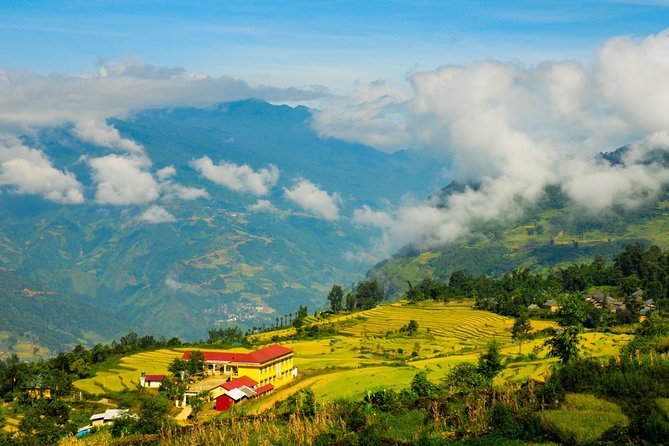
Reviewed · SAPA TREKKING TOURS
Sapa Villages trekking and homestay 2 Days/ 1 night package tour: best selling
Sa Pa gets real fast on this trek. You’ll walk from village to village with a local guide, sleep in a homestay room, and eat family-style meals in the hills. I love the small group size (max 15) because you actually get time to talk, not just pose and move on. I also like that the route focuses on Hmong and Giay villages and the countryside details, not just a quick photo stop.
The one-night stop matters here: you’ll start your day to the sound of village life, share breakfast outdoors with terrace views, and end with a homestay dinner that’s part of the day, not an add-on. For me, that’s the heart of a good Sa Pa experience—people, paths, and food that feel connected.
One consideration: you’ll have a private room at the local home, but the bathroom is public/shared, so this is not a hotel-level setup. If you’re sensitive to simple facilities, plan for that up front.
In This Review
- Quick hits you’ll actually care about
- What $70 buys in Sa Pa (and why it feels worth it)
- Getting started at Delta Sapa Hotel (1:00pm) without the scramble
- Day 1: Ta Van, Y Linh Ho terraces, and dinner with a Giay family
- Day 2: rooster-start breakfast, bamboo forest, and Giang Ta Chai
- The homestay reality check: what you’ll love and what to plan for
- Treks, pacing, and what to pack for Sa Pa paths
- Guides make the difference: what to look for on the trail
- Culture and food that don’t feel staged
- When you should choose this vs. a longer Sa Pa stay
- Should you book this 2 Days / 1 Night Sa Pa villages trek?
- FAQ
- How long is the trek and overall tour?
- What’s included in the $70 per person price?
- Where is the meeting point and when do we start?
- What kind of room and bathroom do I get at the homestay?
- Are drinks included with meals?
- Can I cancel for a full refund, and what if weather is bad?
Quick hits you’ll actually care about
- Max 15 people means more conversation time and less crowd pressure on narrow paths
- All meals included (dinner + breakfast + 2 lunches) keeps the trip stress-free
- Private room at a homestay gives you real village time beyond a bus-and-bus day
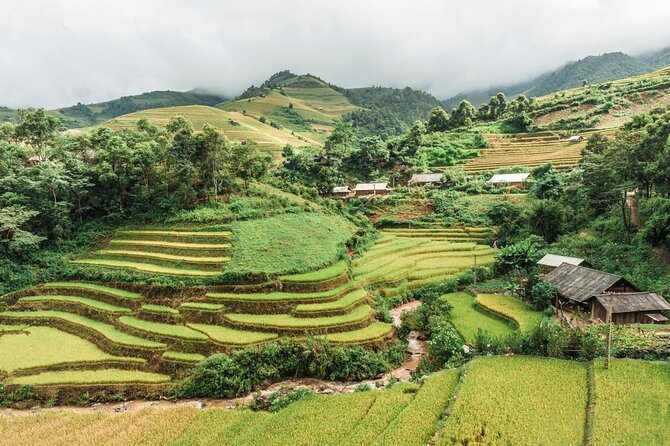
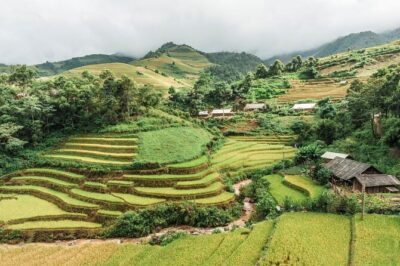
- Terraced rice views at sites like Y Linh Ho and Lao Chai, with terraces estimated around 100 years old
- Trek to bamboo forest and Silk Waterfall area on Day 2 for a change in scenery
- Mobile ticket + pickup offered helps you manage the start and return to Sapa
What $70 buys in Sa Pa (and why it feels worth it)
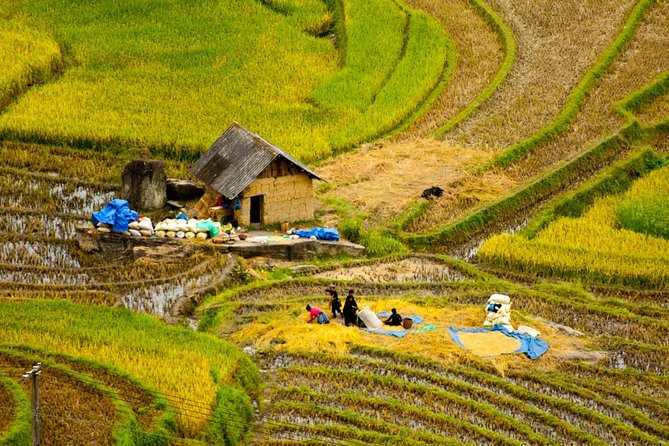
For $70 per person, the value is mostly about what’s included. You get guided village trekking with entrance fees, plus dinner, breakfast, and two lunches, so you’re not constantly calculating extra costs while you’re hiking.
The biggest reason this package hits better than many cheaper-looking options is the “one-night” part. Sleeping in a private room in a local home turns the trip from a sightseeing loop into something closer to how locals experience the landscape day to day.
The trek is also paced for short stays. You’ll be on foot for multiple hours across two days, but the schedule keeps you from burning the whole trip just getting around.
One small budget note: beverages and drinks aren’t included, so bring a plan for water and any extras you want during breaks.
More trails through the Sapa valleys
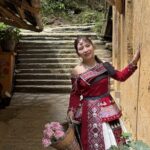
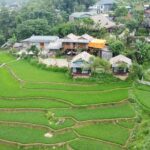
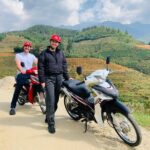
Getting started at Delta Sapa Hotel (1:00pm) without the scramble
Your day begins with pickup in Sa Pa town and a clear start point: Delta Sapa Hotel (031 Ng. Cầu Mây, TT. Sa Pa). Start time is 1:00pm.
Here’s how the first afternoon typically flows: you’ll get picked up and then head to the hotel/office base, get lunch, and start walking around 2:30pm. That timing matters because it gives you daylight for the terraces and village paths before evening.
Also, you’ll have a mobile ticket, which is handy if you don’t want to keep hunting for paper or printed confirmations.
When the day ends, you’re back in Sapa around 2:00pm on Day 2, then there’s time for a shower before the shuttle takes you to the bus office for your return to Hanoi.
Day 1: Ta Van, Y Linh Ho terraces, and dinner with a Giay family
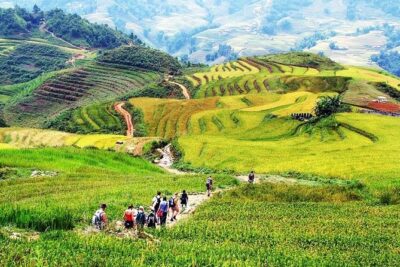
Day 1 is the “walk in, settle in” day. You start from the hotel area in Sapa and head downhill toward Y Linh Ho, a village connected with the Hmong minority. Expect the best terrace views early, when the light is good and your legs aren’t tired yet.
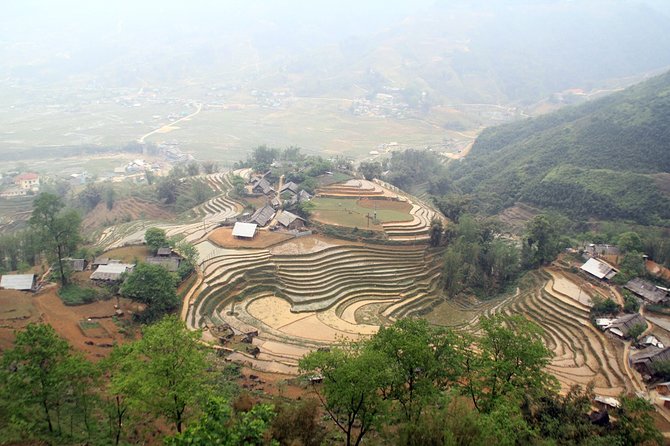
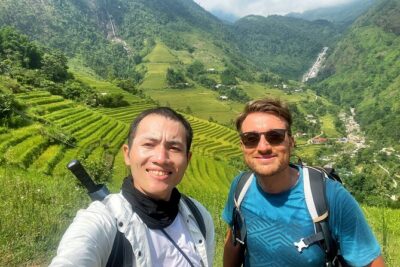
At Y Linh Ho, you’re walking in an area where terraced fields are estimated to be around 100 years old. That detail helps you see why these places matter. It’s not just a pretty view; it’s long-term farming carved into steep hillsides.
From there, you continue toward Lao Chai. You’ll take a short break there, with drinks and scenic views. This is a good moment to slow down. If you’re the type who likes photos, this is when you’ll want to work your angles—streams, steps, and layered fields all show up best from mid-vantage points.
Then you move on to Ta Van, an established Hmong and Giay village. The key experience here is the welcome: you’ll be hosted by a Giay family, and you’ll stay in their home for the night.
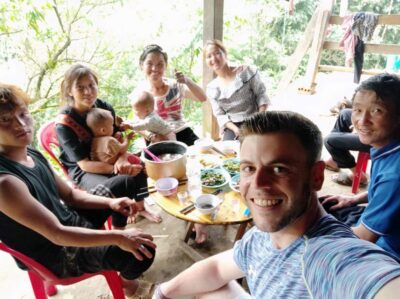
Evening is where Day 1 turns from trekking into relationship time. You’ll help with cooking and dinner with the local family. That’s one of the most praised parts of homestays in Sa Pa because it’s practical—you’re not only watching; you’re participating. It also means you’ll learn rhythms of daily life that don’t show up on a quick tour stop.
Plan for a full day: this first segment runs about 7 hours, and it includes dinner and the homestay night.
Day 2: rooster-start breakfast, bamboo forest, and Giang Ta Chai
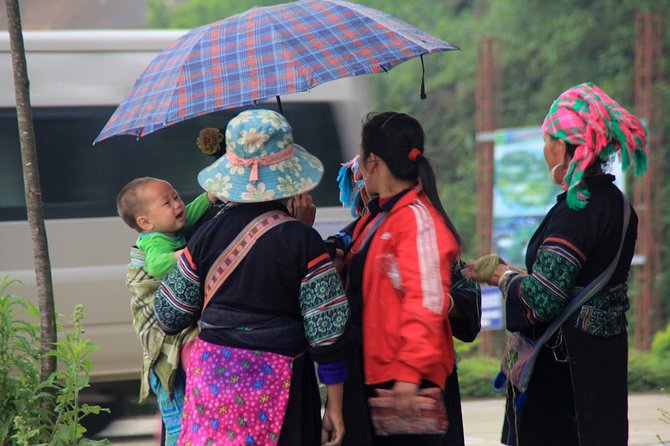
Day 2 starts in a way that feels different from most tours: breakfast comes after waking to village sounds—rooster calls or pigs. You’ll eat something simple and comforting outdoors, with hot tea or hot coffee and pancakes, plus those terrace views while you’re eating.
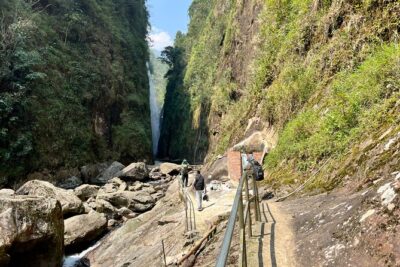
You then say goodbye and start the trek through a bamboo forest and toward the Silk Waterfall area. Even if the waterfall isn’t dramatic at every season, the walk through the bamboo stretch is a real mood shift from the open terraces.
After a few hours, you stop for a picnic lunch with the kind of scenery that makes you stop taking photos and just look. This is also when the group energy tends to be best: people have settled into the pace and can enjoy the moment instead of chasing landmarks.
Next, you head back to the main road and catch a car or mini van to return to Sapa around 2:00pm. You’ll have time to shower at your hotel, then a shuttle takes you to the bus office by 3:00pm for check-in on your return to Hanoi.
One more helpful touch: sandwiches are prepared for your way back, which saves you from hunting food right after a hike.
The homestay reality check: what you’ll love and what to plan for
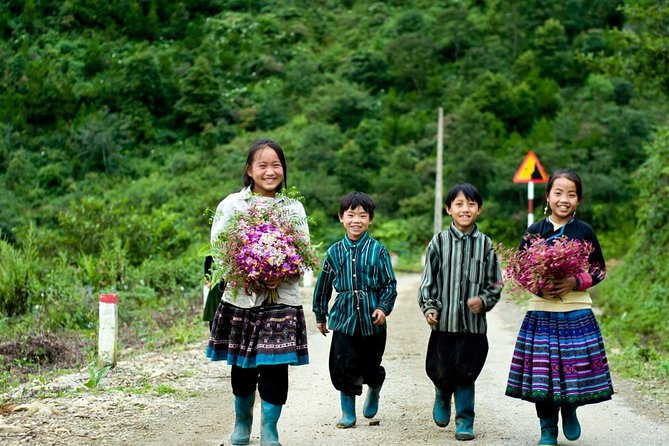
The homestay setup is a tradeoff, and it’s worth understanding before you book.
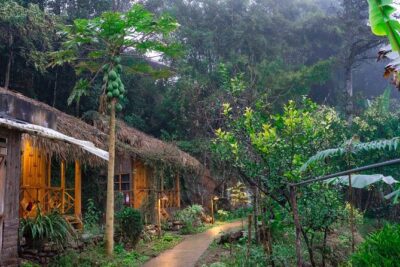
On the plus side, you get a private room in a local home (twin or double bed options, usually 2–3 people per room). That gives you a real place to reset at night, not just a shared bench experience.
On the practical side, the bathroom is public/shared. That means you should pack like you’re staying in a rural home, not a hotel: bring what you need for early mornings and simple washups.
The good news is that this kind of homestay works best when you keep expectations aligned. You’re there for village time—cooking, conversation, and the feeling of being part of a household for a night.
If you’re comfortable with basic facilities and you care more about the human side than the star rating, you’ll likely find this portion the most memorable.
Worth a glance beside this Sapa pick:
- From Sapa: 2 Days 1 Night Trek Over Night At Homestay★ 5.0 · 68 reviews
- Sapa Motorbike Tour 2 Days 1 Night Off The Beaten Track★ 5.0 · 30 reviews
- Sapa vacation 3 days 2 night★ 5.0 · 28 reviews
Treks, pacing, and what to pack for Sa Pa paths
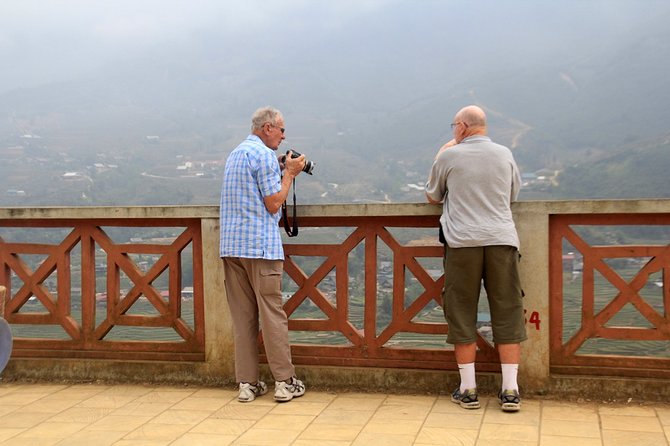
The trek runs long enough that shoes matter. You’ll be walking for hours each day, including downhill/uphill village paths and a Day 2 route through bamboo and the waterfall area.
Because most people can participate, it’s not a specialist climbing expedition. Still, you should go in with solid walking comfort. Think: uneven ground, narrow paths, and muddy spots after rain.
Bring:
- Comfortable walking shoes with decent grip
- A light rain layer (weather can shift fast in the hills)
- Water and a small snack for longer breaks (water is not listed as included as a beverage)
- A small day bag that keeps your phone and camera protected
- Quick-dry basics for the homestay night
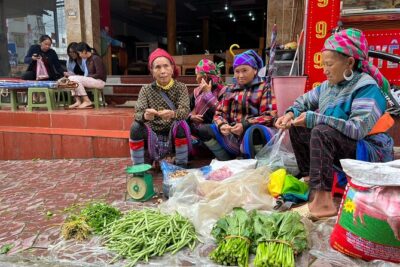
One more tip: keep some small cash for personal items. Drinks aren’t included, and villages often have simple stalls or people selling small goods near paths.
Guides make the difference: what to look for on the trail
A big part of why this package earns strong ratings is the guidance. When you walk in remote villages, you don’t just need directions—you need context.
I noticed several guide names tied to great experiences: Tran, May, Hien, Hoan, Lien, Thang, Trung, Jack, and A Luc. That doesn’t mean you’ll get one of these exact people, but it signals something important: local guiding is treated as a core part of the experience here.
What you should look for during the walk is simple: ask questions, and listen for explanations tied to what you’re seeing. Whether it’s terrace farming, village life, or daily routines, the best moments happen when the guide connects the scenery to lived culture.
If your guide is friendly and flexible with pacing, the trek feels easier and more personal. If they move too fast, you’ll miss the small details that make Sa Pa villages feel like real places.
Culture and food that don’t feel staged
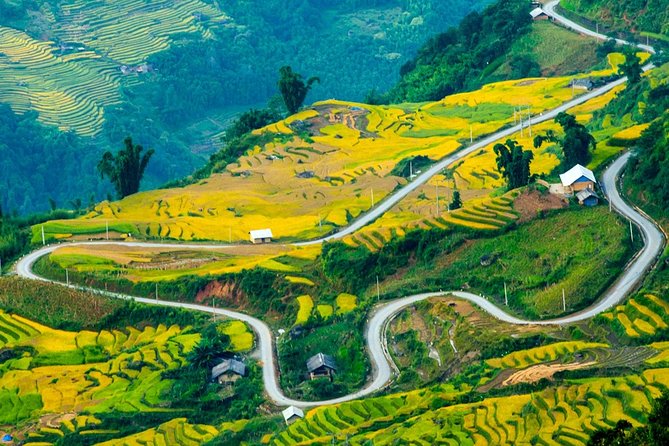
The cultural value of this trip comes from the sequence. You don’t just enter a village and move out.
On Day 1, you’ll walk through Hmong-associated areas like Y Linh Ho and then through Lao Chai before reaching Ta Van where you’re welcomed by a Giay family. That shift helps you see that Sa Pa isn’t one uniform “hill tribe experience.” It’s different communities on different timelines, farming different slopes, living within the same mountain system.
Food is another anchor. You’ll have lunch included on Day 1, then a homestay dinner you take part in through cooking. On Day 2, breakfast is served with hot drinks outdoors, and lunch becomes a picnic after your trek segment.
Even if your cooking skills are limited, the point is sharing time. It’s a practical way to understand local life without needing a museum script.
When you should choose this vs. a longer Sa Pa stay
If you’re coming from Hanoi and you only have a short window, this works. It’s also a good fit for first-timers who want a real village night without committing to multiple nights.
That said, if you can handle more time in the region, a longer stay often gives you more breathing room. With one night, you’ll get a real taste, but the hills keep going—and time is what turns a taste into deeper understanding.
Still, don’t underestimate the power of a tight schedule done well. Two days can be enough if you care about walking, eating, and listening more than checking boxes.
Should you book this 2 Days / 1 Night Sa Pa villages trek?
I’d book it if you want:
- a short, guided village trek with real meal inclusions
- a homestay night in a private room (with shared bathroom)
- a group size small enough to talk with your guide and your hosts
I’d hesitate if you:
- need hotel-style bathroom privacy and comfort
- hate the idea of trekking for hours on mountain paths
- want a trip that feels like nonstop long-distance trekking without downtime
If your priorities are authentic village time, terrace views, and local food, this is a strong pick for the price.
FAQ
How long is the trek and overall tour?
The package runs about 2 days. Day 1 is about 7 hours, and Day 2 is about 8 hours, including trekking, meals, and transfers back to Sapa.
What’s included in the $70 per person price?
Meals are included (dinner, breakfast, and two lunches), plus trekking village tours with a local guide and entrance fees. You also get a private room at the local house for the night, with a sharing bathroom.
Where is the meeting point and when do we start?
The meeting point is Delta Sapa Hotel (031 Ng. Cầu Mây, TT. Sa Pa). Start time is 1:00pm.
What kind of room and bathroom do I get at the homestay?
You get a private room at the local home (double or twin bed room, typically 2–3 people). Bathroom facilities are public/shared.
Are drinks included with meals?
No. The tour includes meals, but beverages and drinks are not included.
Can I cancel for a full refund, and what if weather is bad?
You can cancel up to 24 hours in advance for a full refund. If the experience is canceled due to poor weather, you’ll be offered a different date or a full refund.
More Tours in Sapa
More Tour Reviews in Sapa
More Sapa Treks We Walked
Latest Sapa write-ups from our team



Sapa Trekking Tours, compared.
 ★ 5.0Sapa 2 Days 1 Night From Hanoi – Overnight in Ta Van VillageFrom $592,669 reviews
 ★ 5.0Hanoi – Sapa 2 Days 1 Night Overnight At HomestayFrom $89899 reviews
 ★ 5.0Sapa: Fansipan Cable, Cat Cat Village & Moana Instagram TourFrom $30777 reviews
 ★ 4.8From Hanoi: 2-Day Sapa Trekking Trip with Homestay & MealsFrom $71704 reviews
 ★ 5.0Sapa 3 Days 2 Nights Trekking Tour (1 Night In Ta Van Village, 1 Night In Hotel)From $139699 reviews
 ★ 5.03-Day Trekking Adventure of Sapa from Hanoi – Stay Ta Van VillageFrom $109611 reviews
 ★ 4.82-Day Sa Pa Ethnic Homestay Tour & Trek with Limousine Bus440 reviews
 ★ 5.0Sapa 2 Days 1 Night From Hanoi – Overnight in HotelFrom $89440 reviews
Browse the lists this tour appears in