
Reviewed · HIKING & TREKKING
A day Trek to Rice Field in LaoChai-Tavan village-MuongHoa valley
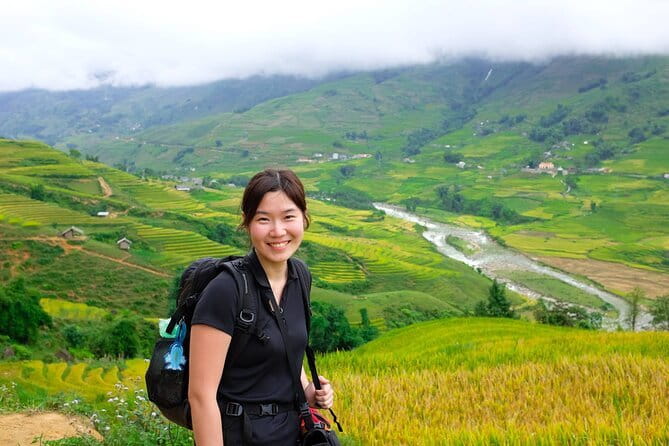
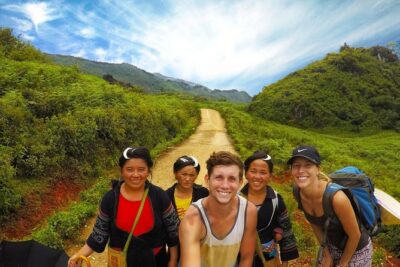
Rice terraces here look unreal. This day trek links Muong Hoa Valley panoramas with village life in Lao Chai–Ta Van, starting with a walk down toward Y Linh Ho. I love how the route gives you big views without skipping the human stuff—house visits and real daily rhythms with ethnic communities.
You’ll also appreciate the English-speaking, long-time local guides. In this Sapa Original Trek style of guiding, you’ll hear from people like Sing, Ms. May, Mo Mo, Zing, Mo, and Mr. Sinh, and the common thread is friendly care plus sensible pacing (even when weather turns). The main consideration is the 11–12 km hiking length and slippery spots if it rains, so plan for muddy trail conditions and bring proper footwear.
In This Review
- Key highlights you’ll actually feel on the ground
- Muong Hoa Valley: rice terraces plus village life, all in one day
- The walk itself: 11–12 km with easy-to-medium terrain
- Starting at 9:00 AM: hotel pickup and an efficient start
- Y Linh Ho in Muong Hoa Valley: the viewpoint section that sells the whole day
- Local house visit: what “ethnic culture” actually looks like
- Lao Chai–Ta Van: ethnic villages and a calmer valley rhythm
- Pace and elevation: how to know if easy-to-medium fits you
- Weather reality in Sapa: rain happens, and feet matter
- Lunch, water, and what $34 gets you
- Group setup, private feel, and how guides keep you comfortable
- Getting the most out of the day: practical tips before you go
- Should you book this Muong Hoa rice-field day trek?
- FAQ
- How long is the trek?
- What distance and elevation should I expect?
- What time does the trek start?
- Is pickup included from Sapa town?
- Is lunch and water included?
- Do I get an English-speaking guide?
- Can you accommodate dietary restrictions?
- What is included in the price, besides the guide?
- Is this a private tour?
- Can I cancel and get a refund?
Key highlights you’ll actually feel on the ground
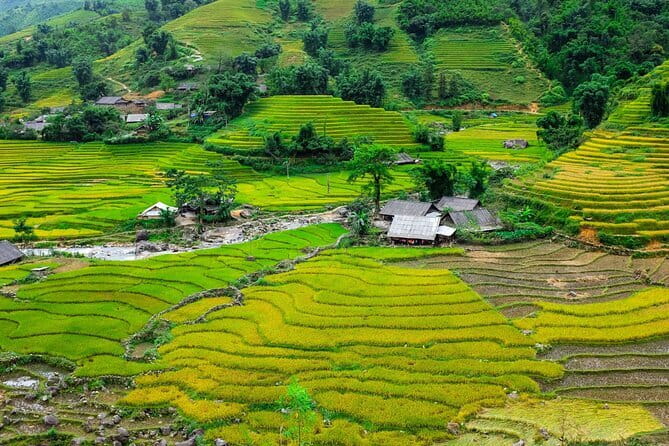
- Muong Hoa Valley viewpoints: the Y Linh Ho section is built for sweeping rice-terrace panoramas
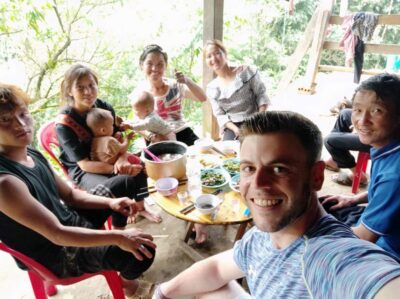
- Village time, not just photos: you’ll visit a local house and meet villagers to understand everyday life
- Guides who adjust: routes and pace can be tuned to your interests and comfort level
- Easy-to-medium effort: about 200–300 m elevation gain over a 6-hour total outing
- Lunch and return transport included: you’re not figuring out logistics mid-trek
- Weather readiness matters: if rain shows up, having galoshes or waterproof shoes helps a lot
Muong Hoa Valley: rice terraces plus village life, all in one day
This trek is a straightforward Sapa experience with a simple goal: walk through Muong Hoa Valley’s rice terraces and spend time with ethnic communities in the villages that make the valley famous. The key is balance. You get enough hiking to feel like you earned the scenery, but you’re not committing to a long multi-day trek.
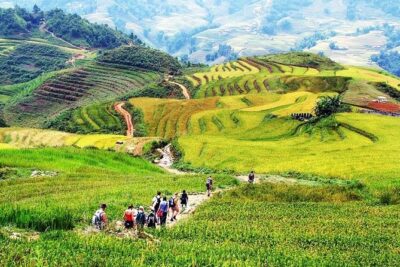
The view focus here is practical, not just pretty pictures. Y Linh Ho is the early highlight, where you’ll see the valley open up and the terraces roll across the slopes like layered steps. Later, the villages add texture. Instead of chasing landmarks, you’re walking through farmland and along paths that still look like the way locals move through the valley.
If you care about culture, this format helps. You’re not stuck behind a fence or in a quick stop. You’ll visit a local house and meet villagers, which turns your walk from a scenic hike into a human story you can follow.
Worth a glance beside this Sapa pick:
The walk itself: 11–12 km with easy-to-medium terrain
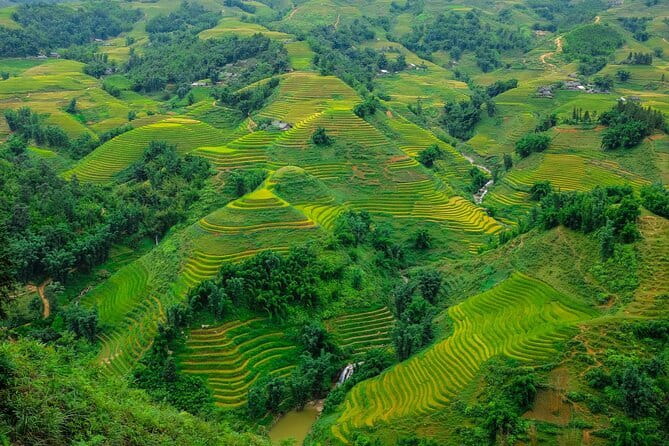
Plan for an 11–12 km route with about 200–300 m of elevation gain. The overall level is described as easy to medium. That usually translates to steady walking with some uphill and downhill, but not technical climbing.
The timing is also realistic. Expect around 6 hours total when you add in the hike, lunch, and transport back. Starting at 9:00 AM keeps you out of the harshest mid-day heat, while still leaving time for the trek to feel like a full morning-to-afternoon plan rather than a rushed half-day.
One smart part of this setup is the pace. The trek is long enough to see multiple sides of the valley, but it’s not so long that you feel cooked by late afternoon. That said, your legs will still notice 11–12 km, especially if you’re not used to walking on uneven paths.
Starting at 9:00 AM: hotel pickup and an efficient start
Your day begins with pickup around Sapa town or from the operator’s office. That matters in Sapa because getting to trailheads can eat time if you’re doing everything independently. Here, you show up, meet your guide, and you’re moving without extra guesswork.
The trek begins at 9:00 AM, and the schedule is built to include both sightseeing and the practical stuff you usually forget—lunch, water, and the car ride back to Sapa. This is one of those tours where the “real value” is that someone else handles the flow, so you can focus on the path and the people.
You’ll also end back at the meeting point. So you’re not wondering where you’ll be dropped off, or how you’ll get home after you finish. For a first trek in Sapa, that simplicity is a big deal.
Y Linh Ho in Muong Hoa Valley: the viewpoint section that sells the whole day
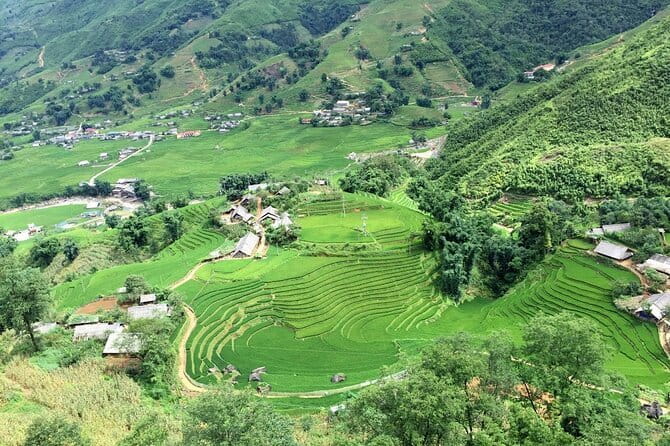
The trek’s first big theme is the walk down to Y Linh Ho village in what’s often called Flower Valley (Muong Hoa Valley). This is where the scenery does most of its talking. Rice terraces fill the view, and you’ll walk alongside the valley and mountain edges, with open perspectives that change as you go.
You’ll likely notice the terraces in layers. In dry seasons they can look sharply defined; in wet seasons they look lush and wet-footed—either way, the pattern is what you came for. This is one of those routes where even small turns in the path reveal a new angle.
There’s also a cultural bonus right away. Even before the house visit, you’re moving through a lived-in agricultural area. That means you’re not only seeing terraces, you’re seeing how terraces connect to villages—paths, fields, and the way people organize their daily work in mountain terrain.
Local house visit: what “ethnic culture” actually looks like
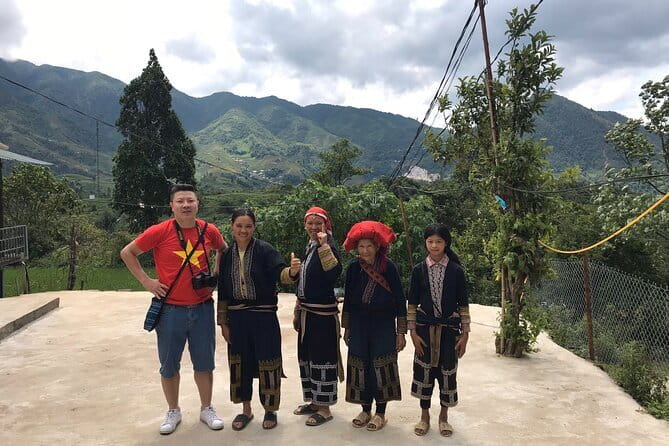
A major part of making this trek feel more than scenic is the stop at a local house. The goal is meeting villagers and learning daily life in the community. That usually changes the tone of the walk. After a viewpoint, the day can feel like sightseeing. After a house visit, it turns into understanding.
You’ll be walking through places where daily life is still tied to land and seasons. The terraces aren’t just a postcard backdrop. They’re connected to planting, water management, and routines that keep going whether tourists show up or not.
Language support helps here. The guide is English-speaking, and the experience is set up so you can ask questions instead of nodding politely in silence. In past guiding across similar Sapa village treks from this team, people like Zing and Mo have been specifically praised for friendliness and clear communication.
- Sapa: Fansipan Cable, Cat Cat Village & Moana Instagram Tour★ 5.0 · 777 reviews
- Cat Cat Village, Moana, Fansipan Cable Car, Alpine Coaster – Sapa★ 5.0 · 420 reviews
- Sapa Motorbike Tour With Local Guide 1 Day – Waterfalls, Villages★ 5.0 · 254 reviews
Lao Chai–Ta Van: ethnic villages and a calmer valley rhythm
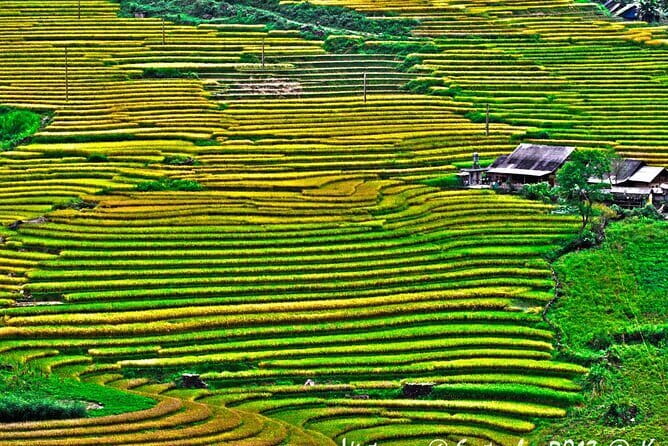
After the early valley section, the trek shifts toward Lao Chai–Ta Van. This is where the day becomes more about village atmosphere than just the big panorama.
Even if you’re focused on walking, villages pull your attention in a natural way. Paths narrow, houses and courtyards become part of the scene, and you’re more likely to see how people live close to their fields. The experience is described as visiting one of the most beautiful valleys in Vietnam, but the experience becomes memorable because it’s peaceful, not rushed.
This part of the day can also feel calmer. The valley walking earlier is about exposure and views; village time is more about scale and detail. You might spend time moving through lanes and meeting community members, with your guide helping connect what you see with how people live.
Pace and elevation: how to know if easy-to-medium fits you
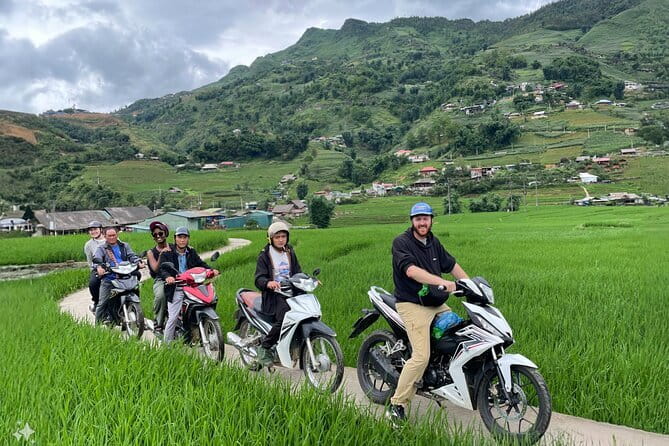
The route is rated easy to medium with about 200–300 m elevation gain. That’s usually manageable for most travelers who can handle a solid 2–3 hours of walking. If you’re comfortable with uneven ground and can walk 11–12 km at a moderate pace, you’ll likely be fine.
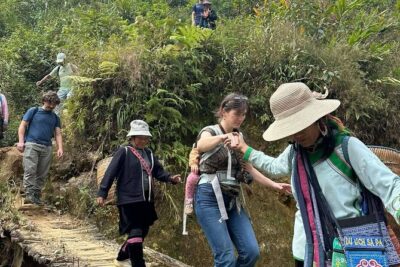
If your fitness is lower, the best move is to lean on the guide. Guides in this operator network have a track record of adjusting routes based on ability and interests, and they’ve handled rain situations with care—people have mentioned guides checking on wet clothing and safety. It’s not magic. You still walk the path. But the plan can flex to keep you from suffering.
If you tend to overestimate your stamina, treat this as a serious walk. Bring a water bottle mindset (you’ll get water with the tour, but you still want to pace yourself), and keep a steady rhythm rather than “power walking” at the start.
Weather reality in Sapa: rain happens, and feet matter

Sapa is known for shifting weather, and this trek is in terrain that can get muddy fast. One review highlights that galoshes were needed, and another notes they continued despite rain. That’s your cue: pack footwear that can handle wet ground.
If it rains on the morning you go, expect slick steps and waterlogged paths. Your guide can manage the route, but they can’t erase gravity. Sturdy waterproof shoes or rubber boots are usually the difference between enjoying the walk and constantly thinking about your footing.
Also, remember that rain changes visibility. When clouds sit low, the terraces might look softer, and the view angles might feel less dramatic. It’s still beautiful in a different way, but adjust expectations. You’re going to value the walk and village time even if the skyline is hiding.
Lunch, water, and what $34 gets you
At $34 per person, this trek is priced like a straightforward guided day rather than a premium private expedition. The value sits in what’s included, not just the headline cost. You get lunch, an English-speaking guide, entrance fees for the village, and 0.5 liter of water per person.
Transport is also included: a car ride brings you back from the village to Sapa town. That’s not an optional detail. After 6 hours of walking, being able to hop into a car without figuring out local transport is a quality-of-life upgrade.
Lunch is included, and dietary requirements can be handled if you tell the operator ahead of time, including vegetarian, vegan, and gluten-free needs. That’s exactly the kind of practical promise that keeps a trek from becoming stressful.
The only things you’re expected to handle yourself are personal expenses and tipping your guide, plus insurance. So the overall spending feels predictable, which matters when you’re traveling on a budget.
Group setup, private feel, and how guides keep you comfortable
This is listed as a private tour/activity for your group only. That can make the experience feel calmer, especially on narrow village paths where a larger group would be harder to manage. It also makes it easier for the guide to adjust pace and route if someone needs a slower rhythm.
You’ll also get group discounts. The data doesn’t spell out the tiers, but it signals that planning with friends or family can reduce the per-person cost.
Your guide is a major part of comfort. Friendly and helpful is the consistent theme, and English communication is part of the package. In past experiences with guides from this team—Sing, Ms. May, Mo Mo, Zing, Mo, and Mr. Sinh—people praised care and route adjustments based on weather and ability. That matters because Sapa trekking isn’t just about walking; it’s about staying comfortable and safe.
Getting the most out of the day: practical tips before you go
First, plan your footwear around wet ground. If you’re the type who hates damp socks, don’t risk it. Bring shoes that grip, and consider galoshes if conditions are rainy.
Second, keep your expectations aligned with an easy-to-medium rating. This is not a “sit and admire” tour. You’re walking 11–12 km. You’ll enjoy it more if you treat it like a real trek, not a casual stroll.
Third, let your guide steer your experience. If you’re curious about how people farm or how houses are organized, ask. The house visit is there for a reason. And if you want more viewpoint time or you need a slower pace, the route can usually adapt to your needs.
Finally, don’t rush photos. The best moments often happen right after a curve when terraces reveal a new layer. Give yourself time to slow down and look up.
Should you book this Muong Hoa rice-field day trek?
Book it if you want a Sapa trek that’s focused and efficient: rice terraces in Muong Hoa Valley, a meaningful village stop in Lao Chai–Ta Van, and a guide who helps with English and pacing. The included lunch, water, entrance fees, and car return are part of the value story, and they keep the day from becoming a logistics puzzle.
Skip it if you’re looking for a very light walk. Eleven to twelve kilometers is still a hike, and slippery conditions can make it harder than the easy-to-medium label suggests. If heavy rain is likely and you hate muddy trails, you’ll need strong footwear and patience.
If you’re ready for a real walking day with calm village time and big terrace views, this is a solid choice. It’s the kind of trek that leaves you with more than photos: you’ll understand the valley as a place people actually live and work.
FAQ
How long is the trek?
The experience runs for about 6 hours, including walking, lunch, and transport.
What distance and elevation should I expect?
You’ll walk about 11–12 km with roughly 200–300 m of elevation gain.
What time does the trek start?
It starts at 9:00 AM.
Is pickup included from Sapa town?
Yes. Pickup is offered from hotels around Sapa town or from the operator’s office.
Is lunch and water included?
Yes. Lunch is included, and you also get 0.5 liter of water per person.
Do I get an English-speaking guide?
Yes. The tour includes an English-speaking local guide.
Can you accommodate dietary restrictions?
You can request vegetarian, vegan, gluten-free, or other dietary needs. You should let the operator know in advance.
What is included in the price, besides the guide?
The price includes lunch, 0.5 liter water per person, entrance fees to the village, and car transport back to Sapa town.
Is this a private tour?
Yes. It is private for your group only.
Can I cancel and get a refund?
Free cancellation is available up to 24 hours in advance for a full refund. If you cancel less than 24 hours before the start time, the amount paid is not refunded.
More Hiking & Trekking in Sapa
More Tour Reviews in Sapa
Latest Sapa write-ups from our team

Hiking & Trekking, compared.
 ★ 5.0Halong Bay Full Day with Kayaking, Hiking viewpoint, Cave – Deluxe To LuxuryFrom $38884 reviews
 ★ 4.8From Hanoi: 2-Day Sapa Trekking Trip with Homestay & MealsFrom $71704 reviews
 ★ 5.0Sapa 3 Days 2 Nights Trekking Tour (1 Night In Ta Van Village, 1 Night In Hotel)From $139699 reviews
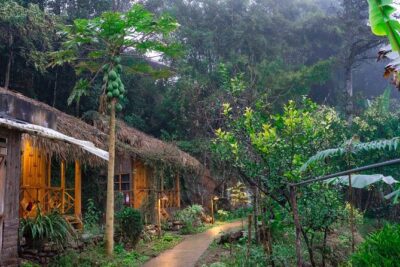 ★ 5.03-Day Trekking Adventure of Sapa from Hanoi – Stay Ta Van VillageFrom $109611 reviews
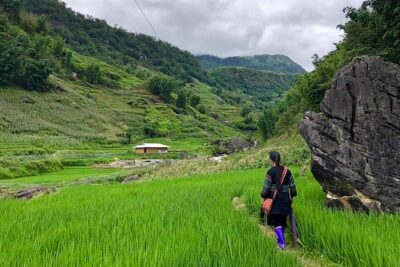 ★ 5.0Number one top rated ethical cultural trekking and homestay by ETHOSFrom $93456 reviews
 ★ 4.82-Day Sa Pa Ethnic Homestay Tour & Trek with Limousine Bus440 reviews
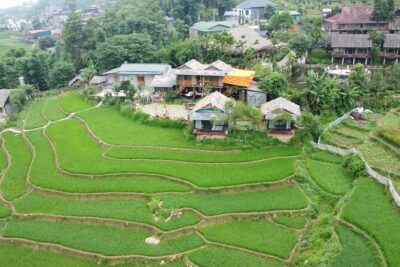 ★ 5.0Sa Pa Full Day Trekking TourFrom $25414 reviews
 ★ 5.0Hanoi – Sapa 3 Day 2 Night Trekking With Hotel & HomestayFrom $125389 reviews
Browse the lists this tour appears in