
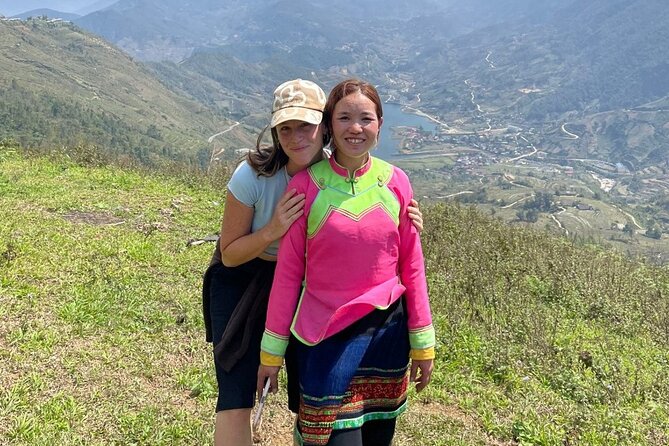
Reviewed · SAPA TREKKING TOURS
Trekking 1 circle the local village to admire Muong Hoa valley
This loop shows Sapa from the feet up. I love the Muong Hoa valley trekking route through rice fields and village paths, and I really like the one-night homestay in Su Pan for real local rhythm; the main drawback is the walking time, so comfy shoes and a steady pace matter.
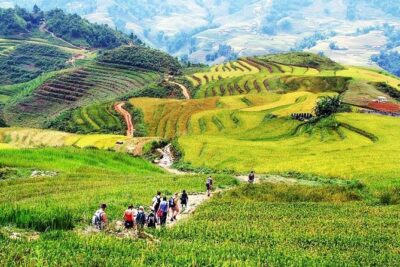
You’ll also get a proper taste of Sapa’s ethnic mix, from Black H’Mong to Red Dao and Giay, without staying stuck in town. And there’s a viewpoint moment that frames Sapa town and terraced rice together, so the effort feels worth it.
If you’re expecting a relaxed, minimal-walking day, this isn’t that kind of tour. It’s built for people who like moving, looking, and chatting along the way.
In This Review
- Key highlights at a glance
- Why a Muong Hoa village loop beats the quick Sapa look
- Price and what you really get for $85
- Getting ready: what the schedule feels like on the ground
- Day 1: Sapa to Hang Da, Hau Thao, and the Su Pan homestay night
- Hang Da Village: Black H’Mong roots and mountain-side trails
- Hau Thao Village: rice fields and traditional houses after lunch
- Su Pan: one night in a local homestay
- Day 2: Giang Ta Chai, Ta Van terraces, and Lao Chai in Muong Hoa
- Giang Ta Chai: a compact village with a lot to notice
- Ta Van Village: Giay people and large rice terraces
- Lao Chai: Black H’Mong village and Muong Hoa valley crossing
- Panoramic viewpoint time: why you should bring patience for the payoff
- Food and cultural encounters without the awkwardness
- Pace, comfort, and who this trek suits best
- After the trek: returning to Sapa and a simple reset
- Should you book this Muong Hoa village loop?
- FAQ
- FAQ
- How long is the trek?
- What is the total price per person?
- Where does the trip start?
- Which villages are included?
- Is there a homestay night?
- Is lunch included?
- Is breakfast included?
- Is pickup and return transport included?
- Is this tour private or shared?
- What is the cancellation policy?
Key highlights at a glance
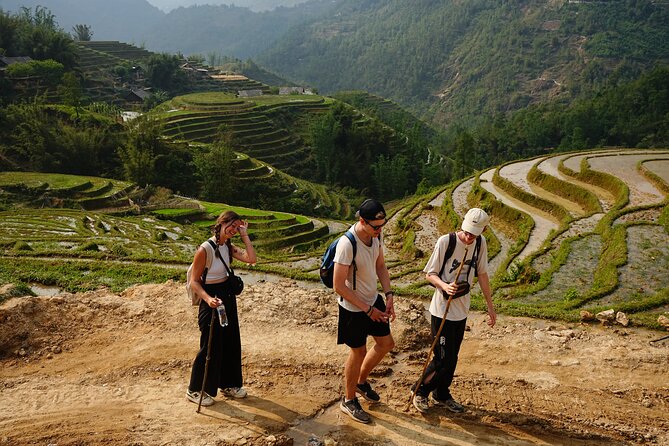
- Village-to-valley trekking in Muong Hoa on local paths, not just big-road sightseeing
- One night in a homestay in Su Pan with local food and village life
- Ethnic variety across multiple villages, including Black H’Mong, Red Dao, and Giay communities
- Panoramic viewpoint for wide views over Sapa town and terraced rice fields
- Pickup in Sapa town so you’re not scrambling to meet the group
- Private group experience (just your group), with group pricing available
Why a Muong Hoa village loop beats the quick Sapa look
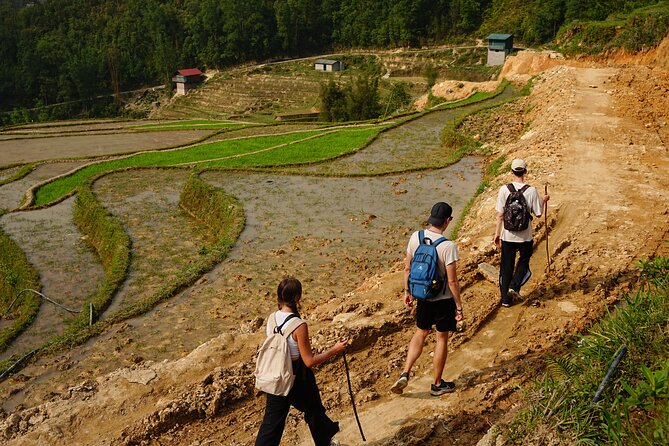
Sapa can feel like two different places at once. In town you’re surrounded by hotels, tour counters, and fast conversations. Outside town, it slows down—footpaths, terrace steps, and small clusters of houses where everyday life still sets the pace.
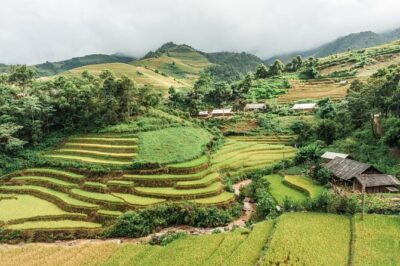
This trek is designed to show you Sapa that way. You’re not just driving past scenery and snapping photos from a bus window. Instead, you follow trails that connect villages and farmland, with a viewpoint stop that gives you a wider sense of where you are. It’s the kind of route that makes the valley feel real: you see the terraces from different angles and you get chances to talk with people in the places you pass.
I also like the way the itinerary strings together cultural encounters with walking. Hang Da, Hau Thao, and the Black H’Mong village of Lao Chai aren’t just names on a schedule. They’re part of a flow where rice fields, stilt houses, and village routines show up naturally along the trail.
More trails through the Sapa valleys



Price and what you really get for $85
At $85 per person for about two days, this is not a bargain backpacking-only price. But it also isn’t just a “walk for photos” deal. You’re paying for a full guided route, pickup from Sapa town, access to the key village areas, and a homestay night.
A big value point is the homestay in Su Pan village. One overnight stay is usually the line between a day tour and something that feels like you left town for a bit. The tour also includes traditional meals—lunch is provided, and one review specifically highlights that the lunch portion is big and satisfying.
Another practical value: the tour notes pickup timing from your Sapa accommodation and offers a mobile ticket. That matters in Sapa, where finding the right meeting point can turn into time-wasting. Here, the tour aims to make the start of your day straightforward.
So the real question is fit. If you want minimal logistics and maximum walking, you’ll likely feel this price is fair. If you want luxury comfort and short days, you might feel the opposite—because the experience is built around trekking time.
Getting ready: what the schedule feels like on the ground
The trip runs across two days with a clear rhythm:
- Morning starts in Sapa town and then moves into village areas.
- Day 1 ends with an overnight homestay in Su Pan.
- Day 2 continues with more villages, then returns to Sapa and your accommodation.
That flow helps because you’re not constantly packing and repacking. But it does mean you’ll be on your feet for long stretches. The tour is described as suitable for most travelers, but that doesn’t mean it’s effortless. This is still trekking country—paths can be uneven, and terrace routes can be physically demanding even when the views are stunning.
If you like a steady pace, you’ll probably enjoy the structure. If you’re the type who needs lots of breaks, bring patience and plan on taking rest whenever your guide pauses for the group.
Also consider weather. The route is outdoors all day, and Sapa conditions can change quickly. The itinerary doesn’t spell out clothing layers, so you’ll want to plan as if you’ll be outside for most of two days—head to toe comfy layers, not fashion.
Day 1: Sapa to Hang Da, Hau Thao, and the Su Pan homestay night
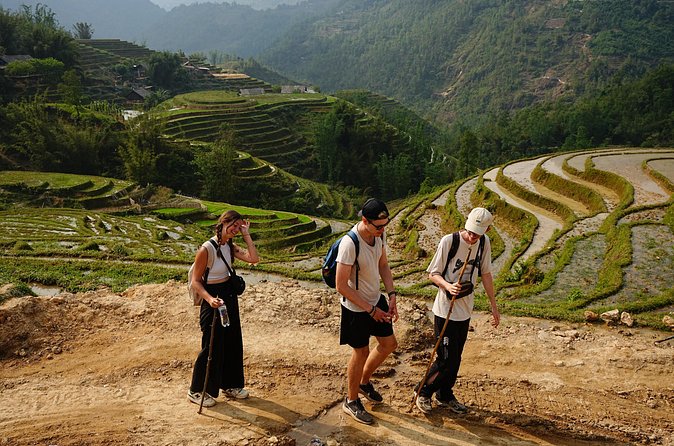
Day 1 starts early with pickup from your Sapa accommodation around 08:00–08:30. That makes it easier to roll right into the trek without wasting energy negotiating meeting points. You get a short intro, then the walking begins.
Hang Da Village: Black H’Mong roots and mountain-side trails
By around 10:00 you reach Hang Da village, home to the Black H’Mong. The tour description emphasizes scenic views and then continuing along a mountainside route to get there.
What I like about this stop is that it’s not just a quick photo stop. You get time to see how village life appears in the landscape—houses, farmland edges, and the way the trail connects daily routine to the terrain. It’s also a good place to ask questions, because you’re with a guide and the group is moving together.
A potential consideration: the tour is active in the morning, so if you’re sensitive to cold or altitude-like discomfort, start with warm layers even if Sapa town feels mild at first.
Worth a glance beside this Sapa pick:
- Number one top rated ethical cultural trekking and homestay by ETHOS★ 5.0 · 456 reviews
- 1-day Authentik trek & Panorama valley views★ 5.0 · 189 reviews
- 1 day Fansipan Trekking★ 5.0 · 180 reviews
Hau Thao Village: rice fields and traditional houses after lunch
After lunch, the route continues toward Hau Thao, with the schedule placing you there roughly in the early afternoon. This part is described as exploring ethnic life and walking along small roads with rice fields and traditional houses.
This stop tends to be where the walk starts to feel purposeful rather than just scenic. You’re not only looking at big views; you’re seeing how people live with the terraces and narrow paths that shape everything around them.
One practical tip for this part: keep your water handy and don’t wait until you’re thirsty. Day 1 can stack physical effort before the homestay night.
Su Pan: one night in a local homestay
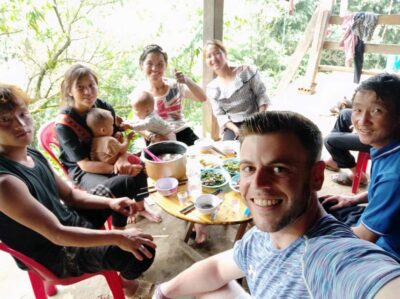
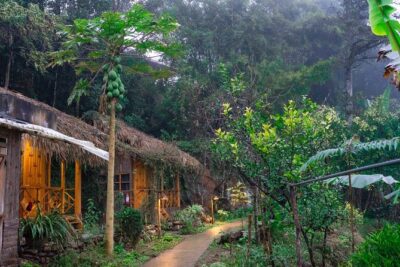
The day ends with Su Pan village and a night at a local homestay. The itinerary makes it clear you’re staying there so you can enjoy local food and culture, and you’ll feel the quieter atmosphere away from town.
This is the heart of the trip. An overnight stay in Su Pan means you get past the “arrive, see, leave” pattern. Even if you don’t speak the local language, you’ll pick up the rhythm: how people set up meals, how the evening feels, and how village life carries on after tourists have gone.
Also, you can plan your energy around this. Day 2 starts with breakfast at the homestay, so you’ll want an easy evening rather than chasing extra activities. Let the homestay be your reset point.
Day 2: Giang Ta Chai, Ta Van terraces, and Lao Chai in Muong Hoa
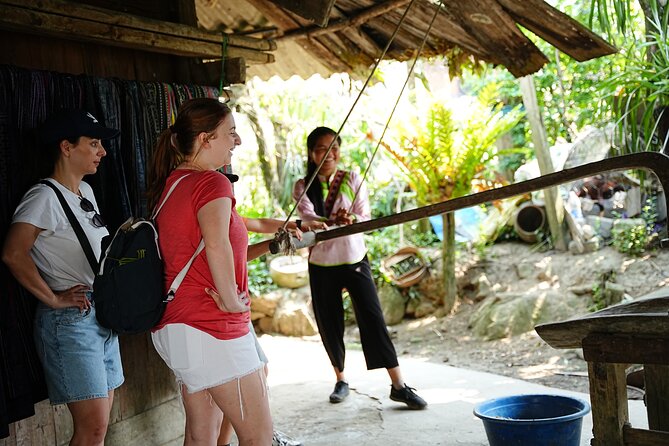
Day 2 starts at about 08:30–09:00 with breakfast at the homestay, followed by a morning trek to Giang Ta Chai. This village is associated with the Red Dao community.
Giang Ta Chai: a compact village with a lot to notice
The trek to Giang Ta Chai is described as taking a couple of hours. Even though it’s small, the description suggests there’s plenty to see and experience.
This is often the kind of stop where you can shift from big-picture views to human-scale details—how trails work, how houses appear in relation to farmland, and how the village setting differs from Black H’Mong areas you saw the day before.
Ta Van Village: Giay people and large rice terraces
Next, you walk toward Ta Van village around 10:30. The tour highlights large rice terraces and interaction with the Giay people.
If you love terraces, Ta Van is likely to be your wow moment of the day. The schedule gives time to keep walking and then spend time in the village area. The key value here is the combination of views and conversation. You’re not only looking at terraces; you’re also learning how people relate to that terrain.
A consideration: terraces can be steep. Even if the trail doesn’t feel “dangerous,” it can be tiring. Pace yourself, and don’t try to rush to match anyone else.
Lao Chai: Black H’Mong village and Muong Hoa valley crossing
Then comes Lao Chai, described as a larger Black H’Mong village. The route includes crossing a small bridge to enter the Muong Hoa valley and enjoy the peaceful scenery there.
This section matters because it connects you to the valley feeling you came for. You’re not just visiting villages as stops—you’re entering the valley system that makes the whole area famous.
In the mid-afternoon, around 15:00, you finish at Lao Chai village and return to Sapa town by car.
Panoramic viewpoint time: why you should bring patience for the payoff
The tour’s highlight list calls out a viewpoint for panoramic sights of Sapa town and terraced rice fields in Muong Hoa valley. This kind of stop is worth it because it changes how you understand what you’ve been walking through.
After hours of hiking, you often realize the route is only part of the story. The terraces, ridges, and village spacing make more sense when you can step back and see the bigger picture. That viewpoint is there for that exact reason: to connect the effort to a wide-angle view.
If you tend to get impatient on guided tours, treat this stop as a moment to slow down. It’s also a great time to pause, take photos, and just look—because the valley doesn’t always photograph well from random trail angles.
Food and cultural encounters without the awkwardness
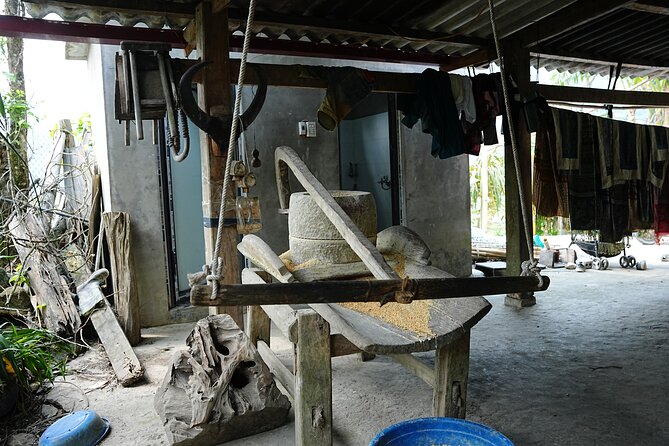
Food is built into the itinerary. Lunch is provided on Day 1, and it’s specifically described in a review as plentiful. Day 2 begins with breakfast at the homestay.
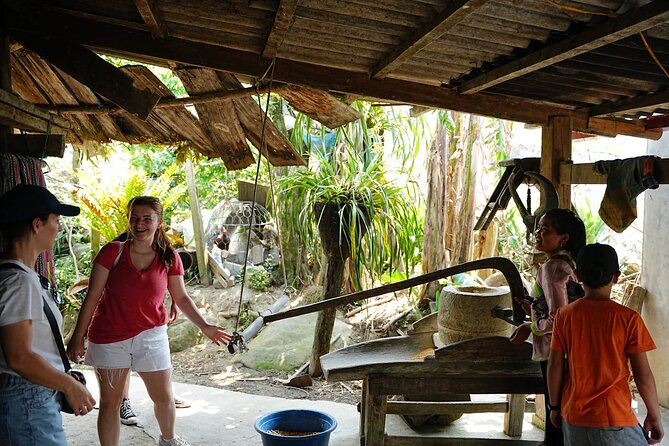
The cultural part is mostly handled through the villages themselves. You’ll visit homes and spend time with communities where stilt houses and rice terrace life are part of everyday normal. The tour also mentions meeting friendly local people and experiencing traditional customs.
The practical angle: go in with respectful curiosity and simple manners. You don’t need to be an expert on ethnic groups to be a good guest. Ask questions with your guide’s help, keep your voice calm, and avoid pushing for photos when people seem busy.
This is one of those trips where you’ll get more from listening than talking. The best conversations tend to happen while you’re walking or when people are doing normal tasks.
Pace, comfort, and who this trek suits best
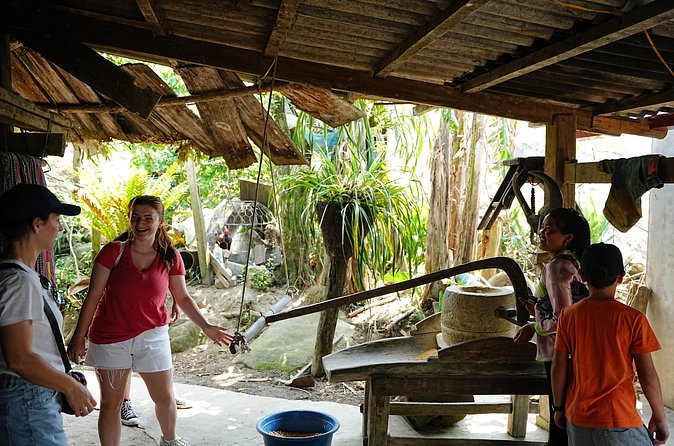
This is a group trekking experience across two days, and it’s private in the sense that only your group participates. That can be great if you want a more comfortable pace and less crowd energy.
But it’s still a trek. The itinerary includes multiple villages, a homestay night, and several hours of walking each day. That means:
- You should enjoy long walks.
- You’ll want footwear that handles uneven ground.
- You’ll benefit from being comfortable in a basic outdoors rhythm.
Who it suits well:
- Active people who want a real village route, not just a short stroll.
- Travelers who like cultural contact tied to daily life.
- Anyone who enjoys rice terrace scenery and wants to see it from paths between villages.
Who might find it less satisfying:
- People hoping for a mostly sightseeing by vehicle experience.
- Anyone who struggles with long walking days or tiring stairs/terrace steps.
If you’re unsure, think about your last hike. If you enjoyed it, you’ll likely enjoy this too. If you dreaded it, choose a gentler option.
After the trek: returning to Sapa and a simple reset
When you finish on Day 2 around 15:00, the tour returns you to Sapa town by car. The schedule also suggests you can consider an herbal bath after the long trek to relax.
That’s a smart idea for this kind of outing. After two days of walking, recovery matters more than chasing another schedule. If you plan to do anything in town afterward, keep it easy—stretch, hydrate, and let your legs cool down.
Should you book this Muong Hoa village loop?
I’d book this trek if you want Sapa’s real side: walking between villages, seeing Muong Hoa valley scenery up close, and spending one night in a homestay in Su Pan. The combination of multiple ethnic villages, a panoramic viewpoint, and included meals makes it good value for $85—especially if you’re the type who likes being out on the trail.
Skip it if you want low-effort sightseeing, lots of downtime, or a very short walking schedule. This tour is honest about what it is: a two-day trekking experience with village life as the main event.
FAQ
FAQ
How long is the trek?
The tour runs for about 2 days.
What is the total price per person?
The price is $85.00 per person.
Where does the trip start?
The trek starts from Sapa, with pickup from your accommodation in Sapa town around 08:00–08:30.
Which villages are included?
Day 1 includes Hang Da village, Hau Thao, and Su Pan (with an overnight homestay). Day 2 includes Giang Ta Chai, Ta Van, and Lao Chai.
Is there a homestay night?
Yes. You spend one night at a local homestay in Su Pan village.
Is lunch included?
Yes, lunch is provided.
Is breakfast included?
Yes. The itinerary includes breakfast at the homestay on Day 2.
Is pickup and return transport included?
Pickup from Sapa town is included, and on Day 2 you return by car to your accommodation in Sapa after finishing at Lao Chai.
Is this tour private or shared?
It’s described as private, meaning only your group participates.
What is the cancellation policy?
You can cancel for a full refund up to 24 hours in advance of the experience start time.
More Hiking & Trekking in Sapa

More Tour Reviews in Sapa

More Sapa Treks We Walked
Latest Sapa write-ups from our team



Sapa Trekking Tours, compared.
 ★ 5.0Sapa 2 Days 1 Night From Hanoi – Overnight in Ta Van VillageFrom $592,669 reviews
 ★ 5.0Hanoi – Sapa 2 Days 1 Night Overnight At HomestayFrom $89899 reviews
 ★ 5.0Sapa: Fansipan Cable, Cat Cat Village & Moana Instagram TourFrom $30777 reviews
 ★ 4.8From Hanoi: 2-Day Sapa Trekking Trip with Homestay & MealsFrom $71704 reviews
 ★ 5.0Sapa 3 Days 2 Nights Trekking Tour (1 Night In Ta Van Village, 1 Night In Hotel)From $139699 reviews
 ★ 5.03-Day Trekking Adventure of Sapa from Hanoi – Stay Ta Van VillageFrom $109611 reviews
 ★ 4.82-Day Sa Pa Ethnic Homestay Tour & Trek with Limousine Bus440 reviews
 ★ 5.0Sapa 2 Days 1 Night From Hanoi – Overnight in HotelFrom $89440 reviews
Browse the lists this tour appears in