
Reviewed · SAPA TREKKING TOURS
Sapa Valley Trek and Homestay – 3D2N
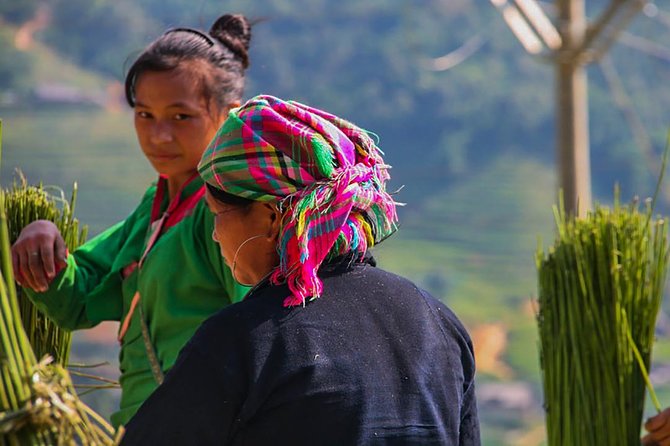
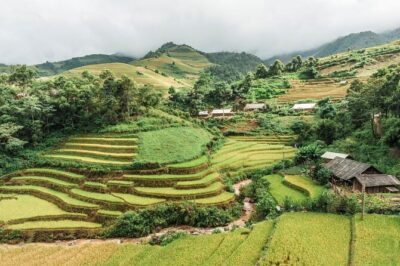
Three days, five villages, one mountain rhythm. This Sapa Valley Trek and Homestay tour takes you from Sapa Church into village paths with ethnic minority culture, rice terraces, and big valley views. You’ll sleep in a homestay, meet local families, and hike between stops that feel genuinely rural—no bus tour vibe.
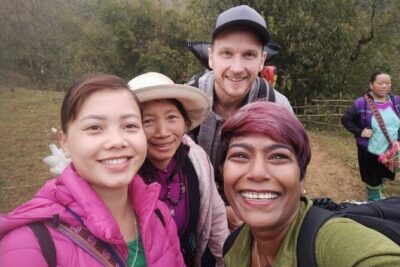
I especially liked the local guide style—people like SoSo, Ly, May, Dom, Mae, and Sush come up again and again, and they’re the kind who explain what you’re seeing instead of rushing you through it. I also like that the route focuses on real village life, including house building and rice-field work, plus cultural notes like Hmong marriage traditions.
One consideration: this trek is listed for moderate physical fitness, and some sections can be long on mountain trails. If you’re prone to knee pain or hate slippery steps, plan your shoes and pace carefully.
In This Review
- Key highlights at a glance
- Starting at Sapa Church: 9:00am, pickup, and a calmer pace
- Day 1: Y Linh Ho downhill start, then Ta Van village homestay welcome
- Day 2: Coffee and rice fields, Giang Ta Chai waterfalls, and the walk into Ban Ho
- Day 3: Tay culture in traditional houses, then Nam Tong village walking finish
- What you get for your $170: meals, entry fees, homestay, and a real guide
- Food, homestay comfort, and the kind of day you’ll have
- How hard is it, really? Shoes, slips, and mountain weather readiness
- Who this Sapa valley trek suits best (and who should choose another option)
- Should you book? My practical call
- FAQ
- What time does the tour start, and where do I meet?
- How long is the Sapa Valley Trek and Homestay?
- What’s included in the price?
- Does the tour include pickup?
- What fitness level do I need?
- What happens if weather is poor?
Key highlights at a glance
- Small group (up to 15), which usually means less crowd pressure on narrow paths
- Village mix across ethnic groups like Hmong, Giay, Red Dao, and Tay
- Homestay night in Ta Van with time to rest and a hot shower before dinner
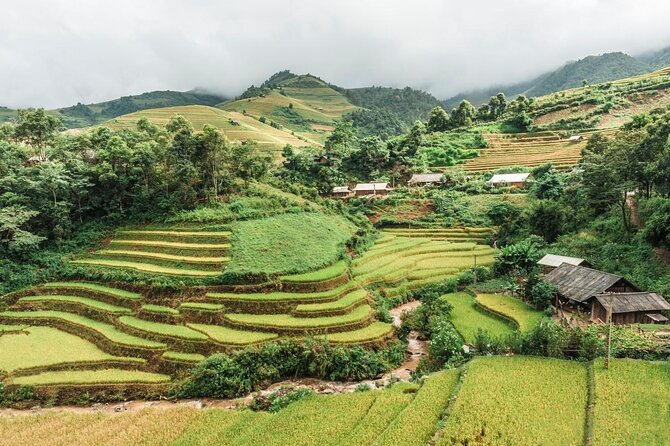
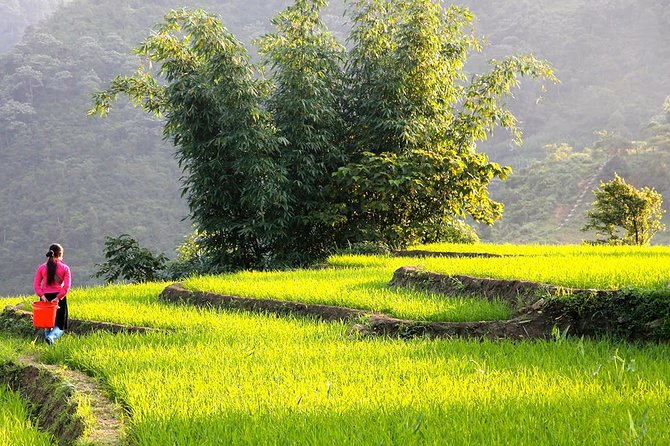
- Giang Ta Chai waterfall area plus rice fields and valley views
- Meals and village entry fees included, so you’re not tracking every expense
Starting at Sapa Church: 9:00am, pickup, and a calmer pace
Your day begins at 9:00am at Sapa Church. That matters more than it sounds: starting in the morning gives you cooler air for walking and more time to enjoy the stops instead of feeling rushed. If you’re staying around Sapa Town, the tour also offers pickup, which cuts down the stress of getting yourself positioned before the first hike.
This is set up as a small-group trek (maximum 15 people). On a mountain trail, that size is the difference between moving as a line and actually having space to look around. You’ll also have a local guide with you for the full experience, and the included local guide support is one of the biggest reasons this tour feels more authentic than a self-guided day hopping between villages.
One more detail worth noting: you get a mobile ticket. That’s convenient if you prefer not to deal with paper, and it typically means less scrambling on the morning you start.
More trails through the Sapa valleys

Day 1: Y Linh Ho downhill start, then Ta Van village homestay welcome
Day 1 kicks off with a short intro from your guide and then a downhill walk of about 2km toward Cat Cat’s road near Y Linh Ho. That first movement sets the tone. Early on, you’re not just collecting photos—you’re getting into the rhythm of Sapa’s village routes and learning how the terrain shapes daily life.
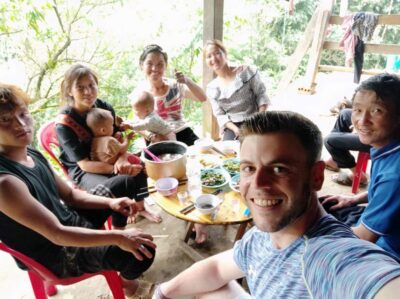
Then you shift to Ta Van Village, home to the Giay minority. This stop is less about a big viewpoint scramble and more about meeting the community at human scale. You’ll be welcomed by your host family, then you’ll have time to rest—there’s even mention of a hot shower—before getting ready for dinner.
Why I like this structure for day one: it keeps the hiking from taking over your whole evening. After several hours of travel and movement (depending on how you got to Sapa Town), having that reset time makes the homestay night feel like part of the trip, not an afterthought.
Also, Ta Van is a strong cultural “bridge” in the route. The tour is designed to show you how different groups live and work in the same mountainous region. That contrast is easier to feel when you’re actually in a family setting rather than passing through quickly.
Day 2: Coffee and rice fields, Giang Ta Chai waterfalls, and the walk into Ban Ho
Day 2 starts with a quieter morning at your homestay. There’s time to enjoy hot coffee or tea, and you can look around the surrounding area and nearby rice fields before breakfast. This is one of those small schedule choices that pays off. You’re not thrown into walking immediately, so you can actually notice the environment your trek is built on.
After breakfast, you head uphill toward the waterfalls of Giang Ta Chai. The tour keeps a classic Sapa pattern here: climb, arrive, and let the scenery give you a break from talking. Waterfall areas tend to be slippery and busy with mist depending on weather, so go slow. Your guide’s job becomes crucial on these sections.
After a break, the walk continues toward Ban Ho Village, connected with Su Pan and a community of the Black Hmong minority. From there, you’ll meet multiple ethnic groups in the wider area—Red Dao and Tay are named in the route information—so day 2 becomes a mix of nature and cultural reading. You’ll see how families organize work, homes, and community life across different traditions.
Why this day feels valuable: it’s where the tour balances both sides of Sapa. Nature is a major part of the experience (waterfall terrain, river/valley views, rice terrace fields), but the cultural focus stays close: house building, daily routines, and how people make a life on steep ground.
Day 3: Tay culture in traditional houses, then Nam Tong village walking finish
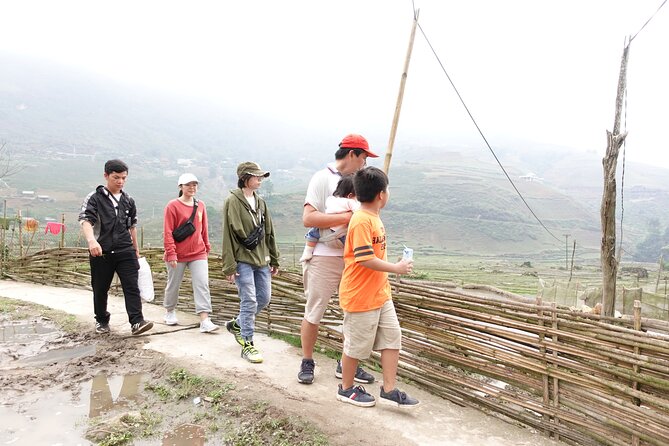
Day 3 is built for closure. After breakfast, the plan includes visiting traditional houses and learning about Tay culture. This part matters because it shifts you from general “ethnic minority villages” to specific ways people build homes and carry traditions forward.
Then you go to Nam Tong Village to finish the walking experience. The best way to think about day 3 is: you’re not starting over. You’re connecting details from previous days—what you noticed in Ta Van, what you saw around rice fields, what you learned about different groups—and seeing how they show up in a final village setting.
Even if you’re not chasing intense distances, day 3 can feel busy because it’s concentrated. Give yourself time to ask questions when your guide offers explanations, especially around daily work and house life. Those quick moments are often what turn a “nice trek” into a trip you remember.
What you get for your $170: meals, entry fees, homestay, and a real guide
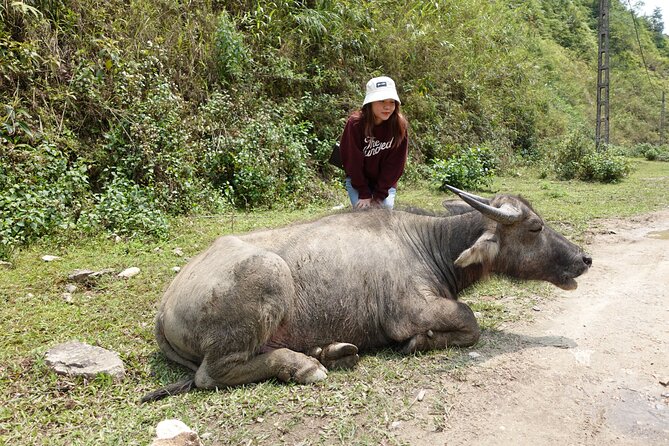
At $170 per person, the big question is value: can you do something similar on your own for less? Maybe on paper, but you’d likely spend time juggling transport, village permissions/entry, and guide interpretation—the parts that make this kind of trek click.
This package includes:
- Village entry fees
- Homestay accommodation (1 night)
- Transport back to Sapa after the trek ends in the villages
- Local guide
- Meals: 3 lunches, 2 breakfasts, 2 dinners
- 1 big bottle of water per person
That meal list is a quiet value booster. Mountain trekking often turns into a constant small-cost problem—snacks, drinks, convenience meals. Here, you’re not forced to budget every stop.
One practical note based on the included details: the listing specifies homestay for 1 night, but also includes 2 dinners and 2 breakfasts. That usually means meals are planned across the days even if sleeping is only in one homestay. If you’re picky about where dinner is served or how night-by-night sleeping is handled, ask before you go so there are no surprises.
Another value point: the route is small-group, and that guide time is included. In a place like Sapa, interpretation is worth real money, because it turns what could be a quick photo stop into meaningful conversation about culture and work.
Worth a glance beside this Sapa pick:
- Number one top rated ethical cultural trekking and homestay by ETHOS★ 5.0 · 456 reviews
- 1-day Authentik trek & Panorama valley views★ 5.0 · 189 reviews
- 1 day Fansipan Trekking★ 5.0 · 180 reviews
Food, homestay comfort, and the kind of day you’ll have
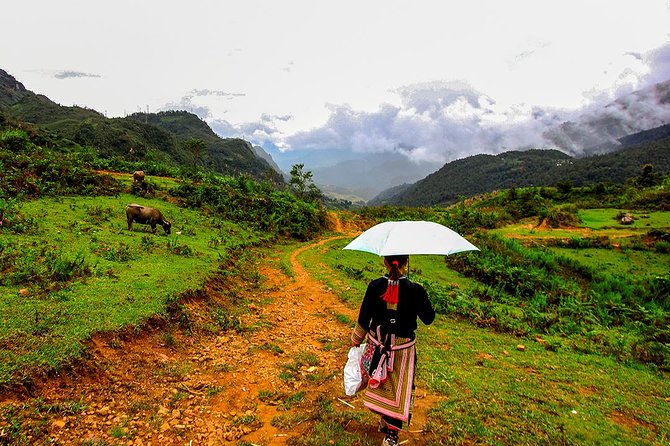
I like that the tour explicitly builds in homestay downtime. In Ta Van, you’re given time to rest, and there’s mention of a hot shower. That one detail alone makes a big difference—cold, wet trekking mornings are common in Sapa’s mountain climate, and a warm rinse helps you feel human again before dinner.
Your day is also structured around breaks and meals:
- Morning walk + coffee/tea time
- Lunch provided
- Dinner in the homestay rhythm (after rest time on day 1)
If you’re the type who hates uncertainty, this is a reassuring format. You’re not guessing when food will show up. The included water also helps, since trekking on hills makes dehydration feel sneaky.
From the cultural side, this tour aims to show you more than scenery. The route information highlights learning about Hmong practices like marriage traditions, plus rice field work and house building techniques. That kind of focus is easiest to take in when you’re walking with someone who can explain what you’re seeing and why it matters.
How hard is it, really? Shoes, slips, and mountain weather readiness
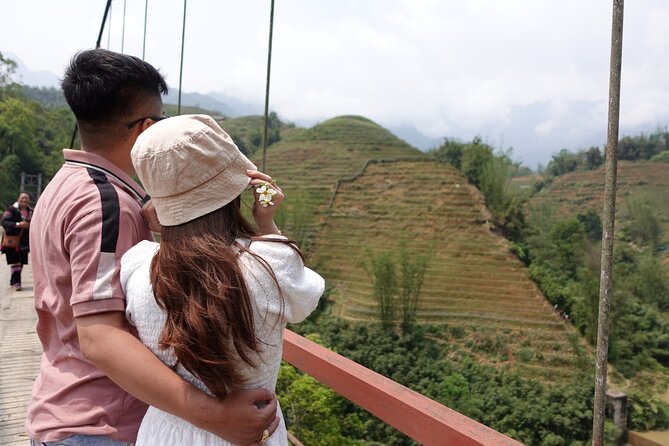
The tour asks for moderate physical fitness. That doesn’t mean it’s an extreme expedition, but it does mean you should expect uphill/downhill walking and time on uneven ground. The day 1 start includes a 2km downhill segment, and day 2 includes an uphill walk to reach the Giang Ta Chai waterfalls.
So, pack like you’re hiking, not sightseeing:
- Shoes with grip for slippery trails
- Layers for changing mountain temperatures
- A pace that leaves room to stop and talk with your guide
Weather is also a factor. The experience is described as requiring good weather. If conditions are poor, the tour may be offered a different date or a full refund, which tells you the trekking routes matter and they don’t want to force the hike in unsafe conditions.
Also, think about your energy for day 2. It combines rice-field scenery, uphill movement, and a waterfall area. If you’re fit but easily fatigued by steep grades, plan to walk steadily and don’t try to power through every stretch.
Who this Sapa valley trek suits best (and who should choose another option)
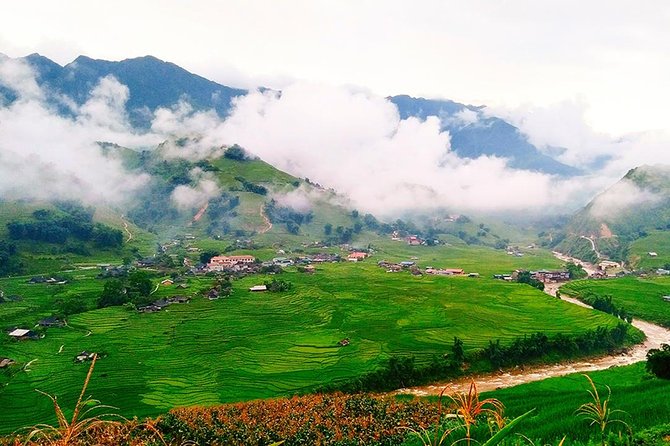
This tour is a great fit if you want a small-group, culture-forward trek rather than a checklist of big sights. It’s designed for people who enjoy learning from a guide—people like SoSo, Ly, Dom, May, Mae, and Sush show up repeatedly with strong communication and help—so you’ll likely feel most satisfied if you like asking questions and listening.
You’ll also enjoy it if:
- You want homestay life and family welcome time, not just a quick pass-through
- You like rice terraces and village paths, plus a waterfall day
- You’re okay with moderate hiking and can walk for a few hours at a time
I’d consider skipping or switching to a shorter option if:
- You have limited mobility or knee problems
- You hate slippery trails and can’t manage uneven terrain
- You prefer a purely comfortable city-style tour with minimal walking
Should you book? My practical call
If you’re spending a few days in Sapa and you want your time to feel grounded in daily life, this is a strong choice. For $170, you get more than hiking: you get a local guide, multiple village stops, included meals, homestay time with rest, and transport back to Sapa. That adds up quickly if you tried to assemble it yourself.
Book it if you’re excited by the idea of learning about Hmong, Giay, Red Dao, and Tay culture while walking between real villages, including a waterfall day and a homestay night. Hold back if you’re looking for a gentle sightseeing stroll or if you’re very sensitive to steep, slippery paths.
If you go, I’d pack for traction, start early with the 9:00am meeting, and treat meal time as part of the experience. In Sapa, the best stories often happen when you stop—over tea, during a village visit, or after dinner with the family.
FAQ
What time does the tour start, and where do I meet?
The tour starts at 9:00am and the meeting point is Sapa Church on P. Hàm Rồng, TT. Sa Pa, Sa Pa, Lào Cai 333100, Vietnam.
How long is the Sapa Valley Trek and Homestay?
It’s listed as a 3-day experience (approx.).
What’s included in the price?
The package includes village entry fees, 1 night homestay accommodation, transport back to Sapa after the trek ends in the villages, a local guide, meals (3 lunches, 2 breakfasts, 2 dinners), and 1 big bottle of water per person.
Does the tour include pickup?
Pickup is offered, and you’ll meet at Sapa Church for the start.
What fitness level do I need?
The tour is described as suitable for people with a moderate physical fitness level.
What happens if weather is poor?
The experience requires good weather. If it’s canceled due to poor weather, you’ll be offered a different date or a full refund. You can also cancel up to 24 hours in advance for a full refund.
More Hiking & Trekking in Sapa
More Tour Reviews in Sapa
More Sapa Treks We Walked
Latest Sapa write-ups from our team



Sapa Trekking Tours, compared.
 ★ 5.0Sapa 2 Days 1 Night From Hanoi – Overnight in Ta Van VillageFrom $592,669 reviews
 ★ 5.0Hanoi – Sapa 2 Days 1 Night Overnight At HomestayFrom $89899 reviews
 ★ 5.0Sapa: Fansipan Cable, Cat Cat Village & Moana Instagram TourFrom $30777 reviews
 ★ 4.8From Hanoi: 2-Day Sapa Trekking Trip with Homestay & MealsFrom $71704 reviews
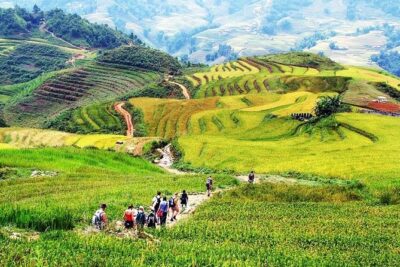 ★ 5.0Sapa 3 Days 2 Nights Trekking Tour (1 Night In Ta Van Village, 1 Night In Hotel)From $139699 reviews
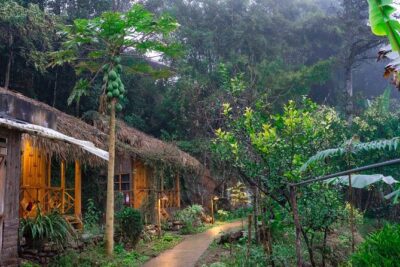 ★ 5.03-Day Trekking Adventure of Sapa from Hanoi – Stay Ta Van VillageFrom $109611 reviews
 ★ 5.0Sapa 2 Days 1 Night From Hanoi – Overnight in HotelFrom $89440 reviews
 ★ 4.82-Day Sa Pa Ethnic Homestay Tour & Trek with Limousine Bus440 reviews
Browse the lists this tour appears in