
Reviewed · SAPA TREKKING TOURS
Sapa Trekking / Hiking through Sapa Valley with native Hmong
Walking in Sapa feels like a living classroom.
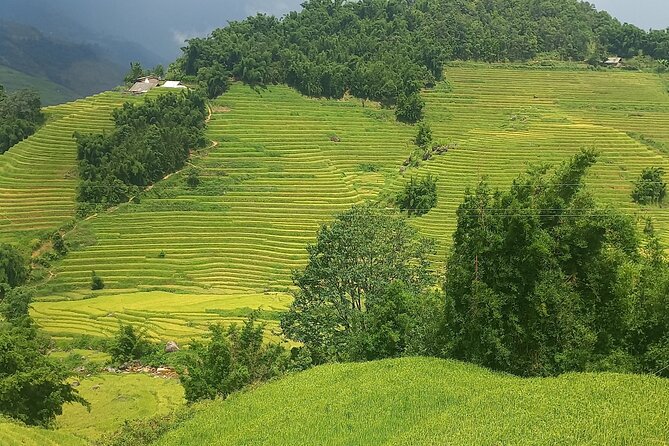
This 2-day trek with a Hmong homestay takes you through rice fields, bamboo forests, and waterfalls with a guide who’s from the valley and knows the villages personally. You start and finish in Sapa, and you can steer the route toward what you care about most.
I especially love the homestay setup in Ta Van—you’re not just “sleeping there,” you’re eating with the family and spending real time in a Hmong home. And I really like the guide communication, too: names you may meet include Sue (and her daughter Mai) plus other English-speaking guides like Mai/Miy, who talk in detail and keep the walk friendly.
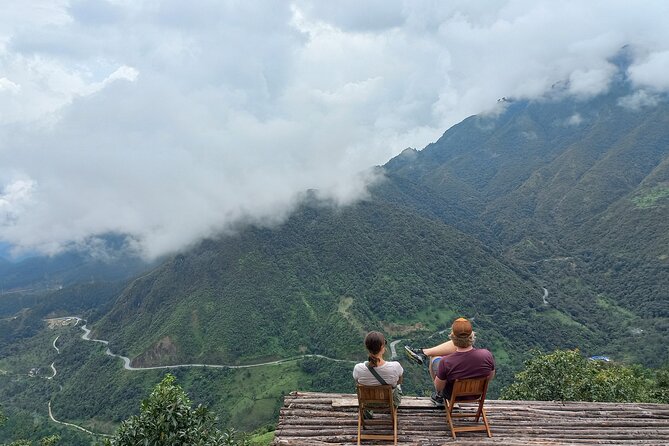
One drawback to plan around: weather in Sapa can be cold and cloudy, which can mean fewer views on the higher parts of the hike.
In This Review
- Key highlights I’d target
- Why This Hmong Sapa Trek Feels Different
- Sapa Church at 8:30: How You Start the Hike
- Day 1: Y Linh Ho, Lao Chai, and the Move Toward Ta Van
- Ta Van Homestay: Hot Shower and a Real Private Room
- Day 2: Hoang Lien National Park Trails, Forests, and Waterfalls
- Guide Connection: Sue, Mai, and Friends Who Know the People
- Price and Value: What $110 Gets You
- What to Pack (So You Don’t Freeze or Slip)
- Weather Reality Check: When Views Go Quiet
- Who This Trek Suits Best
- Should You Book This Hmong Sapa Trek?
- FAQ
- How long is the Sapa trekking experience?
- Where do we meet, and what time does it start?
- Is this a group tour or private?
- Is pickup included?
- What villages and areas are included?
- What’s included with meals and the homestay?
- Do I need to pay any entrance fees?
- What happens if the weather is bad?
Key highlights I’d target
A start-to-finish route from Sapa Church at 8:30am
Ta Van homestay with dinner and hot shower/private bathroom
Village-to-village walking: Y Linh Ho, Lao Chai, then Ta Van
Hoang Lien National Park trails with waterfalls and forest scenery
Guides with strong English and deep connections to local families
Custom trekking that fits different ages and athletic abilities
Why This Hmong Sapa Trek Feels Different
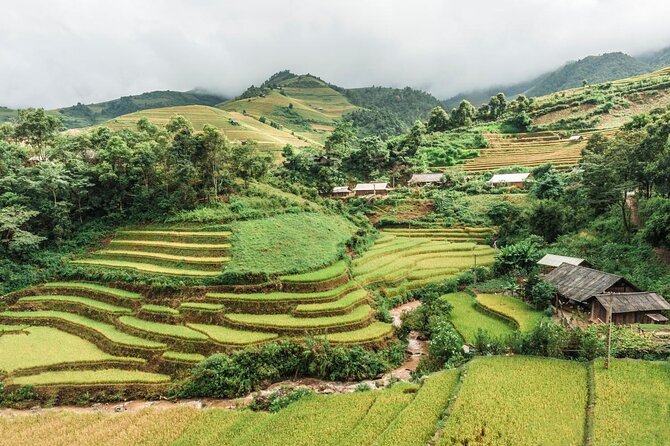
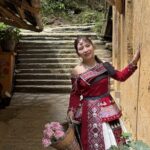
Most Sapa treks follow a set loop and call it culture. This one has a personal spine. Your guide is Hmong and has lived in Sapa Valley for generations, so you’re not only seeing places—you’re hearing how people live there and why the mountains matter.
You also get flexibility. The route can be customized based on your interests, and that matters because Sapa hiking can feel either perfect or exhausting depending on what you prioritize: viewpoints, village life, or slower scenic time.
More trails through the Sapa valleys
Sapa Church at 8:30: How You Start the Hike
You meet at Sapa Church at 8:30am. The tour includes pickup offered, and the meeting point is near public transportation, so you’re not stuck finding a remote pickup zone.
Why I like the early start: it gives you daylight for the first day’s village walking and helps the schedule fit a full day without rushing. Since this is a private tour (just your group), you’re less likely to feel bounced around with strangers who move at a different pace.
Day 1: Y Linh Ho, Lao Chai, and the Move Toward Ta Van
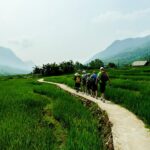
Day 1 starts with a drive/transfer to Y Linh Ho village, then you begin hiking. From there, you walk toward Lao Chai, with lunch along the way.
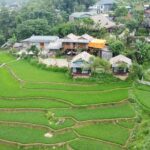
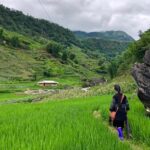
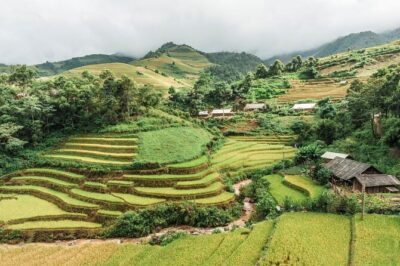
What makes this day special is the way the valley changes as you go. You’re not just hiking “through” places—you’re moving between rice fields (season and timing dependent), mountains, and forested areas. If the timing is right, your guide can even show you rice planting or harvesting, and that’s the kind of detail that makes the scenery click.
Then you continue onward to Ta Van, the guide’s home area. That handoff—village walk in the morning, home life in the evening—is the core of the experience. It’s a gentle shift from “seeing” to “being.”
Practical note: Day 1 includes multiple segments of walking plus transfers. If you’re sensitive to long travel days, plan for a slower evening once you arrive.
Ta Van Homestay: Hot Shower and a Real Private Room
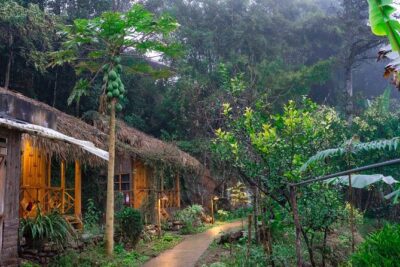
Once you reach Ta Van, you get dinner with the family and a 1-night homestay. The room is described as a private suite with a double bed, a bathroom, and a hot shower.
That’s a big deal in Sapa. Many hikers end up tired, cold, and stuck with basic lodging. Here, you’re set up to recover properly so you can enjoy Day 2 without feeling wrecked.
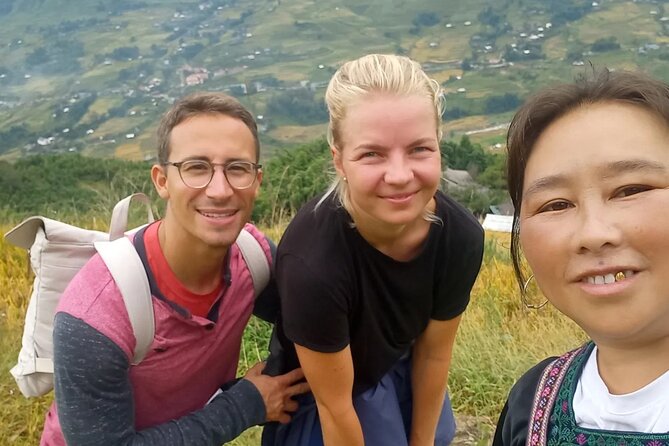
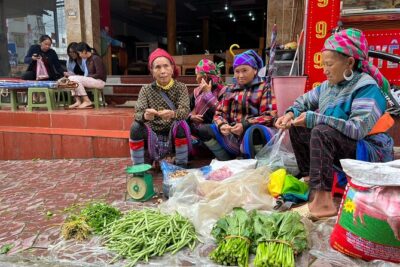
This is also where the “native Hmong” part shows up in daily rhythm. You’re eating in a household context, meeting family members, and hearing stories that connect people, farming, and the mountain terrain. Guides like Sue and Mai are known for using their local knowledge in conversation, not just pointing to things and moving on.
Day 2: Hoang Lien National Park Trails, Forests, and Waterfalls
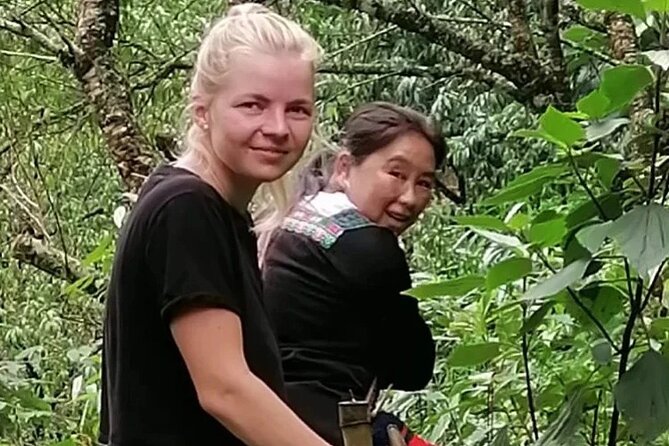
Day 2 begins after breakfast at the homestay, then you head into Hoang Lien National Park for a long hike—about 7 hours.
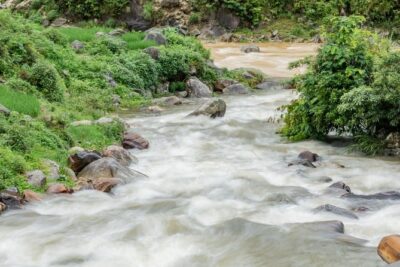
This is where the walking gets more “nature-focused.” You’ll be on trails through forests with waterfall scenery as part of the route. In other words: it’s not just rice terraces and villages. You’ll also get the kind of forest trekking that makes Sapa feel like a real mountain region, not a theme park.
The tradeoff is time and effort. Seven hours is a serious chunk of hiking. If your moderate fitness level is more “I can walk, but slowly,” ask your guide to adjust the pace early so you don’t end the day dragging.
Worth a glance beside this Sapa pick:
- Number one top rated ethical cultural trekking and homestay by ETHOS★ 5.0 · 456 reviews
- 1-day Authentik trek & Panorama valley views★ 5.0 · 189 reviews
- 1 day Fansipan Trekking★ 5.0 · 180 reviews
Guide Connection: Sue, Mai, and Friends Who Know the People
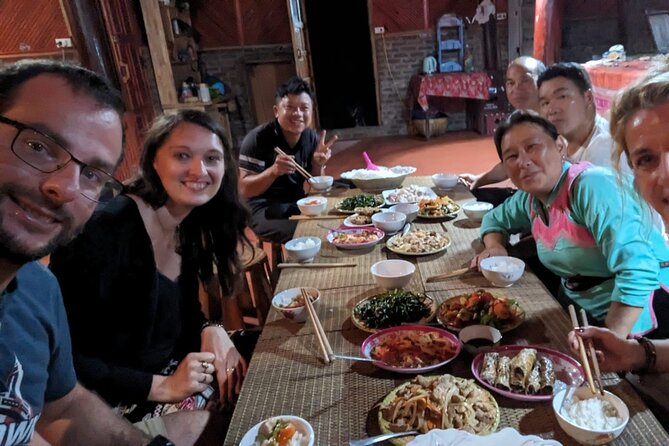
One of the most praised parts of this experience is the guide quality—especially how personal it feels. Some names you might meet include Sue, her daughter Mai, and other English-speaking guides such as Mai/Miy (different spellings show up across the same family of guides).
What you’re really paying for isn’t just direction. It’s relationships. A guide who knows people in the valley can explain what you’re seeing in a way that sounds like everyday life, not a staged performance. The result is a walk that’s comfortable to ask questions in—and interesting answers.
Also, if you care about language and clarity, strong English matters here. It keeps the trek from turning into silence punctuated by hand gestures.
Price and Value: What $110 Gets You
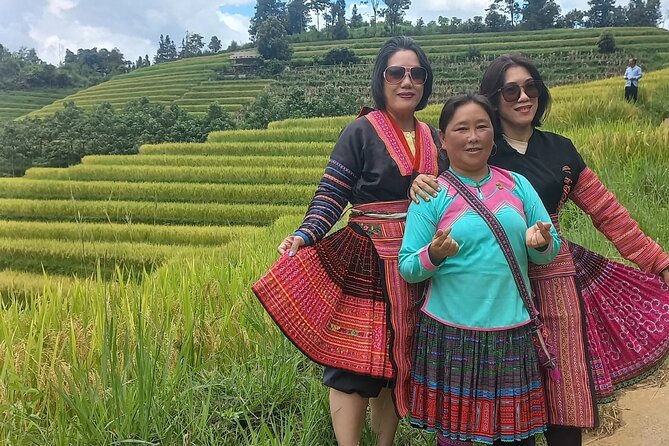
At $110 for about 2 days, this is priced like a small, high-touch experience—not a budget “discount group hike.”
Here’s what your money supports, based on the included elements:
- Private tour for your group
- Homestay in Ta Van for 1 night
- Dinner with the family (Day 1)
- Lunch on Day 1
- Hot shower + private room with bathroom
- National Park admission included for the Day 2 segment
So you’re not just paying for a guide’s time. You’re also getting lodging and meals that would otherwise add cost fast in Sapa.
The only “cost” you should factor is effort and weather. When clouds roll in, the hike still works—but the payoff depends on conditions.
What to Pack (So You Don’t Freeze or Slip)
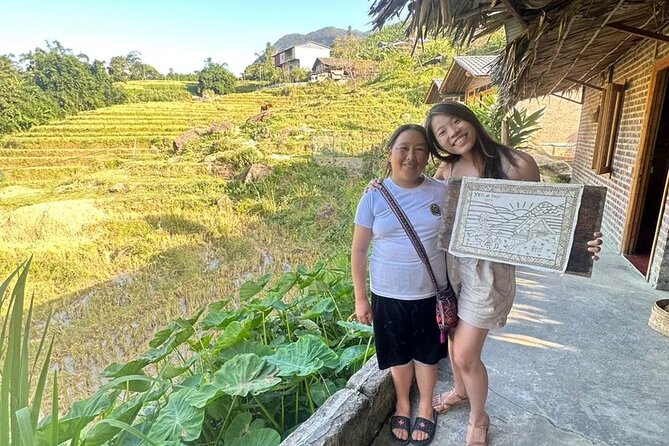
The data points to Sapa’s weather being cool, and one review specifically noted March cold and cloudy conditions. That means you should pack for “mountain weather,” not just city weather.
Bring:
- Layers you can add/remove during hikes
- Rain protection (mountain weather changes fast)
- Shoes with traction for uneven paths
- A daypack for water and snacks (even with meals included, you’ll want comfort items during long walking)
And since Day 2 can run around 7 hours, comfort matters. If your feet aren’t happy, the whole experience tilts.
Weather Reality Check: When Views Go Quiet
This is a weather-required tour. If conditions aren’t good, the experience can be canceled and you’ll be offered a different date or a full refund.
I’d plan like this: don’t treat this as a “guaranteed views day.” Treat it as a people-and-mountains day. When visibility is low, the focus shifts to walking, forest sounds, village conversations, and the homestay experience still being meaningful.
Who This Trek Suits Best
This fits best if you want:
- Authentic village time with a Hmong family in Ta Van
- A custom route based on your interests
- English explanations and conversation, not just a leader rushing ahead
- A mix of rice fields, bamboo/forest feel, and Hoang Lien National Park nature
You’ll want at least moderate physical fitness, especially for Day 2’s longer hike. The good news: the trek is described as customizable to all ages and athletic abilities, so you have room to negotiate pacing and priorities with your guide.
Should You Book This Hmong Sapa Trek?
I think you should book if you’re tired of “checked-box” sightseeing and want a real Sapa day that includes homestay comfort, village walking, and a serious nature hike in Hoang Lien National Park. The combination of local guide connection (Sue/Mai and others) plus strong English communication is exactly the kind of value that makes a tour feel worth it, not just convenient.
I wouldn’t rush to book if you:
- Can’t handle long walking time (especially the Day 2 ~7 hours)
- Are traveling in a window where cold/cloudy weather would really ruin your trip mood
- Want a fully standardized, non-adjustable itinerary with no flexibility
If you’re open to customizing and you’re ready for real mountain pacing, this is one of the best ways to experience Sapa as more than a postcard.
FAQ
How long is the Sapa trekking experience?
It’s about 2 days and includes 1 night in a homestay.
Where do we meet, and what time does it start?
You meet at Sapa Church (P. Hàm Rồng, TT. Sa Pa, Sa Pa, Lào Cai 333100) at 8:30am. The activity ends back at the same meeting point.
Is this a group tour or private?
It’s a private tour/activity, so only your group participates.
Is pickup included?
Pickup is offered, and the meeting point is near public transportation.
What villages and areas are included?
You’ll go to Y Linh Ho, Lao Chai, and then Ta Van. Day 2 includes trekking in and around Hoang Lien National Park.
What’s included with meals and the homestay?
On Day 1, you’ll have lunch, and you’ll have dinner with the family during the Ta Van homestay. Day 2 starts after breakfast. The homestay includes a private suite with bathroom, double bed, and hot shower.
Do I need to pay any entrance fees?
For the first stop, the admission ticket is free. For the national park segment, the admission ticket is included.
What happens if the weather is bad?
The experience requires good weather. If it’s canceled due to poor weather, you’ll be offered a different date or a full refund.
More Hiking & Trekking in Sapa
More Tour Reviews in Sapa
More Sapa Treks We Walked
Latest Sapa write-ups from our team

Sapa Trekking Tours, compared.
 ★ 5.0Sapa 2 Days 1 Night From Hanoi – Overnight in Ta Van VillageFrom $592,669 reviews
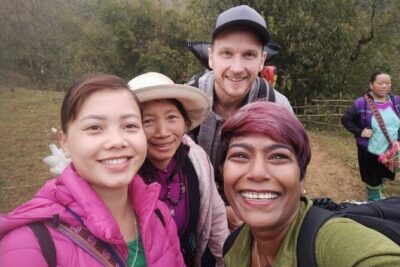 ★ 5.0Hanoi – Sapa 2 Days 1 Night Overnight At HomestayFrom $89899 reviews
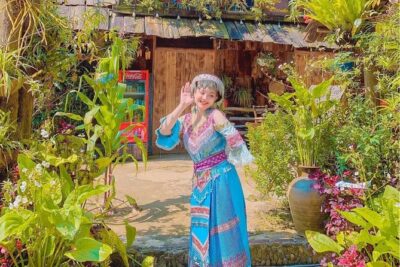 ★ 5.0Sapa: Fansipan Cable, Cat Cat Village & Moana Instagram TourFrom $30777 reviews
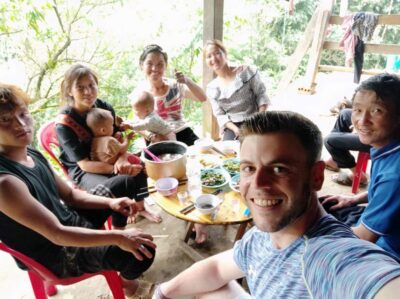 ★ 4.8From Hanoi: 2-Day Sapa Trekking Trip with Homestay & MealsFrom $71704 reviews
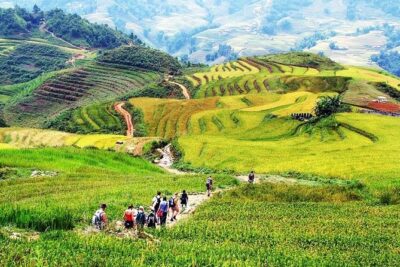 ★ 5.0Sapa 3 Days 2 Nights Trekking Tour (1 Night In Ta Van Village, 1 Night In Hotel)From $139699 reviews
 ★ 5.03-Day Trekking Adventure of Sapa from Hanoi – Stay Ta Van VillageFrom $109611 reviews
 ★ 4.82-Day Sa Pa Ethnic Homestay Tour & Trek with Limousine Bus440 reviews
 ★ 5.0Sapa 2 Days 1 Night From Hanoi – Overnight in HotelFrom $89440 reviews
Browse the lists this tour appears in