
Reviewed · SAPA TREKKING TOURS
Sapa The Hidden Trail Trek 1 Day – Mountain & Rice Valley
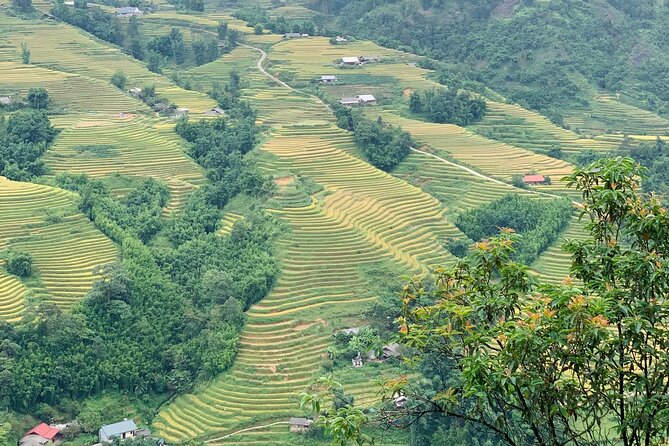
Your calves learn fast. This Sapa trek mixes mountain viewpoints with real village life in the Muong Hoa Valley.
It’s a great way to see Dragon Jaw area views (around 1,970m), then walk down through hamlets and terraces. The one consideration: expect an honest workout with steps, inclines, uneven ground, and sometimes mud.
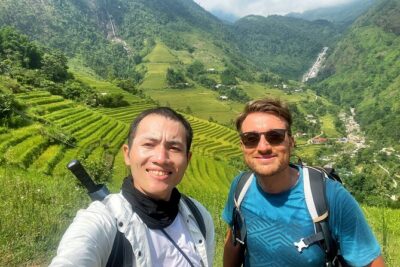
What I like most is how personal it feels once you’re walking with a local guide. Names you may hear in the group include Nhu, Zo, Jacob, TJ, Phenh, Chu, and Fin, and their explanations tend to focus on daily life, people, and the meaning behind what you see. You also get an included lunch that often comes in as village-style food, plus chances to pause for photos and questions.
If you want an easy stroll, this isn’t it. But if you want views, walking, and culture in one tightly packed day, the pace works—especially if you go in with moderate physical fitness and the right shoes.
In This Review
- Key moments that make this trek worth it
- From Sapa center to Muong Hoa valley villages
- The mountain start: Ham Rong / Dragon Jaw area views
- Hang Da Village: H’Mong life, big rocks, and easy photo angles
- Hau Chu Ngai / the bamboo forest section after lunch
- Giang Ta Chai Village and the small museum visit
- Guides on this route: why names like Nhu and Zo come up
- How hard is it, really? Steps, mud, and pacing
- Lunch on the trail: included, often local, sometimes not what you imagine
- Price and value: $35 for a guided full day
- Weather reality check: June rain can steal the view
- Who should book this trek (and who should skip it)
- Should you book Sapa The Hidden Trail Trek 1 Day?
- FAQ
- What time does the trek start?
- How long does this trek take?
- Is the tour private?
- What’s included in the price?
- What’s not included?
- How much does it cost?
- What physical level do I need?
- What if I need to cancel?
Key moments that make this trek worth it
- Dragon Jaw mountain viewpoint: look for big panoramas over Sapa town and the valley around ~1,970m.
- Hang Da Village (H’Mong): huge rocks, village streets, and classic Sapa-town views from the hamlet area.
- After-lunch downhill through trails: short bamboo forest paths help break up the walking.
- Giang Ta Chai stop (Black H’Mong and Dao): a small museum where you learn about traditional clothes and customs.
- Included local lunch + water: food is part of the plan, not an afterthought.
- Guides who adjust to you: some groups report route/pacing changes when someone needs an easier option.
From Sapa center to Muong Hoa valley villages
This is a one-day trek that moves with purpose. You start in Sapa (either picked up at your hotel or meet at Sapa Church), and you’re out by 9:00am. From there, the day is built around three things: height for views, villages for culture, and valley walking for that “you’re actually here” feeling.
You’ll spend time on viewpoints and then transition into village paths where the terrain can change quickly. That shift is part of why the day feels memorable: it’s not just looking from a distance. You’re walking through the terrain people live and farm on.
The official timing is listed as about 5 to 6 hours total, but the real feel can be closer to 6–7 hours of straight hiking depending on weather and group pace. One review even put the distance around 20,000 steps (about 9 miles), with a lot of uphill mixed with flatter sections.
More trails through the Sapa valleys


The mountain start: Ham Rong / Dragon Jaw area views
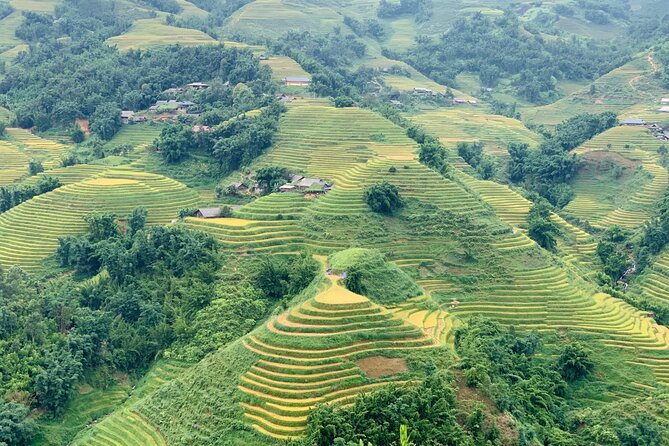
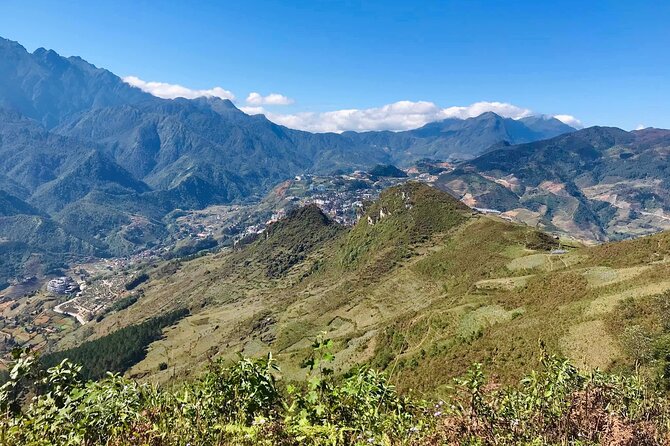
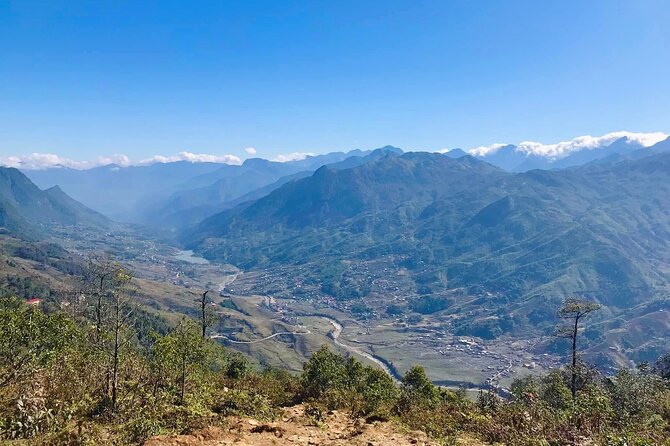
Your first major “wow” is the mountain stop. The itinerary lists Ham Rong Mountain as Stop 1, and the tour description emphasizes views from the Dragon Jaw mountain area at about 1,970m. In plain terms, you’re going up to get the big-picture view of Sapa town and the valleys dotted with villages.
This is also where the weather matters most. Cloud and rain can flatten the view, so if visibility is good, this is your best shot at the clearest panoramas. Even when the view is partially hidden, you still get that sense of altitude and the way the valley drops away.
Bring a mindset shift for this part: you’re not “touring” yet. You’re climbing. Plan for steady effort, short stops, and slow breathing. One good habit for hikes here is to treat every steep stretch like it’s its own short chapter.
Hang Da Village: H’Mong life, big rocks, and easy photo angles
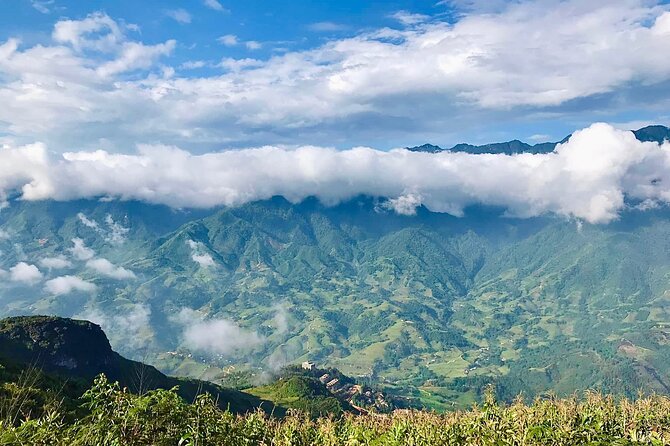
Next comes Hang Da Village (about 1 hour). This is where you transition from mountain terrain to village scenery and daily life. The tour description calls out Hang Da for its natural beauty and culture, including huge rocks and excellent panorama views.
What makes Hang Da special on a trek like this is that it’s not staged. You’re walking into a real village setting where homes, paths, and stone features shape the experience. If you like photos, this is one of the easier places to grab shots because you’re often positioned with a view in the background rather than fighting for a safe footing on a slippery trail.
This is also a moment where a good guide really helps. Several guides on this route explain H’Mong culture directly, including what you’re seeing and how people live in the mountains. That turns the stop from scenery into understanding.
Hau Chu Ngai / the bamboo forest section after lunch
After the first village and some time on the mountain, the trek continues toward the Hau Chu Ngai area. The itinerary notes that after lunch you’ll keep trekking along beautiful village roads and short bamboo forest trails as you head down toward Giang Ta Chai Village.
This middle stretch matters because it changes the texture of your hike. The bamboo forest section can feel like a reset: the walking can be quieter, shaded, and rhythm-based rather than constant open slope. It’s also a natural transition from “look at Sapa” to “walk through Sapa’s living valley.”
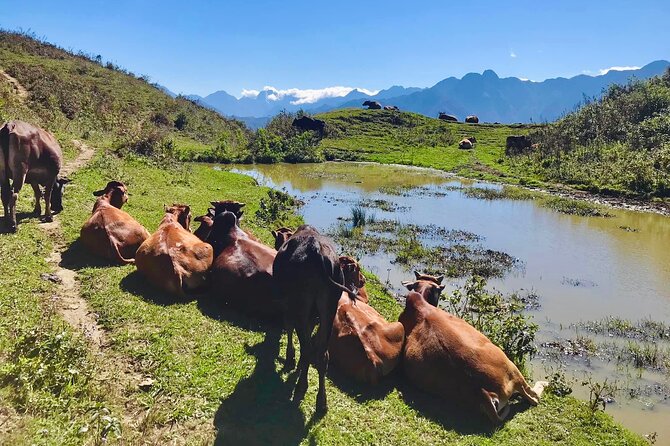
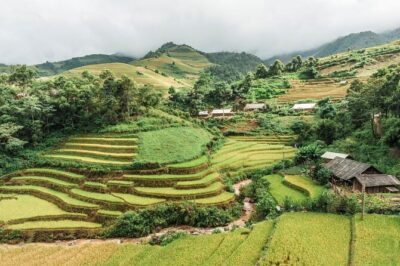
If you’re the type who likes seeing how landscapes are used, this section tends to deliver. Reviews mention walking past rice terraces and even farm animals, which fits the valley setting you’re moving through.
Giang Ta Chai Village and the small museum visit
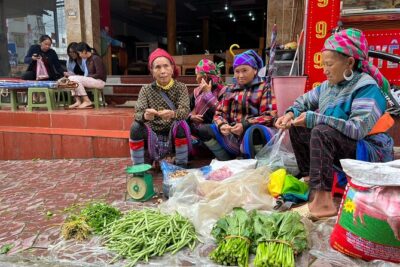
Stop 4 is Giang Ta Chai Village (about 30 minutes), shared by Black H’Mong and Dao communities. Here, you visit a small museum, and your local guide shows you about traditional clothing, local culture, and custom.
This museum stop is short by design. Don’t expect a long, slow museum experience. The value is in the context your guide gives you while you’re there, especially if you ask questions. It’s one of the clearest ways to connect what you saw outside—clothes, patterns, village life—with the meaning behind it.
One practical tip: dress for weather first, style second. In mountain villages, it can be cool and damp even if Sapa town is warmer. Bring layers you can manage while walking, and keep your hands free so you can take notes or photos easily.
Worth a glance beside this Sapa pick:
- Number one top rated ethical cultural trekking and homestay by ETHOS★ 5.0 · 456 reviews
- 1-day Authentik trek & Panorama valley views★ 5.0 · 189 reviews
- 1 day Fansipan Trekking★ 5.0 · 180 reviews
Guides on this route: why names like Nhu and Zo come up
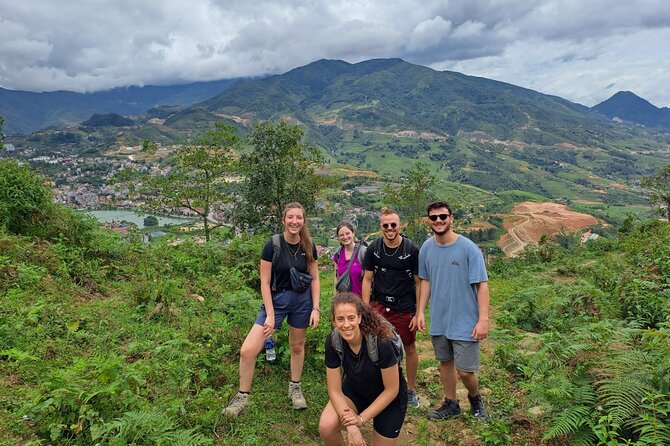
A big reason this trek earns such high ratings is the guiding. Many groups mention specific guides by name, including Nhu (described as a local H’Mong guide), Zo, Jacob, TJ, Phenh, Chu, and Fin. And what shows up again and again is patient pacing and clear explanations.
Here’s what that means for you on the ground:
- Your guide can point out what you’d otherwise pass without noticing. Reviews highlight explanations about ethnic groups, plants, and daily life.
- Your guide can manage group energy. Some report breaks timed well, with the guide pausing often enough to keep the hike enjoyable.
- Route flexibility can happen. One review mentions a group switching to a different, easier route when someone was struggling early on.
If you’re booking this because you want more than photos, make that your focus when you meet your guide. Ask what the village life looks like on a normal day, what farming seasons are like, or how cultural traditions show up in clothing. You’ll feel the stop click into place.
How hard is it, really? Steps, mud, and pacing
The honest answer: it’s moderate-to-challenging hiking, not a casual walk. Reviews call out step inclines, uneven surfaces, and muddy sections. Another review notes the trek is best for people with basic stamina, and it was manageable for a range of ages, including a 15-year-old and a 51-year-old in the same group.
Expect a pattern like this:
- Up toward viewpoints (more breath, more effort)
- Down into valley paths (more footing awareness)
- Then more walking between villages (steady, less dramatic climbs)
Bring walking poles if you have them, especially if you’re over 40 or your knees get cranky on steep descents. One review explicitly recommends poles for that reason.
Also, shoes matter. Even in good weather, the terrain is uneven. In rainy conditions, it becomes muddy, and mud is why good grip is not optional.
Lunch on the trail: included, often local, sometimes not what you imagine
Lunch is included in the price, and it usually comes as local village-style food. Multiple reviews describe the lunch as very good, with one person specifically praising rice from Sapa terraces and traditional food.
Still, don’t assume every day is the exact same. One review said the meal felt bland, and another pointed out they expected to eat at a local home but ended up at a small restaurant instead. That doesn’t automatically mean it’s a bad lunch, but it does mean you should mentally file lunch as included village food, not guaranteed home-cooked family meal.
A practical approach: treat lunch as refuel, not a culinary climax. Eat what’s provided, hydrate, and get back to the trail feeling steady.
Price and value: $35 for a guided full day
At $35 per person, this trek is strong value if you factor what’s included. You’re getting:
- Bottled water
- Village entry fees
- A local guide
- Lunch
- Transportation back to town
You’re not paying extra for the guide’s time or the village access. For many solo travelers and couples, that’s the real difference between a cheap hike and a worthwhile day out.
What you should still budget for:
- Tips (not included)
- Personal expenses, and insurance isn’t included
Because it’s a private tour/activity for your group, you also avoid that awkward “you move, everyone else waits” feeling that can happen on bigger set-piece tours.
If you’re on a tight schedule in Sapa, this is also a time-efficient way to get mountain views plus multiple village moments in one outing.
Weather reality check: June rain can steal the view
Sapa can be dramatic with the weather. One review specifically called out June as a rainy season with cloud and fog, which can wipe out the valley and mountain views after Dragon Jaw. In that case, the trek still works as a walk through the villages, but the view payoff is reduced.
If you’re choosing dates, that same review suggested better hiking months like March–April and September–October. If you’re stuck in June, adjust your expectations: bring rain gear, plan for mud, and still enjoy the village culture and walking experience even if the panorama fades.
Who should book this trek (and who should skip it)
Book it if:
- You want a one-day introduction to Sapa beyond town streets
- You like walking through villages and learning about local cultures
- You can handle uneven paths and steep sections
- You want a guide who explains what you’re seeing, not just where to step next
Consider skipping (or choosing an easier day) if:
- You need a fully flat route
- You’re uncomfortable on muddy, uneven ground
- You’re looking for a short, low-effort stroll
This is a great pick for your first or second day in Sapa if you want a strong sense of the region’s altitude and village rhythm. If you already know you want deep hiking for multiple days, this can be a warm-up that still delivers big viewpoints.
Should you book Sapa The Hidden Trail Trek 1 Day?
I’d book it if your goal is to combine views, culture, and a real guided walk in a single ticket. The price is fair for what’s included, and the standout element across guide names like Nhu and Zo is the way they explain village life while keeping the hike manageable.
Just go in prepared. Bring grippy shoes, pack a rain option, and treat the steep parts as expected. If you do that, you’re much more likely to come away with the kind of day people talk about: good pacing, helpful guidance, village moments you actually remember, and photos that show you climbed for them.
FAQ
What time does the trek start?
The tour starts at 9:00am. Your guide can pick you up from your hotel or meet you at Sapa Church.
How long does this trek take?
It runs about 5 to 6 hours (approx.). Some days may feel longer depending on pace and conditions.
Is the tour private?
Yes. It’s listed as a private tour/activity, meaning only your group participates.
What’s included in the price?
Included items are bottled water, village entry fees, a local guide, lunch, and transportation back to town.
What’s not included?
Not included are tips and personal expenses, including insurance.
How much does it cost?
The price is $35.00 per person.
What physical level do I need?
You should have moderate physical fitness for this hike, since it involves uneven surfaces and inclines.
What if I need to cancel?
You can cancel for a full refund if you cancel at least 24 hours before the experience’s start time.
More Hiking & Trekking in Sapa
More Tour Reviews in Sapa
More Sapa Treks We Walked
Latest Sapa write-ups from our team


Sapa Trekking Tours, compared.
 ★ 5.0Sapa 2 Days 1 Night From Hanoi – Overnight in Ta Van VillageFrom $592,669 reviews
 ★ 5.0Hanoi – Sapa 2 Days 1 Night Overnight At HomestayFrom $89899 reviews
 ★ 5.0Sapa: Fansipan Cable, Cat Cat Village & Moana Instagram TourFrom $30777 reviews
 ★ 4.8From Hanoi: 2-Day Sapa Trekking Trip with Homestay & MealsFrom $71704 reviews
 ★ 5.0Sapa 3 Days 2 Nights Trekking Tour (1 Night In Ta Van Village, 1 Night In Hotel)From $139699 reviews
 ★ 5.03-Day Trekking Adventure of Sapa from Hanoi – Stay Ta Van VillageFrom $109611 reviews
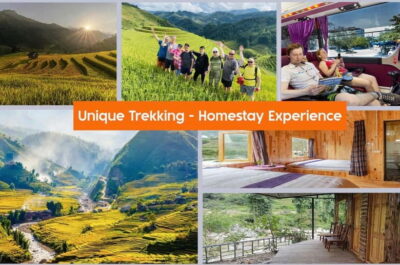 ★ 4.82-Day Sa Pa Ethnic Homestay Tour & Trek with Limousine Bus440 reviews
 ★ 5.0Sapa 2 Days 1 Night From Hanoi – Overnight in HotelFrom $89440 reviews
Browse the lists this tour appears in