
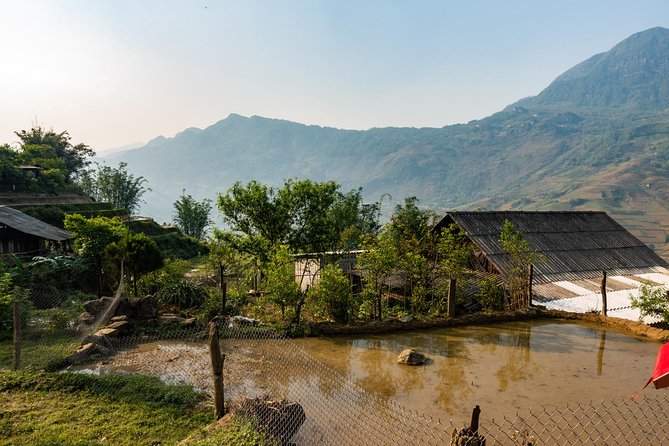
Reviewed · SAPA TREKKING TOURS
Sapa, Muong Hoa Valley – 3 Day Hiking & Cultural Experience
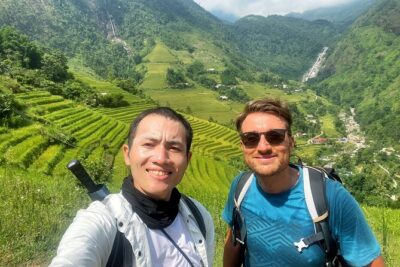
A three-day hike in Sapa sounds simple—then Muong Hoa hits you. This trek threads together rice terraces, rivers, and tribal villages with a local Black Hmong guide who knows the area in a practical, day-to-day way, not just from a brochure. I especially like the way the schedule mixes big scenery with real village moments, from hemp weaving to learning cooking basics.
The second thing I like is the small, private-group feel. You’re moving with a tight group, getting time to meet families in places like Lao Chải, Ta Van, Giang Ta Chải, and Ban Ho, instead of being rushed through. One consideration: you’ll be hiking on mixed paths for long stretches (and early mornings), so good shoes matter more than style, especially if rain rolls in.
In This Review
- Key Highlights You’ll Notice Fast
- What Muong Hoa Valley Really Gives You in 3 Days
- Day 1: Y Linh Ho Down the Rice Fields to Lao Chải and Ta Van
- Y Linh Ho: River pause and a simple taste of village nature
- Lao Chải: Lunch and hemp weaving with real family context
- Ta Van Village: Homestay life, cooking lessons, and sunset time
- Day 2: Bamboo Forest, Giang Ta Chải Waterfalls, and the Road to Ban Ho
- Ta Van to the bamboo forest: early start, calm walking
- Giang Ta Chải: rice terraces, the Giay people, and waterfall time
- Su Pan 2 for lunch: H’mong meal details you’ll remember
- Ban Ho: Tay stilt houses and a second homestay dinner
- Day 3: Sunrise Over the Mountains, Nam Toóng School, and the Hike Back to Sapa
- Nam Toóng village and the Red Dao connection
- The descent through rice terraces back to Ban Ho for lunch
- Food and Small Culture Moments That Make the Days Work
- Your Guide: Why Black Hmong Local Expertise Changes the Trip
- Price and Value: What $231.12 Buys You Here
- Packing and Fitness: The Real Consideration Before You Go
- Should You Book This Sapa Trek?
- FAQ
- FAQ
- What is the duration of the Sapa Muong Hoa Valley hiking and cultural experience?
- Where does the tour start, and what time does it begin?
- Is this a private tour?
- What villages and areas are included during the 3 days?
- Are meals included?
- Can I request vegetarian or vegan meals?
- Is swimming possible during the trek?
- What if the weather is poor?
- Is there free cancellation?
Key Highlights You’ll Notice Fast
- Black Hmong guide-led routes with long local familiarity across the valley
- Homestays in Ta Van and Ban Ho so you’re not just passing through
- Handcraft and daily-life visits like hemp weaving in Lao Chải
- Water moments are seasonal, including possible swims by the river and near waterfalls
- Multiple tribes in one trip, including Black Hmong, Red Dao, Giay, Red Zao, and Tay communities
What Muong Hoa Valley Really Gives You in 3 Days
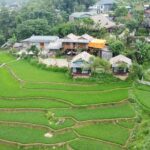
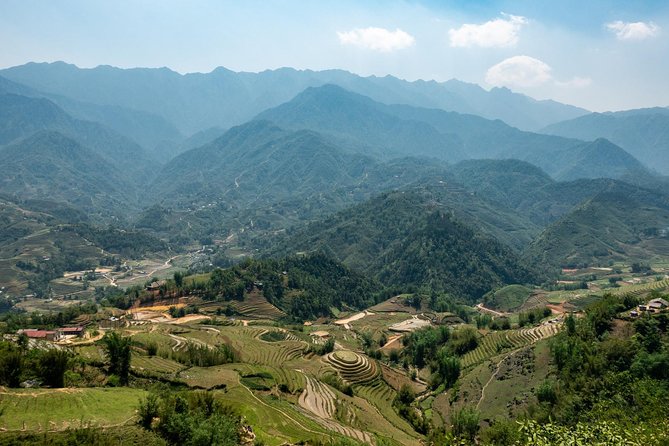
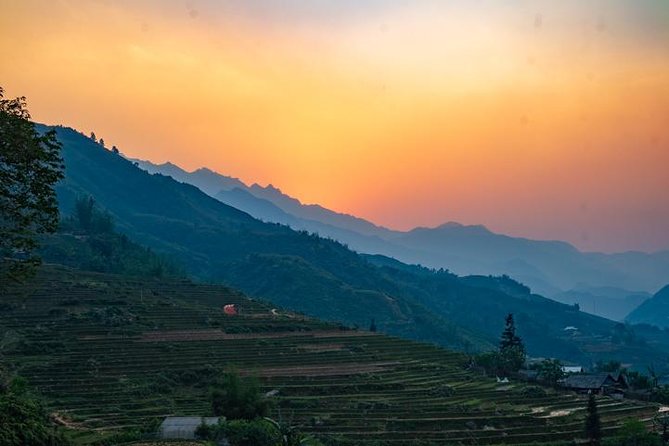
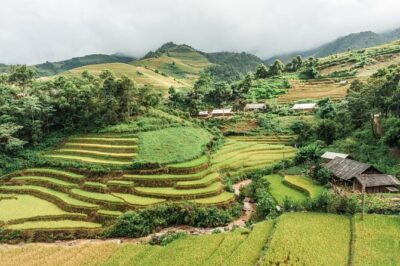
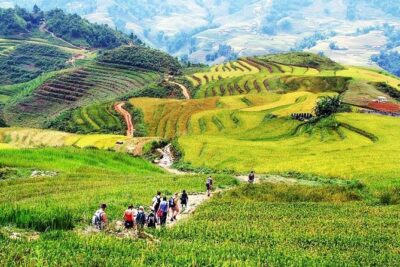
Muong Hoa Valley is the kind of place where the view changes every hour. You go from village lanes and river crossings to long stretches through rice fields, with the Dragon Mountain range hanging in the background. The key is pacing: you’re not sprinting from one “photo stop” to the next. The tour is built so you hike downhill and around terraces during daylight, then slow down for meetings and meals in the villages.
Another smart thing: the itinerary keeps you grounded in what people actually do here. You’re not just looking at terraced slopes; you’re also learning how families work and make things, then sharing a table at the end of the day. That’s why it feels more like a cultural visit that includes hiking, rather than a hiking trip that randomly adds culture.
If you want the classic Sapa experience—big mountains, wet-season greenery, and village life—this hits it with less waiting and more walking time.
More trails through the Sapa valleys
Day 1: Y Linh Ho Down the Rice Fields to Lao Chải and Ta Van
Day 1 starts around 9am with pickup from central Sapa, then you head out of town on small trails that descend into the valley. The entrance fee for the valley is included, which matters here because trekking routes often come with separate fees once you’re already committed to the day.
Y Linh Ho: River pause and a simple taste of village nature
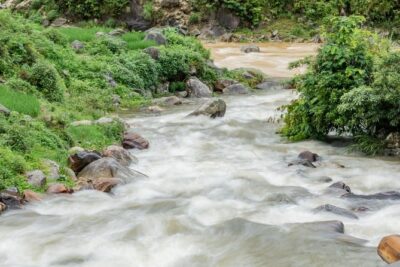
Your first stop is Y Linh Ho, where you rest beside the river. In summer, swimming is possible, and there’s also a local shop for supplies—handy if you realize you brought one water bottle and optimism only.
After crossing the bridge, you move toward rice paddy areas and continue onward to Lao Chải. This part is where you get your first real “Muong Hoa is huge” feeling without needing a full day of effort right away.
Lao Chải: Lunch and hemp weaving with real family context
Lunch is served in Lao Chải, and you can choose between traditional Hmong food or Vietnamese. If you’re vegetarian or vegan, tell the operator in advance so they can plan accordingly. That’s not a small detail; trekking days move fast and surprise dietary changes can be tough in rural homestay settings.
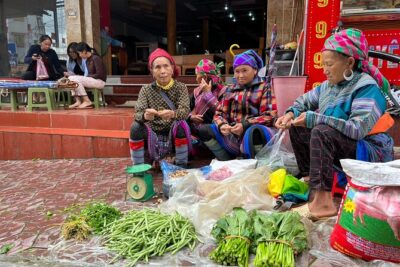
Lao Chải is known for handicraft and hemp weaving, and you visit a Hmong family home to see how traditional clothes are made. There’s also an option to buy textiles and handicrafts directly from villagers. If you like the idea of spending money in a way that actually supports the community you’re learning from, this is one of the more direct moments of the whole trip.
Ta Van Village: Homestay life, cooking lessons, and sunset time
In the afternoon, you hike up to Ta Van, aiming to arrive around 3pm. That timing is practical: you get a few hours to settle in before dinner, and the late-day light makes the terraces and valley look softer.
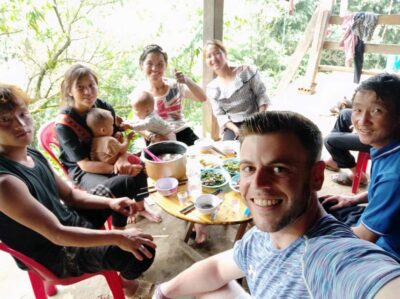
In Ta Van, you meet families from three tribes in the village: Black Hmong, Red Dao, and Zay. You can watch sunset, learn about traditional Hmong cooking, and even try it yourself if you want. Supper is included and usually served around 7pm, and for visitors old enough, there’s the option to try a small glass of locally made rice wine.
This is the day’s emotional core. You’re tired, you’re surrounded by scenery, and then you’re sitting down with the people who actually live there. If you’re hoping for a “cultural exchange” feeling rather than a tour-bus rhythm, this is where it happens.
Worth a glance beside this Sapa pick:
- Number one top rated ethical cultural trekking and homestay by ETHOS★ 5.0 · 456 reviews
- 1-day Authentik trek & Panorama valley views★ 5.0 · 189 reviews
- 1 day Fansipan Trekking★ 5.0 · 180 reviews
Day 2: Bamboo Forest, Giang Ta Chải Waterfalls, and the Road to Ban Ho
Day 2 begins early, because village life starts early. Breakfast is between 7:30am and 8am and can be Vietnamese or H’mong cuisine. You then hike around 9am toward the bamboo forest, a favorite stretch for many guests because the walking shifts from open terraces to a cooler, shaded path.
Ta Van to the bamboo forest: early start, calm walking
This is the kind of morning hike that feels steady. Expect quiet trails, changing shades of green, and enough time to look up between steps at the slopes and valley.
Giang Ta Chải: rice terraces, the Giay people, and waterfall time
Next you move toward Giang Ta Chải Village to meet the Giay’s community. The hike here takes about 1.5 hours, and the route passes rice terraces and the river Hoa. This is also one of the stops where you get a different rhythm of culture: the Giay have their own language and wear distinct clothing, which makes the visit feel more specific than “another village stop.”
There’s a quick stop to talk with local farmers, and the area includes a small waterfall. If the weather is warm, you can swim there, but it’s still a “conditions apply” moment, not a guaranteed pool day. You’ll spend about 30 minutes around the falls.
Nearby, the Red Zao tribe also lives around the waterfalls area. You’ll make another stop for about 30 minutes to meet them as well. Two culture stops in one chunk keeps the day from feeling repetitive, but it also means you’ll want to pace your attention—listen, ask a couple good questions, and don’t rush photos.
Su Pan 2 for lunch: H’mong meal details you’ll remember
From Giang Ta Chải, you continue to Su Pan, with a rest stop before hiking to Su Pan 2 for lunch. You can choose Vietnamese dishes (noodle soup or fried noodles with pork or chicken, plus vegetables) or H’mong food.
The H’mong option described here includes steamed rice with spinach, chicken, pork, beef, beans, and chili sauce. That’s a filling, practical meal for a day that’s still ahead. When you’re hiking, meals like this matter more than you might think at breakfast—they help you keep energy for the afternoon without feeling heavy.
Ban Ho: Tay stilt houses and a second homestay dinner
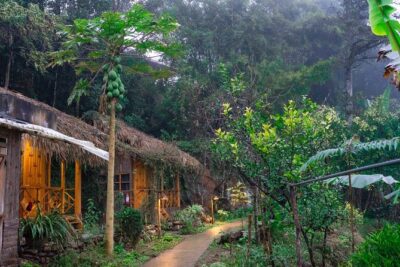
After lunch, you continue down toward Ban Ho village of the Tay people, specifically a Black Tay community. Their traditional houses are built on wooden stilts, and it’s one of those details you can’t fully appreciate until you’re standing close.
You aim to arrive around 3:30pm, which gives time to rest and explore before dinner, usually around 7pm. You sleep at the homestay around 10pm.
If you like a slower evening—unhurried, family-style—you’ll find Ban Ho’s schedule gives you space to do more than just “arrive, eat, sleep.”
Day 3: Sunrise Over the Mountains, Nam Toóng School, and the Hike Back to Sapa
Day 3 is shorter on paper, but it starts with a commitment: sunrise, if weather is clear. The plan is for sunup around 5:30am, with the sun rising over the mountains in front of the homestay. This is one of those moments that’s worth setting your alarm for, but also worth respecting if you’re not a morning person. You’ll have breakfast at 8am, either Vietnamese food or pancakes if you prefer.
Nam Toóng village and the Red Dao connection
After breakfast, you hike about 1.5 hours to Nam Toóng village. Nam Toóng is home to the Red Dao tribe. The stop isn’t described as a long town tour; it’s more of a village visit as you transition from homestay life back toward terraces and trails.
The descent through rice terraces back to Ban Ho for lunch
Then you hike down to the rice terraces and back to Ban Ho, taking about 1.5 hours, before returning to the homestay for lunch. This final hiking window feels like a closer: you’ve seen multiple villages, multiple tribal styles, and the valley’s “macro beauty,” and now you’re reconnecting to the rice terraces at ground level.
By the end, the tour returns to Sapa by mini van or motorbike around 2:30pm, leaving you enough time to wander Sapa town before evening (and possibly to head toward Hanoi if that’s your next move). There’s also an option to drop you at the bus station if you’re going back to Hanoi.
Food and Small Culture Moments That Make the Days Work
This tour treats food as part of the itinerary, not an afterthought. On Day 1 you get lunch in Lao Chải and supper included at Ta Van. On Day 2 you get breakfast and lunch at Su Pan 2, plus dinner at Ban Ho. On Day 3 breakfast is included, and lunch is served back at the homestay.
The menu choices matter because trekking fatigue is real. Your H’mong food options described in the schedule include hearty rice-based dishes and meat-and-vegetable plates with chili sauce. Vietnamese options are noodle soup and fried noodles styles, plus pancakes on Day 3 as an alternative.
Two other details you’ll want to remember:
- Water swims are conditional: river swimming at Y Linh Ho in summer, and waterfall swimming at Giang Ta Chải in warm weather.
- Rice wine at Ta Van is optional and only mentioned for people old enough, so plan on a casual, respectful tasting rather than a party.
Your Guide: Why Black Hmong Local Expertise Changes the Trip
The guide for this experience is described as a Black Hmong member who has lived in the region for hundreds of years and knows the area better than anyone. That matters because the “how” of a hike is often more important than the “where.”
You’ll also see proof of guide quality in the names shared in guest feedback you can look for when you book. People have highlighted guides such as Ying and Ton, Mai, and Xa. Others noted Sue (Zen’s sister) and mentioned a route led by family-linked staff. I’m not assuming you’ll get the same guide, but it’s a good sign that this company doesn’t treat guiding as generic work. The trip is built on relationships and on knowing how to talk about the villages you pass through.
A practical tip: when you meet the family at stops like Lao Chải or Ta Van, ask one question about something you can see right then—clothing materials, hemp use, cooking methods. You’ll understand more because the explanation lands immediately.
Price and Value: What $231.12 Buys You Here

At $231.12 per person, you’re paying for more than hiking time. From the tour details, the value is in the package structure:
- Pickup in central Sapa around 9am (so you’re not stuck arranging transport)
- Valley entrance fee included
- Two homestay nights (Ta Van and Ban Ho)
- Meals included across the three days (breakfasts, lunch stops, supper, and dinner)
- Guiding and village visits that go beyond “walk by a viewpoint”
Could you do something similar on your own? Maybe, but you’d lose the organized rhythm of village stops and the meal timing that keeps you functioning. In places like these, the biggest costs often come from uncertainty: where to eat, whether a vegetarian meal is possible, how to reach the right trail at the right time.
One more value point: this is described as a private tour for your group. If you’re traveling as a couple or small circle, that can make the per-person cost feel more reasonable than large group trekking where you’re one face among many.
Packing and Fitness: The Real Consideration Before You Go
This experience is for people with at least moderate physical fitness. The days are long—some segments list up to around 12 hours—and you’re hiking on paths that can turn slippery. A big clue from practical feedback is that the tour can be tough in rain, and it’s not a “normal sneakers only” type of plan.
Here’s what you should do to protect your trip:
- Wear hiking shoes with grip, not slick city runners.
- Bring a light rain layer or pack cover. Wet trails change footing fast.
- Pack water and a snack you like, even though there are shops and you’ll get meals. Your appetite may run ahead of schedule.
Also plan your sleep and your attitude. Early starts on Day 2 and sunrise timing on Day 3 mean you’ll feel better if you’re not treating the homestay nights like a hotel stay. Simple and comfortable is the theme, not luxury.
Should You Book This Sapa Trek?
Book it if you want a Sapa experience that mixes serious scenery with real village life, where you meet families, learn simple cultural practices like cooking, and sleep in the communities that shape the valley.
Skip it (or choose the easier 2-day version) if you’re allergic to early mornings or you’re not comfortable hiking several hours a day with uneven ground. Also be honest about weather: the tour notes that it requires good weather, and if conditions are poor, you’ll be offered a different date or a full refund.
FAQ
FAQ
What is the duration of the Sapa Muong Hoa Valley hiking and cultural experience?
It runs for 3 days (approx.).
Where does the tour start, and what time does it begin?
Pickup is offered from your hotel in central Sapa around 9am, with the meeting point listed near Sa Pa trekking tour8RPR+4QH, Mường Hoa, TT. Sa Pa.
Is this a private tour?
Yes. It’s described as a private tour/activity with only your group participating.
What villages and areas are included during the 3 days?
You’ll visit places including Y Linh Ho, Lao Chải, Ta Van Village, Giang Ta Chai Village, Su Pan/Su Pan 2, Ban Ho Village, Nam Toóng village, and the Nam Toóng School area.
Are meals included?
Yes. Lunch is provided on Day 1 in Lao Chải. Breakfast, lunch, and supper/dinner are included across the three days, and lunch is also served on Day 3 at the homestay.
Can I request vegetarian or vegan meals?
Yes. You should let them know in advance so they can arrange vegetarian or vegan options.
Is swimming possible during the trek?
Swimming is possible at Y Linh Ho in summer time, and at Giang Ta Chai near the waterfalls if the weather is warm enough.
What if the weather is poor?
The experience requires good weather. If it’s canceled due to poor weather, you’ll be offered a different date or a full refund.
Is there free cancellation?
Yes. Free cancellation is available up to 24 hours in advance for a full refund.
More Hiking & Trekking in Sapa
More Tour Reviews in Sapa
More Sapa Treks We Walked
Latest Sapa write-ups from our team

Sapa Trekking Tours, compared.
 ★ 5.0Sapa 2 Days 1 Night From Hanoi – Overnight in Ta Van VillageFrom $592,669 reviews
 ★ 5.0Hanoi – Sapa 2 Days 1 Night Overnight At HomestayFrom $89899 reviews
 ★ 5.0Sapa: Fansipan Cable, Cat Cat Village & Moana Instagram TourFrom $30777 reviews
 ★ 4.8From Hanoi: 2-Day Sapa Trekking Trip with Homestay & MealsFrom $71704 reviews
 ★ 5.0Sapa 3 Days 2 Nights Trekking Tour (1 Night In Ta Van Village, 1 Night In Hotel)From $139699 reviews
 ★ 5.03-Day Trekking Adventure of Sapa from Hanoi – Stay Ta Van VillageFrom $109611 reviews
 ★ 4.82-Day Sa Pa Ethnic Homestay Tour & Trek with Limousine Bus440 reviews
 ★ 5.0Sapa 2 Days 1 Night From Hanoi – Overnight in HotelFrom $89440 reviews
Browse the lists this tour appears in