
Reviewed · SAPA TREKKING TOURS
Sapa Mountain View and Villages Trek
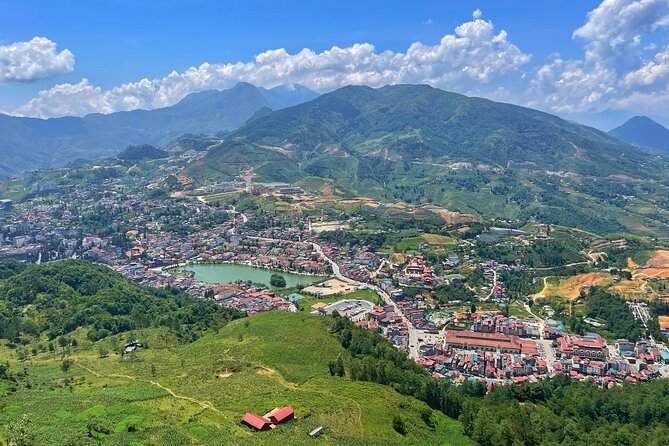
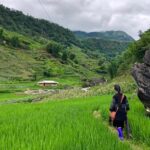
A good view comes with a side of culture. This Sapa trek takes you high above town for panoramic Muong Hoa valley scenery, then down toward Hmong villages and daily life on the slopes. You’ll get rice-and-corn field views, simple wooden houses shaped by the terrain, and a feel for how people live when the mountains run the show.
I especially liked how the guide experience can make or break a hike—one guide named Gio impressed me with patient pacing and strong English, and even with multiple short breaks. I also like the practical value: village entry fees, lunch, a small bottle of water, and the ride back to Sapa are built into the price.
The main thing to consider is the mountain walking. Even though it’s described as suitable for moderate fitness, you’ll still be moving downhill and around village areas, so plan on solid shoes and respect the weather—this tour depends on good conditions.
In This Review
- Key highlights you’ll actually feel on the trail
- Getting oriented in Sapa: Sapa Church start at 9:00
- What the hike feels like: a half-day of viewpoints, village edges, and downhill walking
- After lunch in Hang Da: why the houses look small up high
- Hau Thao village and the valley panorama you came for
- Giang Ta Chai: Hmong life by the Muong Hoa river
- Lunch, water, and village entry fees: why $35 can be fair value
- Guide quality you can feel: Gio’s pacing and English
- Pickup, mobile tickets, and how to plan your day
- Packing that actually helps on a Sapa mountain villages trek
- Who this trek is for (and who might want a different style)
- Should you book the Sapa Mountain View and Villages Trek?
- FAQ
- What time does the tour start and where do I meet?
- Is pickup available?
- How long is the trek?
- What does the price include for this tour?
- Is lunch included?
- Are village entry tickets included?
- What fitness level do I need?
- What happens if the weather is bad?
- What is the cancellation window for a full refund?
Key highlights you’ll actually feel on the trail
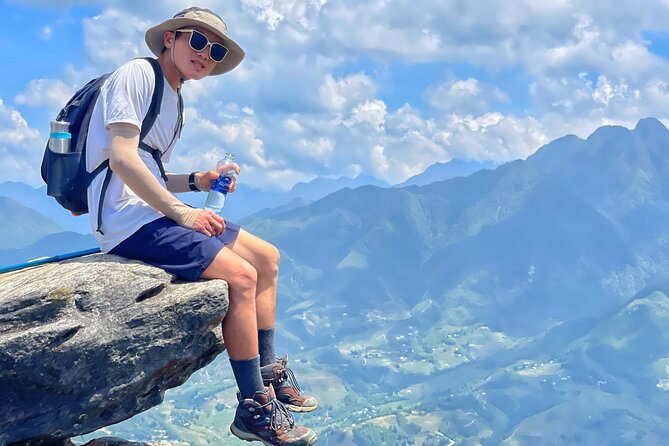
- Muong Hoa valley panoramas from the high-mountain viewpoint areas
- Hmong village life you can see through houses, fields, and everyday routine
- Hang Da to Hau Thao downhill route with terraced-field and settlement views
- Giang Ta Chai on the Muong Hoa river for more village context
- Lunch + village entry fees included so you don’t nickel-and-dime your day
- Gio’s English and break-friendly pacing (a standout in past experiences)
Getting oriented in Sapa: Sapa Church start at 9:00
This is a morning-start trek out of central Sapa, with the meeting point at Sapa Church on P. Hàm Rồng (TT. Sa Pa), right in the main town area. The start time is 9:00 am, and the whole day runs around 6 hours. If you’re staying in town, you won’t need to figure out complicated transfers before you even start walking.
You may also have pickup offered, so it’s worth checking what your operator confirms for your specific booking. There’s also mention of a mobile ticket, which usually means less paper to manage and an easier check-in day.
This start time matters. Sapa weather can change quickly, and a later start can mean haze or mist that blurs the views you came for. Going early gives you the best odds of clear visibility over the Muong Hoa valley.
More trails through the Sapa valleys
What the hike feels like: a half-day of viewpoints, village edges, and downhill walking
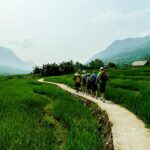
The trek is designed to balance scenery with village visits rather than turning into an all-day grind. The route moves from higher areas down toward the valley, which means you’ll spend a lot of time looking and walking at the same time—watching fields, houses, and settlement patterns as the altitude changes.
After lunch, the plan includes visiting Hang Da and then heading downhill through areas where you can admire the Muong Hoa valley with terraced fields and clustered village homes. The tour is described as having a moderate fitness requirement, which is a good sign if you want a real mountain experience without needing to train for a long, steep endurance trek.
Two practical notes. First: the terrain is uneven by nature. Second: the guide will often help you stop, look, and move at a comfortable pace. Past experiences specifically praised Gio for being patient with breaks, which is exactly what you want when you’re balancing photos with actual breathing.
The tour also caps at 15 travelers, which usually keeps the walking experience from turning into a crowded shuffle. Smaller groups also tend to make it easier for your guide to answer questions about what you’re seeing—especially around Hmong homes and farming life.
After lunch in Hang Da: why the houses look small up high
One of the most memorable parts of this trek is how quickly the scenery turns into context. In Hang Da, you don’t just see houses—you start understanding why they’re shaped the way they are in mountain settings.
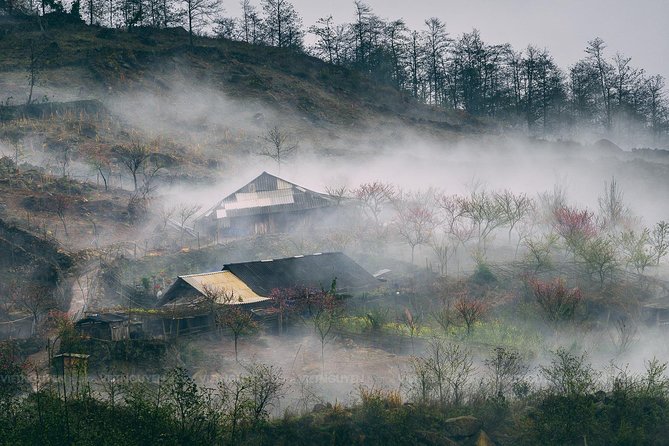
The tour description points out a simple, useful logic: because of the height and terrain, homes are often small and made of wood. That’s not just an architectural detail; it connects directly to mountain living—materials, space, and how communities adapt when every path and flat patch matters.
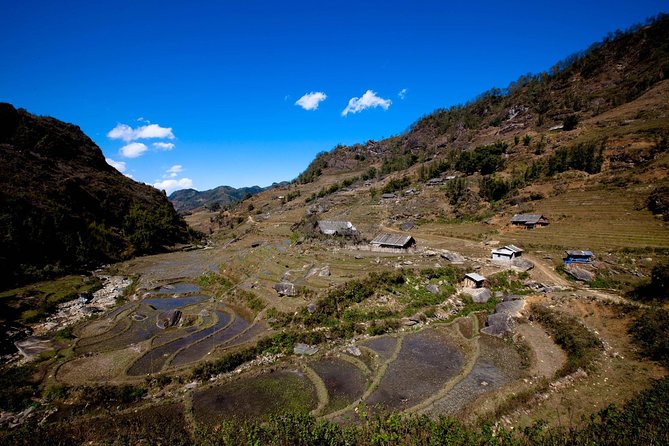
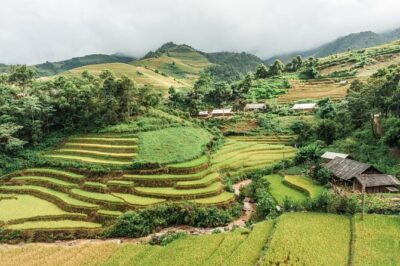
From there, you start moving down toward the Muong Hoa valley and the Hau Thao village area. This downhill segment is where the views do most of the work. You’ll likely see rice fields, corn, and terraced slopes layered below you, along with the scattered form of villages tucked into the landscape.
The benefit of this structure is that you get the “wow” moments without needing to sprint between photo stops. The drawback? Downhill can feel harder on your knees than you expect, especially if you don’t wear supportive shoes.
Hau Thao village and the valley panorama you came for
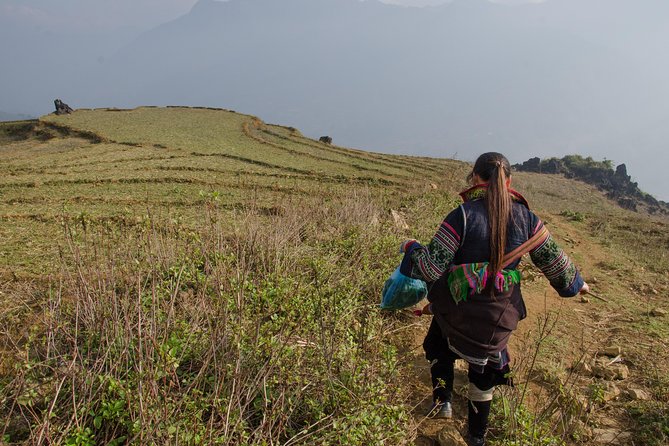
Hau Thao is positioned as a viewpoint-and-village stop, and that’s a smart pairing. You get a panoramic look over the Muong Hoa valley—villages and terraces spread out below—then you’re in the village environment long enough to notice how people live near the fields.
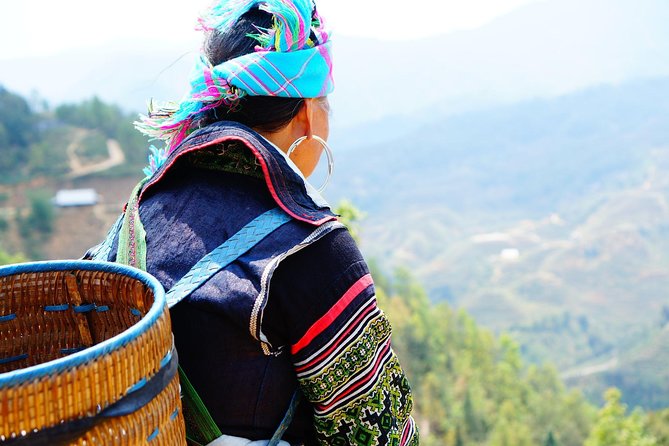
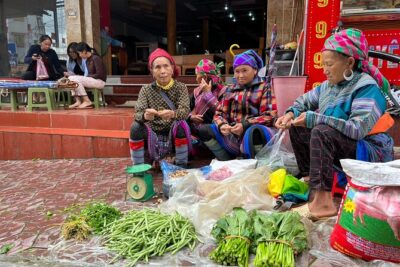
This part of the day is also where the tour helps you “read” the landscape. Instead of treating the mountain scenery like a static postcard, your guide provides context for what you’re seeing: Hmong daily life, traditional houses, and how the terrain shapes everyday choices. The tour mentions that you’ll observe the Hmong’s lives and their traditional homes along the way, and that the mountain terrain explains why homes are often compact.
Stop duration is about 1 hour for Hau Thao, and the admission ticket for this segment is listed as free. That’s a nice bonus, but the real value is the time window: enough to soak in views, not so long that you’ll feel stuck.
What to watch for here: lighting and visibility. If the weather is foggy, the valley views may soften. This tour does require good weather, so if conditions are poor, you’ll want to be ready for the operator to suggest another date or refund, depending on what’s offered.
Giang Ta Chai: Hmong life by the Muong Hoa river
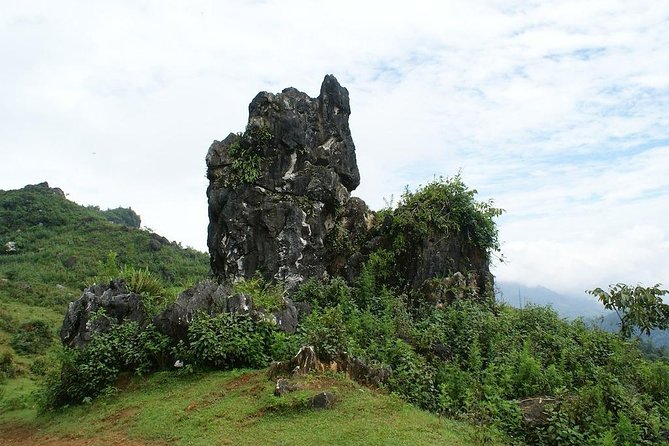
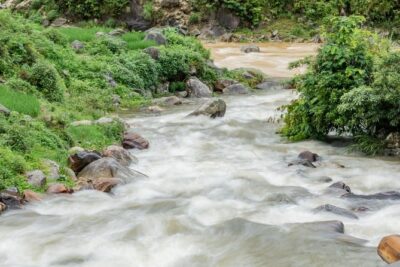
After Hang Da and the Hau Thao area, the trek continues to Giang Ta Chai village. This village is described as a small Hmong village on the Muong Hoa river, which makes the stop feel grounded in real geography rather than just “village sightseeing.”
This is also where the tour leans into explanation. Your guide provides information about:
- the topography (how the land and altitude shape life),
- culture and traditions,
- and even the establishment of the Sapa tourist resort.
That last topic can be surprisingly helpful. Even if you’re not a history person, learning how tourism took root in Sapa gives you context for why villages look a bit different in areas closer to visitor routes—and why guides are often so tuned in to sharing both daily life and cultural meaning.
Giang Ta Chai is another 1-hour segment. The admission for this stop is listed as included, and after this you return to Sapa by car. That means you get movement and walking in the morning/afternoon window, then a practical end so your day doesn’t drag.
Worth a glance beside this Sapa pick:
- Number one top rated ethical cultural trekking and homestay by ETHOS★ 5.0 · 456 reviews
- 1-day Authentik trek & Panorama valley views★ 5.0 · 189 reviews
- 1 day Fansipan Trekking★ 5.0 · 180 reviews
Lunch, water, and village entry fees: why $35 can be fair value
At $35 for around 6 hours, this trek is positioned as a value-focused way to get out of town. The price matters most when you look at what’s included:
- Village entry fees
- Lunch
- Transportation back to Sapa
- A local guide
- 1 small bottle of water
That’s a strong package for a mountain half-day. A lot of “cheap hikes” end up costing extra once you add entrance fees, lunch, and a vehicle ride back. Here, those pieces are explicitly covered.
Two cautions, though. First: the tour includes only one small bottle of water. If you sweat easily or you’re hiking in warm sun, you’ll probably want extra water available for purchase. Second: extra drinks at restaurants aren’t included, and tips for the guide and driver aren’t included.
Still, $35 feels more reasonable when you count the human guide component. The best part of this day isn’t just walking—it’s understanding what you’re seeing, and the guide’s ability matters a lot. Gio’s English and patient break style were specifically praised, which makes the guide cost look like part of the value rather than an upsell.
Guide quality you can feel: Gio’s pacing and English
One of the best signals for whether a village trek will be enjoyable is your guide’s ability to manage both the trail and the conversation. In past experiences, a guide named Gio earned strong praise for being very nice and helpful, with English well and a calm approach.
The part I think you’ll care about most: Gio was described as patient with guests taking multiple breaks, and also as someone who was friendly to talk with. In practice, this means you’re more likely to:
- get time to catch your breath without feeling rushed,
- ask questions about culture and what you’re seeing,
- and walk at a pace that matches the group.
This matters on mountain trails. When a guide is focused only on moving forward fast, you miss context. When a guide is supportive, you come away with better memories—and better photos that aren’t taken while everyone’s gasping.
With a group size capped at 15, a good guide can keep the whole experience feeling personal enough to learn something, not just “check the box.”
Pickup, mobile tickets, and how to plan your day
This tour is designed for easy town access. Meeting at Sapa Church keeps it central, and pickup offered can reduce the hassle if you’re not right next to the meeting area. Mobile ticket usage also suggests you’ll handle check-in quickly.
Since it runs about 6 hours and starts at 9:00 am, you’ll want to plan the rest of your day around returning to town by the afternoon. The tour ends back at the meeting point, so you can eat, rest, and explore nearby without needing to coordinate extra transport.
Also, remember this is a weather-dependent experience. The tour description notes it requires good weather. If visibility is poor or conditions are unsafe, you should expect the operator to offer an alternative date or a full refund (as described in the policy).
Packing that actually helps on a Sapa mountain villages trek
You’ll be on mountainous paths and moving through villages, so pack like you’re doing a real walk, not a sightseeing stroll.
Bring:
- Sturdy shoes with grip (downhill is usually harder than it looks)
- A light layer for cool mountain air
- Rain protection, just in case
- Sunglasses and sunscreen if the day is clear (high areas can feel bright fast)
The tour provides one small bottle of water, but you should plan for your own needs beyond that. Extra drinks are not included, so having a strategy for hydration helps.
Finally, consider your bag weight. You’ll want your hands free for balance and for taking photos when the valley opens up below you.
Who this trek is for (and who might want a different style)
This is best if you want:
- mountain views without a long multi-day expedition,
- cultural village stops,
- and a guided explanation of how the terrain connects to daily life.
It suits people with moderate physical fitness and anyone comfortable with walking downhill and spending time outdoors. If you get nervous about uneven ground, go slow and let the guide set your pace—Gio’s patient approach is a real plus based on prior experiences.
This may be less ideal if you’re seeking an intense, high-technical hike. It’s structured around viewpoints and village visits, then a car return to Sapa.
If you’re traveling with limited time in Sapa but you still want more than just town streets, this gives you a real taste of Sapa’s mountain-side world.
Should you book the Sapa Mountain View and Villages Trek?
If you’re choosing between a “just scenic photos” day and a “walk with meaning” day, I’d lean toward booking this. The mix of Muong Hoa valley panoramas, village context, and a guide like Gio (patient, English-speaking, break-friendly) makes the day feel like more than a simple transfer.
Book it if:
- you want a half-day adventure starting at 9:00 am,
- you like learning as you walk (Hmong homes, topography, culture, and even Sapa tourism development),
- and you value a price that already includes lunch and village entry fees.
Consider a different option if:
- you have mobility limits that don’t match moderate walking,
- or you’re traveling during a period when weather is often poor and you can’t be flexible with alternative dates.
If you go in prepared—good shoes, weather-aware mindset, and realistic expectations for a mountain downhill day—this trek is a solid way to experience Sapa beyond the town view.
FAQ
What time does the tour start and where do I meet?
The tour starts at 9:00 am at Sapa Church on P. Hàm Rồng, TT. Sa Pa, Sa Pa, Lào Cai 333100, Vietnam. The activity ends back at the meeting point.
Is pickup available?
Pickup is offered, depending on what your booking confirmation says.
How long is the trek?
The duration is about 6 hours (approx.).
What does the price include for this tour?
It includes village entry fees, 1 small bottle of water, a local guide, lunch, and transportation back to Sapa.
Is lunch included?
Yes. Lunch is included in the tour package.
Are village entry tickets included?
Yes. Village entry fees are included, and the itinerary lists Hau Thao as free and Giang Ta Chai as included.
What fitness level do I need?
The tour says travelers should have moderate physical fitness.
What happens if the weather is bad?
The experience requires good weather. If it’s canceled due to poor weather, you’ll be offered a different date or a full refund.
What is the cancellation window for a full refund?
You can cancel up to 24 hours in advance for a full refund. If you cancel less than 24 hours before the start time, the amount paid is not refunded.
More Hiking & Trekking in Sapa
More Tour Reviews in Sapa
More Sapa Treks We Walked
Latest Sapa write-ups from our team


Sapa Trekking Tours, compared.
 ★ 5.0Sapa 2 Days 1 Night From Hanoi – Overnight in Ta Van VillageFrom $592,669 reviews
 ★ 5.0Hanoi – Sapa 2 Days 1 Night Overnight At HomestayFrom $89899 reviews
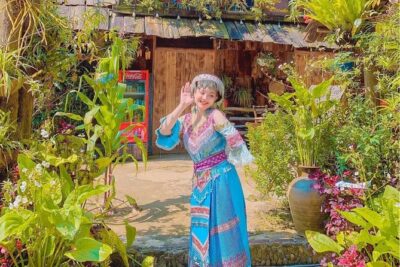 ★ 5.0Sapa: Fansipan Cable, Cat Cat Village & Moana Instagram TourFrom $30777 reviews
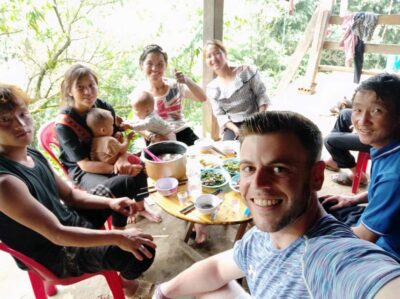 ★ 4.8From Hanoi: 2-Day Sapa Trekking Trip with Homestay & MealsFrom $71704 reviews
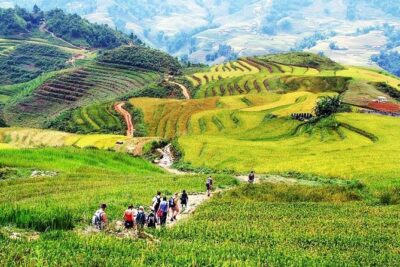 ★ 5.0Sapa 3 Days 2 Nights Trekking Tour (1 Night In Ta Van Village, 1 Night In Hotel)From $139699 reviews
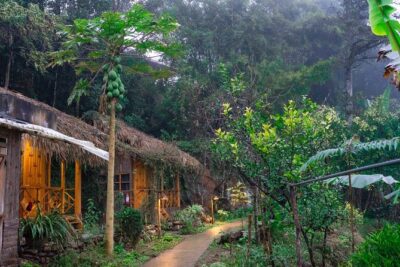 ★ 5.03-Day Trekking Adventure of Sapa from Hanoi – Stay Ta Van VillageFrom $109611 reviews
 ★ 4.82-Day Sa Pa Ethnic Homestay Tour & Trek with Limousine Bus440 reviews
 ★ 5.0Sapa 2 Days 1 Night From Hanoi – Overnight in HotelFrom $89440 reviews
Browse the lists this tour appears in