

Reviewed · SAPA TREKKING TOURS
Sapa Local Trekking Adventures
A trail that feels like local life starts with small groups. This Sapa trekking tour links village walks in the Moa Huong Valley with homestay stays, included meals, and a pace you can actually keep up with. I especially like that the group size is capped at 8, so you’re not stuck hiking in a long line of strangers, and that your day includes practical logistics like lunch plus transport back to Sapa Town after the hike.
Two standout moments show up again and again: people get real village context (not just a photo stop), and you can get hands-on with daily life, like trying rice planting. One caution: weather can turn the walking into slick, muddy footing, and if your guide’s English is limited you may get less explanation than you expect.
In This Review
- Key things that make this trek worth your time
- Why a Sapa small-group trek in Moa Huong Valley feels different
- Picking 1 day vs 2 days/1 night vs 3 days/2 nights
- Day 1 to Y Linh Ho: a full day hike with a clean handoff back to town
- Day 2 to Ta Van Village: the homestay night is where the story changes
- Day 3 to Giang Ta Chai Village: longer time on paths, more village life
- Meals, valley entrance fees, and what the tour actually takes off your plate
- Homestay nights: cultural access, plus a simple reality check
- Your guide: what strong guiding looks like in Sapa
- Weather and footing: rainy months can be a real test
- Price and value: is $66.67 per person fair for what you get?
- Best fit: who will love this, and who should reconsider
- Should you book Sapa Local Trekking Adventures?
- FAQ
- What durations are available for Sapa Local Trekking Adventures?
- How long does the tour run each day?
- Does the tour offer pickup?
- What is the group size limit?
- Are meals included?
- Is homestay accommodation included?
- Which places do the treks visit?
- Is transportation back to Sapa Town included?
- What should I expect if it rains?
- Is the booking refundable if I cancel?
Key things that make this trek worth your time
Small group (max 8) means more time to ask questions and adjust pace.
Homestay included on the 2-day/3-day options gives you a real look at village routines.
Meals are handled (lunches/dinners/breakfasts included depending on duration).
Moa Huong Valley access is covered with entrance fees included.
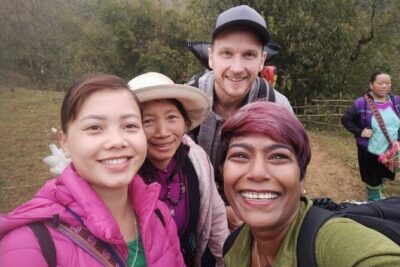
Guides matter: one guide named Nhu is praised for answering questions and tailoring to needs.
Why a Sapa small-group trek in Moa Huong Valley feels different
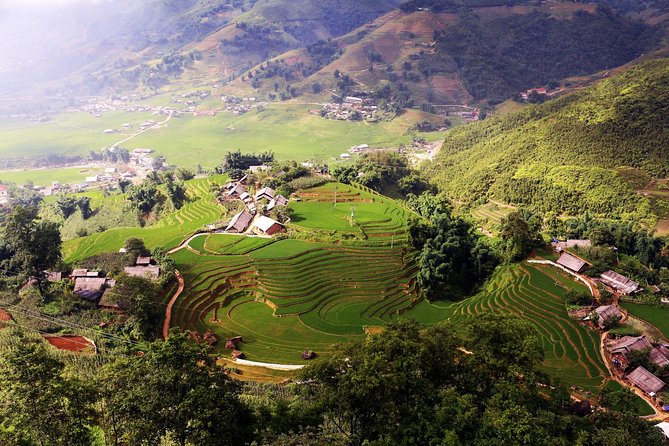
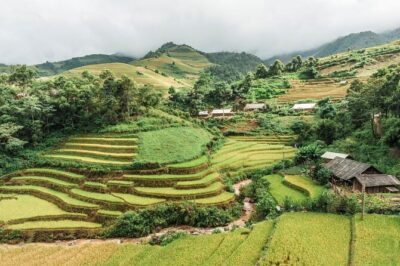
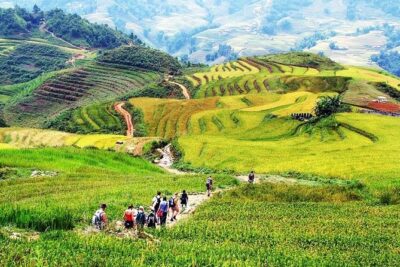
Sapa can be busy and touristy fast. This style of trekking keeps you in the hills but also keeps the human scale. With only up to 8 people, you’re less likely to feel like you’re moving through someone else’s checklist. The tour is built around hiking at a pace that suits you, which matters on steep, uneven paths where the “fast group” usually wins and the “slow group” quietly suffers.
What also helps is the way the day is structured. You’re not juggling meals, entrance tickets, or the end-of-day return to town. That’s a big deal in Sapa, where last-minute planning can be stressful, especially if you only have a couple days in the area. Add in the fact that the route targets the Moa Huong Valley area and you get a strong mix: views, walking, and village life close-up.
If you’re choosing between “do it yourself” and “let someone else handle the moving parts,” this is the kind of tour that removes friction while still keeping the trek authentic.
More trails through the Sapa valleys

Picking 1 day vs 2 days/1 night vs 3 days/2 nights
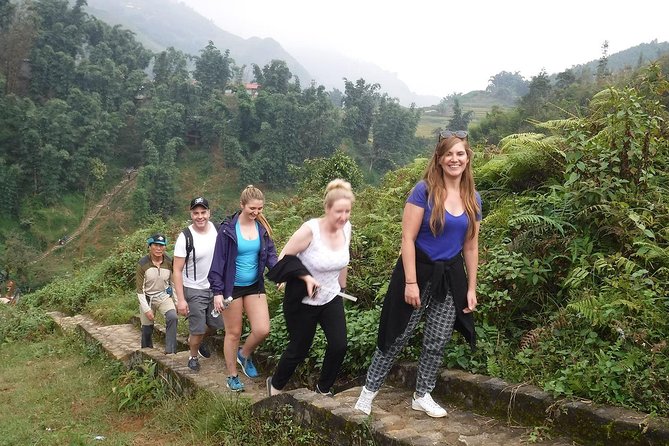
You get three route options, and picking the right one is mostly about how much time you want to spend away from Sapa Town.
- 1-day trek runs 9:00 am to 3:00 pm. It’s the quickest entry into the valley with lunch included and transport back to town after.
- 2 days/1 night keeps the start time at 9:00 am and includes more village time plus an overnight homestay.
- 3 days/2 nights is for when you want the full rhythm: longer time walking, more meals included across multiple days, and two homestay overnights.
If you only have a day and want to say you saw the valley, the 1-day option is a fair way to do it. If you want a true cultural shift—living a night the way villagers do—the 2-day or 3-day options are the ones that make the experience feel complete.
Also note the tour tends to be booked about 18 days in advance on average. If your trip is during peak season or a holiday week, don’t wait until the last moment.
Day 1 to Y Linh Ho: a full day hike with a clean handoff back to town
Your first morning starts at 9:00 am in Sa Pa, Lao Cai. The Day 1 route takes you to Y Linh Ho for a hike running roughly 9:00 am to 3:00 pm—long enough to feel like you really left town, short enough to still enjoy an evening meal back in Sapa.
This day is built around a smooth package:
- Lunch in a local restaurant
- Entrance fee to the valley
- Transportation back to Sapa Town after the trek
What makes this a smart first step is that it sets expectations. You’ll get a sense of path conditions, timing, and how your body handles the walking in Northern Vietnam’s hill terrain. It also gives you something practical: if you feel good on Day 1, you can upgrade your confidence for the 2-day or 3-day route next time—or commit immediately if you already know you’re comfortable hiking.
Potential drawback: if rain hits hard, the paths can get muddy. One person found a rainy night trek made footing tricky and led to falls. That’s a reminder that even the “shorter” options can be uneven on the ground. If you’re unsteady on your feet, it’s worth choosing a duration that matches your comfort and bringing the right footwear.
Day 2 to Ta Van Village: the homestay night is where the story changes
Day 2 brings you to Ta Van Village for a 2 days/1 night hike (again starting at 9:00 am, with the daily hiking window running about 9:00 am to 3:00 pm). This is the day where the trek starts feeling less like a sightseeing walk and more like a cultural exchange.
Included on Day 2:
- 2 lunches
- 1 dinner
- 1 breakfast
- Overnight stay in a homestay
- Valley entrance fee
- Transportation back to Sapa Town after the trek
Why Ta Van matters: the village setting puts you in the daily flow—people move through their routines while you’re there, not behind a roped-off attraction. A big plus is that food and lodging aren’t a separate chore you have to coordinate. You spend your energy on the walk and the conversations, not on figuring out where to eat.
What to watch for: your comfort with homestays. The tour includes the stay, but the details of room setup aren’t spelled out here. So if you have strong expectations about privacy or bedding, it’s smart to mentally pack for “simple” and be flexible.
Language can also affect how much you get out of the experience. One negative example described limited English from a guide, which reduced explanations. If communication is a priority for you, consider preparing simple questions about everyday life and be ready to use gestures if needed.
Day 3 to Giang Ta Chai Village: longer time on paths, more village life
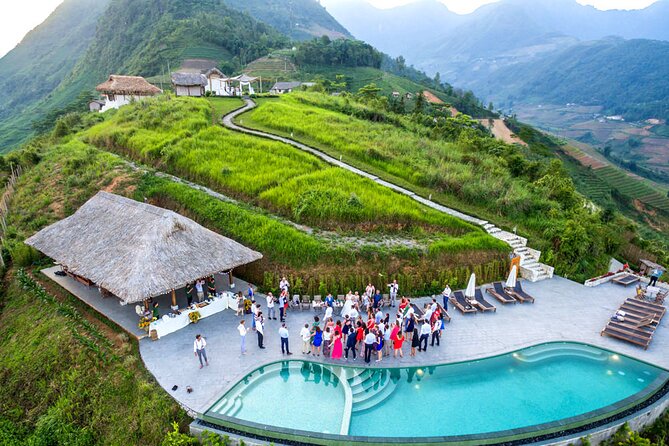
For the full experience, you can choose the 3 days/2 nights trek to Giang Ta Chai Village. This one runs the same general daily rhythm—starting at 9:00 am with hiking about 9:00 am to 3:00 pm—but you’re out longer, so you can slow down and absorb more.
Included across Day 3:
- 3 lunches
- 2 dinners
- 2 breakfasts
- 2 overnight stays in homestay
- Valley entrance fee
- Transportation back to Sapa Town after the trek
The practical value of the extra day is that you get more time in villages and more time walking with your group. On shorter treks, you can feel like you’re constantly rushing to the next stop. With a third day, the rhythm evens out, and you’re more likely to have conversations that last longer than a quick hello.
Based on praise from a guide named Nhu, the best-case scenario includes good explanations about how people live and what you’re seeing in the villages. In the same spirit, one strong positive takeaway was the feeling that this isn’t only trekking—it’s understanding the region’s culture through what you experience on the way.
Downside reality check: longer time on uneven ground means more risk if the weather turns. Mud plus slippery steps is the combo you should prepare for, especially if you’re not used to steep, wet trails.
Worth a glance beside this Sapa pick:
- Number one top rated ethical cultural trekking and homestay by ETHOS★ 5.0 · 456 reviews
- 1-day Authentik trek & Panorama valley views★ 5.0 · 189 reviews
- 1 day Fansipan Trekking★ 5.0 · 180 reviews
Meals, valley entrance fees, and what the tour actually takes off your plate
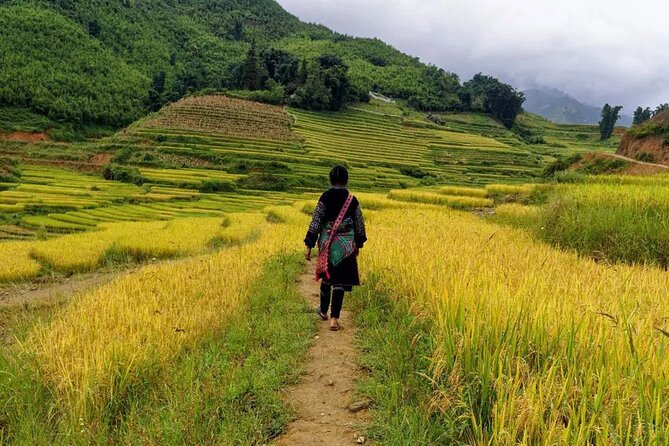
A lot of treks advertise local flavor, but then you end up paying for most things separately. Here, meals and entry are bundled—at least within the schedule and duration.
On the 1-day trek, you get lunch plus the valley entrance fee and then you’re transported back to town. On the 2-day/1-night route, you get two lunches, one dinner, and one breakfast, along with the homestay and entrance fee. On the 3-day/2-night route, the meal count increases again with three lunches, two dinners, and two breakfasts, and two homestay nights.
For you, this matters because:
- you don’t waste time hunting for food each day
- you avoid “surprise” costs that don’t match the price you thought you were paying
- you stay on schedule, which helps when you’re sharing walking time with a small group
There’s also a practical reassurance: the trek ends with transportation back to Sapa Town after your final hike window. That means you’re not stuck figuring out last-mile travel when you’re tired.
Homestay nights: cultural access, plus a simple reality check
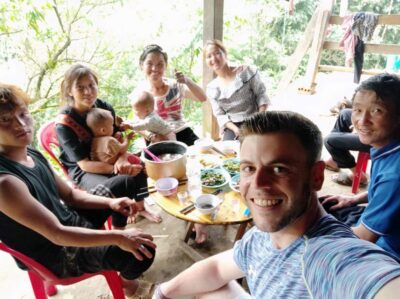
Homestays are the highlight for many people because they bring you into village life beyond the trail. With this tour, homestay is included on the 2-day/1-night and 3-day/2-night options, meaning you’re not just visiting—you’re staying.
What you can expect from the way the experience is described and how guides are praised is that the stay is meant to be part of the learning. One memorable activity shared was trying rice planting, which is the kind of practical, hands-on moment that turns a hike into a story you’ll remember.
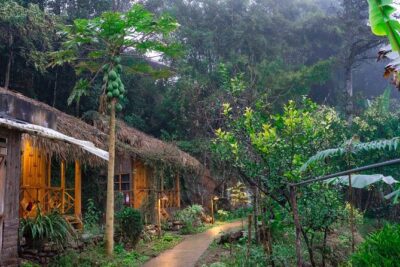
Still, keep expectations grounded. Homestays are not hotels. The tour data confirms the homestay stays exist, but it doesn’t spell out bedding comfort, bathroom setup, or room size. If you’re the type who needs guaranteed amenities, ask questions before booking. If you’re flexible, homestay nights often become the reason you felt connected to the place.
Your guide: what strong guiding looks like in Sapa
The tour is built around a local guide who helps you move through the villages and understand what you’re seeing. In the best cases, the guidance can be detailed and personal.
One example that stands out: a guide named Nhu earned praise for paying attention to people’s needs and answering questions with useful village context. In that kind of setup, you stop thinking only about where you’ll take photos and start noticing how people live—work, farming, and the everyday rhythm of village life.
But there’s also a clear caution from a negative experience: when the guide’s English was limited, the conversation stayed extremely basic and explanations didn’t match expectations. That doesn’t mean every guide will be like that, but it does mean you should think about how you’ll handle communication.
A practical prep tip: before the hike, write down a short list of questions you care about most (how work is done, what a day looks like, what the village values). Bring them ready to ask early, when your guide has the best chance to help.
Weather and footing: rainy months can be a real test
In northern Vietnam, rain can change everything. Mud happens. Slippery patches happen. That’s not a reason to skip Sapa, but it is a reason to be prepared.
One experience described a rainy night that made trekking very difficult, with wet and muddy ground leading to falls. Another person advised bringing super-rain gear when they booked and found rainy conditions. Even if you’re fit, the ground can still surprise you.
So for you, the key is simple:
- plan for rain even if the forecast looks friendly
- wear footwear you trust on slick surfaces
- consider trekking poles if you use them comfortably
If you’re unsteady on your feet, it’s worth taking that seriously. A trek that’s manageable in dry weather can become a different challenge when the trail is wet.
Price and value: is $66.67 per person fair for what you get?
The price listed is $66.67 per person, and the tour includes a lot of what usually costs extra: meals (depending on duration), homestays on longer routes, valley entrance fees, and transportation back to Sapa Town after the trek. Plus, there’s a small group cap and guidance throughout.
That can make the value solid, especially if you’d otherwise pay separately for guiding, permits/entrance, and day-by-day meals. The “hidden cost” of trekking—time, planning effort, and logistics—gets reduced.
Still, balance matters. A negative example described feeling the tour was overpriced, mainly because explanations were limited and language barriers reduced the value of the guiding. That’s a reminder that price value depends on what you personally want out of the hike. If you want deep discussion and fluent explanation, check that your guide can communicate well enough for your needs. If you mainly want the walk, the homestay, and the villages at a manageable pace, the bundled logistics can be worth it.
In other words: the price can feel fair when the guiding experience matches your expectations, and it can feel high when it doesn’t.
Best fit: who will love this, and who should reconsider
This tour works best if you want:
- a small-group trekking pace (max 8)
- included meals and less planning stress
- village time with homestays on longer options
- a guide who can help you understand what you’re seeing
It’s also a good match if you appreciate “real life” over just views. Sapa’s postcard images are nice, but the value here is in how people farm, live, and move through the valley.
Consider skipping or choosing carefully if:
- you have trouble with muddy, slippery footing
- you need lots of detailed English explanations and can’t tolerate a language gap
- your schedule only allows one day and you’re very price-sensitive about what you get for that time
If you’re flexible and prepared, you’ll likely feel you got more than a hike. You’ll get a guided way into northern Vietnam village culture.
Should you book Sapa Local Trekking Adventures?
Book it if you want an organized trek that still feels personal: small group size, homestay nights on the right duration, and meals/fees handled so you can focus on the walk and the people you meet. This is also a strong choice if you like the idea of doing more than just taking photos—because the best version of the experience includes meaningful village context, and even hands-on moments like rice planting.
Skip or book with caution if your main goal is detailed explanation and you’re worried about language. Also, if rain makes you nervous about footing, pack like it’s going to get muddy. With the right shoes and rain gear, the weather risk becomes a manageable part of the adventure instead of the main story.
If you’re trying to decide between durations, here’s the simple rule: choose 1 day if you’re testing the trekking vibe, choose 2 days/1 night if you want homestay culture, and choose 3 days/2 nights if you want more village time and a steadier pace.
FAQ
What durations are available for Sapa Local Trekking Adventures?
You can choose a 1-day trek, a 2 days/1 night trek, or a 3 days/2 nights trek, each starting at 9:00 am.
How long does the tour run each day?
The hiking window is listed as 9:00 am to 3:00 pm for the daily schedule.
Does the tour offer pickup?
Pickup is listed as offered, and the activity starts in Sa Pa, Lao Cai, Vietnam.
What is the group size limit?
This activity has a maximum of 8 travelers, which keeps the group small.
Are meals included?
Yes. Meals are included and vary by duration. For example, the 1-day option includes lunch, the 2-day/1-night option includes 2 lunches plus dinner and breakfast, and the 3-day/2-night option includes 3 lunches plus multiple dinners and breakfasts.
Is homestay accommodation included?
Homestay accommodation is included on the 2 days/1 night and 3 days/2 nights options.
Which places do the treks visit?
The route includes Y Linh Ho (1-day), Ta Van Village (2 days/1 night), and Giang Ta Chai Village (3 days/2 nights).
Is transportation back to Sapa Town included?
Yes. Transportation back to Sapa Town after your trek is included.
What should I expect if it rains?
Rain can make trekking conditions muddy and wet, which can make footing harder. It’s smart to bring rain gear and wear footwear suited for slippery trails.
Is the booking refundable if I cancel?
No. The experience is non-refundable and cannot be changed for any reason.
More Hiking & Trekking in Sapa
More Tour Reviews in Sapa
More Sapa Treks We Walked
Latest Sapa write-ups from our team



Sapa Trekking Tours, compared.
 ★ 5.0Sapa 2 Days 1 Night From Hanoi – Overnight in Ta Van VillageFrom $592,669 reviews
 ★ 5.0Hanoi – Sapa 2 Days 1 Night Overnight At HomestayFrom $89899 reviews
 ★ 5.0Sapa: Fansipan Cable, Cat Cat Village & Moana Instagram TourFrom $30777 reviews
 ★ 4.8From Hanoi: 2-Day Sapa Trekking Trip with Homestay & MealsFrom $71704 reviews
 ★ 5.0Sapa 3 Days 2 Nights Trekking Tour (1 Night In Ta Van Village, 1 Night In Hotel)From $139699 reviews
 ★ 5.03-Day Trekking Adventure of Sapa from Hanoi – Stay Ta Van VillageFrom $109611 reviews
 ★ 4.82-Day Sa Pa Ethnic Homestay Tour & Trek with Limousine Bus440 reviews
 ★ 5.0Sapa 2 Days 1 Night From Hanoi – Overnight in HotelFrom $89440 reviews
Browse the lists this tour appears in