

Reviewed · SAPA TREKKING TOURS
Sapa 3 Days Trek with 2 Nights Homestay
Three days, two nights, and real mountain life. This private Sapa trek lets you pick the village mix with a guide, and I love the homestay meals that keep the days simple and filling; the catch is you should plan for a long Day 1 (9:00am to 3:00pm) and remember that drinks are not included.
What really makes it click is the human side: you hike through rice paddies and village paths with an English-speaking guide, then you end the day in a family homestay instead of a faceless hotel. I especially liked how the schedule includes transport back to Sapa Town when the trekking ends, so you’re not stuck figuring out your own way home.
You’ll also get practical stuff handled—pickup offered, entrance fees included, and a mobile ticket—so you can spend your energy on walking, views, and conversations. One note: this is a private tour, so if you’re hoping for a social group vibe, you won’t get that by default.
In This Review
- Key points before you go
- Why Y Linh Ho, Ta Van, and Ban Ho feel like the real Sapa
- Your three days, step by step (and what each stop gives you)
- Day 1: Y Linh Ho first, then Ta Van homestay
- Day 2: Ta Van to Giang Ta Chai, Su Pan, then Ban Ho
- Day 3: Ban Ho loops through Nam Toong and Thank Phu, then back to Sapa
- Homestays in Sapa: meals included, and how to think about comfort
- Guide power: English-speaking, flexible, and very personal
- Pace and fitness: easy to join, but you choose the difficulty
- Price and logistics: what $196.16 gets you (and what costs extra)
- Who should book this Sapa homestay trek?
- Should you book this trek?
- FAQ
- What time does the trek start, and where does it begin?
- Is this tour private or shared with other people?
- What’s included in the price?
- What meals are covered during the 3 days?
- Are drinks or snacks included?
- Can I cancel or change the booking after purchase?
Key points before you go
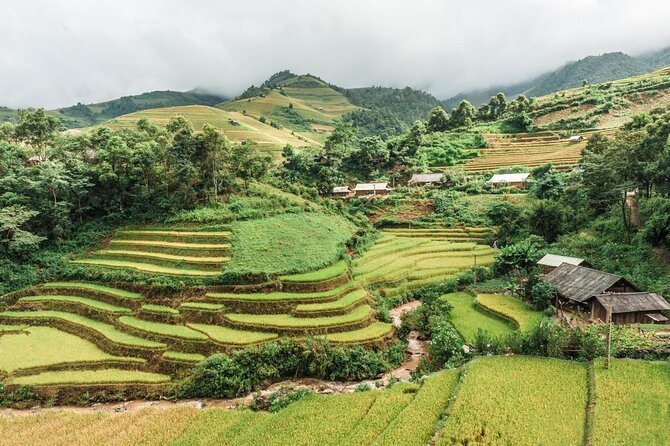
- Private and customizable route: you meet your guide, then decide which villages fit your pace
- Homestay for 2 nights with meals planned across the trek (breakfasts, lunches, dinners)
- Major village stops: Y Linh Ho, Ta Van, Giang Ta Chai, Su Pan, and Ban Ho
- Entrance fees and transport included back to Sapa Town after Day 1’s trek
- English-speaking guide: names from recent trips include Py Chi, Mao, Pen, Lang, Little Zo, and Khu
Why Y Linh Ho, Ta Van, and Ban Ho feel like the real Sapa
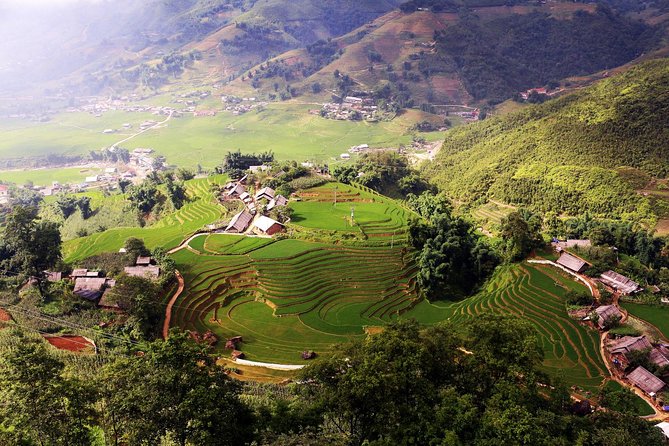
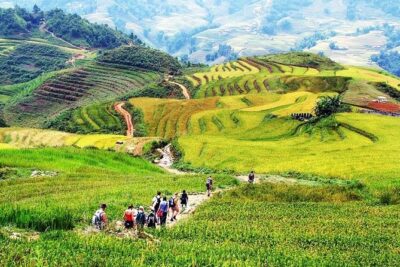
Sapa has plenty of photos and plenty of buses. This trek is different because it strings together villages you can actually walk through, not just viewpoints you pass by. You spend time moving through valley paths and farmland, then you slow down at the homestay where daily life is the main event.
The “value” isn’t only scenic—it’s the mix of time and access. With a private guide and meal planning, you’re not negotiating snacks, entrances, or directions all day. That means you get to ask better questions: how people farm these plots, how the villages work, and what a typical day looks like beyond the tourist trail.
I also like the way the itinerary covers both higher-and-lower valley routes. Stops such as Ta Van Village and Ban Ho Village help you see how communities connect along the ridgelines and in the folds of the valley, so the trip doesn’t feel like repeating the same path for three days.
More trails through the Sapa valleys

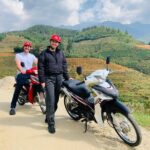
Your three days, step by step (and what each stop gives you)
The walk is spread over three days with two nights in a homestay. Day 1 is the busiest in terms of time on the move, and then Days 2 and 3 become a chain of village-to-village hikes.
Day 1: Y Linh Ho first, then Ta Van homestay
Day 1 runs roughly 9:00am to 3:00pm. You’ll start with Y Linh Ho, where you’ll include the entrance fee for the valley and transportation back to Sapa Town after your trek. This is the day that sets your rhythm: walking between views and settling into the day’s pace without feeling rushed.
Once that first stretch is done, you head toward Ta Van Village and stay at a homestay for the night. In practical terms, Ta Van is a great “arrive and adjust” village stop. The hiking portion gives you energy, then the homestay gives you a reset—food, rest, and time to talk with your hosts.
Day 1 is also where you start getting the meals rhythm included in the plan: you’ll have lunches and dinner planned as part of the package, plus breakfast later on.
Day 2: Ta Van to Giang Ta Chai, Su Pan, then Ban Ho
Day 2 is the village connector day. You begin in Ta Van, then hike to Giang Ta Chai Village, continue onward to Su Pan, and finish at Ban Ho for your second homestay night.
This kind of route is ideal if you want your days to feel purposeful instead of bouncing between random checkpoints. Each village stop gives you a different angle on daily life and farming, and because the tour is private, you can adjust if your legs are having an opinion.
The itinerary time between stops is listed in blocks (about 4 hours per main stop section), which usually means you’re hiking long enough to feel like you’re trekking, but not so long that you’re burning out before your homestay.
Day 3: Ban Ho loops through Nam Toong and Thank Phu, then back to Sapa
On Day 3, you start again from Ban Ho Village, then move to Nam Toong and Thank Phu, and finally return to Ban Ho before heading back toward Sapa. The structure is nice because you get one more set of village-to-village walking, then a gradual winding down as you return.
This day is also where your guide’s choices matter. The tour is set up so your guide can tailor the villages you visit. If you’re the kind of person who likes to end a hike with momentum, you’ll probably appreciate how Day 3 includes both another forward trek and the return loop.
By the end, you’re back at the meeting point in Sapa—so you’re not left scrambling for transport after you’ve finished walking.
Worth a glance beside this Sapa pick:
- Number one top rated ethical cultural trekking and homestay by ETHOS★ 5.0 · 456 reviews
- 1-day Authentik trek & Panorama valley views★ 5.0 · 189 reviews
- 1 day Fansipan Trekking★ 5.0 · 180 reviews
Homestays in Sapa: meals included, and how to think about comfort
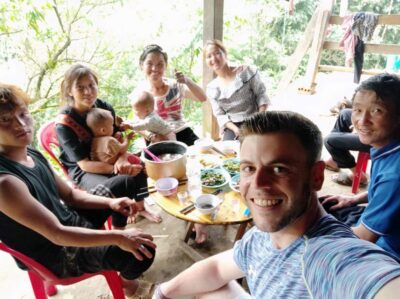
Homestay stays are where this trek earns its name. You’re not just sleeping in a village-adjacent building; you’re part of a family setup for two nights. The plan includes meals across the 3 days: 2 breakfasts, 3 lunches, and 2 dinners.
That’s a big deal for value. In Sapa, buying food day after day adds up quickly, and finding the right meal near remote trail sections can be annoying. Here, the meals are built into the schedule, which keeps your energy up for walking.
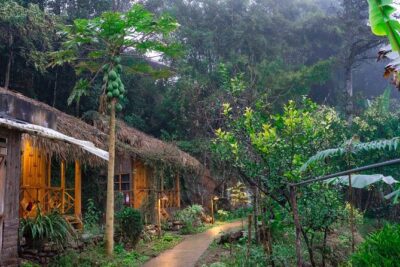
Comfort expectations: you should treat homestays as simple and local. One past traveler specifically described having a homestay room with an ensuite, but the details can vary depending on the family and house layout. Plan for basic accommodations and bring what you need for sleep comfort and hygiene.
Also, since drinks aren’t included, you’ll want to budget for them separately. If you’re the kind of person who drinks tea or water constantly after hiking (smart person), having cash for drinks helps.
Guide power: English-speaking, flexible, and very personal

An English-speaking guide is not a luxury here—it’s part of how you get meaning from the hike. When your guide can explain what you’re seeing, you stop treating the mountains like a backdrop and start reading them like a place people live.
The experience is also explicitly private, so you’re not stuck with a one-size-fits-all plan. Your guide meets you and then you customize which villages to visit based on what you want and how you feel. That’s a real advantage if you’re fit but not sure about steep days, or if you want to focus more on village time than constant uphill.
Recent guide names connected with this kind of trek include Py Chi, Mao, Pen, Lang, Little Zo, and Khu. If you can request a specific guide through the operator, it’s worth asking—especially if you want someone who’s strong on local culture and history.
If you want the best outcome, come with one clear preference: do you want more walking distance, or more village time? Then your guide can steer the route accordingly.
Pace and fitness: easy to join, but you choose the difficulty
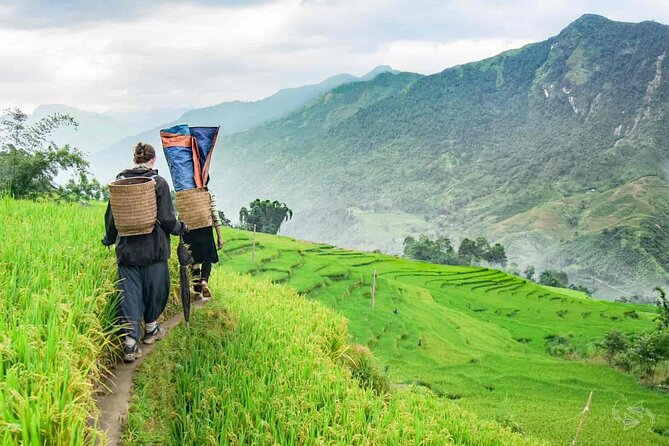
The tour notes say that most people can participate, which is reassuring. Still, Sapa trails can be muddy, steep, and uneven. Even if the itinerary is scheduled in neat blocks, your actual effort depends on weather and route choices.
Here’s the practical reality from past experiences: some people went for a harder option and reported very big days, including about 2500 meters of elevation and around 51 km over three days for a tougher route choice. Another person described a brutal start with a long steep push and tough mud before descending. On the other end, other walkers emphasized that there were options for easier versus harder routes.
So the best strategy is simple: ask your guide how steep the day is likely to be and what the “easier” path looks like. If you’re not sure, choose the moderate plan first. You can always ramp up if conditions are good and you feel strong.
What to bring (common sense, but it matters): good footwear, a rain layer, and snacks if you know you get hungry fast between included meals. Drinks aren’t part of the package, so plan your hydration.
Price and logistics: what $196.16 gets you (and what costs extra)
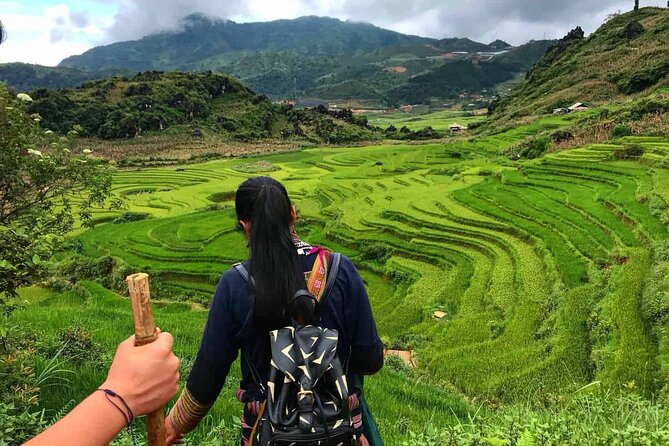
At about $196.16 per person, this trek is pricing itself around three big costs: guided time, homestays, and the transport/entrance setup. In the included list, you get the guide, entrance fees, food for the 3 days, homestay for 2 nights, and transportation back to Sapa.
That’s the value argument. If you tried to DIY this in Sapa, you’d spend time coordinating a guide, paying entrance fees, arranging homestays, and figuring transport back after the trek. Here, those pieces are handled so you can focus on the walking and the village days.
Not included is fairly straightforward: drinks and beverages and private expenses.
One more practical detail: this is commonly booked around 18 days in advance, so if your travel dates are set, don’t wait until the last week to sort it out.
Who should book this Sapa homestay trek?

This is a great fit if you want:
- A private, guided hike through real villages
- Homestay time (not just “sleeping near the trail”)
- A schedule that includes the meals and entrance fees, so you’re not constantly planning
- A guide who can explain what you’re seeing in English and adjust the villages to your preferences
It may not be the best fit if you need hotel-style comfort every night, or if you hate walking for multiple hours on uneven ground. Also, since it’s private, you should be okay with a quieter vibe unless you naturally connect with your guide and hosts.
Should you book this trek?

If your goal is the Sapa experience that feels personal—village paths, homestay meals, and an English-speaking guide who can tailor your route—then I’d book it. The included package tackles the annoying parts (entrances, food, homestay nights, and transport back), which makes the whole trip easier to enjoy.
If you’re unsure about intensity, ask questions before you commit: how steep is Day 1 likely to be, and what’s the difference between easier and harder route choices? If you get clear answers and pick footwear you trust, you’ll be set for a trip that’s more than a checklist.
Also, keep your expectations aligned with homestays: simple, local, and family-run. That’s part of the charm. If you go in thinking like a guest of the village rather than a customer of a hotel, the experience lands much better.
FAQ
What time does the trek start, and where does it begin?
The activity starts at 9:00am in Sa Pa, Lao Cai, Vietnam, and it ends back at the meeting point in Sa Pa.
Is this tour private or shared with other people?
It’s a private tour/activity, meaning only your group participates.
What’s included in the price?
The tour includes the guide, entrance fees, food for 3 days, homestay for 2 nights, and transportation back to Sapa.
What meals are covered during the 3 days?
Meals included are 2 breakfasts, 3 lunches, and 2 dinners.
Are drinks or snacks included?
No. Drinks and beverages are not included, along with private expenses.
Can I cancel or change the booking after purchase?
The experience is non-refundable and cannot be changed for any reason.
If you want, tell me your fitness level and whether you prefer more village time or more trail time, and I’ll suggest the best way to “talk route options” with your guide before the trek.
More Hiking & Trekking in Sapa
More Tour Reviews in Sapa
More Sapa Treks We Walked
Latest Sapa write-ups from our team

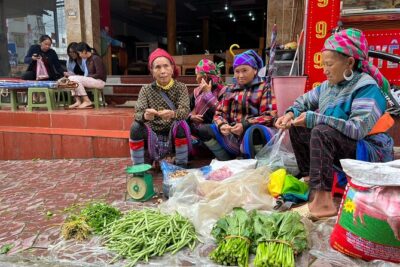

Sapa Trekking Tours, compared.
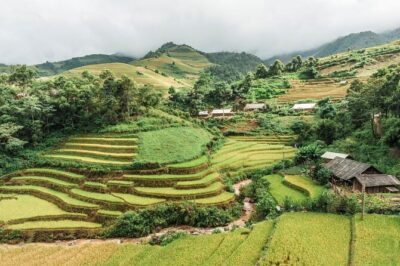 ★ 5.0Sapa 2 Days 1 Night From Hanoi – Overnight in Ta Van VillageFrom $592,669 reviews
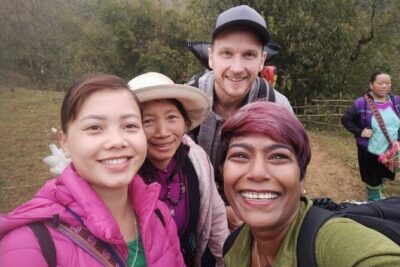 ★ 5.0Hanoi – Sapa 2 Days 1 Night Overnight At HomestayFrom $89899 reviews
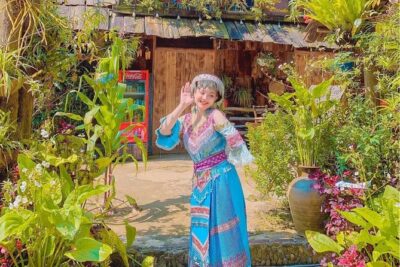 ★ 5.0Sapa: Fansipan Cable, Cat Cat Village & Moana Instagram TourFrom $30777 reviews
 ★ 4.8From Hanoi: 2-Day Sapa Trekking Trip with Homestay & MealsFrom $71704 reviews
 ★ 5.0Sapa 3 Days 2 Nights Trekking Tour (1 Night In Ta Van Village, 1 Night In Hotel)From $139699 reviews
 ★ 5.03-Day Trekking Adventure of Sapa from Hanoi – Stay Ta Van VillageFrom $109611 reviews
 ★ 4.82-Day Sa Pa Ethnic Homestay Tour & Trek with Limousine Bus440 reviews
 ★ 5.0Sapa 2 Days 1 Night From Hanoi – Overnight in HotelFrom $89440 reviews
Browse the lists this tour appears in