
Reviewed · SAPA TREKKING TOURS
Muong Hoa Valley View & Village Trek in Sapa 1 Day
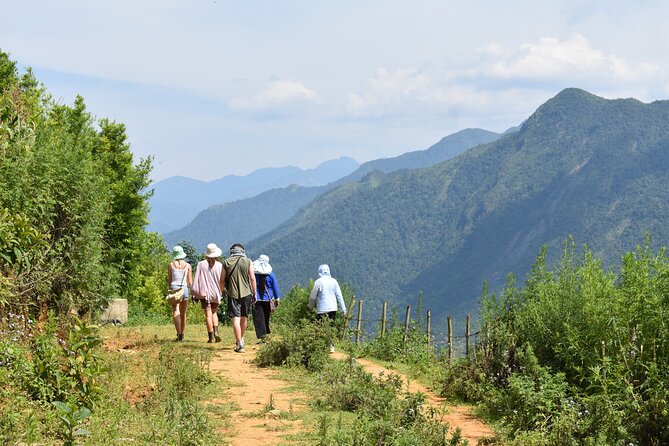
A jaw-dropping valley in a single morning. This Muong Hoa Valley trek mixes mountain viewpoints, small villages, and rice-terrace scenery without wasting your whole day in transit. Two things I really like: the English-speaking guide helps you connect the dots as you walk, and you get a true break from central Sapa as you move into villages that feel separate and quieter. One thing to consider is that the walking is long enough that you’ll want solid shoes and a decent baseline of stamina.
You’re also not just doing a photo stop circuit. You’ll hike past cloud-level viewpoints, including a stop at Ham Rong Mountain for big sightlines over Sapa and the Hoang Lien Son range, then continue through village paths with cliffside views into the Muong Hoa Valley area. The day is built for scenery and culture in the same package, but weather can change what you actually see, especially for cloud and panoramic moments.
In This Review
- Key highlights in plain terms
- First, the real vibe: what this 1-day trek feels like
- Price and value: what $53 buys you in Sapa
- Getting started: pickup, timing, and how the day is paced
- Stop 1: Ham Rong Mountain and the Jaw of the Dragon stories
- Stop 2: Sapa market for brocade colors and everyday trade
- Stop 3: Hang Da Village and the cloud-hunting feeling
- Stop 4: Muong Hoa Valley—cliffside road, forests, and wildflowers
- Stop 5: Hau Thao rice terraces, bamboo forest, and sea of clouds
- What the guide actually adds (and why it matters)
- Food: lunch included, plus an option for vegetarians
- Booking with Sapa Nomad: the smooth parts you’ll care about
- Who should book this trek (and who should choose another plan)
- Should you book Muong Hoa Valley View & Village Trek in Sapa?
- FAQ
- How long does the Muong Hoa Valley view and village trek take?
- What is included in the $53 per person price?
- Is hotel pickup offered?
- What time does the tour start?
- Is the trek suitable for beginners or only advanced hikers?
- Is vegetarian food available?
- What places does the tour include?
- Are there any free admission fees mentioned?
- What is the cancellation policy?
Key highlights in plain terms
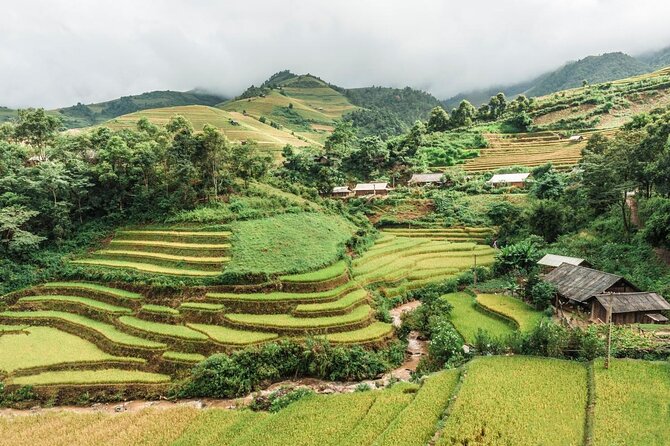
- Cloud-hunting views from higher villages like Hang Da, where the sky and terraced fields can steal the show
- Ham Rong Mountain viewpoint with local folklore behind the Jaw of the Dragon name
- Muong Hoa Valley cliffside road scenery with forests and seasonal wildflowers
- Hau Thao rice terraces and bamboo forest scenery plus chances to catch the sea of clouds
- English-speaking guide support that makes the trek feel meaningful, not random
- Lunch and bottled water included so you can focus on the walk, not logistics
First, the real vibe: what this 1-day trek feels like
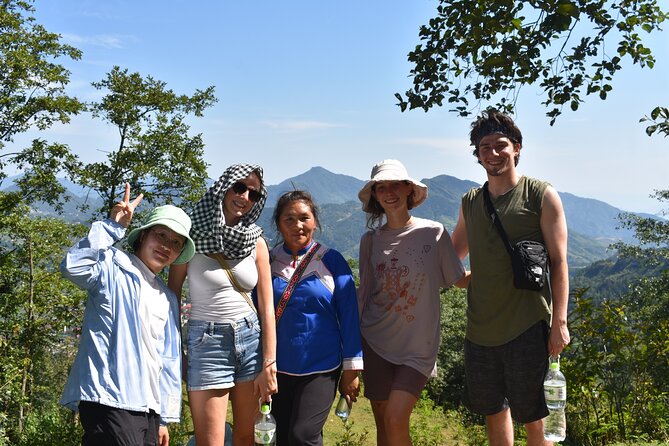
This is a moderate one-day trek that aims for the best combo: big views plus everyday village life. Instead of sticking to the same central Sapa loops, the route pulls you out toward areas where you’ll feel like you’re moving away from the town buzz and into a different rhythm.
If you like the kind of travel where you can actually talk with people, watch daily routines, and notice how the terrain shapes everything, you’ll like this. And if you just want scenery, the valley does deliver: terraced hills, layered mountains, and cloud moments that can look almost unreal when the weather is kind.
The other detail I appreciate is that the day is structured around several distinct “zones” instead of one long slog with no payoff. You get viewpoint time, then village time, then more terrace-and-cloud time. That pacing helps.
More trails through the Sapa valleys
Price and value: what $53 buys you in Sapa
At about $53 per person, the headline value is that your money covers the core day, not just a guide with no support. Included is lunch, bottled water, private transportation, and all fees and taxes.
That matters in Sapa because costs add up fast: entry fees, transport back and forth, and basic meals. Here, you’re less likely to end up with surprise spending mid-day. You still should plan for things like tips and personal extras (drinks, laundry), but the essentials are covered.
Also, the tour is described as private, meaning it’s for just your group. That usually makes the day feel less crowded and easier to manage if you want slower stops, more questions, or a gentler pace.
Getting started: pickup, timing, and how the day is paced
This trek runs starting at 9:00 am and ends back where you started in Sapa. It’s roughly 6 to 7.5 hours, depending on the pace of your group and the weather.
Most people underestimate how much time photo stops take on a place like Sapa. This tour builds in time for viewpoints and walking between villages, so you’re not constantly rushing. It also helps that Ham Rong Mountain and the later terrace areas are spread out like set pieces, so you’re not stuck waiting in one place hoping the clouds cooperate.
If you want an easy day, aim for sensible expectations. You’re walking outdoors for hours on village paths and mountain trails. Comfortable shoes are not optional.
Stop 1: Ham Rong Mountain and the Jaw of the Dragon stories
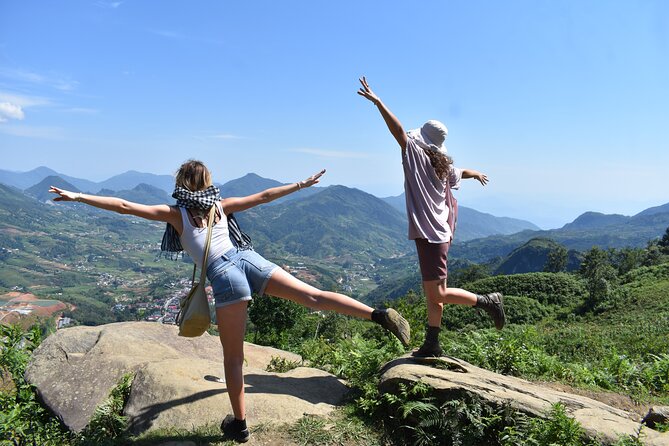
Ham Rong Mountain is a classic Sapa viewpoint, but it’s more than a scenic label. The mountain’s name translates to Jaw of the Dragon, which connects to a local interpretation of the mountain’s shape. There’s also folklore tied to the caves and mythical creatures, which gives you a little extra texture beyond just standing on a viewpoint.
Practically, this stop is your big orientation moment. From up here, you can look across Sapa town and the Hoang Lien Son range. If you’re wondering whether Sapa is worth the hype, this is where you get the answer quickly—wide views, steep terrain, and a sense of scale.
One good note: the admission ticket for Ham Rong Mountain is listed as free, which keeps the day simple.
What could be a drawback: if the weather is foggy or rainy, the panorama can shrink fast. You’ll still get the experience of the mountain and the viewpoint atmosphere, but you may not catch the full clarity you’re hoping for.
Stop 2: Sapa market for brocade colors and everyday trade
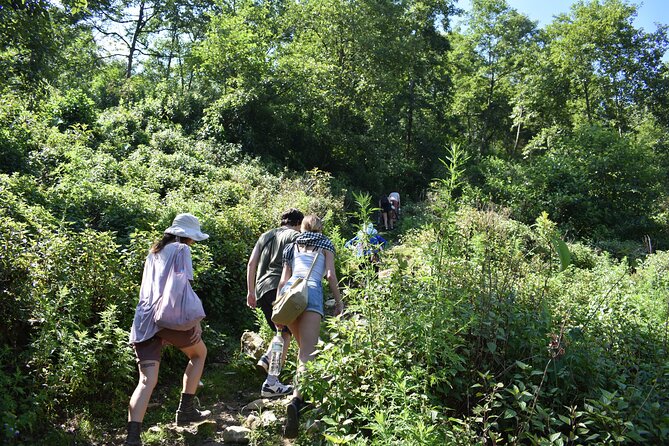
You’ll also stop at Sapa market, which is in town about 1 km from Stone Church. It’s open daily and functions as both a working market and a tourist shopping stop.
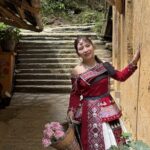
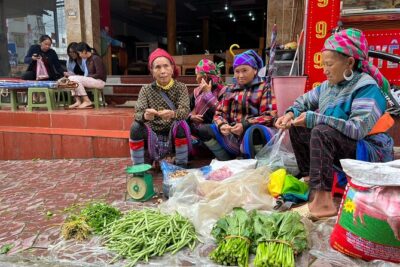
This is your chance to see what people are actually buying and selling. The standout is the brocade textiles in bright colors with subtle patterns linked to ethnic groups like H’Mong, Dao Do, and Giay. If you’ve been curious how clothing styles connect to identity in the region, the market makes it easy to notice.
You’ll also see practical goods: fruits, vegetables, spices, and other everyday items. That balance is part of why I like including a market stop on a trek day. It gives your brain a break from the walking without turning the day into a full shopping mission.
A small consideration: market time can tempt you to buy. That’s fine, just budget for it and don’t let it hijack your energy—your best views are ahead on the trail.
Worth a glance beside this Sapa pick:
- Number one top rated ethical cultural trekking and homestay by ETHOS★ 5.0 · 456 reviews
- 1-day Authentik trek & Panorama valley views★ 5.0 · 189 reviews
- 1 day Fansipan Trekking★ 5.0 · 180 reviews
Stop 3: Hang Da Village and the cloud-hunting feeling
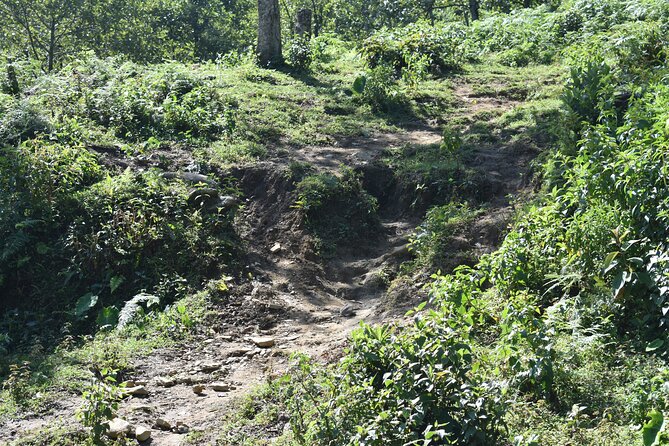
Hang Da Village sits at an altitude of over 1800 meters, and the landscape is all about angles: mountainside paths, green forest patches, and terraced fields stretching into the distance.
The idea here is cloud hunting. The village can offer moments where clouds sit low and dramatic, turning the view into something like a moving scene. Even when clouds don’t fully form, you usually still get that high-altitude calm—cooler air, quieter surroundings, and a break from town sounds.
The trek description also highlights that Hang Da feels peaceful and relaxing, which matters because after viewpoint time, the village atmosphere gives your day a softer landing. You’re not just walking past scenery; you’re arriving somewhere that feels lived-in.
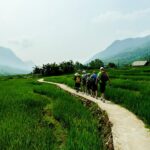
One plus: after Hang Da, the route heads toward the area of Tao Sha (Sapa Sha) village of the Black H’Mong. The path is described as gentle at the top, and the views toward Muong Hoa Valley can open up.
If you’re the kind of traveler who likes to understand how a trail connects multiple communities and viewpoints, this portion will feel especially rewarding.
Stop 4: Muong Hoa Valley—cliffside road, forests, and wildflowers
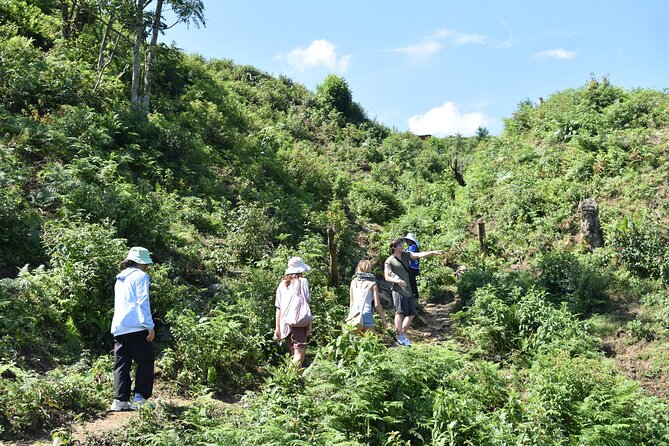
Muong Hoa Valley is the heart of the theme, and this part of the route is built for feeling the valley up close. The road is described as one side cliff, the other side Muong Hoa Valley, with plenty of challenges for visitors in the sense that you’ll notice steep drops and mountain terrain.
That’s not meant to scare you. It’s a reminder to slow down, keep your footing steady, and take the trail seriously. If you go too fast, you’ll miss what this place is giving you.
The setting is scenic: forest trees along the route, and in some seasons the area can be full of wildflowers. The specific season details aren’t guaranteed here, but the point stands: the valley walk isn’t only about terraces; it’s also about what grows around them.
What you’ll take away: a clearer sense of how these communities work with steep geography. The valley isn’t flat, and the experience proves it in a very real way.
Stop 5: Hau Thao rice terraces, bamboo forest, and sea of clouds
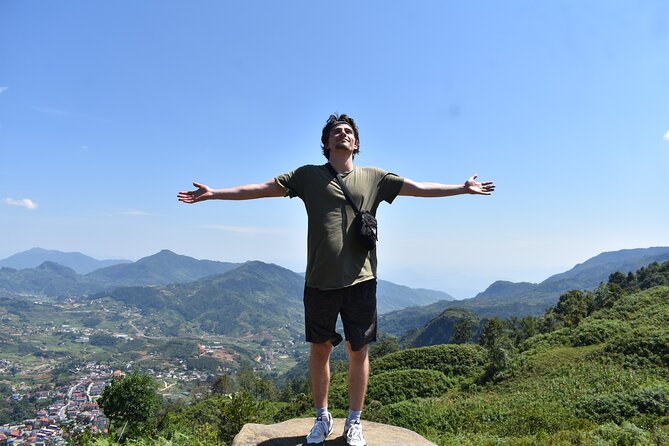
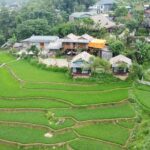
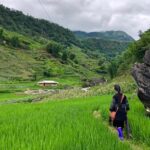
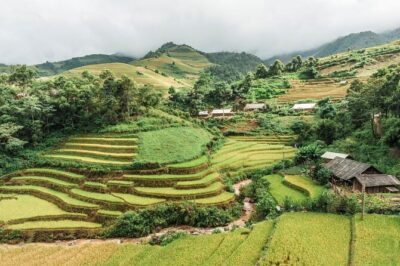
Hau Thao is where the day leans hard into the classic Sapa look: rice fields spreading along the mountainside, bamboo forest nearby, and rolling clouds hovering over the terraces.
The description also calls out a sea of white clouds that visitors can encounter while exploring. That cloud effect is exactly why this region keeps getting photographed, but it’s also why it can be hit-or-miss. When the fog lifts, you’ll get those clean layers of mountains and terraces. When it stays low, you’ll still get atmosphere, but the “wow, there’s the whole valley” moment may be softer.
This is also a cultural geography stop. Rice terraces aren’t just pretty; they’re infrastructure. They show how people have turned steep terrain into workable farmland for generations, and Hau Thao is presented as one of the places where you can really see that work.
If you want the day’s final memory to be visual and strong, Hau Thao tends to deliver.
What the guide actually adds (and why it matters)
A tour like this can go two ways: either it becomes a checklist of stops, or it becomes a story you can follow. This one is built around a local guide who speaks English, and that helps you get meaning from what you’re walking through.
Your guide should be able to connect the scenery to local culture and daily life, including the ethnic communities you pass through. In the reviews, a guide named Nhu gets praised for guiding people through the valley and sharing helpful explanations.
That kind of guidance isn’t about speeches. It’s about saving you from wandering through a place without understanding what you’re seeing.
Food: lunch included, plus an option for vegetarians
Lunch is included, and there’s an explicit note that vegetarian food is available on request. If you eat vegetarian or just want a lighter meal after walking, this is worth planning for in advance so your lunch doesn’t become a stress point.
Even if you’re not vegetarian, it’s nice not to have to figure out food on the trail. You can focus on the next viewpoint instead of hunting for a snack every hour.
Booking with Sapa Nomad: the smooth parts you’ll care about
From the details provided, this experience is associated with Sapa Nomad, and the service style comes through in a few practical ways.
People note that transaction and communication are smooth, with quick confirmation and reminders. In particular, there’s mention of messaging by WhatsApp and fast responses when weather conditions caused concerns.
That kind of responsiveness matters in Sapa because fog and rain can shift what you see. When the guide or operator keeps you informed, you don’t feel stranded—you feel managed.
Who should book this trek (and who should choose another plan)
This trek is best for you if:
- You want one day that combines views + village culture rather than just sightseeing
- You enjoy a moderate workout and don’t mind a long, active day
- You’d rather see Muong Hoa Valley scenery than only the easiest town loop
- You like having an English-speaking guide to help interpret what you’re seeing
You might want to think twice if:
- You’re sensitive to steep paths or cliffside sections
- You expect perfect visibility for panoramic shots every time (weather can change quickly)
- You’re looking for a fully gentle walk with minimal uneven terrain
Also, since it’s a private group activity, it fits well if you want flexibility and less crowd pressure.
Should you book Muong Hoa Valley View & Village Trek in Sapa?
If you want the best-value day trek in Sapa, this one is a strong candidate. The combination of lunch + bottled water + private transportation, plus multiple viewpoint and village stops, makes the $53 feel reasonable for what you get. Add in an English-speaking guide, and the day becomes more than walking for photos.
Book it if you’re ready for a real outdoor day with changing conditions and you want Muong Hoa Valley scenery plus village life. Skip it or pick something gentler if you’re not comfortable with steep terrain and long walking time.
If the forecast looks sketchy, you can still enjoy the hike and village atmosphere. But if you’re chasing the clearest cloud and wide panoramic moments, keep your expectations flexible—and bring good rain protection just in case.
FAQ
How long does the Muong Hoa Valley view and village trek take?
It runs for about 6 hours to 7 hours 30 minutes.
What is included in the $53 per person price?
Lunch, bottled water, private transportation, and all fees and taxes are included.
Is hotel pickup offered?
Pickup is offered, and the experience ends back at the meeting point.
What time does the tour start?
The start time is 9:00 am.
Is the trek suitable for beginners or only advanced hikers?
The route is described as moderate, and travelers should have a moderate physical fitness level.
Is vegetarian food available?
Yes. Vegetarian food is available on request.
What places does the tour include?
You’ll visit Ham Rong Mountain, Sapa market in town, then trek through Hang Da village and Muong Hoa Valley, and finish at Hau Thao.
Are there any free admission fees mentioned?
Ham Rong Mountain is listed with admission ticket free.
What is the cancellation policy?
Free cancellation is available up to 24 hours in advance for a full refund. If you cancel less than 24 hours before the start time, the amount paid is not refunded.
More Hiking & Trekking in Sapa
More Tour Reviews in Sapa
More Sapa Treks We Walked
Latest Sapa write-ups from our team

Sapa Trekking Tours, compared.
 ★ 5.0Sapa 2 Days 1 Night From Hanoi – Overnight in Ta Van VillageFrom $592,669 reviews
 ★ 5.0Hanoi – Sapa 2 Days 1 Night Overnight At HomestayFrom $89899 reviews
 ★ 5.0Sapa: Fansipan Cable, Cat Cat Village & Moana Instagram TourFrom $30777 reviews
 ★ 4.8From Hanoi: 2-Day Sapa Trekking Trip with Homestay & MealsFrom $71704 reviews
 ★ 5.0Sapa 3 Days 2 Nights Trekking Tour (1 Night In Ta Van Village, 1 Night In Hotel)From $139699 reviews
 ★ 5.03-Day Trekking Adventure of Sapa from Hanoi – Stay Ta Van VillageFrom $109611 reviews
 ★ 4.82-Day Sa Pa Ethnic Homestay Tour & Trek with Limousine Bus440 reviews
 ★ 5.0Sapa 2 Days 1 Night From Hanoi – Overnight in HotelFrom $89440 reviews
Browse the lists this tour appears in