
Reviewed · SAPA TREKKING TOURS
Highland Harmony Trek in Sapa
Highland Harmony starts with a slow breath of mountain air. This full-day trek in Sapa moves through Muong Hoa Valley, Y Linh Ho, Lao Chai, and ends in Ta Van, with real village moments along the way. Two things I’d jump on right away are the easy-to-follow trail and the chance to see daily life up close with Black H’mong and Giay families, not staged stops.
I also like that the route keeps you moving at a relaxed pace, with time to look at terraced fields and listen to local stories from your guide. The main drawback to consider is that you should be ready for moderate walking and plan around weather, since the experience requires good conditions to run well.
If you want a Sapa day that feels human-scale, with lunch that’s prepared locally and a group kept small (up to 10 people), this one fits well. The pick-up and drop-off are handled by a vehicle, so you’re not piecing together transport when you’d rather focus on the walk.
In This Review
- Key highlights you’ll care about
- Muong Hoa to Ta Van: what the day feels like
- Price and logistics that make $29 feel fair
- Start at 8:30 and let the vehicle handle the hassle
- Stop 1: Muong Hoa Valley and the slow start into the hills
- Stop 2: Y Linh Ho for village life above the valley
- Stop 3: Lao Chai Trail views, stories, and a real home lunch
- Stop 4: Ta Van village and Giay stilt houses at day’s end
- Trail difficulty: moderate effort, easy-to-follow route
- What makes the cultural part feel real (and not staged)
- Weather and timing: plan for Sapa reality
- Who this trek suits best
- Should you book Highland Harmony Trek? My take
- FAQ
- How much does the Highland Harmony Trek cost?
- How long is the trek?
- What time does the trek start, and where do I meet?
- What is the maximum group size?
- Which areas and villages are included?
- Is lunch included?
- What kind of cultural interaction should I expect?
- Is the trek suitable for people with limited fitness?
- What happens if the weather is bad?
- Do I get anything like a mobile ticket?
- Are service animals allowed?
Key highlights you’ll care about
- Small group size (max 10) keeps the day calmer and easier to manage.
- Village-to-village walking takes you from Muong Hoa Valley down into Lao Chai, then over to Ta Van.
- Local lunch in Lao Chai is part of the experience, not an afterthought.
- Authentic interactions happen in home environments with Black H’mong and Giay villagers.
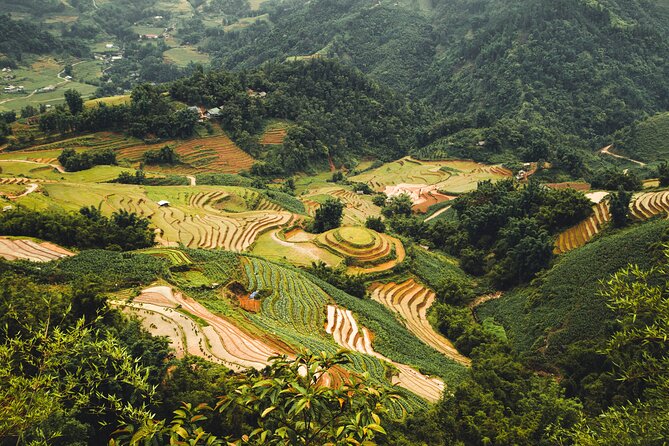
- Varied terrain means river paths, forest sections, and terrace viewpoints across the day.
- Easy-to-follow route helps if you’re not an expert hiker.
Muong Hoa to Ta Van: what the day feels like
This trek is designed for people who want Sapa without the chaos. You start with a gentle descent into Muong Hoa Valley, then spend the rest of the morning and afternoon moving through different communities and terrain. The rhythm is part nature, part people: terraces and river walks in the first half, then village life and viewpoints as you close in on Ta Van.
You’ll notice the route doesn’t feel like a sprint from one photo stop to another. Instead, it’s paced so you can actually see what’s around you—rice terraces changing shape as you move, narrow paths in the hills, and riverside sections that make the walk feel cooler and calmer.
More trails through the Sapa valleys


Price and logistics that make $29 feel fair
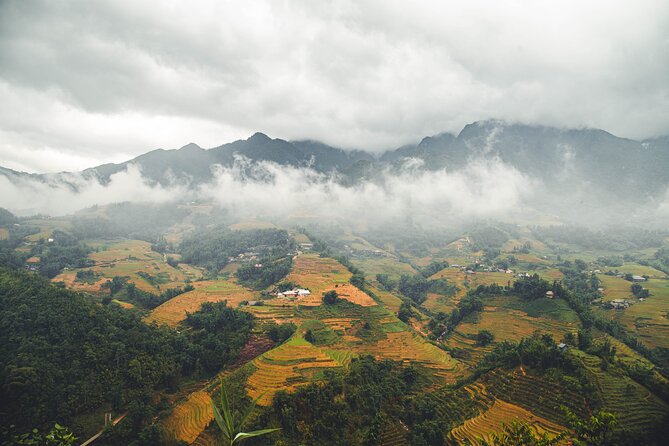
At $29 per person for a 6 to 9 hour experience, the value comes from what’s included in the day. You’re paying for:
- a guided, structured route across multiple areas
- transport to pick you up from Green Sapa Homestay and bring you back
- a lunch prepared locally in Lao Chai
- time in Black H’mong and Giay village settings, led by local guides
What you’re not paying for is constant extra add-ons. You’re also not trapped in a giant group, since the trek has a maximum of 10 travelers. For a day that mixes walking, learning, and food, that setup is usually the sweet spot.
One note: your exact day length can run toward the shorter or longer end of the estimate (6 to 9 hours) depending on trail pace and conditions. If you’re trying to fit in evening plans in Sapa, keep your schedule flexible.
Start at 8:30 and let the vehicle handle the hassle
Your day begins at 8:30 am, meeting at Green Sapa Homestay on Nguyễn Chí Thanh, Sa Pa. The tour ends back at the same meeting point, with a vehicle picking you up for the return.
This matters more than you might think. In Sapa, getting in and out of trailheads can eat time and energy. Here, you’re given a clear starting point and an easy finish, which lets you focus on the walk itself instead of solving logistics on the fly.
You’ll also get a mobile ticket, and you should receive confirmation at booking.
Stop 1: Muong Hoa Valley and the slow start into the hills
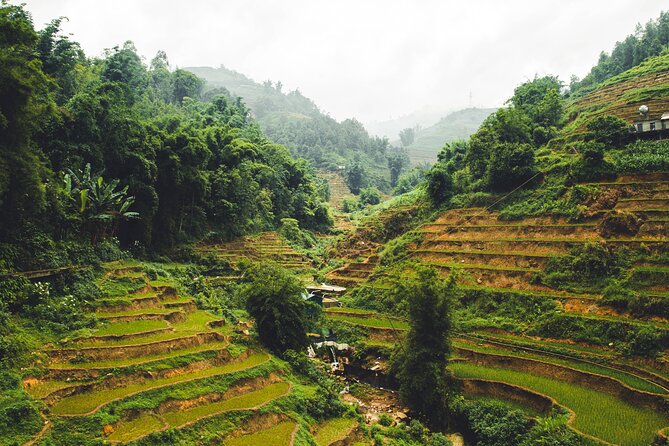
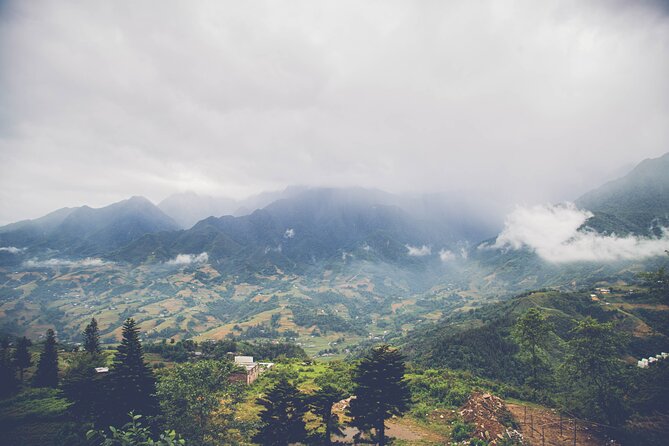
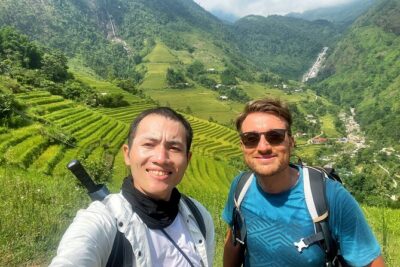
The trek kicks off with a gentle descent into Muong Hoa Valley. This is where you see the terraced hills and stone paths from the inside, not from a distant viewpoint. Black H’mong villages appear along quiet stretches, and the route feels grounded—less dramatic than the highest lookouts, but very real.
If you like mornings that feel calm, this opening section hits the mark. One strong theme from the experience is how peaceful the start feels, especially when you’re walking in the morning light and following a river-adjacent rhythm.
What to watch for: this start sets the pace for the day. If you go out too fast early, the later sections (still manageable, but longer) can feel more tiring than expected.
Stop 2: Y Linh Ho for village life above the valley
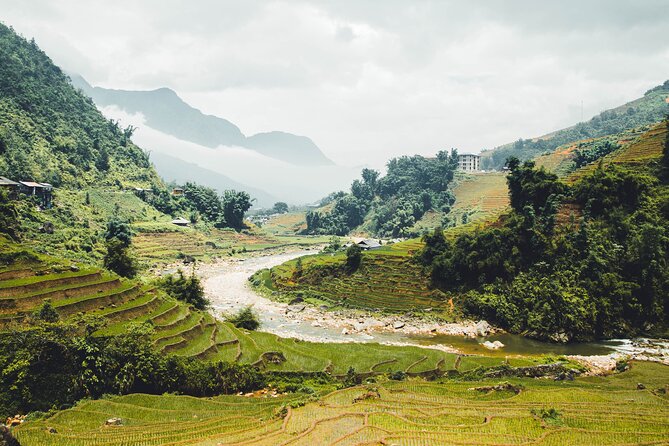
From Muong Hoa Valley, the route moves up into the hills toward Y Linh Ho, a small Black H’mong village. Here, you’ll follow narrow dirt paths along steep areas and get a sense of how the valley communities read the terrain around them.
This part works well if you want your trek to feel like more than scenery. Y Linh Ho is where you can start learning the daily logic behind the fields, the homes, and the way people move through the landscape—built on practical choices, not “tour performance.”
The payoff: you get authentic encounters early enough that the rest of the day doesn’t feel like you’re still warming up. When the guide shares local stories about language and traditions, it lands better when you’re still close to the village environment.
Worth a glance beside this Sapa pick:
- Number one top rated ethical cultural trekking and homestay by ETHOS★ 5.0 · 456 reviews
- 1-day Authentik trek & Panorama valley views★ 5.0 · 189 reviews
- 1 day Fansipan Trekking★ 5.0 · 180 reviews
Stop 3: Lao Chai Trail views, stories, and a real home lunch
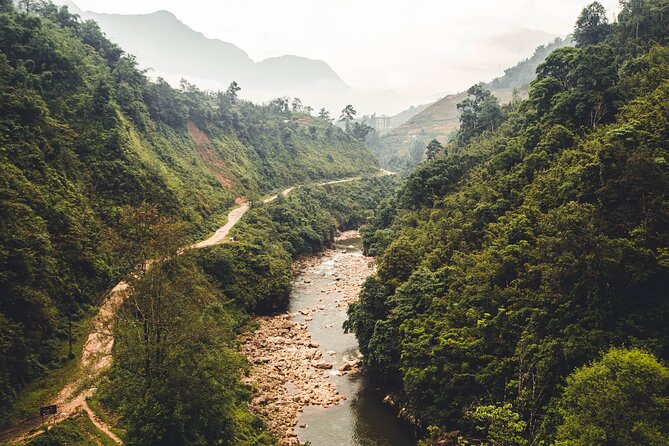
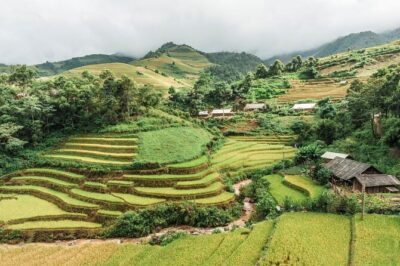
Lao Chai is one of the larger Black H’mong communities on the route. As you arrive, you’re greeted by sweeping views of terraced rice fields and daily village activity. This is where the trek shifts from rolling scenery into deeper cultural time.
Lunch is a key part of this stop. You’ll have locally prepared lunch in Lao Chai, and multiple accounts highlight it as a standout moment because it feels warm and genuinely hosted. Food is often the fastest way to understand hospitality, and here it’s tied to the village rather than served in a remote restaurant.
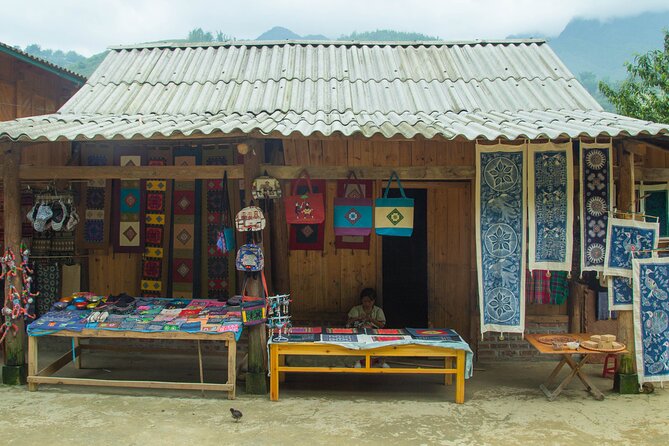
There’s also strong emphasis on practical cultural details from your guide. I like the way stories here aren’t limited to clothing and names. You may hear about traditional dyeing—specifically indigo-blue dyeing—plus everyday farming techniques. That kind of information turns the visuals you’re seeing into something you can interpret.
Possible drawback: this is also a longer walking block, so if you’re someone who tires easily, pace yourself on the approach to Lao Chai. The day is not advertised as extreme, but it is still a trek with real time on foot.
Stop 4: Ta Van village and Giay stilt houses at day’s end
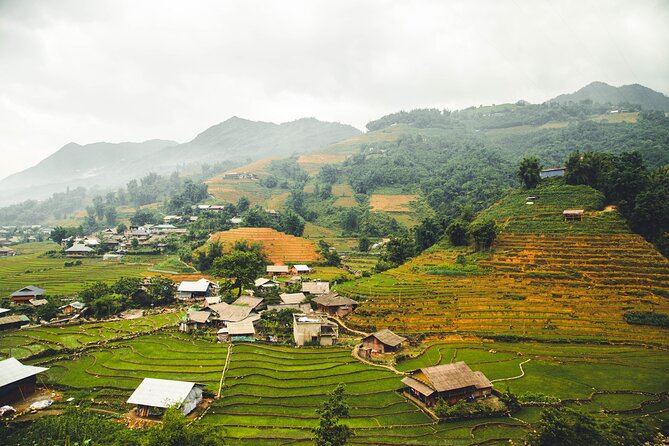
After Lao Chai, you’ll continue through terraced scenery and river crossings to reach Ta Van, a tranquil village home to the Giay ethnic group. Ta Van has a calmer feel, with stilt houses along the valley floor and mountain views around you.
This ending section is the reason many people love the Highland Harmony route. By the time you reach Ta Van, you’ve already seen multiple settings and cultures, so the finish feels like a settling point instead of another rushed checkpoint.
If you like quiet, you’ll appreciate how the afternoon portion often feels slower. The valley views in this final stretch tend to be the kind you can just watch for a while—no need to chase the next stop.
Trail difficulty: moderate effort, easy-to-follow route
The trek is for people with a moderate physical fitness level. That’s a useful phrase because it tells you it’s not designed for couch-to-peak extremes, but it’s not a stroller stroll either.
Good news: the trail is described as easy to follow, which reduces one of the biggest hassles of trekking. When paths are unclear, your brain spends energy on navigation. Here, the route design supports a smoother experience.
Still, plan for changing ground: narrow dirt paths, forest sections, and riverside walking. Even if the climbs aren’t brutally long, the valley terrain adds up.
What makes the cultural part feel real (and not staged)
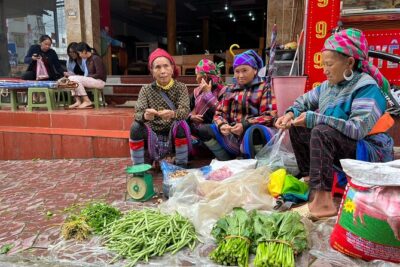
One of the strongest qualities of this trek is the way cultural interaction is framed. You don’t just walk past villages and keep moving. You spend time with Black H’mong and Giay villagers in their home environments, with an emphasis on authentic encounters rather than tourist showcases.
This is where your guide matters. The best parts of the experience happen when your guide connects what you’re seeing to everyday life—how people farm, how traditions show up in daily work, and why specific practices exist. Stories about clothing dye and farming techniques give your eyes something to track beyond decoration.
If you’re trying to be respectful (and you should be), treat the village moments like a conversation, not a photo assignment. Ask questions through your guide, listen first, and keep your movements calm.
Weather and timing: plan for Sapa reality
This experience requires good weather. In Sapa, weather can shift quickly, and that affects what can run safely and comfortably. If conditions are poor, you should expect the operator to offer an alternate date or a full refund.
Timing-wise, you start at 8:30 am, so you’ll get daylight and better visibility for terraces and paths. That’s a smart setup: it helps you enjoy the scenery and keeps walking safer than late-day starts.
Who this trek suits best
Highland Harmony Trek is a good fit if you:
- want a full-day Sapa experience without feeling rushed
- like cultural context as much as views
- prefer a small group (max 10)
- enjoy village walking with a local guide and a real lunch stop
It’s also a good choice if you’re a beginner hiker who wants a structured route. Multiple notes describe the trek as comfortable and easy to follow, with changing scenery that keeps the day interesting.
Should you book Highland Harmony Trek? My take
Yes, I think you should book this one if your priority is a genuine, well-paced Sapa day. The combination of terrace views, village-to-village walking, local lunch, and small-group size makes it feel like more than a sightseeing loop.
I’d be cautious if you know you’re sensitive to walking time or you’re traveling during uncertain weather. The trek depends on good conditions, and the route assumes you can handle a few hours on foot at a moderate pace.
Overall, at $29, it’s a strong value for the mix of nature, real village life, and guide-led storytelling—exactly the kind of Sapa experience that tends to stick with you after you leave the valley.
FAQ
How much does the Highland Harmony Trek cost?
It costs $29 per person.
How long is the trek?
The duration is approximately 6 to 9 hours.
What time does the trek start, and where do I meet?
The start time is 8:30 am, and the meeting point is Green Sapa Homestay at 3-1 Nguyễn Chí Thanh, TT. Sa Pa, Sa Pa, Lào Cai 31752, Vietnam.
What is the maximum group size?
This trek has a maximum of 10 travelers.
Which areas and villages are included?
The trek includes Muong Hoa Valley, Y Linh Ho, Lao Chai Trail, and Ta Van Village.
Is lunch included?
Yes. You’ll have locally prepared lunch in Lao Chai.
What kind of cultural interaction should I expect?
You’ll have authentic interactions with Black H’mong and Giay villagers in their home environments, and the experience is described as not being tourist showcases.
Is the trek suitable for people with limited fitness?
It’s intended for travelers with a moderate physical fitness level.
What happens if the weather is bad?
The experience requires good weather. If it’s canceled due to poor weather, you’ll be offered a different date or a full refund.
Do I get anything like a mobile ticket?
Yes. The experience includes a mobile ticket, and you should receive confirmation at the time of booking.
Are service animals allowed?
Yes, service animals are allowed.
More Hiking & Trekking in Sapa
More Tour Reviews in Sapa

More Sapa Treks We Walked
Latest Sapa write-ups from our team



Sapa Trekking Tours, compared.
 ★ 5.0Sapa 2 Days 1 Night From Hanoi – Overnight in Ta Van VillageFrom $592,669 reviews
 ★ 5.0Hanoi – Sapa 2 Days 1 Night Overnight At HomestayFrom $89899 reviews
 ★ 5.0Sapa: Fansipan Cable, Cat Cat Village & Moana Instagram TourFrom $30777 reviews
 ★ 4.8From Hanoi: 2-Day Sapa Trekking Trip with Homestay & MealsFrom $71704 reviews
 ★ 5.0Sapa 3 Days 2 Nights Trekking Tour (1 Night In Ta Van Village, 1 Night In Hotel)From $139699 reviews
 ★ 5.03-Day Trekking Adventure of Sapa from Hanoi – Stay Ta Van VillageFrom $109611 reviews
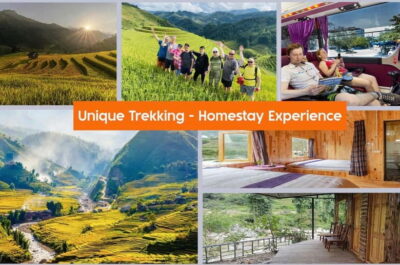 ★ 4.82-Day Sa Pa Ethnic Homestay Tour & Trek with Limousine Bus440 reviews
 ★ 5.0Sapa 2 Days 1 Night From Hanoi – Overnight in HotelFrom $89440 reviews
Browse the lists this tour appears in