
Reviewed · SAPA TREKKING TOURS
Full Day Trekking in Sapa
A good Sapa day is more than views. This private trek is built around how you want to walk and what you want to see, from rice terraces to Loa Chai village life, with a stop for home-cooked lunch along the way.
Two things I really like: your guide can adjust the difficulty and route for your group, and the day is paced around real village moments, not just photo stops.
One thing to consider: this experience is weather-sensitive. In mist or rain, the views can soften, and the paths can feel rougher, so sturdy shoes and a flexible mindset help a lot.
In This Review
- Key highlights worth planning for
- Sapa trekking, the way you’ll actually feel it
- Getting picked up at 8:00 and what the first hour tends to feel like
- Custom route planning: easy, hard, or something in between
- Loa Chai village: where village life becomes the main event
- Rice fields in Sapa: more than the postcard view
- Wildlife and farm animals: you’re walking through working land
- Handicrafts and local goods: what to do (and what not to do)
- The lunch stop: energy, hospitality, and a slower pace
- After lunch: the loop back and how to pace yourself
- Weather and mist: why your guide matters even when the mountains hide
- Price and value: how $24 stacks up for a full day
- Who should book this Sapa trek
- Before you go: practical tips that make the day smoother
- Should you book this full-day Sapa trek?
- FAQ
- FAQ
- What time does the trek start?
- How long is the full-day trekking experience?
- Is this tour private or shared?
- Is pickup offered?
- Is there a mobile ticket?
- Can the trek be adjusted for different difficulty levels?
- Do I need to message in advance to plan the route?
- Will I get confirmation after booking?
- What happens if the weather is poor?
- What is the cancellation window for a full refund?
Key highlights worth planning for
- Private, customizable trekking so the route and pace match your group’s level
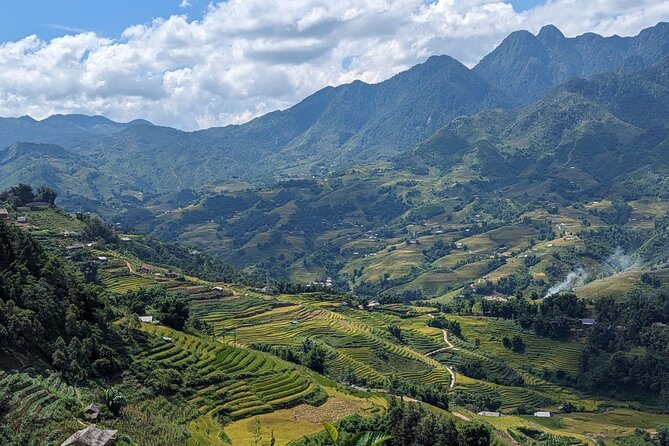
- Loa Chai village and Sapa rice fields with real everyday scenes, not staged sightseeing
- Wildlife you can spot nearby like buffalo and farm animals along the trails
- Lunch at a local home that fuels you for the second half of the walk
- English-speaking guides like Khu or Thào Thikhu who share culture and keep things lively
Sapa trekking, the way you’ll actually feel it
Sapa is famous for its mountain scenery, but the best part of a trek is what happens between the viewpoints. This full-day walking route takes you out of Sapa town and into the rural areas where you can see how people farm, trade, cook, and live. The goal isn’t just distance. It is the feeling of moving through the same paths locals use, while your guide helps you understand what you’re looking at.
Right at the start, you get that practical travel comfort: pickup from your hotel or meeting point and a 8:00 am start time. From there, the day is about people and place—rice fields, village paths, small workshops, and farm animals you might spot along the way.
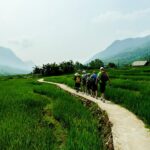
More trails through the Sapa valleys
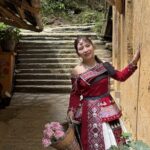
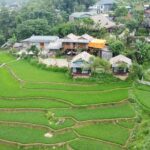
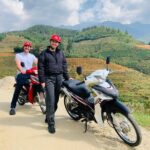
Getting picked up at 8:00 and what the first hour tends to feel like
You’ll start at 8:00 am, which is ideal for Sapa. Mornings are usually when the air feels cooler and the light is better for seeing details on the slopes. After pickup, you’ll work your way from the town area toward the more rural villages.
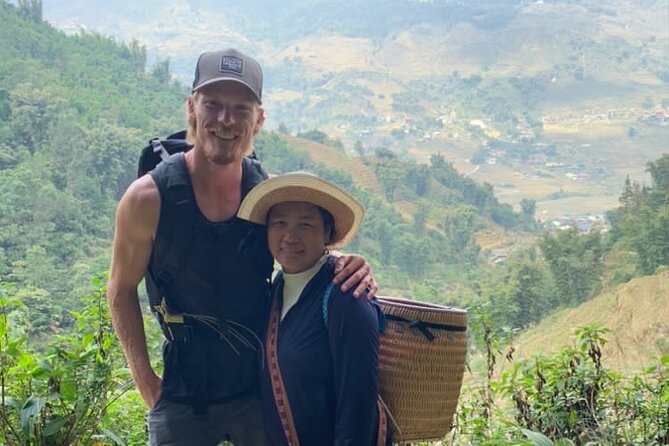
In reviews, guides like Khu and Thào Thikhu are praised for making the first part of the day easy and natural—talking with you, explaining what you’re passing, and adjusting pace when needed. If you’re worried about being left behind or feeling lost, you can relax. The trek is guided, and the route is chosen for your group.
Custom route planning: easy, hard, or something in between
This is not a one-size-fits-all trek. The experience is described as infinitely customizable, and the day is built around your group’s level. Before you go, you’ll message on WhatsApp so your guide can plan the best route for your needs, including whether you want a very easy walk, a more challenging hike, or a balanced middle.
That matters because Sapa trekking can vary a lot. Some trails are steep and uneven. Others are more gradual. If you have mobility limits, you’ll likely be happier with a shorter or gentler route. If you want a workout, the guide can choose paths that feel more serious—without turning the day into chaos.
I also like the angle that comes up in the guide descriptions: because your guide is local, you may get the common route or a less-known one. That can mean fewer crowds and a more local rhythm, especially on popular village legs.
Loa Chai village: where village life becomes the main event
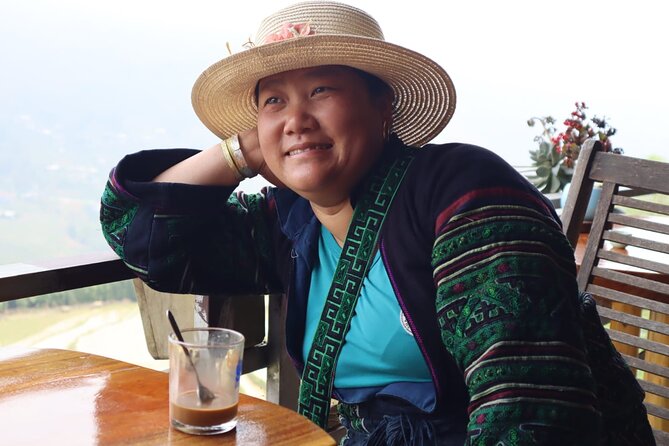
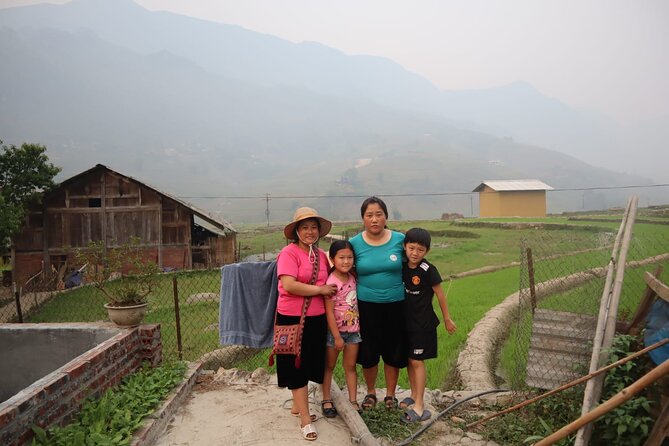
A big anchor point of this trek is Loa Chai village, described as the place where your guide grew up. This is where the day shifts from scenery to daily life. You can expect to see culture, handicrafts, and local food experiences tied to the village.
In practice, what you’ll enjoy most here is the conversation. Guides like Khu are highlighted for sharing history and culture in a way that is understandable while you’re walking and looking around. English is also mentioned often in reviews, so you’re not stuck guessing what each scene means.
You may also notice the guide guiding you through what to watch for—how rice is grown and how daily farming cycles shape the village. Even if you’re only there for the day, it makes the visit feel grounded instead of rushed.
Rice fields in Sapa: more than the postcard view

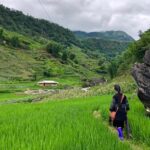
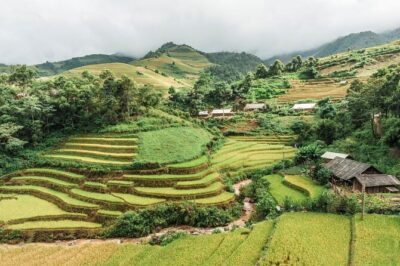
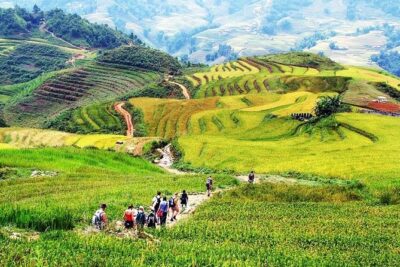
The famous part of Sapa is the rice terraces, and this trek includes time around them. You’ll walk through the Sapa rice fields and see how the terraced farming fits the contours of the mountains.
Timing matters for what you notice. One review mentions rice growth with harvest in full swing, which suggests that seasonal changes can strongly affect what you see. That’s good news for you because it means your trek won’t be a carbon copy of someone else’s.
As you walk, keep an eye out for small details your guide can explain: the way fields step across the slopes, how water management and farming work together, and what villagers do around planting or harvest. It’s the kind of information that turns a view into a story you can remember.
Worth a glance beside this Sapa pick:
- Number one top rated ethical cultural trekking and homestay by ETHOS★ 5.0 · 456 reviews
- 1-day Authentik trek & Panorama valley views★ 5.0 · 189 reviews
- 1 day Fansipan Trekking★ 5.0 · 180 reviews
Wildlife and farm animals: you’re walking through working land
This trek is also a chance to see farm animals up close (from a respectful distance). The day is described as having wildlife and farm life along the trails, including buffalo, chickens, ducks, and pigs. You might spot animals grazing or moving near homes and fields, depending on the route.
I like this part because it makes the day feel real. You’re not just looking at scenery. You’re walking through land that has a job. When your guide points out what you’re seeing—how animals are kept, or what you’re likely to be passing during routine farm activity—it gives the whole trek a practical, grounded quality.
And yes, there may be moments where you see buffalo and other animals close enough to make you pause for a second. That’s often the best kind of travel surprise: not loud, not staged, just part of the day.
Handicrafts and local goods: what to do (and what not to do)
Along the way, you can encounter opportunities to purchase local handmade goods. The trek mentions handicraft stops depending on the difficulty level, and the vibe here is usually that you can browse while your guide explains what the items are and why people make them.
If you want to buy something, do it calmly. Ask a simple question. Look for materials and work that feel connected to daily village life rather than generic souvenirs. If you’re not buying, you can still enjoy the experience by watching how products are made or displayed, without turning it into a hard sell moment.
Because the route is customizable, the amount of shopping time may vary. That’s another reason this trek works better than fixed itineraries: you control how much the day turns into browsing versus walking.
The lunch stop: energy, hospitality, and a slower pace
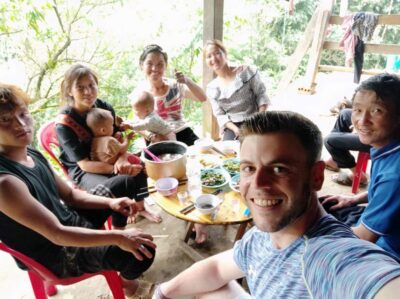
Halfway through the day, you’ll stop for lunch at your guide’s friend’s house. The meal is described as delicious and home-cooked, and reviews repeatedly praise the lunch as a highlight. One review calls it the crowning touch, and another notes the guide’s cooking skills.
This is one of those travel moments that often beats sightseeing. Instead of trying to find a restaurant in town, you’re eating where the day’s work continues, with a guide who can connect the food to the local rhythm. It also gives your legs a real reset before the final loop back toward your hotel.
Practical note: since the lunch is at a local home, you should treat it like a cultural pause. Keep expectations flexible, eat what you can, and plan to refuel. If you have strict dietary needs, you should message your guide in advance, since the exact menu isn’t listed.
After lunch: the loop back and how to pace yourself
At the end of the day, you’ll make a loop and return you back to your hotel. The total duration is listed as about 6 hours, which means the entire day is longer than just walking. There is time for transfers, village stops, breaks, and that lunch reset.
Pacing is key. Even if you choose a tougher route, your guide’s job is to help you keep moving without turning the trek into suffering. Reviews mention guides helping manage rougher parts of the path and providing support when the trail gets harder.
If you’re sensitive to altitude or uneven footing, you’ll be happier choosing an easier difficulty option. Most people can participate, but “can” doesn’t always mean “comfortable.” Pick the level that matches your comfort, and you’ll enjoy the scenery more.
Weather and mist: why your guide matters even when the mountains hide
Sapa weather changes fast. One review notes that mountains and valley views were wrapped in clouds and mist, and the guide still made the experience engaging. That’s the real value: when the sky doesn’t cooperate, a good guide can still help you understand what’s going on around you.
So if you arrive expecting perfect panoramas, I’d plan for a Plan B. A misty day can still be atmospheric and beautiful. It just means you’ll rely more on village life, guidance, and small details to make the day memorable.
Your best move: dress for cool and damp conditions. Even if it’s not raining, mountain weather can feel chilly on trails. If you choose a route with steeper segments, you’ll also want traction in your shoes.
Price and value: how $24 stacks up for a full day
At $24 for a private, guided trek around Sapa with pickup and mobile ticket support, this is strong value. You’re not paying just for walking. You’re paying for translation support, route planning, local access to village spaces, and a lunch stop.
The private format matters. Only your group participates, which tends to make the day feel calmer and more responsive. A small group also makes it easier for your guide to slow down when someone needs a breather or to adjust the route on the spot.
If you’ve priced other tours in Vietnam, you know $24 can look low for a full day. Here, the value comes from the local guidance and the included meal moment, rather than from big-ticket attractions.
Who should book this Sapa trek
You’ll likely love this trek if you want:
- A real village day in Sapa rather than a checklist of viewpoints
- A guide who talks with you and explains what you’re seeing
- Flexibility on difficulty and route, based on your group
- A lunch experience that feels local and personal
It may not be the best fit if:
- You’re planning only on easy, flat paths and want zero uneven footing
- You’re traveling with strict dietary restrictions and can’t confirm food details in advance
- You get very discouraged by mist or weather changes, since the route still requires outdoor time
Before you go: practical tips that make the day smoother
A few things I’d do to set yourself up well:
- Wear shoes you trust on uneven ground. Trails can be rough, especially on steeper legs.
- Bring a light layer. Even when you start at 8:00 am, Sapa can feel cooler as you walk.
- Bring cash if you want to buy local handmade goods. The trek includes shopping opportunities, but details on payment methods aren’t provided.
- Use WhatsApp to communicate your preferred difficulty early. The tour is designed to be customized, and that back-and-forth helps your route match your group.
Also, go in with curiosity. The best part is often the small conversations—about rice farming, village life, and what animals and crafts mean in daily routines.
Should you book this full-day Sapa trek?
If you want a Sapa day that feels like you’re part of the village rhythm for a few hours, I think this is an easy yes. The combination of private customization, village access, rice fields, possible wildlife sightings, and lunch at a local home creates value that a standard viewpoint tour usually can’t match.
Book it if you like guided walking with a real storyteller. Choose a difficulty level that feels right for you, message your guide so the route fits your group, and accept that weather can change the scenery. Then you’ll end the day with more than photos—you’ll have a set of memories tied to how Sapa actually lives.
FAQ
FAQ
What time does the trek start?
The start time is listed as 8:00 am.
How long is the full-day trekking experience?
It runs for approximately 6 hours.
Is this tour private or shared?
This is a private tour/activity. Only your group will participate.
Is pickup offered?
Yes. Pickup is offered from your hotel or meeting point.
Is there a mobile ticket?
Yes, you’ll receive a mobile ticket.
Can the trek be adjusted for different difficulty levels?
Yes. The trek is described as infinitely customizable, and you can request very easy, very hard, or something in between.
Do I need to message in advance to plan the route?
You’ll message on WhatsApp before the trek so the guide can plan the best route for your group.
Will I get confirmation after booking?
Confirmation will be received at the time of booking.
What happens if the weather is poor?
This experience requires good weather. If it’s canceled due to poor weather, you’ll be offered a different date or a full refund.
What is the cancellation window for a full refund?
You can cancel up to 24 hours in advance for a full refund. If you cancel less than 24 hours before the start time, the amount paid will not be refunded.
More Hiking & Trekking in Sapa
More Tour Reviews in Sapa
More Sapa Treks We Walked
Latest Sapa write-ups from our team


Sapa Trekking Tours, compared.
 ★ 5.0Sapa 2 Days 1 Night From Hanoi – Overnight in Ta Van VillageFrom $592,669 reviews
 ★ 5.0Hanoi – Sapa 2 Days 1 Night Overnight At HomestayFrom $89899 reviews
 ★ 5.0Sapa: Fansipan Cable, Cat Cat Village & Moana Instagram TourFrom $30777 reviews
 ★ 4.8From Hanoi: 2-Day Sapa Trekking Trip with Homestay & MealsFrom $71704 reviews
 ★ 5.0Sapa 3 Days 2 Nights Trekking Tour (1 Night In Ta Van Village, 1 Night In Hotel)From $139699 reviews
 ★ 5.03-Day Trekking Adventure of Sapa from Hanoi – Stay Ta Van VillageFrom $109611 reviews
 ★ 4.82-Day Sa Pa Ethnic Homestay Tour & Trek with Limousine Bus440 reviews
 ★ 5.0Sapa 2 Days 1 Night From Hanoi – Overnight in HotelFrom $89440 reviews
Browse the lists this tour appears in