
Reviewed · SAPA TREKKING TOURS
From Hanoi: 2-Day Sapa Limo Bus Tour & Fansipan Peak Visit
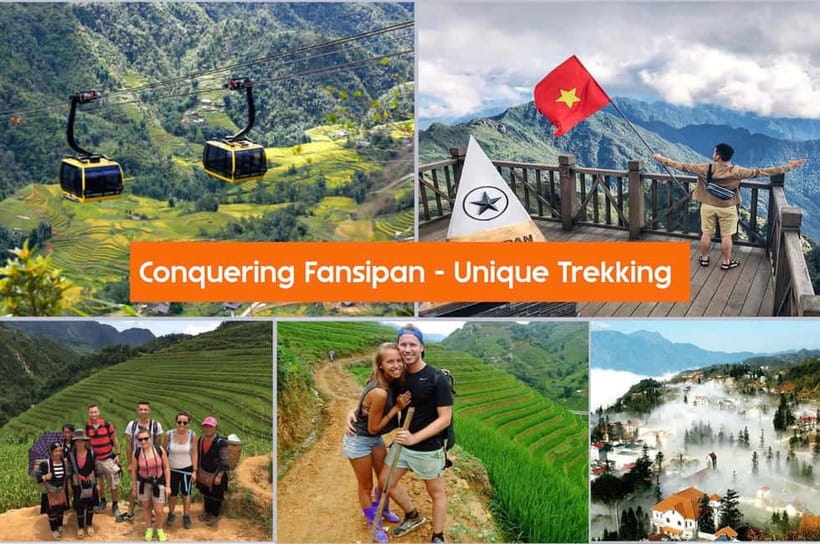
One thing hits you fast in northern Vietnam: altitude plus mountains. This 2-day Sapa trip mixes a guided village trek with the big-ticket Fansipan Peak cable car ride, so you get culture, views, and real mountain air. I liked that you’re not left to figure things out on your own, and the day plan stays packed but doable. One thing to watch: weather at Fansipan can turn the view into fog, and the top climb includes a lot of steps.
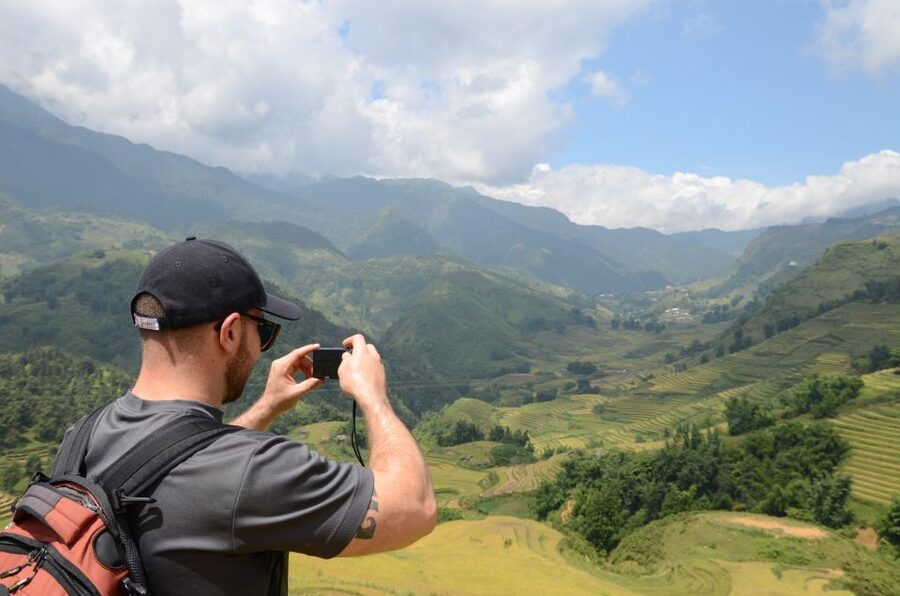
I also love the “small moment” focus on Day 1. You’ll walk rice terraces along the Muong Hoa Stream area and visit Lao Chai / Ta Van with an English-speaking local guide who can explain everyday life and traditions. As a bonus, the limousine-style transport makes the Hanoi–Sapa route feel less painful than budget buses. The main drawback is that the included meals can be simple set menus, and one stop even involved seeing local livestock handling up close.
In This Review
- Key things I’d plan for on this Sapa and Fansipan tour
- Hanoi to Sapa by limousine bus: when comfort really matters
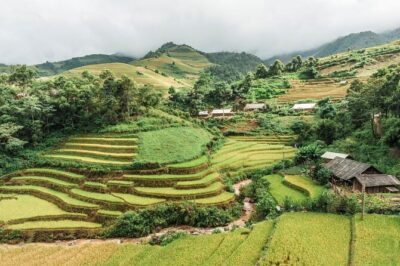
- Day 1 Lao Chai and Ta Van: rice terraces, Muong Hoa Stream, and village rhythm
- What to expect on the ground
- One consideration
- Village visits feel better with the right guide
- Sapa meals and hotel night: what included comfort looks like
- A small “life hack” for the room
- Day 2 Fansipan Peak: cable car, pagoda time, and the 600 steps
- How to make the climb more manageable
- If you want to avoid all 600 steps
- Crowds and temple etiquette
- Sapa free time after Fansipan: using your last hours well
- Price and logistics: where the value really comes from
- Holiday surcharge note
- Who should book this Sapa and Fansipan 2-day tour
- If Fansipan is unavailable, expect a substitution
- Should you book it: my honest take
- FAQ
- Is the cable car ticket to Fansipan included?
- How long does the cable car ride take?
- Are meals included on both days?
- Is there an English-speaking guide?
- What hotel will I stay in?
- Do I need to buy the entrance ticket for Lao Chai / Ta Van?
- How much trekking is involved?
- What should I bring for the hike and peak visit?
- Should I bring cash?
- Where can I store luggage?
Key things I’d plan for on this Sapa and Fansipan tour
- Lao Chai / Ta Van walk time: expect a multi-hour village-and-terrace trek at an easy pace with photo stops
- Fansipan weather gamble: fog and wind are common up high, so bring warm layers even in warmer months
- The 600-step climb: you’ll earn the temple views, and rain makes it harder
- Cash for small stuff: keep VND on hand; some transit stops require small notes for toilets
- Cable car ticket is extra: plan on paying about 35 USD per person on arrival
- Guide quality matters: many groups run with strong local English speakers, including guides named Song, Somg, Susu, Than, Lô, Kate Nguyen, and Soh
Hanoi to Sapa by limousine bus: when comfort really matters
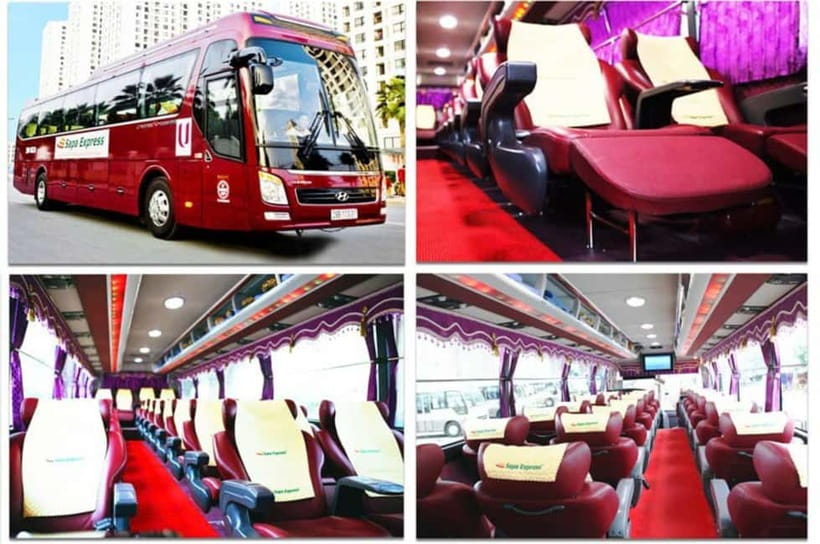
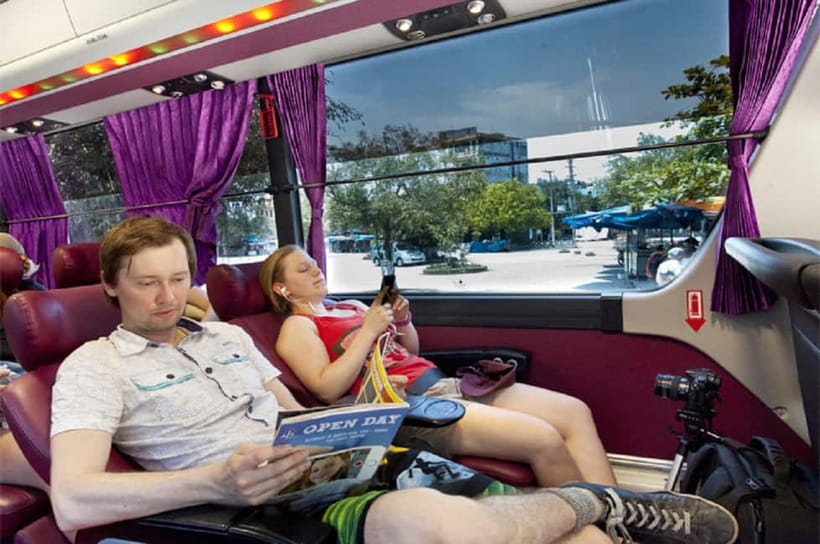
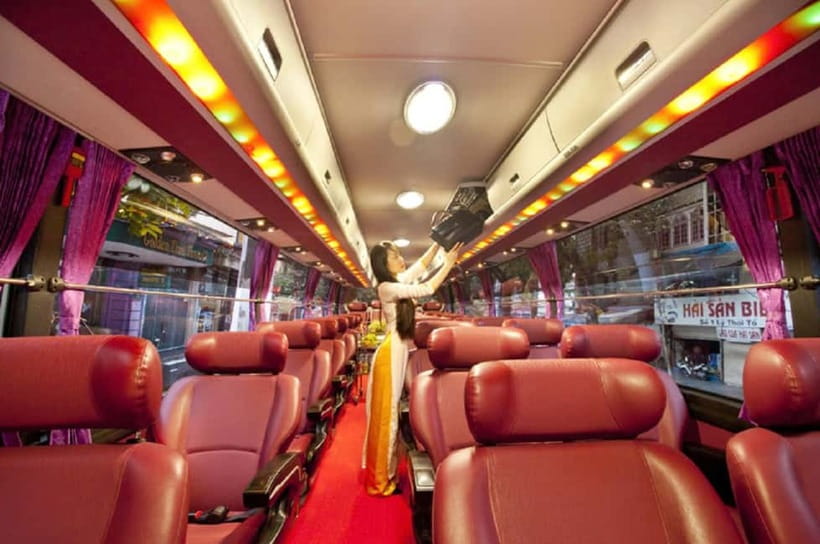
The trip starts early from Hanoi, usually with pickup at a meeting point that can vary by your booking option. From there, you ride a limousine bus north to Sapa. The route includes short breaks in Phu Tho Province and a stop in Lao Cai before you arrive.
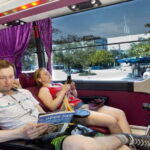
What I like about this setup is that it protects your Day 1 energy. You’re not spending hours wrestling with public buses plus private transfers. The ride also tends to feel smoother than the smallest, cheapest coaches—several people describe it as comfortable, and some even upgrade to a sleeper-bus style option with private cabins and more resting.
Still, the long-distance part is real. The Hanoi–Sapa drive can take around six hours, and a few travelers note that space can feel tight for taller people. If you choose a sleeper-bus style transfer, be ready for toilet logistics during the stops (and yes, it may cost a little at the break spots—bring small bills/notes).
My practical tip: pack a small day bag with sunscreen, a light jacket, and insect repellent. You’ll be outside soon after arrival, and the mountain light can be strong.
More trails through the Sapa valleys


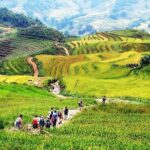
Day 1 Lao Chai and Ta Van: rice terraces, Muong Hoa Stream, and village rhythm
Day 1 is built around a guided walk through the mountain villages area, centered on Lao Chai and Ta Van (with an included entrance ticket and a local English-speaking guide). After lunch in Sapa—typically a local Vietnamese set-style meal—you’ll head into the hills.
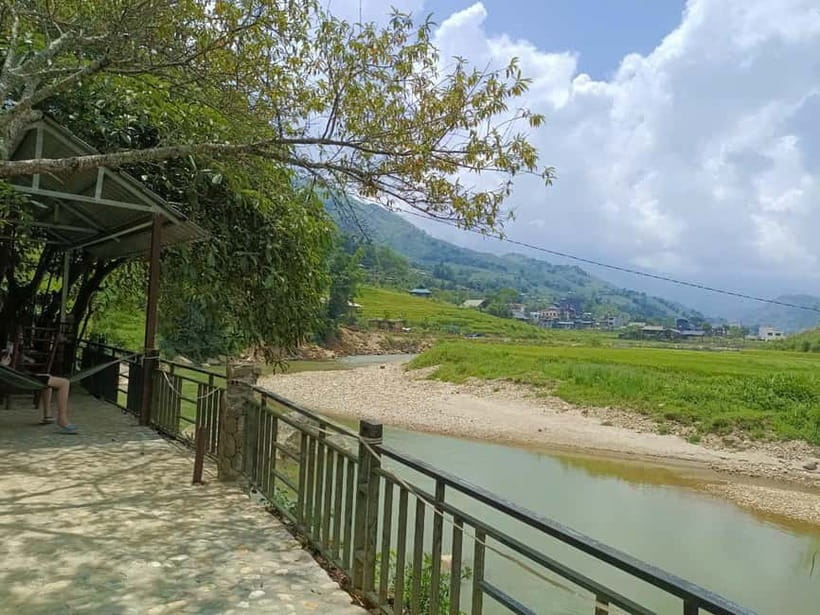
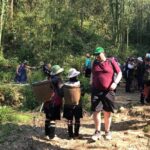
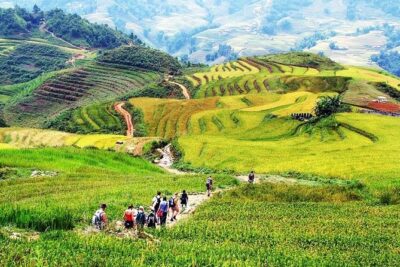
The route focuses on what makes Sapa special beyond the town: layered terraces, narrow paths, and the sound of water from the stream area. The walking pace is designed to be leisurely enough for photos and conversations. In some runs, people report around three hours of walking time, including stops.
Here’s why I think this part is worth it. You don’t just see a viewpoint and move on. You meet people, see how families adapt their daily routines around the seasons, and get explanations you wouldn’t get if you walked without a guide. In guides I’ve seen mentioned by name—Song, Somg, Susu, Than, Lô—there’s a consistent theme: they answer questions about culture and daily life in plain, human terms, not rehearsed scripts.
What to expect on the ground
- Terrain: mostly manageable paths through village lanes and terrace edges
- Weather impact: muddy spots can happen after rain, so trekking shoes matter
- Photo stops: expect frequent stops for views and village scenes
One consideration
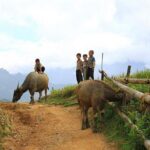
This is a working area with local life going on. One person reported seeing pig slaughter happening near a lunch restaurant stop. That doesn’t mean the whole day is like that, but it’s a reminder that rural life isn’t staged for tourists. If you’re sensitive, choose your lunch setting calmly and don’t force yourself to look at everything.
Village visits feel better with the right guide
This tour leans into the “meet locals” promise, and the guide is usually the difference between seeing buildings and understanding what you’re seeing.
If you’re lucky, your guide will be someone like Song or Somg (names that came up often), who are described as attentive and organized, making the day feel smooth even when weather shifts. Others named Susu and Lô are described as kind, professional, and great at translating village culture into something you can actually picture.
It also helps that the group portion of the day is structured: you have someone local to guide you through the village edges and explain why certain paths and fields matter. You’ll also likely get help with practical navigation and timing, which matters when paths twist and the light changes quickly.
My practical tip: ask your guide how farming and village life changes through the year. That question tends to produce the best answers, because it connects directly to what you’re walking past.
More ways up Fansipan, on foot or by cable car
- From Hanoi: 2-Day Sapa Limo Bus Tour & Fansipan Peak Visit★ 4.6 · 277 reviews
- From Hanoi: 2-Day Sapa, Fansipan, and Muong Hoa Valley Tour★ 4.2 · 90 reviews
- Hanoi – Sapa 2 Days 2 Nights With Fansipan by cable car★ 5.0 · 79 reviews
Sapa meals and hotel night: what included comfort looks like
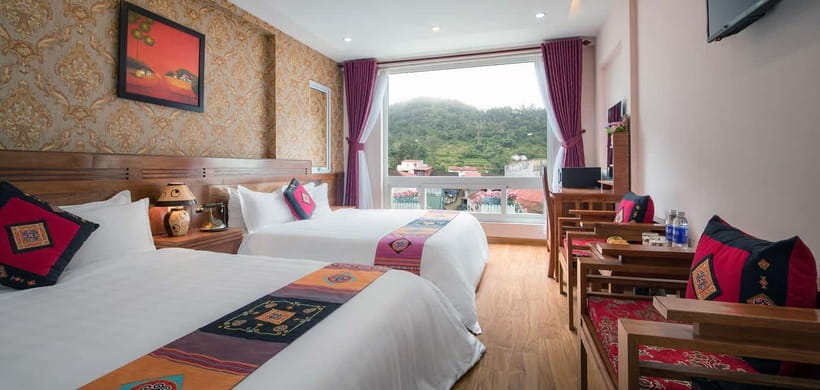
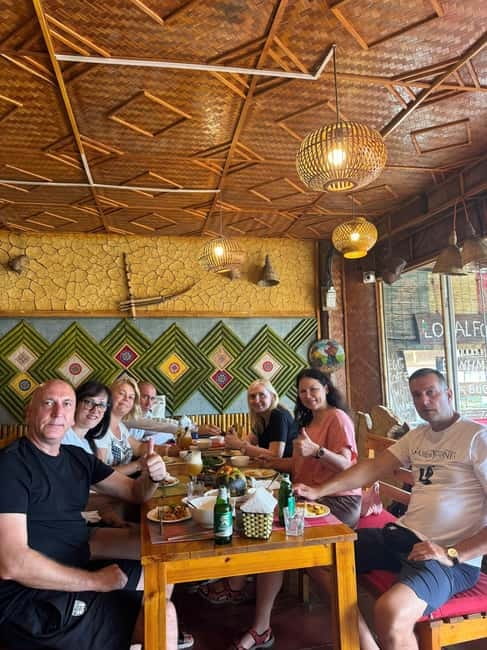
After Day 1 trekking, you’ll return by car to your hotel for dinner. Breakfast and lunch are included on Day 2, too. The hotel is described as 3-star in the tour package information, typically a twin-sharing room.
From real-world experience, this is the part where expectations should be realistic:
- Some travelers say the hotel is clean, spacious, and in a convenient spot near the market/night market.
- Others call the food only average and the accommodations basic.
Meal-wise, you should expect set menus more than choose-your-own feasts. One traveler even rated the included food among the worst they’d had in Vietnam, while others say it was fine or delicious. This tells me the “included meals” are there to keep you moving, not to replace a best-food-in-Sapa mission.
Accommodation can also vary by departure. A few people mention missing toilet paper, confusing towel placement, or showers that splatter the bathroom. I’d pack a small backup item—like a compact roll of tissue—just in case.
A small “life hack” for the room
Keep your trekking shoes and a spare layer easily reachable. The mountain weather can change fast, and you don’t want your jacket buried at the bottom of a bag.
Day 2 Fansipan Peak: cable car, pagoda time, and the 600 steps
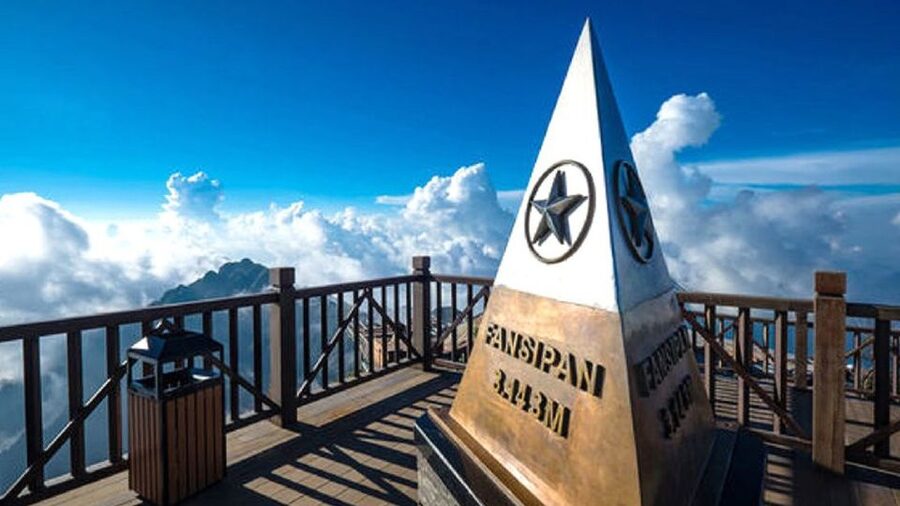
Day 2 starts with breakfast, then transfer to the cable car station. Your driver helps you buy the cable car ticket (so you don’t have to handle the queue and payment process on your own). Then you ride the cable car up Fansipan.
Key timing details:
- Cable car ride: about 20 minutes
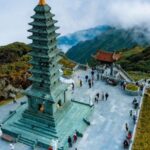
- Peak area: you’ll visit a temple/pagoda
- Final climb: around 600 steps to reach the top
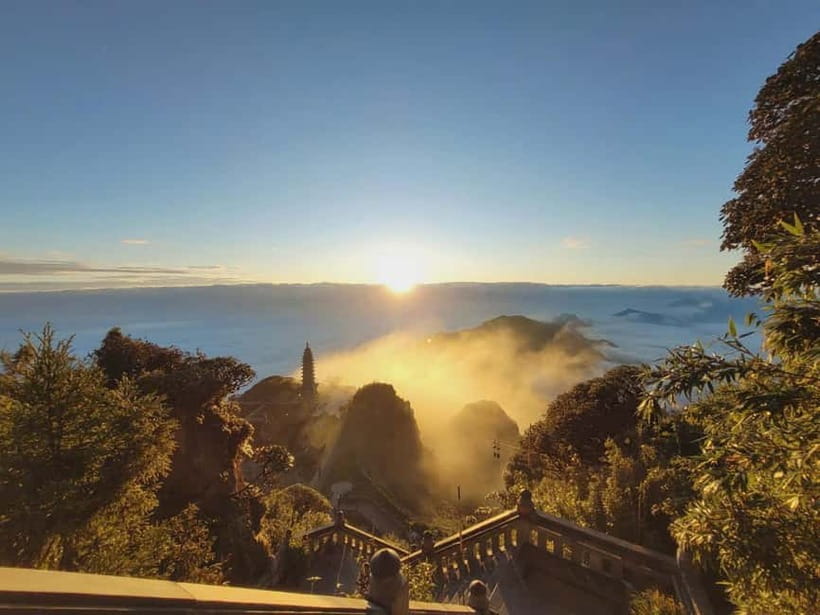
- Altitude: the peak area sits around 3,400 meters, and some people feel it
The big question on this day is always the same: will you see the view? Fansipan can be clear and bright—or thick with fog and wind. Several people describe spectacular scenery from the cable car, but others say the top was misty and visibility was limited. Rain and wind can make the climb feel much harder.
How to make the climb more manageable
- Bring a jacket even if you think it’s warm in town. The top can feel cold quickly.
- Wear grippy trekking shoes. Steps in wet weather are not the place for slick soles.
- Plan your pace. Many people report a mix of excitement and giddy altitude feelings.
If you want to avoid all 600 steps
One traveler noted there’s a monorail option for those who don’t want to walk the steps. Availability can vary, but it’s worth knowing in case your legs start negotiating with you.
Crowds and temple etiquette
Expect people at the temple areas, especially at good weather moments. Keep your pace respectful and don’t linger in chokepoints while others are trying to pass through.
Sapa free time after Fansipan: using your last hours well
After the peak experience, you return to Sapa for lunch at the hotel. Then you get free time to explore Sapa on your own before boarding the limousine bus back to Hanoi.
This free time is the perfect window to:
- browse the central market/night market area at street pace
- pick up small local items (if you like souvenirs that are more useful than decorative)
- simply sit with a warm drink and watch clouds move through the valley
Since cash is recommended in Sapa (ATM systems can be unreliable), have some VND ready. The good news: US dollars, euros, and Australian dollars are accepted in Sapa, which reduces the stress if you didn’t plan your currency exchange perfectly.
Price and logistics: where the value really comes from
You’re paying for three hard-to-coordinate pieces: transportation between Hanoi and Sapa, a hotel night, and guide-led village time. On top of that, the cable car ticket isn’t included (about 35 USD per person, paid on arrival), so you can factor that in when you compare costs.
The value shows up when you ask: what would it cost you to line up:
- Hanoi–Sapa round-trip transport that actually gets you there on time
- a hotel in Sapa for one night
- a guided Lao Chai / Ta Van village visit with an English-speaking guide
- transfers around the cable car station
One practical reason this package feels “worth it” is that it removes a big chunk of decision fatigue. You get a driver when you need one and a guide when you want context. You still get time to wander on your own in Sapa, which keeps the trip from feeling like a full-day tour bus marathon.
Holiday surcharge note
There’s also a holiday surcharge of 700,000 VND per person for specific dates (April 30, May 1, September 1–3, December 24–31, and January 1, 2026). If you’re traveling around those windows, confirm the final amount before you go.
Who should book this Sapa and Fansipan 2-day tour
This works best for you if:
- you want real village time (Lao Chai / Ta Van) rather than only cable cars and viewpoints
- you’re okay with a moderate walking day and a serious step climb on Day 2
- you like having an organized plan but still want free time to explore Sapa yourself
You might want to skip or adjust the plan if:
- you hate cold, wind, and steps. Fansipan can be rough in rainy weather.
- you’re very sensitive to the realities of rural life at close range.
- you want gourmet meals. Included food seems to land in the basic-to-good range depending on the departure.
If Fansipan is unavailable, expect a substitution
One traveler mentioned that if Fansipan was under maintenance, the tour substituted with a Glass Bridge visit. That’s not guaranteed, but it tells you the operator can pivot when mountain access changes. If you’re planning around a strict photography wishlist, build in flexibility.
Should you book it: my honest take
Book it if you want a balanced Sapa starter pack: a village walk with a local English-speaking guide on Day 1, plus the Roof of Indochina cable car experience on Day 2. It’s the kind of trip that gives you a sense of Sapa beyond the town center, without requiring you to master transport logistics in advance.
Don’t book it if your main goal is the top view at all costs. Weather can shut down visibility, and the step climb is physically demanding when conditions turn. In that case, you’d be happier if you treat Fansipan as a bonus and plan a flexible mindset.
FAQ
Is the cable car ticket to Fansipan included?
No. The cable car Sapa–Fansipan ticket is not included. You can pay for it on arrival (listed at about 35 USD per person).
How long does the cable car ride take?
The cable car ride is about 20 minutes up to Fansipan Peak.
Are meals included on both days?
Yes. The package includes 2 lunches, 1 dinner, and 1 breakfast.
Is there an English-speaking guide?
Yes, there is a local English-speaking guide for the Lao Chai / Ta Van village portion.
What hotel will I stay in?
You’ll stay in a double or twin room in a 3-star hotel, twin-sharing basis.
Do I need to buy the entrance ticket for Lao Chai / Ta Van?
No. The entrance ticket for Lao Chai / Ta Van is included.
How much trekking is involved?
You’ll do a trek on Day 1 through the village and terraces area. Some people describe it as around a few hours at a leisurely pace, with stops for photos.
What should I bring for the hike and peak visit?
Bring trekking shoes, sunglasses, sun cream, and insect repellent. Also bring any needed medication. A warm layer or jacket helps because the peak area can be cold and windy.
Should I bring cash?
Yes. Bring cash in Vietnamese Dong, since banking systems in Sapa can be unreliable. US dollars, euros, and Australian dollars are accepted in Sapa.
Where can I store luggage?
You can store luggage in the trunk during the journey, then keep it at the hotel in Sapa before starting the trek.
More Tour Reviews in Hanoi


To the Roof of Indochina: More Fansipan


More Sapa Treks We Walked

Latest Hanoi write-ups from our team



Sapa Trekking Tours, compared.
 ★ 5.0Sapa 2 Days 1 Night From Hanoi – Overnight in Ta Van VillageFrom $592,669 reviews
 ★ 5.0Hanoi – Sapa 2 Days 1 Night Overnight At HomestayFrom $89899 reviews
 ★ 5.0Sapa: Fansipan Cable, Cat Cat Village & Moana Instagram TourFrom $30777 reviews
 ★ 4.8From Hanoi: 2-Day Sapa Trekking Trip with Homestay & MealsFrom $71704 reviews
 ★ 5.0Sapa 3 Days 2 Nights Trekking Tour (1 Night In Ta Van Village, 1 Night In Hotel)From $139699 reviews
 ★ 5.03-Day Trekking Adventure of Sapa from Hanoi – Stay Ta Van VillageFrom $109611 reviews
 ★ 4.82-Day Sa Pa Ethnic Homestay Tour & Trek with Limousine Bus440 reviews
 ★ 5.0Sapa 2 Days 1 Night From Hanoi – Overnight in HotelFrom $89440 reviews
Browse the lists this tour appears in