
Reviewed · SAPA TREKKING TOURS
From Hanoi: 2 Days Sapa Trek & Fansipan Adventure with Dcar
Two days in Sapa feels like a fast story. This small-group trip pairs easy-to-moderate walks through the Muong Hoa Valley with village time with H’mong and Tay families, plus a comfortable, air-conditioned Dcar 9s ride back and forth from Hanoi.
I like how the route mixes iconic spots (Cat Cat Waterfall) with real village scenes (stilt houses, weaving, embroidery). I also like that you get built-in breaks with a proper 3-star hotel stop so the trekking doesn’t feel like a nonstop shuffle.
One thing to think about: morning pickup and timing can be touchy. I’d plan to arrive early at the meeting point near the Hanoi Opera House, because delays or confusion can ruin the first hour of your day.
In This Review
- Key Things to Know Before You Go
- Two Days From Hanoi to Sapa: What the Rhythm Feels Like
- Getting There Comfortably: Hanoi Opera House Pickup and the Dcar Ride
- Day One Downhill to Cat Cat: Valley Views, Stilt Houses, Crafts, and Waterfall
- The Muong Hoa Valley drive-and-walk mindset
- Cat Cat Village culture stops
- Cat Cat Waterfall
- Day Two: Ham Rong or Fansipan Morning Choice (Fansipan Costs Extra)
- Option A: Trek up Ham Rong (Dragon’s Jaw)
- Option B: Train/cable car toward Fansipan (not included)
- Lao Chai and Ta Van: Rice Terraces, Black H’mong Daily Life, and Tay Culture
- Lao Chai: Black H’mong daily rhythms
- Ta Van: Tay minority with Chinese influence
- Price and Value: What $95 Buys (and What It Doesn’t)
- Pace, Physical Fitness, and What to Pack
- Comfort, Small Details, and the Things That Make It Easier
- Who This Tour Suits Best
- Should You Book This Dcar Sapa Trek and Fansipan Adventure?
- FAQ
- Where is the meeting point in Hanoi?
- What time does pickup start?
- How do I get tickets for this experience?
- Is a hotel included for the night?
- What meals are included?
- Is entrance fees included?
- Does the tour include Fansipan?
- What is the maximum group size?
- Can I get a full refund if I cancel?
Key Things to Know Before You Go
- Small group size (max 10 travelers) keeps the trek more manageable and the pace easier to follow.
- Dcar 9s limousine Hanoi–Sapa–Hanoi makes the long ride much less stressful than cramped buses.
- Cat Cat Village on day one means downhill walking, then stilt houses, crafts, and the waterfall.
- Ham Rong vs. Fansipan option on day two gives you a morning choice; Fansipan cable car/train is not included.
- Lao Chai and Ta Van villages add rice-terrace walking plus Tay culture with Chinese influence.
- English-speaking guide and entrance fees are handled, so you spend more energy on the places than on logistics.
Two Days From Hanoi to Sapa: What the Rhythm Feels Like
This is a tight 2-day Sapa itinerary that’s trying to do three things at once: get you up to the mountains, show you the valley scenery, and still make time for village culture. The big win is that the trekking is not pretending to be extreme. You get a downhill walk on day one, then more walking and village visits on day two, with a night in a 3-star hotel to reset.
You’ll start in Hanoi early, then reach Sapa by early afternoon. That means you’re not arriving exhausted and sprinting straight into a long hike. Instead, you land, eat, check in, and then go out to Cat Cat.
On the second day, the morning is about views and options—either trekking up Ham Rong (Dragon’s Jaw) Mountain or choosing the train/cable car route toward Fansipan (extra). After that, the rest of the day shifts to village life: Lao Chai, then Ta Van, with time for day-to-day culture rather than just scenic photo stops.
More trails through the Sapa valleys




Getting There Comfortably: Hanoi Opera House Pickup and the Dcar Ride

The day starts with pickup or meet-up in central Hanoi at Hanoi Opera House (1 Tràng Tiền, Phan Chu Trinh, Hoàn Kiếm) at around 6:30am. It’s a practical location because you’re not hunting for a random street corner at dawn. You’ll then transfer to Sapa in an air-conditioned Dcar 9s limousine.
One of the best value parts here is how much easier this kind of road trip becomes when you’re not packed in like luggage. A guest noted the ride didn’t feel like a full 6-hour journey, and that lines up with what you should expect when the vehicle is comfortable and the timing is handled.
Tip for your sanity: be ready before your pickup time. If your phone battery is low, charge it the night before. When pickup is early, even a small delay can snowball.
Day One Downhill to Cat Cat: Valley Views, Stilt Houses, Crafts, and Waterfall
Day one is your introduction to Sapa’s signature scenery. You arrive in town around 1:00pm, then lunch and check-in happen before trekking. That schedule matters because it avoids the most common mistake on short Sapa trips: arriving, not eating, then trying to hike on empty.
The Muong Hoa Valley drive-and-walk mindset
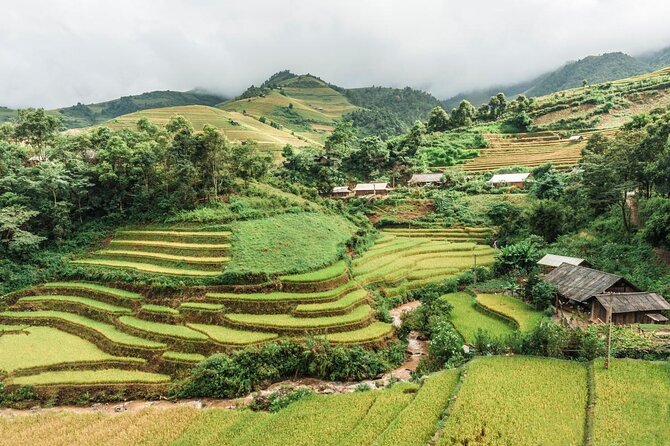
When you head out to Cat Cat, you’re essentially working your way downhill to Cat Cat Village, which sits at the bottom of the Muong Hoa Valley. The payoff is big views toward Fansipan, the highest peak in Vietnam and Indochina. Even if you don’t go up to Fansipan during the trek, you’ll still get that dramatic line in the distance.
Cat Cat Village culture stops
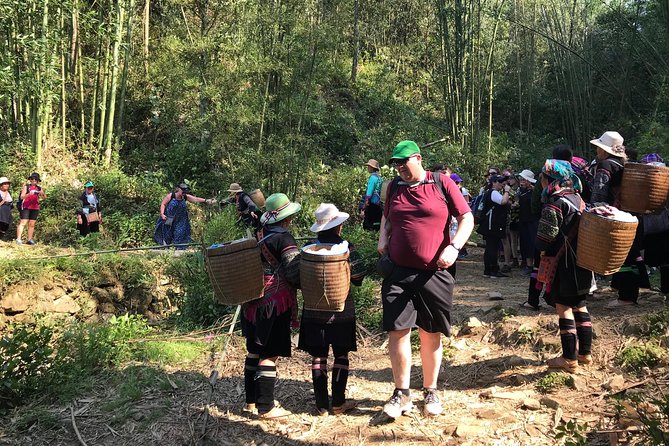
Once you reach Cat Cat, you don’t just pass through. You get time around Black H’mong stilt houses and scenes of daily craftwork—people weaving, embroidering, and drying clothes. These are small moments, but they’re the ones that make the walk feel like more than a scenic detour.
If you like observing how houses and daily routines fit the landscape, this is the part that usually sticks with people. You can also expect you’ll move at a pace set by the group, not your own stopwatch.
More ways up Fansipan, on foot or by cable car
- From Hanoi: 2-Day Sapa Limo Bus Tour & Fansipan Peak Visit★ 4.6 · 277 reviews
- From Hanoi: 2-Day Sapa, Fansipan, and Muong Hoa Valley Tour★ 4.2 · 90 reviews
- Hanoi – Sapa 2 Days 2 Nights With Fansipan by cable car★ 5.0 · 79 reviews
Cat Cat Waterfall
After village time, you continue on to Cat Cat Waterfall. This is a classic stop, but the way it’s folded into a downhill day makes it feel natural. The waterfall gives you a clear “destination moment” after the slower village and craft observations.
Back to the hotel is around 5:00pm, leaving enough time to shower, rest, and still have a bit of evening in Sapa.
Day Two: Ham Rong or Fansipan Morning Choice (Fansipan Costs Extra)

Day two begins with breakfast, then checkout, and a morning decision. You start around 7:00–8:30am for breakfast, then you move into the morning program around 9:00am.
Option A: Trek up Ham Rong (Dragon’s Jaw)
If you choose the trekking option, you’ll go up Ham Rong (Dragon’s Jaw) Mountain. This is the kind of hike that rewards you with broad views and a stronger “mountain feel” than you get from village walking alone. It’s also the choice that stays most aligned with the included plan.
Option B: Train/cable car toward Fansipan (not included)
You can also go up toward Fansipan using train and cable car—but that’s specifically noted as not included. Translation: if Fansipan is your must-see, plan for extra cost beyond the $95 tour price.
This matters for budgeting. Many people assume Fansipan is baked in because it’s named in the experience title. It’s not. The tour gives you a route choice, but Fansipan transport is an add-on.
Either way, you’ll have an included lunch later in the day (the tour includes two lunches total across both days).
Lao Chai and Ta Van: Rice Terraces, Black H’mong Daily Life, and Tay Culture
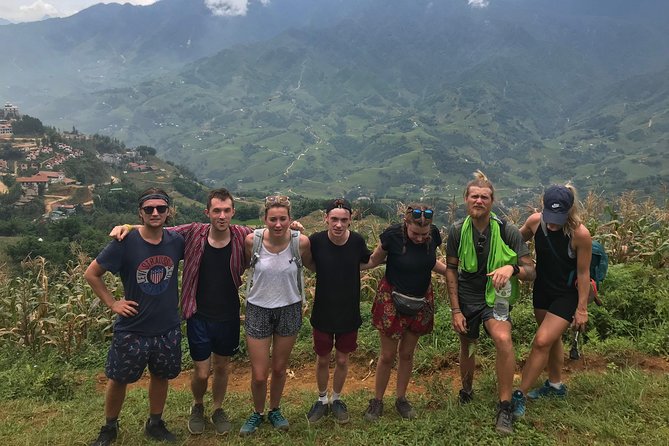
After the morning viewpoint activity, your day turns more cultural and less about climbing. You’ll walk through rice terrace areas to reach Lao Chai village, then continue to Ta Van village.
Lao Chai: Black H’mong daily rhythms
Lao Chai is where you get to slow down and see the Black H’mong daily life and traditional culture more directly. The key here is that it’s not only about buildings. It’s about routines—how people live alongside the terrain and how agriculture connects to village life.
If you enjoy respectful, low-pressure cultural encounters, this section is a good fit. You’ll be moving on foot, but the stops aren’t just photo ops.
Ta Van: Tay minority with Chinese influence
Then you’ll reach Ta Van village, home to the Tay minority, and the program notes a strong influence from Chinese culture. That’s a useful detail because it sets expectations: this isn’t a one-note ethnic experience. It’s a mix of groups, and you’ll notice differences in how life and culture show up in the villages.
This kind of contrast is why short multi-village routes work so well. You get variety without needing a long, complicated itinerary.
Price and Value: What $95 Buys (and What It Doesn’t)
The price is $95.00 per person, and the trip lasts about 2 days with:
- A 3-star hotel for one night
- Breakfast plus two lunches
- An English-speaking guide
- Air-conditioned transport with Dcar 9s
- Entrance fees covered
- The Hanoi–Sapa–Hanoi transfer
For value, the biggest win is that you’re paying for organization. On a short timeframe, Sapa is one of those places where doing everything yourself often costs time and stress. Here, the ride, hotel timing, and guided route reduce the amount of guesswork.
What’s not included is also clear:
- Drinks with meals
- Any single-room surcharge (if you’re traveling solo and want your own room)
- Fansipan cable car/train if you choose that option
- Any holiday surcharge (if it falls on your travel dates)
If you want Fansipan specifically and plan to use the cable car/train, your effective total cost will rise. But if you’re happy with Ham Rong plus the valley views and village time, $95 can feel like a fair deal for the structure you’re getting.
Pace, Physical Fitness, and What to Pack
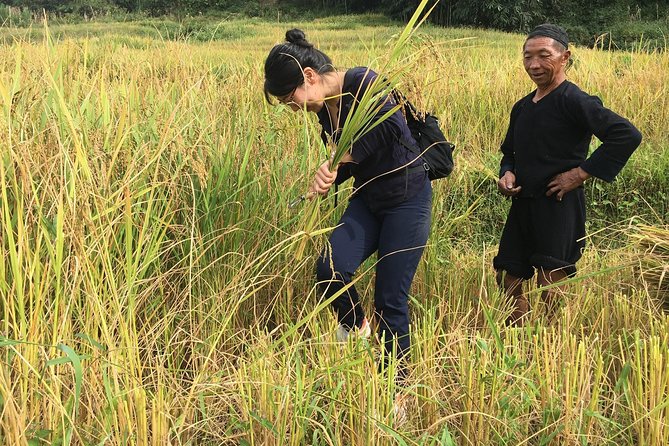
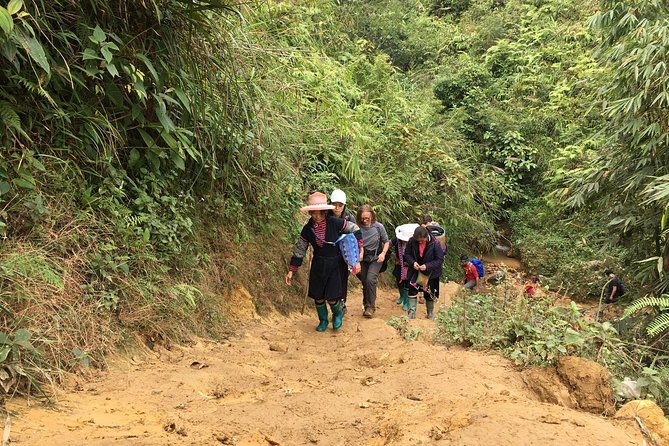
The activity asks for moderate physical fitness. That usually means you’re walking and climbing stairs or slopes for stretches, but you’re not doing technical mountaineering. In your case, you’ll do downhill walking to Cat Cat on day one, and then more hiking and village walking on day two.
Bring practical footwear you trust. Even with moderate hiking, the ground can be uneven on hillside routes. Also plan for quick changes in mountain weather. Layers help, and a light rain layer is smart.
One more practical note: the tour is limited to a maximum of 10 travelers. That’s a good size for getting attention from your guide, but it also means your pace will follow the group. If you want slow-and-savor, you’ll still have some control—just keep expectations realistic about not wandering far off route.
Comfort, Small Details, and the Things That Make It Easier
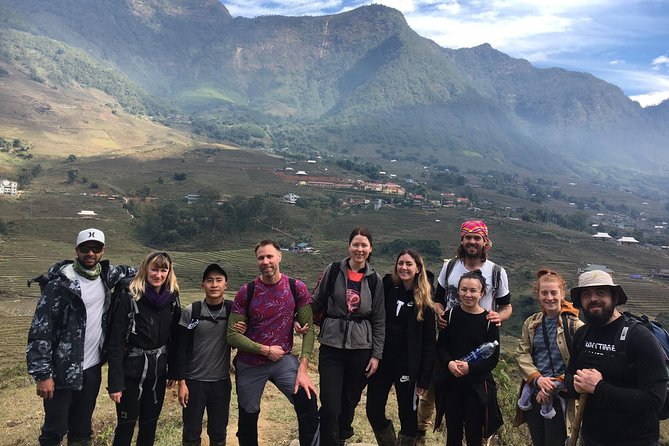
This isn’t just “transport and trekking.” The experience is built to reduce friction:
- The pickup is fixed at a central Hanoi landmark.
- You get an overnight hotel so you’re not sleeping in motion.
- Meals are timed around the hikes, not randomly.
- Entrance fees are included, so you aren’t hunting for cash or figuring out last-minute access rules.
In a short trip, those details matter. It’s the difference between arriving in Sapa and having to solve everything versus showing up and just moving through the day.
Who This Tour Suits Best
This is a strong match if you:
- Have only 2 days and want a guided, structured route
- Prefer comfort on the long Hanoi–Sapa transfer
- Want both scenery and village culture (Cat Cat, Lao Chai, Ta Van)
- Like the idea of a morning choice: Ham Rong or taking on Fansipan via transport
If you’re the type who wants total freedom to stop wherever you want with zero group schedule, a tour like this might feel a bit timed. But for most visitors, the small group size and clear plan are exactly what makes Sapa doable in a weekend.
Should You Book This Dcar Sapa Trek and Fansipan Adventure?
Yes, I think you should book it if you want a smart first taste of Sapa without turning your trip into a transportation puzzle. The Dcar 9s ride, the 3-star hotel night, and the mix of Cat Cat village + Lao Chai + Ta Van make this feel efficient and worth the money.
Book it with one caution: plan your Fansipan expectations. Fansipan by train/cable car is not included, so decide ahead of time if you’ll pay extra for that. If you skip it, you’ll still get valley views, Ham Rong as an included trek option, and plenty of village culture to make the days feel full.
FAQ
Where is the meeting point in Hanoi?
The start location is Hanoi Opera House, 1 Tràng Tiền, Phan Chu Trinh, Hoàn Kiếm, Hà Nội, Vietnam, with a start time of 6:30am.
What time does pickup start?
Pickup starts around 6:30am–7:00am (meet up or hotel pickup), depending on where you join from.
How do I get tickets for this experience?
You’ll receive a mobile ticket.
Is a hotel included for the night?
Yes. You get 1 night in a 3-star hotel in Sapa.
What meals are included?
The tour includes breakfast and two lunches.
Is entrance fees included?
Yes. Entrance fee is included in the tour.
Does the tour include Fansipan?
You can choose the morning option to go toward Fansipan, but Fansipan cable car/train is not included.
What is the maximum group size?
The experience has a maximum of 10 travelers.
Can I get a full refund if I cancel?
Yes. Free cancellation is offered up to 24 hours in advance for a full refund.
More Tour Reviews in Hanoi





To the Roof of Indochina: More Fansipan





More Sapa Treks We Walked


Latest Hanoi write-ups from our team






Sapa Trekking Tours, compared.
 ★ 5.0Sapa 2 Days 1 Night From Hanoi – Overnight in Ta Van VillageFrom $592,669 reviews
 ★ 5.0Hanoi – Sapa 2 Days 1 Night Overnight At HomestayFrom $89899 reviews
 ★ 5.0Sapa: Fansipan Cable, Cat Cat Village & Moana Instagram TourFrom $30777 reviews
 ★ 4.8From Hanoi: 2-Day Sapa Trekking Trip with Homestay & MealsFrom $71704 reviews
 ★ 5.0Sapa 3 Days 2 Nights Trekking Tour (1 Night In Ta Van Village, 1 Night In Hotel)From $139699 reviews
 ★ 5.03-Day Trekking Adventure of Sapa from Hanoi – Stay Ta Van VillageFrom $109611 reviews
 ★ 4.82-Day Sa Pa Ethnic Homestay Tour & Trek with Limousine Bus440 reviews
 ★ 5.0Sapa 2 Days 1 Night From Hanoi – Overnight in HotelFrom $89440 reviews
Browse the lists this tour appears in