
Reviewed · SAPA TREKKING TOURS
From Hanoi: 2-Day Sapa, Fansipan, and Muong Hoa Valley Tour
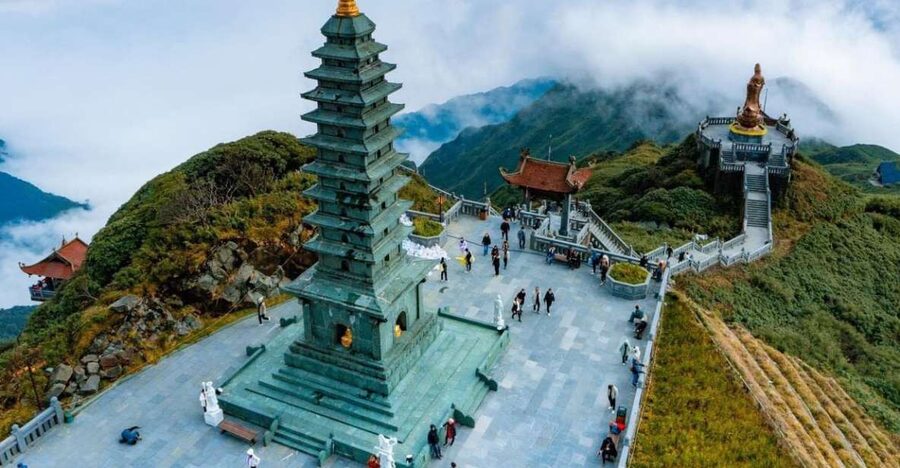
Fansipan is the big-ticket view in northern Vietnam. This 2-day trip from Hanoi strings together Fansipan by cable car and a trek through Muong Hoa Valley rice terraces, plus time with Hmong and Dzay village life.
I especially like two parts: the small group size (up to 10) keeps the pace human, and you’re guided by an English-speaking local who can explain what you’re seeing. I also like the Ta Van lunch in a Dzay home setup, which feels more personal than another sit-down stop.
The main trade-off is effort and timing. You start early from Hanoi, climb a lot at Fansipan (including 600 steps), and you still have to get back to Hanoi on Day 2, so it’s not a “slow vacation” format.
In This Review
- Key things to know before you go
- Hanoi pickup and the drive up to Sa Pa
- Fansipan by cable car: 25 minutes up to 2,800 meters
- The peak experience: photos, fog, and the feeling of “getting there”
- Sa Pa breathing room: check-in and a reset before the trek
- Muong Hoa Valley trek: rice terraces and village visits in the same day
- Ta Van lunch and time by the stream
- Getting back to Hanoi: the 2:30 pm departure crunch
- Price and value: is $169 fair for this 2-day mix?
- Fitness, weather, and safety realities
- Small group pacing and the guide experience (Sue and Chia)
- What to pack and what to avoid
- Should you book this tour?
- FAQ
- What’s the tour duration?
- Where does the tour start in Hanoi?
- How do I get to Sa Pa?
- How does the Fansipan part work?
- What do we do on Day 2?
- Is the trek easy or difficult?
- What’s included in the price?
- What should I bring?
- Who shouldn’t take this tour?
Key things to know before you go
- Cable car + 600 steps: you’ll ride up, then climb stairs to reach Fansipan Peak.
- Muong Hoa Valley trek choice: you can do a light or hard trek depending on fitness.
- Ethnic village visits are part of the rhythm: you’ll see Lao Chai (Hmong) and Ta Van (Dzay) and interact along the way.
- Fog can be your bonus or your backup: cloud cover can hide views, but when it lifts, it hits hard.
- Guides matter on this route: guides like Sue and Chia were singled out for their stories and help on slippery terraces.
- Wear grippy shoes: muddy rice paths can turn a casual walk into a workout.
Hanoi pickup and the drive up to Sa Pa
The day starts with a pick-up around 6:30 am in Hanoi Old Quarter (or your hotel in that area). You’ll head by limousine bus toward Sa Pa via the highway Hanoi–Lao Cai, with mountain scenery changing as you gain elevation.
You’ll arrive in Sa Pa around 12:30 pm, then transfer to your hotel for check-in, hot shower time, and a short rest before the next activity. If you’re sensitive to road vibrations, it helps to know this is a long run; one guest noted the bus ride felt bumpy and that extra toilet breaks would have helped.
This timing is a smart fit if you want to compress the trip: you still get a full Fansipan visit on Day 1, instead of wasting Day 2 just traveling. Just go in knowing your “free day” is limited, not nonexistent.
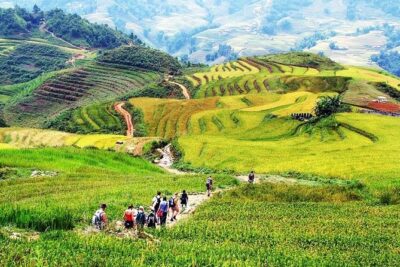
More trails through the Sapa valleys

Fansipan by cable car: 25 minutes up to 2,800 meters
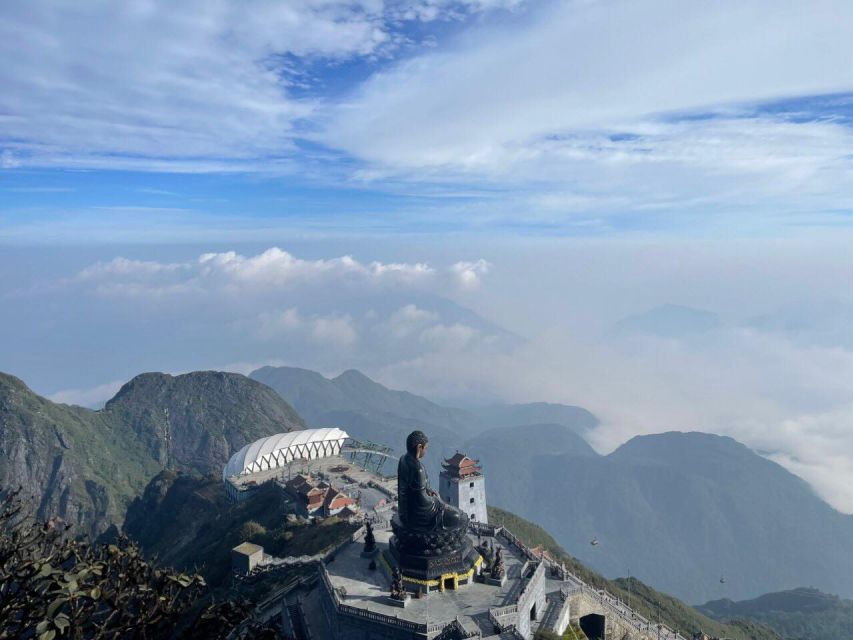
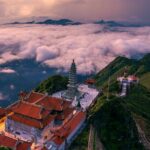
Fansipan is the highest peak in Vietnam, and this tour gets you there efficiently. You’ll head to the cable car station in the afternoon and spend about 25 minutes traveling up to the mountain area around 2,800 meters altitude.
Once you’re up, you’ll have time for photos and viewpoints while you adjust to the air and temperature. Then you’ll visit the pagoda area—this isn’t a quick glance. It’s a chance to slow down and understand why people come to this spot beyond the summit brag.
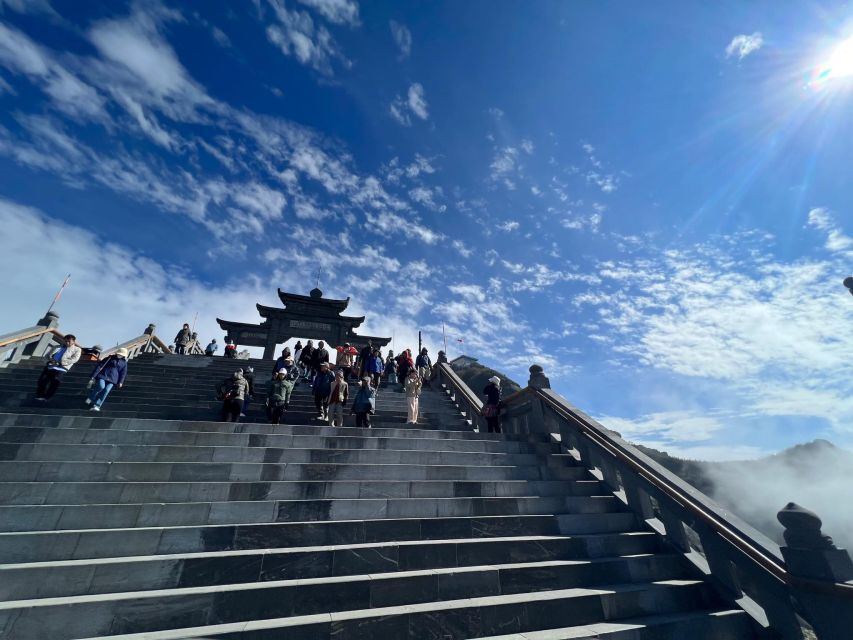
The big physical moment comes after the cable car ride: you’ll trek up 600 steps to reach Fansipan Peak, often described as the Roof of Indochina. Expect the stairs to be your real workout, especially if you’re not used to climbing, and plan your pace. If weather turns foggy, you may lose some of the distant views, but the experience usually stays meaningful because you’re still climbing and being in that high-altitude atmosphere.
The peak experience: photos, fog, and the feeling of “getting there”
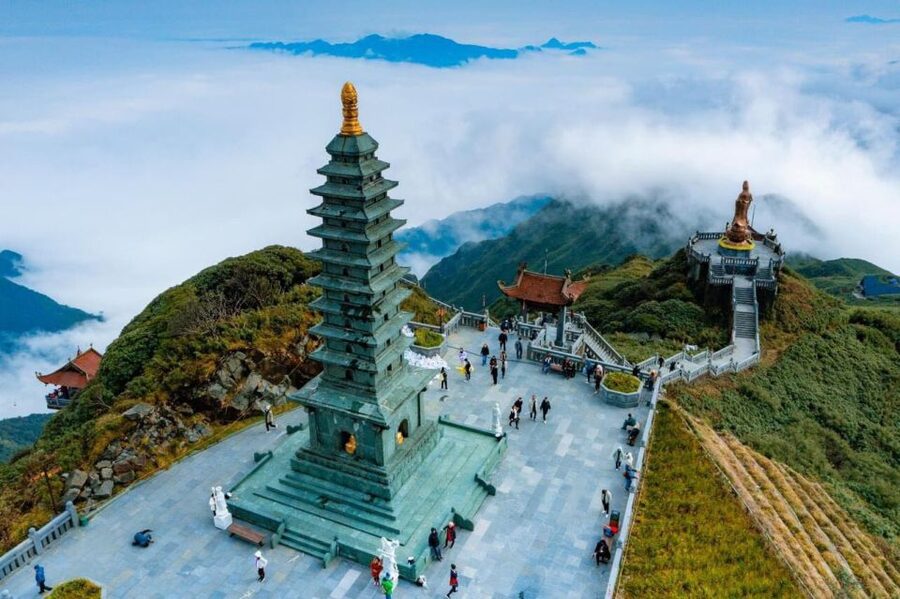
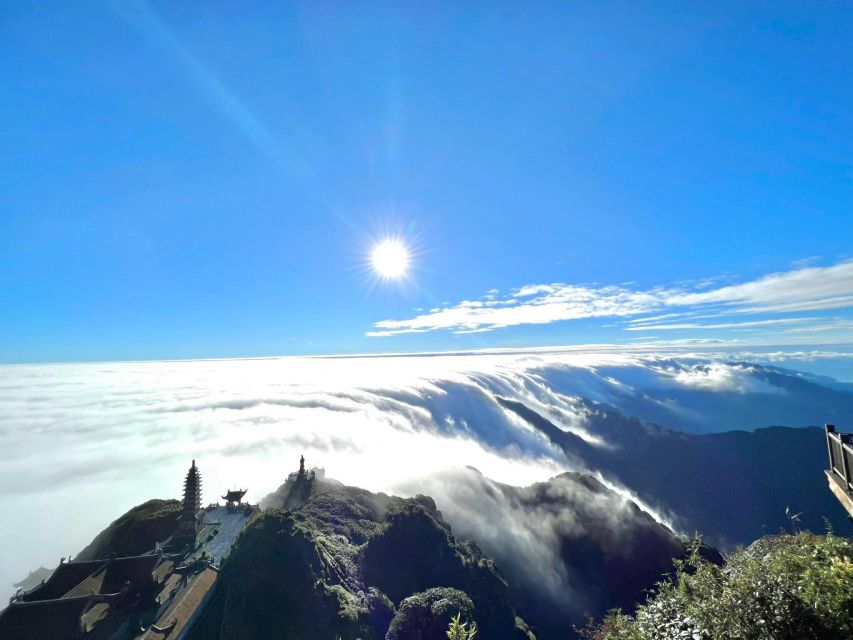
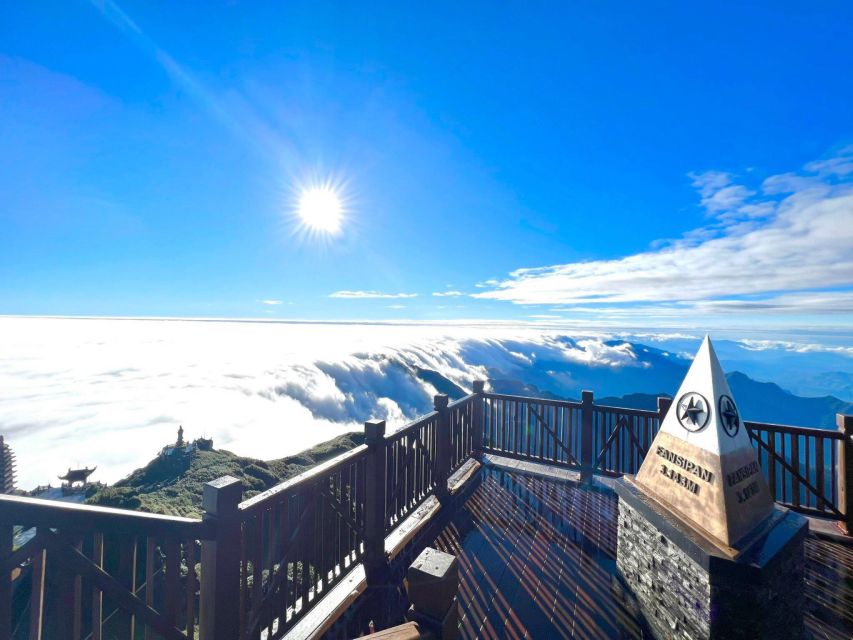
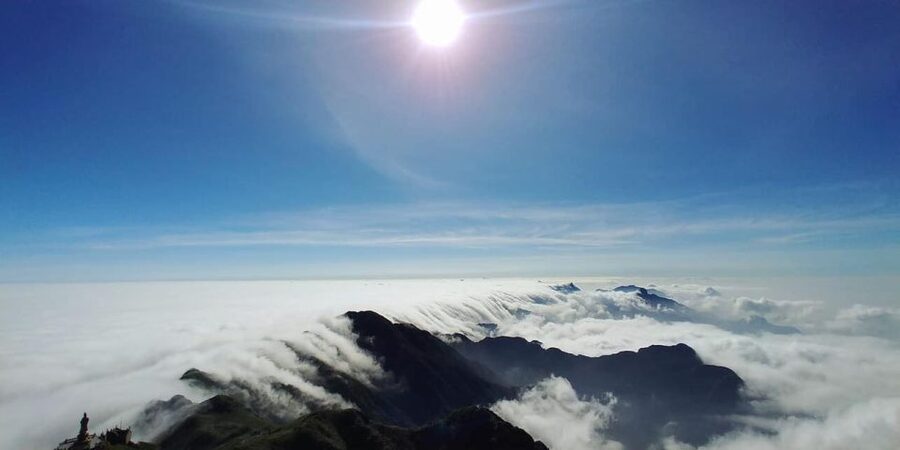
From the top, the reward is the view—when the clouds lift. Several people talk about the relief and excitement when fog clears, because suddenly you get wide panoramas instead of a white wall.
If you’ve ever had trouble with heights, take the safety note seriously. The Fansipan portion here is not suitable for people with acrophobia. Even if you’re fine on stairs, the combination of elevation, cable car, and open viewpoints can be stressful.
Another good-to-know reality: Fansipan requires good health, and the climb involves real exertion. That doesn’t mean you have to be a mountain athlete. It does mean you should move calmly, bring water (even though food and drinks aren’t allowed on the wrong parts of the route), and avoid pushing through if your breathing feels off.
Sa Pa breathing room: check-in and a reset before the trek
After your Day 1 arrival and check-in, you’ll have a short window to settle in. You’ll get one breakfast the next morning, and your Day 2 starts after that.
Sa Pa itself is where you refuel. The hotel in this tour is listed as a 3-star option, with deluxe rooms in double/twin/triple formats. One review flagged a hotel as underwhelming (leaky bathroom issues and an older feel), so I’d treat the lodging as functional rather than fancy.
This “reset” part of the itinerary matters more than you might think. On Day 2 you’re walking rice-terrace paths and village lanes, which is easier if your feet and head are rested the night before. If you come to Sa Pa already exhausted from Hanoi, you’ll feel it fast on the trail.
Muong Hoa Valley trek: rice terraces and village visits in the same day
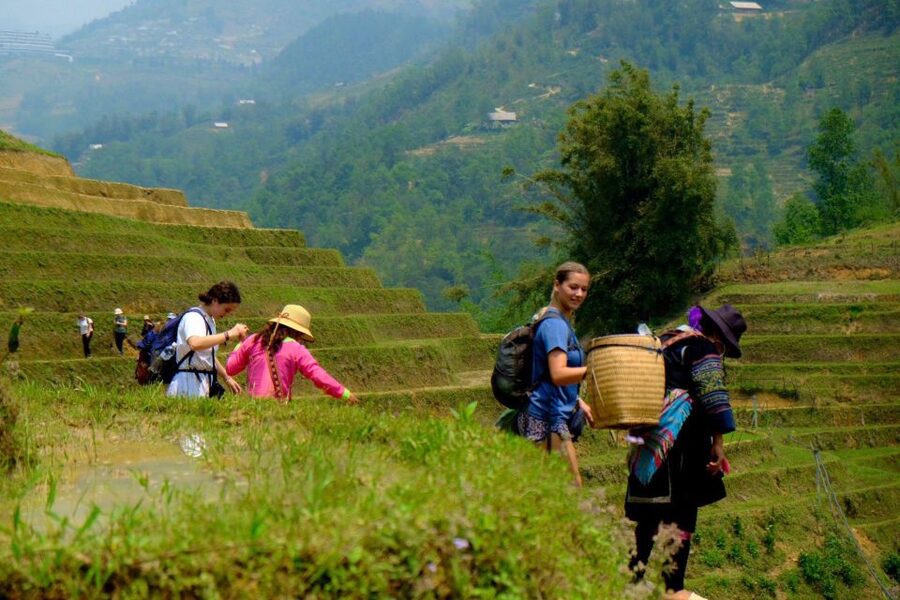
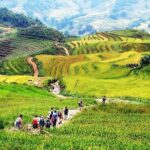
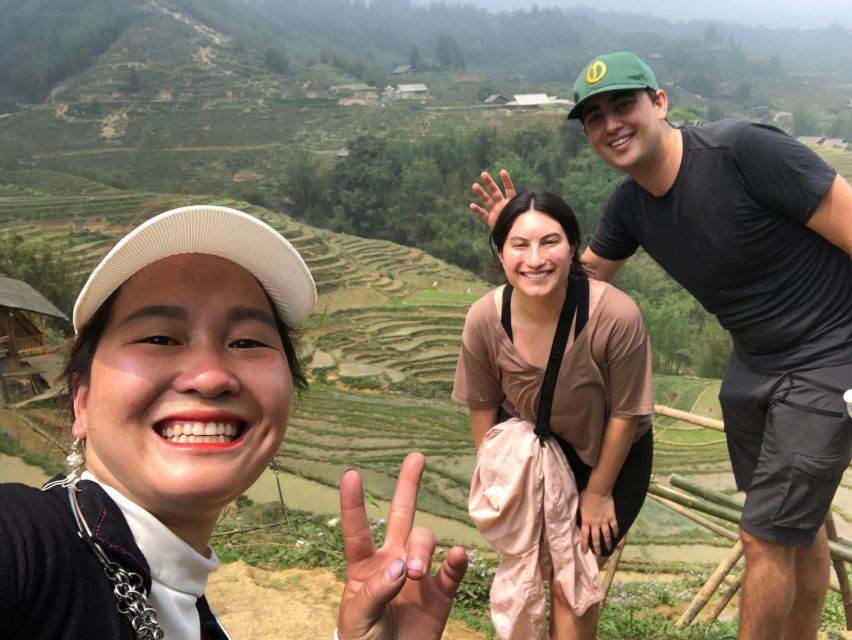
Day 2 is the heart of the cultural walk. After breakfast, you’ll trek through Muong Hoa Valley, visiting Lao Chai village (Hmong) and Ta Van village (Dzay).
Along the way, you won’t just look from a distance. You’ll drop into local homes and even local schools, with time for interaction. This is one reason the trek feels more grounded than a viewpoint-only tour: you’re walking through the places where people actually live, farm, and teach.
You can choose between a light or hard trek based on fitness. That choice is practical, because the terrain can get slippery. One guest described muddy terraces after an early shower and recommended grippy hiking shoes instead of tennis shoes with poor tread.
Expect the walking to take time. Some people referenced a multi-hour trek (around 3+ hours), and the pace can vary depending on group size and weather. Guides will help you navigate the paddy fields, but your comfort still depends on your footing.
More ways up Fansipan, on foot or by cable car
- From Hanoi: 2-Day Sapa Limo Bus Tour & Fansipan Peak Visit★ 4.6 · 277 reviews
- From Hanoi: 2-Day Sapa, Fansipan, and Muong Hoa Valley Tour★ 4.2 · 90 reviews
- Hanoi – Sapa 2 Days 2 Nights With Fansipan by cable car★ 5.0 · 79 reviews
Ta Van lunch and time by the stream
Lunch is built into the schedule and it’s in the Ta Van village area, described as a local home in the Dzay village context. That can be a big upgrade from tours that rush you through a cafeteria lunch without context.
After eating, you’ll typically get time to wander. One of the nicest details here is the option to take a dip in the Muong Hoa stream, if conditions allow and you feel like it. Even if you skip the swim, that break is useful—it lets your legs recover before the ride back.
A side note from one review: some people add extra experiences arranged through their guide, like a motorbike valley tour that ended with lunch at the guide’s home using freshly prepared salmon and sturgeon. That’s not the core plan you should count on, but it’s a reminder that your guide may know ways to make the valley day feel more local.
Getting back to Hanoi: the 2:30 pm departure crunch
On Day 2, you’ll be picked up and transferred back to Sa Pa, then you return to Hanoi. The schedule states 14:30 transfer back to Hanoi, with arrival in your hotel around 19:30.
This is a “no lingering” finish. If you love slow travel, you’ll notice the cut-off. If you pack well and rest your legs after lunch, the return will feel smoother.
One practical point from a review: bus travel can be uncomfortable on long rides, especially if the road is bumpy or the driver is driving quickly. If you’re the type who gets motion sickness, you might want to prepare with what works for you and keep expectations realistic.
Price and value: is $169 fair for this 2-day mix?
At $169 per person, this tour includes several costly items that add up quickly: return limousine bus between Hanoi and Sa Pa, a Fansipan cable car return ticket, hotel room for one night (3-star), meals (1 breakfast and 1 lunch), and local guiding plus transfers.
It also includes sightseeing permission/fees connected with the Muong Hoa Valley area, plus transport from the village back to Sa Pa. That means you’re not juggling multiple local tickets and arranging separate logistics mid-trip.
What’s not included can matter. There’s a stated government tax (10%), travel insurance isn’t included, and any French-speaking guide surcharge is extra if you request that language at the meeting point. During Lunar New Year dates (26 Jan to 2 Feb 2025), there’s a holiday surcharge noted. So the true total might land higher than the base price depending on timing and language needs.
My take on value: if you want both the high-altitude peak experience and the village trek in just 2 days, this price is competitive because it bundles transport, the cable car, lodging, and guiding into one package. If you’re the type who prefers self-guided hiking and independent bus routing, you could spend less by DIY—but you’d likely trade away the village context and the pacing support on slippery terraces.
Fitness, weather, and safety realities
This tour is rated for people in good health, and it explicitly calls out several limits. It’s not suitable for wheelchair users, people with heart problems, people with high blood pressure, people with acrophobia, and people over 95 years old.
Fansipan can also be delayed or cancelled in bad weather. That doesn’t mean your time is wasted, but it means you should be flexible about what you’ll see on any given day. If you’re traveling with the expectation of perfect summit views, plan for a backup: cloudy conditions can still make the climb worthwhile, but it’s not the same as clear-sky panoramas.
On the trek side, the terrain can be muddy. Bring insect repellent, wear comfortable clothes you don’t mind getting dusty, and use hiking shoes with traction. One review specifically called out that trail shoes would have helped more than tennis shoes when the paddy fields turned slick.
Small group pacing and the guide experience (Sue and Chia)
A major strength here is that the group is limited to 10 participants. That keeps the tour from feeling like a human stampede and makes it easier for the guide to notice who needs extra help.
The guide role is also a real differentiator. Reviews highlighted guides like Sue and Chia for being friendly, patient, and story-focused. That matters because on a trek, the “why” is what turns walking into understanding—rice harvesting, clothing, dyeing traditions, and village routines become part of the journey, not random facts.
If you value conversation and context, this is the part that tends to feel most satisfying. If you just want photos and no talk, you might find the cultural explanations take time—still, you can usually ask for what you want, and a good guide will adjust the rhythm.
What to pack and what to avoid
Bring the essentials listed for the trip: passport or ID card, hiking shoes, sunscreen, comfortable clothes, insect repellent, and personal medication. Even if you think you’ll be fine with a casual outfit, Sa Pa weather can shift, and walking on uneven ground punishes poor footwear.
You also need to follow the rules: no pets, no alcohol or drugs, no littering, and no explosive substances. The tour data also says food and drinks aren’t allowed in certain parts, so don’t assume you can snack whenever you want during transfers.
A practical approach: pack light, dress in layers, and keep your daypack simple. You’ll be climbing stairs at Fansipan and walking in a valley the next day, so you want gear that stays out of the way.
Should you book this tour?
Book it if you want a strong “two-day hits list” without the stress of sorting transport, lodging, and village permissions. This package is especially appealing if you care about both Fansipan Peak and a guided trek through Muong Hoa Valley with real village visits.
Consider skipping or choosing a different style if you’re worried about stairs, heights, or strenuous walking. The schedule is tight, Day 2 can get muddy, and weather can affect peak visibility. Also treat the hotel as a place to sleep, not a luxury base, since reviews mention uneven quality.
If you’re fit enough, curious enough, and ready for early mornings, this tour is a solid value way to see the northern mountains plus the people who make the terraces possible.
FAQ
What’s the tour duration?
It’s a 2-day tour.
Where does the tour start in Hanoi?
Pickup is around 6:30 am from Hanoi Old Quarter (or your hotel in Hanoi Old Quarter area).
How do I get to Sa Pa?
You travel from Hanoi to Sa Pa by limousine bus.
How does the Fansipan part work?
You take the cable car and then climb about 600 steps to reach Fansipan Peak. The tour includes a return cable car ticket.
What do we do on Day 2?
You trek through Muong Hoa Valley, visiting Lao Chai village (Hmong) and Ta Van village (Dzay). Lunch is in the Ta Van area, and you’ll have time to wander and can swim in the Muong Hoa stream if conditions allow.
Is the trek easy or difficult?
You can choose a light or hard trek option depending on your fitness level.
What’s included in the price?
Included are the return bus ticket between Hanoi and Sa Pa, Fansipan cable car return ticket, a 3-star hotel room for one night, 1 lunch and 1 breakfast, sightseeing fees/permissions for Muong Hoa Valley, transport from the village back to Sa Pa, and transport between your hotel and the cable car station.
What should I bring?
Bring your passport or ID card, hiking shoes, sunscreen, comfortable clothes, insect repellent, and personal medication.
Who shouldn’t take this tour?
It’s not suitable for people with acrophobia, heart problems, or high blood pressure, and it isn’t suitable for wheelchair users or people over 95 years old. It also says Fansipan requires people in good health and that the climb can be cancelled or delayed in bad weather.
More Tour Reviews in Hanoi


To the Roof of Indochina: More Fansipan


More Sapa Treks We Walked

Latest Hanoi write-ups from our team






Sapa Trekking Tours, compared.
 ★ 5.0Sapa 2 Days 1 Night From Hanoi – Overnight in Ta Van VillageFrom $592,669 reviews
 ★ 5.0Hanoi – Sapa 2 Days 1 Night Overnight At HomestayFrom $89899 reviews
 ★ 5.0Sapa: Fansipan Cable, Cat Cat Village & Moana Instagram TourFrom $30777 reviews
 ★ 4.8From Hanoi: 2-Day Sapa Trekking Trip with Homestay & MealsFrom $71704 reviews
 ★ 5.0Sapa 3 Days 2 Nights Trekking Tour (1 Night In Ta Van Village, 1 Night In Hotel)From $139699 reviews
 ★ 5.03-Day Trekking Adventure of Sapa from Hanoi – Stay Ta Van VillageFrom $109611 reviews
 ★ 4.82-Day Sa Pa Ethnic Homestay Tour & Trek with Limousine Bus440 reviews
 ★ 5.0Sapa 2 Days 1 Night From Hanoi – Overnight in HotelFrom $89440 reviews
Browse the lists this tour appears in