
Reviewed · SAPA TREKKING TOURS
3-Day Trek in Amazing Muong Hoa Valley & ethnic Homestay
Rice terraces start with a single step. This 3-day Muong Hoa Valley trek from Sapa mixes scenic hikes with village visits, so you get real culture time with the Hmong and Red Dzao communities, plus photo stops like terraced fields and a daybreak sunrise. The main thing to weigh is the moderate fitness level requirement: it’s not a stroll, and you’ll be walking across uneven paths for hours.
What I really like is the way the trip handles the big practical pieces for you: an English-speaking guide, A/C vehicle, and meals built in (two breakfasts, three lunches, two dinners). It also runs as a small group (up to 14), which usually helps keep the pace more human.
In This Review
- Key things I’d circle before you book
- Why Muong Hoa Valley is better than a standard Sapa day trip
- Price and what $109 really covers in Sapa
- Meeting point, start time, and how the day actually flows
- What your homestay trek day feels like (and what to expect)
- Day 1: Muong Hoa Valley to Lao Chai and Hmong village life
- Day 2: Ta Van, bamboo forest trails, and the Red Dzao at Giang Ta Chai
- Day 3: Ban Ho sunrise, Nam Tong (Red Dzao), and lunch back in the valley
- Guide quality matters on a trek like this (Lang is a standout name)
- Homestay time: the culture component you should approach with respect
- Fitness, pace, and who this fits best
- Should you book this 3-day Muong Hoa Valley trek?
- FAQ
- How long is the trek?
- Where is the meeting point and when does it start?
- What does the price include?
- Is there any admission fee?
- What villages and ethnic groups will we visit?
- How fit do I need to be?
- What happens if the weather is bad?
Key things I’d circle before you book
- Muong Hoa Valley villages: Lao Chai (Hmong), Ta Van, Giang Ta Chai (Red Dzao), Ban Ho, and Nam Tong
- Sunrise plus rice-terrace photo time: Day 3 includes a morning sunrise in Ban Ho valley
- Bamboo forest trekking on Day 2: a memorable change of scenery from the terrace views
- Small group cap (14 people): easier to move together on narrow trails
- Meals included across the trek: you’re not budgeting food every day
- Guide support in English: helpful for questions about customs and daily life
Why Muong Hoa Valley is better than a standard Sapa day trip
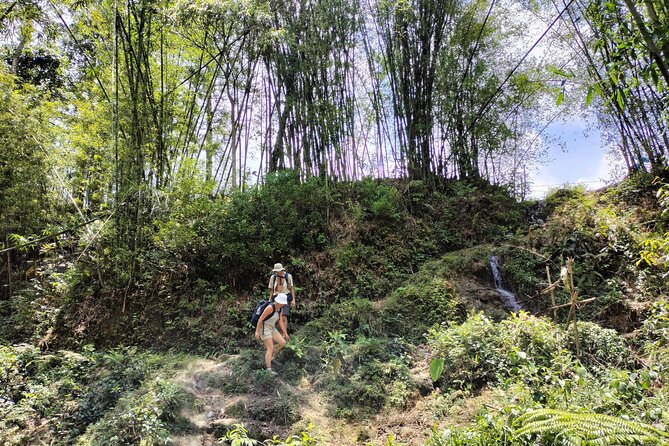
Sapa can be busy, and you can burn a lot of time moving between viewpoints. This trek gives you a different rhythm. Instead of just stopping at scenic spots, you walk through the Muong Hoa Valley between villages, where the scenery changes as your trail rises and dips.
I like that the itinerary is built around the kinds of moments people come to northern Vietnam for: rice terraces for photos, village-to-village walking, and real conversations with ethnic minority communities. You also get a time advantage on Day 3 with sunrise in Ban Ho valley—early, yes, but it’s the sort of payoff that a late-morning viewpoint just can’t match.
The tradeoff is simple: you’re trading convenience for authenticity. You’ll need moderate stamina, and you should plan for days that are several hours long (about 6 hours on Day 1, 7 hours on Day 2, and around 4 hours on Day 3).
More trails through the Sapa valleys


Price and what $109 really covers in Sapa
At $109 per person, the big value is that you’re not paying separately for the core services. The trip includes:
- A/C vehicle
- English-speaking tour guide
- Meals: 2 breakfasts, 3 lunches, 2 dinners
That matters because trekking tours in the region can get expensive once you add guides, transport, and food. Here, your daily eating is mostly handled, which makes it easier to keep your spending predictable.
A couple of smaller notes that also add value: the tour is listed as offering group discounts, and it uses a mobile ticket. You’re also looking at an average booking window of about 25 days in advance, which suggests dates can fill up—especially in the high season.
Meeting point, start time, and how the day actually flows
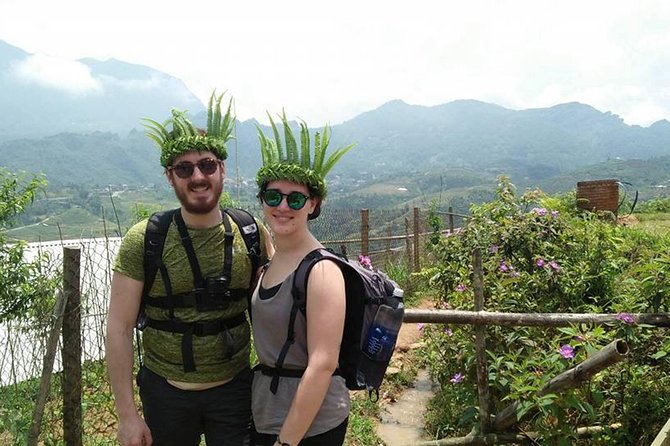
The trek starts at 15 Tuệ Tĩnh, Việt Nam, Sa Pa, Lào Cai, Vietnam, with a stated start time around 9:00 AM. In practice, the schedule calls for you to meet the guide or get picked up from hotels in Sapa Town around 9:15 AM on Day 1.
You’ll be back at the starting meeting point at the end of the experience. That’s useful because Sapa is easier when you don’t have to figure out last-mile transport after a tiring day.
Group size is capped at 14 travelers, which tends to make a difference on narrow trails. With a smaller group, it’s easier for the guide to pace you and keep everyone together—important when paths are uneven and visibility changes with weather.
What your homestay trek day feels like (and what to expect)
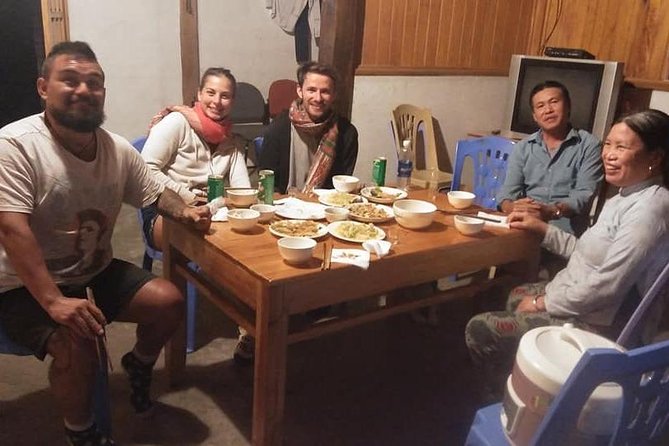
This is an ethnic homestay trek, and you’ll spend time meeting minority communities across multiple villages. The itinerary structure—walking, then eating together, then learning customs—means you’re not just passing through.
A practical way to think about it: your “tour stops” aren’t museum-style. They’re lifestyle moments. Expect questions, gestures, and conversation more than polished performances. If you’re curious, you’ll get a lot out of it.
Also, remember this trip is weather-dependent. It’s stated that the trek requires good weather, and if it’s canceled due to poor weather, you’ll be offered a different date or a full refund.
Day 1: Muong Hoa Valley to Lao Chai and Hmong village life
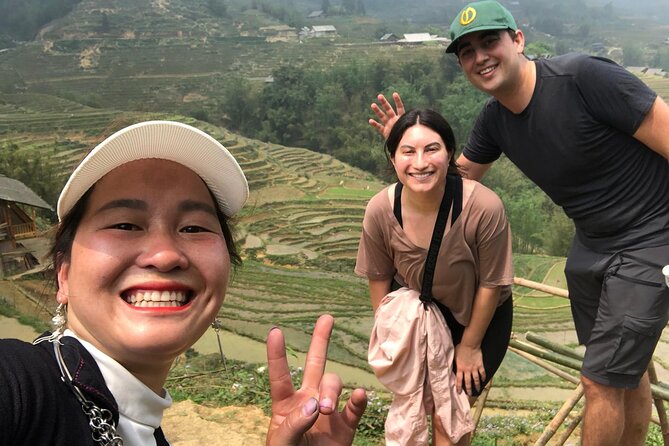
Day 1 is your entry into Muong Hoa Valley trekking. Around late morning (meeting/pickup starts around 9:00–9:15), you head toward Lao Chai, an area inhabited by the Hmong ethnic minority.
The route includes a stretch through local areas (the plan mentions Y Li) as you walk toward Lao Chai. The main value of Day 1 is that it sets you up for the valley experience right away: you get the first round of terraced scenery for photos and a first taste of how daily life looks in a Hmong community.
Timing-wise, Day 1 is about 6 hours of trekking. That’s long enough that you’ll feel it, but not so long that it’s unrealistic for people with moderate fitness. If you’re tempted to do only a day trip, Day 1 is a reminder why multi-day trekking is different—you’re not rushed from one view to the next.
Possible consideration: since Day 1 begins early in Sapa and involves several hours of walking, bring a realistic mindset. Don’t plan to do a full night of heavy partying in town afterward.
Worth a glance beside this Sapa pick:
- Number one top rated ethical cultural trekking and homestay by ETHOS★ 5.0 · 456 reviews
- 1-day Authentik trek & Panorama valley views★ 5.0 · 189 reviews
- 1 day Fansipan Trekking★ 5.0 · 180 reviews
Day 2: Ta Van, bamboo forest trails, and the Red Dzao at Giang Ta Chai
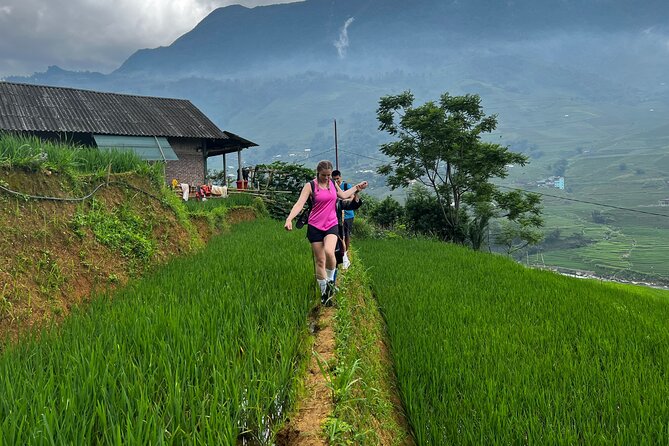
Day 2 starts with breakfast and then moves you out from Ta Van village. From there, you’ll trek through a bamboo forest toward Giang Ta Chai, where people from the Red Dzao ethnic minority group live.
I like Day 2 because it’s the most variety in a single day. You start with a village morning, you get forest walking, and you end with another community visit. That mix makes the day feel like more than just repeat valley views.
The plan also lists about 7 hours for Day 2, which is the longest trekking day in the itinerary. If you’re managing energy, this is the day to slow your pace slightly early on. You’ll enjoy the scenery more, and you won’t feel like you’re sprinting later.
This is also where your cultural curiosity can go further. The itinerary is explicit that you’ll be able to learn more about customs and culture, and walking between communities gives you natural opportunities to ask questions as you arrive.
Day 3: Ban Ho sunrise, Nam Tong (Red Dzao), and lunch back in the valley
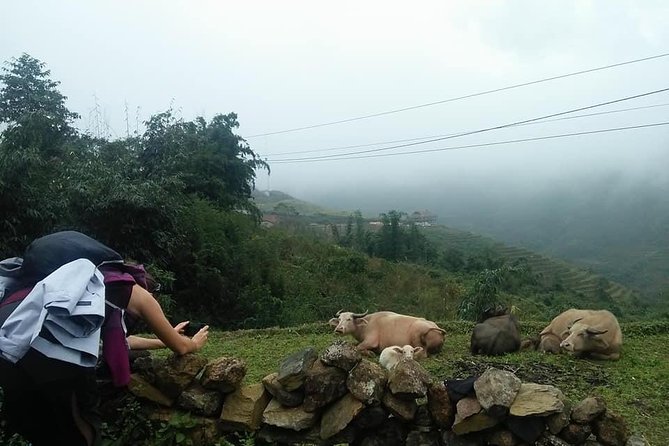
Day 3 is the payoff day. After breakfast, you enjoy an amazing sunrise in Ban Ho valley and then start a shorter trek to Nam Tong village, inhabited by the Red Dzao tribe.
You’ll spend time learning about culture and traditions, then return to Ban Ho village for lunch. Trek time on Day 3 is listed at about 4 hours, so compared with Day 1 and Day 2, it’s more manageable.
I especially like that the sunrise isn’t just a generic “watch the sky” moment. Ban Ho valley is part of your actual walking route, which makes the sunrise feel connected to the landscape and the day’s village interactions.
If you’re wondering whether sunrise is worth it: this itinerary treats it as a core event, not an optional extra. If the weather is good, it’s usually one of the most memorable experiences of the whole trek.
Guide quality matters on a trek like this (Lang is a standout name)
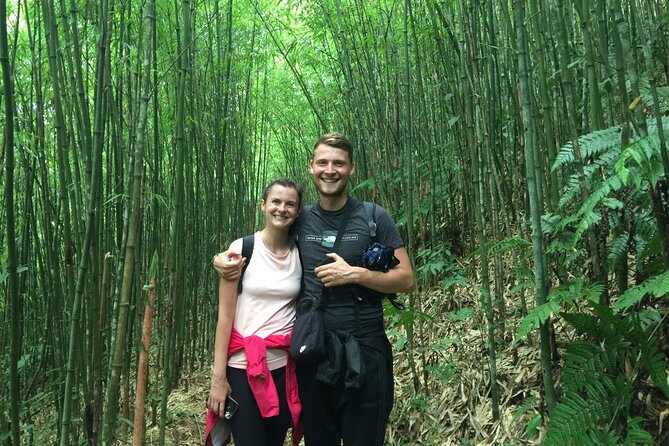
One of the most highly praised parts of this kind of trek is the guide. In the feedback, a guide named Lang comes up with consistent praise. That makes sense: on a multi-day trek through villages, an English-speaking guide isn’t only translating words.
A good guide helps you understand what you’re seeing, keeps the pace fair, and handles the practical flow between villages, meals, and timing. Since this trip has a small group size (max 14) and long walking days (6–7 hours on the first two days), having someone who can keep things organized is a big part of the experience.
Homestay time: the culture component you should approach with respect
This experience is built around ethnic homestays, and that changes how you should think about the “schedule.” You’re not only hiking; you’re getting face-to-face with everyday life.
Because the itinerary highlights meeting ethnic minority people and learning about customs and culture, I recommend you go in with a question mindset. Simple curiosity—how people live, what daily tasks look like, what the village routine is like—often gets the best answers.
A practical consideration: since dinner is included for two evenings and breakfast for two days, you’ll likely have multiple meals connected to the homestay or village setting. That’s great for budget and immersion, but it also means you should be flexible about timing and comfort levels.
Fitness, pace, and who this fits best
This tour is recommended for people with moderate physical fitness. That’s the right level for most active travelers who can walk for hours, handle uneven paths, and don’t need perfectly flat terrain.
Here’s how the day lengths stack up:
- Day 1: about 6 hours
- Day 2: about 7 hours
- Day 3: about 4 hours, with sunrise and a shorter trek afterward
That profile suits:
- Couples and solo travelers who want a guided mix of hiking + culture
- People who prefer a structured itinerary but still want real village interaction
- Anyone who likes walking for views and doesn’t want to cram everything into one exhausting day
If you want the absolute easiest version of Sapa, this may feel like too much. If you want an authentic trek without going fully hardcore, this strikes a reasonable balance.
Should you book this 3-day Muong Hoa Valley trek?
I’d book it if you want a real trekking itinerary rather than a hop-on-hop-off sightseeing loop. The combination of Muong Hoa Valley walking, Hmong and Red Dzao village visits, plus sunrise in Ban Ho valley is exactly the mix that makes Sapa feel like more than a few Instagram viewpoints.
It’s also good value compared to doing guides and meals separately, since breakfast, lunch, and dinner are included along the way. And if you’re traveling during peak times, the fact that the tour is often booked around 25 days in advance is a hint to lock in your dates earlier rather than later.
Skip it if you know you won’t handle a multi-hour trek on consecutive days, or if you’re arriving in Sapa with a fragile weather window. The trek requires good weather, and plans can shift if it doesn’t cooperate.
FAQ
How long is the trek?
The experience runs for about 3 days.
Where is the meeting point and when does it start?
It starts at 15 Tuệ Tĩnh, Việt Nam, Sa Pa, Lào Cai, Vietnam, with a start time listed around 9:00 AM. Pickup from Sapa Town hotels is described around 9:15 AM.
What does the price include?
The price includes an A/C vehicle, an English-speaking guide, and meals: 2 breakfasts, 3 lunches, and 2 dinners.
Is there any admission fee?
Admission tickets are listed as free.
What villages and ethnic groups will we visit?
You’ll visit areas including Lao Chai (Hmong), Ta Van, Giang Ta Chai (Red Dzao), Ban Ho, and Nam Tong (Red Dzao).
How fit do I need to be?
You should have a moderate physical fitness level.
What happens if the weather is bad?
The trek requires good weather. If it’s canceled due to poor weather, you’ll be offered a different date or a full refund.
More Hiking & Trekking in Sapa
More Tour Reviews in Sapa
More Sapa Treks We Walked
Latest Sapa write-ups from our team
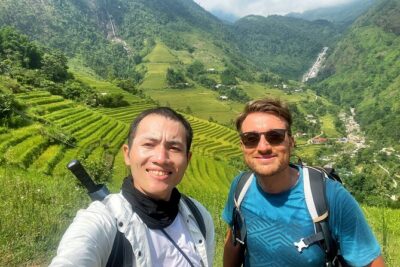


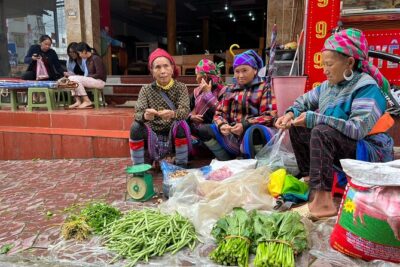

Sapa Trekking Tours, compared.
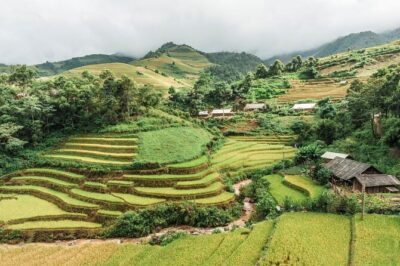 ★ 5.0Sapa 2 Days 1 Night From Hanoi – Overnight in Ta Van VillageFrom $592,669 reviews
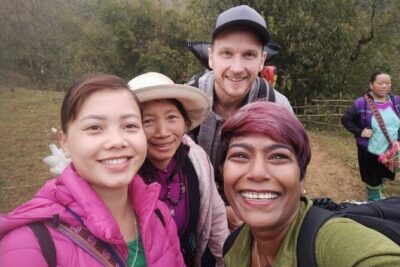 ★ 5.0Hanoi – Sapa 2 Days 1 Night Overnight At HomestayFrom $89899 reviews
 ★ 5.0Sapa: Fansipan Cable, Cat Cat Village & Moana Instagram TourFrom $30777 reviews
 ★ 4.8From Hanoi: 2-Day Sapa Trekking Trip with Homestay & MealsFrom $71704 reviews
 ★ 5.0Sapa 3 Days 2 Nights Trekking Tour (1 Night In Ta Van Village, 1 Night In Hotel)From $139699 reviews
 ★ 5.03-Day Trekking Adventure of Sapa from Hanoi – Stay Ta Van VillageFrom $109611 reviews
 ★ 4.82-Day Sa Pa Ethnic Homestay Tour & Trek with Limousine Bus440 reviews
 ★ 5.0Sapa 2 Days 1 Night From Hanoi – Overnight in HotelFrom $89440 reviews
Browse the lists this tour appears in