
Reviewed · HANOI COOKING CLASSES
Vietnamese Spring Rolls Cooking Class
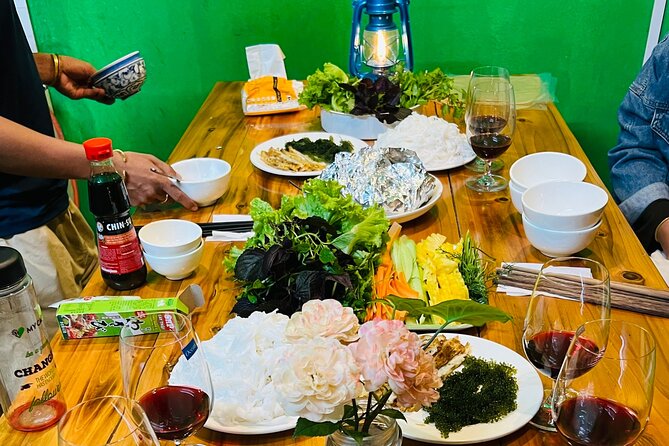
The first bite is the point. This hands-on Vietnamese spring rolls class in Sa Pa focuses on the crunchy stuff people love most: rolling, filling, and frying rice-paper wraps until golden. You’ll also get the flavor logic behind everyday Vietnamese meals, not just a list of steps in a cookbook.
What I like most is how practical it feels: you practice the technique, so the “how” makes sense. I also love the payoff of getting to eat your own crispy fried spring rolls as a sit-down meal in a family-style setting.
One consideration: it’s limited to a small group (up to 10), so you’ll share space and time in the kitchen, and a couple steps may move at the pace of the group rather than your own.
In This Review
- Key highlights you should care about
- Crispy Spring Rolls in Sapa: what you’re really learning
- Saigonese Trekking House setup and the small-group vibe
- From fresh herbs to rolling rice paper: the core skills
- Filling mix: noodles, mushrooms, and vegetables that work together
- Frying for golden crunch: timing, heat, and the sauce balance
- Dinner at the end: family-style eating of your own food
- Price and value: is $25 in Sapa a fair deal?
- Who this Vietnamese spring rolls class fits best
- Practical tips before you go (so you enjoy it more)
- Should you book this cooking class in Sapa?
- FAQ
- How much does the Vietnamese spring rolls cooking class cost?
- How long is the class?
- Where does the experience start and end?
- What’s included in the price?
- What is not included?
- How many people are in the group?
- What should I expect to cook?
- Is there a dipping sauce?
- Is confirmation provided after booking?
- What happens if weather is poor?
Key highlights you should care about
- Hands-on rice paper rolling with guided technique, not just watching
- Fresh filling prep using local ingredients like mushrooms, noodles, and vegetables
- Frying practice aimed at light wrappers and golden crunch
- Traditional dipping sauce served with what you make
- Dinner included, so the lesson ends with a real meal
- Small group size (max 10), which usually means more hands-on attention
Crispy Spring Rolls in Sapa: what you’re really learning
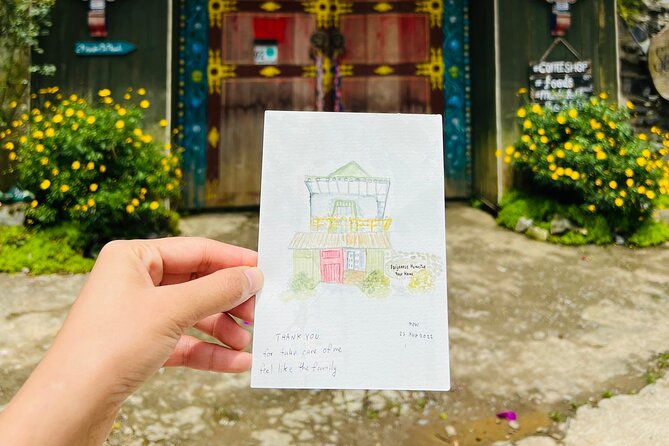
Vietnam has lots of snacks, but crispy fried spring rolls have a special comfort-food pull. In this class, you’re not only making a dish—you’re learning how Vietnamese cooking balances textures. The wrapper needs to stay light and intact, the filling needs flavor and crunch, and the sauce needs to tie it all together.
The instructor-led flow keeps it simple: learn the ingredients, practice the build, then fry until the result looks (and sounds) right. By the end, you eat what you make, which is a big deal because spring rolls are one of those foods where timing and heat matter.
You’ll also pick up the cultural side in small, useful ways. You’re shown how everyday ingredients—fresh herbs, vegetables, and noodles—come together into something satisfying without being complicated.
More aprons on in Hanoi kitchens
Saigonese Trekking House setup and the small-group vibe
The class starts and ends at Saigonese Trekking House on Nguyễn Chí Thanh in Sa Pa. It’s in the TT. Sa Pa area, and it’s listed as being near public transportation, so you’re not stuck trying to solve a last-mile mystery.
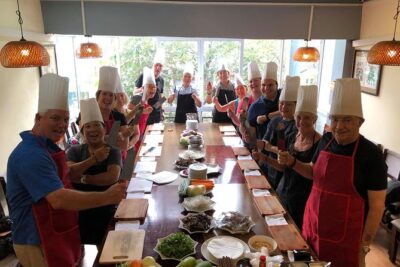
The group size is capped at 10 travelers, so this isn’t a giant “watch and clap” experience. You should expect hands-on cooking time to matter, and questions to be easier to ask.
One more practical point: with only two hours (approx.), the pacing is focused. You’ll get enough practice to feel confident, but it won’t try to cover every spring roll variation in Vietnam. That’s good value if you want results you can repeat later.
From fresh herbs to rolling rice paper: the core skills
Your session begins with an intro to ingredients—fresh herbs and vegetables, plus local spices that flavor the filling. This matters because rice paper rolling is where many people get stuck at home. If you only learn the filling and not the wrapper technique, your spring rolls can end up too thick, too wet, or not sealing properly.
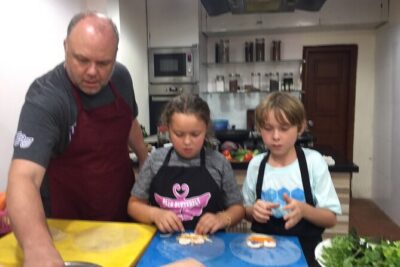
In the class, you practice rolling rice paper wraps with guidance. Rice paper is delicate. You’ll learn how to handle it so it stays flexible without tearing, and how to assemble so the roll forms neatly instead of collapsing at the seams.
This is the part you’ll benefit from most later. Once you understand how the wrapper should behave in your hands, you can adapt fillings at home without losing the basic shape.
Filling mix: noodles, mushrooms, and vegetables that work together
The spring roll filling is a key part of why these are so addictive. You’ll work with a mix that includes noodles, mushrooms, and vegetables, which is a classic approach for texture and taste. Mushrooms add an earthy depth, noodles bring a comforting bite, and vegetables add freshness so the fried roll doesn’t taste one-note.
You’ll prepare the filling with fresh local ingredients, which helps you understand why it tastes better than pre-made mixes. Fresh ingredients also change the moisture level, and moisture level affects frying. Too wet and you risk sogginess; just right and you get that crisp shell.
If you’re the kind of cook who likes knowing why things work, this part is gold. It’s not just recipe memorization. It’s learning the ingredient logic behind Vietnamese comfort food.
Frying for golden crunch: timing, heat, and the sauce balance
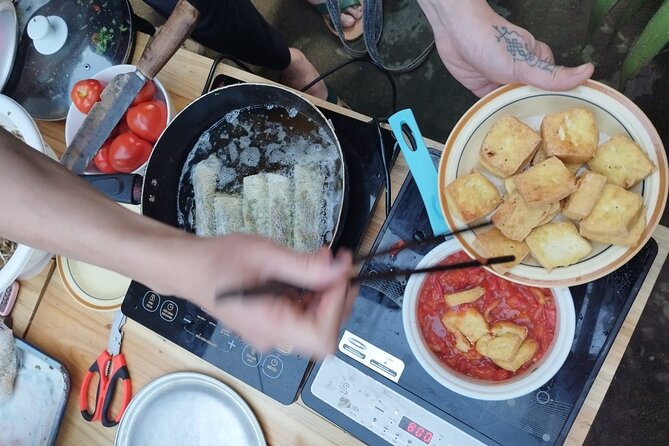
After rolling, comes the moment everyone waits for: frying. You’ll fry the rolls until golden and crunchy, guided through the technique. Frying is where spring rolls can either become amazing or go sideways fast, so having someone nearby while you learn is a big advantage.
You’ll also learn how “crunch” should feel. It’s not just about color. It’s about getting the wrapper cooked through without overdoing it so the roll becomes hard or greasy.
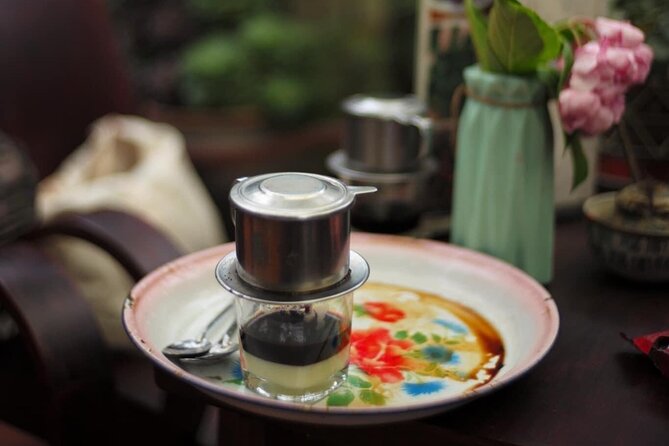
Then you get the traditional dipping sauce to go with your rolls. Vietnamese dipping sauces often play a simple but smart role: they cut through oil, add brightness, and boost flavor without drowning the food. Eating your rolls with the sauce right away helps you connect the taste to what you made.
This sauce pairing is also why the class is more than a cooking demo. You leave with a full flavor system: filling, wrapper, frying result, and the way it’s meant to be eaten.
- Number one top rated ethical cultural trekking and homestay by ETHOS★ 5.0 · 456 reviews
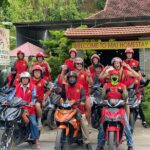
- Motorbike 1 Day Off The Beaten Track, Hidden Villages, rice field★ 5.0 · 203 reviews
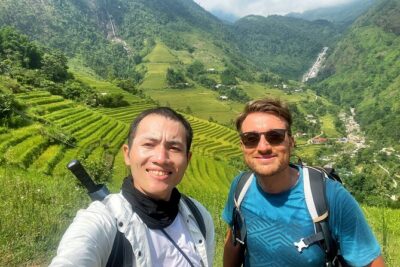
- 1-day Authentik trek & Panorama valley views★ 5.0 · 189 reviews
Dinner at the end: family-style eating of your own food
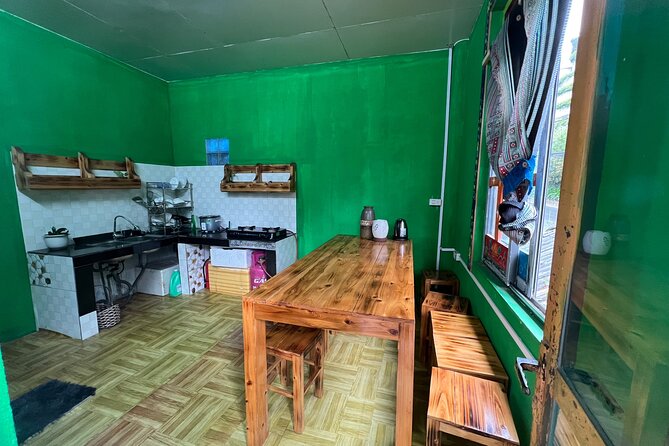
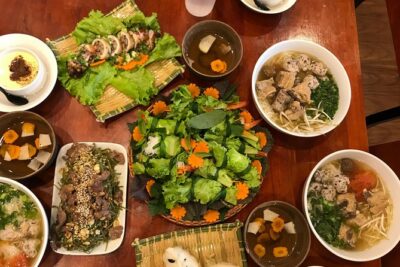
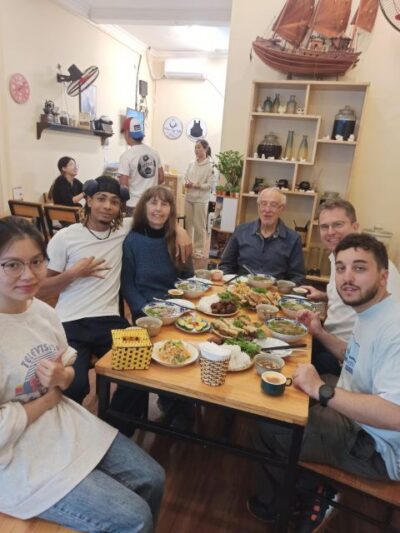
A lot of cooking classes end with a snack and a pat on the back. This one ends with dinner, served in a warm, family-style setting. That changes the mood. Instead of rushing off, you sit down and actually enjoy the food you created, hot and fresh.
The family-style format also makes it easier to relax and talk. Cooking classes can be oddly intimidating if you’re worried about doing everything wrong. Here, the vibe is welcoming and casual, which makes it much more likely you’ll enjoy the process instead of obsessing over every step.
You’re also getting coffee and/or tea as a welcome drink. It’s a small inclusion, but it sets a friendly tone and keeps the experience from feeling like a formal class.
Price and value: is $25 in Sapa a fair deal?
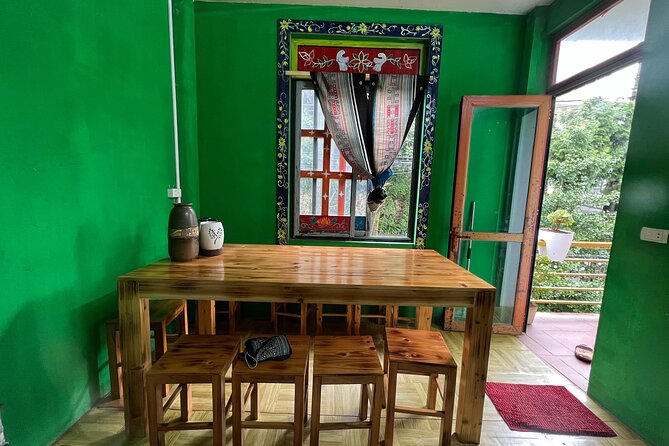
At $25 per person for about two hours, this class is priced like a straightforward food experience. But the value isn’t only the price tag—it’s what you get inside that timeframe.
You’re paying for:
- hands-on rolling and frying practice
- fresh ingredient prep (not a pre-filled shortcut)
- a traditional dipping sauce pairing
- dinner included, plus a welcome coffee and/or tea
If you’ve ever paid for a food activity that ends with you tasting only a few bites, this is the better direction. You make a full meal, you learn repeatable technique, and you leave with the ability to recreate it somewhere else.
And since the class caps at 10 travelers, it also feels more personal than the big-bus tour world. Group discounts are noted too, which can make it even better if you’re coming with someone.
Who this Vietnamese spring rolls class fits best
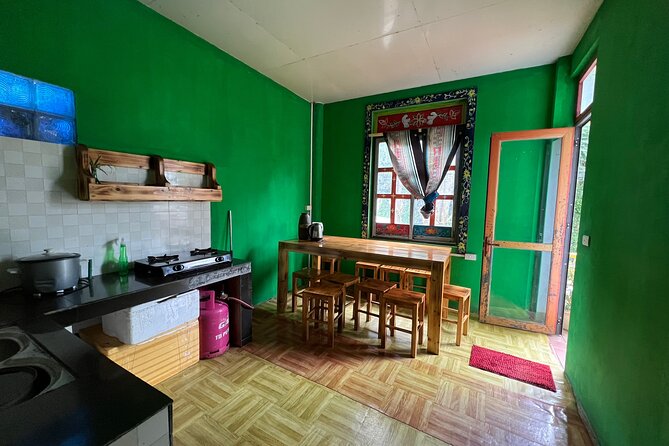
This is a great match if you:
- want a hands-on lesson you can actually repeat at home
- like learning the logic behind Vietnamese flavor and texture
- enjoy cooking as a social activity in a small group
- are curious about spring rolls beyond store-bought versions
It’s also a good option for different diets in the sense that the class explicitly welcomes vegetarians. You’ll be working with fresh vegetables and herbs as part of the filling process, so people who prefer plant-forward eating should feel comfortable joining.
If you’re already a confident cook looking for advanced pastry tricks, keep your expectations realistic. This class is about classic Vietnamese spring rolls, not complicated variations. That focus is exactly why it works for most people.
Practical tips before you go (so you enjoy it more)
Wear something comfortable. You’ll be working with hands-on cooking steps, including frying, so you want clothes that don’t mind getting close to kitchen mess.
Go in hungry. Dinner is included, but the fun is in cooking and tasting as part of the meal. If you arrive starving, you’ll enjoy the experience more from the first step.
And ask questions. When you’re learning rolling technique, a small adjustment—how you handle the wrapper or how you shape the roll—makes a big difference. A small group makes that easier.
Should you book this cooking class in Sapa?
Book it if you want a focused, hands-on way to experience Vietnamese food beyond sightseeing. The standout value is the combination of technique (rolling and frying), fresh ingredients (mushrooms, noodles, vegetables), and a real sit-down dinner you can eat immediately.
Skip it only if you prefer passive activities or you’re looking for a long, multi-course cooking journey. This is a compact two-hour lesson, so it’s best for people who like practical results over long schedules.
If you’re in Sapa and you want something both tasty and teachable, this Vietnamese spring rolls cooking class is one of the easier choices to feel good about.
FAQ
How much does the Vietnamese spring rolls cooking class cost?
It costs $25.00 per person.
How long is the class?
The duration is about 2 hours.
Where does the experience start and end?
It starts at Saigonese Trekking House, 02 Nguyễn Chí Thanh, TT. Sa Pa, Sa Pa, Lào Cai, Vietnam. It ends back at the same meeting point.
What’s included in the price?
Coffee and/or tea welcome drink and dinner are included.
What is not included?
Tips are not included.
How many people are in the group?
The class has a maximum of 10 travelers.
What should I expect to cook?
You’ll learn to prepare crispy fried spring rolls, including rolling rice paper, preparing fillings with fresh local ingredients, and frying until golden and crunchy.
Is there a dipping sauce?
Yes. You’ll serve your spring rolls with a traditional dipping sauce.
Is confirmation provided after booking?
Yes. Confirmation is received at the time of booking.
What happens if weather is poor?
The experience requires good weather. If it’s canceled due to poor weather, you’ll be offered a different date or a full refund.
Roll Your Sleeves Up in Sapa
More Tour Reviews in Sapa

Learn Another Dish in Hanoi
Latest Sapa write-ups from our team




Hanoi Cooking Classes, compared.
 ★ 5.0Hanoi Cooking Class: Culture, Local Market & Meaning CSR ImpactFrom $395,147 reviews
 ★ 5.05 Traditional Dishes Hanoi Cooking Class with Market TripFrom $354,890 reviews
 ★ 5.0Vietnamese Food Cooking Class in Hanoi with Market ExperienceFrom $45778 reviews
 ★ 5.05 Local Dishes Cooking Class with Meal & Market VisitFrom $40420 reviews
 ★ 5.0Hanoi Cooking Class and Market Tour in Ancient HouseFrom $45379 reviews
 ★ 5.0Rose Kitchen Hanoi: Market, Cooking & Culture Tour + Free PickUpFrom $48342 reviews
 ★ 4.9Cooking Class in a Local Villa with Market TourFrom $37320 reviews
 ★ 5.0Hanoi Maya Kitchen: Traditional Cooking Class & Market TourFrom $30287 reviews
Browse the lists this tour appears in