
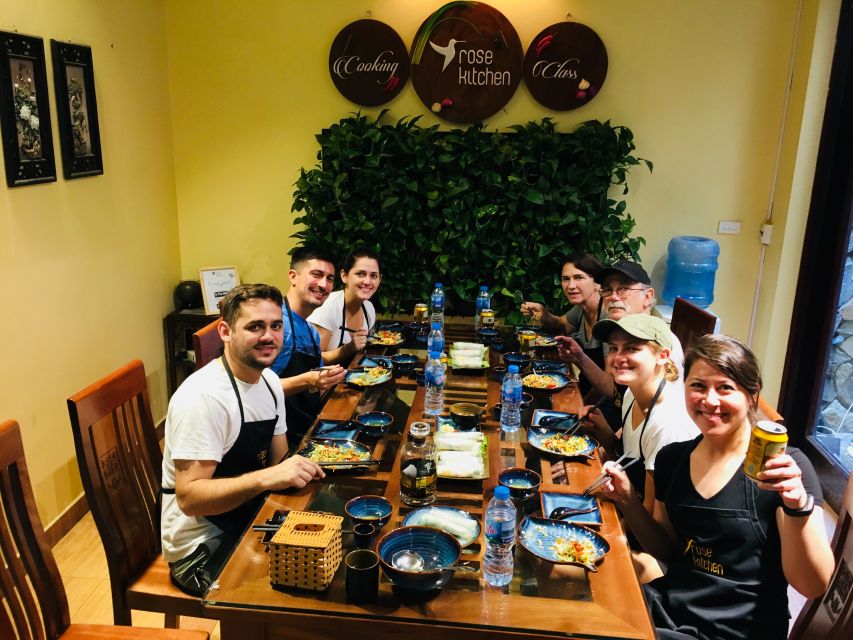
Reviewed · HANOI COOKING CLASSES
Hanoi: Cooking Class in a Local Villa with Market Tour
A market-first cooking class in Hanoi is a smart start. You’ll hunt for fresh ingredients, learn what to pick and why, then cook Vietnamese dishes in a local villa kitchen with story time from guides like Hazel or Linh.
I especially love the market tour for getting past restaurant menus and seeing real daily life. And I like the small-group setup (up to 10) because you actually get hands-on help, not just watching.
One thing to consider: the class runs about 4.5 hours, so you may feel the market time is a bit tight if you want to wander slowly.
In This Review
- Key points at a glance
- Hanoi’s Market First: What You’re Actually Learning Before You Cook
- Villa Kitchen, Not a Professional School: The Mood and the Teaching Style
- The Menu You’ll Make (and Why It’s Built for Beginners)
- The Best Part of Dinner: Wine Tasting, Tea, and a Shared Table
- Guides Make It or Break It: The Humor, the Stories, and the Explanations
- Price and What You’re Getting for $37 in Hanoi
- Who Should Book This Cooking Class in Hanoi
- Should You Book This Hanoi Market-to-Villa Cooking Class?
- FAQ
- How long is the cooking class in Hanoi?
- Is hotel pickup included?
- Is the class small group?
- What language are the guides/instructors?
- Is there a market tour included?
- What’s included with the meal drinks?
- What kinds of dishes will I cook?
- Do I get recipes after the class?
- What’s the cancellation policy?
Key points at a glance
- Market tour with ingredient logic: you learn what to select before you touch the stove
- Villa-style kitchen setup: less formal than a cooking school, more like a friendly home kitchen
- Hands-on instruction in English: guides stay clear, organized, and supportive
- Local stories mixed into the cooking: you’ll connect dishes to everyday Vietnamese life
- Small group energy (10 max): more participation, less waiting around
- Wine tasting plus tea and fruit included: you get the full “sit, sip, cook, eat” flow
Hanoi’s Market First: What You’re Actually Learning Before You Cook
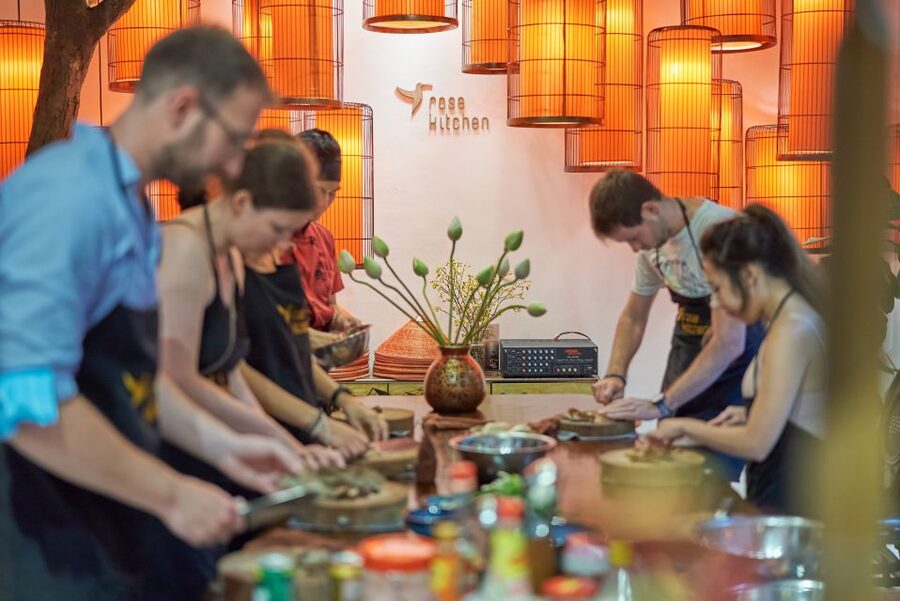
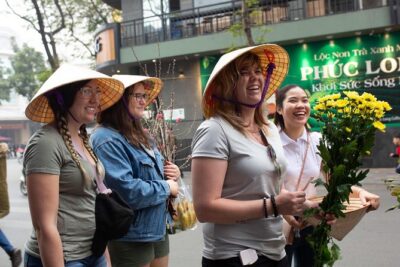
This experience starts the way I wish more food tours started: with your shopping list. Instead of showing up hungry and guessing what ingredients do, you get to see the produce first, meet the rhythm of a typical Vietnamese market, and build your meal around fresh choices.
The market visit matters because Vietnamese cooking is ingredient-driven. Herbs, greens, aromatics, and the right vegetables change the flavor far more than heavy sauces do. In a lot of Western meals, you can swap ingredients and nothing collapses. Here, swaps can be noticeable—so the market is where you learn the “rules.”
You’ll follow an English-speaking guide through the stalls, guided to ingredients you’ll use later. Guides I heard about often include Tung, Aroma, Hazel, Linh, Apple, Chloe, Vanessa, Gracie, and Wendy. The common thread: they don’t just point. They explain what you’re looking at and how it connects to the dish you’ll cook.
What I like for you: this is the moment you start understanding why certain Vietnamese dishes taste the way they do—freshness, balance, and the little flavor anchors like herbs and dipping sauces. You’re not just collecting groceries. You’re collecting “why this works.”
Small practical note: you’ll want to wear comfortable shoes. Market time moves at a walking pace, with stops to look, ask questions, and pick items for the cooking session.
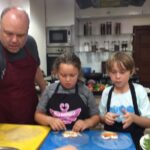
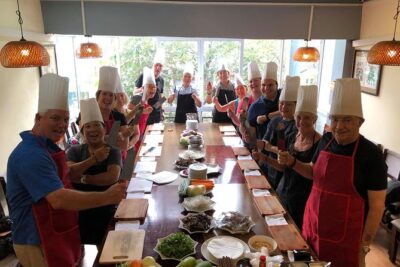
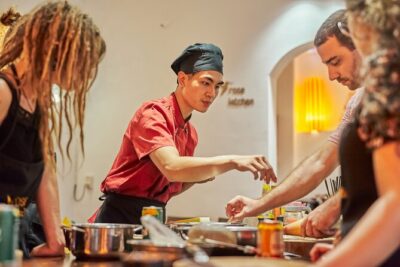
More aprons on in Hanoi kitchens

Villa Kitchen, Not a Professional School: The Mood and the Teaching Style
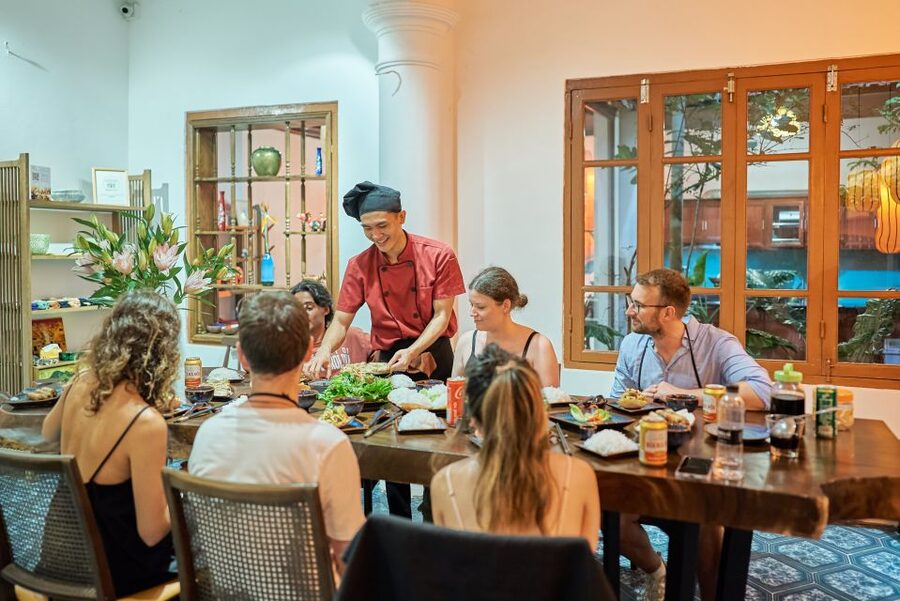
After the market, you head back to a local villa kitchen. That change in setting is more than cute. It affects how the class feels.
A cooking school can be polished and strict. A villa kitchen tends to be relaxed and personal. The goal is to help regular home cooks—not train restaurant chefs. That’s a big reason this tour gets praise: the flow is friendly, the pacing is manageable, and you get guidance as you go.
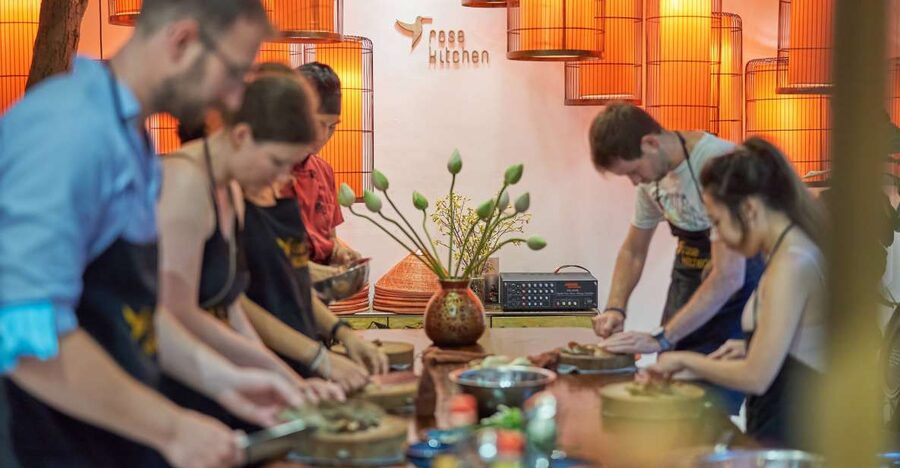
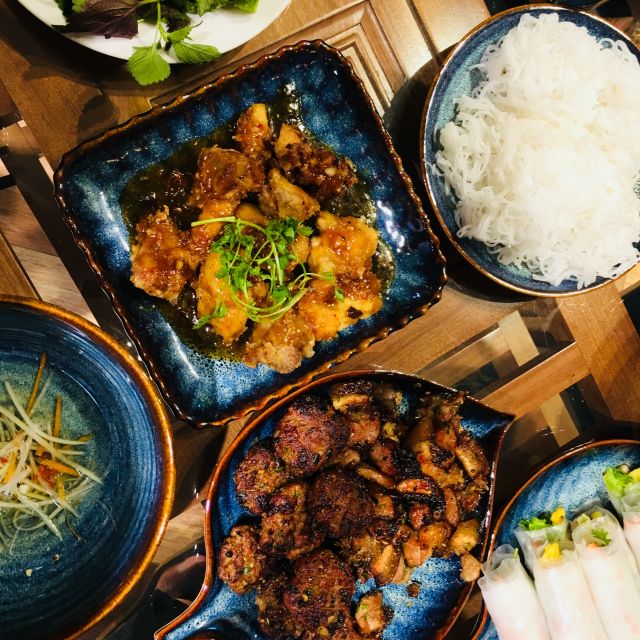
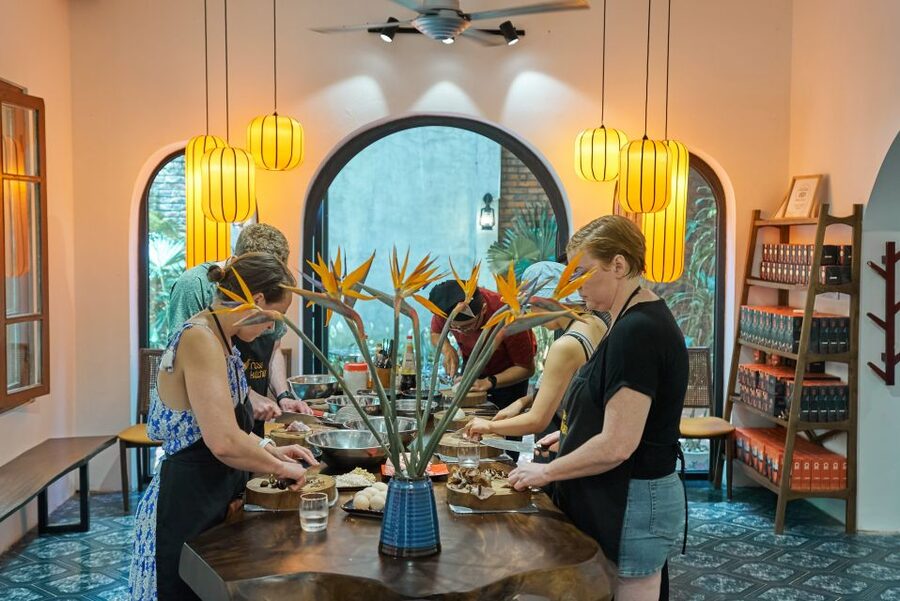
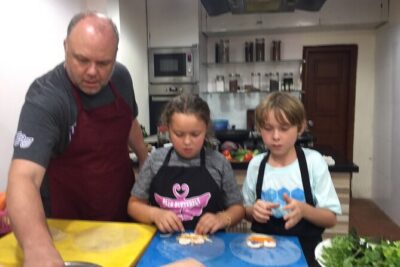
In the kitchen, your instructor leads the cooking lesson, and you’ll work with your group to prepare the dishes. Many classes like this include spring rolls, and you may also cook other Hanoi favorites depending on the day and what the group is making. In one described meal set, people cooked a combination that included banana flower salad, fried spring rolls, and bún chả. Another group highlighted traditional spring rolls plus less-familiar local recipes and drinks. In other words, it’s not always identical, but the focus stays on classic flavors and practical techniques.
The teaching style tends to be clear and interactive. Guides are often described as funny, quick to explain, and good at getting everyone involved. Expect enough structure to follow recipes confidently, and enough looseness to feel like you’re cooking with people—not like you’re being graded.
What to watch for: because it’s a hands-on class in a real kitchen, timing can be a little “busy.” When instructions come, listen carefully and line up your station. It helps you avoid the classic beginner problem: working on the wrong step while everyone else is already moving on.
The Menu You’ll Make (and Why It’s Built for Beginners)
The dishes you cook are the heart of the value. You’re learning how to make real Vietnamese food, not just tasting it.
From the cooking sessions described, iconic dishes show up often—especially spring rolls. But the class can also include other popular Hanoi items like banana flower salad and bún chả. Some groups also mention learning less-famous local recipes alongside the well-known ones. That’s a smart mix: you get at least one dish you’ll recognize and crave later, plus a couple of curveballs to broaden what you can cook back home.
Here’s what makes this setup especially good for beginners:
- You start with ingredients you’ve personally selected, so you’re less confused later.
- You get step-by-step instruction while you’re still in the learning moment.
- The class ends with you eating what you made, so the lesson sticks.
And because it’s small-group (max 10), you’re not lost in the crowd. You can ask questions while you cook, not after the fact.
My practical advice for you: if you’re even slightly interested in Vietnamese food at home, treat the cooking part like a skills workshop. Watch how the guide handles herbs and sauces, and notice the texture targets (for example, what “right” looks like for wraps, filling, or frying). Those details are what let you reproduce the dish later.
The Best Part of Dinner: Wine Tasting, Tea, and a Shared Table
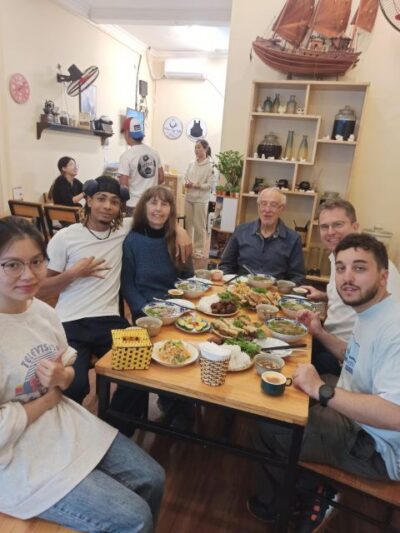
Cooking is fun, but the meal is the payoff. After you finish the dishes, you’ll sit down and eat your creations together. It’s the rare activity where the “class” turns into the “best meal of the day” feeling, because your hands are in it from the start.
Included with the experience:
- Wine tasting (local wine is part of it)
- Herbal tea
- Mineral water
- Welcome drink
- Seasonal fruits
That combo matters because Vietnamese meals are usually a full rhythm: you sip, you nibble, you talk, you eat different bites, and flavors keep shifting as you go. The included drinks help you keep that flow without paying extra during the session.
Some guides add extra touches, too. Egg coffee comes up in a few described experiences, and it pairs nicely with dessert-time slow-down. Again, it won’t be identical every day, but the overall vibe is consistent: you finish with a full, satisfying meal, not a few sample bites.
If you drink alcohol: the tour includes wine tasting, but alcohol beyond that is available for purchase. Keep that in mind if you’re planning the rest of your evening in Hanoi.
Guides Make It or Break It: The Humor, the Stories, and the Explanations
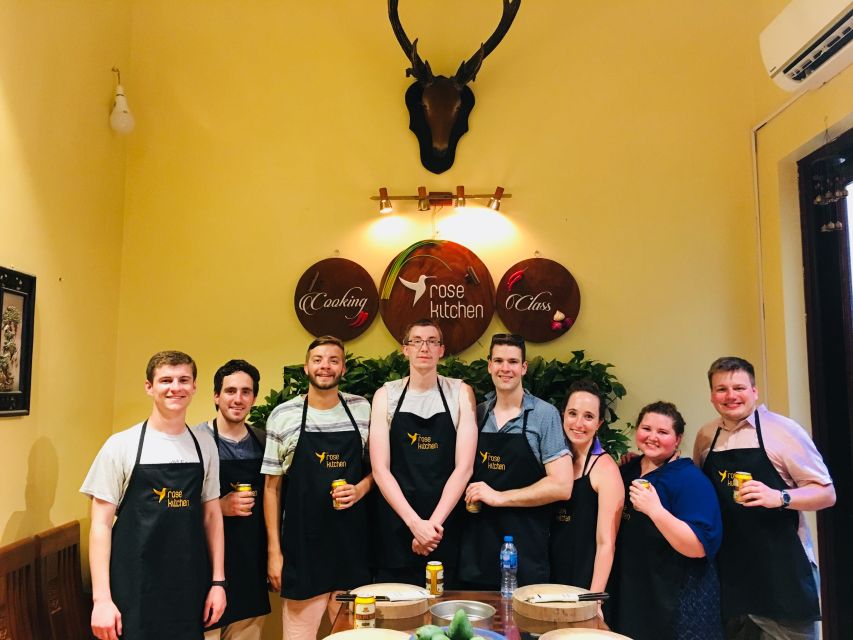
A lot of food experiences claim to be cultural. This one actually uses culture as a teaching tool. The market and cooking aren’t separate. The guide connects what you buy to how people cook and eat in daily life.
That story sharing shows up in the feedback I saw again and again. People mention conversation during the market walk, explanations of the meaning behind dishes, and how guides learned recipes through family or passed-down technique. One person specifically described how the cooking instructor explained her grandmother’s influence on the recipes, which is the kind of detail that turns instructions into something memorable.
Guides often get praised for humor and energy, especially Hazel, Aroma, Linh, and others. The result is that the session feels lively without becoming chaotic. You feel comfortable asking questions, and you don’t have to fake confidence in the kitchen.
For you: the biggest benefit is confidence. You’ll leave knowing what to look for, how to prepare at least a few dishes, and how to explain to yourself what makes the flavors work.
Worth a glance beside this Hanoi pick:
- Hanoi Cooking Class and Market Tour in Ancient House★ 5.0 · 379 reviews
- Rose Kitchen Hanoi: Market, Cooking & Culture Tour + Free PickUp★ 5.0 · 342 reviews
- Hanoi: Cooking Class in a Local Villa with Market Tour★ 4.9 · 320 reviews
Price and What You’re Getting for $37 in Hanoi
At $37 per person for about 4.5 hours, this class can feel higher than you expect for Vietnam—until you look closely at what’s included.
What you get for that price:
- Pickup and drop-off from the Old Quarter
- Guide/instructor in English
- Market visit
- Cooking lesson
- Wine tasting
- Herbal tea, mineral water, and a welcome drink
- Seasonal fruits
On top of that, you’re not paying for a “spectator” experience. You’re paying for market shopping plus hands-on cooking plus the meal you make. The small group limit (up to 10) also affects value: the instruction time per person stays higher than it would in a big group.
And there’s another value factor people bring up: organization. Descriptions of the sessions focus on smooth running, clear instructions, and well-prepared guides. When a cooking class runs cleanly, you spend your time learning instead of waiting or getting rushed.
My honest take: if you want a simple Hanoi meal, you can find cheaper options. But if you want skills plus a memorable meal, this is strong value. The price buys you both the market insight and the cooking results.
Who Should Book This Cooking Class in Hanoi
This tour fits best if you want more than one plate of food. You’ll get the most out of it if you like hands-on activities, you enjoy learning why ingredients matter, and you want to bring a few Vietnamese dishes home with confidence.
It also works well for:
- Couples and friends who want a shared project
- Solo travelers who want conversation and structure
- Food lovers who like guided shopping and tasting as a single experience
- Home cooks who want techniques, not just recipes
If you hate any chance of getting messy, or if you want a fully passive experience, this may not be the right match. It’s a cooking class first, with dinner as the conclusion.
Should You Book This Hanoi Market-to-Villa Cooking Class?
Book it if you want a half-day plan that feels like real Vietnamese life: market ingredients, a cozy villa kitchen, clear instruction in English, and a meal made by your own hands.
Skip it only if:
- You’re not interested in cooking or ingredient selection at all
- You prefer restaurant meals where you don’t have to participate
- You know you’ll be frustrated by time limits in the market
If your goal is to leave Hanoi with both a great meal and useful skills, this is one of the best ways to do it—especially with guides who keep the mood light and the explanations practical.
FAQ
How long is the cooking class in Hanoi?
The experience runs for 4.5 hours.
Is hotel pickup included?
Yes. Pickup and drop-off are included from the Old Quarter.
Is the class small group?
Yes. It’s limited to a maximum of 10 participants.
What language are the guides/instructors?
The instruction is in English.
Is there a market tour included?
Yes. You’ll visit a typical Vietnamese market to select ingredients before cooking.
What’s included with the meal drinks?
The tour includes wine tasting, herbal tea, mineral water, and a welcome drink. Alcoholic drinks beyond that are available to purchase.
What kinds of dishes will I cook?
You’ll learn iconic Vietnamese recipes such as traditional spring rolls, and some classes also include other Hanoi favorites like banana flower salad and bún chả, depending on the menu that day.
Do I get recipes after the class?
Some participants reported receiving recipes afterwards, including an e-book with Vietnamese recipes.
What’s the cancellation policy?
Free cancellation is available up to 24 hours in advance for a full refund.
More Tours in Hanoi
- Ninh Binh Full-Day Tour from Hanoi to Hoa Lu, Tam Coc & Mua Cave Via Boat & Bike
★ 5.0 · 4,384 reviews





More Tour Reviews in Hanoi


Learn Another Dish in Hanoi
Latest Hanoi write-ups from our team



Hanoi Cooking Classes, compared.
 ★ 5.0Hanoi Cooking Class: Culture, Local Market & Meaning CSR ImpactFrom $395,147 reviews
 ★ 5.05 Traditional Dishes Hanoi Cooking Class with Market TripFrom $354,890 reviews
 ★ 5.0Vietnamese Food Cooking Class in Hanoi with Market ExperienceFrom $45778 reviews
 ★ 5.05 Local Dishes Cooking Class with Meal & Market VisitFrom $40420 reviews
 ★ 5.0Hanoi Cooking Class and Market Tour in Ancient HouseFrom $45379 reviews
 ★ 5.0Rose Kitchen Hanoi: Market, Cooking & Culture Tour + Free PickUpFrom $48342 reviews
 ★ 5.0Hanoi Maya Kitchen: Traditional Cooking Class & Market TourFrom $30287 reviews
 ★ 5.0Hanoi Cooking Class: Pho/Bun Cha/Banh Xeo…+Free Egg/Salt CoffeeFrom $19267 reviews
Browse the lists this tour appears in