

Reviewed · HANOI COOKING CLASSES
Hanoi Cooking Class: Culture, Local Market & Meaning CSR Impact
Wet markets have a way of telling stories. This Hanoi class pairs an ingredient shopping walk with a hands-on cook session at a garden villa, with the feel of learning from a local family kitchen. I love the market tour with real ingredient context and the fact the day includes CSR projects your payment helps fund, not just a nice meal.
One thing to keep in mind: the schedule is about 4 hours 30 minutes, but it can stretch a bit depending on how the market visit and group pace flow, plus weather on the day.
In This Review
- Rose Kitchen at a Glance: what you’ll remember
- Old Quarter Pickup and Herbal Tea: start with less friction
- The Market Walk: choosing ingredients like a Hanoi home cook
- Heading to the Garden Villa Kitchen: a homey shift
- Cooking Class: Vietnamese dishes you can recreate
- What you’re really learning
- A small but smart safety note
- Lunch or Dinner at the Table: eat what you made
- The CSR Angle: your money does more than feed you
- Value and Price: is $39 a fair deal?
- Who Should Book This Class?
- The Small Print that Affects Your Day (without ruining it)
- Should You Book Rose Kitchen’s Hanoi Cooking Class?
- FAQ
- How long is the Hanoi cooking class?
- Is hotel pickup and drop-off included?
- What food is included in the meal?
- Do you taste anything besides the dishes you cook?
- What dishes will we cook?
- Is there a vegetarian or vegan option?
- Where does the class take place?
- Are recipes or documents provided after the class?
- What if the weather is poor?
- Is there a limit on group size?
Rose Kitchen at a Glance: what you’ll remember
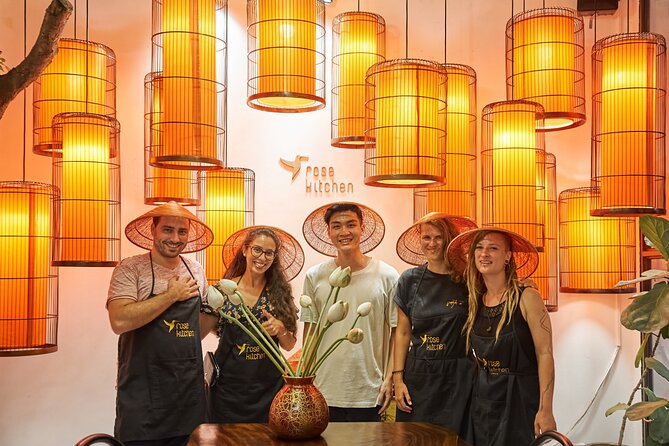
- Old Quarter hotel pickup and drop-off mean you start eating sooner, not hunting for a meeting point.
- Market walk first so you understand what goes into dishes like noodles, rolls, and stir-fries.
- Garden-villa cooking space with air-conditioning and provided utensils, so you can focus on learning.
- Homemade fruit wine tasting plus a full lunch or dinner you actually help make.
- CSR built into the experience through monthly charity meals, education support, and work opportunities.
Old Quarter Pickup and Herbal Tea: start with less friction
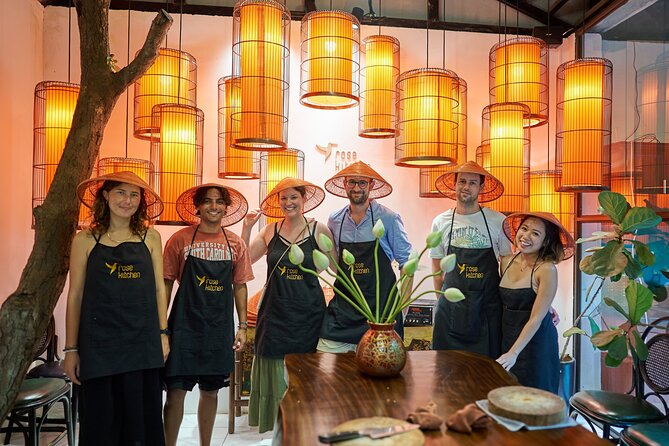
If Hanoi is your warm-up week, this is a great way to get going. Rose Kitchen offers hotel pickup and drop-off within the Old Quarter, which matters more than it sounds. Hanoi traffic can be chaotic, and a cooking class is not the moment to start your day with map stress.
When you arrive, you’re not thrown into the deep end. You get a welcome drink of herbal tea, plus unlimited mineral water during the experience. It’s a small detail, but it keeps the first hour comfortable—especially if you’re stepping from the heat into a market and then back into a kitchen.
They also provide luggage storage on request, with the note that storage is available up to three days. If you’re moving between hotels or arriving early on a travel day, that can save you a hassle.
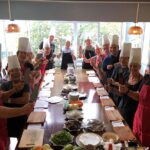
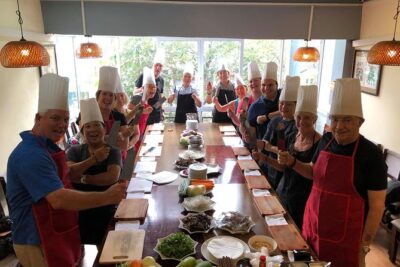
More aprons on in Hanoi kitchens

The Market Walk: choosing ingredients like a Hanoi home cook
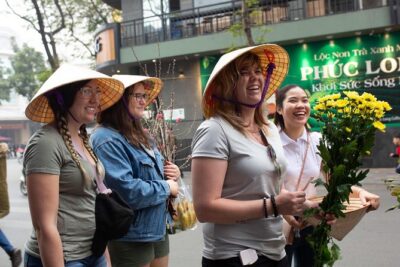
The best part of this class for me is the order of operations: market first, cooking second. You’ll walk through the kind of shopping that locals do day to day—picking seasonal produce and talking through how Vietnamese dishes get their flavors.
This isn’t just wandering. Your guide (English-speaking, with a cultural storyteller approach) helps you make sense of what you’re buying. In the experience, guides and hosts named Maxie, Aroma, Simon, Alex (Trung), and Kim show up in different groups, and the common thread is ingredient explanation plus cultural context.
Here’s what that does for you as a cook later:
- You see the ingredients in context, not as mystery items on a supermarket shelf.
- You learn what certain herbs and produce add to taste and texture, which helps you improvise back home.
- You get a feel for how Vietnamese meals balance fresh, cooked, sour, salty, and herb-heavy flavors.
You’ll also get to buy ingredients specifically for your class meal. From the notes people share after their days, the market can feel like the part where the whole class clicks, since you’re not just tasting—you’re selecting.
Possible drawback to expect: markets can shift pace. A guided market walk can take longer if the group has more questions or if the market situation changes. Plan for the overall experience being close to 4.5 hours, not a strict stopwatch.
Heading to the Garden Villa Kitchen: a homey shift
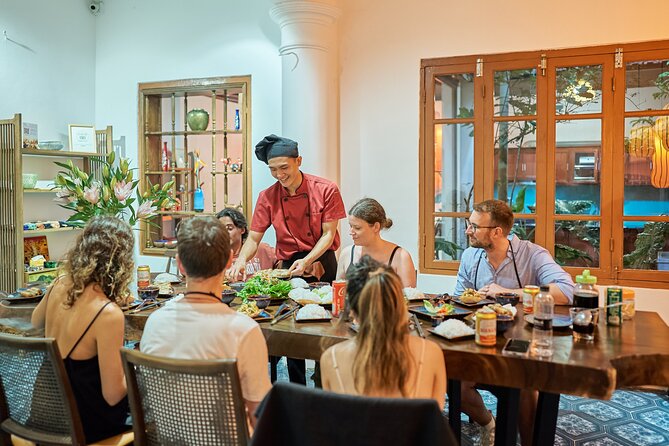
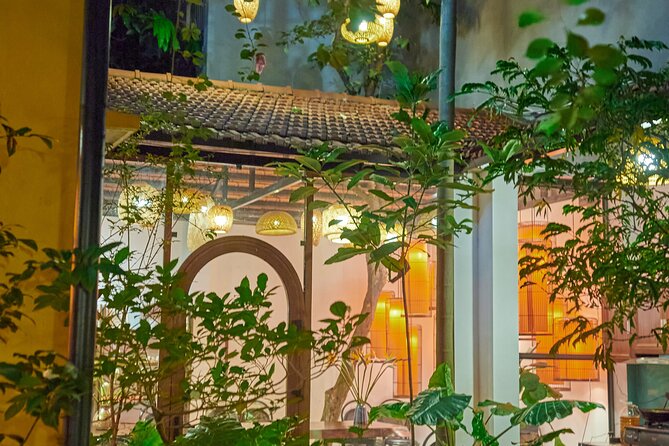
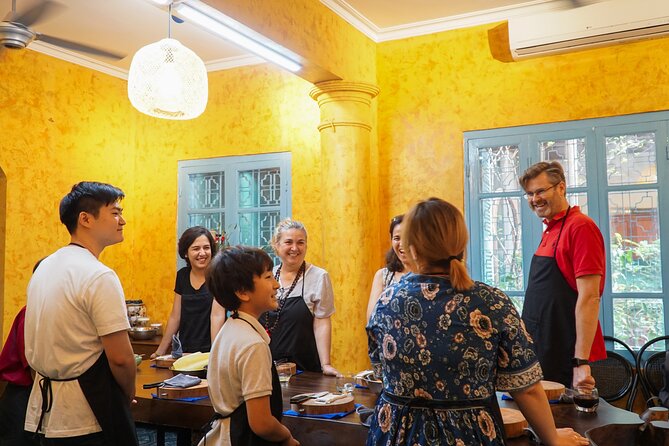
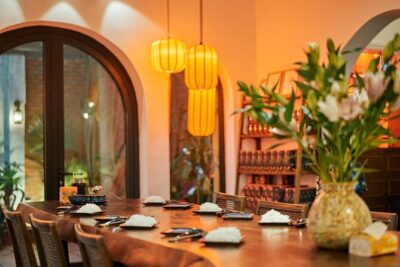
After the market, you head to the cooking space. The class takes place in a cozy garden villa, not a big commercial cooking school setup. That matters because it changes the vibe: it feels more like visiting someone’s home than filing through stations.
You cook in a comfortable air-conditioned space, and you’re provided with all equipment and utensils. That’s a practical win if you’re traveling light. You’re not hunting for knives, bringing containers, or worrying whether your hands are equipped for the job.
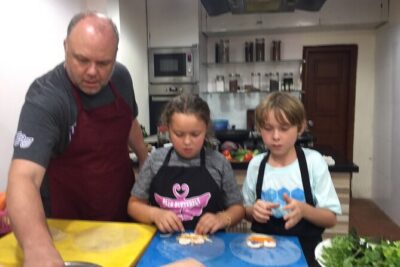
The villa setting also helps if you’re traveling with family. People mention the hosts being attentive, including one review that highlighted how a guide made sure a child was safe while handling ingredients and tools. You might still want to gauge your child’s comfort level with cooking steps, but the tone is set as welcoming and supervised.
Cooking Class: Vietnamese dishes you can recreate
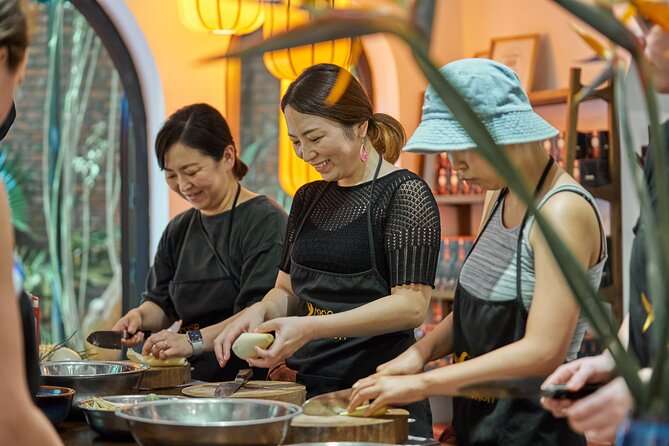
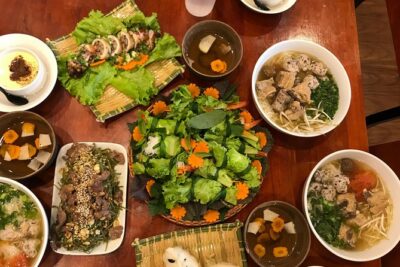
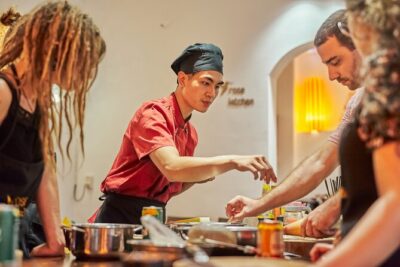
This is where you get hands-on. The class guide walks you step-by-step through cooking signature Vietnamese dishes. The specific menu can vary by session, but the cooking typically includes items like spring rolls, stir-fried vegetables, and traditional noodles. From people’s descriptions, you may also end up making dishes such as bun cha, mango salad, fresh summer rolls, and other seasonal plates depending on the day.
What you’re really learning
A cooking class becomes useful when it teaches technique, not just recipe steps. Here’s what to pay attention to during your session:
- How herbs are used and when they’re added
- How sauces balance sweet, salty, and sour
- How rolling and frying stages affect texture
- How timing works when multiple dishes share the same prep rhythm
In descriptions of past classes, hosts like Simon and chefs like Aroma and Alex are credited with clear instruction and keeping everyone involved. That’s exactly what you want in a group class. You want to feel capable, not like you’re watching someone else cook while you hold a plate.
Worth a glance beside this Hanoi pick:
- Hanoi Cooking Class and Market Tour in Ancient House★ 5.0 · 379 reviews
- Rose Kitchen Hanoi: Market, Cooking & Culture Tour + Free PickUp★ 5.0 · 342 reviews
- Hanoi: Cooking Class in a Local Villa with Market Tour★ 4.9 · 320 reviews
A small but smart safety note
Some people mention gloves being used for certain dishes, depending on the task. If you’re sensitive to food handling or you just prefer extra cleanliness, that’s a good sign the team thinks about practical kitchen hygiene.
Lunch or Dinner at the Table: eat what you made
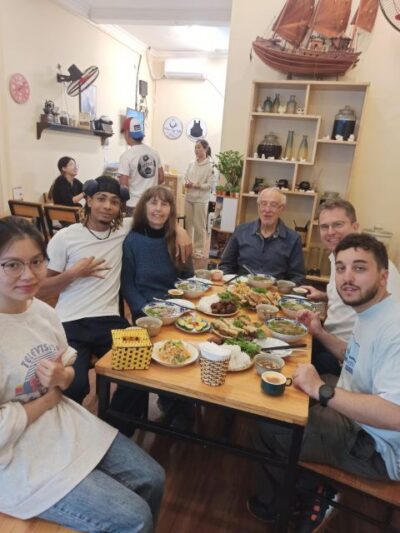
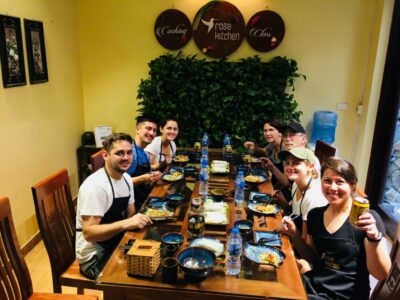
You don’t just cook and get out. You sit down for a full Vietnamese lunch or dinner, depending on whether you choose the morning or afternoon session. It’s included, and it’s not a tiny portion. Reviews describe leaving full, which matches the idea that the meal is meant to be the payoff of your work.
After cooking, there’s also:
- Fresh seasonal fruits served after the meal
- A complimentary tasting of the kitchen’s signature homemade fruit wine
That fruit wine tasting can be a fun way to understand how Vietnamese flavors turn up in drinks too. Don’t worry if you don’t drink much—this is presented as a tasting, not an all-night commitment.
The CSR Angle: your money does more than feed you
One reason this class earns extra points for me is that the CSR is not vague branding. Rose Kitchen connects the experience to specific ongoing projects:
- Monthly charity meals for cancer patients
- Educational programs for disadvantaged children in remote regions
- Sustainable employment for ethnic minority women who work as butlers
You’ll see the impact as part of the culture of the organization. It feels less like a sales pitch and more like a framework for how they run the day and treat both guests and staff.
For you, this matters because you get a normal travel activity—cooking in a real kitchen—and also know your payment supports practical work in the community. If you like doing “value meals,” this is one of the few Hanoi experiences where the meaning is tied to documented programs rather than just good intentions.
Value and Price: is $39 a fair deal?
At $39 per person, this class is priced in a way that feels unusually balanced for what’s included. You’re getting:
- Pickup and drop-off within the Old Quarter
- A guided market walk
- An English-speaking guide/cultural storyteller
- A hands-on cooking session with equipment provided
- A full lunch or dinner
- Unlimited water, herbal tea on arrival, and a fruit wine tasting
- Digital extras like a guidebook and a digital certificate on request
- A 20% off perk for other hands-on cultural experiences
Compare that to what you’d pay separately for a market tour guide, a cooking class, and a proper meal. The biggest value driver is the meal plus pickup plus instruction, bundled into one.
The other quiet value: you get recipes and instructions to help you cook later. People specifically mention that recipes are sent afterward, which makes the class useful beyond the day.
If you’re trying to spend wisely in Hanoi, this is one of those “pay once, enjoy multiple days of learning” experiences.
Who Should Book This Class?
This class is a strong fit if you:
- Want a food experience that goes beyond eating and actually teaches you cooking steps
- Like a mix of culture and food, especially with a market component
- Prefer a cozy villa setting over a big assembly-line kitchen
- Travel with family and want a guided atmosphere where people are paying attention to safety and comfort
- Care about social impact you can point to
If you hate group pacing, or you want a purely private cooking lesson, you might find a private upgrade more your speed. The overview notes private classes are available, and vegetarian/vegan options can be booked too.
The Small Print that Affects Your Day (without ruining it)
A few practical notes can help you plan smoothly:
- The experience runs in all weather conditions, but if it’s canceled due to poor weather, you’ll be offered another date or a full refund.
- Expect it to take about 4 hours 30 minutes. One review note points out it may run 3–4 hours depending on guide/chef and group flow, so don’t schedule something right before or right after a hard appointment.
- There’s a maximum of 100 travelers. That doesn’t mean you’ll feel overcrowded, but it’s good to know the event is capped.
- If you have dietary needs, you should advise at booking. A vegetarian option is available.
Should You Book Rose Kitchen’s Hanoi Cooking Class?
Yes—if you want a full-value food experience in Hanoi that mixes market shopping, hands-on cooking, and a sit-down meal with a real social impact story. The price makes sense for what you get: pickup, instruction, food, drinks, and learning tools for later.
I’d especially recommend booking if you’re new to Vietnamese cooking or if you want to return home with more than memories. The market-to-villa structure is what makes this class stick, and the CSR element gives your day more weight than a standard cooking tour.
On the other hand, if your ideal day is ultra-flexible, silent, and strictly self-paced, you may prefer a private option so the schedule matches your rhythm.
FAQ
How long is the Hanoi cooking class?
It’s about 4 hours 30 minutes.
Is hotel pickup and drop-off included?
Yes, pickup and drop-off are included within Hanoi’s Old Quarter.
What food is included in the meal?
You’ll enjoy a full Vietnamese lunch or dinner depending on your session, plus fresh seasonal fruits after the meal.
Do you taste anything besides the dishes you cook?
Yes. You get unlimited mineral water, a welcome herbal tea, and a complimentary tasting of the kitchen’s signature homemade fruit wine.
What dishes will we cook?
The class includes signature Vietnamese dishes such as spring rolls, stir-fried vegetables, and traditional noodles. Some sessions also mention dishes like bun cha, mango salad, and fresh summer rolls.
Is there a vegetarian or vegan option?
Yes. A vegetarian option is available, and you can book vegetarian/vegan classes if needed. You should advise dietary requirements at booking.
Where does the class take place?
You cook in a local villa setting in Hanoi, with an air-conditioned cooking and dining space.
Are recipes or documents provided after the class?
Yes. You can request a digital certificate, and you also receive a digital guidebook. People also mention recipes being provided after the class.
What if the weather is poor?
The experience operates in all weather conditions, but if it’s canceled due to poor weather, you’ll be offered a different date or a full refund.
Is there a limit on group size?
The activity has a maximum of 100 travelers.
More Shopping Tours in Hanoi
More Tour Reviews in Hanoi






Learn Another Dish in Hanoi
Latest Hanoi write-ups from our team




Hanoi Cooking Classes, compared.
 ★ 5.05 Traditional Dishes Hanoi Cooking Class with Market TripFrom $354,890 reviews
 ★ 5.0Vietnamese Food Cooking Class in Hanoi with Market ExperienceFrom $45778 reviews
 ★ 5.05 Local Dishes Cooking Class with Meal & Market VisitFrom $40420 reviews
 ★ 5.0Hanoi Cooking Class and Market Tour in Ancient HouseFrom $45379 reviews
 ★ 5.0Rose Kitchen Hanoi: Market, Cooking & Culture Tour + Free PickUpFrom $48342 reviews
 ★ 4.9Cooking Class in a Local Villa with Market TourFrom $37320 reviews
 ★ 5.0Hanoi Maya Kitchen: Traditional Cooking Class & Market TourFrom $30287 reviews
 ★ 5.0Hanoi Cooking Class: Pho/Bun Cha/Banh Xeo…+Free Egg/Salt CoffeeFrom $19267 reviews
Browse the lists this tour appears in