
Reviewed · SAPA TREKKING TOURS
Sapa Trekking Tour Full Day
Muong Hoa views start before your first step. This full-day Sapa trekking tour pairs small-group trails through bamboo and valley footpaths with up-close cultural moments in ethnic villages, plus that big panoramic payoff over the Muong Hoa Valley and Hoàng Liên Sơn Range. Your on-route guide isn’t just pointing out the way; you’ll learn how local families live, cook, and celebrate while you’re walking.
What I love most is the local H’Mông/Dao guidance. It feels practical and personal, and I noticed names like Mao Co, Mao Cô, Maucha, and Ms Su show up in real guide experiences on this route. I also like that lunch is included, so you’re not scrambling mid-trek or doing the math while your shoes are already coated in mud.
One real consideration: the paths can get muddy and slippery, especially if rain has hit recently. If you go in expecting easy footing, you’ll get surprised—so plan for better traction and slower descents.
In This Review
- Key highlights you’ll feel right away
- Why the Muong Hoa Valley trails are worth a full day in Sapa
- Pick-up, timing, and where the day starts (8:00–8:30)
- Y Linh Ho Village: a gentle start plus real village context
- Bamboo trails and Muong Hoa Valley walking: where footing matters
- Lao Chải Village: a stream-side feel and a clear “why here?”
- Ta Van Village at 12:30: H’Mông, Dao, Giay, Tày life in one stop
- Lunch, tickets, and insurance: what’s actually included
- Guides, group size, and the pace you’ll actually experience
- What to pack for mud, rain, and photo-ready viewpoint time
- Price and value: why $24.17 can make sense here
- Who this trek fits well (and who should choose differently)
- Should you book this full-day Sapa trekking tour?
- FAQ
- FAQ
- How long is the Sapa Trekking Tour full day?
- Where does the tour start and end?
- Is lunch included?
- Does the tour include pickup and drop-off?
- Which villages will I visit during the trek?
- What’s the maximum group size?
- Is there free cancellation?
- Do I need good footwear?
Key highlights you’ll feel right away
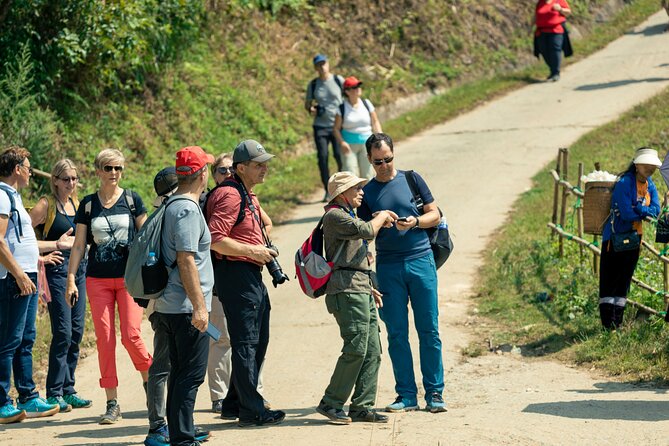
- Max 12 travelers keeps the pace flexible and the photo stops more comfortable
- Local H’Mông/Dao guides add cultural context while you walk, not after you finish
- Y Linh Ho, Lao Chải, and Ta Van give you a strong slice of village life in one day
- Muong Hoa Valley viewpoint time is built in for terraced rice and panoramic Hoàng Liên Sơn views
- Lunch included, drinks not included, so bring a bottle or plan to buy water separately
- Pickup/drop-off at central hotels makes the day feel simpler in Sapa Town
Why the Muong Hoa Valley trails are worth a full day in Sapa
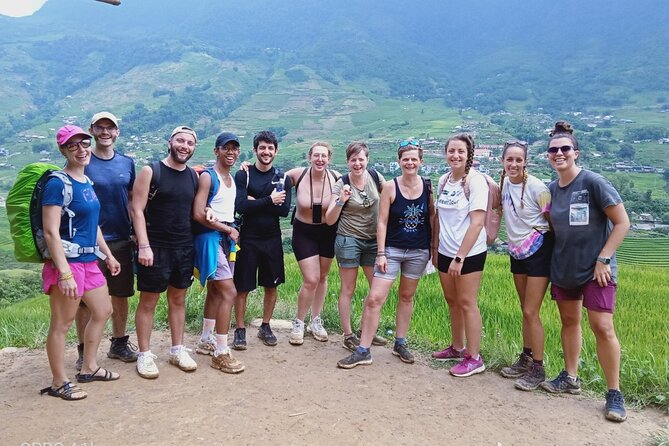
Sapa is famous for scenery, but the best part of this tour is how the day is paced. You’re not just racing from viewpoint to viewpoint. You’re walking through the Muong Hoa Valley area, where terraced rice, streams, and forest trails create that slow, moving sense of place.
You also get the kind of cultural access that feels like a real conversation. The tour is led by a local guide from the H’Mông or Dao community (your exact guide can vary; guides such as Mao Co, Mao Cô, Maucha, and Ms Su appear in experiences from this route). That matters because they can explain what you’re seeing in a grounded way, including customs and daily routines you’d likely miss if you only had a generic walking script.
Finally, the route aims to build toward a payoff view at the highest point. That’s where the panoramic angle opens up over terraced fields and the Hoàng Liên Sơn Range—good timing for cloud-hunting, since weather in these valleys can change quickly.
More trails through the Sapa valleys


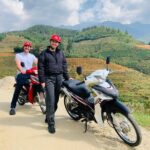
Pick-up, timing, and where the day starts (8:00–8:30)
The day begins with pickup somewhere in/near town. You’ll either be collected from your hotel in the town center or you can meet at Sapa Retreat Condotel (03 Hoàng Liên, TT. Sa Pa, Sa Pa, Lào Cai 333100, Vietnam). If you have luggage, you can leave it at the hotel before you head out.
Expect the start window to be about 8:00 to 8:30. That early timing is helpful: it gives you daylight for the walking portion, and it also helps you get to the villages and viewpoint before the day’s fog or rain has fully turned the trail into a slip-and-slide.
The tour ends back at the meeting point, so you’re not dealing with a complicated return plan at the end of the day. For many people in Sapa, that peace of mind is as valuable as the scenery.
Y Linh Ho Village: a gentle start plus real village context
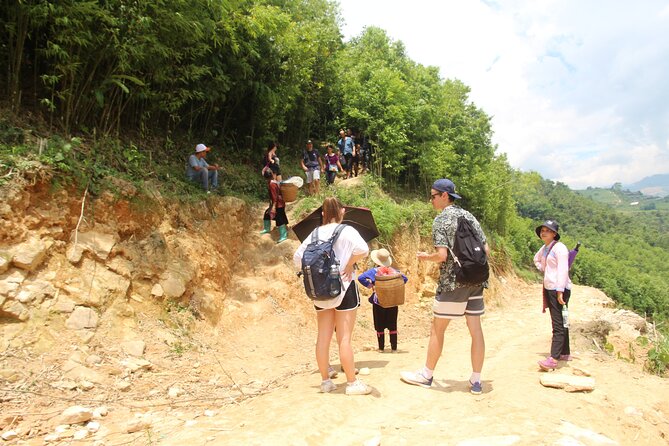
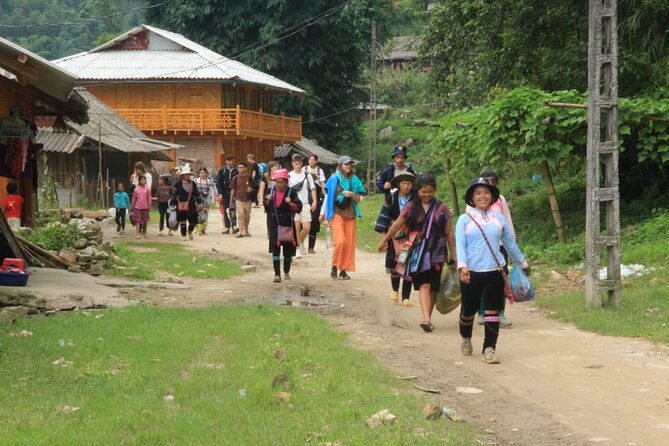
Y Linh Ho is the first stop, with about 2 hours set aside there. This is a good opener because it helps you get your bearings and understand what you’re walking toward. You’re introduced to village life in a place about 3 km from Sapa town along the Muong Hoa Valley route.
What makes Y Linh Ho useful isn’t only that it’s scenic. It’s that the setting explains why people farm and build where they do. The area sits in the Hoàng Liên Sơn mountain range region, with terraced fields, streams, and rugged paths feeding into the day’s overall theme: living with the hills.
There’s also an admission ticket included for this stop, which matters for practical value. It means you’re less likely to hit friction once you arrive. You can just show up, listen, and start walking.
A small tip: treat the first village stop like your warm-up not just for legs, but for your senses. If your guide offers context early, take the time to ask a couple of questions. You’ll enjoy the later village contrasts much more.
Bamboo trails and Muong Hoa Valley walking: where footing matters
After Y Linh Ho, the route keeps moving through the Muong Hoa Valley area. The tour is described as exploring little-known trails winding through bamboo forests, which is exactly the kind of route that feels quieter than the busiest town roads.
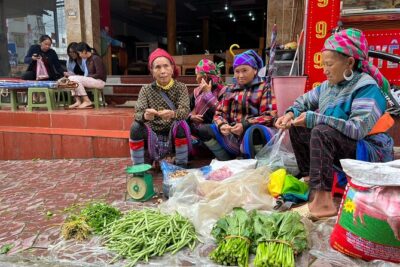
Along the way, you’ll see and learn about ethnic minority communities in the region—often referenced groups include H’Mông, Red Dao, Tay, and Giay. Even when you’re not stopping at a village gate every 10 minutes, this context helps you read the scenery better: clothing, small farming patterns, and the way people use water from streams.
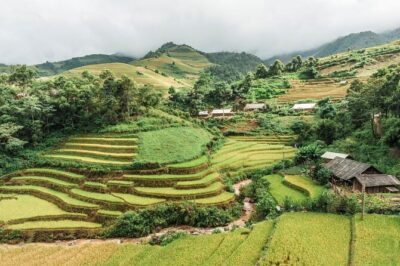
Then comes one of the day’s highlights: a higher point where you get panoramic views of the Muong Hoa Valley, terraced fields, and the Hoàng Liên Sơn Range. This is where cloud-hunting fits naturally. If clouds roll in, you may get a dramatic sweep; if skies open, you’ll see the terraces stretch out like a patchwork.
The big consideration here is the trail condition. One experience from this route warned about muddy, slippery conditions after rain, including a slip and fall that required guide help. So plan for wet conditions even if Sapa looks fine at breakfast.
Practical move: slow your pace going downhill. Many injuries happen when people rush because it looks like an easy descent.
Lao Chải Village: a stream-side feel and a clear “why here?”
As the trek continues, you’ll pass through the Muong Hoa Valley and reach Lao Chải Village. Lao Chải is described with a small, clear stream running alongside it, giving a gentle sound as water flows through the area.
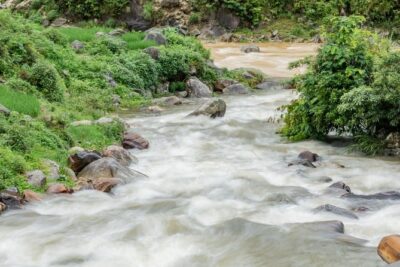
That stream detail isn’t just poetic. It clues you in to the logic of village placement. When water runs nearby, farming becomes possible, and terraced fields can feed families through much of the year. Seeing the stream while you’re walking makes the valley feel engineered for daily life—not just photo backdrops.
You’ll also be moving through a landscape shared by multiple ethnic minority groups, and your guide can explain what you’re seeing in terms of how people live and farm. This is one of the reasons I’d rather do this with a real local guide than with an audio app. You can ask, and you get answers that match the season and the route you’re actually on.
Worth a glance beside this Sapa pick:
- Number one top rated ethical cultural trekking and homestay by ETHOS★ 5.0 · 456 reviews
- 1-day Authentik trek & Panorama valley views★ 5.0 · 189 reviews
- 1 day Fansipan Trekking★ 5.0 · 180 reviews
Ta Van Village at 12:30: H’Mông, Dao, Giay, Tày life in one stop
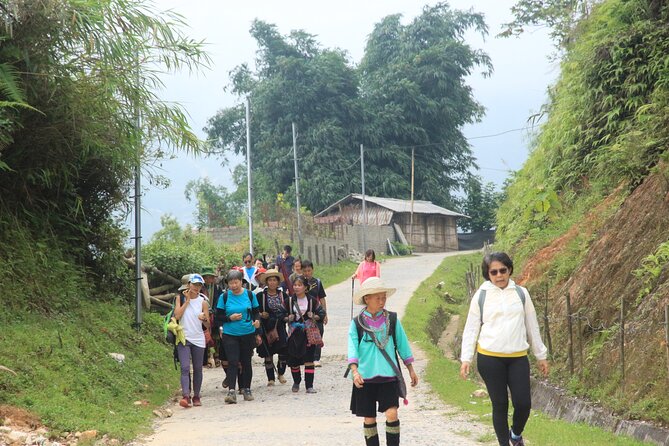
Around 12:30, you arrive at Ta Van Village. This timing usually works well because it sets up lunch and a chance to reset before the second half of the day’s walking rhythm.
Ta Van is described as home to people from H’Mông, Dao, Giay, and Tày ethnic groups. The tour focuses on how they live—farming, livestock raising, and rice cultivation. If you’re the kind of traveler who likes to understand what you’re seeing before you start photographing, Ta Van is where that clicks.
In terms of value, I like that the tour includes lunch as part of this general route flow. Lunch being included helps you stay in the day’s rhythm instead of spending time hunting for a café between stops.
One thing to keep in mind: when the trek has been wet, your clothing and footwear may never dry completely by the end of the day. So if you’re coming straight from a hotel, try to pack an extra pair of socks if you can. It’s a tiny comfort upgrade that matters.
Lunch, tickets, and insurance: what’s actually included
This tour includes:
- Lunch
- Tour guide
- Sightseeing tickets
- Insurance
- Pick-up/drop-off at central hotels
Admission tickets are specifically noted as included for Y Linh Ho. That’s good because it keeps the day simple: you’re not paying cash at each stop or negotiating entry permissions with minimal language support.
What’s not included is drinks. You’ll want water, especially because trekking in Sapa’s humidity can surprise you. Bring a bottle you can refill if possible, or plan to buy water during the day.
Insurance being included is also a subtle value point. Trekking involves real footing risk, so it’s reassuring to see it included rather than tacked on later.
Guides, group size, and the pace you’ll actually experience
The tour caps at 12 travelers. That limit is a big deal. It usually means:
- You get more control over photo breaks and rest stops
- Your guide can adjust the pace to your fitness level
- You can ask questions without feeling like you’re stuck in a fast-moving crowd
The itinerary is described as flexible, with optional stops and route adjustments based on group preferences. That matters because Sapa weather and trail conditions can shift. A flexible plan is often the difference between enjoying the day and spending it negotiating slippery turns.
Guide quality is the heart of this tour. The experiences you can run into include very strong English-speaking local guides—Mao Co / Mao Cô are named repeatedly in guide accounts, along with Ms Su and Maucha. The best guides don’t just lead; they explain. They also help in messy moments like muddy sections.
One caution from negative experiences: a guide can sometimes feel rushed or not stay consistently beside a solo hiker. If pace is your top priority, set your expectation early. If you want slower photo stops, say so at pickup.
What to pack for mud, rain, and photo-ready viewpoint time
Sapa trekking here can become wet fast. Even if it hasn’t rained heavily, the trails through valleys and bamboo areas can be slick. One of the clearest practical tips from guide-based experiences: bring gum boots.
If you don’t want full rubber boots, at least use shoes with strong tread and expect mud stains. For many people, the second-best option is waterproof trekking shoes plus trekking poles if you normally use them.
Also pack:
- A light rain layer or poncho (weather can change suddenly)
- A small towel or wipes for hands and shoes
- Sunscreen and a hat, because clouds can lift for bright spells at viewpoints
- A dry bag or zip pouch for your phone and camera
For the viewpoint portion, keep your camera ready but be patient. Cloud conditions can shift quickly, and that’s part of the show over the Muong Hoa Valley and Hoàng Liên Sơn Range.
Price and value: why $24.17 can make sense here
At $24.17 per person, this doesn’t look expensive on paper. But the real question is what you get for that price.
You’re paying for:
- A full guided day of trekking
- Lunch included
- Sightseeing tickets
- Insurance
- Pickup/drop-off at central hotels
- A group size capped at 12
Add it up and it starts to feel like a good value for Sapa Town. You’re not just buying a walk. You’re buying transportation convenience, a guide who can translate daily life, and basic meal support.
Two value notes:
- Drinks cost extra, so keep a small budget for water.
- If you’re comparing to cheaper hikes, remember that many low-cost options don’t bundle lunch or insurance, and those can add up fast once you’re on the trail.
Who this trek fits well (and who should choose differently)
This tour is best for people with moderate physical fitness. That’s a fair sweet spot: you should be comfortable walking on uneven paths and accepting that conditions may be muddy.
You’ll likely enjoy it if you:
- Want village life plus big valley views in one day
- Like guided cultural context (not just scenery hopping)
- Prefer a small group over a long bus tour
You might want to pick another option if you:
- Have serious mobility limitations, because trails can be uneven and slippery in bad weather
- Hate muddy conditions with no tolerance for getting your shoes dirty
The good news: with a guide and a small group size, you can move at your pace. The flexible route design helps.
Should you book this full-day Sapa trekking tour?
If you want a day that mixes real village visits (Y Linh Ho, Lao Chải, and Ta Van) with serious Muong Hoa Valley views, this tour is a strong pick—especially at this price point. I like that lunch, tickets, insurance, and central pickup/drop-off are built in, so you can focus on the hike and the human side of Sapa.
Just go in smart. Bring traction (gum boots are a solid idea), assume the trail could be slippery after rain, and set your preferred pace early. If you do that, you’ll end the day with both photos and actual understanding of how people live along the valley.
FAQ
FAQ
How long is the Sapa Trekking Tour full day?
The duration is about 6 hours (approximately).
Where does the tour start and end?
The tour starts at Sapa Retreat Condotel, 03 Hoàng Liên, TT. Sa Pa, Sa Pa, Lào Cai 333100, Vietnam. It ends back at the meeting point.
Is lunch included?
Yes. Lunch is included. Drinks are not included.
Does the tour include pickup and drop-off?
Yes. Pick up/drop off at a central hotel is included.
Which villages will I visit during the trek?
The tour includes stops at Y Linh Ho Village, Lao Chải Village, and Ta Van Village.
What’s the maximum group size?
The tour has a maximum of 12 travelers.
Is there free cancellation?
Yes, free cancellation is available if you cancel up to 24 hours in advance for a full refund.
Do I need good footwear?
You should plan for muddy, slippery paths. A practical tip from experiences on this route is to bring gum boots, especially if conditions are wet.
More Tours in Sapa

More Tour Reviews in Sapa
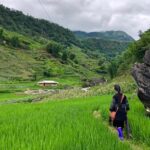

More Sapa Treks We Walked
Latest Sapa write-ups from our team
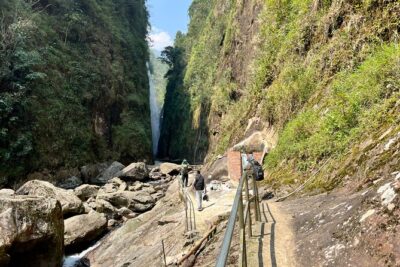
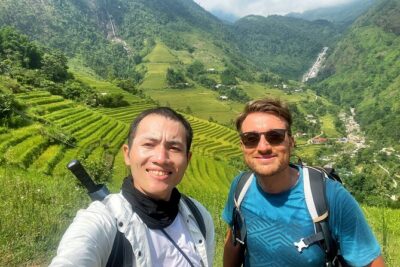


Sapa Trekking Tours, compared.
 ★ 5.0Sapa 2 Days 1 Night From Hanoi – Overnight in Ta Van VillageFrom $592,669 reviews
 ★ 5.0Hanoi – Sapa 2 Days 1 Night Overnight At HomestayFrom $89899 reviews
 ★ 5.0Sapa: Fansipan Cable, Cat Cat Village & Moana Instagram TourFrom $30777 reviews
 ★ 4.8From Hanoi: 2-Day Sapa Trekking Trip with Homestay & MealsFrom $71704 reviews
 ★ 5.0Sapa 3 Days 2 Nights Trekking Tour (1 Night In Ta Van Village, 1 Night In Hotel)From $139699 reviews
 ★ 5.03-Day Trekking Adventure of Sapa from Hanoi – Stay Ta Van VillageFrom $109611 reviews
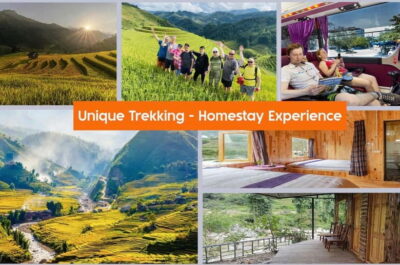 ★ 4.82-Day Sa Pa Ethnic Homestay Tour & Trek with Limousine Bus440 reviews
 ★ 5.0Sapa 2 Days 1 Night From Hanoi – Overnight in HotelFrom $89440 reviews
Browse the lists this tour appears in