
Reviewed · SAPA TREKKING TOURS
Sapa Trekking Tour – 1 day
Cold air first. Then rice terraces.
This 1-day Sapa trekking trip is built for variety: three villages in one long morning-to-afternoon run, plus time to take in the dramatic Muong Hoa valley. The area itself feels like a weather prank—Sa Pa can cycle through spring, summer, and autumn in a day, and in winter snow turns the mountains into a glittery postcard.
What I like most is the practical setup and the cultural contact. You get a local English-speaking guide, lunch included, and entrance fees covered, so you can focus on the trail instead of ticket math. I also like that the route mixes viewpoints and walking—Lao Chai’s panoramic overlook, Ta Van’s terraces and suspension bridge, and the Red Dao village hike through bamboo toward a waterfall break. One thing to consider: it’s only 6 to 7 hours, so expect a packed schedule and a brisk pace, especially if you’re not used to uphill climbs in cool mountain air.
In This Review
- Key highlights you’ll care about
- Four seasons in Sa Pa: plan for weather you can’t predict
- Price and value: what $45 covers (and why it’s fair)
- Stop 1: Lao Chai viewpoint and the Black Hmong welcome
- Stop 2: Ta Van rice terraces, suspension bridge, and rock carvings
- Stop 3: Giang Ta Chai Red Dao hike through bamboo and a waterfall break
- Timing and group setup: what the 6–7 hour schedule feels like
- Practical packing for cool mornings and possible snow
- Who this Sapa day trek is best for
- What stood out from a top-rated experience: good food, good info, and local trails
- Should you book this 1-day Sapa trekking tour?
- FAQ
- How long is the Sapa 1-day trekking experience?
- How much does the tour cost?
- Is pickup included?
- Which villages do you visit?
- What’s included in the price?
- Is lunch included, and what kind of food is it?
- Do I need to be in good shape?
- What should I bring if the weather is cold or snowy?
- What is the cancellation/refund window?
Key highlights you’ll care about
- 3 villages in one day: Black Hmong (Lao Chai), Giay (Ta Van), and Red Dao (Giang Ta Chai)
- Mountain weather reality: temps around 15–18°C can feel colder early, and winter snow can happen
- Terraces + river walking: Muong Hoa valley scenery with a suspension bridge stop
- Hands-on culture via lunch: you’ll eat at a home in Ta Van with typical local food
- Full logistics handled: pickup, private transportation, bottled water, and entrance fees included
Four seasons in Sa Pa: plan for weather you can’t predict
Sa Pa’s altitude plays games with your clothing. The average temperature sits around 15–18°C, and the day can feel like four seasons: chilly spring-like mornings, brighter noon light, cooler autumn air in the afternoon, and colder night temps that make you feel it fast. If you visit in winter, you may even catch snow. When that happens, there’s room for safe snow play—think open space around town square level areas—so you’re not just watching the weather, you’re reacting to it.
This matters because your comfort sets your pace. Bring layers you can remove quickly. You’ll want something warm for mornings and something wind-resistant for higher stretches. Even on a clear day, the air can feel sharp near viewpoints and along river paths.
Also, don’t wait until you’re cold to think. If you’re the type who freezes easily, you’ll enjoy starting warm and adjusting as the sun swings up. The trip’s value is higher when you stay comfortable enough to look around—not just survive the hike.
More trails through the Sapa valleys


Price and value: what $45 covers (and why it’s fair)
At $45 per person, this isn’t just a “walk and hope” situation. The included basics cover the stuff that usually adds up fast in Sapa: a local English-speaking guide, lunch, bottled water, private transportation, and entrance fees to the indicated stops.
Here’s how that helps you. First, you avoid the classic Sapa time-wasters—finding a meeting point, negotiating scattered tickets, or paying for things separately while your day gets tighter. Second, the guide likely makes the route feel smoother and more meaningful, because the day is about people and place, not just distance. Third, lunch being included (and served at a home in Ta Van) means you’re not hunting for food in the middle of the trek.
The only costs you’ll likely manage yourself are personal pocket money, tips, insurance (not included), and alcoholic beverages (also not included). For most people, that’s a reasonable tradeoff for a guided day that already bundles the essentials.
Stop 1: Lao Chai viewpoint and the Black Hmong welcome
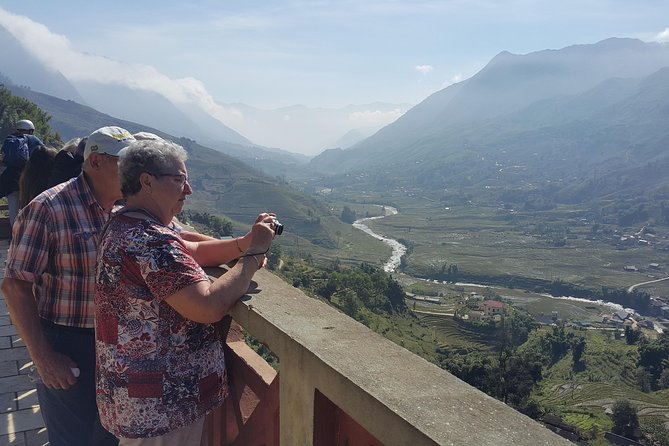
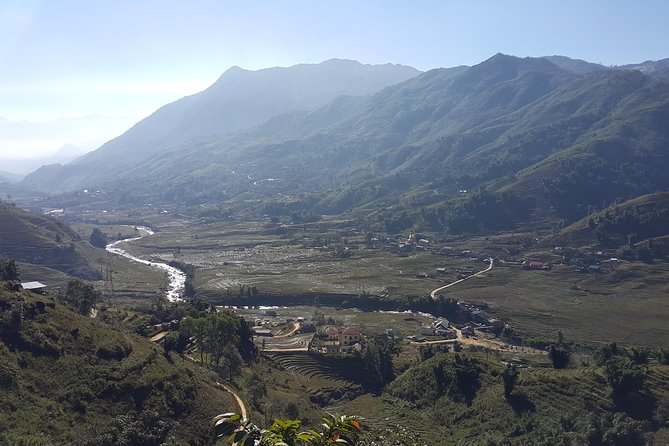
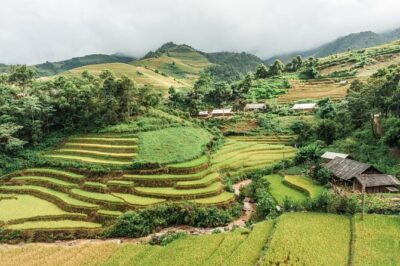
The day starts with a viewpoint that gives you immediate context. Lao Chai sits about 6 km from the town center, and the overlook starts from the high point of the main road around 8 km from Sa Pa town. From there you get a broad panorama: the village with terraces below, backed by mountains and facing the river. It’s the kind of view that makes you understand why people settle here—the geography does the shaping.
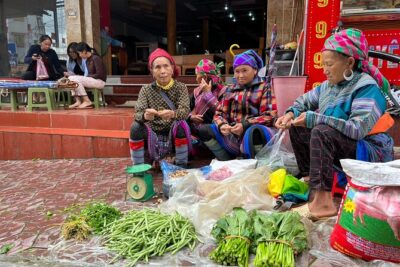
Then comes the cultural part. Lao Chai is where Black Hmong families live, and it’s tied to the Muong Hoa valley. You’ll see terrace fields and get a chance to visit and talk with families across the village. The tone here is meant to feel welcoming. In a place like this, the difference between a quick photo stop and a real conversation is everything.
What to watch for on this stop: the viewpoint time is about 2 hours, so it’s not just “look once and move on.” If the weather turns windy or your layers are off, this is where you’ll feel it first. Come prepared, and you’ll get more out of it—because the village details start making sense when you can stand still and look.
Stop 2: Ta Van rice terraces, suspension bridge, and rock carvings
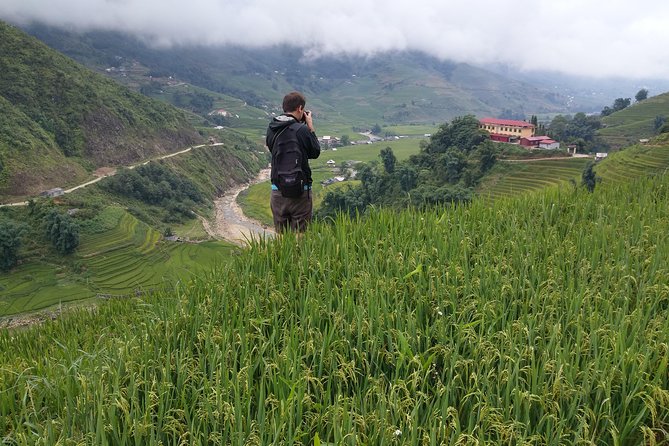
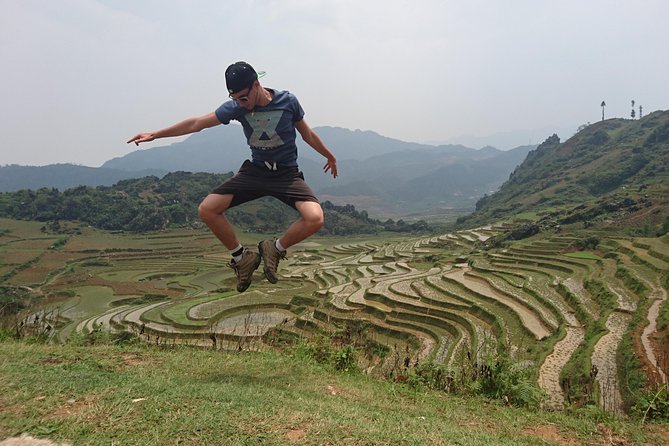
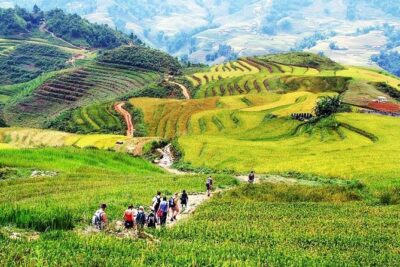
After Lao Chai, the trek continues through colorful rice terraces toward Ta Van. This leg keeps you close to the water’s rhythm in the Muong Hoa valley. You’ll walk along the river and cross a small suspension bridge roughly 2 km from the settlement. Bridges are more than scenery here—they add movement and a sense that the villages connect by footpaths, not just roads.
A standout moment is the rock carvings you can discover around the area. The engravings depict images of man, stilt houses, and decorative patterns. Even if you don’t fully interpret every symbol on your own, seeing these marks in context makes the place feel older than the tourist map. It also gives your guide a natural entry point for explaining what you’re seeing in real, human terms.
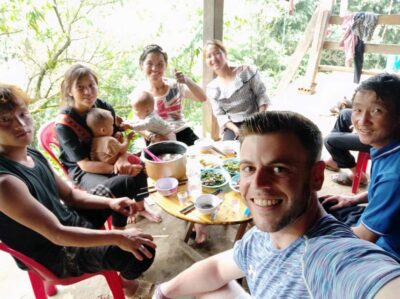
Lunch is part of the Ta Van experience. You’ll have lunch at a home in the village with typical local food. This is one of the most valuable segments of the whole day because it ties the walk to everyday life. It’s also usually where you meet people who aren’t performing a show. You’ll come away with stories that don’t feel like bullet points.
One practical consideration: this stop is listed at about 2 hours, so if you get slow from sightseeing (easy to do in terraces), you still have time—but don’t plan to linger in every photo angle. The day flows forward for a reason.
Stop 3: Giang Ta Chai Red Dao hike through bamboo and a waterfall break
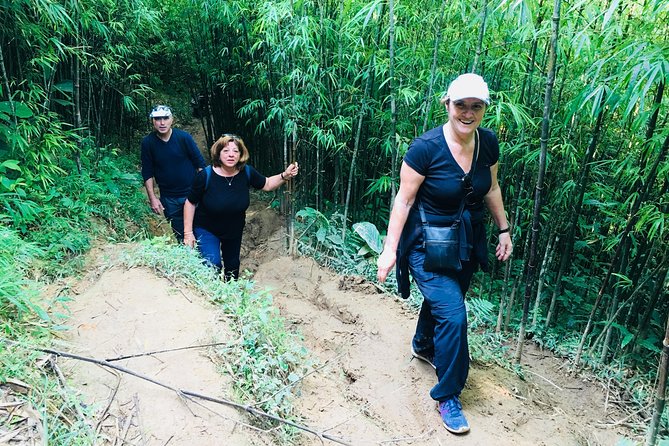
After lunch, the route turns greener in a different way. The walk continues through a bamboo forest toward Giang Ta Chai, the Red Dao ethnic minority village. Bamboo forests have their own sound—less open view, more quiet movement—and that shifts the feel of the day from wide valley panorama to shaded footpath trekking.
There’s also a rest stop near a waterfall. This is your chance to reset your legs and catch your breath without rushing. Then you’ll start climbing uphill toward a road where your car is ready for the return journey back to Sa Pa.
This uphill climb is the one part of the day where your fitness level matters most. The tour suggests moderate physical fitness, which usually means you should be comfortable walking for hours and handling climbs—even if you’re not a hardcore hiker. If you take your time, keep steady steps, and don’t go out too fast in the bamboo shade, this stop becomes one of the most memorable parts.
Worth a glance beside this Sapa pick:
- Number one top rated ethical cultural trekking and homestay by ETHOS★ 5.0 · 456 reviews
- 1-day Authentik trek & Panorama valley views★ 5.0 · 189 reviews
- 1 day Fansipan Trekking★ 5.0 · 180 reviews
Timing and group setup: what the 6–7 hour schedule feels like
This is a 6 to 7 hour day. That’s a sweet spot if you want real village contact without committing to a full multi-day trek. The schedule also explains why the pace can feel efficient: three village segments, viewpoint time, lunch, plus transit.
The good news is the group setup is private. Your tour is private, meaning only your group participates, and the itinerary doesn’t have the chaos of merging with lots of strangers. It also helps with questions—if you’re curious about daily life, customs, or the geography behind farming and terraces, a smaller group makes it easier to ask and get answers.
Pickup is offered, and private transportation handles the connections between the places. That reduces stress, especially if weather turns or you want your energy for the walking sections.
Practical packing for cool mornings and possible snow
If you remember just one thing, remember this: Sa Pa can feel colder than the number on a weather app. With averages around 15–18°C, mornings can bite. Winter can include snow, and even without snow you’ll likely feel cool air up high.
Pack for layers:
- A warm top for morning and viewpoint time
- Something wind-resistant for exposed sections
- Comfortable walking shoes with grip
- A light rain layer, if clouds roll in
- A small day bag so you’re not juggling items during climbs
Also bring water habits in mind. Bottled water is included, but you’ll still feel better if you sip regularly instead of waiting until you’re tired. On a day with multiple village stops, your energy becomes your sightseeing tool.
And if snow is on the scene, expect your feet and hemline to matter. Slippery ground can happen fast when snow meets foot traffic. Keep your shoes ready for change.
Who this Sapa day trek is best for
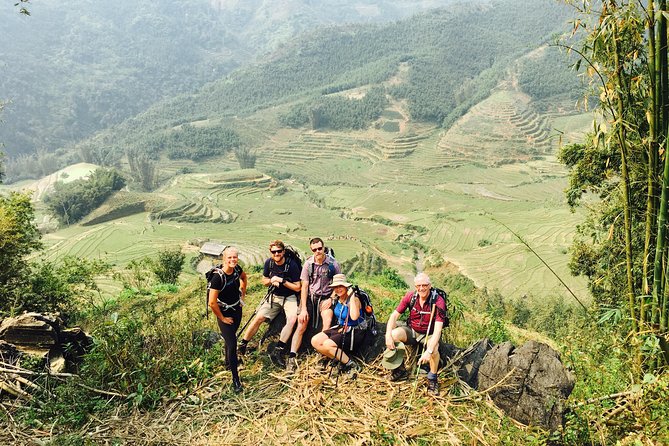
This trek suits you if you want:
- Culture + walking in one day
- A guided day with entrance fees, lunch, and bottled water already handled
- Village variety: Black Hmong, Giay, and Red Dao communities
- Views that start wide (Lao Chai) and end with calmer trail paths (bamboo and waterfall area)
It’s also a good match if you like practical itineraries. The stops are clearly defined, and the day is structured so you don’t waste time wondering what’s next.
If you’re very sensitive to cold, have very limited mobility, or hate uphill sections, you might find the short day still feels demanding. The schedule is packed for value, not for lingering.
What stood out from a top-rated experience: good food, good info, and local trails
One highly rated experience called out a few things that line up with what this route is designed to do: great food, good company, and interesting information about the area. That “interesting information” part matters on these cultural stops. When a guide can explain what you’re seeing—terraces, village patterns, and the meaning behind carved rock details—the whole walk feels more alive.
Another highlight mentioned was buffalo trails. Even without that being the formal headline, it points to the kind of path you may end up on: practical footways that locals and animals share. That’s part of why this style of trekking feels real. You’re not on an amusement park path. You’re on working land.
Should you book this 1-day Sapa trekking tour?
Book it if you want a value-packed Sapa day that mixes three minority villages, guided context, and lunch without adding extra planning. It’s especially smart for first-timers who don’t want to commit to a multi-day trek but still want more than one viewpoint and a quick photo.
Skip it or consider alternatives if you hate uphill climbs, you need lots of downtime, or you’re visiting when cold and rain would make a 6–7 hour day hard to enjoy. This trek is designed for movement and variety, not for slow touring.
If you do book, plan your clothing for a real mountain day, start comfortable, and keep a steady pace. You’ll get the best version of the experience: village conversations, terrace views, and a Sapa day that changes feel as often as the clouds do.
FAQ
How long is the Sapa 1-day trekking experience?
It runs about 6 to 7 hours.
How much does the tour cost?
The price is $45.00 per person.
Is pickup included?
Pickup is offered, and private transportation is included.
Which villages do you visit?
You’ll visit Lao Chai village, Ta Van village, and Giang Ta Chai village.
What’s included in the price?
Included are a local English-speaking guide, lunch, bottled water, private transportation, and entrance fees to the indicated sites.
Is lunch included, and what kind of food is it?
Yes. Lunch is included, and you’ll eat at a home in Ta Van with typical local food.
Do I need to be in good shape?
The tour is best with moderate physical fitness since it involves walking and some uphill climbing.
What should I bring if the weather is cold or snowy?
You should plan for cool conditions and possible snow in winter. Dress in layers and bring comfortable walking shoes.
What is the cancellation/refund window?
You can cancel for a full refund up to 24 hours before the experience’s start time. Canceling less than 24 hours before doesn’t get refunded.
More Tours in Sapa


More Tour Reviews in Sapa

More Sapa Treks We Walked
Latest Sapa write-ups from our team



Sapa Trekking Tours, compared.
 ★ 5.0Sapa 2 Days 1 Night From Hanoi – Overnight in Ta Van VillageFrom $592,669 reviews
 ★ 5.0Hanoi – Sapa 2 Days 1 Night Overnight At HomestayFrom $89899 reviews
 ★ 5.0Sapa: Fansipan Cable, Cat Cat Village & Moana Instagram TourFrom $30777 reviews
 ★ 4.8From Hanoi: 2-Day Sapa Trekking Trip with Homestay & MealsFrom $71704 reviews
 ★ 5.0Sapa 3 Days 2 Nights Trekking Tour (1 Night In Ta Van Village, 1 Night In Hotel)From $139699 reviews
 ★ 5.03-Day Trekking Adventure of Sapa from Hanoi – Stay Ta Van VillageFrom $109611 reviews
 ★ 4.82-Day Sa Pa Ethnic Homestay Tour & Trek with Limousine Bus440 reviews
 ★ 5.0Sapa 2 Days 1 Night From Hanoi – Overnight in HotelFrom $89440 reviews
Browse the lists this tour appears in