
Reviewed · SAPA TREKKING TOURS
Sapa hard trekking villages homestay 3days/ 2nights tour – amazing culture
Rice terraces and village life, no tour-bus view. This Sapa hard trekking villages homestay trip turns northern Vietnam into footpaths, not just photos, with small-group pacing (max 15) and an English-speaking guide who helps you make sense of what you’re seeing.
I like the homestay rhythm most: dinner and cooking with the Giay family in Ta Van, then mornings that start with pancakes, hot tea or coffee, and rice-terrace views before you trek again. One consideration is that it’s a long-walking schedule (Day 2 is especially full), and rooms are basic with sharing bathrooms, so you’ll want to be okay with simpler comforts and variable cleanliness.
In This Review
- Key things to know before you go
- Why This Sapa Trek Feels Like a Real Rural Day (Not a Checklist)
- Day 1: Ta Van Terraces, Hmong Villages, and a Giay-Family Dinner
- Day 2: Bamboo Forest, Silk Waterfall, Picnic Lunch, Then Ban Ho Tay Homestay
- Day 3: River Walk to Red Dao Nam Toong, Lavie Water, and Back to Sapa
- Price and Value: Why $110 Can Make Sense Here
- Comfort, Weather, and What “Hard Trekking” Means for You
- Culture and Village Visits: What You’ll Actually Learn to Notice
- Who Should Book This Trek (And Who Might Skip It)
- Quick FAQ
- FAQ
- How long is the Sapa homestay trekking tour?
- What is the meeting point and start time?
- Does the tour include meals and accommodation?
- What villages and ethnic groups are included?
- Is pickup and transport included?
- What should I know about drinks?
- What happens if weather is bad?
- Should You Book This Sapa Villages Homestay Trek?
Key things to know before you go
- 2 nights in local houses with shared meals and real family time, not just a quick stop
- Rice-terrace village walking through Hmong areas like Y Linh Ho, Lao Chai, and Ta Van
- Bamboo forest and a silk waterfall trek that gives you cooler shade and big-picture scenery
- Multiple ethnic village visits including Tay in Ban Ho and Red Dao in Nam Toong
- Meals and trekking fees included so $110 covers the essentials, not just the guide
Why This Sapa Trek Feels Like a Real Rural Day (Not a Checklist)
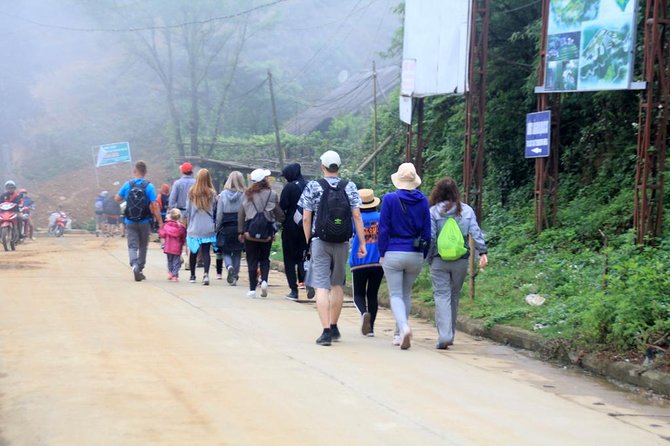
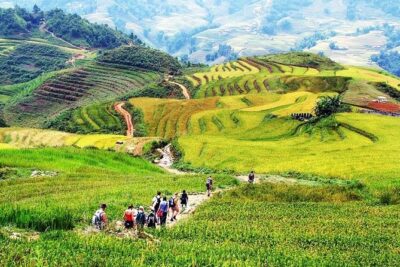
This tour is built around one simple idea: walking through Sapa’s rural villages at a human pace. With a maximum group size of 15, you’re less likely to get stuck behind a slow-moving crowd, and your guide can slow down for questions or speed up if everyone feels good. That matters on a route that’s more than a gentle stroll.
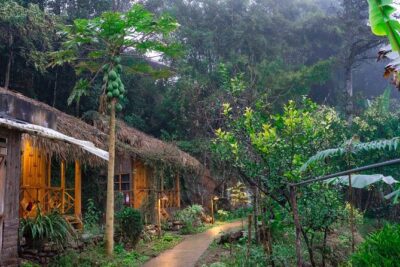
You also get real “daily life” contact through homestays—two nights in local houses instead of just a hotel base. That’s where the trip earns its name. One night is with a Giay family in Ta Van, and another night is in Ban Ho with a Tay household. You’ll eat together, and you’ll see how people structure a day around farming, cooking, and community.
The tradeoff: this isn’t a soft, scenic drive-by. Day 2 runs long, and the homestay rooms are described as basic with sharing bathrooms. If you’re the type who wants hotel-level comfort every night, you’ll feel the difference. But if you like simple places and you’re here for culture and the walk itself, the format is strong value.
More trails through the Sapa valleys

Day 1: Ta Van Terraces, Hmong Villages, and a Giay-Family Dinner
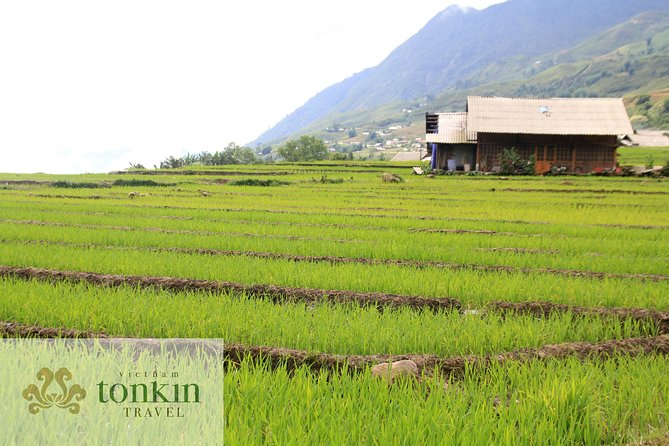
Day 1 starts with pickup from your Sapa hotel or from the bus station around noon, then a meeting at Delta Sapa Hotel. The first real walking begins later in the afternoon, around 2:30 PM, when you head downhill toward Y Linh Ho, a village inhabited by the Hmong minority.
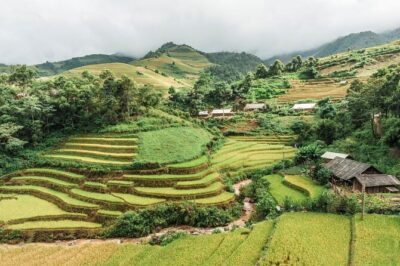
This is a good start because it mixes scenery with cultural context. Y Linh Ho is known for hereditary rice terraces estimated around 100 years old, so you’re not only taking photos—you’re seeing a working farming system that’s been shaped over generations. From there, you continue toward Lao Chai, a Hmong village area where you’ll get views, a short break, and time to enjoy the scenery before you move again.
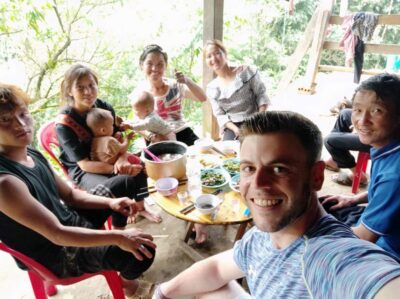
Then comes Ta Van. The tour frames Ta Van as an established Hmong and Giay village, and that’s where the homestay part becomes the main event. You’re warmly welcomed by a local Giay family and stay their home for the night. Dinner isn’t just a plate—it’s shared time, including cooking and eating together with the family.
What I love about Day 1: the route feels like it’s “teaching you how to look.” You go from terrace views to village life without it feeling scripted.
What to watch: you’ll spend about 7 hours walking and moving around that first afternoon, so plan your energy like you’re starting a real trek, not a casual sightseeing day.
Day 2: Bamboo Forest, Silk Waterfall, Picnic Lunch, Then Ban Ho Tay Homestay
Day 2 begins with the kind of morning you don’t get in town. You wake up to farm sounds like a rooster or pigs, then have breakfast outdoors—pancakes plus hot tea or hot coffee. After that, you say goodbye to the local community and head into the trek proper.
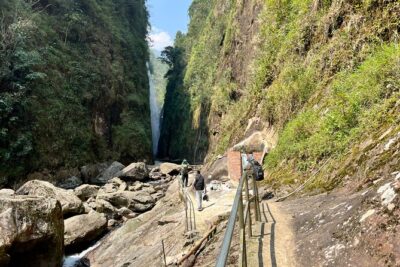
The walking route goes through an enchanting bamboo forest and toward a place described as a silk waterfall. Even if the exact waterfall flow varies with weather, the idea is clear: you’re trading village paths for shaded, natural corridor time. This is also where the tour’s “hard trekking” label makes sense. Day 2 runs about 15 hours total, so it’s the long one.
Midway, you stop for a picnic lunch with scenic views. Then you keep trekking onward to Ban Ho village, where you receive a welcome from the Tay minority. Dinner is again with the local family, and you overnight in the Ban Ho homestay.
Why this day is worth it: it balances culture with nature. You don’t spend the whole time in villages, and you don’t spend the whole time hiking without context. The bamboo forest stretch and the waterfall approach give you that sense of changing environments as you move through the valley system.
The main drawback to plan for: Day 2 is long. Even with breaks, you should assume you’ll be active for most of the day. If you’re prone to fatigue, you’ll want to pace yourself early and not “race” the group.
Day 3: River Walk to Red Dao Nam Toong, Lavie Water, and Back to Sapa
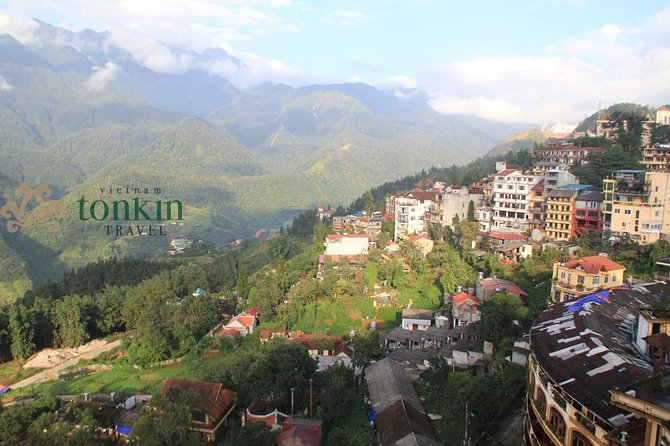
Day 3 is shorter than Day 2, but it still keeps the same village-and-nature mix. You wake up at the Ban Ho homestay for breakfast, then take a walk along the river toward Nam Toong village, described as the village of the Red Dao minority.
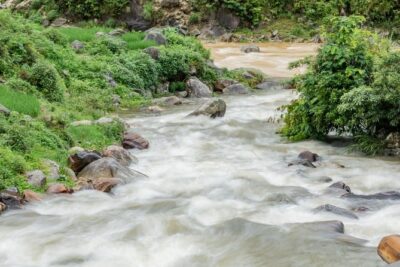
This part of the day feels more like a “slow stretch” than a sprint, with river scenery guiding you along. You then walk back to Ban Ho. The tour also includes a chance to dip in fresh water close to Lavie waterfall. It’s optional in the phrasing, but it’s a nice way to cool down before you head back.
After that, you return to the homestay for lunch. Then you transition back to vehicles: you go by car to return to Sapa around 2:00 PM, shower at your hotel, and then catch a shuttle to the bus office around 3:00 PM for the ride back to Hanoi. You’ll also be given sandwiches to take away before you leave.
What I think makes Day 3 work: it ends with a real reset. You get morning nature time, a village visit, then food, a shower, and you’re not left scrambling right before your bus.
One thing to keep in mind: because you’re heading back to bus check-in on Day 3, you’ll feel the schedule. It’s not a “stay all day” kind of trek day—more like a full morning plus a clean exit.
Price and Value: Why $110 Can Make Sense Here
At $110 per person for about 3 days and 2 nights, this tour is priced like a basic budget trekking package—except the “basic” part is mostly about facilities, not about what’s included. The tour lists pickup (from Sapa hotels or bus station), an English-speaking guide, entrance and sightseeing fees, and the full trekking trip. It also includes all meals: 2 breakfasts, 3 lunches, and 2 dinners.
That inclusion matters in Sapa. Once you factor in guide time, village/route access fees, and where you’ll eat, the actual costs add up fast if you try to piece it together yourself. Here, you pay one number and get the logistical pieces handled: transport during the program, homestay nights, and the meals that keep you fueled for long walking days.
Where the value gets tricky is not the price—it’s your comfort level. Homestays are basic, with sharing bathrooms. So you’re buying culture and access, not five-star rooms. If you need private bathroom comfort and spotless linens every time, you might find the standard frustrating. One small red flag that comes up is that accommodation quality can vary, including reports of cleanliness issues at a hotel stop.
My practical take: $110 is fair value if your priority is village life, guided walking, and included meals. It’s not the best fit if your priority is hotel-level comfort and total certainty about bedding cleanliness.
Worth a glance beside this Sapa pick:
- Number one top rated ethical cultural trekking and homestay by ETHOS★ 5.0 · 456 reviews
- 1-day Authentik trek & Panorama valley views★ 5.0 · 189 reviews
- 1 day Fansipan Trekking★ 5.0 · 180 reviews
Comfort, Weather, and What “Hard Trekking” Means for You

This is called a hard trekking villages tour, and the day length supports that. Day 1 is around 7 hours, Day 2 is about 15 hours, and Day 3 is around 8 hours. Those numbers don’t mean you walk nonstop, but they do mean your body will be working most of the day on the long route.
Weather is also a real factor. The experience requires good weather, and if it’s canceled due to poor conditions, you’ll be offered a different date or a full refund. That’s important in Sapa, where fog and rain can change footing and reduce visibility.
So how should you judge fit? If you can handle multi-hour walking and you’re comfortable with basic accommodations, you’ll likely find this an excellent balance of effort and reward. If you want mostly flat strolls, shorter days, and private comfort, you may feel worn down.
Finally, consider beverages and drinks. Those aren’t included. You’ll want to budget for any water or drinks you prefer during the trek and between meals.
Culture and Village Visits: What You’ll Actually Learn to Notice
This tour doesn’t treat villages like a photo backdrop. It links each stop to a specific community and a setting. For example, you start with Hmong areas like Y Linh Ho and Lao Chai, then move into Ta Van, described as Hmong and Giay. Those early stops are good for understanding terrace farming and how communities shape the mountain edges.
Then the focus shifts. You head into a natural corridor through bamboo and toward the silk waterfall. Later, you reach Ban Ho and connect with the Tay minority through the homestay. On Day 3, you walk toward Nam Toong village of the Red Dao minority, and you get one more round of village rhythm before returning to Sapa.
Guide quality is a big part of this experience. In the past, guides associated with David Tran Travel – Day Tours have included people like Ha, Tran, Jack, Dem, Dinh, Lu, and Hung. The consistent theme from what I’ve seen mentioned is clear English explanations paired with a friendly style. That combination makes a difference when you’re trying to understand what you’re looking at—terraces, village roles, and daily routines.
Key takeaway: the most meaningful part isn’t just meeting families. It’s how much easier it is to appreciate the place when your guide explains what the village life is built around.
Who Should Book This Trek (And Who Might Skip It)
Book it if you want:
- Homestay nights in local houses with meals included
- Village visits that focus on Hmong, Tay, and Red Dao community areas
- A guided walking trip with a max group size of 15
- The kind of Sapa experience where the day is planned, but your pace is still respected
Consider skipping or switching to a gentler option if:
- You need hotel-quality rooms and private bathroom comfort
- You’re not comfortable with long walking days (especially Day 2)
- Cleanliness standards are strict for you, since accommodation quality can vary
If you’re an active traveler who likes culture on foot, this tour is a strong match. It gives you structure, meals, and access—without feeling like a rushed conveyor belt.
Quick FAQ
FAQ
How long is the Sapa homestay trekking tour?
It’s a 3-day, 2-night experience in Sapa, with walking days that last roughly 7 hours on Day 1, about 15 hours on Day 2, and around 8 hours on Day 3.
What is the meeting point and start time?
The meeting point is Delta Sapa Hotel (031 Ng. Cầu Mây, TT. Sa Pa, Sa Pa, Lào Cai 330000, Vietnam), and the start time is 1:00 PM.
Does the tour include meals and accommodation?
Yes. It includes 2 nights of accommodation in local houses and all meals: 2 breakfasts, 3 lunches, and 2 dinners.
What villages and ethnic groups are included?
You visit Hmong areas including Y Linh Ho and Lao Chai, then Ta Van (Hmong and Giay). You also trek to Ban Ho (Tay) and visit Nam Toong village (Red Dao). Giang Ta Chai is also included as a trek stop.
Is pickup and transport included?
Yes. You’ll have pickup from your hotel in Sapa or the bus station around noon time, and an air-conditioned vehicle is included. On Day 3 you’ll be taken back to Sapa and then transferred to the bus office.
What should I know about drinks?
Beverages and drinks are not included, so you’ll want to plan for water or other drinks separately.
What happens if weather is bad?
The experience requires good weather. If it’s canceled due to poor weather, you’ll be offered a different date or a full refund.
Should You Book This Sapa Villages Homestay Trek?
Yes, if you want a real trekking day plus meaningful village contact, and you’re okay with basic homestay comfort. The value is strong because the price covers the guide, entrance and trekking fees, transport during the program, and your meals for the full 3 days. That lets you focus on walking, terraces, and family time instead of managing logistics.
I’d especially recommend it to active outdoor lovers who can handle a long Day 2 and who are curious about how Hmong, Tay, and Red Dao communities live across the hills. If you’re comfort-first or cleanliness-sensitive, use extra caution and set expectations about basic rooms before you commit.
More Tours in Sapa
More Tour Reviews in Sapa
More Sapa Treks We Walked
Latest Sapa write-ups from our team


Sapa Trekking Tours, compared.
 ★ 5.0Sapa 2 Days 1 Night From Hanoi – Overnight in Ta Van VillageFrom $592,669 reviews
 ★ 5.0Hanoi – Sapa 2 Days 1 Night Overnight At HomestayFrom $89899 reviews
 ★ 5.0Sapa: Fansipan Cable, Cat Cat Village & Moana Instagram TourFrom $30777 reviews
 ★ 4.8From Hanoi: 2-Day Sapa Trekking Trip with Homestay & MealsFrom $71704 reviews
 ★ 5.0Sapa 3 Days 2 Nights Trekking Tour (1 Night In Ta Van Village, 1 Night In Hotel)From $139699 reviews
 ★ 5.03-Day Trekking Adventure of Sapa from Hanoi – Stay Ta Van VillageFrom $109611 reviews
 ★ 4.82-Day Sa Pa Ethnic Homestay Tour & Trek with Limousine Bus440 reviews
 ★ 5.0Sapa 2 Days 1 Night From Hanoi – Overnight in HotelFrom $89440 reviews
Browse the lists this tour appears in