
Reviewed · SAPA TREKKING TOURS
Sapa Half Day Local Farming Experience
Farming beats the usual Sapa routine. This half-day trip takes you from town to Sa Xéng Village for hands-on food and real work in the fields. You’ll walk partway through the valleys, cook with a Hmong family, then help with simple farming tasks before heading back.
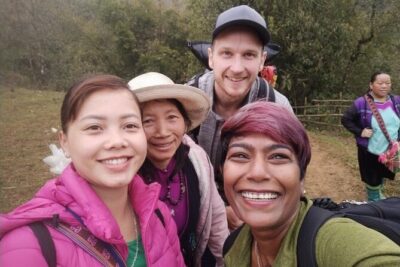
What I really like is the combination of cooking and daily village life. One guide who stood out was Su, who took her time with everyone, explained patiently, and even helped capture great photos. You’re not rushing from viewpoint to viewpoint.
One consideration: it’s active. You should be ready for a moderate trek/walk (and weather can turn foggy or rainy fast), so wear grippy shoes and bring a rain layer.
In This Review
- Key things that make this Sapa half-day special
- The Sapa half-day that trades viewpoints for village work
- Walking from Sapa town to Sa Xéng Village (2.5 km of real scenery)
- The cooking session with a Hmong family: pick your dish and learn the method
- Farming tasks in the gardens: pick, harvest, water, and help with animals
- Village stroll and cultural stories: daily life, Hmong traditions, and context
- Price and value: what $35 includes (and why it’s not just a bargain)
- Weather reality in Sapa: foggy fields still count
- Who this tour is best for (and who may want another option)
- Should you book this Sapa half-day local farming experience?
- FAQ
- FAQ
- How long is the Sapa half-day farming experience?
- Is this a private tour?
- Where do I meet and where does the tour end?
- Do I walk as part of the tour?
- What can I cook during the class?
- What farming activities might I do at the village?
- Is transportation included?
- What’s included in the tour price?
- Is free cancellation available?
Key things that make this Sapa half-day special
- Choose the dish you cook, then eat what you make for brunch
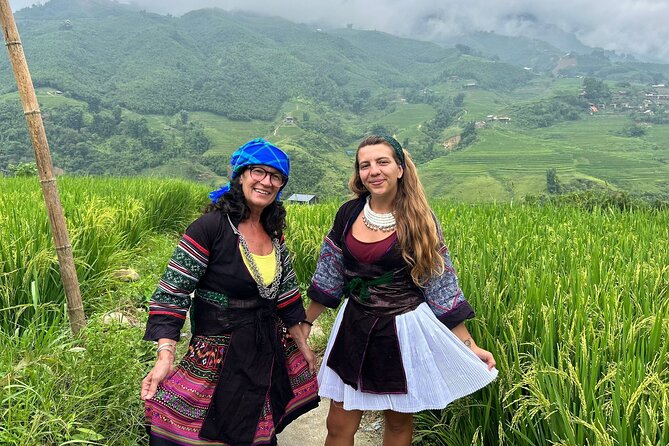
- A 2.5 km walk with panoramic valley views before you reach the village
- Real farming tasks like picking vegetables, watering plants, and tending animals
- Buffaloes and goats show up as part of everyday farm life
- Guides like Su and Như focus on clear explanations and great photo moments
- Private format means only your group goes, with bottled water and ingredients included
The Sapa half-day that trades viewpoints for village work
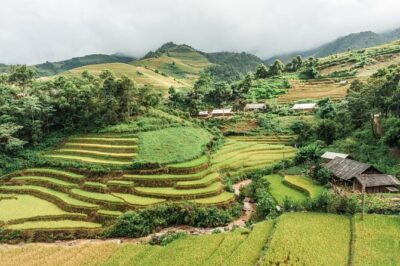
Sapa can be all angles and photo stops. This experience flips the script. Instead of spending your time chasing views, you spend it learning how daily life works in and around Sa Xéng Village, a peaceful Hmong community surrounded by mountains and gardens.
The vibe is simple: walk in, cook with care, then join in small farming activities. It’s the kind of trip where you start noticing details—how people move through gardens, how animals are managed, and how food connects to the seasons around Sapa.
You’re also not stuck in a giant crowd. This is a private tour/activity, so your group stays together and your guide can actually answer questions without looking at the next stop on a timer.
More trails through the Sapa valleys
Walking from Sapa town to Sa Xéng Village (2.5 km of real scenery)
The day starts in or near central Sapa. You’ll meet at Lotus Aroma Sapa Hotel (Tổ 5, phường, Sa Pa, Lào Cai) and the experience finishes back in the center at Sa Pa Stone Church (P. Hàm Rồng). That ending point is handy because it puts you close to where you’ll likely want to wander afterward.
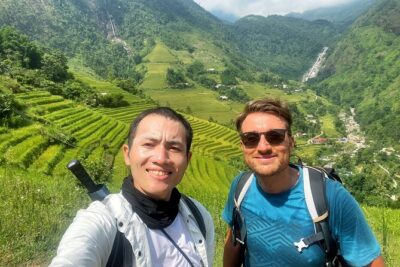
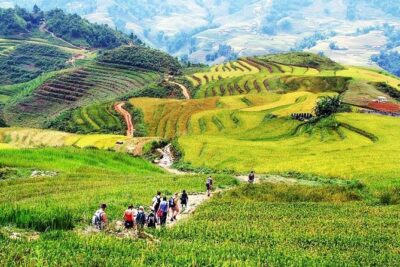
The route includes a 2.5 km walk from Sa Pa Market. As you move, you get panoramic views over valleys and villages. It’s not a hardcore hike, but it does mean you’ll be on your feet and exposed to the weather.
Tip: bring comfortable shoes you trust on uneven ground. If it’s foggy or rainy, the walk can feel longer than the distance suggests. The upside is that cloudy weather can also make the mountain atmosphere more dramatic.
The cooking session with a Hmong family: pick your dish and learn the method
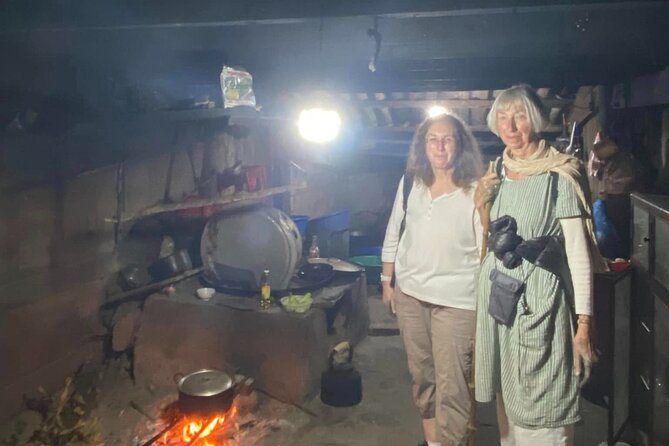
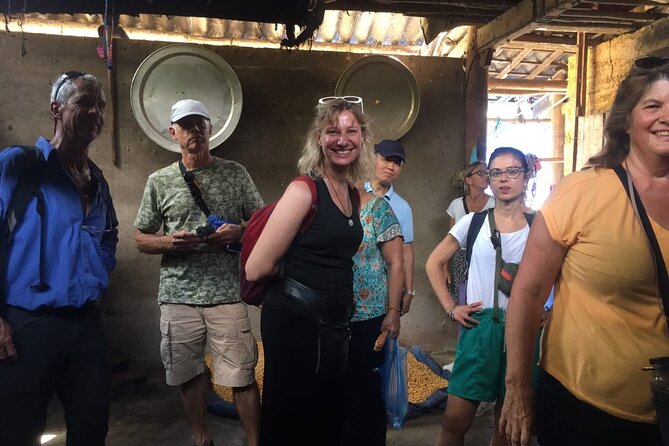
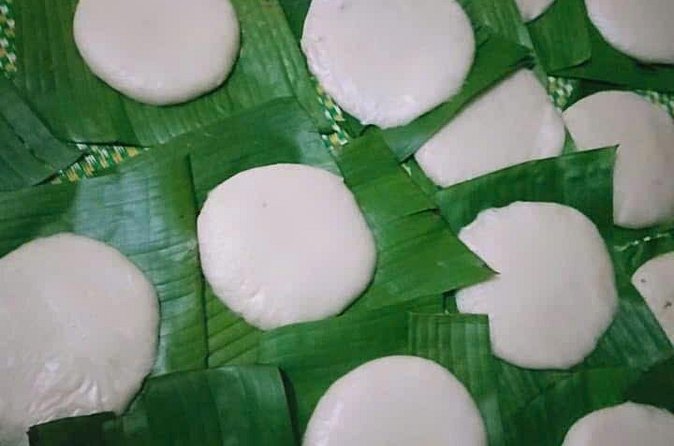
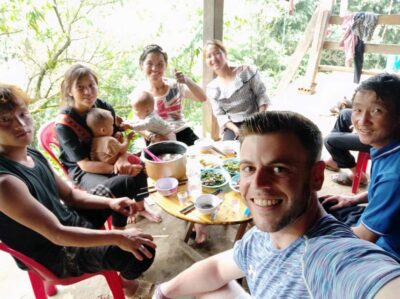
At Sa Xéng, the heart of the experience is a hands-on cooking class with a local Hmong family, led by a cooking instructor. The focus is that you choose one traditional dish to make. Your options include:
- colorful sticky rice
- Bánh Dày (chewy rice cake)
- Bánh Chưng (a local-style version)
- Mèn mén (a corn dish)
What matters for you isn’t just the menu—it’s that the class is hands-on and practical. You’re working with ingredients, learning steps, and then eating the results. The tour includes ingredients and brunch, so you’re not paying extra for food or hunting for lunch afterward.
I also like the way the guide keeps the pace friendly. One guide I got strong signals about is Su—she’s described as attentive, taking time to care for everyone and explain things clearly. Another guide, Như, was praised for making the experience great even when the weather was foggy and rainy. Translation: if conditions aren’t perfect, you still get a solid cultural and food experience.
If you’re the type who learns best by doing, this part will click fast. If you’re not into cooking, you’ll still get value from seeing how food preparation fits into everyday life in the village.
Farming tasks in the gardens: pick, harvest, water, and help with animals
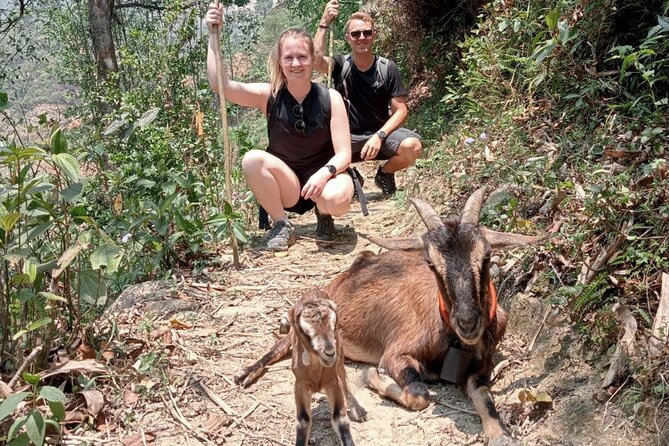
After cooking, you step into the gardens and start doing small farming activities. This is where the day turns from learning to doing.
Depending on what’s practical that day, you might help with tasks like:
- picking vegetables
- harvesting fruit
- watering plants
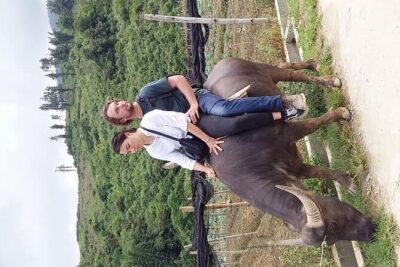
- helping care for buffaloes and goats
This is one of the most authentic parts of the trip because it’s not staged labor. You’re participating in normal work—simple actions that actually support daily farm routines.
You’ll also get plenty of photo opportunities. The experience isn’t just about taking pictures; it’s about seeing how mountain agriculture functions in real time—how people manage plants, how animals are part of the farm system, and how the gardens shape village life.
Practical note: farming work can be slightly messy. Even if you’re not fully covered in mud, expect outdoor conditions. A light layer you don’t mind getting dirty can make you feel more comfortable.
Village stroll and cultural stories: daily life, Hmong traditions, and context
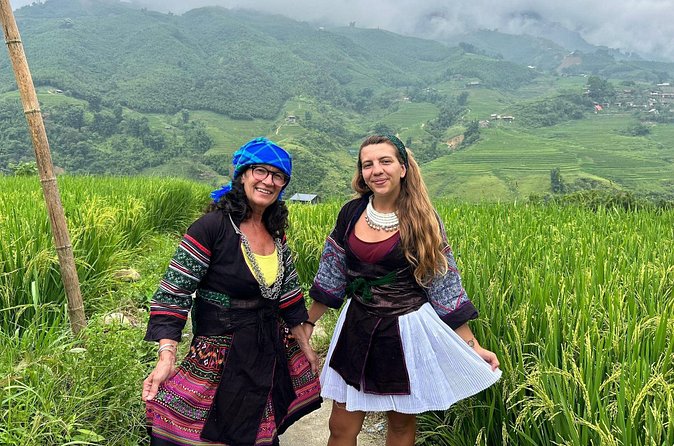
After the garden work, you join villagers in a quiet stroll through the village. This is the slower-paced part of the day, where you can observe daily life and hear your guide share stories about Hmong culture and traditions.
This portion matters because it gives meaning to what you just saw. If you only cooked and then left, the day would feel like a food activity plus a hike. With the village time, you start connecting the dots: food choices relate to local ingredients, farming relates to the seasonal rhythm, and traditions connect to how community life is organized.
Guides Su and Như both came through strongly in feedback for explanation and attention. Su was specifically noted for caring for everyone and for being a great photographer, which usually means she’ll guide you on where to stand, how to frame shots, and when to pause for the best views.
If you enjoy learning culture without turning it into a lecture, this is a good fit.
- Number one top rated ethical cultural trekking and homestay by ETHOS★ 5.0 · 456 reviews
- Motorbike 1 Day Off The Beaten Track, Hidden Villages, rice field★ 5.0 · 203 reviews
- 1-day Authentik trek & Panorama valley views★ 5.0 · 189 reviews
Price and value: what $35 includes (and why it’s not just a bargain)
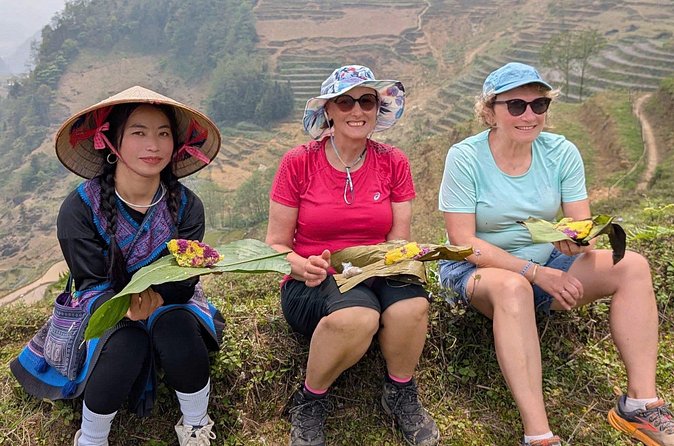
At $35 per person for a 4 to 5 hour experience, the value comes from what’s included.
Included items:
- Local guide speaking English
- Private transportation and pick-up back to Sa Pa Church
- bottled water
- ingredients for cooking
- brunch (the products you make)
- local cooking instructor
On paper, that might sound like a lot. In practice, it matters because it protects you from common travel hassles:
- You’re not arranging transport on your own.
- You’re not paying extra for a separate meal.
- You’re not getting a generic cooking demo where you watch but don’t eat what you make.
Also, the tour offers group discounts and uses a mobile ticket, which can be convenient if you’re trying to keep things simple while in Sapa.
Not included:
- insurance
- tips
That’s standard. But the bigger takeaway is that your money buys both time and structure—walk, cooking, farming participation, village stroll, and return transport—without you having to coordinate multiple pieces.
Weather reality in Sapa: foggy fields still count
Sapa weather can be unpredictable. If you end up with foggy, rainy conditions, you’re not automatically doomed to a bland experience. One guide, Như, was praised for making sure the experience stayed great even when it was foggy and rainy during the trek in the fields.
That’s a good sign for you because it suggests the guide adjusts the plan to keep you safe and still get you the best possible version of the day—especially for the garden work and cooking session, which are easier to manage than long outdoor-only hikes.
Pack for “uncertain mountain weather”: a rain layer, shoes with grip, and something warm enough for misty moments.
Who this tour is best for (and who may want another option)
This Sapa half-day farming and cooking experience is a strong match if you:
- want authentic village life instead of only viewpoints
- love food and want to actually make something and then eat it
- enjoy light active work (gardens, watering, picking) rather than just watching
- prefer a smaller, more personal group setting—this one is private for your group
It may be less ideal if you:
- want a long, intense trek with big climbs (this is described as a half-day experience)
- hate getting your hands a bit dirty or spending time outdoors in variable weather
- expect a totally indoor class with zero walking (there’s a 2.5 km walk component)
For most people who can handle moderate walking, it hits a sweet spot: culture plus hands-on work, without consuming your whole day.
Should you book this Sapa half-day local farming experience?
Yes—if your idea of a great Sapa day is food you make with locals and farming work you can help with, not just photo stops. The value is solid because the price covers guide support, private transport, ingredients, and brunch. You’ll also end right back near Stone Church, so you’re not stranded far from your next meal or coffee stop.
Before you book, just be honest with yourself about the walking and outdoor nature. Wear grippy shoes. Bring rain protection. If the weather is moody, it can actually make the mountain atmosphere feel extra real—especially during that walk and field time.
FAQ
FAQ
How long is the Sapa half-day farming experience?
It lasts about 4 to 5 hours.
Is this a private tour?
Yes. It’s described as a private tour/activity, with only your group participating.
Where do I meet and where does the tour end?
You meet at Lotus Aroma Sapa Hotel and end at Sa Pa Stone Church in central Sa Pa.
Do I walk as part of the tour?
Yes. The experience includes a 2.5 km walk from Sa Pa Market.
What can I cook during the class?
You choose one traditional dish to prepare, such as colorful sticky rice, Bánh Dày, a local-style Bánh Chưng, or Mèn mén (a corn dish).
What farming activities might I do at the village?
You may help with tasks like picking vegetables, harvesting fruit, watering plants, or helping care for buffaloes and goats.
Is transportation included?
Yes. Private transportation is included, with pick-up back to Sa Pa Church.
What’s included in the tour price?
Included are an English-speaking local guide, bottled water, private transportation, ingredients, brunch (the products you make), and a local cooking instructor.
Is free cancellation available?
Yes. You can cancel up to 24 hours in advance for a full refund.
More Tour Reviews in Sapa
More Sapa Treks We Walked
Latest Sapa write-ups from our team

Sapa Trekking Tours, compared.
 ★ 5.0Sapa 2 Days 1 Night From Hanoi – Overnight in Ta Van VillageFrom $592,669 reviews
 ★ 5.0Hanoi – Sapa 2 Days 1 Night Overnight At HomestayFrom $89899 reviews
 ★ 5.0Sapa: Fansipan Cable, Cat Cat Village & Moana Instagram TourFrom $30777 reviews
 ★ 4.8From Hanoi: 2-Day Sapa Trekking Trip with Homestay & MealsFrom $71704 reviews
 ★ 5.0Sapa 3 Days 2 Nights Trekking Tour (1 Night In Ta Van Village, 1 Night In Hotel)From $139699 reviews
 ★ 5.03-Day Trekking Adventure of Sapa from Hanoi – Stay Ta Van VillageFrom $109611 reviews
 ★ 5.0Sapa 2 Days 1 Night From Hanoi – Overnight in HotelFrom $89440 reviews
 ★ 4.82-Day Sa Pa Ethnic Homestay Tour & Trek with Limousine Bus440 reviews
Browse the lists this tour appears in