
Reviewed · SAPA TREKKING TOURS
Sapa Easy Trekking Tour 1 Day – Rice Paddies and Cultures
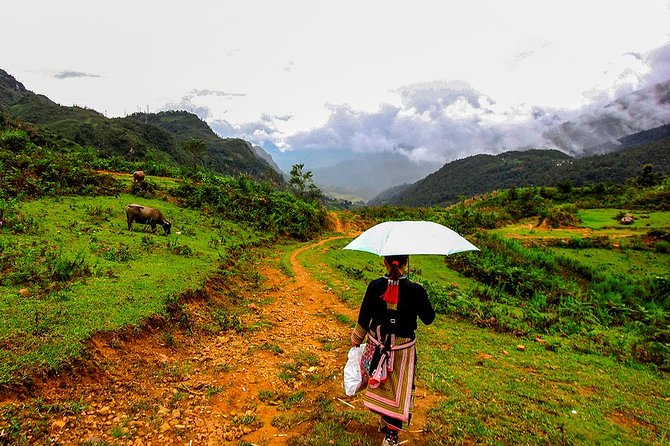
A good day in Sapa starts with a trail and ends with stories. This 1-day easy trekking option mixes mountain walking (up to about 1,900m) with visits to Black Hmong and Red Dao villages, plus Ta Phin Cave and plenty of countryside farm scenes. If you like seeing how people actually live, not just posing for photos, this hits the mark.
I especially like the way the tour builds from small details to bigger views: cardamom trees early on, then rice terrace scenery and animal encounters as you move between places. I also appreciate the small-group feel, with a maximum of 2 travelers, so your guide can answer questions without rushing the day.
One thing to consider: even if it is called easy, the route can include slippery slopes. If you need a slower pace, ask at the start and speak up early—one low rating called out pacing issues on wet ground.
In This Review
- Key highlights you will feel on day one
- Price and logistics: what $40 buys you in Sapa
- Meeting at Sapa Church and getting moving at 9:00am
- Cardamom valley to Suoi Ho: Black Hmong village basics
- Rice paddy views and animal encounters you can actually talk about
- Ta Phin’s Cave: a famous stop with a different kind of wow
- Red Dao village visit: comparing two cultures in one walking day
- Guide quality, pacing, and what easy really means
- What’s included (and what costs extra) + packing tips that matter
- Group size: why max 2 travelers can be a big deal
- Should you book Sapa Easy Trekking Tour 1 Day?
- FAQ
- Is pickup available for the Sapa Easy Trekking Tour?
- Where does the tour start and end?
- How long is the tour?
- What is included in the price?
- What is not included?
- What fitness level do I need?
- What happens if the weather is poor?
Key highlights you will feel on day one
- Two ethnic village visits (Black Hmong and Red Dao) instead of just one stop, so you get better context
- Ta Phin Cave, a well-known Sapa landmark that adds variety beyond rice paddies
- Farm-animal moments like water buffalo and other animals you see in daily village life
- Small group size (max 2 travelers) for a more personal experience
- Vegetarian lunch included, plus a small bottle of water to keep you comfortable
- Early 9:00am start from Sapa Church, which helps you beat crowds and light changes
Price and logistics: what $40 buys you in Sapa
At $40 per person for about 5.5 hours, you’re paying for more than a walk. You’re paying for a local guide, village entry fees, transport back to Sapa, and a vegetarian lunch (drinks are not included). For Sapa, that combination can be good value because you’re not just trekking—you’re getting guided access to places.
This tour also includes a pickup option and uses a mobile ticket, which is helpful when you’re juggling multiple bookings. It’s also described as near public transportation, so you should have an easier time positioning yourself in Sapa town if you’re not using the pickup.
One practical note: the tour expects good weather. If conditions are poor, you should be ready for a changed date or a full refund. That matters in a trekking day, because the scenery and the footing depend heavily on the day’s conditions.
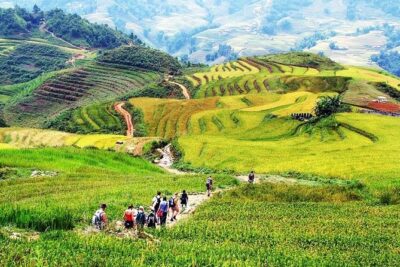
More trails through the Sapa valleys

Meeting at Sapa Church and getting moving at 9:00am
The tour starts at 9:00am, meeting at Sapa Church in Sapa town. After a short introduction, you head out on a small trail route that soon turns into a real walk—not just a stroll around town.
If you’re staying near the center, this is a convenient anchor point. It’s also helpful that the tour returns you back to the same meeting point, so you don’t have to figure out transport at the end when you’re tired.
I like early starts in Sapa because the day feels structured. You’re walking while the morning air still has bite, and you reach the village areas before the afternoon gets too hot or foggy (depending on season). Still, come prepared: if it’s misty, it can make slopes and steps slick, and that’s exactly when good shoes matter.
Cardamom valley to Suoi Ho: Black Hmong village basics
The day’s first big transition is the walk from Sapa toward Suoi Thau and then down to Suoi Ho, a small village of the Black Hmong minority. Before you even fully reach the village areas, you’ll spot cardamom trees growing in small valley pockets. That’s a nice reminder that Sapa isn’t only about rice terraces—people grow valuable crops on these slopes too.
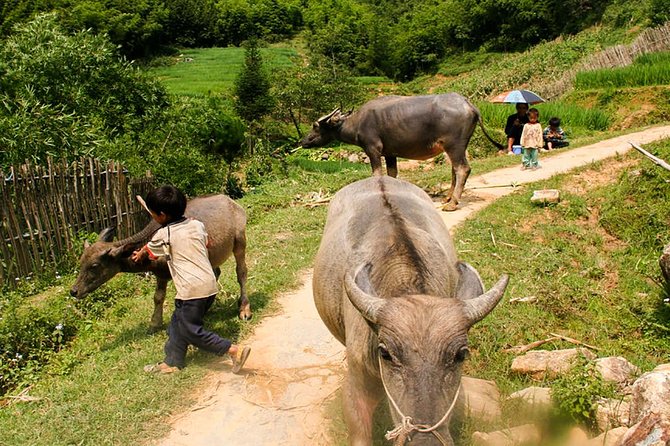
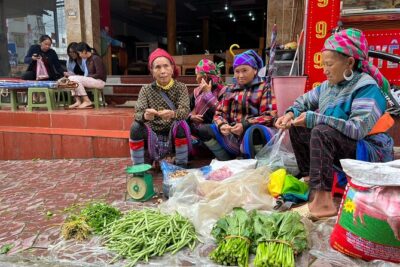
As you continue, you’ll reach the village area where you can see everyday life: the tour notes older, smaller houses and a sense of how families live close to the land. You may also encounter local farm animals used by residents, including water buffalo, chickens, dogs, and pigs.
Here’s what I think makes this stop valuable: it gives you a practical sense of village geography. You’re not just looking at scenery from a viewpoint. You’re walking through the same kinds of paths and valley routes that shape daily routine—school, chores, and crop work.
Drawback to keep in mind: the route includes walking down and moving between areas. If you’re sensitive to uneven ground, go slow and let your guide set the pace.
Rice paddy views and animal encounters you can actually talk about
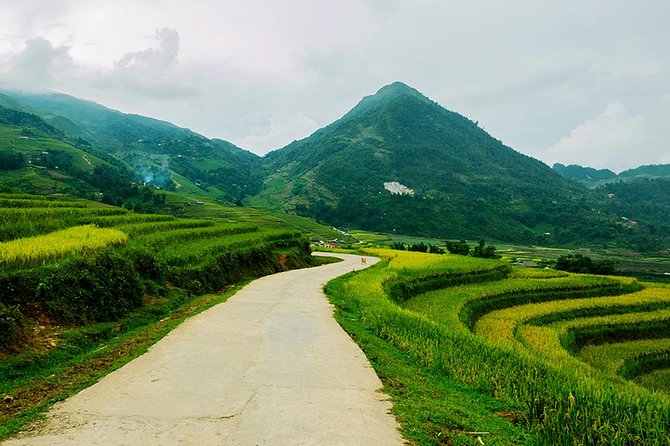
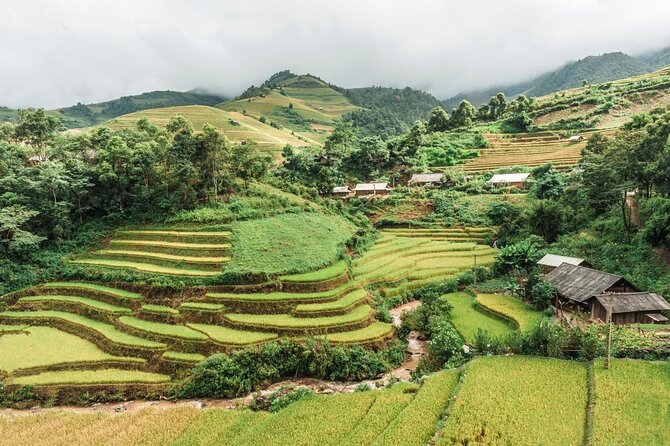
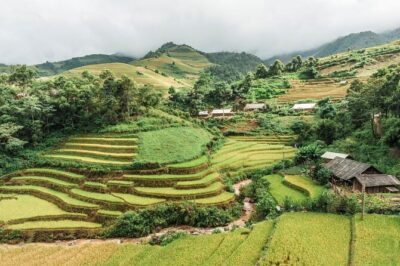
Once you’re moving along the route, the tour highlights rice terrace fields and mountain views while you transition between villages. In Sapa, rice terraces can be stunning, but the real win is that you experience them while people are living in the surrounding patterns of the land.
The animal part is also a good reality-check. You’re not seeing animals in a controlled zoo-like setting. You’re seeing them in the same farm environment where locals use them—especially water buffalo, which are strongly tied to hillside agriculture practices in the region.
If you’re curious, this is a great time to ask simple questions in a respectful way:
- How do families use these animals?
- What crops matter most in different seasons?
- What changes around terracing as weather shifts?
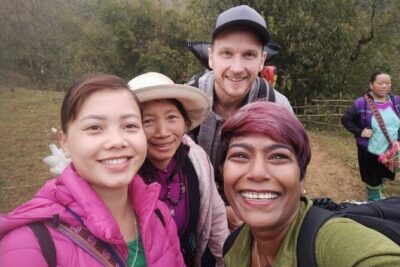
In two separate experiences with guides named Pang and Zhu, the standout theme was that the guide turned the walk into conversation. Pang was noted for sharing the best stories and information about life as a Hmong ethnic minority woman, and Zhu was praised for explaining nature and traditions. Even without an encyclopedia voice, a good guide helps you connect what you see to what it means locally.
Ta Phin’s Cave: a famous stop with a different kind of wow
After the village and valley walking, the day includes Ta Phin Cave, described as well-known in Sapa. This is a helpful change of pace because it breaks up a trek day that could otherwise feel like the same kind of scenery the whole time.
Caves naturally shift the mood: you go from bright open air to cooler, darker spaces. Even if you’re not a hardcore caving person, a stop like this gives you variety and a landmark to orient your memory of the day. It also helps you pace the walking rhythm, since getting to a cave stop can feel like a natural milestone.
The best way to enjoy Ta Phin is to go in ready for different textures: sounds, light, and even how you move on uneven ground. If the trail has been damp, take your time. One lower rating specifically mentioned slippery slopes and a guide who did not slow down when requested, so this is not the kind of situation to rush through.
Worth a glance beside this Sapa pick:
- Number one top rated ethical cultural trekking and homestay by ETHOS★ 5.0 · 456 reviews
- 1-day Authentik trek & Panorama valley views★ 5.0 · 189 reviews
- 1 day Fansipan Trekking★ 5.0 · 180 reviews
Red Dao village visit: comparing two cultures in one walking day
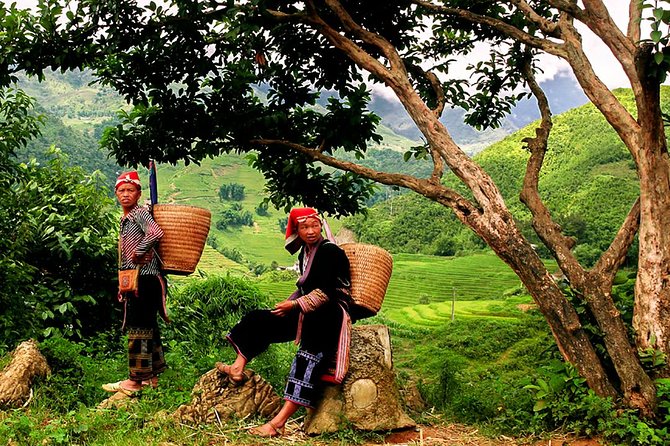
This tour doesn’t stop after Black Hmong areas—it also includes a visit to a second village, specifically another community linked to the Red Dao (spelled as Red Dzao in the tour notes).
Having both villages on one day is a big advantage. You get comparison without needing multiple separate tours. It also helps you avoid the common mistake of treating Sapa’s ethnic diversity as one single thing. These communities have different clothing traditions and distinct cultural rhythms, and while you won’t become an expert in a half day, you’ll get enough contact points to ask better questions and notice differences.
What should you watch for while you’re there? Stick to what the tour setting encourages:
- How people arrange daily life around the hillside
- How the village connects to nearby paths and terraces
- How your guide explains customs and day-to-day routines
If your guide is strong (and the ratings suggest most are), you’ll likely leave feeling like you understood more than you would from photos alone. People credited guides like Pang and Zhu for turning the day into stories and explanations, not just checkpoints.
Guide quality, pacing, and what easy really means
The biggest “make or break” factor here is pacing and communication. The tour description calls it easy trekking, and the reviews include one comment that the trek is manageable and about 11km, with stretches that can be mostly paved. That sounds encouraging.
But there’s also real-world variation. One unhappy review described slippery slopes and a guide who didn’t slow down after repeated requests. So I’d treat easy as relative:
- It’s manageable for someone with moderate physical fitness
- It’s still a real walking day with uneven ground at times
- Weather can change the difficulty fast
My practical advice: before you start, tell your guide your limits. If you need more breaks, say it early. And if you arrive already tired from other activities, consider going slower rather than trying to “power through” the first hour. Most guides want you to enjoy the day, not struggle through it.
What’s included (and what costs extra) + packing tips that matter
Here’s the practical breakdown of what you’re covered for:
- Lunch: vegetarian food is provided
- Transport back to Sapa
- Village entry fees
- Local guide
- 1 small bottle of water
- Pickup offered (based on the tour)
What’s not included:
- Drinks (the tour notes that drinks at the restaurant and homestay are not included)
- Personal travel insurance
- Tips
So bring a small cash amount for any drinks you want and any extras you decide you need during the day.
For packing, I’d focus on safety and comfort based on the trekking context:
- Shoes with good grip (the route can get slippery)
- A light layer, since altitude up to around 1,900m can make temperatures feel different than in town
- A small day bag for your water and essentials
You’ll be out around 5 hours 30 minutes, so avoid packing anything heavy you won’t need.
Group size: why max 2 travelers can be a big deal
This is one of the reasons I like this format. A maximum of 2 travelers means your guide can tailor the pace, answer questions, and adjust where you slow down for photos or for discussion.
That doesn’t guarantee a perfect experience, of course. The pacing complaint in one rating proves that guide behavior can still matter. But smaller groups generally make it easier to correct course quickly if you speak up.
If you prefer a quieter, more personal tour over a big group “line walk,” this one fits that style.
Should you book Sapa Easy Trekking Tour 1 Day?
Book it if you want a single-day plan that balances views, village culture, and a real guide-led explanation, and you’re okay with a moderate walking day. The combination of Black Hmong and Red Dao village visits, Ta Phin Cave, rice terrace scenery, and animal encounters is the heart of the value—especially at $40 with lunch and village fees included.
Skip it or choose a different pace if you know you struggle with slippery footing, or if you need very slow, careful walking. Even though it’s called easy, weather can make it harder. Your best move is simple: tell your guide your pace needs at the start, wear grippy shoes, and treat the day as a trek with culture stops—not a casual stroll.
FAQ
Is pickup available for the Sapa Easy Trekking Tour?
Pickup is offered, and the tour also lists Sapa Church as the meeting point for the 9:00am start.
Where does the tour start and end?
The tour starts at Sapa Church in Sapa and ends back at the same meeting point.
How long is the tour?
The duration is about 5 hours 30 minutes (approx.).
What is included in the price?
The price includes a vegetarian lunch, transport back to Sapa, village entry fees, 1 small bottle of water, and a local guide.
What is not included?
Not included are personal travel insurance, extra drinks (such as bottled water or beer) at the restaurant and homestay, and tips.
What fitness level do I need?
You should have moderate physical fitness. The route involves trekking and may include slippery slopes depending on conditions.
What happens if the weather is poor?
The experience requires good weather. If it’s canceled due to poor weather, you’ll be offered a different date or a full refund.
If you want, tell me your travel dates and fitness level, and I’ll help you decide if this is the right fit versus a slower or shorter Sapa trek.
More Tours in Sapa
More Tour Reviews in Sapa
More Sapa Treks We Walked
Latest Sapa write-ups from our team


Sapa Trekking Tours, compared.
 ★ 5.0Sapa 2 Days 1 Night From Hanoi – Overnight in Ta Van VillageFrom $592,669 reviews
 ★ 5.0Hanoi – Sapa 2 Days 1 Night Overnight At HomestayFrom $89899 reviews
 ★ 5.0Sapa: Fansipan Cable, Cat Cat Village & Moana Instagram TourFrom $30777 reviews
 ★ 4.8From Hanoi: 2-Day Sapa Trekking Trip with Homestay & MealsFrom $71704 reviews
 ★ 5.0Sapa 3 Days 2 Nights Trekking Tour (1 Night In Ta Van Village, 1 Night In Hotel)From $139699 reviews
 ★ 5.03-Day Trekking Adventure of Sapa from Hanoi – Stay Ta Van VillageFrom $109611 reviews
 ★ 4.82-Day Sa Pa Ethnic Homestay Tour & Trek with Limousine Bus440 reviews
 ★ 5.0Sapa 2 Days 1 Night From Hanoi – Overnight in HotelFrom $89440 reviews
Browse the lists this tour appears in