
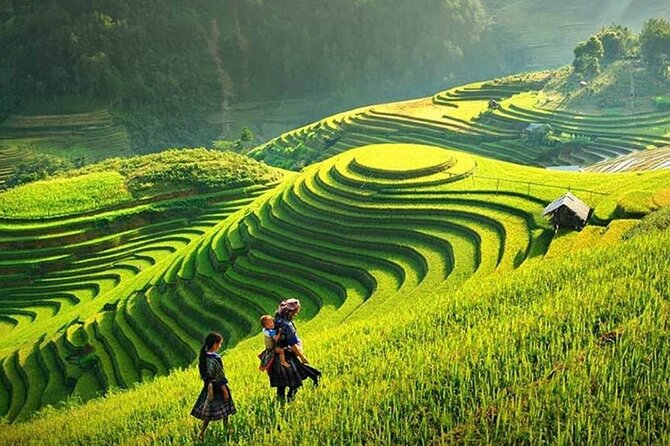
Reviewed · SAPA TREKKING TOURS
Sapa 1 Day Trekking Tours
Sapa valley trekking is better when it starts with a plan. This 1-day Sapa trek is built around meeting your guide in Sapa, then choosing the difficulty and direction once you’ve got your feet on the ground. I like that the day stays flexible, yet still includes the basics that cost time and money when you DIY.
Two things I really like: you get a local lunch built into the schedule, and the guides bring the villages to life with real explanations (Lomao and Lan were especially good at making Hmong culture and rural life feel understandable). My one caution is that even a medium option can feel tough in wet weather, with muddy tracks turning the same route into a longer, slower slog.
Because this is a private tour, the guide can adjust, but the terrain still sets the tone. If you hate slipping in mud or you’re not used to mountain walking, keep your expectations realistic and plan for some uneven ground.
In This Review
- Key highlights to notice before you go
- How This 1-Day Sapa Trek Works: Meet the Guide, Pick the Difficulty
- Village Stops You Might Walk To: Ta Van, Ta Phin, and Giang Ta Chai
- Ta Van Village area (often paired with the Lao Chai section)
- Ta Phin Village area (with cave visiting on some routes)
- Giang Ta Chai Village area (a longer village-hopping loop)
- A note on what makes each route feel different
- Lunch, Valley Entrance, and What You’re Actually Paying For
- Hotel Pickup, Office Start, and the Return Ride That Keeps You from Dragging
- Rain, Mud, and Pace: The Part You Should Prepare For
- Why the Guides Make (or Break) the Day
- Getting the Most Out of Your Private Group Trek
- Who This Trek Suits Best (And Who Might Want Another Plan)
- Should You Book This Sapa 1 Day Trekking Tour?
- FAQ
- FAQ
- What time does the Sapa 1 Day Trek start?
- How long is the trekking tour?
- Where do I meet my guide?
- Is lunch included?
- Are valley entrance fees included?
- What is included in the price, and what is not?
- How do you get back to Sapa Town after the trek?
- Can I get a refund if I cancel?
- Is it a private tour?
Key highlights to notice before you go
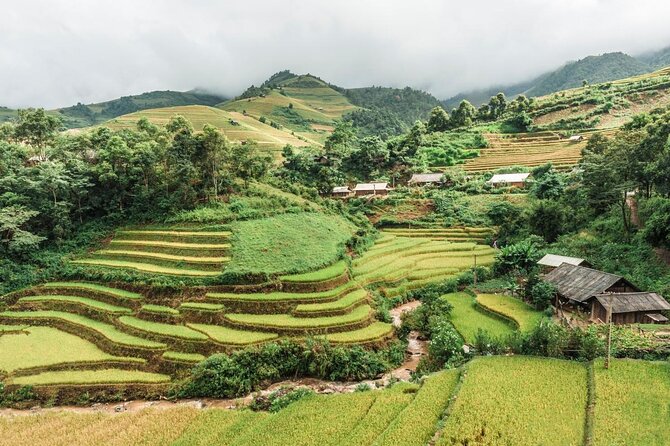
- You decide the difficulty after meeting your guide, not before
- Lunch in a local restaurant is included, plus the valley entrance fee
- Guides such as Lomao, Lan, May, Lang, and Sy are praised for clear, friendly village talk
- Return transport is included after the trek (shared minivan or motorbike taxi)
- You can store luggage at the office and even shower before or after walking
- Weather can change everything: muddy, rainy conditions can make distances feel longer
How This 1-Day Sapa Trek Works: Meet the Guide, Pick the Difficulty
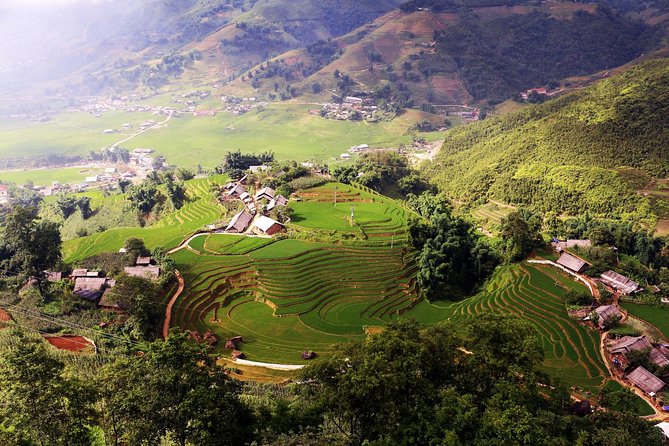
This trek runs as a true half-day style experience with a full-day feel. You start at 9:00am, usually by meeting your guide at your Sapa hotel, or by going to the company office to begin there. The guide brings a map, talks through options, and then you choose the difficulty level and the route direction on the spot.
That choice moment matters more than it sounds. In Sapa, the walking can range from easy village paths to steeper, rockier segments, and one “same tour” can feel very different depending on weather and what’s chosen. Here, you’re not locked into one rigid trail from the first minute.
Because it’s private (only your group), your guide can pace you and answer questions without the usual crowd-pressure. It’s also part of why the day can feel “custom” without you having to plan anything. Just show up, tell your comfort level, and the guide handles the rest.
One small practical perk: if you start from the office, you can leave luggage there while trekking, and you can also use a shower on-site. If you’re combining this with other Sapa activities, that one amenity can save your day.
More trails through the Sapa valleys


Village Stops You Might Walk To: Ta Van, Ta Phin, and Giang Ta Chai
Instead of one single fixed route, the trek is described through several village-focused options. In practice, your schedule centers on about four hours of walking for the main village section you choose for that day, with lunch handled in the middle.
Here are the village areas the experience plans around:
Ta Van Village area (often paired with the Lao Chai section)
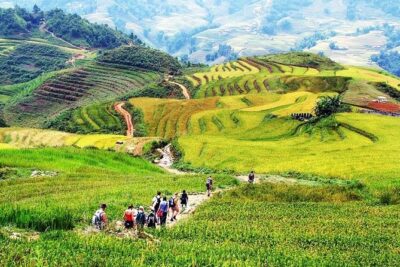
Ta Van is known for a classic Sapa valley feel—village-to-valley walking with views and farmland in between. The schedule for this option lists about 4 hours, and it includes the entrance ticket tied to the valley experience. Lunch happens during the trek, so you’re not scrambling for food right when your energy dips.
If you’re trying to get the Sapa “wow” without going extremely hard, Ta Van-area routes are often a good fit because they’re village-centered and easy to understand as you walk.
Ta Phin Village area (with cave visiting on some routes)
Another option pairs Sapa with Ma Tra and then Ta Phin, with lunch included and a cave visit listed as part of that style of day. If you like a little variety beyond just villages and fields, a cave stop can break up the walk in a fun way.
This option is a reminder that your trek can include more than flat paths. Even when the itinerary sounds simple, caves and their approach areas can add uneven footing and a bit of extra time.
Giang Ta Chai Village area (a longer village-hopping loop)
A third listed option strings together several village names and ends near Giang Ta Chai. The day section is also described as about 4 hours, again with the valley entrance included.
This kind of loop can be great if you like the rhythm of moving between villages and watching life change slightly from one community edge to the next. Just remember: more segments often means your feet will feel it by the end, especially in damp weather.
Worth a glance beside this Sapa pick:
- Number one top rated ethical cultural trekking and homestay by ETHOS★ 5.0 · 456 reviews
- 1-day Authentik trek & Panorama valley views★ 5.0 · 189 reviews
- 1 day Fansipan Trekking★ 5.0 · 180 reviews
A note on what makes each route feel different
Even within the same village “category,” the walking can vary depending on what the guide chooses and how the trails look that day. That’s why your guide’s map discussion is key. If you want a route that leans easier, say so early. If you want a challenge, tell them that too—and ask what kind of trail you should expect (muddy? steep? more steps?).
Lunch, Valley Entrance, and What You’re Actually Paying For
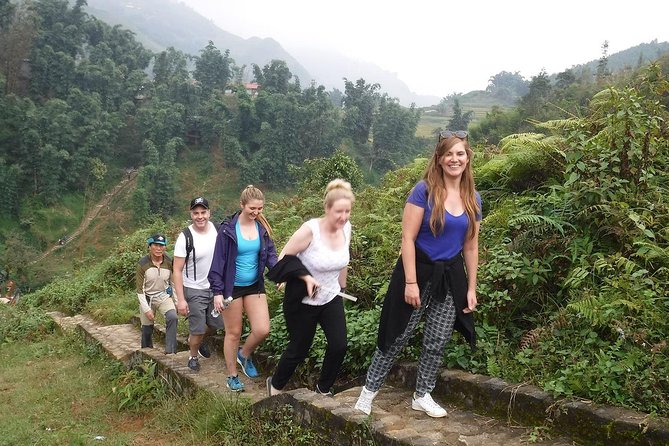
The price is $65.39 per person, and the biggest value piece is that you’re not just buying a guide—you’re buying the day’s core costs wrapped together.
Included:
- Lunch in a local restaurant
- Guide
- Entrance fee to the valley
- Pickup & drop-off, plus transportation back to Sapa Town after the trek
Not included:
- Drinks
That inclusion list changes the math. If you hired a guide separately and then paid for valley access and food on top, you’d almost certainly spend more in both money and time. Here, the schedule assumes you’ll eat during the walking block, not after. That tends to keep the day moving and reduces the “where do we go now” stress.
The lunch itself is also part of the experience. Having it inside the plan means you don’t have to guess which nearby place can handle a group with trekking schedules. It also means the guide can steer you toward a meal that fits the day’s timing.
One more small but real point: since drinks aren’t included, you’ll want to plan hydration. In Sapa’s mountain air, thirst can sneak up on you even when you don’t feel overheated.
Hotel Pickup, Office Start, and the Return Ride That Keeps You from Dragging
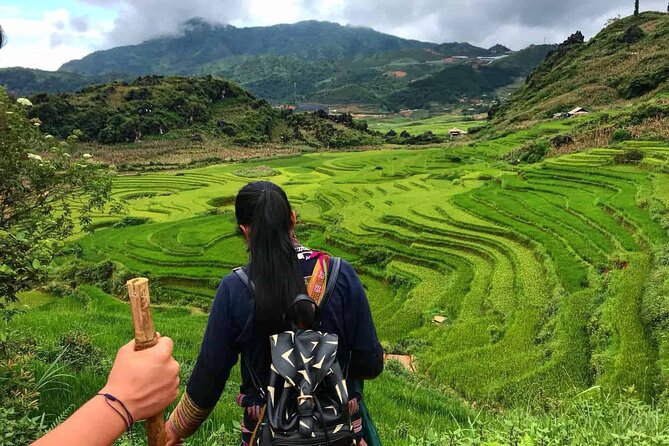
Transportation is built into the experience. Your guide meets you at your hotel in Sapa, or you start from the company office. After the trek, you return to Sapa Town using either a motorbike taxi or a shared minivan, depending on your group size.
That return detail matters. On mountain treks, the most tiring part can be the “last mile” of getting back down and then trying to line up transport. By handling it for you, the tour saves energy for the moment you’re most likely to want to sit down.
Also, the day’s time structure is built for real life. The tour describes a one-day window of roughly 9AM to 3PM, and the total duration is listed as around 14 hours. That usually means you should expect some extra time for pickup and moving around, even if the walking blocks are shorter. If you’ve got dinner plans that night, keep them flexible.
A small bonus if you’re starting from farther out: the experience mentions pickup from Hanoi Old Quarter for about 20 minutes in some versions. If that applies to you, plan for a quicker check-in and then a longer travel day overall.
Rain, Mud, and Pace: The Part You Should Prepare For
One of the most useful things I learned from past experiences with this kind of trek style is this: Sapa weather can flip the comfort level fast. In heavy rain, trails can turn muddy, and even a route that sounds manageable can become slower and more tiring.
One account includes children enjoying a trail described at roughly 11 km when conditions were muddy. That’s a helpful reality check: the distance you think you’re doing and the distance you feel you’re doing can differ when the ground is slick and uneven.
Here’s the practical way to use that info:
- Treat footwear as non-negotiable. Look for grippy soles for wet mountain paths.
- Bring layers. Mountain weather changes fast, and walking creates heat you’ll lose quickly once you stop.
- If anyone in your group is older or less steady on their feet, choose the easier option with the guide. One route in this area was described as deceptively easy until conditions demanded more care.
The good news is you’re not stuck with one plan. Since you choose difficulty when you meet the guide, you can match the route to your group’s comfort. That’s the best time to be honest, not later.
Why the Guides Make (or Break) the Day

What people praise most here isn’t just the scenery—it’s the way the walk becomes a conversation.
Guides named in accounts include Lomao, Lan, May, Lang, and Sy, and the common thread is friendly, useful teaching. You’re not just getting directions. You’re picking up context about village life and ethnic communities, and you can ask questions while walking instead of trying to squeeze questions into one museum stop.
For example, one guide (Lomao) was specifically praised for explaining rural village life and Hmong culture in a way that felt natural. Another guide (Lang) was praised for being considerate and knowledgeable about local people and how life works in the region. May was described as friendly and full of information even when the group had a rain-heavy day.
This is also where private tours pay off. If you’re curious about daily life, dress, farming rhythms, or local customs, a private guide lets you ask without worrying about slowing down a larger group.
Getting the Most Out of Your Private Group Trek
Since this is private and only your group participates, you can optimize the day with a few smart moves:
- Tell the guide your comfort level clearly when you meet. Don’t wait until you’re already on the trail.
- Ask what the terrain will feel like today: muddy? steep? lots of steps? Expectation-setting prevents surprises.
- Consider bringing a small snack or using the lunch timing as your main fuel plan. Lunch is included, but drinks aren’t, so plan for water.
- If you’re starting from the office, take advantage of luggage storage and the shower. It’s not just comfort—it can help you feel human again after walking.
One more practical tip: check the weather the morning of. The trek can still be worth it in rain, but your gear choice and your pace choices matter.
Who This Trek Suits Best (And Who Might Want Another Plan)
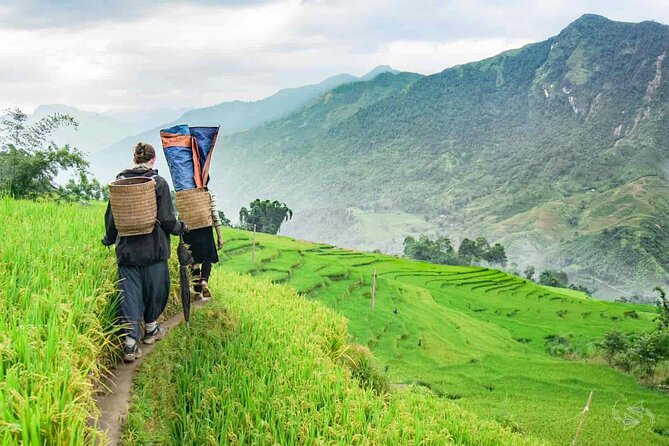
This most travelers can participate style works well if you want a guided Sapa day without heavy planning. It also fits families and mixed groups, as long as you choose the difficulty level with care.
It’s a great pick if:
- You want local culture talk and Q&A on the go
- You don’t want to micromanage logistics like entrance fees and return transport
- Your group wants a private setting and a flexible route choice
Be careful if:
- Your group includes someone who struggles with steep or uneven ground
- You know you’ll be unhappy in muddy conditions
- You’re expecting one “standard” walking route every day, because your guide’s choices affect the trail feel
If you’re on a tighter schedule, this still works because it’s timed to a day window starting at 9:00am. Just remember the broader duration listing suggests you should plan for extra travel time around it.
Should You Book This Sapa 1 Day Trekking Tour?
Book it if you want the best balance of structure and flexibility: lunch + valley access + guide + transport are already built in, and your guide can adjust the day once you meet. The guide-driven village experience is the core value, and names like Lomao, Lan, May, Lang, and Sy show that the human part of the day is taken seriously.
Don’t book it if you want a guaranteed exact route with zero decision-making. Your guide chooses the trail direction and difficulty at the start, and that’s part of how the tour stays responsive.
My quick decision rule:
- If you like walking with a guide and want a smooth, handled day, this is good value for $65.39.
- If you’re very risk-averse about mud, or you require a fully controlled, flat route, you’ll want to be very clear about that choice before you start walking.
FAQ
FAQ
What time does the Sapa 1 Day Trek start?
The tour start time is 9:00am.
How long is the trekking tour?
The duration is listed as about 14 hours. The trek itself is described as a one-day experience, with a schedule example running 9AM to 3PM.
Where do I meet my guide?
You’ll meet your guide at your hotel in Sapa, or you can start at the company office.
Is lunch included?
Yes. Lunch in a local restaurant is included.
Are valley entrance fees included?
Yes. The entrance fee to the valley is included.
What is included in the price, and what is not?
Included: pickup & drop-off, guide, lunch, and entrance fee (plus transportation back to Sapa Town after the trek). Not included: drinks.
How do you get back to Sapa Town after the trek?
Transportation back to Sapa Town is included, using either a motorbike taxi or a shared minivan, depending on your group size.
Can I get a refund if I cancel?
No. This experience is non-refundable and cannot be changed for any reason.
Is it a private tour?
Yes. It’s listed as private, meaning only your group participates.
More Tours in Sapa
More Tour Reviews in Sapa
More Sapa Treks We Walked
Latest Sapa write-ups from our team

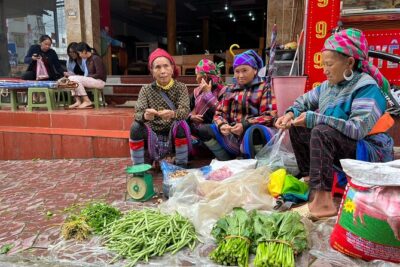

Sapa Trekking Tours, compared.
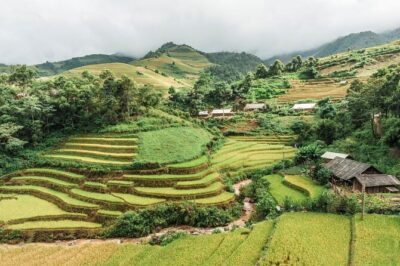 ★ 5.0Sapa 2 Days 1 Night From Hanoi – Overnight in Ta Van VillageFrom $592,669 reviews
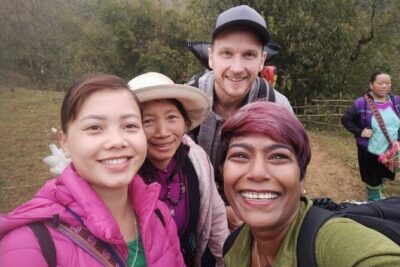 ★ 5.0Hanoi – Sapa 2 Days 1 Night Overnight At HomestayFrom $89899 reviews
 ★ 5.0Sapa: Fansipan Cable, Cat Cat Village & Moana Instagram TourFrom $30777 reviews
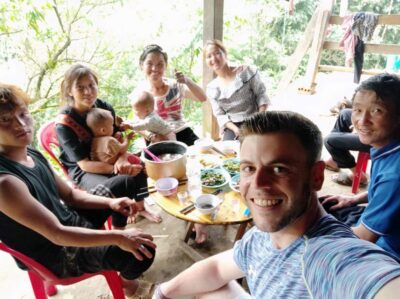 ★ 4.8From Hanoi: 2-Day Sapa Trekking Trip with Homestay & MealsFrom $71704 reviews
 ★ 5.0Sapa 3 Days 2 Nights Trekking Tour (1 Night In Ta Van Village, 1 Night In Hotel)From $139699 reviews
 ★ 5.03-Day Trekking Adventure of Sapa from Hanoi – Stay Ta Van VillageFrom $109611 reviews
 ★ 4.82-Day Sa Pa Ethnic Homestay Tour & Trek with Limousine Bus440 reviews
 ★ 5.0Sapa 2 Days 1 Night From Hanoi – Overnight in HotelFrom $89440 reviews
Browse the lists this tour appears in