
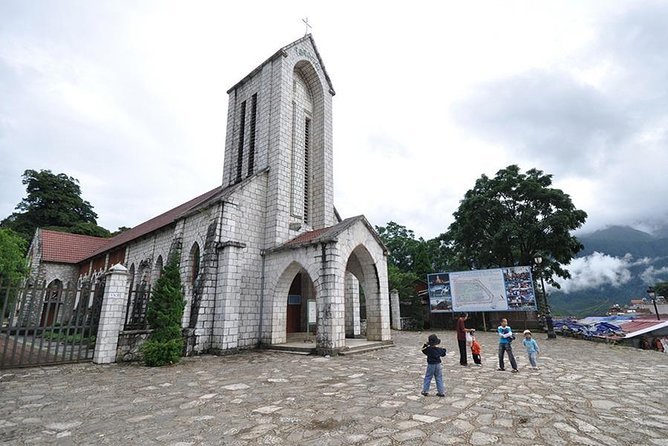
Reviewed · SAPA TREKKING TOURS
Local Experience in Sapa trekking tours
Rice terraces start early, and so does this trek. This 2-day Sapa route pairs small-group village walking with an overnight stay in the hills, plus the kind of local rhythm you usually only catch when you’re not rushing.
I like up-close village visits to Y Linh Ho (Black H’mong), Lao Chai (Dzay), Ta Van (Dzay in Muong Hoa valley), and Giang Ta Chai (Red Dzao). I also like that the price bundles entrance fees and most meals, so your budget stays steady while you’re out on the trail.
The main thing to consider is comfort: the included overnight is dorm-style, and the trek needs a moderate fitness level. If you want a private setup, you’ll pay extra, so decide before you go.
In This Review
- Key highlights worth your attention
- Why this 2-day Sapa trek is a smart first choice
- Getting there: pickups from Sapa town and Hanoi Old Quarter
- Day 1 village walking: Y Linh Ho, Lao Chai, and Ta Van
- The overnight stay: dorm-style homestay comfort and optional upgrades
- Day 2: Giang Ta Chai (Red Dzao) and returning to Sapa
- Price and value: what $55 includes (and what costs extra)
- Guide quality and safety: the human side matters in Sapa
- What to pack for a two-day mountain trek
- Who this Sapa trekking tour fits best
- Should you book this Sapa trekking tour?
- FAQ
- What is the duration of the Sapa trekking tour?
- How much does the tour cost?
- Is pickup included?
- What time does the tour start?
- How many people are in the group?
- What is included in the price?
- What is not included?
- What kind of accommodation is provided overnight?
- Do I need a moderate fitness level?
- When do I need to send hotel information?
- What is the cancellation policy?
Key highlights worth your attention
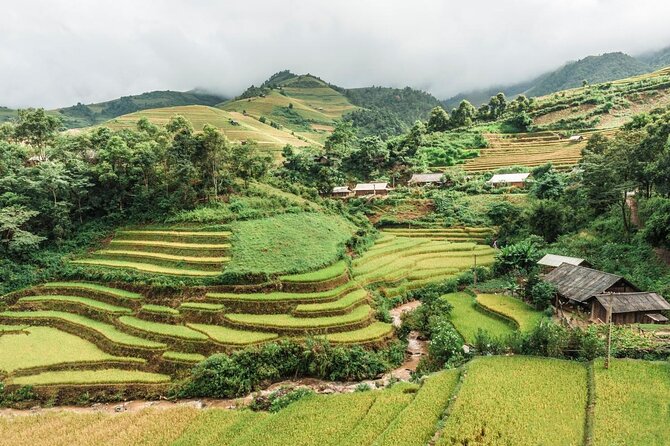
- Village stops tailored by ethnic group, from Black H’mong to Dzay and Red Dzao communities
- Dorm-style homestay night included, with clear upgrades if you want privacy
- English-speaking guide and a small group size (max 15) for easier pacing
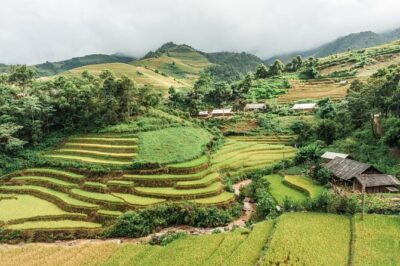
- Terrace-and-trail hiking across Sapa’s Muong Hoa valley area
- Pickup options from Sapa or late-night Hanoi Old Quarter for the sleeping bus connection
- Most meals covered (breakfast x2, lunch x2, dinner on day 1)
Why this 2-day Sapa trek is a smart first choice
Sapa has a way of making you feel like you need a full week to do it justice. This tour keeps it doable: two days, a focused walking route, and village time that feels practical rather than rushed. You get the best of Sapa’s scenery and daily life without needing to plan routes, maps, and transport on your own.
I like how the itinerary is built around walking between communities—so you’re not just looking at views from a bus window. The mix of Y Linh Ho, Lao Chai, Ta Van, and then Giang Ta Chai on day two gives you a real sense of how different groups live in the same mountain region.
One more reason this tour works: the group size is capped at 15. That matters when paths are narrow and when you want the pace to feel human, not like a line at a theme park.
More trails through the Sapa valleys



Getting there: pickups from Sapa town and Hanoi Old Quarter

Pickup is set up in two ways, depending on where you’re starting.
If you’re already in Sapa, you can be picked up at your hotel in Sapa town (as long as you share your hotel info at least 1 day before departure). Or you can start from the listed meeting point at Sapa Friendly Inn & Travel, No. 1B So Than street, Sapa. If you’re coming from Sapa by bus, you can also meet the group at the bus station—just share your bus company name.
If you’re starting from Hanoi Old Quarter, you’ll get picked up between 21:00 and 22:00. Then you ride a sleeping bus to Sapa (about 6 hours with two short breaks). It’s not included in the $55 price, but it’s a common way to connect Hanoi to the mountains without losing a full day.
A small but important detail: you must send your hotel information for pickup and drop-off in the Hanoi Old Quarter area or Sapa town at least 1 day before you go. This tour is designed to run on a schedule, and that info keeps everything from getting messy.
Day 1 village walking: Y Linh Ho, Lao Chai, and Ta Van
Day 1 is where Sapa starts to feel real.
You begin in Sapa, then head to Y Linh Ho, home of the Black H’mong. This stop is designed to be more than a quick photo break. You’ll have time to see village life up close and learn how people organize their day in the mountains.
Next comes Lao Chai, known as a Dzay village. The tone here shifts slightly: you’re moving through terraced farmland and everyday pathways, rather than focusing only on one landmark. Some stops include entrance tickets, others don’t—so it’s good to remember that not every village visit is a paid attraction. In this itinerary, the ticket costs are handled for you when they apply.
Then you reach Ta Van Village, also connected to the Dzay community and noted as a beautiful area in the Muong Hoa valley. This is one of the more scenic segments on the route, and it’s also a place where the walking feels like it’s part of the experience—not just the way to get between stops.
What you should consider: day 1 is the heavier mix of travel + walking + village time. If you arrive late, or you’re not used to mountain steps, pace yourself and don’t force speed. Your guide’s job is to keep the day smooth, but you still need to control your effort.
The overnight stay: dorm-style homestay comfort and optional upgrades
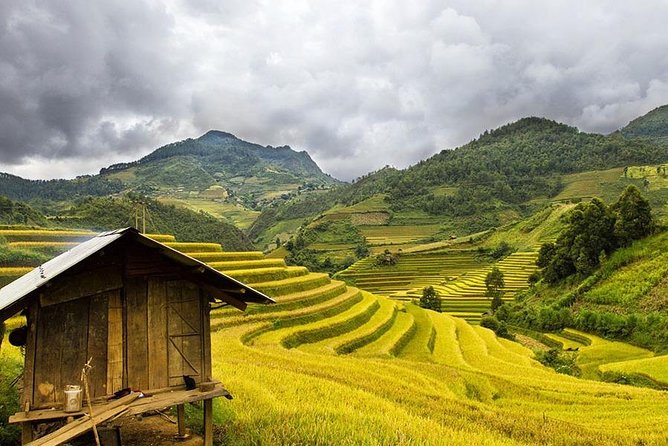
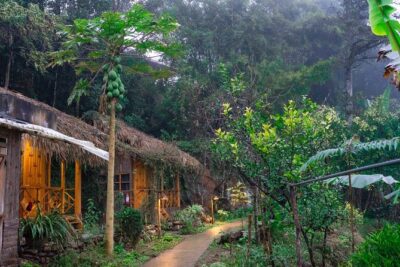
This is a homestay-style experience, but the included accommodation is dormitory. In practical terms, that usually means shared space and shared bathroom facilities.
The tour includes dinner on day 1, plus breakfast twice (you get both mornings of the trip). It’s a big part of the value because it reduces decision-making once you’re in the mountains—no hunting for food after a long day of walking.
If you care about privacy, the tour offers paid upgrades:
- Private sleep (share bath room and toilet) costs extra at $30 USD per room per night.
- Overnight in a bungalow with private bathroom and toilet costs extra at $40 USD per room per night.
I appreciate that the tour spells out these options clearly. Sapa nights can be cooler than you expect, and bathroom setup affects your comfort more than you might think. If you’re the type who wants sleep quality, price the upgrade early so it doesn’t surprise you later.
Day 2: Giang Ta Chai (Red Dzao) and returning to Sapa
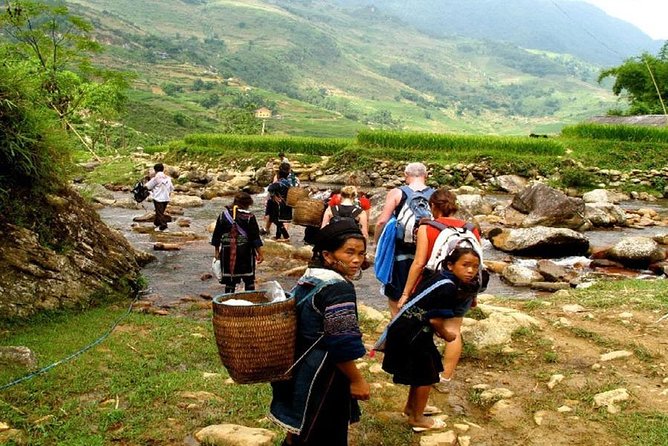
Day 2 keeps the walking focused and the schedule manageable.
You visit Giang Ta Chai Village, home of the Red Dzao ethnic group. This is the longer stop of the day (around 3 hours), which usually means you get more time to talk with locals and enjoy the area at a slower pace than day 1. It also gives you a buffer if you need breaks for photos, resting, or just catching your breath.
After that, you head back to Sapa town. The goal here is simple: you wait for the bus back to Hanoi or finish the trip in Sapa, depending on your plan.
One practical note: the end of the activity goes back to the meeting point. So if you’re mixing this with other plans in Sapa or Hanoi, make sure your transport or bookings match the timing they provide.
Worth a glance beside this Sapa pick:
- Number one top rated ethical cultural trekking and homestay by ETHOS★ 5.0 · 456 reviews
- 1-day Authentik trek & Panorama valley views★ 5.0 · 189 reviews
- 1 day Fansipan Trekking★ 5.0 · 180 reviews
Price and value: what $55 includes (and what costs extra)

The tour price is $55 per person, and it’s best understood as a package where your biggest costs are mostly handled up front.
Included:
- Dinner
- Lunch x2 (called lunch on day 1 and day 2)
- Breakfast x2
- All entrance fee tickets
- English-speaking guide
- Accommodation in dormitory
- A small-group setup (max 15)
- Pickup offered (with the required hotel info you send ahead)
Not included:
- Sleeping bus transfer Sapa ↔ Hanoi at $24 USD per person round trip
- Dinner on the last day
- Beverages and tips
- Personal expenses
- Private accommodation upgrades ($30 for private sleep; $40 for private bungalow with bathroom)
- If you use an overnight train instead: extra $50 USD per person for sleeper train pickup
So is $55 a good deal? For most people, yes—because meals, guide, and entrances are covered. Where you’ll feel the extra costs is mainly in transportation from Hanoi and comfort upgrades. If you’re okay with dorm-style lodging and you plan the Hanoi-Sapa bus connection in advance, the total usually stays reasonable.
Also worth noting: there’s a mobile ticket option and group discounts, which can help if you’re traveling with friends.
Guide quality and safety: the human side matters in Sapa

In a region like Sapa, a good guide is more than translation. It’s route sense, timing, and knowing what to do when conditions change.
The operator behind this tour is Asia Vacation Travel, and multiple people have highlighted the calm organization of the team. In particular, Hoa and her husband have been credited with making solo visitors feel safe because the plan was organized carefully.
Another standout name that comes up is Su May. If you have the chance to request a guide, Su May is the one to consider based on past experiences shared with the operator.
This kind of support matters on trekking days. You don’t want stress about where you’re going, how long you’ll walk, or whether you’re on the right path. A guide who keeps the pace steady makes the trip better for everyone in the group.
What to pack for a two-day mountain trek
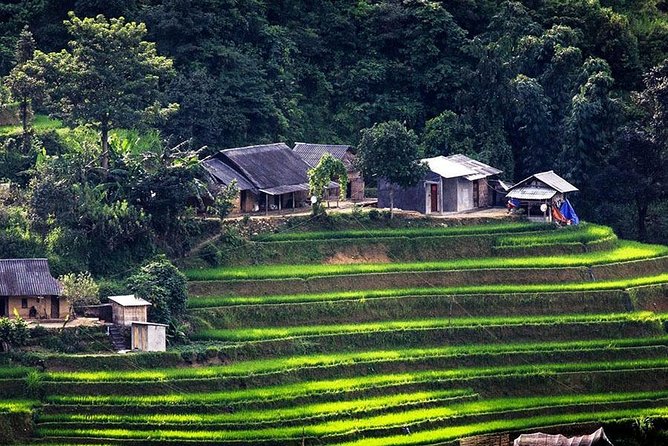
Your trekking comfort will depend more on basics than on fancy gear.
You’ll want shoes with grip for uneven paths and steps. Even if the route doesn’t look technical, mountain walking can feel harder than you expect after a meal and with cool air in the morning. Dress in layers because Sapa weather can shift quickly.
For the homestay night, bring a small towel or wet wipes if you like extra hygiene comfort—especially if you’re sharing bathroom facilities. If you’ve opted for private upgrades, you’ll already be more comfortable, but basic comfort items still help.
Finally, think about motion and energy. This tour asks for moderate physical fitness. If you’re used to hiking occasionally, you’re probably fine. If you haven’t walked much lately, plan to slow down and take breaks when needed.
Who this Sapa trekking tour fits best
This tour is a strong fit if you:
- Want an organized Sapa trekking experience without juggling logistics
- Like meeting local communities in places like Y Linh Ho, Lao Chai, Ta Van, and Giang Ta Chai
- Prefer a small group over a huge crowd
- Can handle a moderate trekking pace and a dorm-style overnight
- Are the type who enjoys quiet mountain villages more than city stops
It’s also a good match for younger travelers and for people who like the idea of an overnight in a local house setup (with the accommodation type clearly explained so you aren’t guessing).
If you need guaranteed private bathroom comfort in the included price, you’ll likely end up paying the upgrade. That’s not a flaw; it’s just how this style of trek works.
Should you book this Sapa trekking tour?
Book it if you want a two-day Sapa plan that’s structured, locally guided, and centered on villages—not just viewpoints. The value is strongest when you’re happy with dorm-style lodging and you’re okay adding the Hanoi-Sapa sleeping bus connection separately.
Skip it or reconsider if you’re sensitive to shared facilities, or if you’re expecting a fully luxury comfort level for the included price. In that case, the private sleep or bungalow upgrade may be worth budgeting from the start.
If you do book, send your hotel information on time and ask about guide options early—people have specifically praised Hoa for careful planning and Su May for the guide experience.
FAQ
What is the duration of the Sapa trekking tour?
It runs for about 2 days.
How much does the tour cost?
The price is $55.00 per person.
Is pickup included?
Pickup is offered. You can be picked up in Sapa town or at the bus station, and there is also a late-night pickup option from Hanoi Old Quarter.
What time does the tour start?
The start time is 6:00 am.
How many people are in the group?
The group size is capped at a maximum of 15 travelers.
What is included in the price?
Included are dinner, lunches (2), breakfasts (2), all entrance fee tickets, an English-speaking guide, and accommodation in a dormitory.
What is not included?
Not included are the round-trip sleeping bus transfer between Hanoi and Sapa ($24 per person), dinner on the last day, beverages, tips, and personal expenses. Private room upgrades are also extra.
What kind of accommodation is provided overnight?
Accommodation is dormitory style. Private options are available for an extra charge, including private sleep (shared bathroom and toilet) or a bungalow with private bathroom and toilet.
Do I need a moderate fitness level?
Yes, the tour is recommended for people with moderate physical fitness because it includes trekking.
When do I need to send hotel information?
You should provide your hotel information for pickup/drop-off at least 1 day before your departure date.
What is the cancellation policy?
Free cancellation is available up to 24 hours in advance of the experience start time for a full refund. Changes inside 24 hours aren’t accepted.
More Tours in Sapa

More Tour Reviews in Sapa

More Sapa Treks We Walked
Latest Sapa write-ups from our team



Sapa Trekking Tours, compared.
 ★ 5.0Sapa 2 Days 1 Night From Hanoi – Overnight in Ta Van VillageFrom $592,669 reviews
 ★ 5.0Hanoi – Sapa 2 Days 1 Night Overnight At HomestayFrom $89899 reviews
 ★ 5.0Sapa: Fansipan Cable, Cat Cat Village & Moana Instagram TourFrom $30777 reviews
 ★ 4.8From Hanoi: 2-Day Sapa Trekking Trip with Homestay & MealsFrom $71704 reviews
 ★ 5.0Sapa 3 Days 2 Nights Trekking Tour (1 Night In Ta Van Village, 1 Night In Hotel)From $139699 reviews
 ★ 5.03-Day Trekking Adventure of Sapa from Hanoi – Stay Ta Van VillageFrom $109611 reviews
 ★ 4.82-Day Sa Pa Ethnic Homestay Tour & Trek with Limousine Bus440 reviews
 ★ 5.0Sapa 2 Days 1 Night From Hanoi – Overnight in HotelFrom $89440 reviews
Browse the lists this tour appears in