
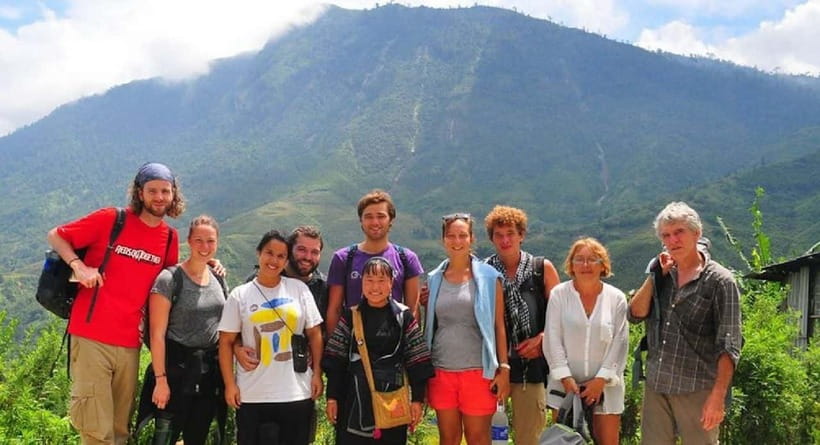
Reviewed · SAPA TREKKING TOURS
From Hanoi: Sapa Tour w Fansipan Peak 3 days 2 nights
Sapa hits hard, then eases you in. This 3-day small-group trip handles the long Hanoi-to-Sapa ride, so you can spend your energy on village time and short moments of breath-taking mountain scenery. I like that you’re picked up from your Hanoi Old Quarter hotel early, then dropped into Sapa with enough structure to start exploring right away.
What really lands is day two’s 17km round-trip trek, threading through hill-tribe communities like Lao Chai and Ta Van, with lunch in a local house and a chance to see how daily life and crafts work in practice. The main trade-off to note is that there’s no guide on the third day, so your self-guided options in Sapa town depend on your comfort navigating on your own.
In This Review
- Key things to know before you go
- Hanoi to Sapa, but with less stress than you’d expect
- The ride through Lao Cai and the 1:00 PM Sapa arrival reality
- Cat Cat village and the hill-tribe welcome: first culture, then walking
- Day two’s 17km trek: Lao Chai, Ta Van, and Giang Ta Chai in one flowing day
- Sapa town rhythm: meals included, but you still keep control
- Fansipan Peak on day three: cable car option and the no-guide trade-off
- Hotel, pool, and what $161 per person actually covers
- Trek fitness, weather-ready clothing, and smart packing
- Who this Sapa + Fansipan Peak tour fits (and who should skip)
- Should you book this tour?
- FAQ
- How much does the Sapa Tour with Fansipan Peak cost?
- What’s included in the tour price?
- Is the Fansipan cable car included?
- Where is pickup in Hanoi?
- What kind of walking is day two?
- Is there a guide on the third day?
- What should I bring for the trek?
- Who is this tour not suitable for?
Key things to know before you go
- Small group (up to 17) keeps the villages from feeling rushed
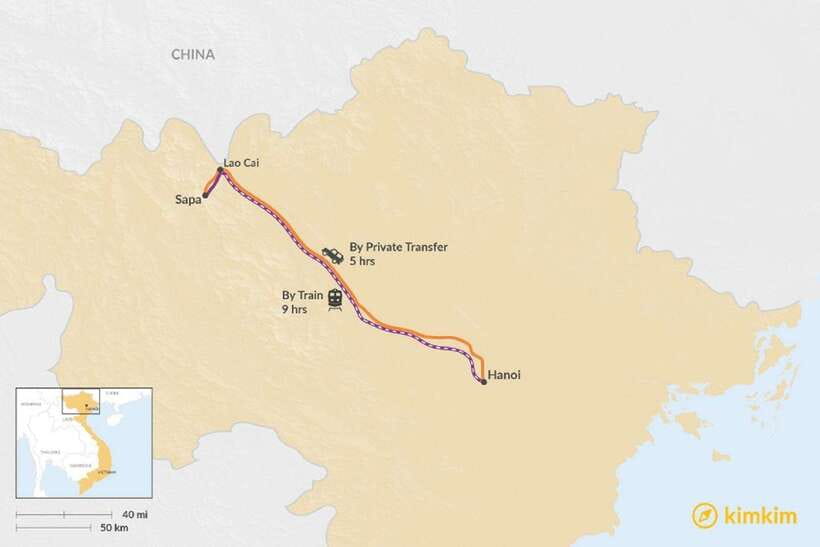
- Hotel-to-hotel pickup from Hanoi Old Quarter plus round-trip luxury bus saves big hassle
- Cat Cat village first day gives you an easy cultural start after arrival
- 17km trek day connects Lao Chai, Ta Van, and Giang Ta Chai with a local-house lunch
- Optional Fansipan Peak cable car lets you choose summit views without committing to a long climb
- Swimming pool included gives you a real reset after walking
Hanoi to Sapa, but with less stress than you’d expect

A lot of Sapa trips feel like transportation marathons first and trekking second. This one flips that by keeping the logistics tight: you’re on a luxury bus from Hanoi to Sapa and back, and you’re not stuck coordinating multiple rides or ticket counters on your own.
For me, the biggest value is the simplicity. You get an early pickup from accommodations in Hanoi Old Quarter, then a planned break in Lao Cai during the drive. That matters because the road to Sapa can be long enough that you want your energy for the villages, not for figuring out directions.
You also have a clear group rhythm. This isn’t a solo backpacking plan where you’re guessing timing; it’s organized with a local English-speaking guide in Sapa for the guided parts. And with a small group limited to 17, the tour doesn’t feel like you’re herded with a sea of people in every village lane.
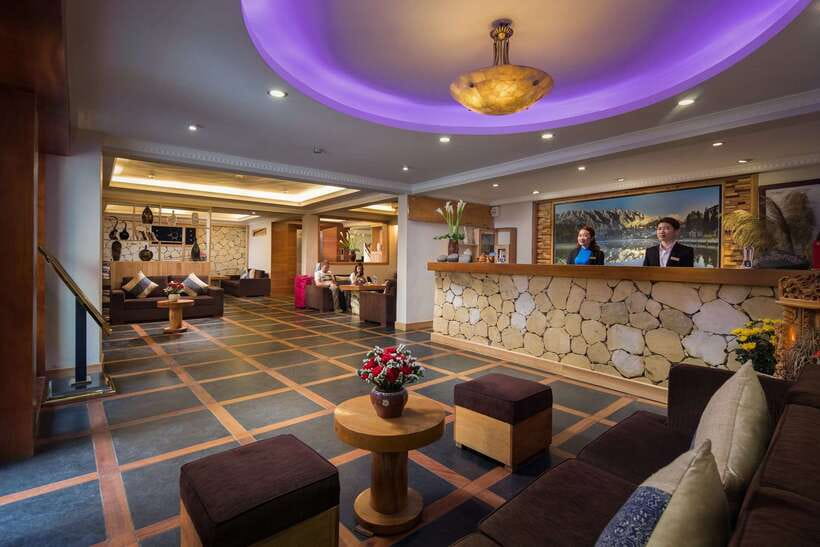
The other comfort lever is the included twin-shared accommodation in Sapa and access to the hotel swimming pool. After a full day of walking, a pool isn’t a luxury—it’s recovery.
More trails through the Sapa valleys




The ride through Lao Cai and the 1:00 PM Sapa arrival reality
On day one, you’re picked up early in the morning in Hanoi, then travel through the countryside until you reach Lao Cai for a break. From there, the route turns more mountain-focused, and the scenery shift is part of the experience—think rice terraces and layered hills as you creep toward Sapa city.
The schedule is built around a practical arrival time: you reach Sapa town at 1:00 PM. That means you’re not arriving at sunrise and immediately expected to start a hard hike. You also get the option to settle in with lunch first, then do your village trek later in the afternoon.
One detail worth planning around: the earliest check-in time for accommodation is 1:00 PM, and check-out is midday. If you’re the kind of traveler who likes to drop bags and head out instantly, you’ll still be okay here, but it helps to mentally accept that Sapa days run on local timing, not your home-habit timing.
Also note the practical base: pickup is offered from hotels in Hanoi Old Quarter, and if you’re staying outside that area you may need to come to the office at 31 Lo Su, Hoan Kiem, Hanoi for departure. It’s not complicated, but it’s the difference between a smooth start and a scramble—double-check where your pickup actually happens.
Cat Cat village and the hill-tribe welcome: first culture, then walking

Sapa can feel like a culture crash course if you do it wrong. Here, day one is paced to let you get your bearings: you arrive, see traditional costumes, eat well, then head out to Cat Cat village.
When you get into Sapa town, you’ll view colorful traditional outfits worn by local communities including H’mong, Dzao, and Tay. This is one of those moments that’s easy to gloss over if you’re rushing, but it helps you understand what you’re about to see on the trail and in the villages—people aren’t performing culture for a bus schedule. They’re living their normal day and traditions.
After lunch, you trek to Cat Cat village, which is home to the Black H’mong. The walk here is a good first-day effort—enough to feel like you’re in the mountains, not so much that you’re wrecked for the evening. It’s also a strong start because Cat Cat is one of the best-known communities in the area, so your guide can connect the dots without making you work for context.
By evening, you’re free to explore Sapa town on your own. That’s a good choice for most people because Sapa is where you’ll find cafes, markets, and street life that helps you decompress. The tour doesn’t lock you into another structured activity at night, which I like.
Day two’s 17km trek: Lao Chai, Ta Van, and Giang Ta Chai in one flowing day
Day two is where the tour earns its keep. You’ll set out after breakfast for a 17km round-trip trek connecting multiple villages and daily-life stops. That distance is not a “light stroll,” but it’s also not pitched as an extreme endurance test. For many visitors, this is the sweet spot: you get real trail time without the tour turning into a suffering contest.
You start with the Lao Chai area, and the day’s focus is on seeing how hill-tribe families live and work. You’ll spend time learning about traditional clothing and handicrafts, and you’ll get a sense of how community life changes across the seasons and across generations.
Then comes a key contrast point: you’ll have lunch in a local house. This isn’t just a meal stop; it’s where you slow down long enough to understand what daily life looks like beyond the viewpoint photos. After lunch, you walk toward Ta Van village, home to the Dzay community, known for traditional homes near rice paddy fields.
At Ta Van, you’ll visit a local family’s home and enjoy green tea. That small detail matters more than you’d think. Tea is one of those universal moments that makes conversations feel normal, not scripted. Even if your language is limited, you’ll usually leave with better context about what you saw.
Later, you’ll head toward Giang Ta Chai, where the Red Dao community lives. This section of the day is described with terraced rice paddies, bamboo forest, and waterfalls. If you’re hoping for scenery, this is the part of the day that tends to deliver it—though always remember: the trail tempo depends on conditions, and waterfalls can be more or less dramatic depending on the season.
Evening returns you to Sapa town for free time. I like that you’re not forced into another “one more place” schedule after trekking. You’ll want your downtime.
Sapa town rhythm: meals included, but you still keep control

This tour includes 3 lunches and 2 breakfasts, which helps you avoid one of the biggest Sapa headaches: hunting down good, predictable food after a long walk. It’s also a practical choice for cultural time. When meals are part of the plan, you’re less likely to bounce between tourist spots and miss the quieter rhythm of village hospitality.
You do get free time on both evenings. Day one ends with exploring Sapa town at night, and day two ends with more free time back in town. That flexibility is smart because you’ll know better than anyone how tired you feel after the trekking day.
A small-group approach also changes the feel of free time. If you’re traveling with a group, you’ll often hear about a good shop or view point from your guide or fellow travelers, but you’re not required to go everywhere together. You can do something low-key—tea, a short market stop, or just a slow walk to get your bearings.
More ways up Fansipan, on foot or by cable car
- From Hanoi: 2-Day Sapa Limo Bus Tour & Fansipan Peak Visit★ 4.6 · 277 reviews
- From Hanoi: 2-Day Sapa, Fansipan, and Muong Hoa Valley Tour★ 4.2 · 90 reviews
- Hanoi – Sapa 2 Days 2 Nights With Fansipan by cable car★ 5.0 · 79 reviews
Fansipan Peak on day three: cable car option and the no-guide trade-off

Day three has two paths, and your choice depends on what you want from the mountains: a summit view or a relaxed Sapa morning.
Option one is a free, easy morning in Sapa town. Option two is the Fansipan Peak add-on via the Fansipan Cable Car for an extra cost. If you want the big panorama without turning this into a full multi-hour climb, cable car is the obvious move.
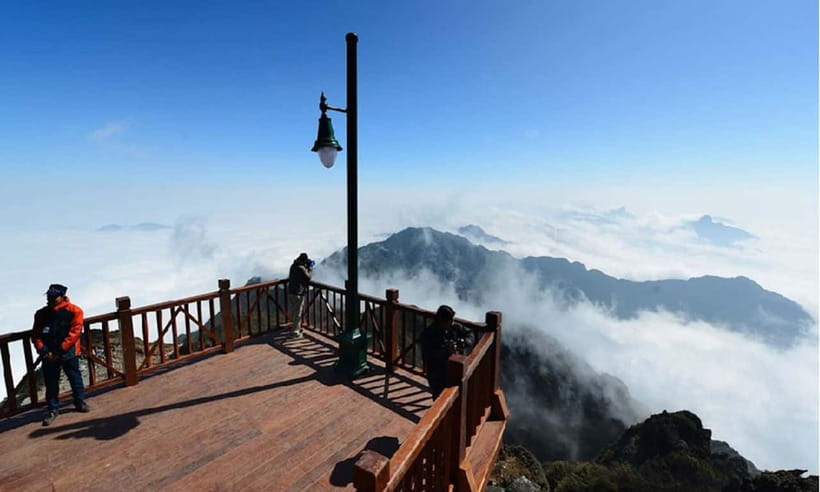
If you choose the cable car, you’ll check out, head to the cable car station, ride up to Fansipan Peak, and enjoy free time at the summit for views. After that, you return to Sapa for lunch and then explore town on your own again.
Then the fixed part of the schedule returns: at 2:30 PM, you’re picked up by bus and driven back to Hanoi.
Here’s the important consideration: there will be no guide with you on the third day. That’s not automatically bad, but it means you should be comfortable handling your own wayfinding for the cable car timing and any town browsing you do afterward. If you’re the kind of traveler who likes a plan and a human compass, you may prefer the “stay in town in the morning” option less than you’d expect—because there’s still no guide to help you in the late-day parts.
Hotel, pool, and what $161 per person actually covers
At $161 per person, this tour is trying to solve a common problem: the cost gap between “I want it easy” and “I want it authentic.” What helps it feel like value is that key expenses are bundled.
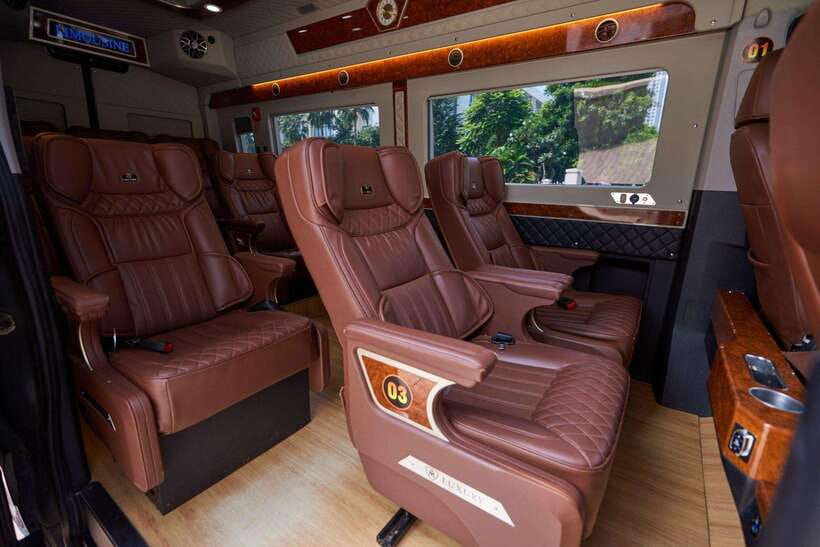
You’re getting round-trip transfer by luxury bus, local English-speaking guide in Sapa, twin-shared accommodation, entrance tickets to mentioned sites, and three lunches plus two breakfasts. You also get use of a swimming pool, which is an actual quality-of-stay boost after trekking.
Cable car tickets are not included, so the total can rise if you go up Fansipan. But that’s the case with most summit add-ons. You’re paying extra for an experience that’s optional, which gives you control over your budget and your energy.
Small-group size matters here too. Up to 17 people means your guide can pace visits and village interactions more naturally than a larger bus tour. That’s where the trip tends to feel more human rather than industrial.
Trek fitness, weather-ready clothing, and smart packing
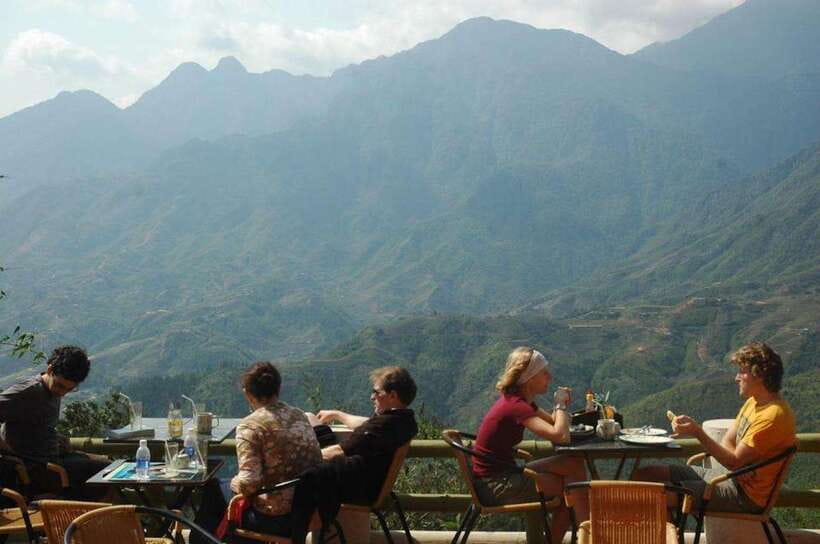
This is a walking-focused tour. Even if you’re not a “hiker,” you’ll need shoes and layers. The recommended packing list is practical and worth taking seriously: warm clothing, a hat, hiking shoes, sunscreen, insect repellent, sports shoes, a scarf, and some cash.
If you only pick a few items to be serious about, make it these:
- Shoes with grip (your feet will notice)
- Insect repellent (especially if you’re prone to bites)
- Layers (Sapa mornings and evenings can feel colder than you expect)
Also remember the group-style pacing. You’ll be walking through villages and along paths; you don’t want wet, blistered, or tired feet to steal your focus from what you came to see.
Who this Sapa + Fansipan Peak tour fits (and who should skip)
This works best for you if you want a structured Sapa experience without giving up real village contact. Day one is manageable, day two is the big physical day, and day three is flexible depending on whether you add the cable car.
It’s also a good fit if you like talking with people and learning about crafts and daily life rather than treating everything as a photo stop. The guide approach matters here. One guide name you may see associated with the experience is Chang, described as welcoming and helpful with check-in and lunch arrangements, while also sharing insights about life in Sapa—past, present, and what people hope for next. That kind of guide energy can turn a walk into something you remember.
Skip this tour if you’re traveling with constraints that don’t match the walking demands. It’s not suitable for children under 7, pregnant women, or people with mobility impairments.
Should you book this tour?
I’d book it if you want a well-paced Sapa overview from Hanoi, with real time in villages like Cat Cat, Lao Chai, Ta Van, and Giang Ta Chai, plus a chance to see Fansipan Peak via cable car if you’re feeling bold.
I’d think twice if you strongly need a guide every hour of the day. The third day has no guide, so you’ll be making decisions and handling navigation on your own for the morning (and for the cable car option if you take it). If that makes you uneasy, you might prefer a tour version that keeps guidance through the full schedule.
If you want the best value play, treat cable car as the add-on you only buy if you truly care about summit views. Everything else—transfers, meals, accommodation, pool time, and the guided trekking days—is already doing a lot of heavy lifting for your $161.
FAQ
How much does the Sapa Tour with Fansipan Peak cost?
The price is listed as $161 per person. The exact starting time can vary, so you’ll want to check availability for the option you select.
What’s included in the tour price?
It includes round-trip luxury bus transfers between Hanoi and Sapa, a local English-speaking guide in Sapa, 3 lunches and 2 breakfasts, entrance tickets to mentioned sites, twin-shared accommodation in Sapa, and use of the swimming pool.
Is the Fansipan cable car included?
No. Fansipan Cable Car tickets are not included, and you can book them at an extra cost on the third day.
Where is pickup in Hanoi?
Pickup is included from accommodations in Hanoi Old Quarter. You should wait in the hotel lobby about 10 minutes before your scheduled pickup time. If you’re staying outside Hanoi Old Quarter, you may need to go to the office at 31 Lo Su, Hoan Kiem, Hanoi for departure.
What kind of walking is day two?
Day two includes a 17km round-trip trek with visits to villages including Lao Chai, Ta Van, and Giang Ta Chai, plus a lunch stop in a local house.
Is there a guide on the third day?
No. There is no guide with you on the third day, so you’ll handle the Fansipan cable car option or exploring Sapa town on your own.
What should I bring for the trek?
Bring warm clothing, a hat, hiking shoes, sunscreen, insect repellent, sports shoes, cash, and a scarf.
Who is this tour not suitable for?
It’s not suitable for children under 7, pregnant women, or people with mobility impairments.
More Tour Reviews in Hanoi





To the Roof of Indochina: More Fansipan





More Sapa Treks We Walked

Latest Hanoi write-ups from our team






Sapa Trekking Tours, compared.
 ★ 5.0Sapa 2 Days 1 Night From Hanoi – Overnight in Ta Van VillageFrom $592,669 reviews
 ★ 5.0Hanoi – Sapa 2 Days 1 Night Overnight At HomestayFrom $89899 reviews
 ★ 5.0Sapa: Fansipan Cable, Cat Cat Village & Moana Instagram TourFrom $30777 reviews
 ★ 4.8From Hanoi: 2-Day Sapa Trekking Trip with Homestay & MealsFrom $71704 reviews
 ★ 5.0Sapa 3 Days 2 Nights Trekking Tour (1 Night In Ta Van Village, 1 Night In Hotel)From $139699 reviews
 ★ 5.03-Day Trekking Adventure of Sapa from Hanoi – Stay Ta Van VillageFrom $109611 reviews
 ★ 4.82-Day Sa Pa Ethnic Homestay Tour & Trek with Limousine Bus440 reviews
 ★ 5.0Sapa 2 Days 1 Night From Hanoi – Overnight in HotelFrom $89440 reviews
Browse the lists this tour appears in