
Reviewed · SAPA TREKKING TOURS
From Hanoi: 2 Days Luxury Sapa Trek & Fansipan Peak with Dcar
Sapa hits fast, even from Hanoi. This 2-day luxury trek with Dcar limousine gets you into the hills quickly, keeps logistics easy, and still leaves time for real walking. It runs with a small group and an English-speaking guide, so you are not guessing your way through the rice terraces.
What I like most is how the route balances views with everyday village life. You start at Cat Cat Village, then work your way through classic stops like weaving, stilt houses, and waterfall time—without feeling like you are on a conveyor belt.
One thing to plan for: Fansipan cable car is not included, and mountain weather can be moody. If you go chasing peak views, keep expectations flexible on cloudy days and bring shoes for uneven paths.
In This Review
- Key highlights in plain terms
- Dcar and the Hanoi-to-Sapa rhythm
- First day in Sapa: Cat Cat Village and Muong Hoa Valley views
- Day 2 begins with breakfast and a viewpoint choice
- Lao Chai and Ta Van: rice terraces and different ways of life
- Hotel, lunch, and pacing: how to stay comfortable
- Guides and small-group energy
- Price and value: what $110 actually buys you
- Weather and trail reality: what to expect
- Who this tour fits best
- Should you book this Sapa luxury trek with Dcar?
- FAQ
- What time do I meet in Hanoi?
- How long is the tour?
- Does the price include the ride between Hanoi and Sapa?
- Are hotel and meals included?
- Is Fansipan included?
- What is the maximum group size?
- What fitness level do I need?
- Is free cancellation available?
Key highlights in plain terms
- Dcar round-trip comfort: Hanoi to Sapa and back handled for you, with pickup from Hanoi Opera House.
- Cat Cat Village walk: downhill hiking into Muong Hoa valley, plus stilt houses, weaving, and a visit to the waterfall.
- Ham Rong Mountain option: choose a viewpoint day on foot or go toward Fansipan using additional transport you pay for.
- Lao Chai and Ta Van village culture: Black H’mong and Tay life, plus different cultural influences you can actually see.
- 3-star or 5-star hotel choice: you control comfort level; single supplements apply.
- Small group size (up to 10): more attention, fewer delays, easier pacing on the trails.
Dcar and the Hanoi-to-Sapa rhythm
This is a tour built around one practical idea: reduce travel friction. You meet at Hanoi Opera House at 6:30am, then head to Sapa by Dcar limousine. The ride is long enough that you will want to treat it like transit, not sightseeing, so pack for comfort and settle in.
Why that matters for your trip: Sapa mornings can feel short if you lose time to logistics. Here, the transport is already solved, so you spend your limited 2 days actually on the ground—walking, visiting villages, eating, and sleeping instead of coordinating buses.
Also, this is a mobile ticket setup. It is a small detail, but it usually means smoother check-in when you are moving between pickup, hotel, and guide.
More trails through the Sapa valleys




First day in Sapa: Cat Cat Village and Muong Hoa Valley views
You arrive in Sapa around early afternoon, with a schedule that gives you just enough time to reset. You check in at a 3-star hotel, eat lunch, then head out for the main walk of the day.
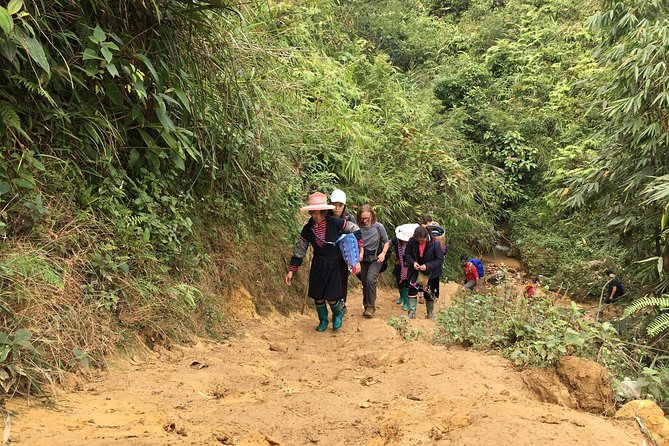
The hike goes downhill toward Cat Cat Village in the Muong Hoa valley area. That downhill profile is a good match for a 2-day experience because it tends to feel less punishing than climbing from the start. You get time to look at the valley and the pattern of terraces, and you move at a pace guided by the day’s plan rather than trying to keep your bearings alone.
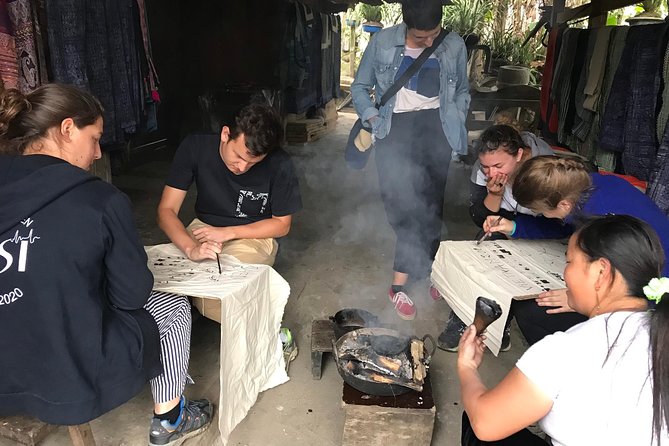
At Cat Cat Village, the focus shifts from scenery to people and daily work. You get a chance to see traditional Black H’mong stilt houses, plus demonstrations connected to everyday clothing work—like weaving and embroidery, and how people dry garments. It is the kind of visit that helps you understand the culture beyond a quick photo stop.
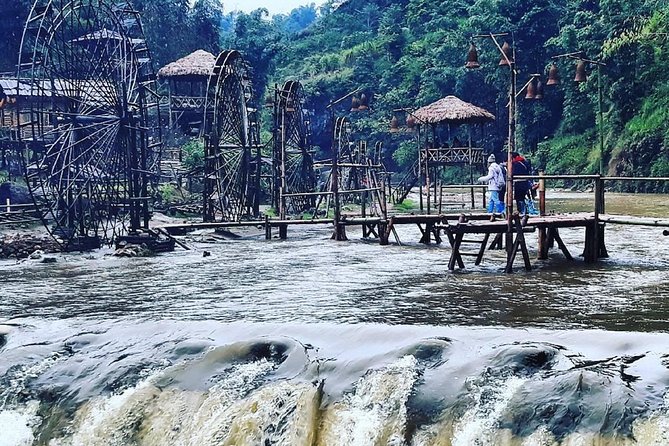
Then you finish with a walk to the Cat Cat Waterfall. This is one of those moments where even if the weather is not perfect, the sound and the immediate nature around you make it feel like you have left the town behind for a while.
Trade-offs on day 1:
- It is a full afternoon start, not an early morning start. If you love dawn photos, you will not get them here.
- You will do a decent amount of walking, so plan your footwear accordingly. The trails in Sapa are rarely flat and smooth.
Day 2 begins with breakfast and a viewpoint choice
Day 2 starts with breakfast, then check-out in the morning. From there, you hit your big decision point: do you want Ham Rong (Dragon’s Jaw) Mountain on foot, or do you want to go toward Fansipan?
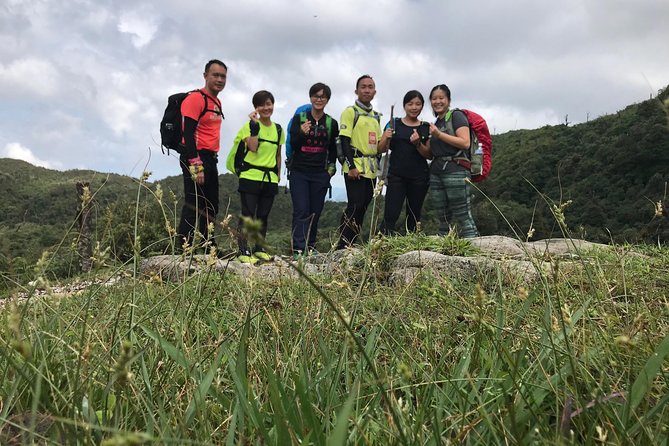
Ham Rong is designed for panoramic payoff. Even if clouds roll in, the area gives you a sense of how the valley layers stack up around Sapa. It is also a nice fit for a 2-day plan because it is built for viewpoints without requiring extra transport costs to reach a summit goal.
Fansipan is different. The tour notes that the trip toward Fansipan can be done via train and cable car, but Fansipan transport is not included. So if your goal is the peak, you should budget extra and make peace with weather. A cloudy day can shrink how much you see, and the mountain can hide the view you came for.
So here is how I would frame it for you:
- If you want a well-rounded walking day with scenery, pick Ham Rong.
- If you have your heart set on standing above the clouds, plan extra spend for Fansipan and accept that you may not get a perfect view.
Lao Chai and Ta Van: rice terraces and different ways of life
After the morning viewpoint portion, the route continues through the villages that make Sapa worth more than just looking from above.
You will visit Lao Chai village, which is part of the classic Black H’mong trekking area. This is where you get a more grounded sense of daily life—how people live, work, and carry culture through routine rather than staging. The tour description emphasizes the idea of daily life and tradition, and that comes through best when you slow down long enough to watch rather than just speed through.
Then you head toward Ta Van village, home to the Tay minority. The tour notes a strong Chinese cultural influence here. That detail matters because it changes what you notice. You might see different building styles, cultural markers, or everyday patterns compared to what you saw with the Black H’mong. It is not a museum contrast; it is a lived-in comparison.
Why this section can feel more meaningful:
- You spend time walking through or near rice terraces, so the environment feels active, not static.
- Village visits tend to make more sense after you have already spent time hiking, because you arrive with context from earlier valleys and downhill trail segments.
Possible drawback to keep in mind:
- Village days can be impacted by weather and daylight. If it rains, paths can get slick and slower. It is worth moving with caution and not treating this like a casual stroll.
Hotel, lunch, and pacing: how to stay comfortable
This tour includes breakfast plus two lunches. That is a big deal for a 2-day trip because meals are often the bottleneck in small mountain towns. I like that the schedule builds in food rather than leaving you to hunt for the right place after a hike.
The hotel is part of the value too. You can choose 3-star or 5-star, with single surcharges if you are traveling alone. Either way, your time in Sapa is split between hotel rest and short bursts of walking, which keeps the whole trip feeling doable.
One review detail that lines up with my expectations: the ride into Sapa can be long, but it is described as comfortable, and people were able to sleep on the way. That tells you the company is using a real vehicle setup rather than a cramped bus.
Practical tip for your comfort:
- You will probably want layers. Mountain weather shifts quickly, and you are outside during trekking windows.
- Plan for a little downtime after the Cat Cat walk on day 1. That rest window helps you actually enjoy day 2 instead of running on fumes.
More ways up Fansipan, on foot or by cable car
- From Hanoi: 2-Day Sapa Limo Bus Tour & Fansipan Peak Visit★ 4.6 · 277 reviews
- From Hanoi: 2-Day Sapa, Fansipan, and Muong Hoa Valley Tour★ 4.2 · 90 reviews
- Hanoi – Sapa 2 Days 2 Nights With Fansipan by cable car★ 5.0 · 79 reviews
Guides and small-group energy
This is a guided trip with an English-speaking guide, and the group size is capped at 10 travelers. That combination is usually what separates a thoughtful experience from a rushed one.
With a smaller group, you tend to get:
- Fewer bottlenecks at village stops
- More chances to ask questions about what you are seeing
- Less waiting when the trail gets narrow
I also saw strong praise for the help the operator provides when planning. Names like Mikey show up in support communications, and Mia is credited with smooth on-the-ground coordination. There is also mention of Kate in connection with memorable Sapa hospitality. I cannot guarantee who you will meet, but the pattern suggests you are not being left alone to figure things out.
Price and value: what $110 actually buys you
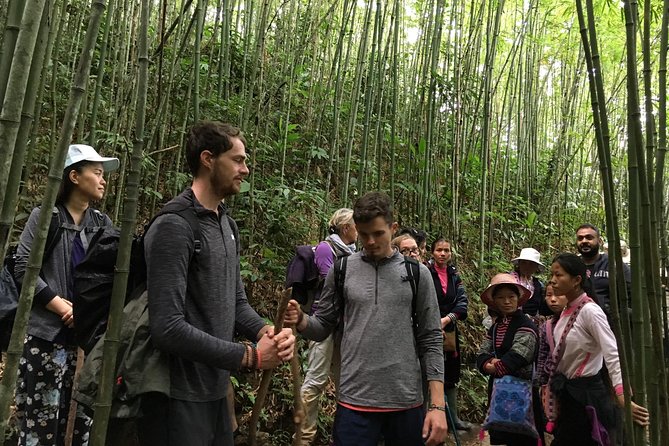
At $110 per person, the pricing makes the most sense when you look at what is included.
You are paying for:
- Round-trip Dcar limousine: Hanoi to Sapa and back
- Hotel (3-star default, 5-star optional)
- English-speaking guide
- Breakfast and two lunches
- Bottled water
- Entrance fees
That is a lot of the stuff that often costs more once you start piecing a trip together yourself. The only major lift you should budget separately is Fansipan cable car/train if you choose to go.
So is it luxury? In the practical travel sense, yes. Luxury here means comfortable transport and hotel, plus a guide and meals built in. It is not about private helicopter views. You still do real walking, and you still experience mountain weather.
The value sweet spot:
- If you want Sapa in just 2 days without spending energy coordinating transport and meal timing
- If you want a guide to manage the village route and explain what you are seeing
- If you are traveling with moderate fitness and want a manageable hiking workload
Weather and trail reality: what to expect
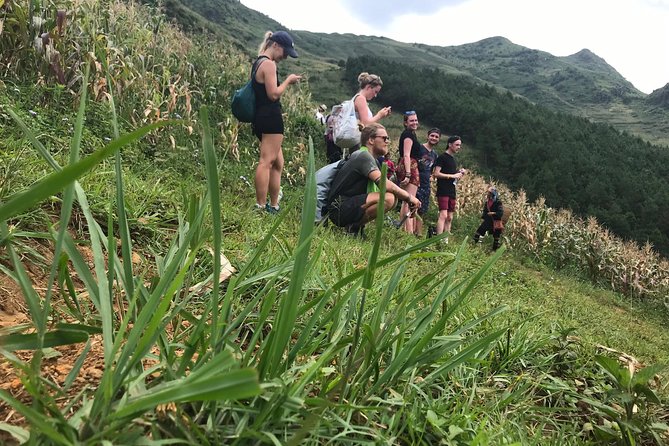
Sapa is scenic, but it is also weather-prone. One key review takeaway was that cloudy or rainy weather can reduce what you see at Fansipan. That matches how mountain trekking usually works.
What I recommend you do:
- Decide ahead of time what your Plan A is: Ham Rong viewpoint walking or peak-chasing at Fansipan.
- Pack for rain even if the morning looks fine.
- Keep your footwear grippy. Even when routes are described as downhill or moderate, mountain paths can get muddy.
Fitness note: the tour asks for moderate physical fitness. That usually means you should be comfortable walking for parts of a day and handling uneven terrain, but you do not need to be a mountain athlete.
Who this tour fits best
This 2-day Sapa trek is a strong match if you:
- Want an efficient Sapa hit from Hanoi without planning transport
- Like culture plus nature, not just one or the other
- Prefer a small group and an English-speaking guide
- Want to choose between Ham Rong and the bigger Fansipan add-on plan
It may not be ideal if you:
- Are chasing guaranteed peak views every time you go (clouds can happen)
- Want a slow, spend-the-day-here kind of trip. Two days is tight, so you will be busy.
Should you book this Sapa luxury trek with Dcar?
I would book it if your main goal is to get from Hanoi to Sapa smoothly, walk the classic routes, and still have solid comfort with hotel and meals handled. The included Dcar transport, meals, and guide make the $110 price feel like you are buying time and stress relief as much as scenery.
Skip it or plan carefully if you are traveling specifically for Fansipan views. Because the cable car is not included and weather can obscure the mountain, you should treat the peak as a bonus, not a guarantee. If you want the safest satisfaction for a 2-day plan, lean toward the Ham Rong viewpoint day and enjoy Lao Chai and Ta Van as your culture anchor.
If that sounds like your style—short trip, guided walking, real village life—this is a good use of two days in northern Vietnam.
FAQ
What time do I meet in Hanoi?
You meet at Hanoi Opera House at 6:30am.
How long is the tour?
The tour runs for 2 days (approx.).
Does the price include the ride between Hanoi and Sapa?
Yes. It includes round-trip Dcar limousine: Hanoi to Sapa and back to Hanoi.
Are hotel and meals included?
Yes. The tour includes accommodation (3-star by default or 5-star as an option) plus breakfast and two lunches.
Is Fansipan included?
No. Fansipan cable car is not included, and the tour notes that visiting Fansipan requires additional transport.
What is the maximum group size?
The tour has a maximum of 10 travelers.
What fitness level do I need?
You should have a moderate physical fitness level.
Is free cancellation available?
Yes. You can cancel for a full refund up to 24 hours in advance of the experience start time.
More Tour Reviews in Hanoi





To the Roof of Indochina: More Fansipan





More Sapa Treks We Walked


Latest Hanoi write-ups from our team






Sapa Trekking Tours, compared.
 ★ 5.0Sapa 2 Days 1 Night From Hanoi – Overnight in Ta Van VillageFrom $592,669 reviews
 ★ 5.0Hanoi – Sapa 2 Days 1 Night Overnight At HomestayFrom $89899 reviews
 ★ 5.0Sapa: Fansipan Cable, Cat Cat Village & Moana Instagram TourFrom $30777 reviews
 ★ 4.8From Hanoi: 2-Day Sapa Trekking Trip with Homestay & MealsFrom $71704 reviews
 ★ 5.0Sapa 3 Days 2 Nights Trekking Tour (1 Night In Ta Van Village, 1 Night In Hotel)From $139699 reviews
 ★ 5.03-Day Trekking Adventure of Sapa from Hanoi – Stay Ta Van VillageFrom $109611 reviews
 ★ 4.82-Day Sa Pa Ethnic Homestay Tour & Trek with Limousine Bus440 reviews
 ★ 5.0Sapa 2 Days 1 Night From Hanoi – Overnight in HotelFrom $89440 reviews
Browse the lists this tour appears in